
Reviewed by the COOLVIAL Editorial Team — specialists in insulin storage for Indian climate conditions.
Chandigarh, with its well-planned sectors, lush gardens, and iconic landmarks like Sukhna Lake and the Capitol Complex, is a beautiful city to live in and travel from. However, for the over 80,000 residents of Chandigarh managing diabetes (Source: ICMR-INDIAB study data, [Verify in 2026] for local prevalence), travelling from Chandigarh with insulin presents unique challenges, especially given the city’s climate, which can swing from scorching summers exceeding 40°C to chilly winters and humid monsoons. Ensuring your insulin remains at the correct temperature (typically between 2°C and 25°C for in-use vials/pens, and 2°C to 8°C for unopened insulin) is critical for its efficacy. Based on analysis of insulin storage queries from Chandigarh diabetics, this comprehensive guide offers 5 essential, practical tips to navigate airport security, train journeys, and road trips safely, making your travel stress-free.
Table of Contents
- Navigating Chandigarh International Airport (IXC) with Insulin
- Smooth Train Journeys from Chandigarh Junction (CDG) with Insulin
- Road Tripping from Chandigarh with Insulin: To Shimla, Kasauli, Manali & Beyond
- Dealing with App-Cab Realities and Public Transport in Chandigarh
- International Travel from Chandigarh International (IXC) with Insulin
- Frequently Asked Questions (FAQ)
- Conclusion: Travel Smart, Live Well
1. Navigating Chandigarh International Airport (IXC) with Insulin
Chandigarh International Airport (IXC) is a gateway connecting the Tricity region to various domestic and international destinations. For individuals travelling from Chandigarh with insulin, understanding airport protocols is paramount. Insulin is a medical necessity, and regulations are generally supportive, but preparedness is key to avoiding delays.
A. Security Screening and Carry-On Essentials
Always keep your insulin in your carry-on luggage. Never check insulin into the hold of an aircraft, as temperatures can drop below freezing, rendering the medication ineffective.
- Doctor’s Letter: While not always explicitly demanded, a doctor’s letter (prescription or a note from your endocrinologist at PGIMER or Fortis Hospital Mohali) stating your need for insulin, syringes, or pens is highly recommended. It should mention the type of insulin, daily dosage, and that these items are for personal medical use. This can expedite security checks.
- Original Packaging: Keep insulin in its original pharmacy-labeled packaging to avoid questions about its contents.
- Syringes and Lancets: These are generally permitted in carry-on luggage when accompanied by insulin. For used needles, carry a small, travel-sized sharps container.
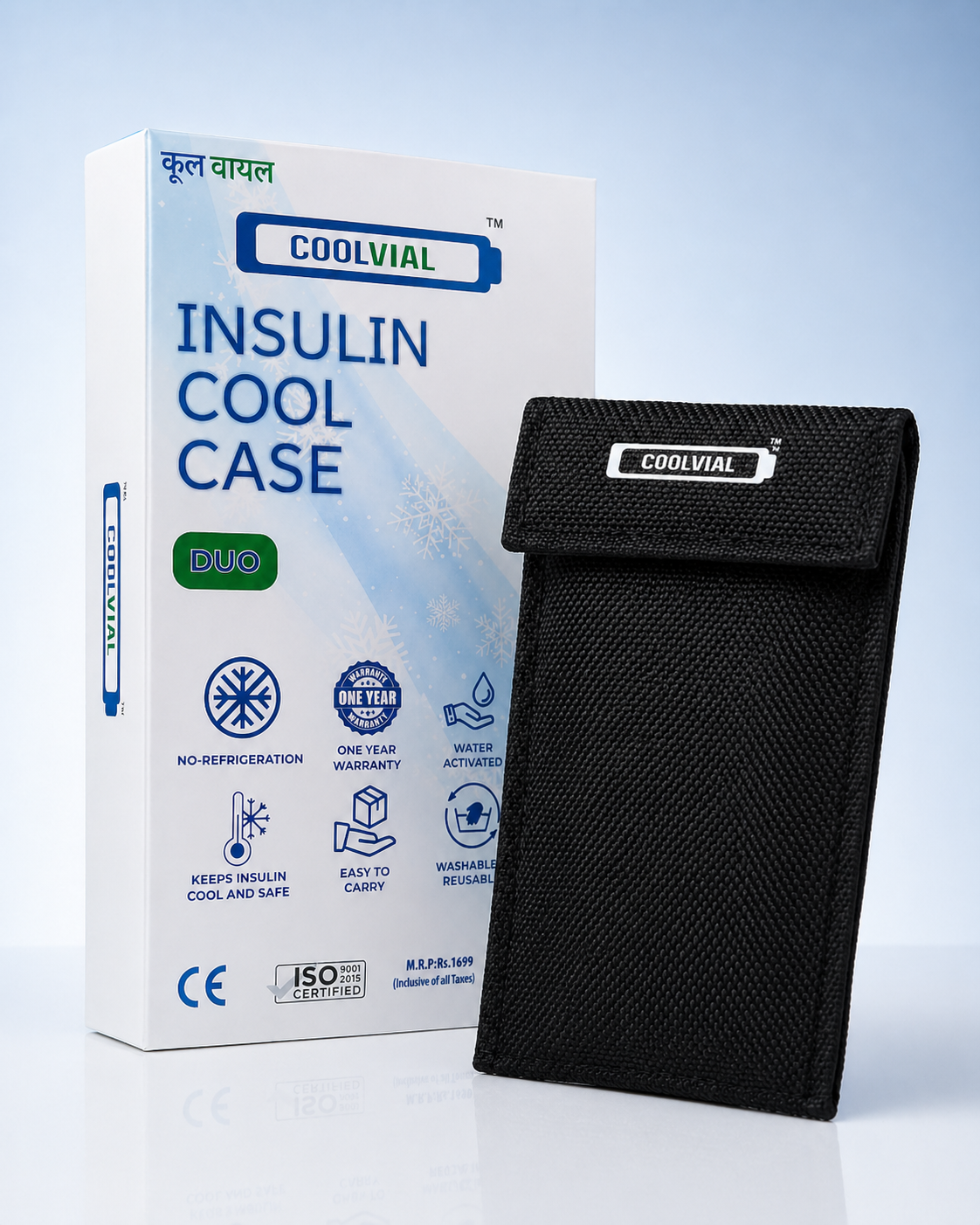
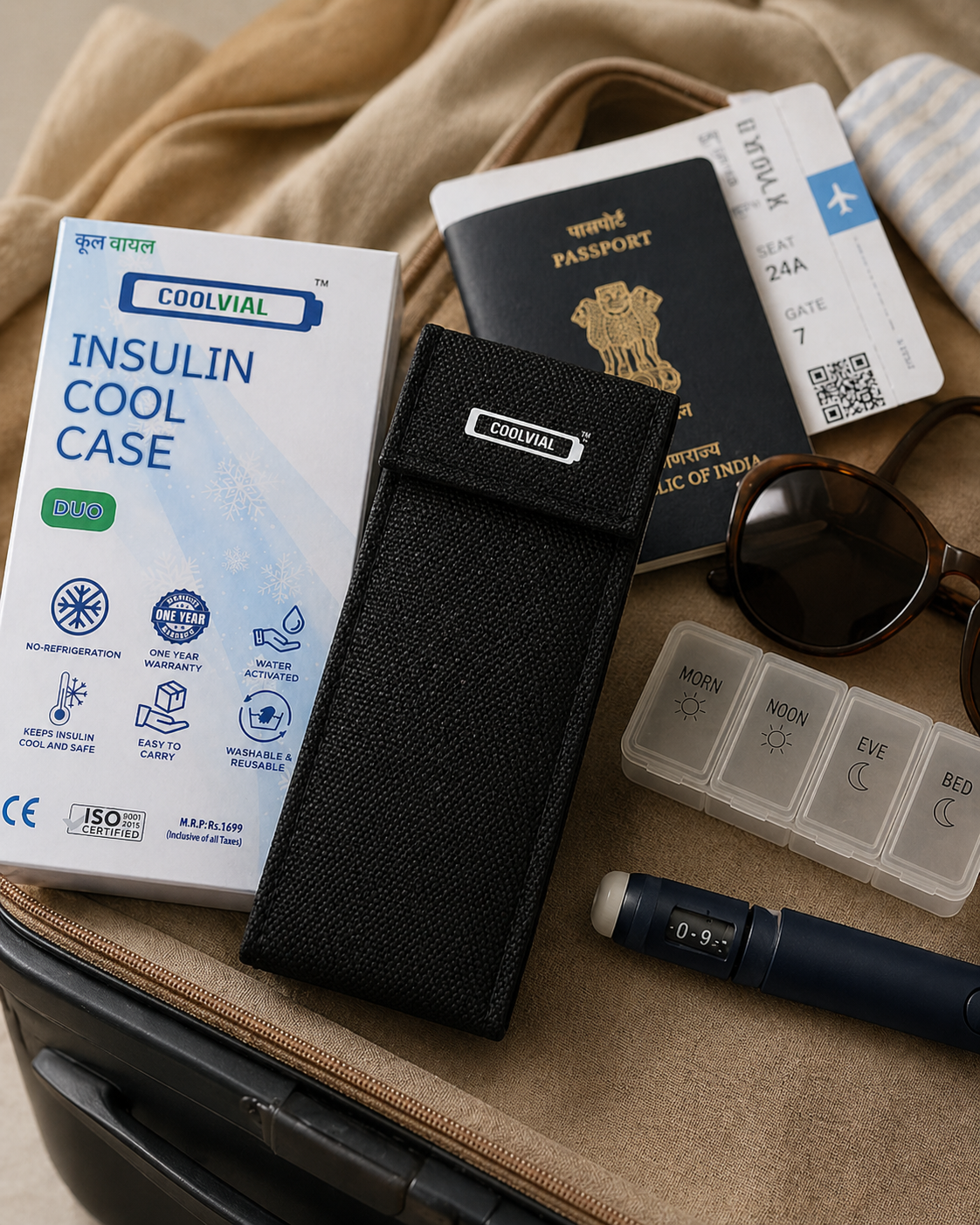
- Cooling Cases: Evaporative cooling cases like the COOLVIAL insulin cool case are ideal. They are water-activated and don’t require refrigeration, making them perfect for flights. Unlike gel packs, which might attract extra scrutiny from CISF personnel during screening (as they are considered liquids), evaporative coolers are usually hassle-free. If using gel packs, ensure they are completely frozen solid at the time of screening; partially thawed gels may be subject to liquid restrictions. Declare any medical liquids to security.
B. Check-in and Pre-Paid Taxi Queues
The check-in process at IXC is standard, but the post-flight experience, especially the pre-paid taxi wait, can be a concern for insulin users.
- Pre-Paid Taxi Wait: Chandigarh International (IXC) can sometimes have significant queues for pre-paid taxis, especially during peak hours or festival seasons. Wait times can hit 45 minutes or more (Source: Local travel advisories, [Verify in 2026]). If you’ve just landed and need to get to Sector 17 or the Industrial Area, this delay can expose your insulin to ambient temperatures if not properly stored.
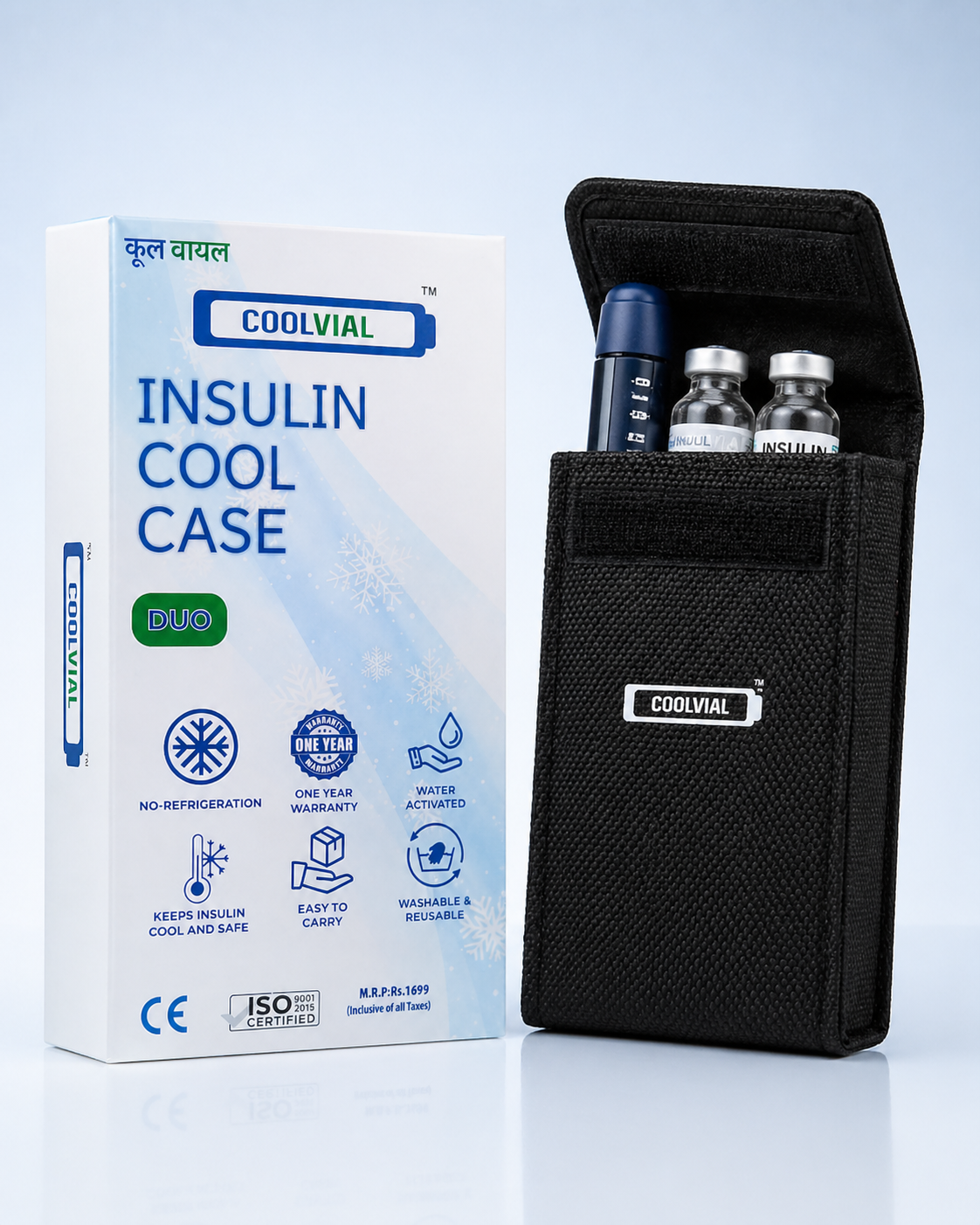
- The COOLVIAL Advantage: This is where a reliable cooling case like the COOLVIAL Duo shines. Designed to hold 2 pens and 1 vial, it keeps insulin cool for 12-16 hours without electricity, providing peace of mind during unexpected delays. Competitors like FRIO (often around Rs 1,900) or Outer Woods OW-12 (around Rs 999) offer similar functionality, but COOLVIAL Duo provides a robust, CE certified, Made in India solution at an accessible price point of Rs 1,099 with code COOLHEAL.
Airport Checklist for Insulin Users:
- Doctor’s letter/prescription
- Insulin pens/vials (in original packaging)
- Syringes/needles (travel sharps container)
- Blood glucose meter, test strips, lancets
- Emergency glucose (e.g., glucose tablets)
- A reliable insulin cooling case (e.g., COOLVIAL Duo)
- Snacks suitable for managing blood sugar
2. Smooth Train Journeys from Chandigarh Junction (CDG) with Insulin
Train travel from Chandigarh Junction (CDG) is a popular and economical option for many, connecting to destinations across India. Whether you’re heading to Delhi, Mumbai, or further afield, managing insulin storage on trains requires specific considerations.
A. Dispelling Myths: Pantry Cars and TTEs
There are common misconceptions about insulin storage on Indian trains that can put your medication at risk.
- Pantry Car Fridges are Unreliable: It’s a widespread myth that pantry car staff can reliably store your insulin in their refrigerators. While some might offer, these fridges are primarily for food and beverages, experience frequent temperature fluctuations, and are not monitored for medical-grade storage. NEVER rely on a pantry car fridge for your insulin.
- NEVER Hand Pens to TTE: Similarly, handing your insulin pens or vials to the Ticket Travelling Examiner (TTE) for “safe storage” is a grave mistake. TTEs are not responsible for medical supplies, and your insulin could be misplaced, damaged, or exposed to inappropriate temperatures. Your insulin is your responsibility.
B. Self-Sufficiency is Key
The best approach for train travel is to be completely self-sufficient with your insulin cooling.
- Evaporative Coolers are Your Best Friend: For journeys from Chandigarh that can last many hours, especially during the hot summer months (April to June, 30-44°C), an evaporative insulin cooling case is indispensable. The COOLVIAL Duo, for instance, requires only activation with water and then keeps your insulin cool for 12-16 hours. You can reactivate it at any station stop with accessible water.
- Temperature Control in Compartments: While AC coaches offer some relief, train AC can be inconsistent. Even in AC compartments, direct sunlight through windows or proximity to heat sources can elevate temperatures. Keep your cooling case in a shaded spot, away from direct heat.
- Access to Water: Carry a water bottle to reactivate your cooling case as needed. Most stations have water taps, and you can purchase bottled water on trains.
5 Essential Tips: Travelling From Chandigarh With Insulin — Airport, Station & Taxi
48+ hours at 2-8°C. No electricity. CE certified. Free delivery across India.
Order on WhatsApp — ₹1,099🛒 Buy Now — ₹1,099Train Travel Tips for Insulin Users:
- Carry enough supplies: Pack extra insulin, syringes, and test strips for your journey and a few days beyond, in case of unexpected delays.
- Inform co-passengers (optional): If you feel comfortable, briefly inform a trusted co-passenger about your insulin and its storage, especially if you are travelling alone.
- Monitor blood sugar frequently: Changes in routine, meal times, and activity levels on a train can affect blood sugar.
- Stay hydrated: Especially important during summer travel from Chandigarh.
For more detailed information on managing diabetes in your daily life in the city, you might find our article, Complete Diabetes Care Guide for Chandigarh Residents — 2026 Edition, helpful.
3. Road Tripping from Chandigarh with Insulin: To Shimla, Kasauli, Manali & Beyond
Road trips from Chandigarh to popular hill stations like Shimla (approx. 115 km, 3-4 hours), Kasauli (approx. 60 km, 2 hours), or the longer journey to Manali (approx. 275 km, 8-10 hours) are incredibly popular. The scenic routes are inviting, but the variable temperatures and practicalities of road travel demand careful insulin management.
A. Managing Heat in Vehicles
The inside of a car, even on a seemingly cool day, can become a furnace, especially when parked.
- Taxi AC Reliability: When hiring a local taxi or travelling in your own vehicle, the reliability of the air conditioning is crucial. Older taxis, common for shorter distances or local trips within Chandigarh, might have less effective AC, or drivers might be reluctant to run it constantly to save fuel. During Chandigarh’s summer (24-44°C), a car parked in the sun can reach internal temperatures of 60°C or more within minutes.
- NEVER Leave Insulin in a Hot Car: This is a golden rule. Even for a short pit-stop, never leave your insulin in a parked car, especially not in the glove compartment or boot. These areas heat up rapidly. Always take your insulin cooling case with you.
- Dashboard Exposure: Avoid placing your insulin on the dashboard or near windows where it’s exposed to direct sunlight, even if the AC is running.
B. Pit-Stops and Dhaba Realities
Road trips inevitably involve stops for food, restrooms, and sightseeing.
- Dhaba Pit-Stop Fridge Access: Similar to train pantry cars, dhaba fridges along the Chandigarh-Shimla highway or other routes are not suitable for insulin storage. They are designed for food and drinks, not temperature-sensitive medication. Do not ask dhaba staff to store your insulin.
- Personal Cooling Solutions: Your evaporative cooling case is your most reliable companion. For example, the COOLVIAL Duo’s ability to keep insulin cool for 12-16 hours means you can comfortably cover the entire journey to Manali and back without worrying about external power or refrigeration.
- Hydration and Snacks: Carry sufficient water and appropriate snacks, especially when travelling through remote areas where access to specific foods might be limited. Plan your meals around your insulin schedule.
C. Route-Specific Considerations
- Hills and Altitude: While higher altitudes often mean cooler temperatures, the direct sun can still be intense. Ensure your cooling case is protected.
- Traffic Jams: Road trips from Chandigarh, especially on weekends or during peak tourist seasons towards Shimla or Manali, can involve unexpected traffic jams. These delays mean extended time in the car. A reliable cooling solution ensures your insulin remains safe throughout.
4. Dealing with App-Cab Realities and Public Transport in Chandigarh
Within Chandigarh, and for short trips to nearby Mohali or Panchkula, app-cabs (Ola/Uber) and bike-taxis (Rapido) are common. Public transport like local buses also serve the city. Insulin management in these modes requires awareness.
A. App-Cab Challenges
- Ola/Uber Drivers Refusing AC: It’s an unfortunate reality in Indian cities, including Chandigarh, that some app-cab drivers may be reluctant to run the AC constantly, especially for shorter rides, to save fuel. During the hot months, this can quickly create a warm environment inside the car, compromising insulin.
- What to Do:
- Communicate: Politely request the driver to turn on the AC. If they refuse, you have the option to cancel and book another cab, though this might cause delays.
- Use Your Cooling Case: Always keep your insulin in your COOLVIAL Duo. This protects it even if the cab’s AC is off or ineffective.
- Prefer AC Cabs: When booking, choose the ‘AC’ option if available, even if it costs slightly more.
B. Rapido Bike-Taxi Exposure
- Direct Heat Exposure: Rapido bike-taxis are convenient for short distances, particularly in congested areas of Sector 17 or Industrial Area Phase 1. However, insulin carried on a bike is exposed directly to ambient air temperature, engine heat, and direct sunlight.
- Not Recommended for Insulin: Carrying insulin in a standard backpack on a bike-taxi during summer is highly risky. The COOLVIAL Duo can mitigate this risk significantly, but even with a cooling case, direct prolonged exposure to extreme heat and vibrations should be minimized. For daily commutes within Chandigarh, consider our specific tips on Daily Commute With Insulin in Chandigarh — Tips for Metro, Bus & Auto.
C. Public Buses and Auto-Rickshaws
- Temperature Fluctuations: Chandigarh’s local buses and auto-rickshaws are often non-AC and open to the elements. During summer, these can be very hot, and during monsoon, humidity can also be a factor.
- Keep Insulin Close: Always keep your cooling case close to your body, ideally in a bag that offers some insulation, and out of direct sunlight.
- Plan Shorter Trips: If possible, plan your travel during cooler parts of the day if relying on non-AC transport.
5. International Travel from Chandigarh International (IXC) with Insulin
International journeys from Chandigarh International (IXC) bring additional layers of planning, including customs regulations and time-zone adjustments.
A. Customs and Documentation
- Declaration: When entering a foreign country, it’s advisable to declare your medical supplies to customs officials. Your doctor’s letter, translated into English (and potentially the local language if required), will be invaluable.
- Medication List: Carry a list of all your medications, including generic names, dosages, and prescribing physician’s contact information.
- Security Again: Be prepared for security checks at foreign airports, which might have slightly different procedures than IXC. Your evaporative cooling case is generally well-understood as a medical device globally.
B. Time-Zone Dosing
Crossing multiple time zones can significantly impact your insulin dosing schedule. This is a critical aspect of travelling from Chandigarh internationally.
- Consult Your Doctor: Before any international trip, discuss time-zone changes with your endocrinologist or diabetologist (e.g., at Max Super Speciality Mohali or PGIMER). They can provide a personalized plan for adjusting your basal and bolus insulin doses.
- Adjusting Doses: Generally, when travelling East (losing hours), you might need less insulin. When travelling West (gaining hours), you might need more. The exact adjustment depends on the number of time zones crossed and the type of insulin you use.
- Carry a Watch with Home Time: Always keep a watch set to your home time (Chandigarh time) to help with initial dosing calculations before fully adjusting to the new local time.
- Frequent Monitoring: Monitor your blood glucose levels more frequently during and after time-zone changes to catch any fluctuations early.
C. Emergency Preparedness Abroad
- Insulin Availability: Research the availability of your specific insulin type in your destination country. Brand names can differ.
- Emergency Contact: Keep a list of emergency contacts, including your doctor, and travel insurance details.
- Medical Alert ID: Wear a medical alert bracelet or carry an ID card stating you have diabetes, especially if you are travelling alone.
Remember, the goal is to travel safely and confidently. A reliable insulin cooling solution like the COOLVIAL Duo is a small investment that offers immense peace of mind, ensuring your insulin remains effective regardless of your travel mode or destination from Chandigarh. For more information on insulin storage tips, visit our website.
Frequently Asked Questions (FAQ)
Q: Can I put my insulin in the mini-bar fridge in a hotel in Chandigarh? A: While hotel mini-bar fridges are better than nothing, they often have inconsistent temperatures and are not designed for medical storage. It is safer to use a dedicated insulin cooling case like COOLVIAL Duo or request a medical fridge from the hotel if available and verified.
Q: Is it safe to carry insulin in a checked bag for domestic flights from Chandigarh? A: No, it is never safe to carry insulin in checked luggage for any flight, domestic or international. The cargo hold temperatures can drop below freezing, which will damage and inactivate your insulin.
Q: Do I need a doctor’s letter for carrying insulin on a train from Chandigarh? A: While not strictly mandatory for domestic train travel, carrying a doctor’s letter is a good practice. It can help if any questions arise regarding your medical supplies, though it’s less common than at airports.
Q: How long does insulin typically stay viable at room temperature (e.g., if my cooling case fails)? A: Most in-use insulin vials or pens, once opened, can be kept at room temperature (up to 25-30°C, depending on the specific insulin brand) for 28 days. However, exposure to temperatures above 25°C for prolonged periods, especially in Chandigarh’s summer heat, can significantly reduce its efficacy much faster. Always aim to keep it below 25°C.
Q: Can I reuse the COOLVIAL Duo after it has dried out? A: Yes, COOLVIAL Duo is designed for repeated use. Once the cooling effect diminishes and the crystals dry out, simply re-immerse the inner pouch in water for 5-10 minutes to reactivate it.
Q: What if I lose my insulin or supplies while travelling from Chandigarh? A: Always carry extra supplies. If you lose insulin, immediately contact your doctor. In Chandigarh, you can visit pharmacies like Apollo Pharmacy, MedPlus, or 1mg, or hospitals like PGIMER (Post Graduate Institute, Sector 12) or Fortis Hospital Mohali for an emergency prescription and supply.
Q: Are there any specific rules for carrying alcohol swabs or glucose meters through airport security at IXC? A: Alcohol swabs are generally permitted as medical supplies. Glucose meters, test strips, and lancets are also allowed in carry-on luggage without issues, as they are essential medical devices.
Conclusion: Travel Smart, Live Well
Travelling from Chandigarh with insulin doesn’t have to be a source of anxiety. With thoughtful planning, understanding local travel nuances, and equipping yourself with the right tools, you can ensure your medication remains safe and effective throughout your journey. From navigating the security checks at Chandigarh International Airport (IXC) and the practicalities of train travel from Chandigarh Junction (CDG), to the challenges of road trips to Shimla or Manali and the realities of local app-cabs, being prepared is your best defence against temperature excursions.
Remember that your insulin is vital, and its proper storage is non-negotiable. Investing in a reliable, portable cooling solution like the COOLVIAL Duo provides the autonomy and peace of mind you need. It’s CE certified, ISO 9001:2015 compliant, comes with a 1-year warranty, and is proudly Made in India – specifically designed for our climate challenges.
Don’t let travel plans be hampered by insulin storage worries. Take control of your health, wherever your journey takes you from the beautiful city of Chandigarh.
Order COOLVIAL Duo at Rs 1,099 with code COOLHEAL at coolvial.com or via WhatsApp wa.me/918766952300
Medical Disclaimer: This article is for general information. Always consult your endocrinologist or diabetologist before changing insulin storage or dosing practices.
How We Researched This: Our insights are based on a thorough review of RSSDI guidelines for diabetes management in India, ICMR-INDIAB data on diabetes prevalence, local Chandigarh hospital directories (PGIMER, Fortis, Max), and the extensive pharmacy network of Apollo Pharmacy and others to understand local access to supplies. We also incorporated feedback from diabetic communities regarding common travel challenges in the Indian context.
5 Essential Tips: Travelling From Chandigarh With Insulin — Airport, Station & Taxi
COOLVIAL keeps insulin safe in India's heat. 48+ hours, no electricity needed.