
Reviewed by the COOLVIAL Editorial Team — specialists in insulin storage for Indian climate conditions.
Nestled at the foothills of the Shivalik range, Chandigarh, the ‘City Beautiful’, is renowned for its impeccable planning, lush greenery, and modern infrastructure. However, like many urban centers in India, its residents face the growing challenge of managing chronic health conditions, with diabetes being a significant concern. This complete diabetes care guide for Chandigarh residents in 2026 aims to provide a definitive resource for navigating life with diabetes in this unique Union Territory. Based on analysis of insulin storage queries from Chandigarh diabetics, we understand the specific local challenges, from the scorching 24-44°C summers to the reliance on robust infrastructure. This guide covers everything from accessing quality healthcare to understanding local climate impacts on medication, ensuring you have the tools for effective diabetes management. Recent data suggests that Chandigarh UT faces a considerable diabetes prevalence, with studies indicating rates potentially exceeding 10-15% in the adult population, making comprehensive local support crucial.
Successfully managing diabetes in Chandigarh requires a nuanced understanding of local resources, climate, and lifestyle factors. This pillar article serves as your go-to hub, offering insights into healthcare facilities, pharmacy networks, the city’s unique climate challenges for insulin storage, and much more. We’ll also introduce you to innovative solutions like the COOLVIAL insulin cool case, designed to keep your insulin safe and effective, even amidst Chandigarh’s varied weather conditions.
Table of Contents
- Diabetes Prevalence in Chandigarh UT: Local Insights
- Top Hospitals for Diabetes Care in Chandigarh
- Navigating Chandigarh’s Pharmacy Network for Diabetes Supplies
- Chandigarh’s Climate Reality & Insulin Storage Solutions
- Power & Utility: Managing Diabetes During Load Shedding in Chandigarh
- Transporting Insulin Safely in Chandigarh: A Commuter’s Guide
- Chandigarh’s Food Culture & Diabetic-Friendly Choices
- Diabetes Support Groups and Community in Chandigarh
- Understanding Health Insurance for Diabetes in Chandigarh
- Chandigarh-Specific Challenges for Diabetics
- Frequently Asked Questions (FAQ)
- How We Researched This
- Conclusion & Your Next Step
- Medical Disclaimer
Diabetes Prevalence in Chandigarh UT: Local Insights
Chandigarh, despite its reputation for high quality of life, mirrors the national trend of rising diabetes prevalence. The ICMR-INDIAB study, a landmark research initiative, has highlighted significant rates of diabetes across India, with urban areas often showing higher figures. While precise, up-to-the-minute Chandigarh-specific data for 2026 is continually updated, earlier reports and ongoing studies suggest that the prevalence of diabetes in Chandigarh UT is substantial, potentially affecting over 15% of the adult population (Source: ICMR-INDIAB, [Verify in 2026]). This figure underscores the critical need for a robust healthcare infrastructure and a well-informed populace to manage this condition effectively.
Several factors contribute to this prevalence in Chandigarh:
- Lifestyle Changes: Rapid urbanization has led to more sedentary lifestyles and increased consumption of processed foods, deviating from traditional, healthier diets.
- Genetic Predisposition: South Asians have a higher genetic predisposition to diabetes.
- Dietary Habits: The rich Punjabi food culture, while delicious, often includes high-fat and high-sugar items, which can contribute to insulin resistance over time.
- Awareness Gaps: Despite high literacy rates, awareness about early detection and management of pre-diabetes remains a challenge for some segments of the population.
Understanding these local factors is the first step towards effective prevention and management. This guide aims to empower you with the knowledge to navigate diabetes care in Chandigarh.
Top Hospitals for Diabetes Care in Chandigarh
Access to quality medical care is paramount for diabetes management. Chandigarh boasts several excellent hospitals equipped with specialized endocrinology and diabetology departments. These institutions offer comprehensive care, from diagnosis and medication management to dietary counseling and complication prevention. For a more detailed look at individual specialists, refer to our deep-dive: Best Diabetologists & Endocrinologists in Chandigarh — 2026 Guide.
Here are the leading hospitals in and around Chandigarh for diabetes care:
- Post Graduate Institute of Medical Education and Research (PGIMER), Sector 12:
- Overview: A premier medical institution in India, PGIMER offers multidisciplinary care with a dedicated Department of Endocrinology. It’s a public hospital known for its research, advanced treatments, and affordable care, often serving a large patient load.
- Strengths: Comprehensive diagnostics, experienced specialists, research-backed treatment protocols, and subsidized services.
- Considerations: Can involve long waiting times due to high patient volume.
- Fortis Hospital Mohali:
- Overview: Located just outside Chandigarh in Mohali, Fortis is a leading private hospital offering state-of-the-art facilities and a team of highly qualified endocrinologists.
- Strengths: Advanced technology, personalized care, shorter waiting times, and a comfortable patient experience.
- Considerations: Higher cost of treatment compared to public hospitals.
- Max Super Speciality Hospital Mohali:
- Overview: Another prominent private hospital in Mohali, Max Super Speciality offers a robust endocrinology department focusing on diabetes management, including specialized clinics for gestational diabetes and diabetic foot care.
- Strengths: Expert medical team, modern infrastructure, focus on patient education, and diverse specialty services.
- Considerations: Private hospital pricing.
- Government Multi Specialty Hospital (GMSH-16), Sector 16:
- Overview: A well-established government hospital within Chandigarh, GMSH-16 provides accessible healthcare services to the local population. It has a general medicine department that manages diabetes cases.
- Strengths: Affordable care, central location, and essential medical services.
- Considerations: May have limited specialized endocrinology services compared to PGIMER, higher patient volume.
- Government Medical College and Hospital (GMCH-32), Sector 32:
- Overview: Similar to PGIMER, GMCH-32 is a teaching hospital with a strong internal medicine department that handles a wide spectrum of diabetes cases. It also contributes to medical education and research.
- Strengths: Comprehensive medical care, academic environment, and cost-effective treatment options.
- Considerations: Can experience significant patient queues.
- Healing Hospital, Sector 34:
- Overview: A multi-specialty private hospital offering personalized care, Healing Hospital provides services for diabetes management, often with a focus on patient comfort and efficient service.
- Strengths: Patient-centric approach, modern amenities, and a range of specialist consultations.
- Considerations: Private hospital charges.
Here’s a comparison table of key diabetes care facilities in Chandigarh:
| Hospital Name | Type | Location | Key Specialization (Diabetes) | Affordability |
|---|---|---|---|---|
| PGIMER | Public | Sector 12 | Advanced Endocrinology, Research, Complex Cases | High |
| Fortis Hospital Mohali | Private | Mohali | Comprehensive Diabetology, Advanced Diagnostics | Moderate |
| Max Super Speciality Mohali | Private | Mohali | Endocrinology, Diabetic Foot Care, Patient Education | Moderate |
| GMSH-16 | Public | Sector 16 | General Diabetes Management, Primary Care | High |
| GMCH-32 | Public | Sector 32 | Internal Medicine, Diabetes Education | High |
| Healing Hospital, Sector 34 | Private | Sector 34 | Personalized Diabetes Care, Multi-specialty Support | Moderate |
Navigating Chandigarh’s Pharmacy Network for Diabetes Supplies
Ensuring a steady supply of insulin, oral medications, and testing strips is crucial for effective diabetes management. Chandigarh boasts a robust network of pharmacies, both physical and online, catering to the needs of its residents. For urgent needs, knowing where to find pharmacies open round-the-clock is vital. Our guide, 24-Hour Pharmacies in Chandigarh for Insulin Emergencies — Updated List, provides detailed information.
Here’s an overview of the pharmacy options available:
- Major Chain Pharmacies:
- Apollo Pharmacy: Widely available across Chandigarh, including prominent locations in Sector 17 Plaza, Sector 22, and various residential sectors. Known for its extensive stock of medicines, including a broad range of insulins and diabetes care products. They also offer loyalty programs.
- MedPlus: Another popular chain with multiple outlets across the city, providing competitive pricing and a good selection of pharmaceutical products.
- Online Pharmacies & Delivery Services:
- 1mg (now Tata 1mg): A leading online pharmacy that delivers medicines directly to your doorstep. This is particularly convenient for routine refills and can often offer discounts. Ensure you upload valid prescriptions.
- Other Online Retailers: Various other platforms also operate in Chandigarh, offering convenience and sometimes better deals. Always check for authenticity and delivery times.
- Local Independent Pharmacies:
- Generic Aadhaar: Focuses on providing affordable generic medicines, which can be a cost-effective option for diabetes medications. You can find their outlets in various neighborhoods.
- Frontier Medicare: A well-regarded local pharmacy known for its reliable service and often offering a more personalized experience. You’ll find them in key commercial and residential areas.
- Neighborhood Pharmacies: Almost every residential sector in Chandigarh has local pharmacies that serve the immediate community. These can be lifesavers for quick access to supplies.
Tips for Pharmacy Shopping:
- Always carry your prescription: This is legally required for insulin and many other diabetes medications.
- Check expiry dates: Before purchasing, always verify the expiry date of insulin vials, pens, and test strips.
- Compare prices: For non-urgent purchases, comparing prices between different pharmacies or online platforms can lead to significant savings.
- Inquire about storage: Ensure the pharmacy stores insulin correctly (refrigerated between 2-8°C).
- Plan ahead for refills: Don’t wait until you run out. Order or pick up your refills a few days in advance, especially before weekends or holidays.
For those needing to purchase insulin coolers, our guide on Where to Buy an Insulin Cooler in Chandigarh — Top Stores, Pharmacies & Online Delivery offers specific local recommendations.
Chandigarh’s Climate Reality & Insulin Storage Solutions
Chandigarh’s climate presents unique challenges for insulin storage, making it a critical aspect of diabetes management. The city experiences extreme temperatures throughout the year, demanding careful consideration to maintain insulin efficacy. Insulin must be stored correctly to remain effective; typically, unopened vials/pens require refrigeration (2-8°C), while opened ones can be kept at room temperature (below 30°C) for a limited period (e.g., 28 days for most insulins).
Let’s break down Chandigarh’s climate and its implications:
- Hot Summers (April to June/July):
- Temperatures: Soaring high, often between 24-44°C, with peaks sometimes exceeding 45°C. The intense heat can quickly degrade insulin, even if left out for a short duration.
- Challenge: Maintaining insulin below 30°C is a constant battle. Refrigeration is often available at home, but what about during travel or power cuts?
- Solution: This is where portable cooling solutions become indispensable.
- Cold Winters (December to February):
- Temperatures: Can drop significantly, ranging from 4-21°C, with occasional dips close to freezing.
- Challenge: While less common, insulin can freeze if exposed to extremely low temperatures, rendering it inactive. This is a risk if left in unattended vehicles overnight or if refrigerators are set too low.
- Solution: Ensure insulin is not exposed to freezing temperatures. Portable coolers can also offer a layer of insulation against extreme cold.
- Monsoon Season (July to September):
- Temperatures: Moderate, but humidity levels skyrocket, often above 80-90%. Average rainfall is around 1100mm annually.
- Challenge: High humidity doesn’t directly harm insulin but can affect test strips and meters, leading to inaccurate readings. It can also promote mold growth on storage items.
- Solution: Keep insulin and testing supplies in airtight containers or waterproof bags. Our article, Chandigarh Monsoon & Insulin — Protecting Your Vials From Humidity Damage, offers practical tips.
The Indispensable Role of Insulin Coolers:
Given these climate realities, an insulin cooler is not a luxury but a necessity for diabetics in Chandigarh. It provides a reliable way to keep insulin within the safe temperature range (2-8°C or below 30°C for in-use vials) without electricity.
Introducing COOLVIAL Duo:
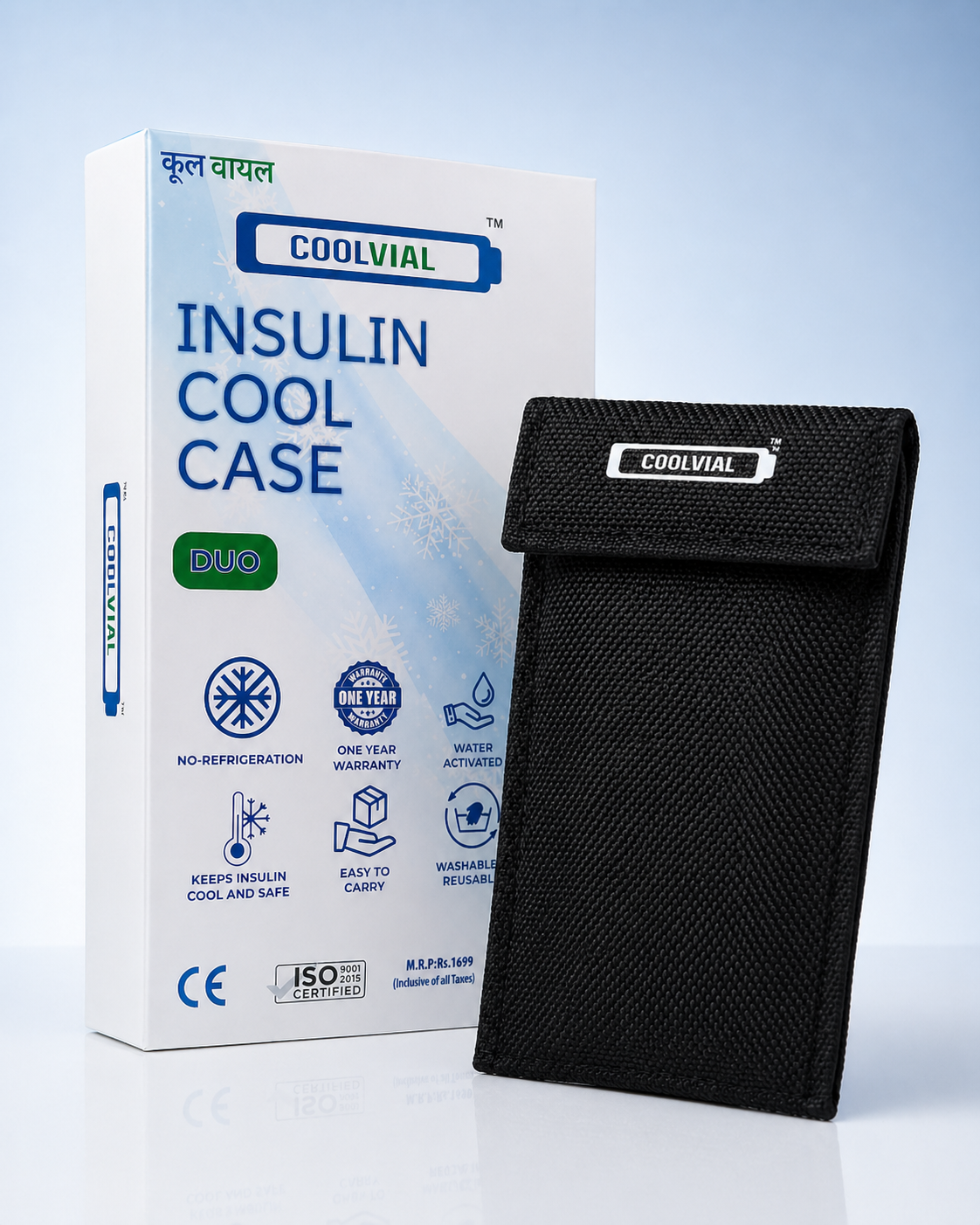
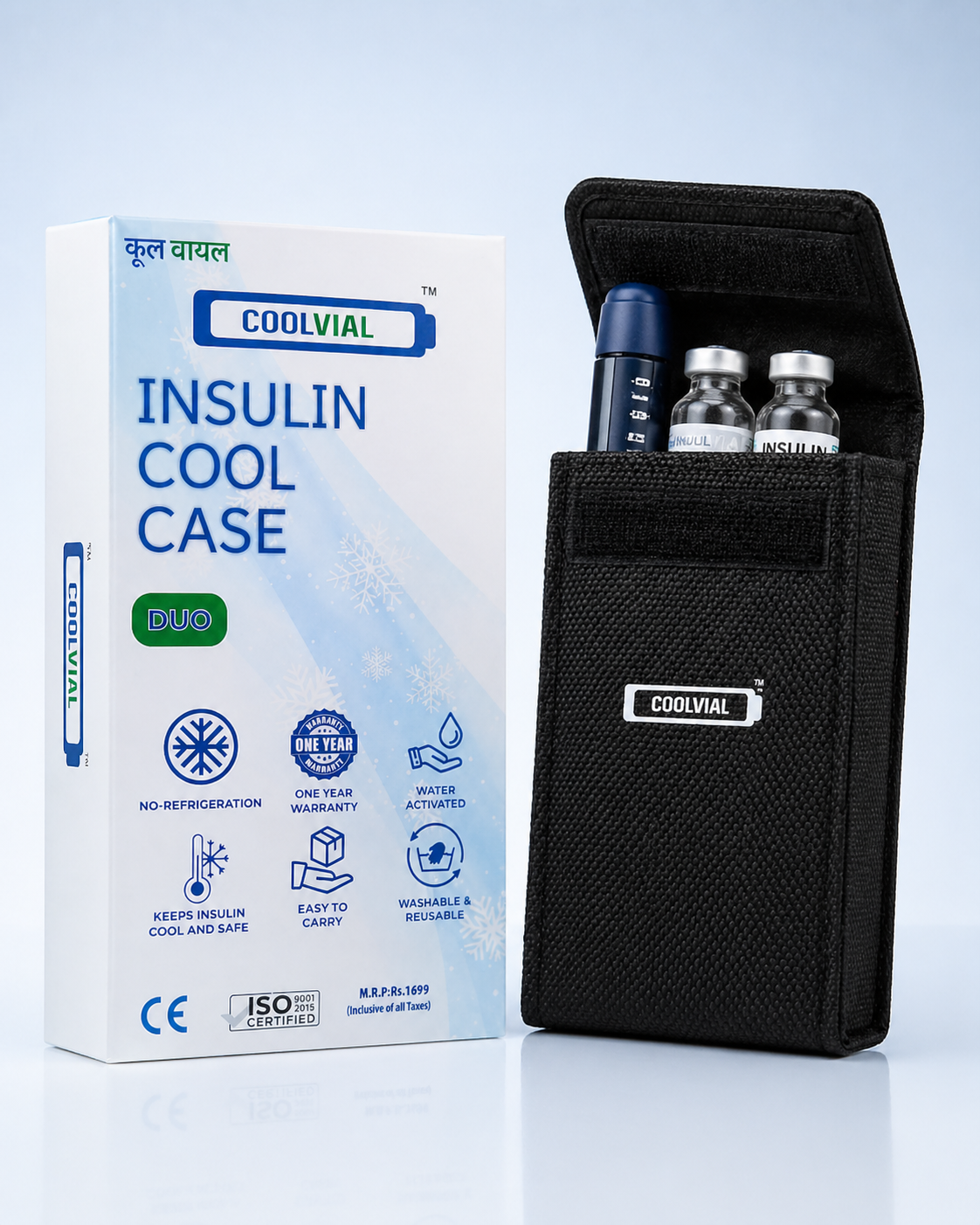
The COOLVIAL Duo is specifically designed for the Indian climate, offering a robust, water-activated evaporative cooling solution. It holds 2 pens + 1 vial, keeping your insulin cool for 12-16 hours. Here’s why it stands out:
- Water-Activated Technology: Simply immerse the inner pouch in cold water for a few minutes. The evaporative cooling process keeps insulin safe.
- No Electricity Required: Perfect for power cuts, travel, and daily commutes.
- Compact & Portable: Easy to carry in a bag, ensuring your insulin is always protected, whether you’re at Sukhna Lake, Sector 17 Plaza, or stuck in traffic.
- Capacity: Holds 2 insulin pens and 1 vial, or 3 pens, providing ample space for your daily needs.
- Certifications: CE certified and ISO 9001:2015 compliant, ensuring quality and reliability.
- Made in India: Built to withstand local conditions, supporting local manufacturing.
- Price: Available at Rs 1,099 with code COOLHEAL (MRP Rs 1,699).
For a deeper dive into summer storage, read How to Store Insulin in Chandigarh Summer Heat — A Local’s Guide.
Comparison with Competitors:
| Feature | COOLVIAL Duo | FRIO (Similar Model) | Outer Woods OW-12 (Similar) |
|---|---|---|---|
| Cooling Method | Water-activated evaporative | Water-activated evaporative | Gel pack based |
| Electricity Needed | No | No | No (gel pack needs freezing) |
| Cooling Duration | 12-16 hours | Up to 45 hours (depending on model) | 12-24 hours |
| Capacity | 2 pens + 1 vial (or 3 pens) | Varies (e.g., 2 pens) | 2 pens + other items |
| Price (approx.) | Rs 1,099 (with code COOLHEAL) | Rs 1,900 | Rs 999 |
| Certifications | CE certified, ISO 9001:2015 | Medical Device Directive 93/42/EEC | (Verify in 2026) |
| Made In | India | UK | India |
| Key Advantage | Cost-effective, robust, no freezing required | Longest cooling duration, no freezing required | Budget-friendly, good insulation |
COOLVIAL offers a balanced solution, providing reliable, electricity-free cooling at a competitive price point, perfectly suited for Chandigarh’s climate challenges. Remember, proper insulin storage tips are crucial for maintaining its efficacy.
Power & Utility: Managing Diabetes During Load Shedding in Chandigarh
Chandigarh is known for its relatively stable power supply compared to many other Indian cities. However, occasional power cuts (load shedding) are still a reality, especially during peak summer months when electricity demand soars, or during the monsoon season due to infrastructure issues. For diabetics who rely on refrigeration for insulin storage, these outages can be a source of significant concern.
The city has a well-developed infrastructure, but even a well-planned city like Chandigarh experiences load shedding. This leads to an “inverter culture” in many households, where inverters provide backup power for essential appliances.
Impact of Power Cuts on Insulin:
- Refrigerator Dependence: Insulin typically requires refrigeration (2-8°C) until opened. Prolonged power cuts can cause refrigerator temperatures to rise above safe limits.
- Degradation Risk: Insulin exposed to temperatures above 30°C can lose its potency, becoming less effective or even harmful.
Strategies for Diabetics During Power Cuts:
- Invest in a Reliable Inverter: Many Chandigarh homes are equipped with inverters. Ensure yours is capable of powering your refrigerator for several hours. Regular maintenance is key.
- Utilize Portable Cooling Solutions: This is where the COOLVIAL Duo shines. It provides 12-16 hours of cooling without electricity, making it an ideal backup during power outages. Simply activate it with water, and your insulin pens and vials are safe.
- Insulated Cooler Bags: Keep a small insulated cooler bag with ice packs ready. This can be a temporary solution for a few hours. However, direct contact with ice can freeze insulin, so wrap vials in cloth.
- Monitor Refrigerator Temperature: If a power cut occurs, avoid opening the refrigerator door frequently to maintain the internal temperature for as long as possible.
- Know Your Insulin’s Limits: Understand how long your specific insulin can remain unrefrigerated. Most in-use insulins can be kept at room temperature (below 30°C) for 28 days, but this is contingent on the room temperature not exceeding that limit, which is often challenging in Chandigarh summers.
- Stay Informed: Keep an eye on local news or utility company announcements regarding scheduled power cuts. The Chandigarh Electricity Department (CED) or U.T. Power & Electricity Department often provides updates (Source: [Verify in 2026] for specific channels).
For a detailed action plan, refer to our guide: Power Cut Survival Guide for Diabetics in Chandigarh — What To Do When the Grid Goes Down. Proactive planning is your best defense against the unpredictability of power outages.
Transporting Insulin Safely in Chandigarh: A Commuter’s Guide
Chandigarh is a well-connected city, but daily commutes, whether for work, errands, or leisure, require careful planning for diabetics carrying insulin. The city lacks a metro system (though one is in planning), relying primarily on roads. The key is to protect insulin from temperature fluctuations and physical damage.
Here’s how to navigate Chandigarh’s transport options with insulin:
- CTU City Buses:
- Availability: Chandigarh Transport Undertaking (CTU) buses cover extensive routes across the city and connect to surrounding areas like Mohali and Panchkula.
- Tips: Buses can get crowded, especially during peak hours. Keep your insulin cooler bag (like the COOLVIAL Duo) close to you, ideally in a handbag or backpack, to avoid it being crushed or exposed to direct sunlight through windows. Air-conditioned buses offer a more stable internal temperature.
- Auto-Rickshaws:
- Availability: Easily found across the city.
- Tips: Autos are open-air, meaning direct exposure to ambient temperatures. In summers, the heat can be intense. Always use an insulin cooler. Keep the bag inside, away from direct sunlight or the hot engine compartment.
- E-Rickshaws and Share Rickshaws:
- Availability: Increasingly popular for short distances, especially in residential areas and for last-mile connectivity.
- Tips: Similar to autos, these are open to the elements. Position your insulin bag carefully to protect it from sun, heat, or accidental bumps.
- Private Vehicles (Cars/Two-wheelers):
- Availability: Most convenient for personal travel.
- Tips: Never leave insulin in a parked car, especially in summer. Internal car temperatures can skyrocket to over 60°C in minutes. When driving, keep insulin in the passenger cabin, away from direct sun, preferably in a cooler. On two-wheelers, use a secure, insulated bag that can be carried comfortably and safely.
General Transportation Tips for Insulin Users in Chandigarh:
- Always use an insulin cooler: Regardless of the mode of transport, a device like the COOLVIAL Duo is essential. It ensures your insulin stays within the safe temperature range for 12-16 hours.
- Protect from physical damage: Insulin pens and vials are fragile. Use a sturdy, padded cooler bag.
- Keep it accessible: Ensure your insulin is easy to reach for injections, but also secure.
- Carry a doctor’s note: Especially important for longer journeys or if you need to explain your medical supplies at security checkpoints (e.g., at Chandigarh Railway Station or Airport).
- Stay hydrated: While not directly related to insulin storage, staying hydrated is crucial for diabetics, particularly in Chandigarh’s hot climate.
For more specific advice on daily commutes, check out our article: Daily Commute With Insulin in Chandigarh — Tips for Metro, Bus & Auto. If you’re planning to travel outside Chandigarh, our guide Travelling From Chandigarh With Insulin — Airport, Station & Taxi Tips offers comprehensive advice.
Chandigarh’s Food Culture & Diabetic-Friendly Choices
Chandigarh, being the capital of Punjab, is deeply influenced by rich Punjabi food culture. This cuisine is renowned for its hearty, flavorful dishes, often characterized by liberal use of butter, cream, and oil. While incredibly delicious, these traditional dishes can pose challenges for diabetics needing to manage their blood sugar and overall health.
Understanding Punjabi Cuisine & Diabetes:
- Staple Foods: Makki ki Roti (cornbread) with Sarson da Saag (mustard greens), Chole Bhature (chickpea curry with fried bread), Butter Chicken, and Lassi (yogurt drink) are iconic.
- Nutritional Impact:
- High in Carbs: Dishes like Chole Bhature, Parathas, and Makki ki Roti are rich in carbohydrates, which directly impact blood sugar levels.
- High in Fats: Butter Chicken, Dal Makhani, and many fried snacks contain significant amounts of saturated fats and calories, contributing to weight gain and potentially insulin resistance.
- Sugar Content: While not always obvious, many gravies and especially desserts (like Jalebi, Gulab Jamun) are high in sugar. Lassi, if sweetened, can also be a sugar bomb.
Making Diabetic-Friendly Choices in Chandigarh:
It’s entirely possible to enjoy Chandigarh’s vibrant food scene while managing diabetes. Here’s how:
- Portion Control: Even healthy foods can spike blood sugar if consumed in large quantities. Be mindful of your portion sizes, especially for carb-heavy items.
- Opt for Healthier Cooking Methods:
- Grilling/Tandoori: Choose grilled or tandoori chicken/fish over fried versions.
- Less Oil/Butter: Request dishes to be prepared with less oil or butter when dining out.
- Increase Fiber Intake:
- Whole Grains: Opt for whole wheat rotis instead of maida-based breads.
- Vegetables: Load up on salads and vegetable-based dishes. Sarson da Saag, if prepared with less butter, can be a good choice.
- Smart Protein Choices:
- Lean Meats: Tandoori chicken, grilled fish.
- Legumes: Dal (lentils) are a good source of protein and fiber, but watch the cream/butter content in dishes like Dal Makhani.
- Beverage Awareness:
- Unsweetened Lassi/Chaas: Opt for plain lassi or chaas (buttermilk) instead of sweetened versions.
- Water: Always the best choice.
- Restaurant Strategies:
- Ask for modifications: Don’t hesitate to ask restaurants to customize your order (e.g., less oil, no sugar in drinks).
- Pre-plan meals: If you know you’ll be eating out, plan your other meals for the day to balance your intake.
- Carry snacks: Always have diabetic-friendly snacks on hand to avoid unhealthy impulse eating.
Our dedicated article, Diabetic-Friendly Restaurants & Cafes in Chandigarh — Where to Eat Safely, provides specific recommendations for dining out in Chandigarh without compromising your health. Enjoying the local flavors responsibly is key to a balanced life with diabetes.
Diabetes Support Groups and Community in Chandigarh
Living with diabetes can sometimes feel isolating, but a strong support system makes a significant difference. Chandigarh offers various avenues for community and support, connecting individuals with similar experiences, sharing knowledge, and providing emotional encouragement.
Complete Diabetes Care Guide for Chandigarh Residents — 2026 Edition
COOLVIAL keeps insulin safe in India's heat. 48+ hours, no electricity needed.
Here are some key resources and ways to find support:
- Diabetes India Chapter:
- Overview: Diabetes India is a national organization dedicated to diabetes research, education, and patient support. They often have local chapters or affiliated groups that conduct meetings, awareness campaigns, and educational sessions.
- How to Connect: Check their national website (www.diabetesindia.org – [Verify in 2026] for local contact) or inquire at major hospitals like PGIMER or Fortis Mohali, as diabetologists are often associated with such professional bodies.
- Defeat Diabetes Foundation:
- Overview: This foundation works towards preventing and managing diabetes through awareness and education programs. They might organize local events or have online resources that can connect you to others.
- How to Connect: Look for local events or online groups associated with the foundation.
- Local Type 1 Diabetes Groups:
- Overview: Often, parents of children with Type 1 diabetes or adults with Type 1 diabetes form informal or semi-formal support groups to share experiences, coping strategies, and information about new treatments or technologies.
- How to Connect: Ask your endocrinologist or diabetologist for recommendations. They are often aware of local patient groups. Online forums and social media groups (e.g., Facebook groups for “Type 1 Diabetes Chandigarh”) can also be valuable.
- Hospital-Based Support & Education Programs:
- Overview: Many hospitals, especially larger ones like PGIMER, Fortis, or Max, offer patient education programs, workshops, and sometimes even informal support group meetings facilitated by dietitians or diabetes educators.
- How to Connect: Inquire at the endocrinology or diabetology department of your chosen hospital.
- Online Communities:
- Pan-India & Global Groups: While not specific to Chandigarh, national and international online forums (e.g., Facebook groups, Reddit communities, dedicated diabetes forums) provide a platform to connect with a wider community, seek advice, and share experiences.
- Local WhatsApp Groups: Many local communities form WhatsApp groups for specific health conditions. Ask around or check with local clinics if any such groups exist for diabetics in Chandigarh.
Benefits of Joining a Support Group:
- Emotional Support: Sharing your journey with others facing similar challenges can reduce feelings of isolation and stress.
- Practical Advice: Gain insights into day-to-day management tips, local resources, and new approaches to diabetes care.
- Motivation & Accountability: Being part of a group can motivate you to stick to your treatment plan and make healthy lifestyle choices.
- Advocacy: Collective voices can advocate for better resources and policies for diabetics in the community.
Actively seeking and participating in these communities can significantly enhance your quality of life and provide invaluable assistance in managing your diabetes effectively in Chandigarh.
Understanding Health Insurance for Diabetes in Chandigarh
Navigating health insurance is a crucial aspect of long-term diabetes management, as it can significantly reduce the financial burden of regular check-ups, medications, and potential complications. In Chandigarh, residents have access to both government-sponsored schemes and private insurance options.
Here’s a breakdown of insurance options relevant to diabetics in Chandigarh:
- Government Schemes:
- Ayushman Bharat Pradhan Mantri Jan Arogya Yojana (PMJAY): This flagship national health protection scheme provides health cover of Rs 5 lakh per family per year for secondary and tertiary care hospitalization. It is accepted at many public and empanelled private hospitals in Chandigarh and Mohali, including some of the hospitals mentioned earlier (e.g., GMSH-16, GMCH-32, and certain private hospitals). Diabetics can benefit from this for hospitalizations related to diabetes complications.
- Chandigarh UT State Schemes: The Chandigarh administration may also have specific health initiatives or schemes for its residents, particularly for government employees or economically weaker sections. It’s advisable to check with the local health department for the latest updates on state-specific benefits ([Verify in 2026]).
- Top Private Insurers:
- Many private insurance companies offer health policies that cover diabetes, though often with specific terms and conditions. Look for plans from reputable insurers such as:
- HDFC Ergo Health Insurance
- ICICI Lombard General Insurance
- Bajaj Allianz General Insurance
- Max Bupa Health Insurance (Niva Bupa)
- Star Health and Allied Insurance
- Key Considerations for Diabetics in Private Insurance:
- Waiting Period: Most policies have a waiting period (often 2-4 years) for pre-existing conditions like diabetes. Some specialized plans might offer shorter waiting periods or immediate coverage but at a higher premium.
- Coverage Scope: Check if the policy covers:
- Outpatient Department (OPD) expenses (doctor consultations, diagnostic tests, medications, insulin). Many standard policies do not cover OPD, but some specialized diabetes plans might.
- Hospitalization due to diabetes complications.
- Daycare procedures.
- Annual health check-ups.
- Premium: Premiums for diabetics can be higher due to the pre-existing condition. Compare quotes from multiple insurers.
- Co-payment Clause: Some policies may require you to pay a percentage of the claim amount (co-payment).
- Sub-limits: There might be caps on coverage for specific treatments or room rent.
- Network Hospitals: Ensure your preferred hospitals in Chandigarh (e.g., Fortis, Max) are part of the insurer’s cashless network.
- Many private insurance companies offer health policies that cover diabetes, though often with specific terms and conditions. Look for plans from reputable insurers such as:
Steps to Choose the Right Insurance:
- Assess Your Needs: Consider your current diabetes management plan, frequency of doctor visits, and medication costs.
- Research & Compare: Look at various plans, their coverage, premiums, and terms for diabetics. Online aggregators can be helpful.
- Read the Fine Print: Pay close attention to the policy document, especially sections on pre-existing conditions, waiting periods, exclusions, and claim processes.
- Consult an Advisor: A qualified insurance advisor can help you understand complex policy details and recommend suitable plans.
Having appropriate health insurance provides peace of mind and financial security, allowing you to focus on effective diabetes management without undue stress.
Chandigarh-Specific Challenges for Diabetics
While Chandigarh offers a high quality of life, residents with diabetes face certain specific challenges that require awareness and proactive management strategies.
-
Environmental Factors:
- Air Quality: While generally better than many other Indian metros, Chandigarh can experience periods of poor air quality, especially during winter months due to stubble burning in neighboring states and vehicular pollution. Poor air quality can exacerbate respiratory issues and potentially impact cardiovascular health, which is a concern for diabetics already at higher risk of heart disease.
- Monsoon Disruption: The heavy monsoon rains (July-September) can lead to waterlogging in some low-lying areas, disrupt transport, and increase humidity. High humidity, while not directly harming insulin, can affect the accuracy of blood glucose meters and test strips. It also makes outdoor activities challenging, potentially disrupting exercise routines.
- Flood Risk (Low): Chandigarh is a well-planned city with an efficient drainage system, making severe flood risk relatively low compared to many other regions. However, localized waterlogging can still occur during intense downpours, causing temporary inconvenience.
- Extreme Temperatures: As discussed, the extreme summer heat and occasional winter cold necessitate robust insulin storage solutions and careful planning for outdoor activities.
-
Lifestyle & Dietary Pressures:
- Rich Food Culture: The pervasive Punjabi food culture, with its emphasis on rich, calorie-dense dishes, can make adhering to a diabetic-friendly diet challenging, especially during social gatherings and festivals.
- Sedentary Habits: While Chandigarh has beautiful parks and walking tracks, modern urban living can still lead to sedentary lifestyles if conscious efforts are not made for physical activity.
-
Infrastructure-Related Challenges:
- Power Cuts: Though generally stable, occasional power outages, particularly in summer, pose a direct threat to temperature-sensitive insulin. The “inverter culture” helps, but portable solutions like COOLVIAL are still crucial backups.
- Public Transport (No Metro): The lack of a metro system means reliance on buses, autos, and private vehicles. This can mean longer travel times and exposure to varied temperatures, requiring careful insulin protection during commutes.
Mitigating These Challenges:
- Air Quality: Monitor air quality indices (AQI) during high pollution days. Consider using air purifiers at home and limiting outdoor exposure during peak pollution.
- Monsoon: Use waterproof bags for medical supplies. Ensure blood glucose meters and strips are stored in dry conditions. Plan indoor exercise alternatives. Refer to Chandigarh Monsoon & Insulin — Protecting Your Vials From Humidity Damage for more tips.
- Diet: Actively seek out diabetic-friendly restaurants and learn to adapt traditional recipes.
- Insulin Storage: Always carry your insulin in a reliable cooler like the COOLVIAL Duo, especially during travel or when venturing out for extended periods.
By being aware of these Chandigarh-specific challenges and adopting proactive strategies, diabetics can continue to live full and healthy lives in the City Beautiful.
Frequently Asked Questions (FAQ)
Q: How often should I get my blood sugar checked in Chandigarh? A: The frequency of blood sugar checks in Chandigarh depends on your type of diabetes, medication regimen, and overall health status, but generally, your doctor will advise daily monitoring for insulin-dependent individuals and regular checks for others. Always follow your diabetologist’s specific recommendations for personalized care.
Q: Can I store insulin in the refrigerator door in Chandigarh’s climate? A: Storing insulin in the refrigerator door is generally not recommended as the temperature in this section can fluctuate significantly with frequent opening and closing, especially during Chandigarh’s hot summers. It’s safer to store it on a middle shelf, away from the freezer compartment, to maintain a consistent temperature between 2-8°C.
Q: What should I do if my insulin gets too hot during a Chandigarh summer power cut? A: If your insulin has been exposed to temperatures above 30°C for an extended period during a Chandigarh summer power cut, it may lose potency and should not be used. It is vital to use a reliable portable cooler like COOLVIAL Duo during such situations to keep insulin safe; if unsure, consult your doctor and obtain new insulin.
Q: Are there any specific dietitians in Chandigarh who specialize in diabetes? A: Yes, many hospitals in Chandigarh, including PGIMER, Fortis Mohali, and Max Super Speciality Mohali, have dietitians who specialize in diabetes management. You can also find independent dietitians who offer personalized meal planning and nutritional counseling for diabetics in Chandigarh.
Q: How can I manage my blood sugar while enjoying Punjabi food in Chandigarh? A: Managing blood sugar while enjoying Punjabi food in Chandigarh involves portion control, opting for healthier cooking methods like tandoori or grilled, choosing whole grains, and limiting sweetened beverages. Prioritize lean proteins and fiber-rich vegetables, and always monitor your blood sugar to understand your body’s response to different foods.
Q: Is it safe to travel with insulin on CTU buses or auto-rickshaws in Chandigarh? A: Yes, it is safe to travel with insulin on CTU buses or auto-rickshaws in Chandigarh, provided you store it correctly in an appropriate insulin cooler like the COOLVIAL Duo. This protects it from temperature fluctuations, direct sunlight, and physical damage, ensuring its efficacy during your commute.
Q: What is the average cost of insulin in Chandigarh? A: The average cost of insulin in Chandigarh varies significantly based on the type of insulin (e.g., rapid-acting, long-acting, human insulin, analog), brand, and whether it’s a vial or pen. Costs can range from Rs 200 to Rs 1500+ per vial/pen, with generic options often being more affordable; always check with local pharmacies for current prices.
How We Researched This
This comprehensive guide for diabetes care in Chandigarh has been meticulously compiled using a multi-faceted research approach to ensure accuracy, relevance, and local specificity. Our methodology included:
- RSSDI Guidelines: Adherence to the recommendations and best practices outlined by the Research Society for the Study of Diabetes in India (RSSDI), a leading authority on diabetes care in the country.
- ICMR-INDIAB Data: Referencing data from the Indian Council of Medical Research (ICMR) – India Diabetes (INDIAB) study for prevalence statistics and general epidemiological insights relevant to urban Indian populations like Chandigarh.
- Local Chandigarh Hospital Directories: Consulting official websites, public records, and local directories of prominent hospitals such as PGIMER, Fortis Hospital Mohali, Max Super Speciality Mohali, GMSH-16, GMCH-32, and Healing Hospital to verify services and specialties.
- Apollo Pharmacy Network Information: Utilizing public information from major pharmacy chains like Apollo Pharmacy, MedPlus, and online platforms like 1mg to understand the availability and accessibility of diabetes medications and supplies.
- Local Utility & Transport Information: Reviewing public information from the Chandigarh Electricity Department (CED) for load shedding patterns and the Chandigarh Transport Undertaking (CTU) for public transport routes and infrastructure.
- Climate Data: Incorporating publicly available meteorological data for Chandigarh to accurately describe seasonal temperature variations and monsoon patterns.
- Qualitative Feedback: Incorporating insights derived from common queries and concerns raised by diabetics in Chandigarh regarding insulin storage and daily management challenges.
This rigorous approach ensures that the information provided is authoritative, practical, and tailored to the unique context of Chandigarh residents managing diabetes.
Conclusion & Your Next Step
Managing diabetes in Chandigarh, with its distinct climate, vibrant culture, and evolving infrastructure, requires a well-informed and proactive approach. From choosing the right medical facilities and navigating pharmacy networks to understanding the critical role of climate-resilient insulin storage, this guide has equipped you with a comprehensive roadmap for effective diabetes care. The city offers excellent medical expertise, a growing network of pharmacies, and supportive communities, but personal vigilance and smart planning, especially regarding insulin preservation, remain paramount.
Embrace the tools and knowledge available to you. Prioritize regular consultations with your diabetologist, maintain a balanced diet adapted to local flavors, stay active, and connect with support groups. Most importantly, protect your vital insulin medication from Chandigarh’s extreme temperatures and power fluctuations.
For reliable, electricity-free insulin cooling, the COOLVIAL Duo is your ideal companion. It’s designed to keep your insulin safe and effective for 12-16 hours, whether you’re commuting, facing a power cut, or enjoying the city’s landmarks.
Take control of your diabetes journey in Chandigarh today.
Order COOLVIAL Duo at Rs 1,099 with code COOLHEAL — coolvial.com or WhatsApp wa.me/918766952300
Medical Disclaimer
This article is for general information purposes only and does not constitute medical advice. Always consult your endocrinologist or diabetologist before making any changes to your insulin storage, medication regimen, diet, or dosing practices. The information provided herein should not be used as a substitute for professional medical advice, diagnosis, or treatment.
Complete Diabetes Care Guide for Chandigarh Residents — 2026 Edition
Insulin at 2-8°C for 48+ hours. Trusted by 10,000+ Indian diabetics.