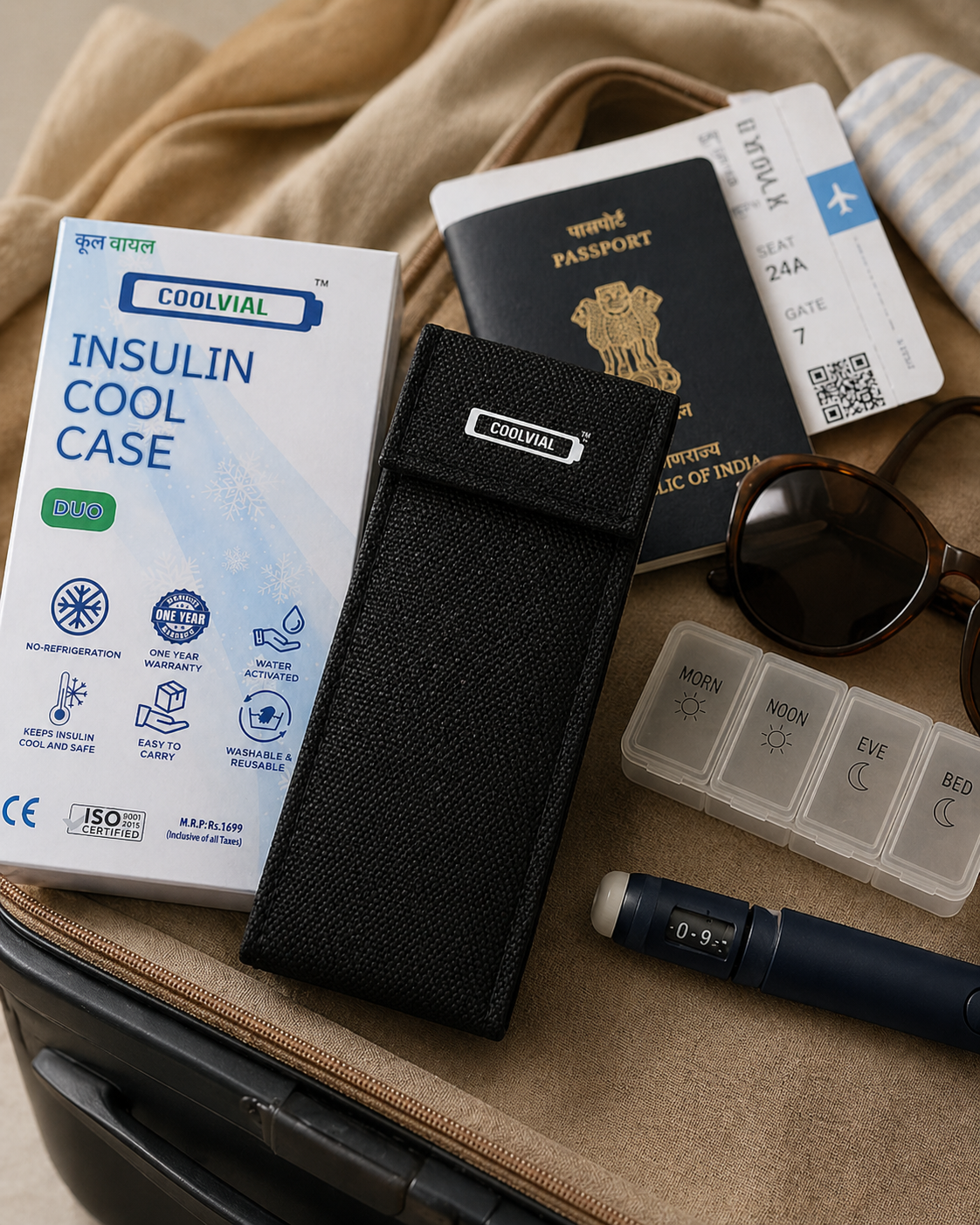
Reviewed by the COOLVIAL Editorial Team — specialists in insulin storage for Indian climate conditions.
Mumbai, the city that never sleeps, is also a city that sweats. With year-round temperatures typically ranging from 20-35°C and humidity often soaring between 70-90%, especially during the intense Southwest monsoon (June-September), keeping temperature-sensitive medications like insulin safe while travelling from Mumbai with insulin can be a significant challenge. Whether you’re flying out of Chhatrapati Shivaji Maharaj International Airport (CSMIA), catching a train from Mumbai Central or CSMT, or embarking on a road trip to Lonavala, Alibaug, or Karjat, proper planning is not just recommended, it’s essential. Based on analysis of insulin storage queries from Mumbai diabetics, we understand the unique local hurdles. According to ICMR-INDIAB data, urban areas like Mumbai face a higher prevalence of diabetes, making these travel tips crucial for a substantial portion of the population (Source: ICMR-INDIAB Study). This comprehensive guide provides 10 essential tips to ensure your insulin remains potent and your journey stress-free.
Table of Contents
- Air Travel from Chhatrapati Shivaji Maharaj International Airport (CSMIA/BOM)
- Navigating Security and Check-in with Insulin
- Pre-Paid Taxi Queues at CSMIA (BOM)
- Navigating Mumbai’s Railway Stations with Insulin: CSMT & Mumbai Central
- Myth-Busting Train Pantry Car Fridges
- Interacting with Train Ticket Examiners (TTEs)
- Essential Road Trip Planning for Insulin Users Travelling from Mumbai
- Car AC Reliability and Hot Car Parking
- Dhaba Pit-Stops and Fridge Access
- Mastering Local Commutes: App-Cabs & Auto-Rickshaws in Mumbai
- Ola/Uber AC Challenges and Rapido Exposure
- The COOLVIAL Duo Advantage for Mumbai’s Climate
- International Travel from CSMIA (BOM) with Insulin
- Customs, Time Zones, and Extra Supplies
- General Best Practices for Travelling from Mumbai with Insulin
- Frequently Asked Questions (FAQs)
- Conclusion: Travel Smart, Live Well
- Medical Disclaimer
- How We Researched This
Air Travel from Chhatrapati Shivaji Maharaj International Airport (CSMIA/BOM)
Flying out of Mumbai’s bustling CSMIA (BOM) requires meticulous preparation when you’re travelling from Mumbai with insulin. The airport environment, from security checks to potential delays, can pose risks to your insulin’s integrity if not managed correctly.
Navigating Security and Check-in with Insulin
The primary rule for insulin is simple: always carry it in your hand luggage. Never, under any circumstances, place your insulin in checked baggage. The cargo hold of an aircraft is not temperature-controlled and can experience extreme fluctuations, freezing or overheating your insulin, rendering it ineffective.
Here’s what you need to know for CSMIA security:
- Doctor’s Letter: A doctor’s letter or prescription is highly recommended. While not always explicitly asked for in domestic travel, it can save you hassle. The letter should state your name, the type of diabetes, the insulin you use, and that you need to carry it with you for medical reasons.
- Original Packaging: Keep your insulin in its original packaging with the pharmacy label visible. This helps security personnel identify the medication.
- Quantity: You are generally allowed to carry reasonable quantities of insulin, syringes, lancets, and other diabetes supplies. There are no specific liquid restrictions for medically necessary items like insulin.
- Gel Packs and Cooling Cases: If you’re using gel packs or a cooling case like the COOLVIAL Duo, be prepared for questions at the CISF (Central Industrial Security Force) screening.
- Declaration: Declare your medical supplies to the security officer before placing them on the conveyor belt.
- Visual Inspection: They may visually inspect your insulin pens, vials, and cooling case.
- Gel Pack Consistency: If you’re using gel packs, they should ideally be frozen solid. If they are partially melted or slushy, they might draw more scrutiny, as they contain liquid. Explain that they are for medical purposes.
- Screening Process: Your insulin and cooling case may be subjected to additional screening, including X-ray and sometimes even a swab test for explosive residue. Remain calm and cooperative.
Practical Tips for CSMIA:
- Arrive Early: Give yourself ample time, especially if you anticipate additional security checks for your medical supplies.
- Pack Smart: Keep all diabetes supplies in a separate, easily accessible pouch within your hand luggage.
- Stay Hydrated: Mumbai’s humidity can be draining. Ensure you drink enough water throughout your airport journey.
- Know Your Rights: Familiarize yourself with airport security guidelines for medical devices (available on the BCAS or airline websites).
Pre-Paid Taxi Queues at CSMIA (BOM)
After a flight, the last thing you want is a delay, but at CSMIA (BOM), the pre-paid taxi queues, particularly during peak hours or after international arrivals, can stretch to 45 minutes or even longer. This is a critical factor when travelling from Mumbai with insulin.
- Impact on Insulin: If your insulin has been out of its cooling environment for an extended period, or if you’re relying on a less efficient cooling method, these delays can compromise its temperature stability. The ambient temperature outside CSMIA can be scorching, especially between March and May, pushing well above 35°C.
- Solution: This reinforces the absolute necessity of a reliable, long-lasting cooling solution for your insulin that doesn’t depend on electricity or ice. An evaporative cooler, like the COOLVIAL Duo, is ideal here as it continues to work effectively even during such waits.
Navigating Mumbai’s Railway Stations with Insulin: CSMT & Mumbai Central
Train travel from iconic stations like Chhatrapati Shivaji Maharaj Terminus (CSMT) or Mumbai Central offers a unique experience, but the heat, crowds, and journey duration demand specific considerations for insulin storage when travelling from Mumbai with insulin.
Myth-Busting Train Pantry Car Fridges
Many travellers assume that pantry cars on Indian Railways trains will have reliable refrigeration for medication. This is a dangerous myth that needs to be busted:
- Unreliable Temperatures: Pantry car fridges are primarily designed for food and beverages, not sensitive medications. Their temperatures can fluctuate widely, often not maintaining the consistent 2-8°C required for unopened insulin.
- Hygiene Concerns: These fridges are also often heavily used, making hygiene a concern for medical supplies.
- Access Issues: You might not always have immediate access to the pantry car, especially during rush hours, or if your coach is far away.
- Staff Responsibility: Train staff, including the TTE (Train Ticket Examiner) or pantry car attendants, are generally not equipped or responsible for storing passenger medication. Handing over your insulin to them is risky and not recommended.
Instead, bring your own evaporative cooler. A personal, reliable cooling case provides control over your insulin’s environment, ensuring it stays within the safe temperature range throughout your journey.
Interacting with Train Ticket Examiners (TTEs)
While TTEs are responsible for passenger comfort and addressing concerns, they are not equipped to handle medical storage.
10 Essential Tips for Travelling from Mumbai with Insulin: Airport, Station & Taxi Smart Planning
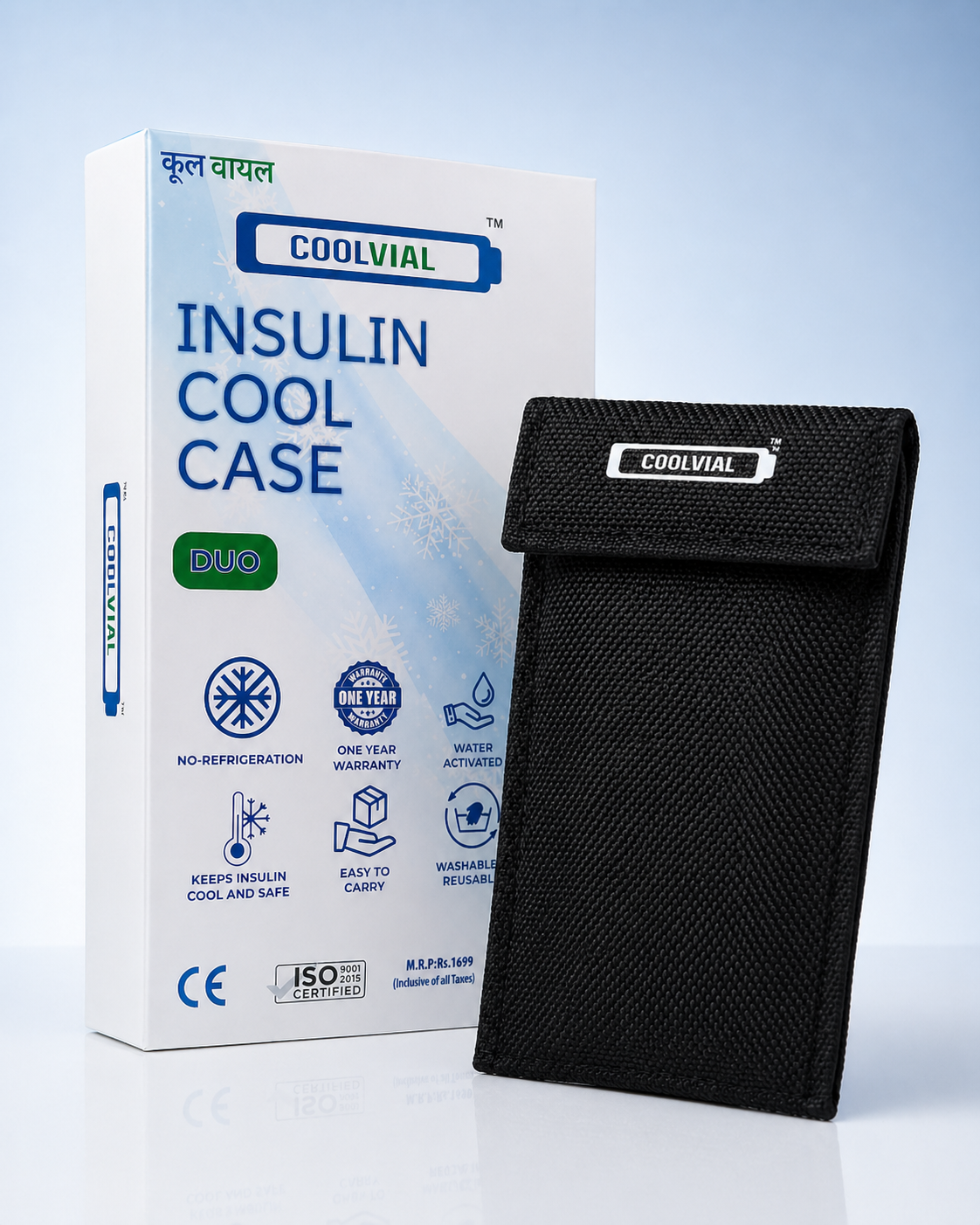
COOLVIAL keeps insulin safe in India's heat. 48+ hours, no electricity needed.
- NEVER hand your pens or vials to a TTE for storage in the pantry car or any other location. Your insulin is your personal responsibility.
- Carry a Doctor’s Note: Similar to air travel, a doctor’s note explaining your need for insulin and related supplies can be helpful if any questions arise about your medical kit, though this is less common on trains than at airports.
Tips for Train Travel from Mumbai:
- Pre-Cool Your Case: Activate your evaporative cooling case well in advance of your journey.
- Stay in Your Compartment: Avoid leaving your insulin unattended, even if it’s in a cooling case.
- Hydrate Regularly: The heat and humidity on platforms and in non-AC coaches can be dehydrating. Keep a water bottle handy.
- Plan for Delays: Indian Railways can experience delays. Ensure your cooling solution can last longer than your estimated journey time.
Essential Road Trip Planning for Insulin Users Travelling from Mumbai
Mumbai is a gateway to popular weekend getaways like Lonavala, Alibaug, and Karjat. Road trips offer flexibility, but they introduce unique challenges for insulin storage, especially given Mumbai’s climate.
Car AC Reliability and Hot Car Parking
The comfort of your car’s air conditioning might seem like a given, but it’s not always reliable, particularly in older taxis or when dealing with app-cabs.
- Older Taxis/Private Cabs: The AC in some older vehicles might not be as efficient, especially during peak summer months (April-May) when temperatures can easily cross 38°C in direct sunlight.
- App-Cab Realities: Many Ola/Uber drivers, seeking to save fuel, might refuse to switch on the AC, even when requested. This is a common complaint in Mumbai’s app-cab ecosystem. Always confirm AC usage before starting your trip if using these services.
- Parking in a Hot Car: Parking your vehicle, even for a short duration, in direct sunlight, can quickly turn the interior into an oven. Temperatures inside a parked car can soar to 50-60°C within minutes, far exceeding safe limits for insulin (which should ideally not go above 25-30°C for in-use vials). Never leave your insulin in a parked car. Always take it with you, even for a quick stop.
Dhaba Pit-Stops and Fridge Access
Road trips often involve stopping at roadside dhabas for meals and refreshments. While convenient, relying on their refrigeration for your insulin is ill-advised.
- Uncertainty of Fridges: Dhaba fridges are typically for beverages and perishables, not medication. Their cleanliness, temperature consistency, and power reliability (especially during outages common in rural areas) are questionable.
- Risk of Misplacement: There’s always a risk of your insulin being misplaced or accidentally disposed of by staff unfamiliar with its importance.
Road Trip Checklist for Insulin Users:
- Pack Your COOLVIAL Duo: An evaporative cooling case is your best friend for road trips, offering continuous cooling without electricity.
- Monitor Car Temperature: If your car’s AC isn’t performing well, try to keep insulin away from direct sunlight and vents, and in its cooling case.
- Always Carry Insulin: Take your insulin with you during every stop, no matter how brief.
- Extra Supplies: Always carry more insulin and testing supplies than you think you’ll need. Breakdowns or unexpected detours can extend your trip.
- Hydration & Snacks: Keep plenty of water and quick-acting glucose handy.
Mastering Local Commutes: App-Cabs & Auto-Rickshaws in Mumbai
Even for shorter distances within Mumbai’s sprawling neighborhoods like South Mumbai (Colaba/Marine Drive), the Bandra-Andheri belt, or Powai-Vikhroli, the daily commute with insulin presents its own set of challenges due to the city’s climate and traffic. For more detailed daily commute tips, refer to our article: Daily Commute With Insulin in Mumbai — Tips for Metro, Bus & Auto.
Ola/Uber AC Challenges and Rapido Exposure
- Ola/Uber AC Refusals: As mentioned, many app-cab drivers in Mumbai might refuse to turn on the AC to save fuel, even in their “AC” category cars. This can quickly expose your insulin to high cabin temperatures, especially during midday or in heavy traffic, where a journey from, say, Bandra to Dadar could take well over an hour. Always confirm AC usage or opt for a premium service if available.
- Rapido Bike-Taxis: While convenient for navigating Mumbai’s notorious traffic, Rapido bike-taxis offer no protection from the elements. Your insulin will be directly exposed to the sun, ambient heat, and humidity. This mode of transport is generally not recommended for carrying insulin unless it is securely stored in a robust, well-insulated cooling case designed for direct sun exposure. The constant exposure to 30°C+ heat and 80%+ humidity during a ride from, say, Worli to Juhu, could quickly compromise insulin efficacy.
Tips for Local Commutes:
- Cooling Case is Non-Negotiable: For any commute longer than 15-20 minutes, or during peak heat, always use a personal cooling case.
- Strategic Seating: In auto-rickshaws, try to sit on the side away from direct sunlight.
- Plan Routes: Opt for routes with less traffic or during cooler parts of the day if possible.
The COOLVIAL Duo Advantage for Mumbai’s Climate
When it comes to reliably storing insulin in Mumbai’s challenging climate, an evaporative cooling case is a game-changer. The COOLVIAL Duo is specifically designed to meet these needs, offering a superior solution compared to many alternatives.
10 Essential Tips for Travelling from Mumbai with Insulin: Airport, Station & Taxi Smart Planning
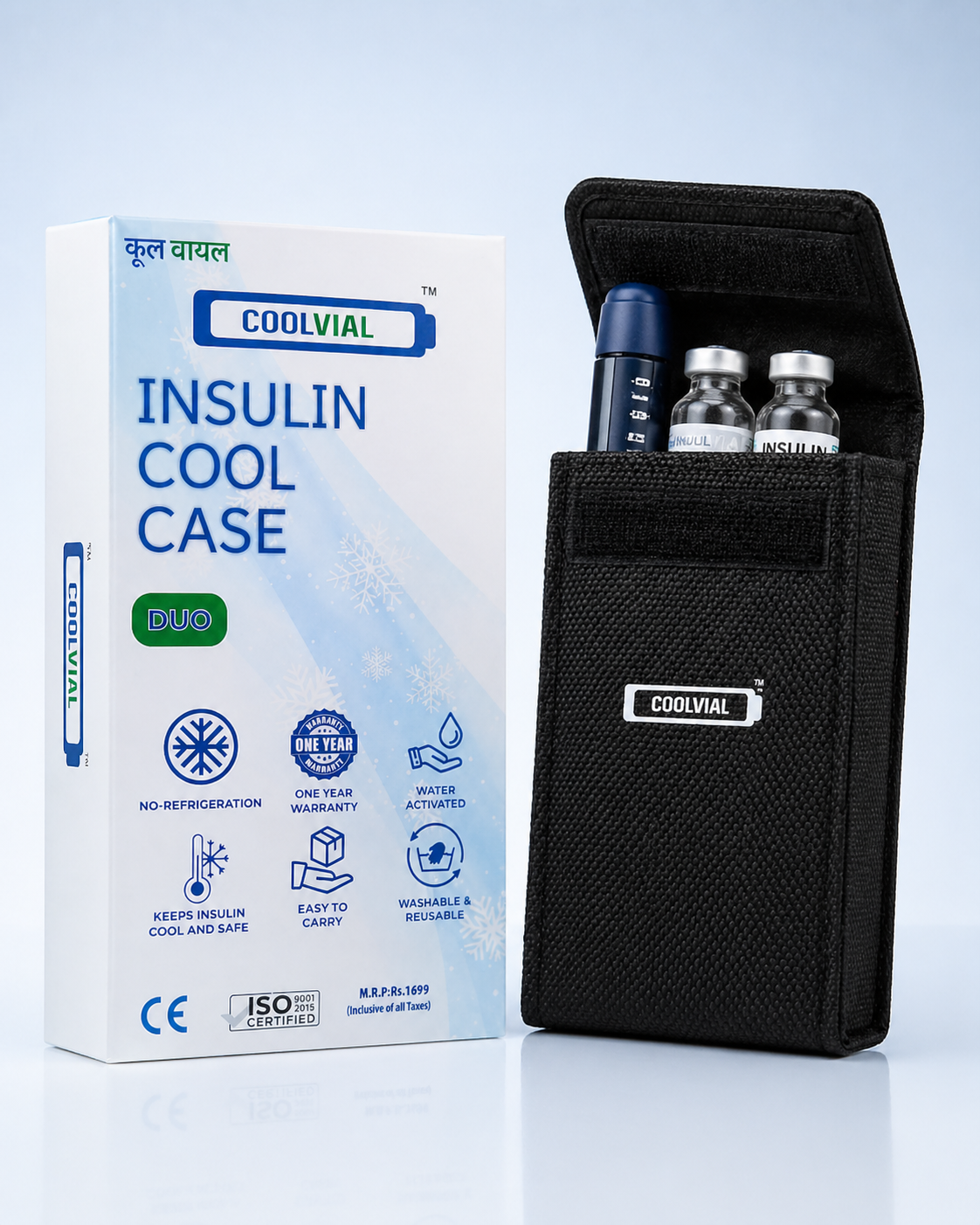
Insulin at 2-8°C for 48+ hours. Trusted by 10,000+ Indian diabetics.
The COOLVIAL Duo leverages the power of evaporation to maintain optimal temperatures for your insulin. It’s not just a fancy bag; it’s a meticulously engineered system:
- How it Works: Simply activate the inner pouch by soaking it in water for a few minutes. As the water evaporates from the pouch, it draws heat away from the insulin inside, creating a consistent cooling effect. This process is highly effective even in high ambient temperatures and humidity, making it ideal for Mumbai’s weather.
- Capacity: The COOLVIAL Duo is designed to hold 2 insulin pens and 1 insulin vial, or multiple pens, making it versatile for most users’ needs.
- Long-Lasting Cooling: It provides 12-16 hours of cooling without needing electricity, batteries, or refrigeration. This is crucial for long travel days, unexpected delays, or when access to power is limited.
- Durability and Design: Made with high-quality, durable materials, it’s built to withstand the rigours of travel. Its compact and discreet design allows you to carry it easily in your hand luggage or a small bag.
- Quality Assurance: COOLVIAL Duo is CE certified and ISO 9001:2015 certified, ensuring it meets stringent international quality and safety standards. It also comes with a 1-year warranty, giving you peace of mind. Proudly Made in India, it’s tailored for local conditions.
Comparison with Alternatives:
- FRIO Cooling Wallets: FRIO is a well-known international brand for evaporative cooling. While effective, they often come at a higher price point in India (typically around Rs 1,900 for comparable capacity). The COOLVIAL Duo offers similar, if not enhanced, performance specifically designed for Indian conditions, at a more accessible price.
- Outer Woods OW-12: The Outer Woods OW-12 is another Indian brand, often priced competitively (around Rs 999). While it offers cooling, the COOLVIAL Duo distinguishes itself with superior insulation, longer cooling duration, and a more robust build quality, ensuring better protection for your precious insulin.
For anyone travelling from Mumbai with insulin, or even for daily commutes, investing in a reliable cooling case like the COOLVIAL insulin cool case is a smart choice. It eliminates the worry of temperature fluctuations and gives you the freedom to explore without compromising your health.
International Travel from CSMIA (BOM) with Insulin
Venturing beyond India’s borders from CSMIA (BOM) with insulin introduces additional layers of planning, encompassing customs regulations, time-zone adjustments, and ensuring you have sufficient supplies.
Customs, Time Zones, and Extra Supplies
- Customs Declaration: When travelling internationally, it’s always prudent to declare your insulin and medical supplies at customs. While many countries don’t require it, being proactive can prevent delays or misunderstandings. Have your doctor’s letter ready, translated into English, and potentially the local language if travelling to a non-English speaking country.
- Time-Zone Dosing: Crossing multiple time zones can disrupt your usual insulin dosing schedule.
- Consult Your Doctor: Before your trip, discuss a revised dosing plan with your endocrinologist or diabetologist. They might recommend adjusting doses based on the length of travel, number of time zones crossed, and your specific insulin regimen (e.g., basal-bolus vs. fixed-dose).
- “Travel Day” Plan: For long flights, you might need a special “travel day” dosing plan. Keep a small clock set to your home time zone for reference.
- Meal Times: Be mindful of meal times on the plane and at your destination, as these directly impact bolus insulin.
- Packing Extra Supplies: This is non-negotiable for international travel.
- Double Your Needs: Pack at least double the amount of insulin, syringes/pen needles, test strips, and lancets you anticipate needing.
- Split Supplies: Divide your extra supplies between your hand luggage and your travel companion’s hand luggage (if applicable). This way, if one bag is lost, you still have backup.
- Emergency Kit: Include glucagon, an emergency contact list, and copies of your prescriptions.
- Travel Insurance: Ensure your travel insurance covers pre-existing conditions like diabetes and includes provisions for medical emergencies, including lost or damaged medication.
International Travel Checklist:
- Doctor’s Letter: Comprehensive, translated, and clearly stating your medical needs.
- Insulin Storage: Use your COOLVIAL Duo for all insulin carried in hand luggage.
- Extra Insulin: Pack at least twice your estimated requirement.
- Dosing Plan: Have a clear plan for time-zone adjustments from your doctor.
- Emergency Contacts: Keep a list of medical contacts, both at home and your destination.
- Medication List: Carry a list of all your medications, including generic names.
General Best Practices for Travelling from Mumbai with Insulin
Beyond the specific modes of transport, some overarching best practices apply to all journeys when travelling from Mumbai with insulin.
- Always Carry Extra Supplies: This cannot be stressed enough. Delays, lost luggage, or unexpected extensions to your trip can occur. Having spare insulin, needles, test strips, and even a backup glucose meter can be a lifesaver.
- Monitor Blood Sugar Frequently: Travel can throw off your routine, diet, and activity levels, all of which impact blood sugar. Test more often than usual, especially before and after meals, and before driving.
- Stay Hydrated: Mumbai’s climate is dehydrating. Drink plenty of water throughout your journey. Dehydration can affect blood sugar levels and overall well-being.
- Inform Travel Companions: If you’re travelling with others, ensure at least one person knows about your diabetes, where your insulin is stored, and how to help in an emergency (e.g., administer glucagon if needed).
- Wear Medical Identification: A medical ID bracelet or necklace stating you have diabetes can be crucial in an emergency where you might be unable to communicate.
- Know Local Pharmacy Chains: Mumbai has a robust network of pharmacies like Apollo Pharmacy, Wellness Forever, MedPlus, Noble Chemist, and Trust Chemists. Familiarize yourself with these chains in your destination city as well, in case you need to purchase supplies (though it’s best not to rely on this for insulin itself).
- Understand Insulin Storage Tips: For comprehensive guidance on how to store insulin effectively, including specifics on different types of insulin and their temperature ranges, visit our insulin storage tips page.
- Consult Your Doctor: Before any significant travel, always have a conversation with your endocrinologist or diabetologist. They can provide personalized advice based on your specific health profile and travel plans. For Mumbai residents, hospitals like Lilavati Hospital (Bandra), PD Hinduja Hospital (Mahim), and Kokilaben Dhirubhai Ambani Hospital (Andheri) offer excellent diabetes care. For a complete guide to diabetes care in Mumbai, check out our Complete Diabetes Care Guide for Mumbai Residents — 2026 Edition.
Frequently Asked Questions (FAQs)
Q: Can I carry insulin pens in my checked luggage when flying from Mumbai? A: No, you should never carry insulin pens in checked luggage. The cargo hold of an aircraft is not temperature-controlled and can expose insulin to extreme temperatures that will damage it, making it ineffective.
Q: Is a doctor’s letter mandatory for carrying insulin at CSMIA (BOM) security? A: While not strictly mandatory for domestic travel, a doctor’s letter or prescription is highly recommended when travelling from Mumbai with insulin, as it can help explain your medical necessity to security personnel and prevent delays.
Q: Can I store my insulin in the pantry car fridge on Indian Railways trains? A: It is not recommended to store insulin in pantry car fridges. These fridges are unreliable in maintaining consistent temperatures suitable for insulin and are not equipped for medical storage.
Q: What is the best way to keep insulin cool during a road trip from Mumbai to Lonavala? A: The best way is to use a dedicated evaporative cooling case like the COOLVIAL Duo, which keeps insulin cool for 12-16 hours without electricity, protecting it from high ambient temperatures and unreliable car ACs.
Q: How long can insulin be exposed to Mumbai’s hot climate (e.g., in an auto-rickshaw)? A: In-use insulin vials/pens are typically stable at room temperature (up to 25-30°C) for up to 28 days. However, direct exposure to Mumbai’s extreme heat (35°C+) and humidity for extended periods (e.g., 30 minutes or more) can degrade insulin more rapidly. Always use a cooling case for commutes.
Q: Do I need to declare my insulin when travelling internationally from CSMIA? A: While not always legally required, it is prudent to declare your insulin and medical supplies at international customs to avoid potential issues. Always have a doctor’s letter ready.
Q: What should I do if my Ola/Uber driver in Mumbai refuses to turn on the AC? A: If an app-cab driver refuses to turn on the AC, and you are concerned about your insulin’s temperature, politely insist. If they still refuse, consider cancelling and rebooking, or using an evaporative cooling case to protect your insulin.
Conclusion: Travel Smart, Live Well
Travelling from Mumbai with insulin doesn’t have to be a source of anxiety. By understanding the unique challenges posed by the city’s climate, its transportation hubs, and the practicalities of carrying temperature-sensitive medication, you can ensure a smooth and safe journey. From navigating CSMIA’s security and pre-paid taxi queues to debunking myths about train pantry cars and planning for hot road trips, preparedness is your greatest asset.
A reliable cooling solution like the COOLVIAL Duo is an indispensable companion, offering peace of mind by keeping your insulin safe and effective, regardless of your mode of transport or destination. Prioritize your health, plan meticulously, and enjoy your travels knowing your vital medication is protected.
Order your COOLVIAL Duo today at Rs 1,099 with code COOLHEAL – visit coolvial.com or WhatsApp us at wa.me/918766952300.
Medical Disclaimer
This article is for general information purposes only and does not constitute medical advice. Always consult your endocrinologist or diabetologist before changing insulin storage or dosing practices, or for any health concerns.
How We Researched This
Our content is developed based on a thorough review of RSSDI (Research Society for the Study of Diabetes in India) guidelines for diabetes management, ICMR-INDIAB (Indian Council of Medical Research - India Diabetes) data for prevalence and regional context, local Mumbai hospital directories for relevant medical facilities, and information from established pharmacy networks like Apollo Pharmacy regarding medication storage and availability. We also consider common queries and experiences shared by diabetics navigating travel within India, particularly from high-humidity and high-temperature zones like Mumbai.