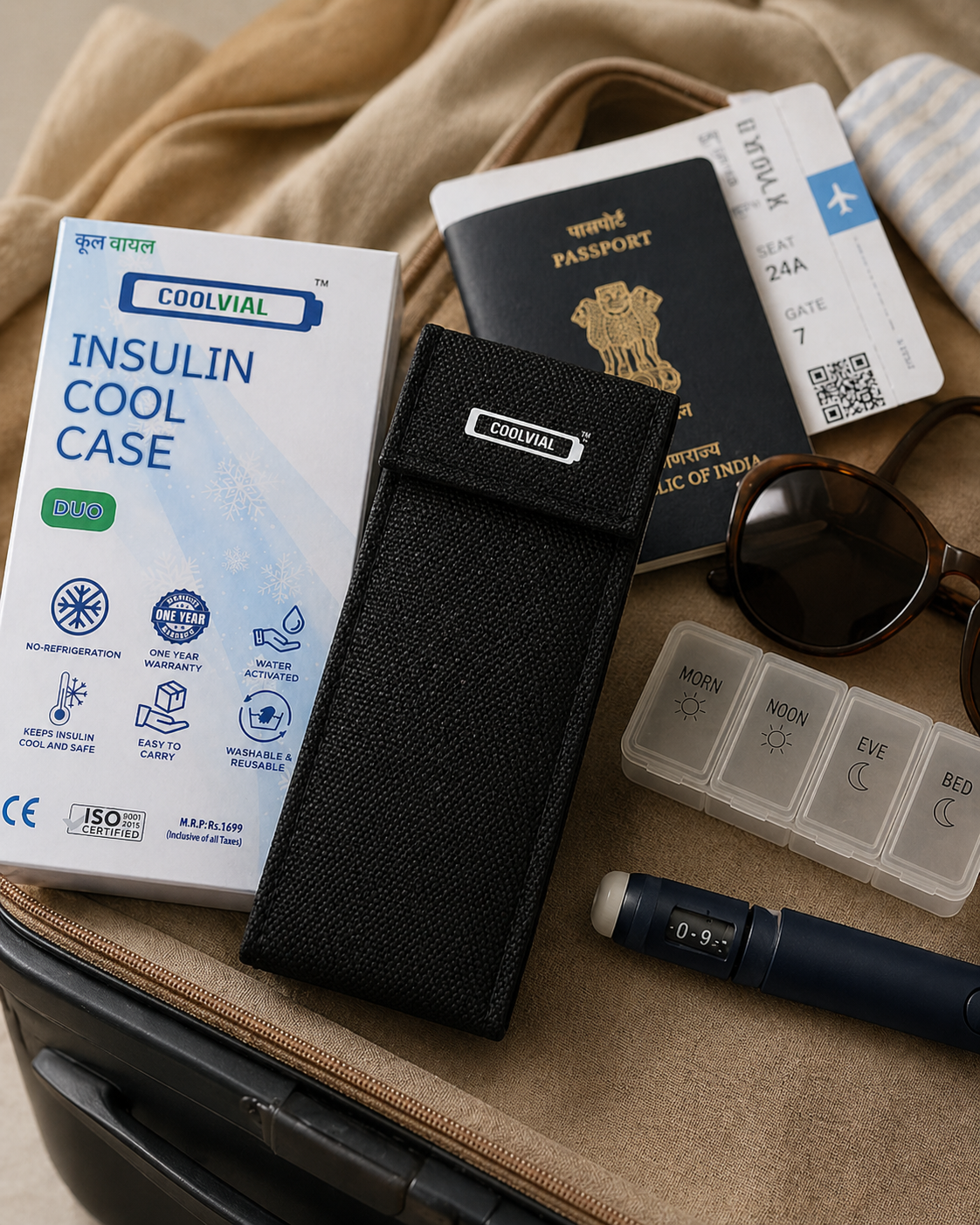
Reviewed by the COOLVIAL Editorial Team — specialists in insulin storage for Indian climate conditions.
Visakhapatnam, the ‘City of Destiny’, transforms into a lush green paradise during the monsoon, but for diabetics, this beautiful season brings unique challenges, especially concerning insulin storage. With the Bay of Bengal’s influence, Vizag experiences a coastal climate of 20-35°C year-round, but from June to October, the monsoon unleashes approximately 1100mm of rainfall, coupled with soaring humidity levels. This combination creates a high-risk environment for insulin vials and pens. Based on analysis of insulin storage queries from Visakhapatnam diabetics, protecting your insulin from humidity, mould, and potential flooding is paramount. This comprehensive guide will provide 7 essential, practical tips to ensure your life-saving medication remains safe and effective throughout the Visakhapatnam monsoon.
Table of Contents
- The Visakhapatnam Monsoon: A Unique Challenge for Insulin Storage
- Understanding Humidity Damage: Protecting Your Insulin from Moisture and Mould
- Safeguarding Insulin During Flooding and Waterlogging in Vizag
- Navigating Pharmacy Access and Transport Disruptions During Monsoon
- The Hidden Threat: Humid-Fridge-Air Contamination for Insulin
- Essential Monsoon-Prep Checklist for Diabetics in Visakhapatnam
- Sourcing Replacement Insulin and Emergency Supplies Locally
- Frequently Asked Questions (FAQ)
The Visakhapatnam Monsoon: A Unique Challenge for Insulin Storage
Visakhapatnam’s monsoon season, typically from June to October, is characterized by heavy rainfall and exceptionally high humidity, often exceeding 80-90%. This coastal city, prone to cyclones from the Bay of Bengal, has witnessed devastating events like Cyclone Hudhud in 2014, which highlighted the vulnerability of infrastructure and essential supplies. These conditions pose a significant threat to insulin, which is a protein and highly sensitive to temperature fluctuations and moisture. The ideal storage for unopened insulin is refrigeration at 2-8°C, while opened vials or pens can be kept at room temperature (up to 25-30°C for most types, check specific product leaflet) for a limited period, typically 28 days (Source: RSSDI guidelines for insulin storage, available at https://www.rssdi.in/publications.html). However, Vizag’s monsoon temperatures often hover around 25-30°C, pushing the upper limits for insulin stored outside the fridge, and the rampant humidity adds another layer of complexity.
- Key Monsoon Characteristics in Visakhapatnam:
- Duration: June to October, with peak rainfall in July and August.
- Rainfall: Approximately 1100mm annually, concentrated in these months.
- Temperature: Coastal average of 20-35°C year-round.
- Humidity: Consistently high, often above 85%, creating a damp environment.
- Cyclone Prone: Vulnerable to severe cyclonic storms from the Bay of Bengal, leading to heavy rains and flooding.
This persistent dampness and warmth create an environment where insulin can degrade faster, and its packaging, especially cardboard, can suffer significant damage. For a complete guide to managing diabetes in the city, refer to our Complete Diabetes Care Guide for Visakhapatnam Residents — 2026 Edition.
Understanding Humidity Damage: Protecting Your Insulin from Moisture and Mould
Humidity is a silent enemy for insulin. While most people are aware of temperature’s impact, moisture’s role is often underestimated. Insulin pens, vials, and their cardboard packaging are all susceptible to humidity damage.
How Humidity Affects Insulin Pens and Vials
- Insulin Degradation: Though insulin itself is sealed, prolonged exposure to high humidity can indirectly affect its stability. If moisture penetrates the pen’s mechanics or vial’s rubber stopper, it can compromise the sterility or efficacy over time. The primary concern, however, is the secondary effects of humidity on packaging and storage conditions.
- Pen Malfunction: Moisture can cause internal components of insulin pens to rust or corrode, leading to dose inaccuracies or complete mechanical failure. This is particularly true for reusable pens with intricate mechanisms.
- Label Deterioration: Dampness can cause labels on vials and pens to peel off, smudge, or become illegible. This can lead to confusion about insulin type, expiry date, or dosage instructions, posing a serious safety risk.
The Threat of Mould to Packaging and Homes
- Cardboard Packaging: Insulin boxes, being made of cardboard, are highly absorbent. High humidity causes them to soften, warp, and eventually become a breeding ground for mould. Mould spores, once present, can easily spread.
- Mould Risk in Visakhapatnam Apartments and Ground-Floor Homes: Vizag’s humid climate makes mould a pervasive problem, especially in apartments and ground-floor homes that lack adequate ventilation. Walls, furniture, and even clothing can develop mould. If insulin supplies are stored in such environments, the cardboard packaging is almost guaranteed to be affected. Mould can also trigger respiratory issues, which can complicate diabetes management.
- What to do:
- Airtight Containers: Store all insulin (refrigerated or at room temperature) in airtight, waterproof containers. Brands like Tupperware, Borosil, or Cello are readily available at local general stores and supermarkets across Visakhapatnam, including in neighborhoods like Dwaraka Nagar and Madhurawada. Lock & Lock is another popular option.
- Silica Gel Packs: Place silica gel packets inside these airtight containers to absorb excess moisture. These can be purchased from electronics stores, camera shops, or online retailers. Look for reusable silica gel that changes colour when saturated and can be reactivated by heating.
- Ventilation: Ensure good air circulation in your home. Use exhaust fans in kitchens and bathrooms, and open windows when it’s not raining heavily. Consider dehumidifiers for particularly damp rooms.
For more on battling the elements, our guide on How to Store Insulin in Visakhapatnam Summer Heat — A Local’s Guide offers relevant insights.
Safeguarding Insulin During Flooding and Waterlogging in Vizag
Visakhapatnam’s coastal location and heavy monsoon rainfall make it highly susceptible to flooding and waterlogging. Cyclones, a frequent occurrence in the Bay of Bengal, can exacerbate this, as seen during Hudhud in 2014, which caused widespread devastation and flooding. This poses an immediate, critical threat to insulin supplies.
High-Risk Areas for Waterlogging in Visakhapatnam:
- Beach Road (RK Beach): While scenic, areas along RK Beach are prone to waterlogging due to their proximity to the sea and storm drains often struggling with heavy downpours.
- Madhurawada (North IT Corridor): Rapid development in this area has sometimes outpaced drainage infrastructure, leading to localized flooding during intense rains.
- Gajuwaka (South Industrial): The industrial belt in the south can experience significant waterlogging, affecting residential areas nearby and disrupting daily life.
- Dwaraka Nagar (Central): As a central commercial hub, some low-lying parts can also face water accumulation.
7 Essential Tips: Protecting Your Insulin During Visakhapatnam Monsoon
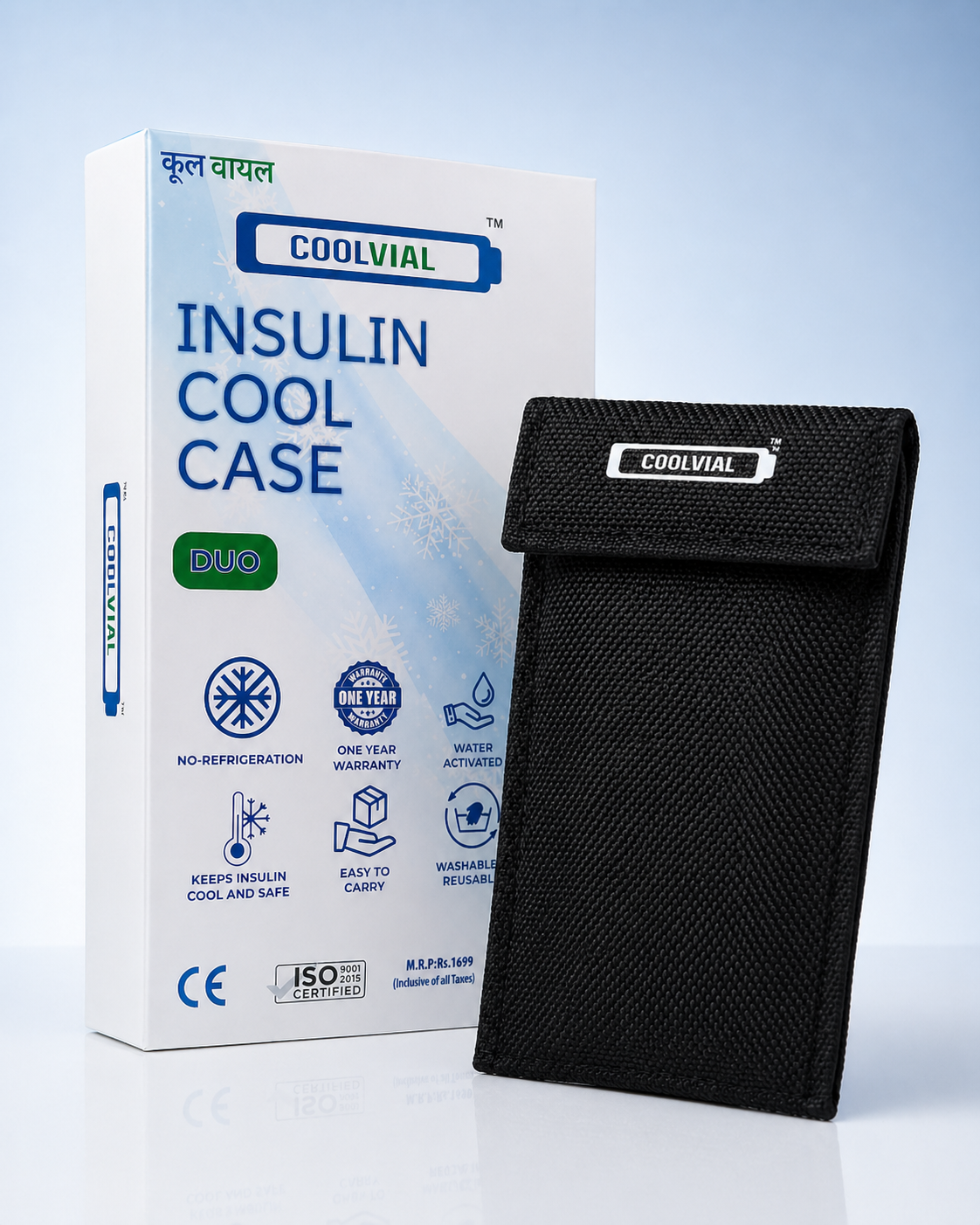
COOLVIAL keeps insulin safe in India's heat. 48+ hours, no electricity needed.
What to Do If Your Home or Building Floods:
- Elevate Supplies: Store your emergency insulin kit, including spare vials/pens, syringes, test strips, and a COOLVIAL insulin cool case, on high shelves or in upper-floor rooms.
- Waterproof Packaging: Even if elevated, ensure all medical supplies are sealed in multiple layers of waterproof bags or hard-shell waterproof containers.
- Floodwater Contamination: Insulin that has come into contact with floodwaters must be discarded immediately. Floodwater is highly contaminated with bacteria, sewage, and other pollutants. Even if the packaging appears intact, microscopic breaches or contamination of the pen’s exterior can render the insulin unsafe. Do not attempt to use or “clean” insulin exposed to floodwaters.
- Emergency Evacuation Plan: Have a pre-packed emergency bag (go-bag) ready with at least a week’s supply of insulin and other essential medications, along with your COOLVIAL Duo. This bag should be easily accessible and waterproof.
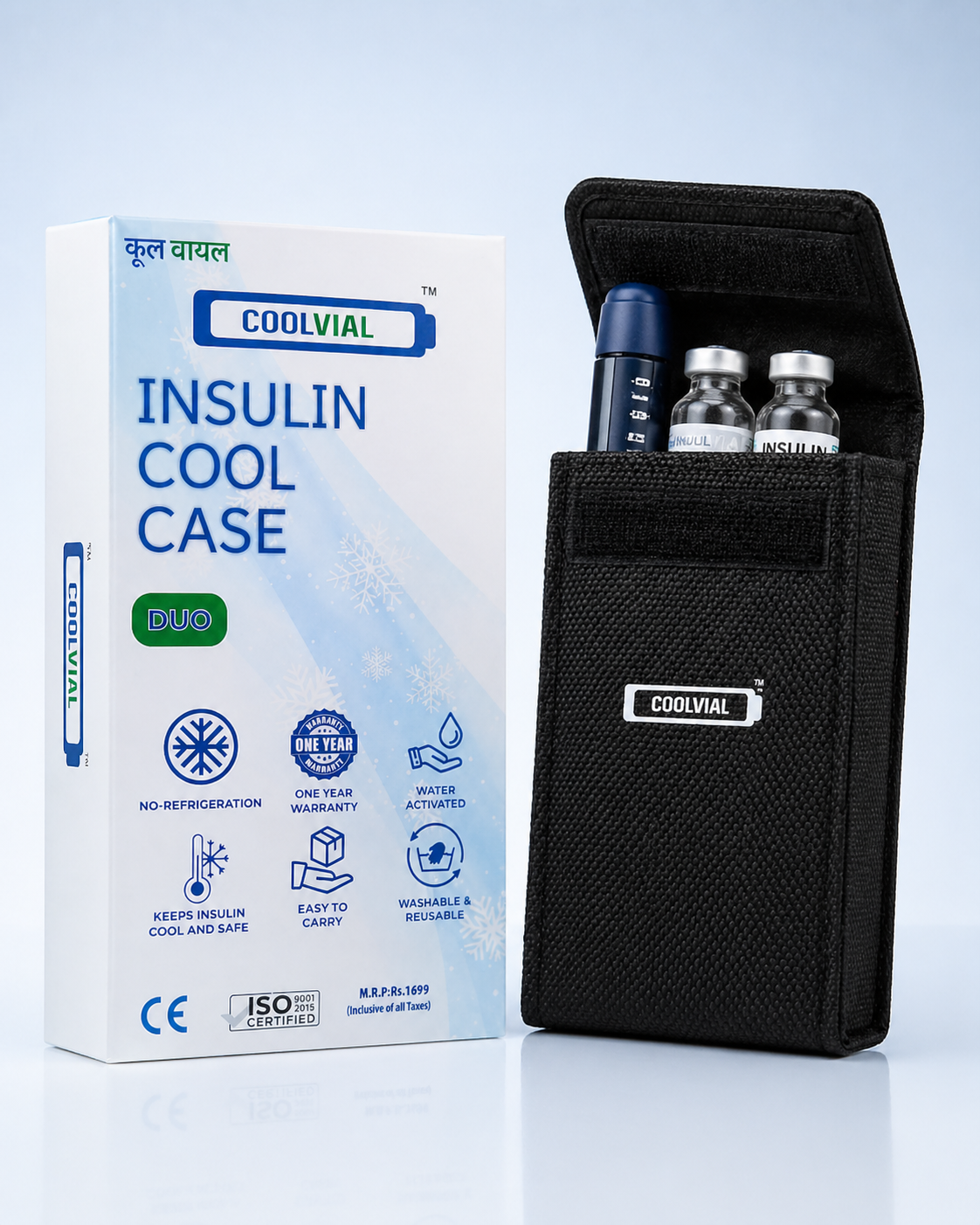
The COOLVIAL Duo is an invaluable asset in such scenarios. It’s a water-activated evaporative cooling case that keeps insulin cool for 12-16 hours without electricity. This is crucial during power cuts that invariably accompany severe weather events. It holds 2 pens and 1 vial, making it ideal for immediate needs during an evacuation or when power is out for extended periods. Compared to similar products like FRIO, which can cost around Rs 1,900, the COOLVIAL Duo is available at a more accessible price of Rs 1,099 with code COOLHEAL, offering superior value for Visakhapatnam residents. Another option, Outer Woods OW-12, is priced similarly around Rs 999, but COOLVIAL Duo offers a slightly larger capacity and CE certification.
Navigating Pharmacy Access and Transport Disruptions During Monsoon
Heavy rainfall and flooding can severely disrupt transport in Visakhapatnam, making it difficult to reach pharmacies or receive home deliveries. This can be critical for diabetics who rely on regular insulin refills.
How Monsoon Disrupts Pharmacy Access:
- Road Closures & Waterlogging: Key roads in and around waterlogging hotspots like Beach Road, Madhurawada, and Gajuwaka can become impassable, cutting off access to pharmacies.
- Public Transport Halt: Buses and auto-rickshaws may reduce services or halt operations during extreme weather, leaving many stranded.
- Delivery Delays: Online pharmacy services like 1mg, while convenient, can experience significant delays or even cancellations of deliveries due to adverse road conditions. This can leave patients without crucial medication.
- Specific Pharmacy Challenges:
- Heritage Pharmacy: If a particular Heritage Pharmacy outlet is in a low-lying area or along a frequently waterlogged route, accessing it could become challenging.
- MedPlus & Apollo Pharmacy: While these chains have multiple outlets across the city, including in central areas like Dwaraka Nagar and near hospitals, reaching them can still be an issue during heavy downpours or widespread flooding.
Strategies for Uninterrupted Insulin Supply:
- Maintain a Buffer Stock: Always keep a buffer stock of insulin (at least 2-4 weeks’ supply) at home. This is your first line of defense against supply chain disruptions.
- Pre-order or Pick Up Early: Anticipate the monsoon season. If you know you’ll need a refill in August, try to get it in July before the heaviest rains begin.
- Local Pharmacy Relationships: Build a relationship with your local Apollo Pharmacy or MedPlus store. They might be able to offer advice on stock availability or alternative arrangements during emergencies.
- Emergency Contact List: Keep a list of emergency numbers for nearby pharmacies and hospitals.
The Hidden Threat: Humid-Fridge-Air Contamination for Insulin
While refrigeration is critical for unopened insulin, the common practice of storing insulin in a household refrigerator during Visakhapatnam’s monsoon can introduce a subtle but significant risk: humid-fridge-air contamination.
Understanding Humid-Fridge-Air Contamination:
When the refrigerator door is frequently opened in a high-humidity environment like Vizag during monsoon, the warm, moisture-laden air from outside rushes in. This humid air comes into contact with the cold surfaces inside the fridge, causing condensation. This phenomenon is often visible as water droplets or frost build-up.
Risks to Insulin:
- Condensation on Vials/Pens: If insulin vials or pens are not properly sealed in airtight containers, this condensation can settle directly on their surfaces.
- Label Damage: As mentioned, repeated wetting and drying can cause labels to peel, fade, or become illegible.
- Compromised Sterility: While vials and pens are sealed, persistent moisture on rubber stoppers or pen mechanisms can, over time, potentially compromise sterility or promote mould growth on the exterior, which can then be transferred during injection preparation.
- Water Ingress: Though rare, extreme condensation or accidental pooling of water inside the fridge could theoretically lead to water ingress, especially if the vial or pen seal is faulty or damaged.
- Temperature Fluctuations: Frequent opening of the fridge door also leads to temperature fluctuations inside, especially in the door compartments. Insulin is sensitive to these changes, and repeated shifts outside its optimal range (2-8°C) can reduce its potency over time.
Mitigation Strategies:
- Airtight Containers (Again): This is your best defense. Store all insulin, especially unopened stock, in robust, airtight, waterproof containers within the refrigerator. This creates a micro-environment that protects the insulin from external humidity and condensation.
- Avoid Fridge Door Storage: The door shelves are most susceptible to temperature fluctuations. Store insulin deeper inside the main compartment, away from the door and vents, where temperatures are more stable.
- Minimize Door Openings: Try to open the refrigerator door less frequently and for shorter durations during peak monsoon humidity.
- Regular Cleaning: Periodically clean and dry the interior of your refrigerator to prevent mould growth and excessive condensation build-up.
For those situations where refrigeration isn’t an option or during power cuts, a reliable cooling case is indispensable. The COOLVIAL insulin cool case provides a stable, cool environment without electricity, protecting your insulin from both ambient heat and the adverse effects of a compromised refrigerator during monsoon.
Essential Monsoon-Prep Checklist for Diabetics in Visakhapatnam
Preparing for the Visakhapatnam monsoon is not just about staying dry; it’s about safeguarding your health, especially if you manage diabetes. A proactive approach can prevent crises and ensure continuity of care.
Your Monsoon Readiness Checklist:
- Insulin Stockpile:
- Maintain at least a 2-4 week supply of all insulin types you use.
- Ensure you have sufficient syringes, pen needles, and alcohol swabs.
- Blood Glucose Monitoring Supplies:
- Stock up on extra test strips, lancets, and glucometer batteries.
- If using a Continuous Glucose Monitor (CGM), ensure you have spare sensors.
- Emergency Insulin Storage:
- Acquire a reliable, water-activated insulin cooling case like the COOLVIAL Duo. It keeps insulin cool for 12-16 hours and is waterproof.
- Have several airtight, waterproof containers for storing insulin at home and in the fridge.
- Buy a good supply of silica gel packets to place in storage containers.
- Emergency Go-Bag:
- Prepare a small, waterproof bag with 3-5 days of insulin, monitoring supplies, non-perishable snacks (e.g., glucose tablets for hypoglycemia), and essential personal documents.
- Include a compact COOLVIAL Duo in your go-bag.
- Medication List & Prescriptions:
- Keep a written list of all your medications, dosages, and prescribing doctors.
- Have copies of your latest insulin prescriptions, both physical and digital (on your phone/cloud).
- Doctor & Pharmacy Contacts:
- Save emergency contact numbers for your endocrinologist/diabetologist and preferred pharmacies (e.g., Apollo Pharmacy, MedPlus, KIMS ICON Hospital emergency pharmacy).
- Home Preparedness:
- Identify high-ground storage spots for medical supplies in case of flooding.
- Ensure good ventilation to prevent mould growth. Consider a small dehumidifier for damp rooms.
- Power Backup:
- Charge all power banks and ensure your inverter/UPS is in good working condition for essential appliances.
- Remember, a COOLVIAL Duo works without electricity, offering peace of mind during power outages. For more comprehensive advice on power cuts, see our Power Cut Survival Guide for Diabetics in Visakhapatnam — What To Do When the Grid Goes Down.
- Foot Care:
- During monsoon, foot infections are common. Keep your feet dry and clean. Wear waterproof footwear when stepping out.
- Inspect your feet daily for any cuts or sores.
7 Essential Tips: Protecting Your Insulin During Visakhapatnam Monsoon
Insulin at 2-8°C for 48+ hours. Trusted by 10,000+ Indian diabetics.
Sourcing Replacement Insulin and Emergency Supplies Locally
Despite the best preparations, emergencies can happen. Insulin can be lost, damaged by floodwaters, or a prolonged power outage might compromise refrigerated stock. Knowing where to source replacement insulin quickly in Visakhapatnam is critical.
Emergency Insulin Sources in Visakhapatnam:
- Hospital Emergency Pharmacies:
- KIMS ICON Hospital (Sheelanagar): This hospital has a 24/7 emergency pharmacy that is likely to stock a wide range of essential medications, including various types of insulin. In a crisis, their emergency department can also provide medical assessment and immediate insulin doses if needed.
- Apollo Hospitals (Health City Arilova): Another major hospital with a well-stocked pharmacy, accessible for emergency refills.
- Care Hospitals (Ramnagar): Offers similar emergency services and pharmacy access.
- Major Pharmacy Chains (During Operating Hours):
- Apollo Pharmacy: With numerous branches across Visakhapatnam, including in neighborhoods like Dwaraka Nagar and near Beach Road, Apollo Pharmacy is a reliable source during regular hours.
- MedPlus: Similar to Apollo, MedPlus stores are widely available and typically well-stocked.
- Generic Aadhaar: For more affordable options, check for Generic Aadhaar outlets, though their stock might vary.
- Online Pharmacies (for non-emergencies):
- 1mg: While convenient for regular refills, remember that monsoon weather can severely impact delivery times. Do not rely on 1mg for immediate emergency needs.
- Other online platforms: Many local pharmacies now offer WhatsApp ordering and delivery, which can be an option if local transport is not fully disrupted. [Verify in 2026] for current service availability.
Important Considerations for Emergency Refills:
- Prescription: Always carry your prescription. While some emergency pharmacies might offer a limited supply without one in dire situations, it’s best to be prepared.
- Identification: Carry a valid ID.
- Payment: Ensure you have cash or a charged phone for digital payments, as power outages can affect card machines.
- Transportation: Plan your route, considering potential waterlogging hotspots like Gajuwaka or specific stretches of Beach Road. If personal transport is not feasible, look into local auto services that might still be operating, or contact a trusted neighbor.
Having a COOLVIAL insulin cool case is not just about daily convenience; it’s a vital part of your emergency preparedness kit. It ensures that any insulin you manage to procure, even in a crisis, remains viable during your journey back home or until power is restored. It provides reliable cooling for 12-16 hours and is a smart investment for any diabetic living in Visakhapatnam. For general insulin storage tips that are applicable year-round, visit our insulin storage tips page.
Frequently Asked Questions (FAQ)
Q: What is the ideal temperature for storing insulin in Visakhapatnam during monsoon? A: Unopened insulin should be refrigerated at 2-8°C, while opened vials or pens can typically be kept at room temperature up to 25-30°C for 28 days; however, during Visakhapatnam’s monsoon, high humidity makes stable room temperature challenging, so using airtight containers with silica gel or a cooling case like COOLVIAL Duo is recommended.
Q: Can insulin be damaged by humidity even if it’s in the refrigerator? A: Yes, if not stored in an airtight container, insulin can be exposed to condensation from humid air entering the refrigerator, potentially damaging labels and compromising the pen’s mechanics over time, while frequent door openings also cause temperature fluctuations.
Q: What should I do if my insulin supplies get wet from floodwater? A: All insulin that has come into contact with floodwater must be immediately discarded due to the high risk of contamination, regardless of whether the packaging appears intact.
Q: Where can I buy silica gel packets in Visakhapatnam? A: Silica gel packets can be purchased from electronics stores, camera shops, general stores, or online retailers across Visakhapatnam.
Q: How does COOLVIAL Duo help during the Visakhapatnam monsoon? A: The COOLVIAL Duo is a water-activated evaporative cooling case that keeps insulin cool for 12-16 hours without electricity, protecting it from both high ambient temperatures and power outages common during Vizag’s monsoon.
Q: Is it safe to use insulin from a pen whose cardboard packaging has mould? A: No, if the cardboard packaging has mould, it’s safer to discard the insulin pen, as mould spores can contaminate the pen’s exterior and potentially compromise the sterility of the insulin, even if the pen itself looks fine.
Q: Which Visakhapatnam hospital has a 24/7 emergency pharmacy for insulin? A: KIMS ICON Hospital in Sheelanagar has a 24/7 emergency pharmacy that should be able to provide insulin and other essential medications during a crisis.
Conclusion
Navigating diabetes management in Visakhapatnam during the monsoon requires vigilance, foresight, and the right tools. From the pervasive humidity that threatens to degrade insulin and foster mould in your home, to the very real risks of flooding and disrupted pharmacy access, the challenges are significant. By implementing these 7 essential tips – securing airtight storage, using silica gel, preparing for floods, understanding transport disruptions, mitigating fridge-air contamination, following a comprehensive monsoon checklist, and knowing your emergency insulin sources – you can protect your vital medication and maintain your health with confidence.
Remember, proactive preparation is your best defense against the monsoon’s unpredictability. Equip yourself with knowledge and reliable solutions. For peace of mind, especially during power cuts or when on the go, consider the COOLVIAL Duo. It’s CE certified, ISO 9001:2015 compliant, Made in India, and offers a 1-year warranty, providing essential cooling for 12-16 hours without electricity.
Order COOLVIAL Duo at Rs 1,099 with code COOLHEAL at coolvial.com or via WhatsApp wa.me/918766952300.
Medical Disclaimer
This article is for general information. Always consult your endocrinologist or diabetologist before changing insulin storage or dosing practices.
Methodology Note
How We Researched This — This article is based on a thorough review of RSSDI guidelines for insulin storage, general ICMR-INDIAB data on diabetes prevalence in India (which informs the importance of proper insulin care), local Visakhapatnam hospital directories for emergency services, and an understanding of the operational networks of major pharmacy chains like Apollo Pharmacy in the region. Local climate data for Visakhapatnam was sourced from meteorological information to accurately describe monsoon conditions.