Reviewed by the COOLVIAL Editorial Team — specialists in insulin storage for Indian climate conditions.
The monsoon season in Bhubaneswar, Odisha, brings a much-needed respite from the scorching summer heat, but for individuals managing diabetes, it also ushers in a unique set of challenges. With its hot, humid tropical climate, experiencing average temperatures between 14°C and 43°C, and receiving approximately 1500mm of rainfall between June and September, Bhubaneswar is particularly susceptible to humidity-related issues and severe waterlogging. Protecting your vital insulin supply from humidity damage during the Bhubaneswar monsoon is not just advisable; it’s absolutely essential. Based on analysis of insulin storage queries from Bhubaneswar diabetics, this guide offers practical, local-specific strategies to ensure your insulin remains potent and safe.
This article delves into the specific threats posed by the monsoon – from mould risk in apartments to transport disruptions affecting pharmacy access – and provides actionable advice. We’ll explore everything from the dangers of humid fridge air contamination to sourcing emergency insulin.
Table of Contents
- Understanding the Bhubaneswar Monsoon: A Threat to Insulin Integrity
- The Silent Enemy: How Humidity Damages Insulin and Packaging
- Battling Mould in Bhubaneswar Homes: A Major Risk for Insulin Storage
- Flood Preparedness: Protecting Insulin During Waterlogging and Cyclones
- Navigating Pharmacy Access During Monsoon Disruptions
- The Hidden Danger: Humid Fridge Air and Insulin Contamination
- Your Essential Bhubaneswar Monsoon Insulin Preparedness Checklist
- Frequently Asked Questions (FAQs)
- Conclusion: Stay Prepared, Stay Safe
1. Understanding the Bhubaneswar Monsoon: A Threat to Insulin Integrity
Bhubaneswar, nestled in the coastal plains of Odisha, experiences a hot and humid tropical climate that intensifies during the monsoon. From June to September, the city transforms, with heavy rainfall averaging around 1500mm annually (Source: IMD Bhubaneswar data, [Verify in 2026]). This period is characterized by persistently high humidity levels, often exceeding 90%, and temperatures that, while lower than summer peaks, remain warm enough (typically 25-35°C) to accelerate insulin degradation if not stored correctly.
Adding to the complexity, Bhubaneswar is highly cyclone-prone due to its proximity to the Bay of Bengal. Past cyclones like Phailin (2013) and Fani (2019) have demonstrated the devastating impact of severe weather, leading to widespread power outages, infrastructure damage, and extensive flooding. These conditions directly threaten the stability and accessibility of insulin, which requires specific temperature and humidity control.
Key Monsoon Characteristics Impacting Insulin Storage:
- High Humidity: Constant moisture in the air can penetrate packaging and even insulin pens, leading to degradation.
- Warm Temperatures: Even without direct heat, ambient temperatures above the recommended 25°C for in-use insulin can reduce its efficacy.
- Heavy Rainfall & Flooding: Can lead to water damage, mould growth, and disrupt transport, making pharmacy runs difficult.
- Power Outages: Cyclones and heavy storms frequently cause prolonged electricity cuts, impacting refrigerator reliability.
Understanding these environmental factors is the first step in formulating a robust plan for insulin protection during the Bhubaneswar monsoon.
2. The Silent Enemy: How Humidity Damages Insulin and Packaging
Humidity is often overlooked as a threat to insulin, but its impact can be as detrimental as extreme heat. Insulin, a protein, is sensitive to its environment. High moisture levels can accelerate the breakdown of the insulin molecule, reducing its potency and making it less effective in managing blood glucose. This is particularly concerning in a city like Bhubaneswar, where humidity levels soar during the monsoon.
Beyond the insulin itself, humidity wreaks havoc on its packaging. Cardboard boxes, crucial for protecting vials and pens, absorb moisture easily. This can lead to:
- Softening and Weakening: Making the packaging prone to tearing and offering less physical protection.
- Mould Growth: A common sight on damp cardboard, mould spores can contaminate the outer surface of pens or vials, posing a health risk.
- Label Degradation: Important information like expiry dates, batch numbers, and dosages can become unreadable, leading to confusion or unsafe usage.
Even sealed insulin pens or vials are not entirely immune. Over time, persistent high humidity can compromise seals, allowing moisture to seep in. For insulin that is already in use and kept at room temperature (which should be below 25°C as per manufacturer guidelines, often challenging during Bhubaneswar’s humid monsoon), the risk of degradation increases significantly.
Signs of Humidity Damage to Insulin:
- Cloudiness or Discoloration: While some insulin (like NPH) is naturally cloudy, clear insulin should remain clear. Any new cloudiness or particulate matter is a red flag.
- Reduced Effectiveness: If your blood sugar levels are consistently higher than usual despite your regular dose, your insulin might have lost potency.
- Damaged Packaging: Soft, mouldy, or illegible packaging indicates an environment too humid for safe storage.
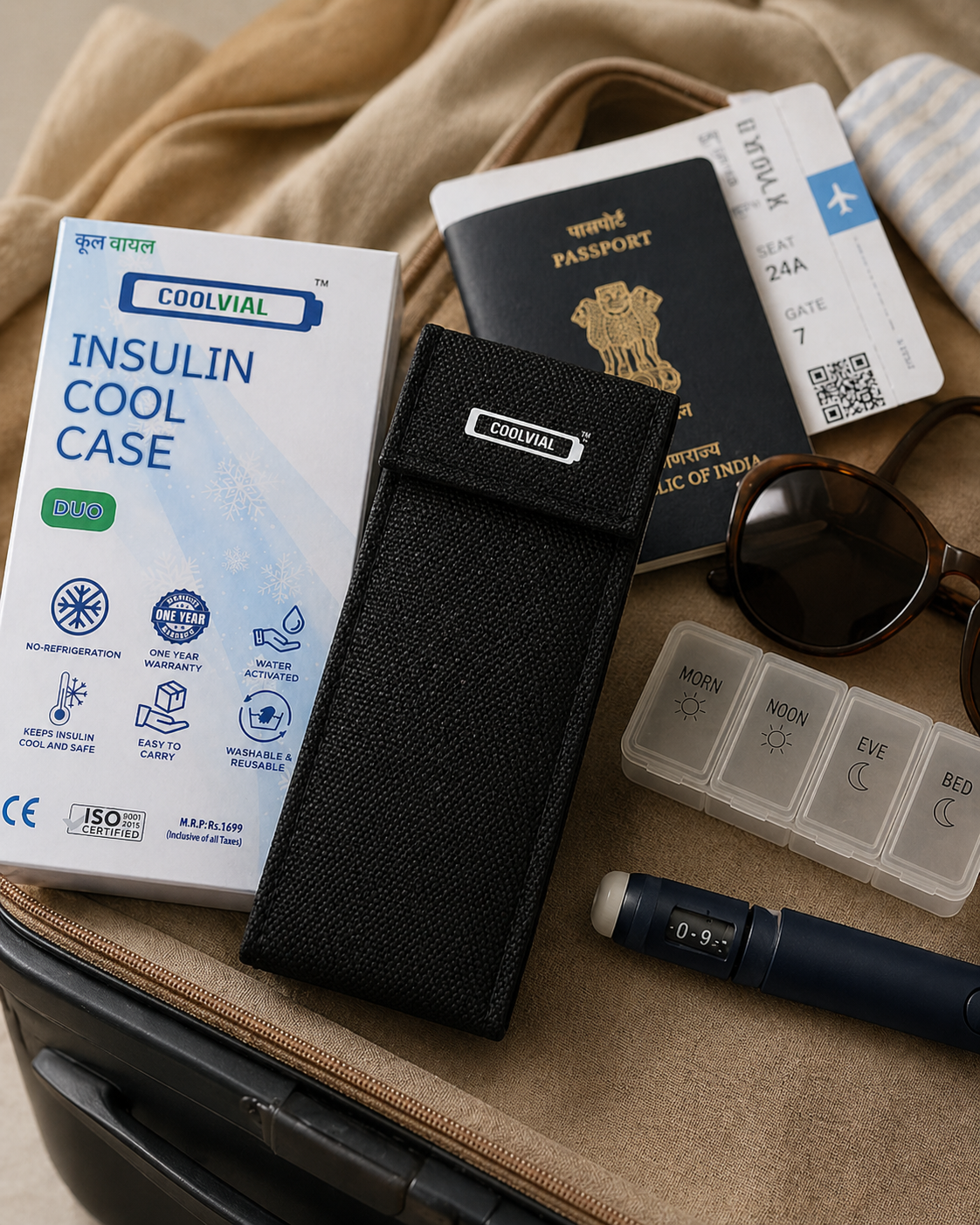
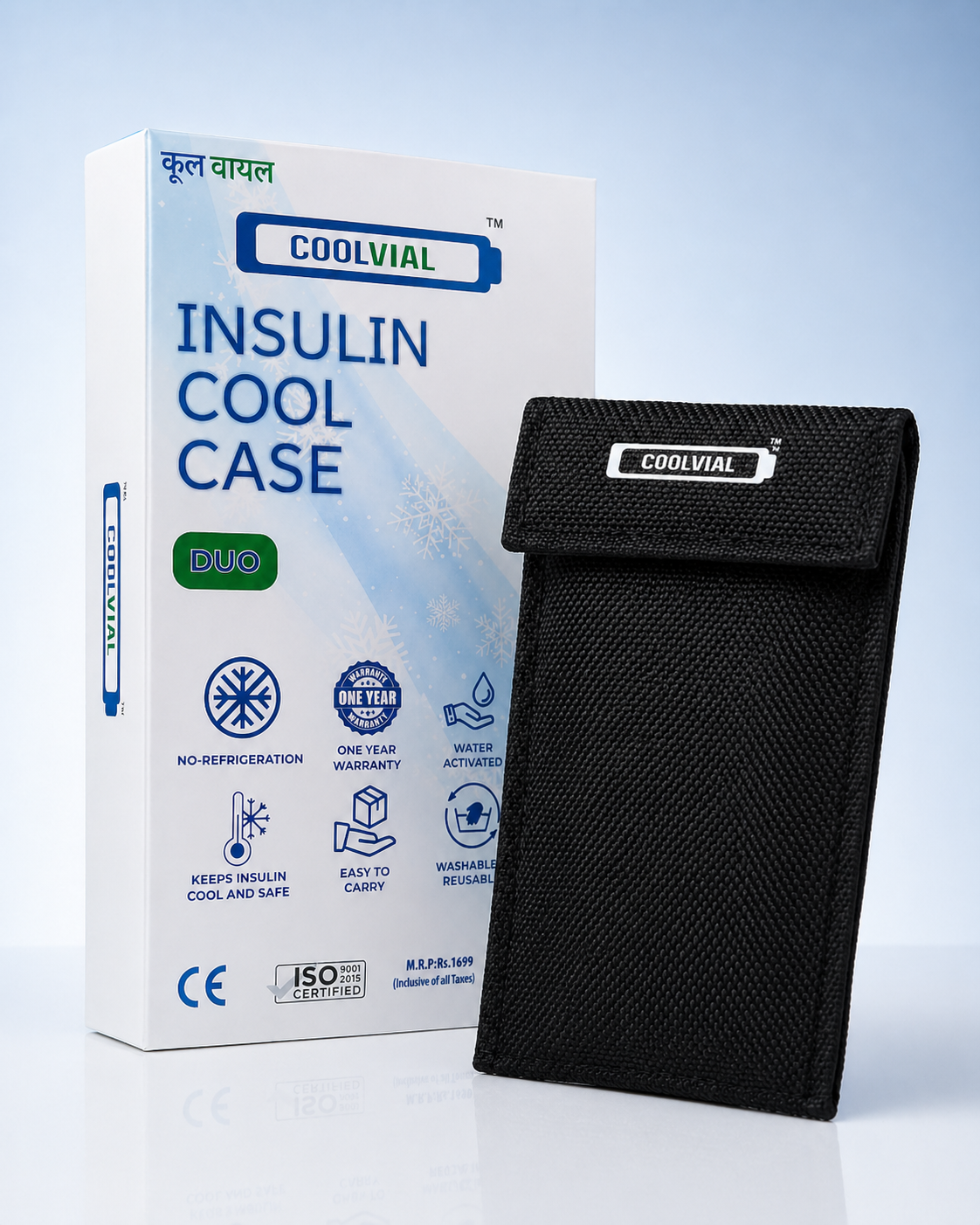
To mitigate this, consider using a portable cooling case designed for humid conditions. The COOLVIAL insulin cool case is an excellent option, specifically engineered to keep insulin cool and protected from humidity for 12-16 hours without electricity. Its water-activated evaporative cooling system works by using the surrounding air to cool, rather than relying on an external power source. This makes it ideal for managing insulin during the unpredictable Bhubaneswar monsoon, where power cuts are common.
3. Battling Mould in Bhubaneswar Homes: A Major Risk for Insulin Storage
7 Essential Strategies: Protecting Your Insulin from Bhubaneswar Monsoon Damage
COOLVIAL keeps insulin safe in India's heat. 48+ hours, no electricity needed.
Mould is an ubiquitous problem in Bhubaneswar during the monsoon. The combination of high humidity, warm temperatures, and often insufficient ventilation creates a perfect breeding ground for various mould species. This is particularly true for ground-floor homes and older apartments in areas like Old Town (Lingaraj area) and Sahid Nagar (central), where dampness can be persistent.
Mould spores are airborne and can settle on any surface, including your insulin pens, vials, and their storage containers. While direct mould contamination of the insulin itself is rare if the vial/pen is sealed, external mould growth poses several risks:
- Hygiene Concerns: Handling mould-covered pens or vials can transfer spores to your hands, increasing the risk of skin irritation or respiratory issues, especially for those with allergies.
- Compromised Packaging: As discussed, mould thrives on cardboard, further degrading the protective outer boxes of your insulin.
- Psychological Stress: The presence of mould can be distressing and adds another layer of concern to already complex diabetes management.
Strategies to Combat Mould and Protect Insulin:
- Improve Ventilation: Regularly open windows and doors when it’s not raining heavily, especially in bathrooms and kitchens. Use exhaust fans.
- Dehumidifiers: Consider using a dehumidifier in your living space, particularly in the room where insulin is stored.
- Airtight Containers: Store your insulin (both open and unopened) in airtight, waterproof containers. Brands like Borosil, Tupperware, and Cello often have suitable options available at local stores and supermarkets in Bhubaneswar, or through online platforms like 1mg and MedPlus.
- Silica Gel Packs: Place silica gel packets inside your airtight containers with your insulin. These desiccants absorb moisture effectively. You can source silica gel from various places in Bhubaneswar:
- Local Stationery/Hardware Stores: Many smaller shops will have them.
- Online Retailers: Amazon India, Flipkart deliver to Bhubaneswar.
- Electronic Stores: Sometimes available with new electronics.
- Photography Shops: Often sell larger packets for camera gear.
- Regular Cleaning: Wipe down surfaces, especially in cupboards and drawers where insulin is kept, with an antifungal cleaner.
- Elevated Storage: Keep insulin and other medical supplies off the floor, especially in ground-floor homes, to protect against potential waterlogging.
4. Flood Preparedness: Protecting Insulin During Waterlogging and Cyclones
Bhubaneswar’s topography, particularly its location near the Mahanadi delta and its coastal proximity, makes it vulnerable to significant flooding during the monsoon, exacerbated by cyclones. Areas like Sahid Nagar (central), Patia (north, particularly around the KIIT belt due to rapid urbanization), and parts of Old Town (Lingaraj area) are known waterlogging hotspots. The impact of cyclones like Fani in 2019 highlighted the critical need for flood preparedness, especially for essential medications like insulin.
If your home or building is at risk of flooding, or if a cyclone warning is issued, immediate action is required to safeguard your insulin supply.
Flood Preparedness Checklist for Diabetics:
- Elevate Your Supply: Store all insulin, pens, vials, syringes, and testing supplies in waterproof bags or containers and place them on high shelves, upper floors, or in secure, elevated cupboards.
- Emergency Kit: Prepare a dedicated “go-bag” with at least a 2-week supply of insulin, syringes/pens, test strips, glucose meter, lancets, glucagon kit, and any other essential medications. Ensure this kit is waterproof.
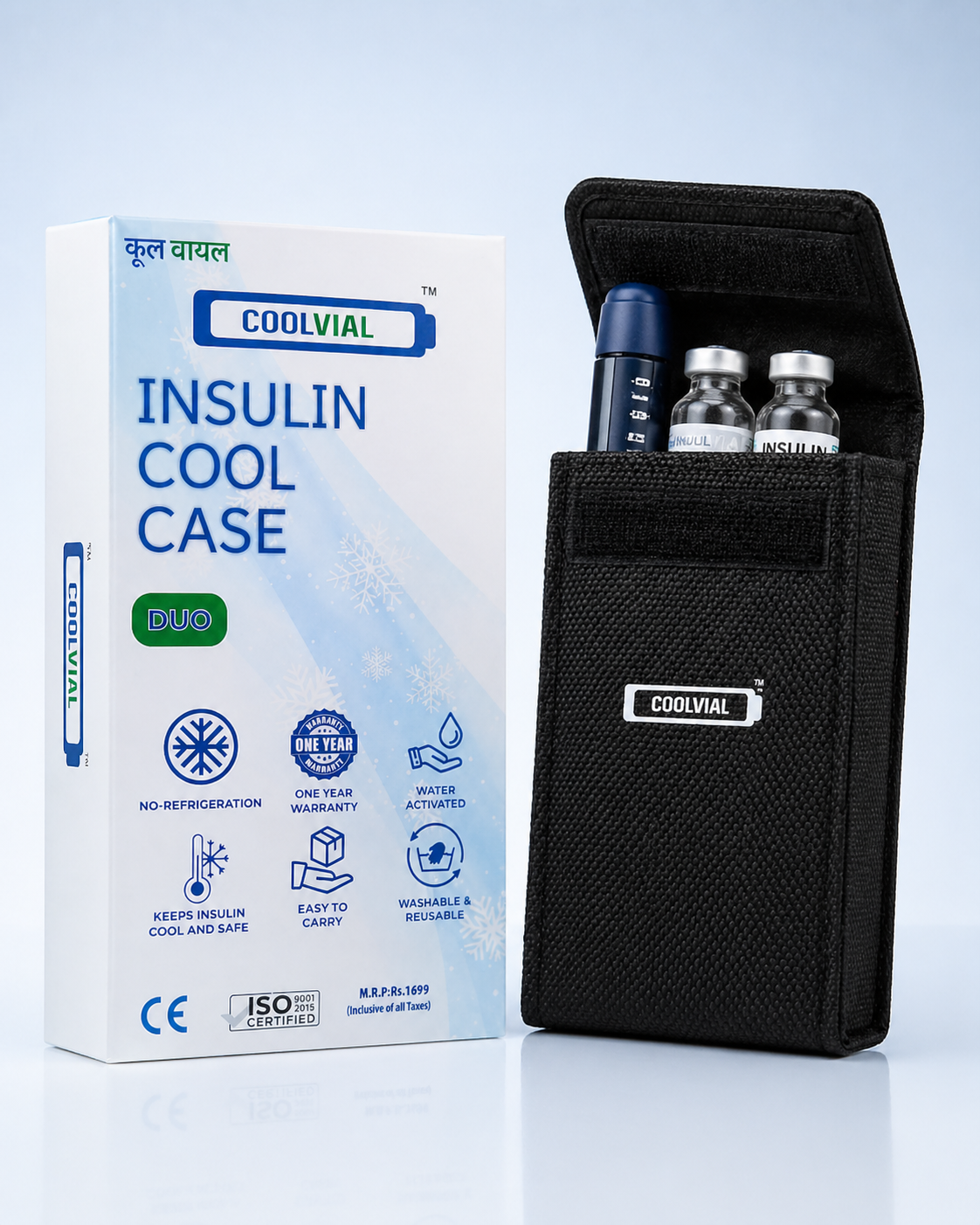
- COOLVIAL Duo: Your COOLVIAL insulin cool case is invaluable here. It provides 12-16 hours of cooling without electricity, protecting insulin even if your fridge loses power or you need to evacuate. Its robust design also offers protection from physical damage. At just Rs 1,099 with code COOLHEAL, it’s a small investment for peace of mind. Compare this to options like FRIO (often around Rs 1,900) or Outer Woods OW-12 (around Rs 999), COOLVIAL Duo offers a balanced blend of capacity, durability, and cooling performance, holding 2 pens and 1 vial.
- Important Documents: Keep your doctor’s prescriptions, medical records, and contact numbers (endocrinologist, local pharmacy, emergency services) in a waterproof pouch within your emergency kit.
- Family Communication: Ensure all family members know where the emergency kit is stored and how to handle your insulin.
- Know Evacuation Routes: Be aware of designated evacuation shelters and routes, especially if you live in waterlogging-prone neighborhoods.
- Backup Power: If possible, have a small power bank or car charger for your glucose meter, though manual testing strips are a good backup. Refer to our guide on Power Cut Survival Guide for Diabetics in Bhubaneswar — What To Do When the Grid Goes Down.
What to Do If Your Insulin Gets Wet:
- Do NOT use insulin that has been submerged in floodwaters. Floodwaters are highly contaminated and can compromise the sterility and efficacy of insulin, even if the vial or pen appears sealed.
- Discard and Replace: If your insulin has been exposed to floodwaters, assume it is compromised. Seek replacement immediately from a reliable source. AIIMS Bhubaneswar’s emergency pharmacy (located on the campus) is a critical resource in such situations, often operational even during crises. Other major hospitals like Apollo Hospitals (Sainik School Road) and Kalinga Institute of Medical Sciences (KIMS) may also have emergency supplies.
5. Navigating Pharmacy Access During Monsoon Disruptions
The Bhubaneswar monsoon, especially when accompanied by heavy downpours or cyclones, can severely disrupt transport and make accessing pharmacies challenging. Roads in areas like Patia (due to heavy traffic and construction), Sahid Nagar (prone to waterlogging), and even the main thoroughfares can become impassable. This affects not only personal travel but also delivery services from online pharmacies.
Pharmacies like Apollo Pharmacy and MedPlus have multiple outlets across Bhubaneswar, which can be helpful, but even these can be difficult to reach. Smaller, independent pharmacies might have limited stock. Online delivery services such as 1mg and Generic Aadhaar, while convenient, can experience significant delays or outright cancellations during peak monsoon disruptions. Frank Ross Pharmacy, with its established presence, also faces similar logistical hurdles.
Strategies for Ensuring Pharmacy Access:
- Stock Up in Advance: Before the monsoon season fully sets in (typically by late May or early June), ensure you have at least a 2-4 week supply of all essential diabetes medications, including insulin, syringes, test strips, and lancets. For comprehensive planning, consult our Complete Diabetes Care Guide for Bhubaneswar Residents — 2026 Edition.
- Diversify Pharmacy Options: Identify multiple pharmacies in different parts of Bhubaneswar that stock your insulin. This way, if one area is inaccessible, you might have an alternative.
- Large Hospital Pharmacies: AIIMS Bhubaneswar, Apollo Hospitals (Sainik School Road), Kalinga Institute of Medical Sciences (KIMS) often have robust stock and emergency services.
- Chain Pharmacies: Apollo Pharmacy and MedPlus outlets are widespread.
- Coordinate with Your Doctor: Discuss your monsoon preparedness plan with your endocrinologist or diabetologist. They might provide extra prescriptions or advise on alternative insulin types if your usual brand becomes unavailable.
- Emergency Contact List: Keep a list of your doctor’s number, local pharmacy numbers, and emergency services readily accessible.
- Transportation Alternatives: Consider if friends or family with more robust vehicles (e.g., SUVs) might be able to assist if your usual transport is hindered.
- Teleconsultation: Many doctors offer teleconsultation services, which can be invaluable for renewing prescriptions without needing to travel.
Remember, proactive planning is key to preventing a critical shortage of insulin during the unpredictable Bhubaneswar monsoon.
6. The Hidden Danger: Humid Fridge Air and Insulin Contamination
While refrigeration is essential for unopened insulin, and often recommended for in-use insulin if ambient temperatures exceed 25°C, the refrigerator itself can become a source of risk during the Bhubaneswar monsoon. The frequent opening and closing of the fridge door in a highly humid environment can introduce moist, warm air into the appliance.
7 Essential Strategies: Protecting Your Insulin from Bhubaneswar Monsoon Damage
Insulin at 2-8°C for 48+ hours. Trusted by 10,000+ Indian diabetics.
This “humid fridge air” can lead to several problems:
- Condensation: Moisture can condense on insulin vials and pens, leading to the same humidity damage risks as external storage – compromised packaging, mould growth, and potential for moisture ingress.
- Temperature Fluctuations: Frequent opening, combined with potential power cuts, can cause the fridge temperature to fluctuate outside the ideal 2-8°C range for unopened insulin, or above 25°C for in-use insulin.
- Bacterial Growth: While less common for sealed insulin, any moisture combined with temperature instability can theoretically encourage bacterial growth on packaging or in the fridge compartment itself, indirectly posing a hygiene risk.
Mitigating Humid Fridge Air Risks:
- Airtight Containers (Again!): This is paramount. Store all insulin, whether in-use or unopened, in sealed, waterproof containers inside the refrigerator. This creates a micro-environment protected from the fluctuating humidity inside the fridge.
- Example: A small plastic food container with a tight-fitting lid is perfect.
- Silica Gel in Fridge Container: Add a small packet of silica gel inside the airtight container with your insulin. Replace it regularly as it absorbs moisture.
- Designated Shelf: Keep insulin on a designated shelf, away from the door to minimize temperature fluctuations, and away from the back wall where items can sometimes freeze.
- Limit Fridge Openings: Try to minimize how often and how long the refrigerator door is open.
- Monitor Fridge Temperature: If you have a fridge thermometer, periodically check that the temperature remains within the safe range (2-8°C).
- Power Cut Protocol: In case of a power cut, keep the fridge door closed as much as possible. For in-use insulin, transfer it to your COOLVIAL Duo. The COOLVIAL Duo is designed to keep insulin between 18-26°C for 12-16 hours, ideal for power outages or when traveling. This is especially relevant in Bhubaneswar where power cuts are common during the monsoon. Our guide on How to Store Insulin in Bhubaneswar Summer Heat — A Local’s Guide offers more insights into temperature management.
7. Your Essential Bhubaneswar Monsoon Insulin Preparedness Checklist
Being prepared is the best defense against the challenges of the Bhubaneswar monsoon. This comprehensive checklist will help you safeguard your insulin and maintain uninterrupted diabetes management.
Pre-Monsoon Preparations (May-June):
- Insulin Stock: Ensure you have at least a 2-4 week supply of all insulin, syringes/pens, needles, test strips, and lancets.
- Emergency Kit: Assemble a waterproof “go-bag” with a 2-week supply of insulin, testing supplies, glucagon, and essential medical documents (prescriptions, doctor’s contacts).
- Waterproof Storage: Purchase several airtight, waterproof containers (e.g., Borosil, Tupperware) for storing insulin and supplies.
- Desiccants: Stock up on silica gel packets to place inside airtight containers.
- Portable Cooling Case: Invest in a reliable, non-electric insulin cooling case like the COOLVIAL Duo. It holds 2 pens + 1 vial and maintains cooling for 12-16 hours, crucial for power cuts and travel. Don’t forget to use code COOLHEAL for Rs 1,099 at coolvial.com.
- Backup Power: Ensure your glucose meter has fresh batteries or a power bank for charging.
- Doctor’s Consultation: Discuss monsoon challenges and get extra prescriptions if needed.
- Pharmacy Map: Identify multiple reliable pharmacies (e.g., Apollo Pharmacy, MedPlus, AIIMS Bhubaneswar emergency pharmacy) in different parts of the city.
- Home Maintenance: Check for roof leaks, clear drains, and ensure windows seal properly to prevent dampness and mould.
- Flood Plan: Know your area’s flood risk and evacuation routes. Keep valuables, including medications, elevated.
During Monsoon Season (June-September):
- Monitor Weather: Stay updated on weather forecasts, especially cyclone warnings.
- Insulin Storage:
- Keep unopened insulin in the refrigerator (2-8°C) in an airtight container with silica gel.
- Keep in-use insulin at room temperature (below 25°C) in an airtight container with silica gel, or in your COOLVIAL Duo if ambient temperatures are consistently high.
- Never store insulin directly on fridge shelves; always use protective containers.
- Mould Prevention: Maintain good ventilation, use exhaust fans, and regularly clean damp areas.
- Power Cut Protocol: If power goes out, keep the fridge closed. Transfer in-use insulin to your COOLVIAL Duo.
- Travel Safety: If traveling (even short distances), always carry insulin in your COOLVIAL Duo. Remember, the Bureau of Civil Aviation Security (BCAS) allows diabetics to carry insulin and related supplies on flights. For specific guidelines, refer to https://dgca.gov.in/pages/medical-requirements.html (Source: DGCA India).
- Hydration & Foot Care: Monsoon increases risk of infections. Stay hydrated and pay extra attention to foot hygiene.
- Discard Compromised Insulin: If insulin is exposed to floodwaters, shows signs of degradation (cloudiness, discoloration), or has been stored improperly, discard it immediately and replace it.
Frequently Asked Questions (FAQs)
Q: Can I use insulin that has been exposed to floodwaters if the vial/pen looks sealed? A: No, it is strongly advised to discard any insulin that has been exposed to floodwaters. Floodwaters are highly contaminated and can compromise the sterility and efficacy of insulin, even if the vial or pen appears to be sealed.
Q: What is the ideal temperature range for in-use insulin during the Bhubaneswar monsoon? A: In-use insulin should ideally be stored at room temperature, which means below 25°C. During the Bhubaneswar monsoon, if ambient temperatures consistently exceed this, it is recommended to use a portable cooling case like COOLVIAL Duo to keep it within the safe range of 18-26°C.
Q: Where can I find silica gel packets in Bhubaneswar to protect my insulin? A: Silica gel packets can be sourced from local stationery or hardware stores, electronic shops, photography supply stores, or through online retailers like Amazon India and Flipkart which deliver across Bhubaneswar.
Q: How long can COOLVIAL Duo keep insulin cool without electricity? A: The COOLVIAL Duo is designed to keep insulin cool for 12-16 hours without electricity, maintaining temperatures between 18-26°C, making it ideal for daily use, travel, and power outages during the monsoon.
Q: Which Bhubaneswar pharmacies are reliable for insulin during monsoon disruptions? A: During monsoon disruptions, larger hospital pharmacies like AIIMS Bhubaneswar, Apollo Hospitals (Sainik School Road), and Kalinga Institute of Medical Sciences (KIMS) are often more reliable for emergency supplies. Chain pharmacies like Apollo Pharmacy and MedPlus also have multiple outlets.
Q: Is it safe to store insulin directly in the refrigerator during the monsoon? A: Yes, unopened insulin should be stored in the refrigerator (2-8°C), but it’s crucial to place it in an airtight, waterproof container with silica gel to protect it from humid fridge air and potential condensation.
Q: What are the main risks of high humidity for insulin packaging? A: High humidity can cause cardboard packaging to soften, weaken, and develop mould, making labels illegible and reducing physical protection for the insulin pens or vials.
Q: What should I do if my home in Bhubaneswar floods and my insulin is damaged? A: If your insulin is damaged by flooding, immediately discard it and seek replacement from emergency pharmacies at hospitals like AIIMS Bhubaneswar. Do not attempt to use compromised insulin.
Conclusion: Stay Prepared, Stay Safe
The Bhubaneswar monsoon, while bringing relief, presents significant challenges for diabetes management, primarily due to high humidity, potential flooding, and power disruptions. Protecting your insulin from degradation, mould, and physical damage is paramount to ensuring your continued health and well-being. By implementing the 7 essential strategies outlined in this guide – from understanding local climate risks to proactive storage and emergency preparedness – you can navigate the monsoon season with confidence.
Investing in reliable insulin storage solutions, like the COOLVIAL Duo, provides an essential layer of protection. Its ability to keep insulin cool for 12-16 hours without electricity is a game-changer for the unpredictable conditions of the Bhubaneswar monsoon.
Take control of your diabetes management this monsoon. Order COOLVIAL Duo at Rs 1,099 with code COOLHEAL at coolvial.com or via WhatsApp wa.me/918766952300. Your health is worth it.
This article is for general information. Always consult your endocrinologist or diabetologist before changing insulin storage or dosing practices.
How We Researched This: This article is based on a comprehensive review of RSSDI (Research Society for the Study of Diabetes in India) guidelines for insulin storage, ICMR-INDIAB (Indian Council of Medical Research - India Diabetes) study data on diabetes prevalence and care in India, local Bhubaneswar hospital directories for emergency contacts, and the pharmacy network of Apollo Pharmacy and other local establishments. Local climate data from IMD Bhubaneswar was also referenced to ensure specificity regarding monsoon conditions.