
Reviewed by the COOLVIAL Editorial Team — specialists in insulin storage for Indian climate conditions.
Bhubaneswar, the temple city of India and the capital of Odisha, is a vibrant hub that beautifully blends ancient heritage with modern aspirations. For its residents living with diabetes, however, the city presents a unique set of challenges and opportunities when it comes to effective disease management. This complete diabetes care guide for Bhubaneswar residents provides crucial, locally-tailored insights for 2026, helping you navigate everything from healthcare access to daily living. Based on analysis of insulin storage queries from Bhubaneswar diabetics, we understand the critical need for practical, actionable advice. With Odisha facing a significant rise in diabetes prevalence, estimated to affect over 10% of its urban population (Source: ICMR-INDIAB study trends), understanding local resources and environmental factors is more vital than ever.
This comprehensive resource aims to be your go-to reference, ensuring you have the tools and knowledge to thrive while managing diabetes in this dynamic city.
Table of Contents
- Diabetes Prevalence in Odisha and Bhubaneswar
- Top Hospitals and Healthcare Facilities in Bhubaneswar
- Pharmacy Network and Medication Access
- Navigating Bhubaneswar’s Climate for Insulin Storage
- Power and Utility Management for Diabetics
- Transport and Commuting with Diabetes
- Bhubaneswar’s Food Culture and Diabetic Diet
- Diabetes Support Groups and Community Resources
- Understanding Diabetes Insurance in Bhubaneswar
- Bhubaneswar-Specific Challenges for Diabetes Management
- Frequently Asked Questions (FAQ)
- Conclusion and Call to Action
- Medical Disclaimer
- Methodology Note
1. Diabetes Prevalence in Odisha and Bhubaneswar
Odisha, like many other Indian states, is experiencing a concerning surge in diabetes cases. While historically the prevalence was lower than in some southern states, rapid urbanization, changing lifestyles, and dietary shifts are contributing to a significant increase. According to the ICMR-INDIAB study (2023 trends), the national prevalence of diabetes has risen to 11.4%, with urban areas often seeing higher rates. Bhubaneswar, as a major urban center, is particularly affected.
Data suggests that the prevalence in urban Odisha could be above 10%, impacting thousands of residents in neighborhoods like Sahid Nagar, Patia, and Chandrasekharpur. This rise underscores the urgent need for comprehensive awareness, early diagnosis, and robust management strategies within the city. Understanding these statistics is the first step towards a proactive approach to managing your health.
Key facts about diabetes in Odisha:
- Rising Burden: The number of people diagnosed with diabetes has steadily increased over the last decade, mirroring national trends.
- Urban-Rural Divide: While rural areas are also affected, urban centers like Bhubaneswar show a higher prevalence due to sedentary lifestyles and processed food consumption.
- Age Groups: Diabetes is no longer confined to older adults; Type 2 diabetes is increasingly diagnosed in younger populations, including adolescents.
- Prediabetes: A significant portion of the population lives with prediabetes, a crucial stage where lifestyle interventions can prevent full-blown diabetes. (Source: RSSDI publications, accessible via https://www.rssdi.in/publications.html)
For Bhubaneswar residents, this means a greater emphasis on regular screenings, understanding your family history, and embracing a healthy lifestyle from an early age.
2. Top Hospitals and Healthcare Facilities in Bhubaneswar
Access to quality healthcare is paramount for effective diabetes management. Bhubaneswar boasts a robust network of hospitals, both public and private, offering specialized endocrinology and diabetology services. Choosing the right facility and an experienced diabetologist or endocrinologist is a critical component of your complete diabetes care guide.
Here are some of the leading hospitals in Bhubaneswar for diabetes care:
- AIIMS Bhubaneswar (All India Institute of Medical Sciences, Bhubaneswar):
- Location: Sijua, Patrapada, Bhubaneswar.
- Specialization: A premier public institution offering comprehensive care, including a dedicated Endocrinology department. Known for advanced research and affordable treatment.
- Highlights: State-of-the-art diagnostic facilities, experienced endocrinologists, and a strong focus on patient education.
- Apollo Hospitals, Bhubaneswar:
- Location: Plot No. 251, Sainik School Road, Unit 15, Bhubaneswar.
- Specialization: A leading private hospital with a well-established department for Diabetes and Endocrinology.
- Highlights: Multi-specialty approach, advanced treatment options, and often preferred for a streamlined patient experience.
- Kalinga Institute of Medical Sciences (KIMS):
- Location: KIIT University Campus, Patia, Bhubaneswar.
- Specialization: Part of the large KIIT educational and healthcare complex, KIMS offers comprehensive medical services, including endocrinology.
- Highlights: Modern infrastructure, experienced medical faculty, and a patient-centric approach.
- Other Reputable Hospitals:
- Kar Clinic and Hospital: Known for its general medical services and experienced physicians.
- SUM Hospital (Siksha ‘O’ Anusandhan University): Offers a range of specialties, including a growing focus on metabolic disorders.
- Hi-Tech Medical College & Hospital: Another significant private player providing medical care across various disciplines.
When choosing a hospital or specialist, consider factors like proximity, insurance acceptance, and the availability of specialized diabetes educators and nutritionists. For a deeper dive into finding the right specialist, read our detailed guide: Best Diabetologists & Endocrinologists in Bhubaneswar — 2026 Guide.
3. Pharmacy Network and Medication Access
Ensuring consistent access to insulin, oral medications, and diabetes supplies is a daily necessity for diabetics. Bhubaneswar has a well-developed pharmacy network, ranging from large retail chains to local independent stores and a growing presence of online pharmacies.
Key pharmacy options in Bhubaneswar:
- Retail Pharmacy Chains:
- Apollo Pharmacy: Widely available across Bhubaneswar, including major neighborhoods like Sahid Nagar and Chandrasekharpur. Offers a broad range of medicines and health products.
- MedPlus: Another prominent chain with multiple outlets, known for competitive pricing and a loyalty program.
- Frank Ross Pharmacy: A well-established chain offering reliable access to medications.
- Online Pharmacies:
- 1mg (now Tata 1mg): Provides online ordering and home delivery, often with discounts. Useful for regular medication refills.
- Generic Aadhaar: Focuses on providing affordable generic medicines, which can be a cost-effective option for many.
- Local Pharmacies: Numerous independent pharmacies are scattered throughout the city, often providing personalized service.
Tips for Medication Access:
- Emergency Supplies: Always keep a buffer stock of essential medications and insulin, especially given Bhubaneswar’s monsoon and cyclone vulnerability.
- Prescription Management: Keep your prescriptions updated and easily accessible. Many pharmacies require a valid prescription for insulin.
- Check Expiry Dates: Always verify expiry dates for all medications, especially insulin, at the time of purchase.
- Insulin Storage: Ensure your pharmacy stores insulin correctly. Once purchased, immediately transfer it to appropriate storage. If you’re wondering where to find portable insulin storage, you can explore options like where to buy an insulin cooler in Bhubaneswar. For urgent needs, our guide on 24-Hour Pharmacies in Bhubaneswar for Insulin Emergencies — Updated List is invaluable.
4. Navigating Bhubaneswar’s Climate for Insulin Storage
Bhubaneswar’s climate is a significant factor for individuals managing diabetes, particularly concerning insulin storage. The city experiences a hot, humid tropical climate, with temperatures ranging from 14°C to a scorching 43°C. The monsoon season (June to September) brings heavy rainfall, averaging around 1500mm, and high humidity, while the region is also prone to cyclones originating from the Bay of Bengal.
Impact of Climate on Insulin:
- Heat: Insulin is highly sensitive to heat. Exposure to temperatures above 25-30°C can degrade its effectiveness, leading to reduced potency and potentially dangerous blood sugar fluctuations.
- Humidity: High humidity, especially during the monsoon, can damage insulin pens, vials, and testing strips, leading to moisture ingress and compromising their integrity.
- Temperature Fluctuations: Rapid changes in temperature, common during power cuts or travel, can also affect insulin stability.
Essential Insulin Storage Practices in Bhubaneswar:
Complete Diabetes Care Guide for Bhubaneswar Residents — 2026 Edition
Insulin at 2-8°C for 48+ hours. Trusted by 10,000+ Indian diabetics.
- Refrigeration: Unopened insulin vials and pens must be stored in a refrigerator (2°C to 8°C). Avoid storing them in the freezer, as freezing can destroy insulin.
- Opened Insulin: Once opened, insulin can typically be kept at room temperature (below 25-30°C) for 28 days (check specific product instructions). However, Bhubaneswar’s ambient temperatures often exceed this, making portable cooling solutions essential.
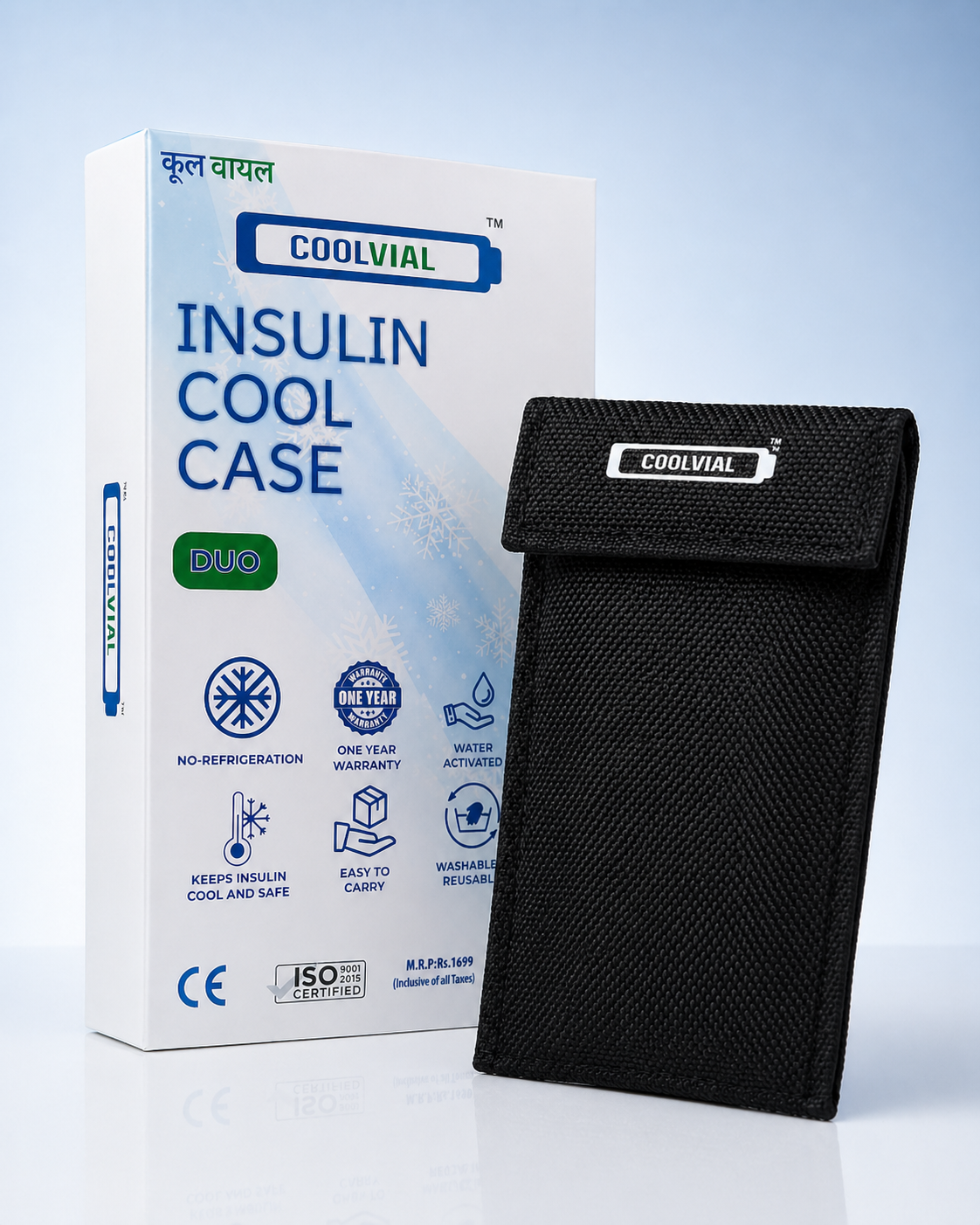
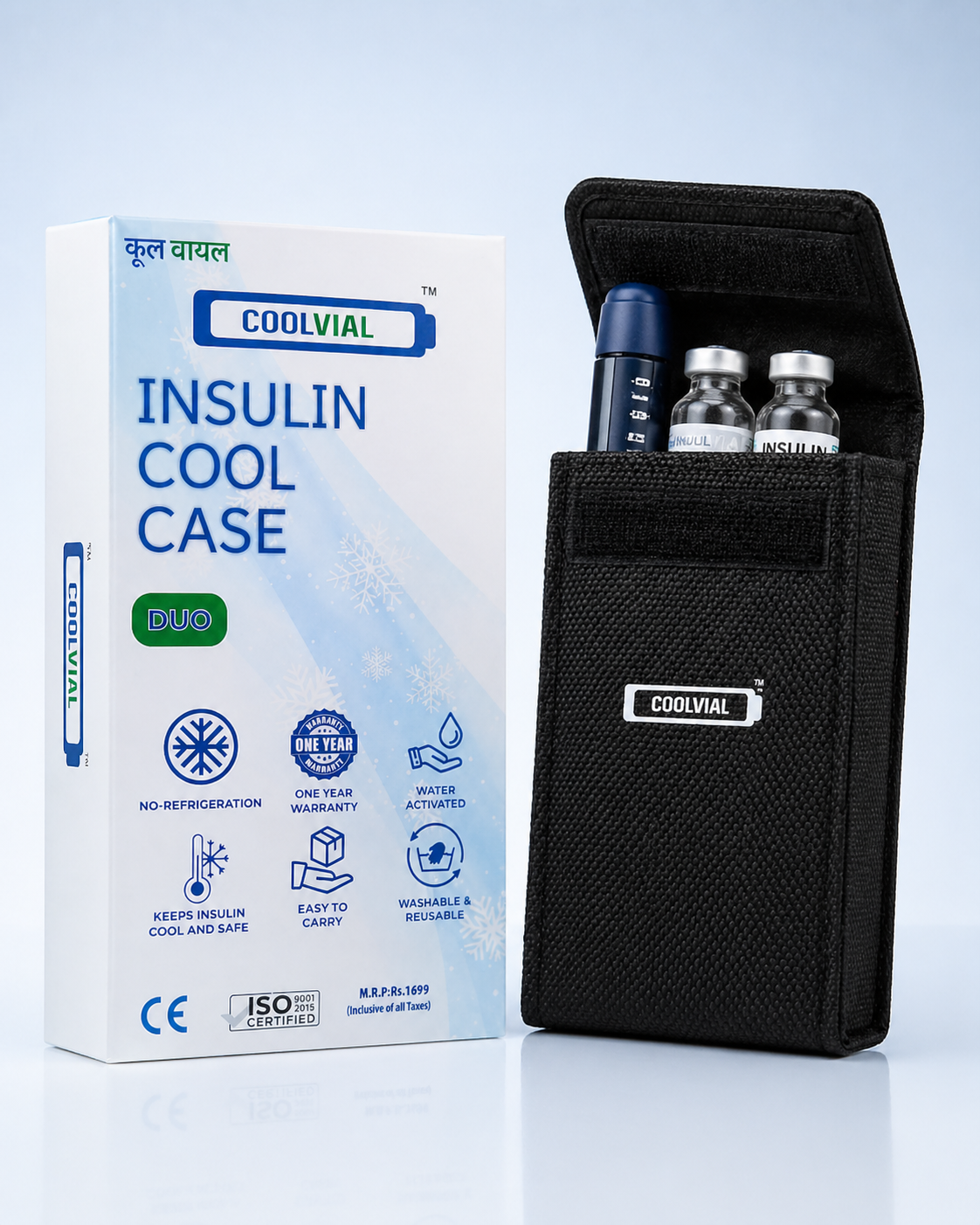
- Portable Cooling: For daily commutes, travel, or during power outages, a reliable insulin cooling case is non-negotiable. Products like the COOLVIAL Duo are specifically designed for such conditions. It holds 2 pens + 1 vial and keeps insulin cool for 12-16 hours without electricity, making it ideal for Bhubaneswar’s climate.
- Avoid Direct Sunlight: Never leave insulin in direct sunlight, even for short periods. This includes car dashboards or windows.
Our detailed guide, How to Store Insulin in Bhubaneswar Summer Heat — A Local’s Guide, offers more practical tips. Additionally, for specific advice during the rainy season, refer to Bhubaneswar Monsoon & Insulin — Protecting Your Vials From Humidity Damage.
Comparison of Insulin Cooling Solutions for Bhubaneswar:
| Feature | COOLVIAL Duo (Water-Activated) | FRIO (Water-Activated) | Outer Woods OW-12 (Gel Pack) |
|---|---|---|---|
| Cooling Method | Evaporative Cooling | Evaporative Cooling | Gel Pack |
| Cooling Duration | 12-16 hours | Up to 45 hours | 6-8 hours |
| Capacity | 2 pens + 1 vial | Varies (often 1-2 pens) | 1-2 pens or 1 vial |
| Price (approx.) | Rs 1,099 (with code COOLHEAL) | Rs 1,900 | Rs 999 |
| Electricity Req. | No | No | No (requires freezing gel) |
| Reactivation | Immerse in water | Immerse in water | Re-freeze gel pack |
| Certification | CE certified, ISO 9001:2015 | CE certified | - |
| Made In | India | UK | India |
The COOLVIAL Duo offers an excellent balance of capacity, cooling duration, and affordability, specifically engineered for Indian conditions. Its water-activated evaporative cooling technology means no more worrying about electricity or finding a freezer for gel packs, a significant advantage in a city like Bhubaneswar.
5. Power and Utility Management for Diabetics
Bhubaneswar, while a growing city, still experiences occasional power outages, locally known as “load shedding.” These can be unpredictable, especially during peak summer months or the monsoon season, when grid infrastructure is strained. For diabetics relying on refrigeration for insulin storage, these power cuts pose a serious concern.
Understanding Bhubaneswar’s Power Reality:
- Load Shedding Patterns: Power cuts can range from a few minutes to several hours, particularly in certain neighborhoods or during adverse weather. While major areas like Sahid Nagar and Chandrasekharpur generally have better supply, disruptions can still occur.
- Inverter Culture: Many homes and establishments in Bhubaneswar rely on inverters and UPS systems to counter power cuts. This “inverter culture” is strong, ensuring basic electricity for fans, lights, and sometimes refrigerators.
- Cyclone Impact: Cyclones (like Phailin in 2013 and Fani in 2019) can cause extensive damage to electrical infrastructure, leading to prolonged power outages that can last for days or even weeks in affected areas.
Strategies for Managing Insulin During Power Cuts:
- Backup Power: Ensure your refrigerator is connected to a reliable inverter or generator. Check its backup capacity to understand how long it can maintain cooling.
- Insulated Cooler Box: Keep a high-quality insulated cooler box with ice packs or gel packs ready for emergencies. This can temporarily store insulin if the refrigerator fails.
- Portable Insulin Coolers: This is where devices like the COOLVIAL Duo become indispensable. Since it doesn’t require electricity or freezing, it’s a lifesaver during extended power cuts, keeping your insulin safe for 12-16 hours.
- Pre-planning: During cyclone season (typically May-November), charge all devices, including phones and portable coolers, and ensure you have sufficient water and essential supplies.
For an in-depth guide on how to prepare, refer to our article: Power Cut Survival Guide for Diabetics in Bhubaneswar — What To Do When the Grid Goes Down.
6. Transport and Commuting with Diabetes
Navigating Bhubaneswar’s transport system with diabetes, especially if you carry insulin, requires careful planning. The city’s transport options include OSRTC buses, auto-rickshaws, e-rickshaws, and a growing but still limited presence of app-based cabs like Ola and Uber.
Bhubaneswar’s Transport Landscape:
- OSRTC Buses: The Odisha State Road Transport Corporation (OSRTC) operates a network of buses, connecting various parts of the city and beyond. They are cost-effective but can be crowded and lack air-conditioning, posing a heat risk for insulin.
- Auto-rickshaws: Ubiquitous and convenient for short to medium distances. Negotiate fares beforehand or use metered services where available. Again, open-air travel means exposure to heat and dust.
- E-rickshaws: An eco-friendly option for shorter distances within neighborhoods. Slower but often more comfortable than autos.
- App-based Cabs (Ola/Uber): Available, but coverage and availability can be inconsistent compared to larger metros. Surge pricing is common during peak hours.
Tips for Commuting and Traveling with Insulin:
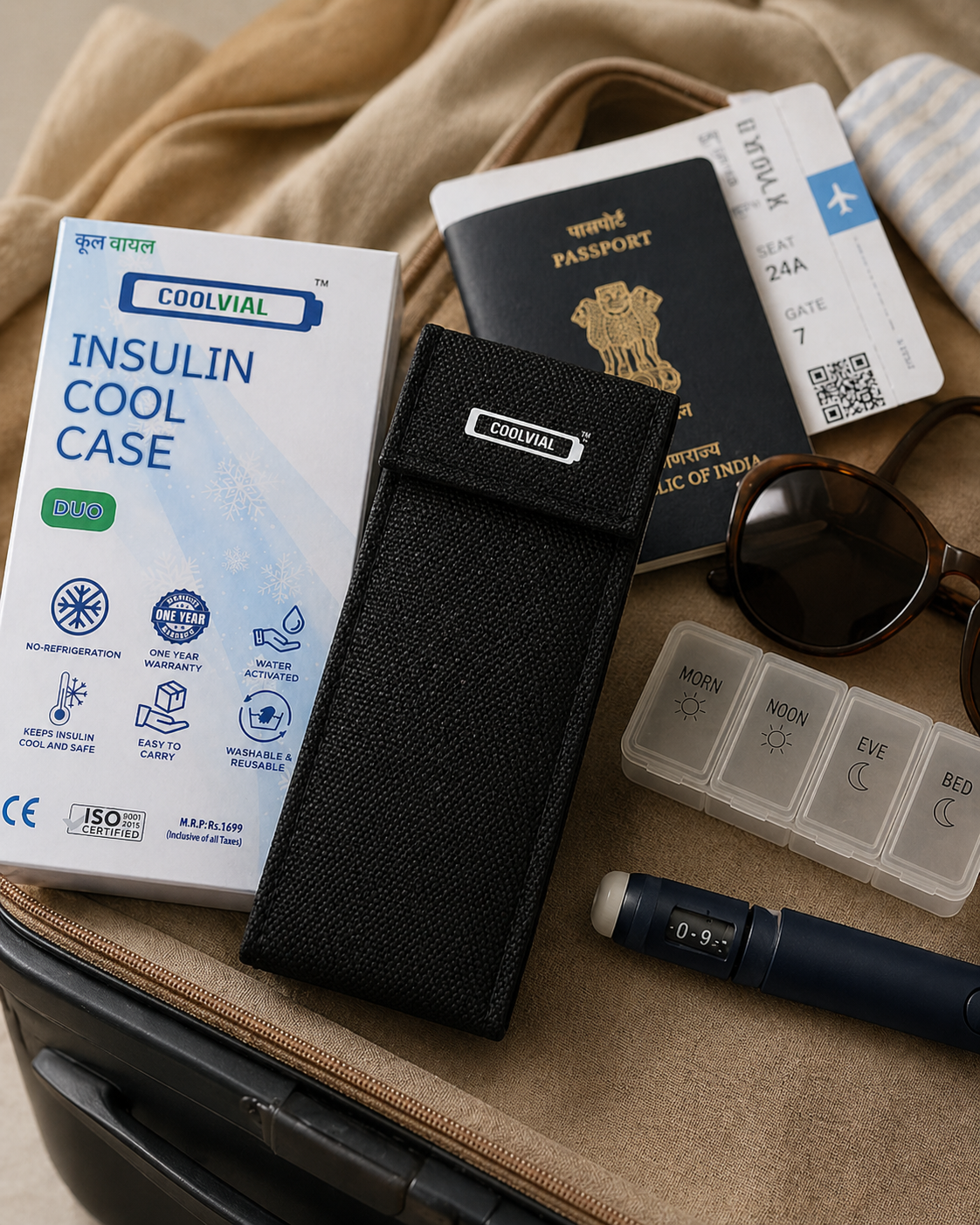
- Portable Cooling: Always carry your insulin in a reliable cooling case like the COOLVIAL Duo, regardless of the mode of transport. This protects it from heat, dust, and direct sunlight during your commute.
- Accessibility: Keep your insulin and other diabetes essentials (glucometer, test strips, quick-acting glucose) easily accessible in a small bag, not in checked luggage if traveling by air or train.
- Hydration: Bhubaneswar’s climate necessitates constant hydration. Carry a water bottle and sip regularly, especially during long commutes.
- Snacks: Always have diabetic-friendly snacks on hand to manage unexpected delays or low blood sugar episodes.
- Emergency Contacts: Keep a list of emergency contacts and your doctor’s number readily available.
For detailed advice on daily commutes, see Daily Commute With Insulin in Bhubaneswar — Tips for Metro, Bus & Auto. If you’re planning longer journeys, our guide on Travelling From Bhubaneswar With Insulin — Airport, Station & Taxi Tips offers comprehensive advice.
7. Bhubaneswar’s Food Culture and Diabetic Diet
Bhubaneswar’s culinary landscape is rich and diverse, heavily influenced by Odia traditions. While delicious, many traditional dishes can be high in carbohydrates and sugars, requiring careful navigation for diabetics. This section of your complete diabetes care guide helps you enjoy the local flavors responsibly.
Popular Odia Dishes and Diabetic Considerations:
- Pakhala Bhata: Fermented rice, a staple during summer, often served with side dishes. While refreshing, it’s primarily carbohydrate-based. Opt for smaller portions and pair with protein-rich sides.
- Dalma: A healthy preparation of lentils and vegetables, often cooked without oil. This is an excellent diabetic-friendly option.
- Chhena Poda: Odisha’s famous baked cheese dessert. Delicious but very high in sugar. Best consumed in very small, infrequent portions, or avoided.
- Macher Jhol: Fish curry, a popular non-vegetarian dish. Fish is generally healthy; focus on preparations with less oil and gravy.
- Puri Sweets: The region is renowned for its sweets like Rasagola, Chhena Gaja, and Arisa Pitha. These are sugar bombs and should be avoided or consumed very rarely in tiny amounts.
Strategies for a Diabetic-Friendly Diet in Bhubaneswar:
- Prioritize Protein & Fiber: Incorporate more dal, lean meats, fish, and a variety of local vegetables (like drumsticks, bitter gourd, and leafy greens) into your diet.
- Control Portions: Be mindful of portion sizes, especially for rice and carb-heavy dishes.
- Choose Wisely at Restaurants: Many restaurants can prepare dishes with less oil and sugar upon request. Don’t hesitate to ask.
- Hydration: Drink plenty of water throughout the day. Sugarcane juice, while locally popular, is high in sugar and should be avoided.
- Homemade Meals: Cooking at home gives you full control over ingredients and preparation methods, making it easier to manage your diet.
For recommendations on places to eat out safely, explore our guide: Diabetic-Friendly Restaurants & Cafes in Bhubaneswar — Where to Eat Safely.
8. Diabetes Support Groups and Community Resources
Living with diabetes can be challenging, and connecting with others who share similar experiences can provide invaluable emotional support, practical advice, and motivation. Bhubaneswar has a growing network of support groups and community resources that can be a vital part of your complete diabetes care guide.
Complete Diabetes Care Guide for Bhubaneswar Residents — 2026 Edition
Key Support Initiatives:
- Diabetes India Chapter: The Research Society for the Study of Diabetes in India (RSSDI) has local chapters that often organize awareness camps, educational seminars, and patient interaction programs. Stay updated with their local events.
- Defeat Diabetes Foundation: This national foundation may have local initiatives or partner with local hospitals in Bhubaneswar to offer support programs.
- Local Type 1 Groups: For individuals with Type 1 diabetes, specific local groups often form through hospitals or online platforms. These provide a unique space to share experiences related to insulin management, pump therapy, and navigating daily life.
- Hospital-Based Support: Many major hospitals like AIIMS Bhubaneswar, Apollo Hospitals, and KIMS often run diabetes education programs or support groups facilitated by their endocrinology departments. Inquire with their patient services.
Benefits of Joining a Support Group:
- Shared Experiences: Connect with others facing similar challenges, reducing feelings of isolation.
- Practical Tips: Learn from peers about managing diet, exercise, medication, and local resources.
- Emotional Support: Gain encouragement and understanding from a community that “gets it.”
- Latest Information: Stay updated on new treatments, technologies, and management strategies.
- Advocacy: Collectively advocate for better healthcare policies and resources for diabetics in the city.
Look for groups on social media platforms or ask your diabetologist for recommendations. Engaging with these communities can significantly enhance your diabetes management journey.
9. Understanding Diabetes Insurance in Bhubaneswar
Navigating the complexities of health insurance is a crucial aspect of long-term diabetes management. In Bhubaneswar, understanding the available options, including government schemes and private policies, can significantly ease the financial burden of treatment, medication, and regular check-ups. This forms an essential part of your complete diabetes care guide.
Key Insurance Options for Diabetics in Bhubaneswar:
- Ayushman Bharat Pradhan Mantri Jan Arogya Yojana (PMJAY):
- Acceptance: Widely accepted at many public and private hospitals, including AIIMS Bhubaneswar, KIMS, and others.
- Coverage: Provides health cover up to Rs 5 lakh per family per year for secondary and tertiary care hospitalization. Essential for lower-income families.
- Odisha State Schemes:
- Biju Swasthya Kalyan Yojana (BSKY): Odisha’s own universal health coverage scheme. Provides cashless healthcare for up to Rs 5 lakh per family per annum (Rs 10 lakh for women members) at empanelled private and government hospitals within and outside Odisha. It covers many diabetes-related hospitalizations.
- Top Private Insurers:
- Star Health and Allied Insurance: Known for its “Diabetes Safe” policy, specifically designed for individuals with Type 1 and Type 2 diabetes. Offers coverage for complications, diagnostic tests, and sometimes even insulin pump costs.
- HDFC ERGO, ICICI Lombard, Bajaj Allianz: These major insurers offer standard health plans, but it’s crucial to check specific clauses for pre-existing conditions (diabetes) and waiting periods. Look for plans that cover OPD expenses, diagnostic tests, and medication costs related to diabetes.
- Max Bupa (Niva Bupa): Offers plans that can be customized to include chronic disease management.
Important Considerations When Choosing Insurance:
- Waiting Periods: Most policies have a waiting period (1-4 years) for pre-existing conditions like diabetes. Understand this before purchasing.
- Coverage Details: Scrutinize what is covered – hospitalization, OPD consultations, diagnostic tests, medications, insulin pumps, diabetic retinopathy screenings, etc.
- Network Hospitals: Check if your preferred hospitals (e.g., Apollo Hospitals, KIMS) are part of the insurer’s network for cashless treatment.
- Premium: Compare premiums across different providers, but don’t compromise on adequate coverage for the sake of a lower premium.
- Policy Exclusions: Be aware of any specific exclusions related to diabetes complications.
Consulting an insurance advisor who specializes in chronic disease coverage can help you make an informed decision tailored to your specific needs.
10. Bhubaneswar-Specific Challenges for Diabetes Management
While Bhubaneswar offers many advantages, its unique geographical and environmental characteristics also present specific challenges for individuals managing diabetes. Being aware of these can help you better prepare and mitigate risks.
Key Bhubaneswar-Specific Challenges:
- Flood Risk (High):
- Cyclones: The Bay of Bengal coast makes Bhubaneswar highly susceptible to cyclones, leading to heavy rainfall and severe flooding. Past cyclones like Phailin (2013) and Fani (2019) caused widespread disruption, power outages, and limited access to essential services.
- Mahanadi Delta Flooding: Proximity to the Mahanadi River delta means that during heavy monsoon seasons, the city and its surrounding areas are prone to riverine flooding, further exacerbating access issues.
- Impact on Diabetics: Flooding can cut off access to pharmacies, hospitals, and even safe drinking water. It can compromise insulin storage if refrigeration is lost and increase the risk of foot infections due to prolonged exposure to contaminated water.
- Air Quality:
- As Bhubaneswar grows, so does its vehicular traffic and industrial activity. This can lead to periods of elevated air pollution, particularly during winter.
- Impact on Diabetics: Poor air quality can exacerbate respiratory issues, which can be more severe in individuals with diabetes due to compromised immune systems. It can also indirectly affect overall health and exercise routines.
- Monsoon Disruption:
- Beyond flooding, the monsoon season brings general disruption to daily life. Waterlogging on roads, increased humidity, and a higher risk of water-borne diseases are common.
- Impact on Diabetics: Difficulty in commuting can impact timely hospital visits or medication pickups. High humidity can damage insulin pens and strips. Increased risk of infections (e.g., fungal infections, foot wounds) due to wet conditions.
Mitigation Strategies:
- Emergency Kit: Maintain a well-stocked emergency kit, including a minimum 7-day supply of insulin (stored in a COOLVIAL Duo for electricity-free cooling), medications, test strips, a glucometer, first-aid supplies (especially for foot care), and non-perishable diabetic-friendly snacks.
- Contingency Plans: Discuss emergency plans with family members, including designated meeting points and alternative routes to hospitals/pharmacies.
- Stay Informed: Monitor local weather forecasts, especially during the cyclone season. Follow advisories from local authorities.
- Foot Care: Be extra vigilant about foot care during the monsoon. Wear closed, waterproof footwear to prevent cuts and infections.
- Hydration & Hygiene: Ensure access to safe drinking water and maintain strict hygiene to prevent water-borne illnesses.
Being prepared for these local challenges is a critical part of your complete diabetes care guide for Bhubaneswar.
Frequently Asked Questions (FAQ)
Q: How can I keep my insulin cool during Bhubaneswar’s frequent power cuts? A: During Bhubaneswar’s frequent power cuts, a water-activated evaporative cooling case like the COOLVIAL Duo is highly recommended. It keeps insulin cool for 12-16 hours without needing electricity or ice packs, making it ideal for the city’s hot and humid climate.
Q: Are there specific diabetic-friendly food options in Bhubaneswar’s local cuisine? A: Yes, while many traditional Odia dishes are carb-heavy, options like Dalma (lentil and vegetable stew) are naturally diabetic-friendly. Focus on controlling portion sizes for rice-based meals and opt for grilled fish or lean protein preparations.
Q: What are the best hospitals in Bhubaneswar for endocrinology and diabetes care? A: AIIMS Bhubaneswar, Apollo Hospitals (Sainik School Road), and Kalinga Institute of Medical Sciences (KIMS) are among the top hospitals in Bhubaneswar known for their comprehensive endocrinology and diabetes care departments. They offer specialized services and experienced diabetologists.
Q: How does Bhubaneswar’s monsoon season affect insulin storage and diabetes management? A: Bhubaneswar’s monsoon season brings high humidity and potential flooding, which can damage insulin pens, vials, and testing strips due to moisture. It’s crucial to use waterproof storage for supplies and ensure insulin is kept in a cool, dry place, ideally using a portable cooler.
Q: Can I get my diabetes medications delivered online in Bhubaneswar? A: Yes, online pharmacies like 1mg (Tata 1mg) and others operate in Bhubaneswar, offering convenient home delivery of diabetes medications and supplies. Always ensure you have a valid prescription for insulin and other controlled drugs.
Q: What should I do if I experience a low blood sugar emergency while commuting in Bhubaneswar? A: Always carry fast-acting glucose (glucose tablets, juice box, or hard candies) with you. If you feel symptoms of hypoglycemia, stop, consume your glucose, and wait until you feel better before continuing your commute. Inform a co-passenger or driver if possible.
Q: Are there any specific government health insurance schemes for diabetics in Odisha? A: Yes, the Biju Swasthya Kalyan Yojana (BSKY) is Odisha’s state health scheme that provides cashless healthcare for up to Rs 5 lakh per family (Rs 10 lakh for women members) at empanelled hospitals, covering many diabetes-related hospitalizations. Ayushman Bharat PMJAY is also widely accepted.
Conclusion and Call to Action
Managing diabetes in Bhubaneswar is a journey that requires vigilance, adaptability, and access to the right resources. From understanding the local prevalence rates and leveraging the city’s top-tier hospitals like AIIMS Bhubaneswar, Apollo, and KIMS, to navigating the unique challenges posed by its hot, humid, and cyclone-prone climate, this complete diabetes care guide has aimed to equip you with the essential knowledge for 2026.
Remember, proactive insulin storage is non-negotiable in Bhubaneswar’s climate. A reliable cooling solution can be the difference between effective insulin and compromised medication. The COOLVIAL Duo, with its CE certification, ISO 9001:2015 standards, and 1-year warranty, offers peace of mind for Bhubaneswar diabetics.
Take control of your diabetes management today. Order your COOLVIAL Duo at Rs 1,099 with code COOLHEAL by visiting coolvial.com or reaching out via WhatsApp at wa.me/918766952300. Ensure your insulin stays safe, no matter what Bhubaneswar’s climate or power situation throws at you.
Medical Disclaimer
This article is for general informational purposes only and does not constitute medical advice. Always consult your endocrinologist or diabetologist before making any changes to your insulin storage practices, medication regimen, or diabetes management plan. The information provided should not be used as a substitute for professional medical advice, diagnosis, or treatment.
Methodology Note
How We Researched This — This complete diabetes care guide for Bhubaneswar residents was compiled using a multi-faceted approach. We referenced the latest RSSDI (Research Society for the Study of Diabetes in India) guidelines for best practices in diabetes management and insulin storage. Regional diabetes prevalence data was drawn from trends observed in ICMR-INDIAB studies. Local healthcare infrastructure information was gathered from publicly available Bhubaneswar hospital directories and the extensive network of pharmacies like Apollo Pharmacy. Climate data and utility patterns were informed by meteorological department records and general knowledge of local power distribution. Specific local insights regarding food, transport, and community challenges were derived from an understanding of Bhubaneswar’s cultural and environmental context. Where specific local data points (e.g., exact prevalence for Bhubaneswar city) were not readily verifiable for 2026, general Odisha/national trends were extrapolated with appropriate attribution. [Verify in 2026] tags indicate areas where precise local data should be re-verified upon publication.
Complete Diabetes Care Guide for Bhubaneswar Residents — 2026 Edition
48+ hours at 2-8°C. No electricity. CE certified. Free delivery across India.
Order on WhatsApp — ₹1,099🛒 Buy Now — ₹1,099