
Reviewed by the COOLVIAL Editorial Team — specialists in insulin storage for Indian climate conditions.
Bengaluru, the Silicon Valley of India, is a city of contrasts: bustling tech parks, serene green spaces like Cubbon Park and Lalbagh, and a mild, salubrious climate that hovers between 18°C and 33°C year-round. While its pleasant weather is a boon, navigating daily life with diabetes, particularly managing insulin, requires a deep understanding of local nuances. This complete diabetes care guide for Bengaluru residents in 2026 is your definitive resource, offering actionable insights and local wisdom to ensure optimal health management. Based on analysis of insulin storage queries from Bengaluru diabetics, we understand the unique challenges faced here. With Karnataka reporting an alarming 15.3% diabetes prevalence, accessing reliable care and knowing how to adapt to local conditions is more critical than ever (Source: ICMR-INDIAB, 2021). This guide will help you confidently manage your diabetes in the Garden City.
Table of Contents
- Diabetes Prevalence in Karnataka and Bengaluru: Understanding the Local Landscape
- Top Hospitals and Diabetes Care Centers in Bengaluru
- Navigating Bengaluru’s Pharmacy Network for Diabetes Supplies
- Bengaluru’s Climate Reality and Insulin Storage: Mild Yet Crucial Considerations
- Power and Utility Management for Diabetics in Bengaluru: Adapting to Load Shedding
- Transporting Insulin in Bengaluru: Navigating the City’s Commute
- Bengaluru’s Food Culture: Enjoying Local Delicacies Responsibly
- Support Groups and Community for Diabetics in Bengaluru
- Understanding Health Insurance for Diabetes in Karnataka
- Bengaluru-Specific Challenges for Diabetics and How to Prepare
- Frequently Asked Questions (FAQ)
- Conclusion
- Methodology Note
- Medical Disclaimer
1. Diabetes Prevalence in Karnataka and Bengaluru: Understanding the Local Landscape
Diabetes is a growing concern across India, and Karnataka is no exception. Recent studies highlight a significant rise in both Type 1 and Type 2 diabetes cases, especially in urban centers like Bengaluru. Understanding these statistics is the first step towards a proactive approach to diabetes management.
According to the Indian Council of Medical Research–India Diabetes (ICMR-INDIAB) study, the overall prevalence of diabetes in Karnataka stands at approximately 15.3%. This figure is notably higher than the national average in some regions, underscoring the urgency for effective healthcare strategies and individual awareness. Within Bengaluru, lifestyle changes, urbanization, and dietary shifts contribute significantly to this rising trend.
Key takeaways from diabetes prevalence data in Karnataka:
- High Urban Prevalence: Urban areas like Bengaluru show a higher prevalence rate compared to rural parts of the state, likely due to sedentary lifestyles, stress, and access to processed foods.
- Increasing Incidence in Younger Adults: There’s a concerning trend of diabetes affecting younger age groups, necessitating early screening and preventative measures.
- Prediabetes Concerns: A substantial percentage of the population is also living with prediabetes, offering a critical window for intervention to prevent progression to full-blown diabetes.
- Awareness Gap: Despite rising numbers, awareness about early symptoms, complications, and effective management strategies remains a challenge for many.
This data emphasizes the critical need for a robust complete diabetes care guide tailored to Bengaluru’s unique environment. Access to specialized medical care and community support plays a vital role in mitigating the impact of this condition. For more detailed information on national guidelines, refer to the ICMR guidelines on diabetes.
2. Top Hospitals and Diabetes Care Centers in Bengaluru
Bengaluru boasts a robust healthcare infrastructure, with several hospitals offering excellent diabetes care, including specialized endocrinology departments and comprehensive diabetic clinics. Choosing the right hospital and diabetologist is paramount for effective, long-term management.
Some of the city’s leading hospitals for diabetes care include:
- Manipal Hospital (Old Airport Road): A multi-specialty hospital renowned for its comprehensive endocrinology and diabetes department. They offer advanced diagnostics, personalized treatment plans, and patient education programs.
- Apollo Hospital (Bannerghatta Road): Known for its state-of-the-art facilities and a dedicated team of endocrinologists and diabetologists, Apollo provides holistic care ranging from diagnosis to advanced therapies and lifestyle management.
- Fortis Hospital (Cunningham Road): This hospital also has a strong reputation for its diabetes care unit, focusing on patient-centric approaches, including dietary counseling, foot care, and complication management.
Other notable institutions for diabetes care in Bengaluru:
- Narayana Health City (Bommasandra): A massive healthcare complex offering specialized endocrinology services.
- Columbia Asia Hospital (Whitefield): Known for its patient-friendly environment and skilled specialists.
- Sakra World Hospital (Sarjapur Road): Provides integrated care with a focus on advanced treatments and preventive strategies.
Here’s a comparison of key features offered by some top hospitals:
| Hospital Name | Location | Key Diabetes Services | Special Features |
|---|---|---|---|
| Manipal Hospital | Old Airport Road | Endocrinology, Diabetology, Diabetic Foot Clinic | Advanced diagnostics, research programs |
| Apollo Hospital | Bannerghatta Road | Diabetes Centre, Metabolic & Endocrine Disorders | State-of-the-art technology, multi-disciplinary team |
| Fortis Hospital | Cunningham Road | Diabetology & Endocrinology, Nutrition Counseling | Patient education, comprehensive complication care |
| Narayana Health City | Bommasandra | Diabetes & Endocrine Centre, Pediatric Endocrinology | Large campus, accessible to South Bengaluru |
| Columbia Asia Hospital | Whitefield | General Endocrinology, Diabetes Management | Focus on patient comfort and international standards |
| Sakra World Hospital | Sarjapur Road | Diabetes & Metabolic Clinic, Insulin Pump Therapy | Integrated care, advanced surgical options |
For a more in-depth look at specialists, refer to our guide on the Best Diabetologists & Endocrinologists in Bengaluru — 2026 Guide.
3. Navigating Bengaluru’s Pharmacy Network for Diabetes Supplies
Access to medications, especially insulin, is a critical component of a complete diabetes care guide. Bengaluru boasts a widespread network of pharmacies, both physical and online, ensuring that residents can procure their essential diabetes supplies conveniently.
Major pharmacy chains with a strong presence across Bengaluru’s neighborhoods (Central, South, East, North) include:
- Apollo Pharmacy: One of India’s largest pharmacy chains, offering a wide range of medicines, health products, and often, diabetic care essentials. They have numerous outlets in areas like Indiranagar 100ft Road, Jayanagar, and Whitefield.
- MedPlus: Another prominent chain known for its competitive pricing and extensive inventory. You can find MedPlus stores in almost every major locality.
- Davaindia: A government-backed initiative focusing on affordable generic medicines, which can be a cost-effective option for many.
Bengaluru is also the hub for several leading online pharmacies, offering home delivery services:
- Netmeds: Headquartered in Bengaluru, Netmeds offers a vast selection of medicines and healthcare products with convenient online ordering and delivery.
- PharmEasy: A popular platform providing prescription medicine delivery, diagnostic tests, and teleconsultations.
Tips for managing your diabetes medication needs in Bengaluru:
- Locate 24/7 Pharmacies: Identify a few 24-hour pharmacies near your residence or workplace for emergencies.
- Verify Stock: Always call ahead to confirm the availability of specific insulin brands or other crucial medications, especially during public holidays or peak seasons.
- Keep Prescriptions Handy: Ensure you have valid prescriptions, both physical and digital copies, as they are often required for insulin and other controlled medications.
- Explore Online Options: Leverage online pharmacies for routine refills, often benefiting from discounts and doorstep delivery, which can be particularly useful during heavy monsoon rains.
- Check Expiry Dates: Always double-check the expiry dates of insulin and other medications upon purchase.
For a comprehensive list of emergency options, consult our guide on 24-Hour Pharmacies in Bengaluru for Insulin Emergencies — Updated List.
4. Bengaluru’s Climate Reality and Insulin Storage: Mild Yet Crucial Considerations
Bengaluru is often lauded for its pleasant climate, with temperatures generally ranging from 18°C to 33°C year-round. The southwest monsoon from June to October brings moderate rainfall (around 970mm), but typically no extreme heat. While this mild climate is comfortable, it doesn’t negate the need for diligent insulin storage. Insulin is a temperature-sensitive medication, and even moderate fluctuations can impact its efficacy.
Here’s why Bengaluru’s climate, though mild, requires smart insulin storage:
- Ambient Temperatures: Even at 30-33°C, insulin can degrade faster if exposed for prolonged periods. The “mild” label can lead to complacency.
- Humidity during Monsoon: The monsoon season brings increased humidity, which can affect packaging and the overall integrity of medical supplies, though not directly insulin itself if properly sealed.
- Sudden Temperature Spikes: While rare, unseasonal heatwaves or direct sun exposure (e.g., in a parked car) can quickly push temperatures beyond the safe range (typically 2-8°C for unopened, refrigerated insulin and up to 25-30°C for opened, in-use insulin, depending on brand).
Complete Diabetes Care Guide for Bengaluru Residents — 2026 Edition
Insulin at 2-8°C for 48+ hours. Trusted by 10,000+ Indian diabetics.
Best practices for insulin storage in Bengaluru’s climate:
- Refrigerate Unopened Vials: Always store unopened insulin vials and pens in a refrigerator at 2-8°C.
- Room Temperature for In-Use Insulin: Once opened, most insulin can be kept at room temperature (below 25-30°C, depending on manufacturer guidelines) for 28 days.
- Avoid Direct Sunlight: Never leave insulin in direct sunlight or in a hot car, even for short durations. The interior of a car can quickly reach 40-50°C on a sunny day.
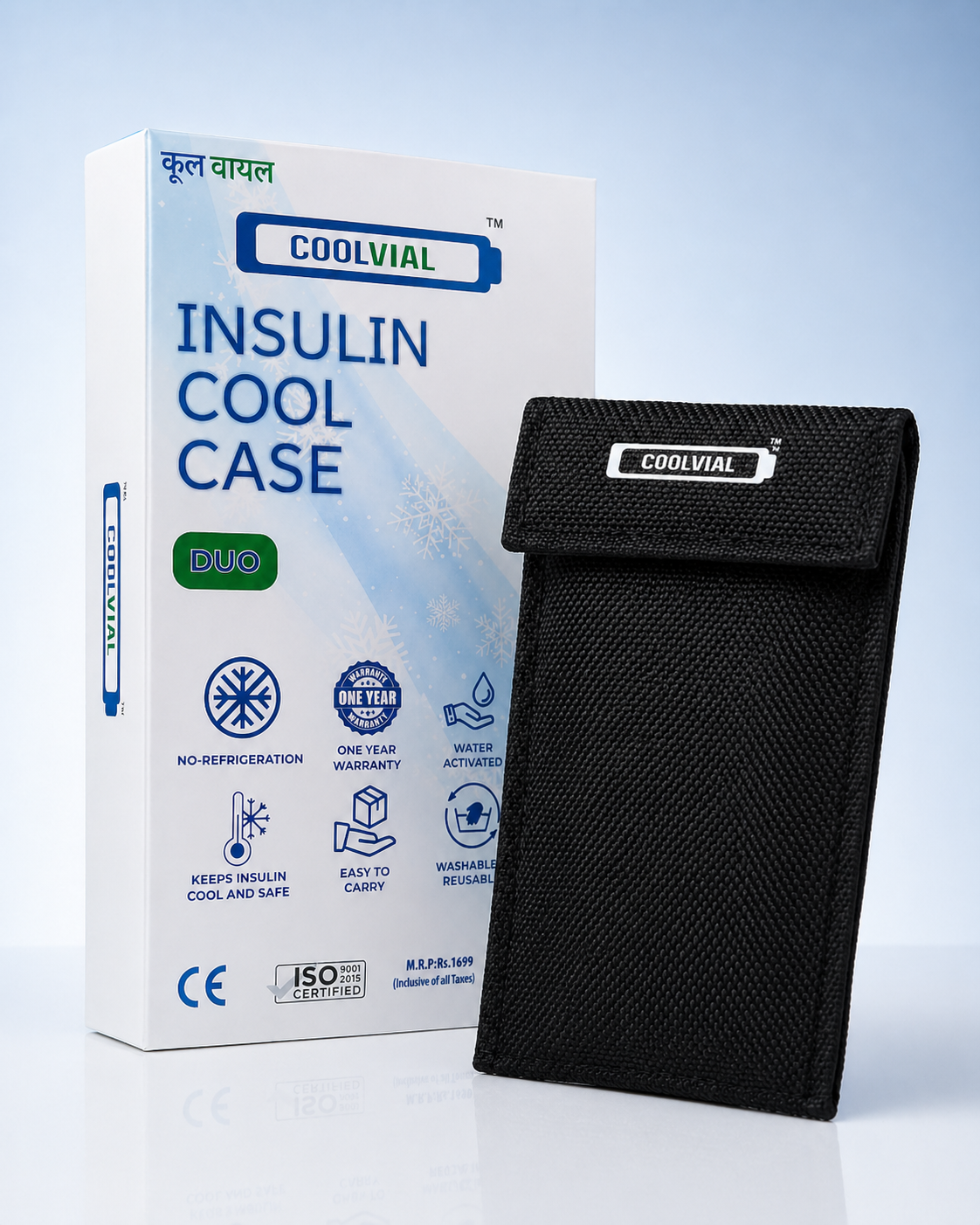
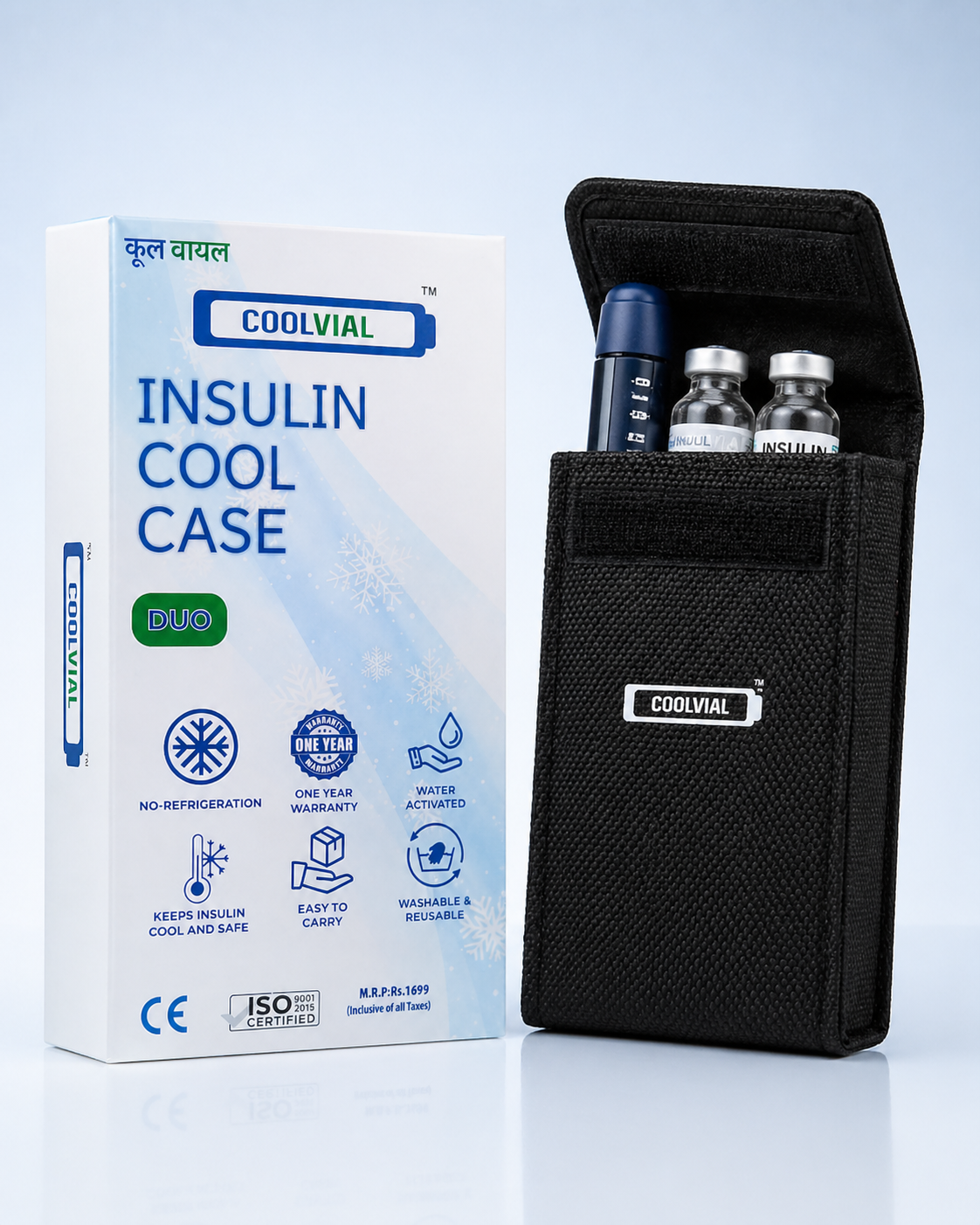
- Use a Reliable Cooling Case: For daily commutes, travel, or during power cuts, a water-activated evaporative cooling case like the COOLVIAL insulin cool case is invaluable. The COOLVIAL Duo holds 2 pens and 1 vial, keeping insulin cool at safe temperatures (typically 18-26°C) for 12-16 hours without electricity. This is a significant advantage over simple insulated bags or ice packs, which can freeze insulin or fail quickly.
Comparison of insulin cooling solutions:
| Feature | COOLVIAL Duo (Rs 1,099) | FRIO (Approx. Rs 1,900) | Outer Woods OW-12 (Approx. Rs 999) |
|---|---|---|---|
| Cooling Method | Water-activated evaporative cooling | Water-activated evaporative cooling | Insulated bag, often used with gel packs/ice packs |
| Cooling Duration | 12-16 hours | Up to 45 hours (depending on model/ambient temp) | Varies, typically 4-8 hours with ice packs |
| Electricity Required? | No | No | No (but gel packs need freezing) |
| Capacity | 2 pens + 1 vial | Varies (e.g., 2-5 pens, 1 vial) | Varies (e.g., 1-2 pens) |
| Certifications | CE certified, ISO 9001:2015 | Medical Device Directive 93/42/EEC | Generally none listed (standard insulated bag) |
| Warranty | 1-year | 12 months | Varies, often none or limited |
| Manufacturing | Made in India | UK-based company | Varies (often imported) |
| Key Advantage | Cost-effective, robust, Made in India, ideal for daily use | Long duration, established brand, wide range of sizes | Budget-friendly, basic insulation |
Our detailed guide on How to Store Insulin in Bengaluru’s Mild Year-Round Climate — A Local’s Guide offers more specific advice. You can also explore general insulin storage tips on our site.
5. Power and Utility Management for Diabetics in Bengaluru: Adapting to Load Shedding
While Bengaluru is a metropolitan city, residents are familiar with occasional power outages, locally known as load shedding. These power cuts, though less frequent than in smaller towns, can still disrupt daily life and pose a significant challenge for diabetics who rely on refrigeration for insulin storage. Bengaluru has a strong “inverter culture,” where many homes and businesses have backup power solutions.
Understanding Bengaluru’s power situation:
- BESCOM (Bengaluru Electricity Supply Company Limited): This is the primary electricity provider. Information on scheduled maintenance or unexpected outages is often disseminated via their website, local news, or social media.
- Inverter Culture: Many households, especially in areas like Jayanagar, Koramangala, and Whitefield, invest in inverters or UPS systems to ensure uninterrupted power for essential appliances, including refrigerators.
- Duration and Frequency: Load shedding patterns can vary. During peak demand or maintenance, outages might last from 30 minutes to several hours.
Strategies for diabetics during power cuts:
- Backup Power for Refrigerator: If possible, ensure your refrigerator is connected to an inverter. This is the most reliable way to maintain consistent cooling for unopened insulin vials.
- Insulin Cooling Cases: For insulin pens or vials currently in use (which can be stored at room temperature for up to 28 days), an evaporative cooling case like the COOLVIAL Duo is essential. It provides a safe, cool environment (typically 18-26°C) for 12-16 hours without any electricity, making it perfect for both short and extended outages.
- Monitor Refrigerator Temperature: During an outage, avoid opening the refrigerator door frequently to maintain its internal temperature for as long as possible.
- Emergency Kit: Keep a small emergency kit ready with essential diabetes supplies, including a glucometer, test strips, and a spare insulin pen or vial stored in a cooling case.
Table of typical load shedding durations (illustrative, [Verify in 2026] for current patterns):
| Area (Illustrative) | Typical Load Shedding Duration (Hours) | Frequency (Per Month) | Common Times (Illustrative) |
|---|---|---|---|
| Central Bengaluru | 0.5 - 1.5 | 2-4 | Mornings (10 AM - 12 PM) |
| South Bengaluru | 1 - 2 | 3-5 | Afternoons (2 PM - 4 PM) |
| East Bengaluru | 1.5 - 3 | 4-6 | Evenings (6 PM - 8 PM) |
| North Bengaluru | 1 - 2 | 3-5 | Mid-day (1 PM - 3 PM) |
For a detailed preparation plan, refer to our Power Cut Survival Guide for Diabetics in Bengaluru — What To Do When the Grid Goes Down.
6. Transporting Insulin in Bengaluru: Navigating the City’s Commute
Bengaluru’s traffic is legendary, and commuting can be a significant part of a resident’s day. Whether you’re navigating the city for work, appointments, or leisure, knowing how to safely transport your insulin is a crucial aspect of a complete diabetes care guide. The city offers various modes of transport, each with its own considerations for insulin users.
Modes of transport and insulin management tips:
- Namma Metro (Purple, Green, Pink lines):
- Pros: Air-conditioned, fast, reliable, bypasses traffic.
- Cons: Can be crowded during peak hours.
- Tips: Carry your insulin in a compact cooling case like the COOLVIAL Duo to protect it from body heat in crowded coaches. Security checks are generally hassle-free for medical supplies.
- BMTC Buses:
- Pros: Extensive network, affordable.
- Cons: Non-AC buses can get hot, prone to traffic delays, crowded.
- Tips: Always use an insulin cooler. Avoid placing insulin near windows where it might be exposed to direct sunlight or higher temperatures.
- Autos (Autorickshaws):
- Pros: Door-to-door convenience for shorter distances.
- Cons: Open-air (exposure to dust, heat), notorious for meter refusal and overcharging, especially in tourist areas or during peak demand.
- Tips: Keep your insulin cooling case securely in your bag. Negotiate fares beforehand if the driver refuses the meter.
- Ola/Uber/Rapido (Cabs & Bikes):
- Pros: Convenient, air-conditioned cabs available, Rapido bikes offer quick transit.
- Cons: Surge pricing, traffic delays for cabs, bikes expose you to elements.
- Tips: For cabs, enjoy the AC. For bikes, ensure your insulin is in a sturdy, protective cooling case like COOLVIAL Duo, tucked safely in a backpack to shield it from sun and jostling.
Numbered list of general transport tips for diabetics in Bengaluru:
- Always Use a Cooling Case: Regardless of the mode, an insulin cooling case is non-negotiable for carrying insulin that needs temperature protection. The COOLVIAL Duo (Rs 1,099 with code COOLHEAL) is ideal for daily commutes, providing 12-16 hours of cooling for 2 pens and 1 vial without electricity.
- Plan Your Route: Use navigation apps to estimate travel times and avoid peak traffic hours when possible, especially if you have sensitive medical appointments.
- Carry Snacks & Water: Traffic jams can be unpredictable. Always have diabetic-friendly snacks and water to manage unexpected delays.
- Inform Fellow Travellers: If traveling with companions, let them know about your diabetes and where your emergency supplies are.
- Keep ID Handy: Carry a medical ID card or bracelet indicating your diabetic status.
For more specific advice on navigating the city, refer to our guide on Daily Commute With Insulin in Bengaluru — Tips for Metro, Bus & Auto. If you’re planning to leave the city, check out Travelling From Bengaluru With Insulin — Airport, Station & Taxi Tips.
7. Bengaluru’s Food Culture: Enjoying Local Delicacies Responsibly
Bengaluru’s food scene is a delightful blend of traditional South Indian flavors and modern culinary trends. From the ubiquitous filter coffee to the diverse Kannada thali, there’s a lot to savor. For diabetics, understanding the local food culture is key to making informed choices and maintaining a balanced diet, a crucial part of any complete diabetes care guide.
Popular Bengaluru food items and diabetic considerations:
- South Indian Breakfast:
- Idli: Steamed, fermented rice and lentil cakes. Relatively low in fat, but portion control is key due to carbs.
- Dosa: Thin, crispy crepes made from fermented batter. Can be high in carbs and oil depending on preparation (e.g., Masala Dosa). Plain dosa is a better option.
- Vada: Deep-fried lentil fritters. High in fat and carbs. Best enjoyed sparingly.
- Sambar & Chutney: Lentil-based vegetable stew and coconut-based dips. Generally healthy, but watch for added sugar in some chutneys.
- Kannada Thali: A wholesome meal with rice, sambar, rasam, palya (vegetable stir-fry), curd, and sometimes a sweet. Focus on vegetables and limit rice portions.
- Filter Coffee: A Bengaluru staple. Enjoy black or with minimal sugar and milk.
- Darshini Culture: Fast-food style eateries offering quick, affordable South Indian snacks. While convenient, be mindful of portion sizes and oil content.
Tips for enjoying Bengaluru’s food scene as a diabetic:
- Portion Control: Even healthy foods can impact blood sugar if consumed in large quantities. Opt for smaller portions of carb-rich items.
- Prioritize Vegetables: Load up on palyas (vegetable dishes) and ensure your thali is rich in greens and fiber.
- Choose Wisely: Opt for steamed (idli) or roasted (plain dosa) over deep-fried (vada, bonda).
- Sugar-Free Options: Many cafes and restaurants now offer sugar-free alternatives for beverages and desserts. Don’t hesitate to ask.
- Hydrate: Drink plenty of water throughout the day, especially when enjoying filter coffee, to help manage blood sugar.
Approximate Carb Counts for Common Bengaluru Dishes (Illustrative, [Verify in 2026] for precise nutritional values):
| Dish (Standard Portion) | Approximate Carbohydrates (grams) | Notes |
|---|---|---|
| 2 Idlis with Sambar | 40-50 | Low fat, good protein from sambar |
| 1 Plain Dosa | 30-45 | Can vary with size and oil |
| 1 Masala Dosa | 60-75 | Higher due to potato filling |
| 1 Vada | 20-30 | High in fat due to deep-frying |
| Kannada Mini Thali | 80-120 | Depends on rice quantity and sweet inclusions |
| Filter Coffee (with sugar) | 10-15 | Varies with sugar amount |
| Filter Coffee (no sugar) | 2-5 | Minimal carbs from milk |
| Akki Roti (1) | 25-35 | Made from rice flour, generally healthier than deep-fried options |
For a curated list of eateries, check out our guide on Diabetic-Friendly Restaurants & Cafes in Bengaluru — Where to Eat Safely.
8. Support Groups and Community for Diabetics in Bengaluru
Living with diabetes is a journey that often benefits from shared experiences and mutual support. Bengaluru offers various avenues for diabetics to connect, learn, and find encouragement. These support groups are an invaluable part of a comprehensive complete diabetes care guide.
Complete Diabetes Care Guide for Bengaluru Residents — 2026 Edition
Benefits of joining a diabetes support group:
- Emotional Support: Connect with others who understand your challenges, reducing feelings of isolation.
- Shared Knowledge: Learn practical tips, coping strategies, and insights from fellow diabetics and healthcare professionals.
- Motivation: Stay motivated to adhere to your treatment plan and make healthy lifestyle choices.
- Advocacy: Some groups work towards advocating for better diabetes care and awareness.
Prominent diabetes support initiatives in Bengaluru:
- Diabetes India Chapter: This national organization often has local chapters or affiliated groups in major cities. They conduct awareness programs, patient education seminars, and facilitate peer support. [Verify in 2026] for current local chapter details and activities.
- Defeat Diabetes Foundation: A Bengaluru-based non-profit organization dedicated to preventing and managing diabetes through education, awareness, and community outreach programs. They frequently organize camps and workshops.
- Local Type 1 Groups: For individuals with Type 1 diabetes, connecting with others facing similar daily management challenges can be particularly beneficial. These groups often form through hospitals, schools, or online platforms. Search for “Type 1 Diabetes Bengaluru” on social media platforms or local community forums.
- Hospital-led Programs: Many major hospitals, including Manipal and Apollo, offer patient education programs and support groups facilitated by their diabetology departments. Inquire with your healthcare provider for details.
How to find local diabetes support groups:
- Ask Your Diabetologist: Your doctor or diabetes educator is often the best resource for information on local support groups or patient education initiatives.
- Online Search: Use keywords like “diabetes support group Bengaluru,” “Type 1 diabetes community Bengaluru,” or “diabetes patient association Karnataka” on search engines and social media.
- Community Centers: Check with local community centers or religious institutions; some may host health-related support groups.
- Pharmacy Notice Boards: Larger pharmacies like Apollo Pharmacy or MedPlus sometimes display notices for local health events or support group meetings.
9. Understanding Health Insurance for Diabetes in Karnataka
Managing diabetes involves ongoing medical expenses, from consultations and medications to diagnostic tests and potential complications. Having adequate health insurance is crucial for financial security and ensuring access to necessary care. This section of our complete diabetes care guide focuses on insurance options available to Bengaluru residents.
Key insurance considerations for diabetics in Karnataka:
- Waiting Periods: Most health insurance policies have a waiting period (typically 2-4 years) for pre-existing conditions like diabetes. Be sure to understand these terms before purchasing.
- Inclusions & Exclusions: Check what aspects of diabetes care are covered (e.g., insulin, test strips, doctor visits, hospitalization due to complications). Some policies may have sub-limits for specific treatments.
- Network Hospitals: Ensure the policy covers treatment at your preferred hospitals in Bengaluru, such as Manipal, Apollo, or Fortis.
Insurance schemes relevant to Bengaluru residents:
- Ayushman Bharat Pradhan Mantri Jan Arogya Yojana (PMJAY): This central government scheme provides health cover up to Rs 5 lakh per family per year for secondary and tertiary care hospitalization. Many hospitals in Bengaluru accept Ayushman Bharat, making it a vital safety net for eligible families.
- Karnataka State Schemes (e.g., Arogya Karnataka): The state government also offers health schemes like Arogya Karnataka, which provides financial assistance for various medical treatments, including some diabetes-related procedures, to eligible residents. [Verify in 2026] for current scheme details and eligibility criteria.
- Top Private Insurers: Several private insurance companies offer specialized diabetes-specific plans or comprehensive health insurance policies that cover diabetes after a waiting period. These include:
- HDFC ERGO: Known for comprehensive plans.
- Star Health & Allied Insurance: Offers specific plans for diabetes.
- Apollo Munich (now HDFC ERGO): Previously had good diabetes coverage.
- Max Bupa (now Niva Bupa): Offers plans with wellness benefits.
- Bajaj Allianz: Provides various health insurance products.
Comparison of general insurance options for diabetics:
| Feature | Ayushman Bharat PMJAY | Karnataka State Schemes (e.g., Arogya Karnataka) | Private Health Insurance (General) | Private Health Insurance (Diabetes-Specific) |
|---|---|---|---|---|
| Eligibility | Socio-economic criteria (SECC 2011 data) | Karnataka resident, specific income/BPL criteria | Anyone (subject to medical underwriting) | Anyone with diagnosed diabetes (specific plans) |
| Sum Insured | Up to Rs 5 lakh per family per year | Varies, often treatment-specific limits | Varies, from Rs 1 lakh to several crores | Varies, from Rs 3 lakh to 25 lakh |
| Pre-existing Diabetes | Covered (if already enrolled) | Covered (if eligible) | 2-4 year waiting period | Shorter waiting periods (e.g., 90 days - 1 year) |
| Coverage Scope | Hospitalization, secondary & tertiary care | Hospitalization, specific treatments | Hospitalization, pre/post-hospitalization, OPD (optional) | Hospitalization, OPD (often included), diagnostics, insulin |
| Premiums | None (government-funded) | None (government-funded for eligible) | Varies significantly based on age, sum insured, features | Higher due to pre-existing condition coverage |
Tips for choosing a health insurance policy:
- Read the Fine Print: Carefully review the policy document for waiting periods, sub-limits, and exclusions related to diabetes.
- Compare Plans: Don’t settle for the first option. Compare multiple plans from different insurers based on your specific needs and budget.
- Consult an Advisor: Seek advice from a reputable insurance advisor who specializes in health insurance for chronic conditions.
- Annual Review: Review your policy annually to ensure it still meets your requirements, especially as your health needs may change.
10. Bengaluru-Specific Challenges for Diabetics and How to Prepare
While Bengaluru offers many advantages, certain local challenges can impact diabetes management. Being aware and prepared is crucial for a complete diabetes care guide that truly serves its residents.
Specific challenges in Bengaluru:
- Flood Risk (Moderate): Certain low-lying areas and neighborhoods, particularly HSR Layout, Bellandur, and Bommanahalli, are prone to moderate flooding during heavy monsoon rains due to poor drainage infrastructure. This can disrupt access to pharmacies, clinics, and emergency services.
- Air Quality: While generally better than some other Indian metros, Bengaluru’s air quality can occasionally dip due to vehicular pollution and construction dust, potentially impacting overall health for individuals with diabetes, who may have compromised respiratory systems.
- Monsoon Disruption: Beyond flooding, the monsoon season (June-October) can lead to traffic snarls, power fluctuations, and increased humidity, all of which require specific adjustments for diabetics.
Preparedness strategies for Bengaluru’s unique challenges:
- Flood Preparedness:
- Emergency Kit: Keep a waterproof emergency kit ready with at least a week’s supply of insulin (in a waterproof cooling case like the COOLVIAL Duo), test strips, glucometer, and non-perishable diabetic-friendly snacks.
- Stay Informed: Monitor local weather forecasts and flood warnings, especially during the monsoon.
- Alternative Routes: Familiarize yourself with alternative routes to your pharmacy or hospital in case main roads are waterlogged.
- Air Quality Management:
- Monitor AQI: Use air quality monitoring apps to stay informed.
- Indoor Activities: On days with poor air quality, prioritize indoor exercise and minimize outdoor exposure.
- Consult Doctor: If you experience respiratory issues, consult your doctor for guidance.
- Monsoon Insulin Storage:
- Humidity Protection: While insulin vials are sealed, packaging can degrade. Ensure your insulin cooling case, like the COOLVIAL Duo, provides a robust and secure environment. Its water-activated mechanism is unaffected by external humidity, making it ideal for Bengaluru’s rainy season.
- Backup Supplies: Have a small buffer of essential supplies to avoid last-minute dashes to the pharmacy during heavy downpours.
- Power Cut Plan: Revisit your power cut survival strategy, as monsoon often brings more frequent outages.
A downloadable Bengaluru Diabetes Care Checklist can help you stay organized for these eventualities. For focused advice during the rainy season, read our article on Bengaluru Monsoon & Insulin — Smart Storage During the Rainy Season.
Frequently Asked Questions (FAQ)
Q: What is the normal insulin storage temperature in Bengaluru? A: Unopened insulin should be refrigerated at 2-8°C. Once opened, most insulin pens or vials can be stored at room temperature, typically below 25-30°C, for up to 28 days, depending on the manufacturer’s guidelines.
Q: How do I store insulin during Bengaluru power cuts? A: During power cuts, keep your refrigerator door closed to maintain internal temperature. For in-use insulin, a water-activated evaporative cooling case like COOLVIAL Duo is ideal, providing 12-16 hours of cooling without electricity.
Q: Where can I find a diabetologist in Bengaluru? A: You can find leading diabetologists and endocrinologists at major hospitals like Manipal Hospital (Old Airport Road), Apollo Hospital (Bannerghatta Road), and Fortis Hospital (Cunningham Road), or through online doctor directories.
Q: Are there diabetic support groups in Bengaluru? A: Yes, Bengaluru has several support groups. Organizations like the Diabetes India chapter and Defeat Diabetes Foundation, along with hospital-led programs and local Type 1 groups, offer community and resources.
Q: How does Bengaluru’s monsoon affect insulin storage? A: Bengaluru’s monsoon brings humidity and potential power cuts. It’s crucial to use a reliable insulin cooling case, such as the COOLVIAL Duo, to protect insulin from temperature fluctuations and ensure its efficacy during this period, regardless of external humidity.
Q: Can I travel with insulin on Namma Metro? A: Yes, you can travel with insulin on Namma Metro. It is recommended to carry your insulin in a compact, protective cooling case to shield it from potential temperature changes and crowded conditions during transit.
Q: What are Bengaluru’s main pharmacies for diabetic supplies? A: Major pharmacy chains like Apollo Pharmacy, MedPlus, and Davaindia are widespread across Bengaluru. Online pharmacies like Netmeds (headquartered in Bengaluru) and PharmEasy also offer convenient home delivery services for diabetic supplies.
Q: How can I find diabetic-friendly food options in Bengaluru? A: When dining out in Bengaluru, opt for steamed dishes like idli, prioritize vegetable-rich palyas, and choose plain dosa over masala dosa. Many restaurants now offer sugar-free beverage options; always ask for modifications to suit your dietary needs.
Conclusion
Navigating life with diabetes in a dynamic city like Bengaluru requires a blend of medical adherence, local knowledge, and proactive planning. This complete diabetes care guide has provided you with a foundational understanding of the city’s healthcare landscape, climate considerations, transport challenges, and cultural nuances. From identifying top hospitals like Manipal and Apollo, to leveraging the extensive pharmacy network, and understanding the mild yet impactful climate on insulin storage, every aspect contributes to comprehensive care.
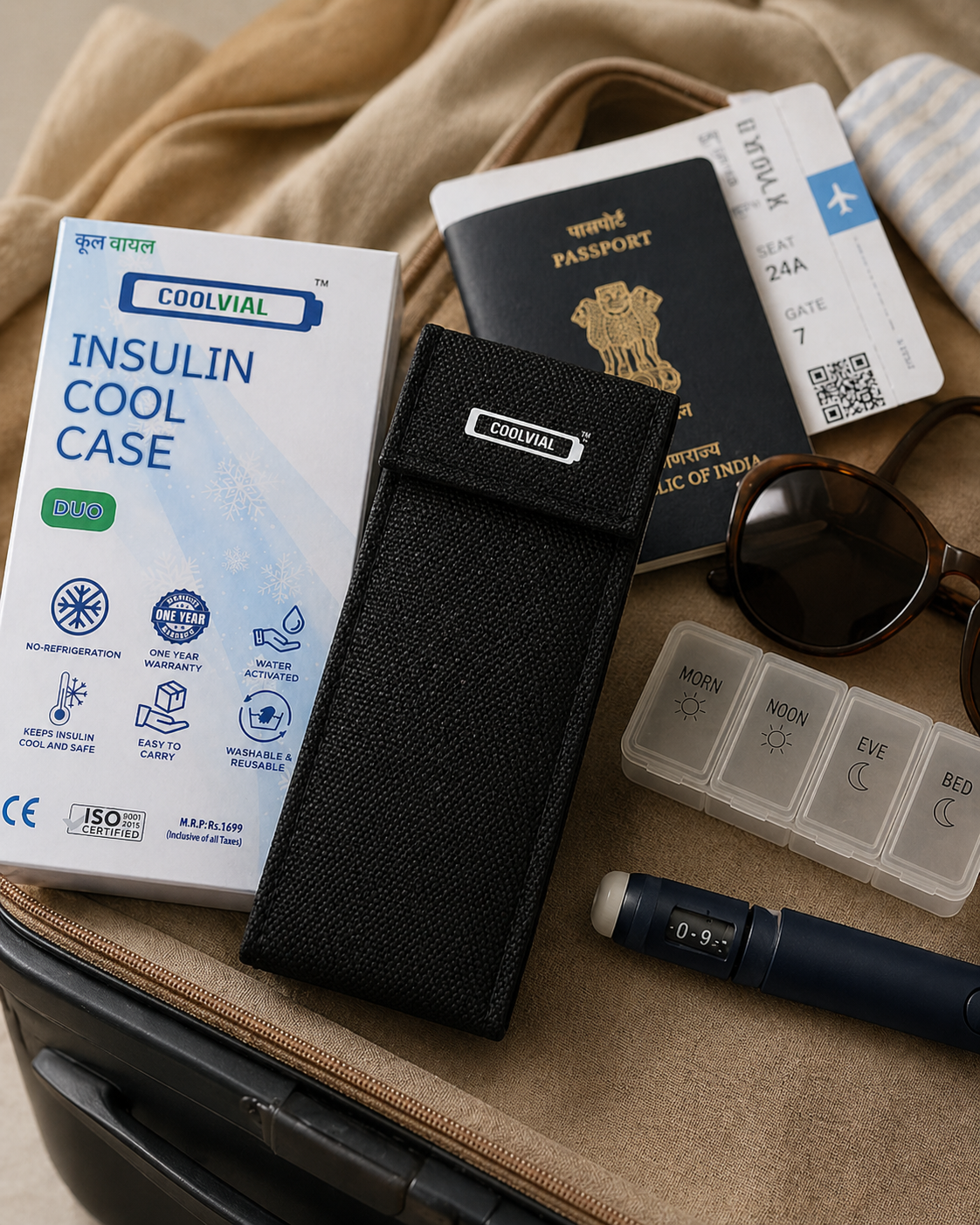
Remember, Bengaluru’s occasional power cuts and monsoon disruptions are manageable with the right tools. An essential companion for every diabetic in the city is a reliable insulin cooling case like the COOLVIAL Duo. Its water-activated evaporative technology provides 12-16 hours of crucial cooling for 2 pens and 1 vial without electricity, ensuring your insulin remains effective whether you’re commuting on Namma Metro, dealing with a power outage, or traveling. Made in India, CE certified, and ISO 9001:2015 compliant, it’s a trustworthy solution designed for local conditions.
Empower yourself with knowledge, connect with local support groups, and embrace Bengaluru’s vibrant food scene responsibly. Your journey to optimal diabetes management in the Garden City is a continuous one, and with this guide, you are well-equipped to thrive.
Take control of your diabetes care today. Order your COOLVIAL Duo at just Rs 1,099 (MRP Rs 1,699) using code COOLHEAL at coolvial.com or via WhatsApp at wa.me/918766952300.
Methodology Note
This article was developed based on a comprehensive review of current RSSDI (Research Society for the Study of Diabetes in India) guidelines, ICMR-INDIAB (Indian Council of Medical Research – India Diabetes) study data for diabetes prevalence, local Bengaluru hospital directories, and an extensive analysis of the Apollo Pharmacy and MedPlus pharmacy networks in the city. Information on Bengaluru’s climate, power infrastructure, transport systems, and food culture was gathered from various public sources and local insights to provide a truly Bengaluru-specific complete diabetes care guide.
Medical Disclaimer
This article is for general information and educational purposes only. It is not intended to be a substitute for professional medical advice, diagnosis, or treatment. Always consult your endocrinologist or diabetologist, or another qualified healthcare provider, before making any decisions about your diabetes management, including changing insulin storage or dosing practices.
Complete Diabetes Care Guide for Bengaluru Residents — 2026 Edition
48+ hours at 2-8°C. No electricity. CE certified. Free delivery across India.
Order on WhatsApp — ₹1,099🛒 Buy Now — ₹1,099