
Reviewed by the COOLVIAL Editorial Team — specialists in insulin storage for Indian climate conditions.
Pune, the ‘Oxford of the East,’ is a city that beautifully blends tradition with modernity, known for its pleasant climate, vibrant culture, and burgeoning IT sector. However, like many urban centers in India, Pune also faces a significant challenge with the rising prevalence of diabetes. According to the ICMR-INDIAB study, India has over 101 million people living with diabetes, with urban areas often showing higher rates (Source: IDF Diabetes Atlas 10th Edition, https://www.idf.org/aboutdiabetes/what-is-diabetes/facts-figures.html). For Pune residents, managing this condition effectively requires a deep understanding of local healthcare infrastructure, climate-specific storage solutions for insulin, and community support systems. This complete diabetes care guide for Pune residents — 2026 Edition — provides comprehensive insights into navigating diabetes care in the city. Based on analysis of insulin storage queries from Pune diabetics, this guide is designed to empower you with the knowledge needed for optimal diabetes management.
Table of Contents
- Diabetes Prevalence in Maharashtra and Pune
- Top Hospitals for Diabetes Care in Pune
- Reliable Pharmacy Network for Diabetics in Pune
- Pune’s Climate Reality and Insulin Storage
- Power and Utility: Managing Insulin During Load Shedding
- Transporting Insulin in Pune
- Pune’s Food Culture: Navigating Diabetic-Friendly Options
- Diabetes Support Groups in Pune
- Health Insurance for Diabetes in Pune
- Pune-Specific Challenges for Diabetics
1. Diabetes Prevalence in Maharashtra and Pune
Maharashtra, with its diverse population and lifestyle patterns, contributes significantly to India’s diabetes statistics. While specific Pune-only statistics can be elusive, national and state-level data provide a crucial context. The prevalence of diabetes in urban India is notably higher than in rural areas, reflecting changes in diet, physical activity, and stress levels.
Key Statistics and Trends:
- Maharashtra’s Burden: Maharashtra is among the states with a high number of diabetic individuals. Studies indicate that approximately 11-12% of the adult population in urban Maharashtra lives with diabetes (Source: ICMR-INDIAB Study, [Verify in 2026]). This translates to millions of individuals requiring ongoing care and management.
- Pune’s Urban Landscape: As a rapidly developing metropolitan city, Pune’s residents are increasingly exposed to risk factors associated with Type 2 diabetes, such as sedentary lifestyles and consumption of processed foods. The city’s growing population and urban sprawl contribute to these trends.
- Rising Type 1 Cases: While less common, the incidence of Type 1 diabetes, particularly among children and young adults, is also a concern. This necessitates specialized pediatric endocrinology and robust support systems.
Understanding these trends is the first step in creating a proactive diabetes management plan. Early detection and consistent management are paramount to prevent complications and ensure a good quality of life.
2. Top Hospitals for Diabetes Care in Pune
Pune boasts a robust healthcare infrastructure, with several hospitals offering specialized endocrinology and diabetology departments. Choosing the right hospital and specialist is critical for effective long-term diabetes management. For detailed information on specific doctors, refer to our guide on the Best Diabetologists & Endocrinologists in Pune — 2026 Guide.
Leading Hospitals with Dedicated Diabetes Care Units:
- Ruby Hall Clinic (Sassoon Road):
- Specialization: Known for its comprehensive multi-specialty services, including a dedicated endocrinology department. They offer advanced diagnostic facilities, diabetic foot care, and retinopathy screenings.
- Accessibility: Centrally located on Sassoon Road, making it accessible from various parts of Pune.
- Services: Offers consultations, insulin pump therapy, dietary counseling, and diabetes education programs.
- Deenanath Mangeshkar Hospital (Erandwane):
- Specialization: A large charitable hospital with a strong focus on patient care and a well-regarded diabetes unit. They emphasize holistic treatment approaches.
- Accessibility: Located in Erandwane, it serves the western and central parts of the city effectively.
- Services: Provides a range of services from basic diabetes screening to complex management of diabetic complications.
- Jehangir Hospital (Sassoon Road):
- Specialization: A NABH accredited hospital known for its patient-centric approach and experienced diabetologists. They offer advanced care for both Type 1 and Type 2 diabetes.
- Accessibility: Also on Sassoon Road, easily reachable from central Pune neighborhoods like Camp, MG Road, and Koregaon Park.
- Services: Features a diabetes clinic, dietary advice, and lifestyle modification programs.
- Sahyadri Hospital (Deccan/Hadapsar):
- Specialization: A chain of hospitals with multiple branches across Pune, offering consistent quality of care. Their Deccan and Hadapsar branches have strong endocrinology teams.
- Accessibility: Located in key neighborhoods, ensuring wider access for Pune residents.
- Services: Comprehensive diabetes management, including specialized clinics for gestational diabetes and adolescent diabetes.
- Inamdar Hospital:
- Specialization: A multi-specialty hospital providing good medical care, including endocrinology services.
- Accessibility: [Verify in 2026 for specific location/accessibility].
- Services: Offers diabetes management, health check-ups, and patient education.
- Aditya Birla Memorial Hospital (Chinchwad):
- Specialization: A large, modern hospital in the PCMC area, offering high-quality diabetes care with advanced technology.
- Accessibility: Convenient for residents in Chinchwad, Wakad, and other Pimpri-Chinchwad areas.
- Services: Focuses on preventive care, diabetic neuropathy, and nephropathy management.
When selecting a hospital, consider factors like proximity, specialist availability, and the range of services offered. Regular check-ups and a strong relationship with your healthcare provider are vital for successful diabetes management.
3. Reliable Pharmacy Network for Diabetics in Pune
Access to medication, especially insulin, is a cornerstone of diabetes care. Pune has a well-developed network of pharmacies, both physical and online, ensuring that you can obtain your prescriptions conveniently. For urgent needs, our guide on 24-Hour Pharmacies in Pune for Insulin Emergencies — Updated List is invaluable.
Major Pharmacy Chains in Pune:
- Apollo Pharmacy:
- Presence: Widespread across Pune, with numerous outlets in neighborhoods like Aundh, Baner, Kharadi, and Kothrud.
- Services: Offers a wide range of medicines, including insulin, glucometers, and diabetic-friendly products. Many branches also provide basic health check-up services.
- Wellness Forever:
- Presence: Very popular in Pune, known for its larger store formats and extensive product range. You’ll find them in prominent areas like FC Road, Koregaon Park, and Hadapsar.
- Services: Beyond medicines, they often stock health supplements, personal care items, and sometimes even a selection of healthy snacks.
- MedPlus:
- Presence: A strong network of pharmacies offering competitive pricing and often loyalty programs.
- Services: Reliable for prescription refills and a good source for common diabetes supplies.
- Noble Plus:
- Presence: Another growing chain with a significant footprint in Pune.
- Services: Known for good customer service and availability of a broad spectrum of pharmaceutical products.
- Pristine Pharmacy:
- Presence: [Verify in 2026 for specific locations and network size].
- Services: Focuses on quality and availability of essential medicines.
Online Pharmacy Options:
- Practo, Netmeds, PharmEasy, Apollo 24/7: These platforms offer online ordering and home delivery of medicines, including insulin. This can be particularly convenient for repeat prescriptions or for those with mobility challenges. Ensure you have a valid prescription for insulin delivery.
When buying insulin, always check the expiry date and ensure proper cold chain storage has been maintained by the pharmacy. This is crucial for the efficacy of your insulin.
4. Pune’s Climate Reality and Insulin Storage
Pune’s climate is generally pleasant compared to many Indian cities, but it still presents unique challenges for insulin storage. The city experiences a mild climate with temperatures typically ranging from 12°C to 38°C. It has a moderate summer, a cool winter, and a significant southwest monsoon season from June to September, bringing around 700mm of rainfall. This fluctuating environment necessitates careful consideration for insulin storage. For a deep dive, read our guide on How to Store Insulin in Pune’s Mild Year-Round Climate — A Local’s Guide.
Climate-Specific Storage Considerations:
- Summer (March-May): Temperatures can reach 35-38°C. Insulin must be protected from direct sunlight and heat. Leaving it in a car parked in the sun, for instance, can quickly denature it.
- Monsoon (June-September): While temperatures might dip slightly, high humidity and intermittent power cuts become concerns. Insulin should not be exposed to excessive moisture. Our article on Pune Monsoon & Insulin — Smart Storage During the Rainy Season offers specific advice.
- Winter (November-February): Temperatures can drop to 12°C. While less of a concern for heat, insulin should still not freeze.
- Ideal Storage: Unopened insulin should be refrigerated between 2°C and 8°C. Once opened, it can typically be stored at room temperature (below 25-30°C, depending on the brand) for up to 28 days. However, Pune’s “room temperature” often exceeds this, especially in summer.
The Role of Insulin Cooling Cases:
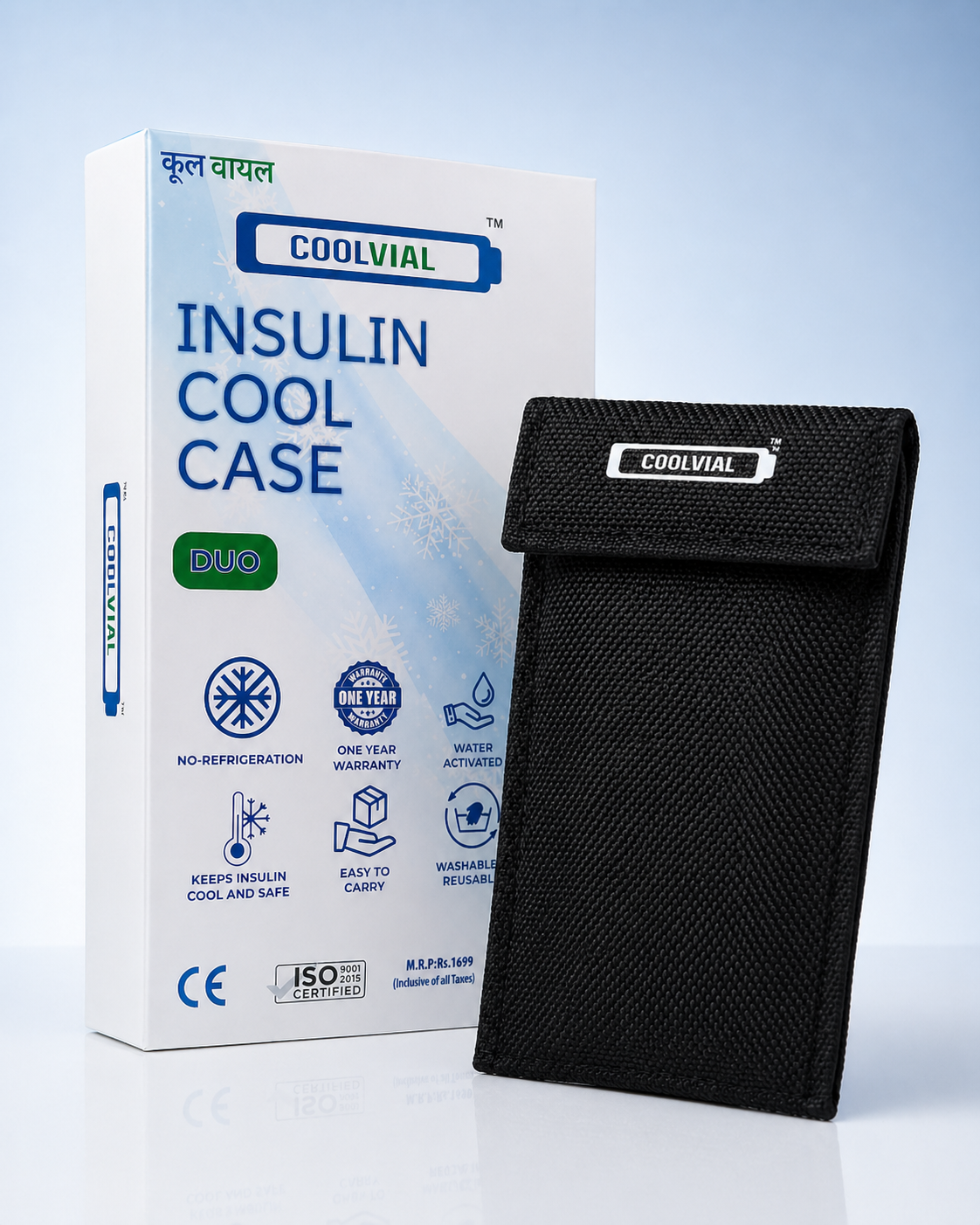
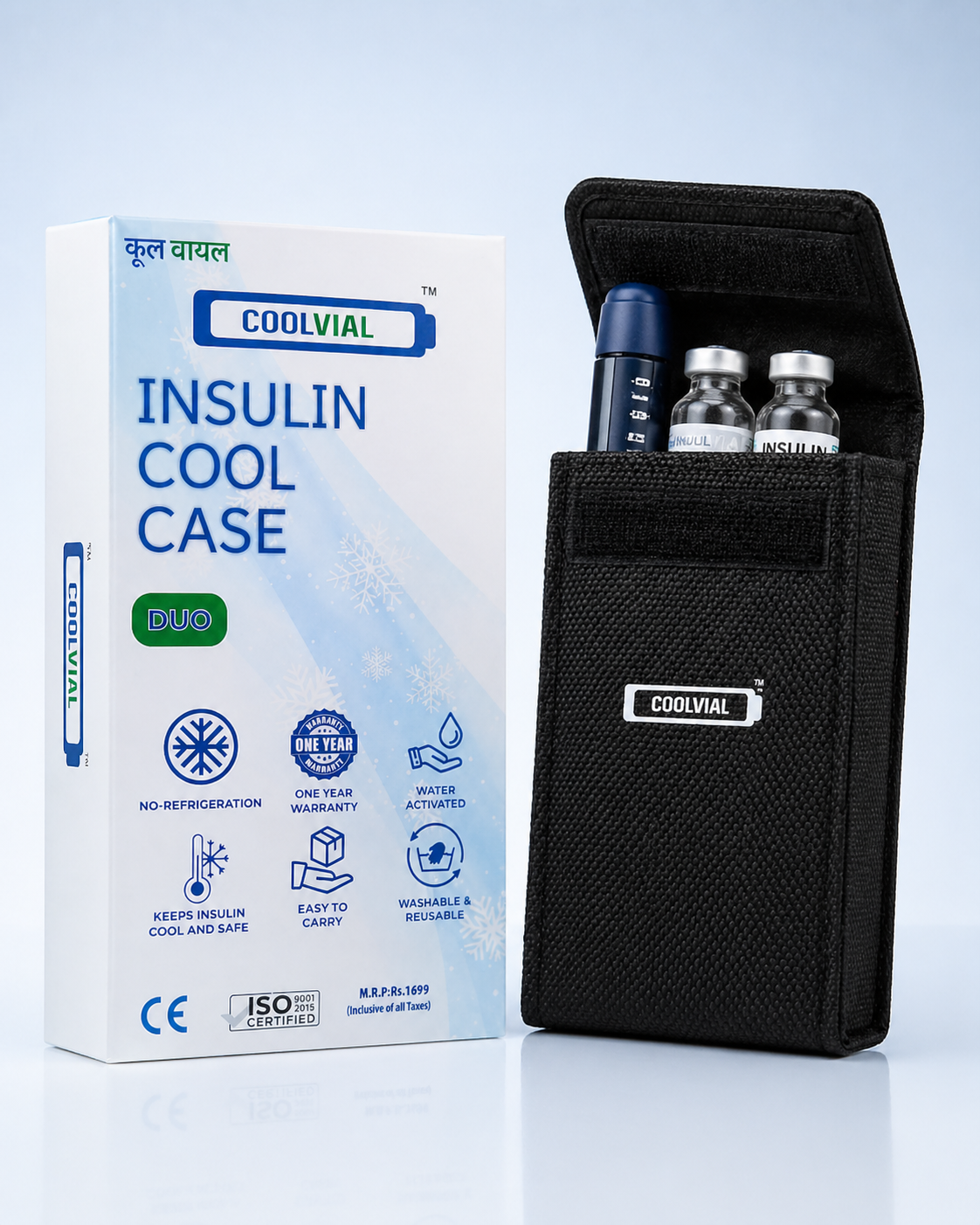
Given Pune’s variable climate, relying solely on refrigeration or hoping room temperature remains ideal is not always feasible. This is where a reliable insulin cooling case becomes an indispensable tool. Products like the COOLVIAL Duo are designed specifically for these conditions. The COOLVIAL Duo holds 2 pens + 1 vial and keeps insulin cool for 12-16 hours without electricity, making it perfect for daily commutes, travel, or during power outages.
Comparison of Cooling Solutions:
| Feature | COOLVIAL Duo (Evaporative) | FRIO (Evaporative) | Outer Woods OW-12 (Insulated Bag + Ice Pack) |
|---|---|---|---|
| Cooling Method | Water-activated evaporative cooling | Water-activated evaporative cooling | Insulated bag with separate gel/ice packs |
| Cooling Duration | 12-16 hours | Up to 45 hours (depending on model/climate) | 6-8 hours (ice pack dependent, can sweat) |
| Insulin Capacity | 2 pens + 1 vial | Varies by model (e.g., 2 pens, 5 pens, vials) | Typically 2-3 pens/vials with gel packs |
| Electricity Needed | No | No | No (but ice packs need freezer) |
| Maintenance | Re-soak in water every 12-16 hours | Re-soak in water every 45 hours | Re-freeze gel packs |
| Weight/Bulk | Lightweight, compact (swells when activated) | Lightweight, compact (swells when activated) | Can be bulkier, heavier with frozen gel packs |
| Price (approx.) | Rs 1,099 (with code COOLHEAL) | Rs 1,900+ | Rs 999+ |
| Indian Made | Yes | No (imported) | Yes (some models) |
| Certifications | CE certified, ISO 9001:2015 | [Verify specific certifications] | [Verify specific certifications] |
| Warranty | 1-year | [Verify warranty] | [Verify warranty] |
| Pros for Pune | Ideal for daily use, power cuts, travel; no freezer needed | Longest duration, but higher price point | Cheaper initial cost, but requires freezer and can be bulky |
Complete Diabetes Care Guide for Pune Residents — 2026 Edition
Insulin at 2-8°C for 48+ hours. Trusted by 10,000+ Indian diabetics.
For reliable, electricity-free insulin cooling in Pune’s conditions, COOLVIAL offers a practical and affordable solution. You can find more information and purchase options at coolvial.com or check our guide Where to Buy an Insulin Cooler in Pune — Top Stores, Pharmacies & Online Delivery.
5. Power and Utility: Managing Insulin During Load Shedding
Pune, while largely urbanized, still experiences occasional power fluctuations and scheduled load shedding, especially in rapidly developing areas or during peak demand in summer and monsoon. This can pose a significant challenge for insulin users who rely on refrigeration. The “inverter culture” is strong in Pune, with many homes and businesses having backup power systems. However, these may not always be sufficient for consistent refrigeration. Our detailed guide, Power Cut Survival Guide for Diabetics in Pune — What To Do When the Grid Goes Down, provides essential strategies.
Understanding Pune’s Power Landscape:
- Load Shedding Patterns: While central Pune areas (Camp, Koregaon Park) experience fewer power cuts, outlying areas like Hadapsar, Wagholi, and parts of Sinhagad Road might face more frequent or longer outages, especially during summer evenings or heavy monsoon (Source: MSEDCL local reports, [Verify in 2026]).
- Inverter Dependence: Many households invest in inverters or UPS systems to cope with power cuts. While these are excellent for lights and fans, maintaining a refrigerator’s optimal temperature during extended outages can drain battery life quickly.
- Impact on Insulin: Even short periods (a few hours) of high temperatures can compromise insulin efficacy. Unopened insulin is particularly vulnerable if the refrigerator fails. Opened insulin, typically stored at room temperature (below 25-30°C), also needs protection if ambient temperatures rise above this range.
Strategies for Power Outages:
- Backup Cooling Solutions: This is where a product like the COOLVIAL Duo becomes invaluable. It provides a reliable cooling environment for your insulin pens and vials for 12-16 hours without any electricity, simply by activating it with water. This offers peace of mind during unexpected outages.
- Thermal Bags with Gel Packs: For shorter durations, well-insulated thermal bags with reusable gel packs can work. However, gel packs require prior freezing, which is impossible during a power cut.
- Community Support: Connect with neighbors or local support groups to identify areas with more stable power or to share resources in an emergency.
- Monitoring: Use a small, battery-operated thermometer inside your refrigerator if you’re concerned about its temperature during extended power cuts.
Investing in a non-electric cooling solution like the COOLVIAL Duo is a proactive step towards ensuring your insulin’s safety, especially for those living in areas prone to power cuts or during travel within and outside Pune.
6. Transporting Insulin in Pune
Navigating Pune’s bustling streets with insulin requires careful planning, whether it’s for a daily commute, a visit to a doctor, or a longer journey. The city offers a mix of public and private transport options, each with its own considerations for insulin storage. For travel specific advice, see our guide on Travelling From Pune With Insulin — Airport, Station & Taxi Tips, and for daily commutes, our Daily Commute With Insulin in Pune — Tips for Metro, Bus & Auto is highly recommended.
Pune’s Transport Network:
- Pune Metro (Purple/Aqua Lines): The expanding Pune Metro network offers a fast and air-conditioned mode of transport.
- Pros: Climate-controlled environment, reducing heat exposure. Efficient for longer distances.
- Cons: Limited reach currently to all parts of the city. Stations might involve walking.
- PMPML Buses: The extensive PMPML (Pune Mahanagar Parivahan Mahamandal Limited) bus network covers almost every corner of Pune.
- Pros: Affordable, wide coverage.
- Cons: Can be crowded, especially during peak hours. Buses are generally not air-conditioned, exposing insulin to ambient temperatures, which can be high in summer.
- Auto Rickshaws & Share Rickshaws: A common mode of transport for shorter distances.
- Pros: Door-to-door service, convenient for short hops.
- Cons: Open-air, exposing insulin to dust, heat, and direct sunlight. Negotiating fares can be a hassle.
- Rapido Bikes & Ride-Sharing Apps (Ola/Uber): Bike taxis are popular for quick, single-person commutes, while cars offer more comfort.
- Pros: Quick, convenient. Ride-sharing cars are often air-conditioned.
- Cons: Bike taxis offer no protection from elements. Cars might not always be available or affordable for all.
Insulin Safety During Transit:
The primary concern when transporting insulin is maintaining its temperature within the safe range (typically below 25-30°C for opened vials/pens, and 2-8°C for unopened). Pune’s summer heat and monsoon humidity can quickly push ambient temperatures beyond this.
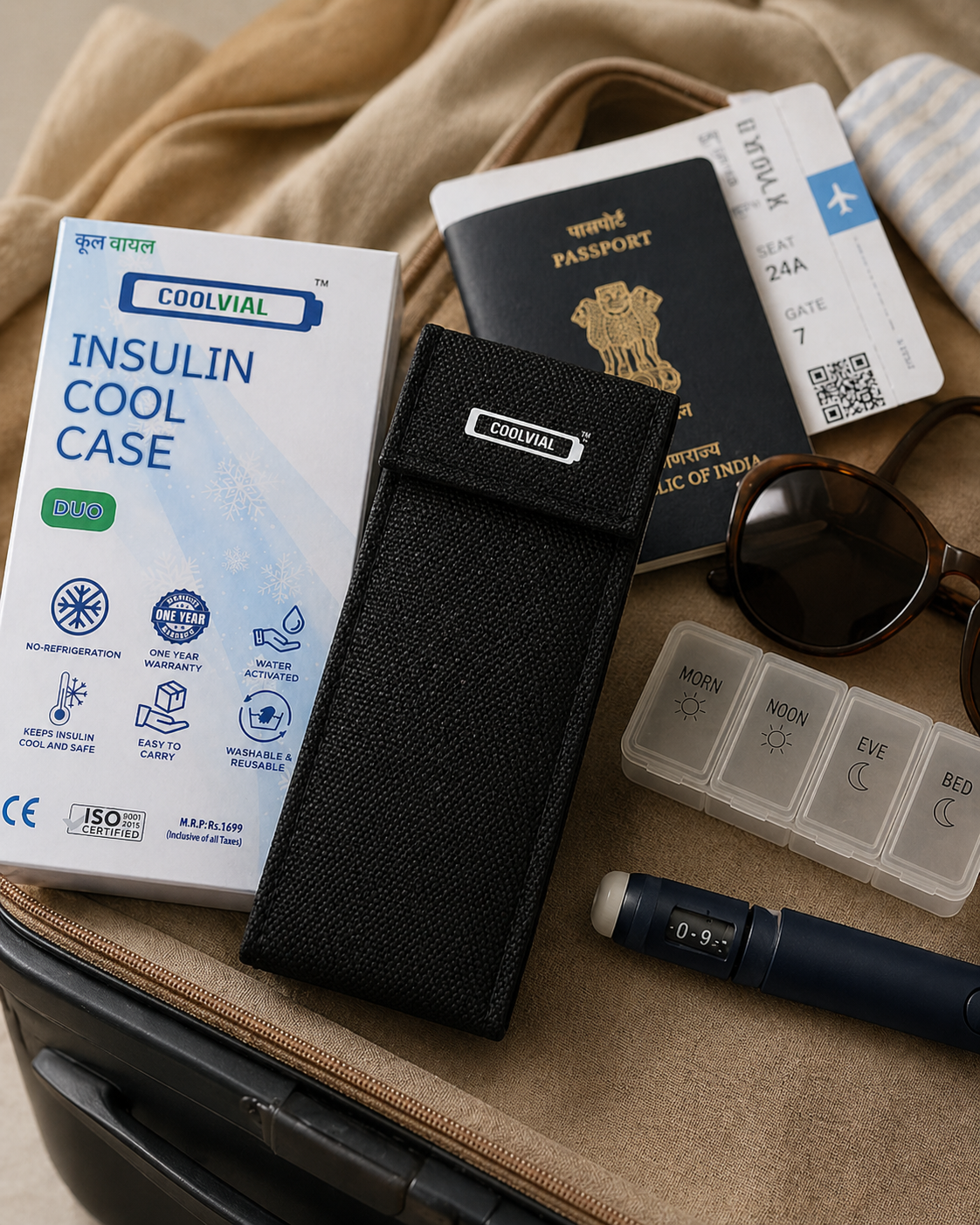
- Always Carry a Cooler: For any commute longer than 30 minutes, especially during summer or monsoon, carrying a personal insulin cooler is essential. A device like the COOLVIAL Duo is ideal as it’s compact, requires no electricity, and keeps your insulin cool for 12-16 hours. This means you can confidently travel across Pune, from Central (Camp/MG Road) to West (Aundh/Baner) or East (Kharadi/Hadapsar), without worrying about insulin degradation.
- Avoid Direct Sunlight: Regardless of the mode of transport, keep your insulin out of direct sunlight. If using an auto or bus, keep your cooler bag shielded.
- Security: Always keep your insulin and cooling case with you, not in checked luggage if flying, or left unattended in a vehicle.
Being prepared with the right cooling solution ensures that your daily movements in Pune do not compromise your diabetes management.
7. Pune’s Food Culture: Navigating Diabetic-Friendly Options
Pune’s food scene is a delightful blend of traditional Maharashtrian flavors and modern culinary trends. From iconic street food to fine dining, there’s something for everyone. However, for individuals managing diabetes, navigating this rich food culture requires awareness and smart choices. Our guide to Diabetic-Friendly Restaurants & Cafes in Pune — Where to Eat Safely can help you explore options.
Pune’s Culinary Delights and Diabetic Considerations:
- Misal Pav: A quintessential Pune snack, spicy and delicious.
- Challenge: High in carbohydrates (pav) and often fried toppings.
- Diabetic Tip: Request less pav or substitute with whole wheat bread/roti if available. Focus on the sprouts and curry, limit fried elements.
- Bhakarwadi: A popular, crispy, savory snack.
- Challenge: Deep-fried, high in refined flour and oil.
- Diabetic Tip: Consume in very limited quantities as an occasional treat.
- Mastani: A thick, rich milkshake with ice cream and dry fruits.
- Challenge: Extremely high in sugar and calories.
- Diabetic Tip: Best avoided or shared in very small portions on rare occasions. Consider a sugar-free lassi or fresh fruit juice without added sugar instead.
- German Bakery (Koregaon Park): Famous for its baked goods, pastries, and continental fare.
- Challenge: Baked goods are often high in refined flour, sugar, and butter.
- Diabetic Tip: Opt for savory items, salads, or whole-grain bread options. Inquire about sugar-free desserts or choose fresh fruit.
- FC Road Street Food: A hub for various street foods like vada pav, pav bhaji, momos, and chaat.
- Challenge: Most street foods are high in refined carbs, oil, and often sugar (in chutneys). Hygiene can also be a concern.
- Diabetic Tip: Choose wisely. Opt for roasted or steamed options where possible. Limit fried items. Control portion sizes strictly. Carry your own water.
General Strategies for Dining Out with Diabetes in Pune:
- Prioritize Protein and Fiber: Look for dishes rich in lean protein (chicken, paneer, legumes) and fiber (vegetables, salads).
- Portion Control: Indian meals are often served in generous portions. Don’t hesitate to ask for smaller servings or share dishes.
- Mind Your Carbs: Be aware of hidden sugars in gravies, sauces, and beverages. Choose whole grains over refined grains.
- Hydration: Drink plenty of water. Avoid sugary drinks and excessive tea/coffee with sugar.
- Communicate: Don’t be shy to ask restaurant staff about ingredients or request modifications (e.g., less oil, no sugar, whole wheat options).
- Carry Your Essentials: Always have your glucose meter, medication, and a quick source of glucose (like glucose tablets) handy. If you use insulin, ensure it’s stored safely in your COOLVIAL Duo.
Enjoying Pune’s culinary scene is possible with conscious choices. It’s all about balance and making informed decisions that support your diabetes management goals.
8. Diabetes Support Groups in Pune
Living with diabetes can sometimes feel isolating, but connecting with others who understand your journey can be incredibly empowering. Pune has a growing number of support groups and organizations dedicated to diabetes awareness, education, and peer support. These groups offer a platform for sharing experiences, learning new coping strategies, and staying motivated.
Key Diabetes Support Initiatives in Pune:
- Diabetes India Chapter (Pune):
- Focus: A national organization with local chapters, Diabetes India aims to provide scientific knowledge and practical guidance on diabetes management.
- Activities: They often organize workshops, seminars with diabetologists, and awareness campaigns. Connecting with the Pune chapter can provide access to reliable information and medical experts.
- Defeat Diabetes Foundation (DDF):
- Focus: DDF is involved in diabetes prevention, education, and research. They conduct screening camps and educational programs.
- Activities: Look for their local events or outreach programs in Pune, which often include free check-ups and expert talks.
- Local Type 1 Diabetes Groups:
- Focus: These groups are often more informal, created by and for individuals living with Type 1 diabetes and their families. They provide a vital network for sharing daily challenges and successes.
- How to Find: Search online forums, social media groups (e.g., Facebook groups for “Pune Type 1 Diabetes”), or ask your diabetologist for recommendations. Hospitals like Ruby Hall Clinic or Deenanath Mangeshkar Hospital might also host or recommend such groups.
- Hospital-Based Patient Education Programs:
- Focus: Many major hospitals in Pune (e.g., Jehangir Hospital, Sahyadri Hospital) offer regular patient education sessions, often led by dietitians, educators, and doctors.
- Activities: These programs cover topics like diet planning, exercise, medication management, and understanding complications. Inquire at your hospital’s reception or endocrinology department.
Benefits of Joining a Support Group:
- Emotional Support: Reduces feelings of isolation and provides a safe space to share fears and frustrations.
- Practical Advice: Learn tips and tricks from others who have navigated similar challenges.
- Motivation: Stay inspired and accountable to your health goals.
- Latest Information: Access to information about new treatments, technologies, and local resources.
Being part of a community that understands and supports your journey can significantly enhance your quality of life with diabetes.
Complete Diabetes Care Guide for Pune Residents — 2026 Edition
9. Health Insurance for Diabetes in Pune
Navigating healthcare costs for diabetes in Pune, especially for long-term management, medications, and potential complications, can be substantial. Health insurance plays a critical role in easing this financial burden. Understanding the available options, from government schemes to private plans, is essential for every diabetic resident in Pune. This article is a Tier 1 city guide, and insurance is a critical component for diabetes care.
Government Schemes:
- Ayushman Bharat Pradhan Mantri Jan Arogya Yojana (PMJAY):
- Acceptance in Pune: Many private hospitals in Pune, including some of the major ones, accept Ayushman Bharat. It provides coverage for secondary and tertiary care hospitalization for eligible beneficiaries from economically weaker sections.
- Benefits: Covers consultation fees, diagnostic tests, medicines, and hospitalization expenses. For diabetes, this often includes complications requiring hospital admission.
- Eligibility: Based on socio-economic criteria from the SECC 2011 data. Check your eligibility at a PMJAY kiosk or empanelled hospital.
- Maharashtra State Schemes:
- Mahatma Jyotiba Phule Jan Arogya Yojana (MJPJAY): This state-specific scheme provides cashless treatment for eligible families in Maharashtra. It covers a wide range of procedures and therapies, including those related to diabetes complications.
- Benefits: Similar to Ayushman Bharat but tailored for state residents, offering coverage up to Rs 1.5 lakhs per family per year for listed procedures.
- Eligibility: Families holding a yellow ration card, Antyodaya Anna Yojana card, Annapurna card, or having an annual income below Rs 1 lakh.
Private Health Insurance:
Many private insurers offer plans that cover diabetes. However, it’s crucial to understand the terms and conditions, especially regarding pre-existing conditions.
- Top Private Insurers in India:
- HDFC ERGO: Often provides plans with specific diabetes coverage, but typically after a waiting period.
- ICICI Lombard: Known for comprehensive plans, some with wellness programs that can benefit diabetics.
- Star Health & Allied Insurance: Offers specialized plans like “Star Diabetes Safe Insurance Policy” which can cover both Type 1 and Type 2 diabetes from day one, albeit with specific conditions and higher premiums.
- Bajaj Allianz: Provides various health plans with different levels of diabetes coverage.
- Max Bupa (Niva Bupa): Focuses on cashless hospitalization and a wide network of hospitals.
Key Considerations for Private Insurance:
- Waiting Period: Most standard health insurance policies have a waiting period (typically 2-4 years) before pre-existing conditions like diabetes are covered. Look for specialized plans that offer earlier coverage.
- Sub-limits: Check for sub-limits on specific treatments, room rents, or annual limits on diabetes-related expenses.
- Day Care Procedures: Ensure coverage for day care procedures like diabetic foot care or eye check-ups that don’t require 24-hour hospitalization.
- Outpatient Department (OPD) Coverage: Regular consultations, diagnostic tests, and medication costs (including insulin) are significant. Some advanced plans offer OPD coverage, which is highly beneficial for diabetes.
- Network Hospitals: Verify that your preferred hospitals in Pune (e.g., Ruby Hall Clinic, Deenanath Mangeshkar Hospital) are part of the insurer’s cashless network.
Careful research and comparing policies are essential to find the best health insurance plan that meets your specific diabetes care needs in Pune.
10. Pune-Specific Challenges for Diabetics
While Pune offers excellent resources for diabetes care, residents also face certain unique challenges that require proactive management. Understanding these local nuances is key to a robust diabetes management plan.
Pune-Specific Challenges:
- Flood Risk (Moderate):
- Areas Affected: During heavy monsoon, areas along the Mutha River, particularly low-lying regions and parts of Pune-Sinhagad Road, can experience moderate flooding. This can disrupt access to pharmacies, clinics, and emergency services.
- Impact on Diabetics: Flooding can make it difficult to reach healthcare providers or pharmacies for insulin refills. It can also damage stored medications or lead to unhygienic conditions, increasing the risk of infections, especially for those with diabetic foot complications.
- Mitigation: During monsoon season, always ensure you have a sufficient supply of insulin and other essential medications. Keep your COOLVIAL Duo ready for unexpected disruptions. Have an emergency contact list and know alternative routes to your nearest hospital or 24-hour pharmacy.
- Air Quality:
- Concern: While not as severe as some other Indian metros, Pune’s air quality can occasionally deteriorate, especially during winter months due to vehicular pollution and industrial emissions.
- Impact on Diabetics: Poor air quality can exacerbate respiratory issues and potentially increase inflammation, which can indirectly affect blood sugar control.
- Mitigation: Monitor local air quality reports. Limit outdoor activities on high-pollution days. Consult your doctor about any respiratory symptoms.
- Monsoon Disruption:
- Beyond Flooding: Heavy rainfall (June-September) can lead to traffic jams, waterlogging, and increased humidity. This affects daily commutes and outdoor activities.
- Impact on Diabetics: Reduced physical activity due to rain, difficulty maintaining exercise routines, and challenges in keeping insulin cool and dry. Power cuts are also more common.
- Mitigation: Plan indoor exercise routines. Ensure your insulin is protected from humidity and heat in a reliable cooling case like the COOLVIAL Duo. Stock up on essentials. For more tips, refer to our guide on Pune Monsoon & Insulin — Smart Storage During the Rainy Season.
- Traffic Congestion:
- Impact: Pune’s growing vehicle population leads to significant traffic, especially during peak hours, across all major corridors (e.g., from Aundh to Koregaon Park, or Hadapsar to Deccan). Long commutes can delay meal times or medication schedules.
- Mitigation: Plan your travel to avoid peak hours. Carry quick snacks and your insulin (in a COOLVIAL Duo) to manage unexpected delays. Keep your blood glucose monitoring kit handy.
By being aware of these Pune-specific challenges and incorporating proactive strategies into your diabetes management plan, you can live a healthier, more fulfilling life in the city.
Downloadable Pune Diabetes Care Checklist
To help you stay organized and prepared, we’ve created a comprehensive downloadable checklist for managing diabetes effectively in Pune.
- Download Pune Diabetes Care Checklist (PDF) [Verify in 2026 for actual link]
Frequently Asked Questions (FAQ)
Q: How do I find a good diabetologist in Pune? A: You can find a good diabetologist in Pune by asking for recommendations from your general physician, checking hospital websites for their endocrinology department staff, or consulting online platforms with patient reviews. Many top hospitals like Ruby Hall Clinic and Deenanath Mangeshkar Hospital have excellent specialists.
Q: What is the ideal temperature to store insulin in Pune’s climate? A: Unopened insulin should be refrigerated at 2°C to 8°C. Once opened, insulin can generally be stored at room temperature (below 25-30°C) for up to 28 days, but in Pune’s summer, a non-electric cooling case like COOLVIAL Duo is recommended to keep it below 25°C.
Q: Are there 24-hour pharmacies available for insulin emergencies in Pune? A: Yes, Pune has several 24-hour pharmacies, including select branches of Apollo Pharmacy and Wellness Forever, especially in central areas like Camp or near major hospitals. It’s advisable to identify the nearest one to your location in advance.
Q: How can I protect my insulin during power cuts in Pune? A: During power cuts, use a reliable non-electric insulin cooling case like the COOLVIAL Duo, which keeps insulin cool for 12-16 hours by water activation. Avoid frequently opening your refrigerator, and if possible, use a small, battery-operated thermometer to monitor its temperature.
Q: Can I get diabetic-friendly food options at local Pune restaurants? A: Many restaurants in Pune are becoming more accommodating. You can often request modifications like less oil, no added sugar, or extra vegetables. Opt for grilled, roasted, or steamed dishes, and focus on protein and fiber-rich options.
Q: Does health insurance cover diabetes in Pune? A: Yes, many private health insurance policies and government schemes like Ayushman Bharat and MJPJAY cover diabetes-related expenses, especially for complications requiring hospitalization. However, pre-existing conditions like diabetes often have a waiting period or require specialized plans for immediate coverage.
Q: What precautions should I take for insulin storage during Pune’s monsoon? A: During Pune’s monsoon, protect insulin from both humidity and potential power cuts. Store it in a waterproof, evaporative cooling case like COOLVIAL Duo, ensure it doesn’t get wet, and have a backup plan for medication access if heavy rains disrupt travel.
Q: How do I handle insulin transport on Pune’s public transport? A: When using Pune Metro, PMPML buses, or autos, always carry your insulin in a dedicated cooling case like the COOLVIAL Duo to protect it from heat, direct sunlight, and physical impact. Plan your journey to avoid peak hours if possible.
Conclusion
Managing diabetes in Pune, with its unique climate, vibrant culture, and evolving infrastructure, requires a comprehensive and informed approach. This complete diabetes care guide for Pune residents — 2026 Edition — has provided you with a roadmap to navigate the city’s healthcare landscape, understand local climate challenges for insulin storage, explore food options, and leverage community support. By being proactive, staying informed, and utilizing reliable tools like the COOLVIAL Duo, you can ensure optimal diabetes management and lead a full, active life in Pune. Remember, consistent care, regular monitoring, and a supportive environment are your greatest assets.
Order COOLVIAL Duo at Rs 1,099 with code COOLHEAL (MRP Rs 1,699) — coolvial.com or WhatsApp wa.me/918766952300
How We Researched This
This complete diabetes care guide was meticulously compiled using a combination of authoritative sources and local insights. Our research included reviewing RSSDI (Research Society for the Study of Diabetes in India) guidelines for diabetes management, analyzing ICMR-INDIAB (Indian Council of Medical Research–India Diabetes) study data for prevalence statistics, consulting local Pune hospital directories and their specialized department information, and understanding the pharmacy network through major chains like Apollo Pharmacy. We also factored in local climate data, utility patterns, and transportation specifics to provide a truly Pune-centric perspective on diabetes care and insulin storage.
Medical Disclaimer
This article is for general information purposes only and does not constitute medical advice. Always consult your endocrinologist or diabetologist before making any changes to your insulin storage practices, medication regimen, diet, or overall diabetes management plan. The information provided here should not be used as a substitute for professional medical advice, diagnosis, or treatment.
Complete Diabetes Care Guide for Pune Residents — 2026 Edition
48+ hours at 2-8°C. No electricity. CE certified. Free delivery across India.
Order on WhatsApp — ₹1,099🛒 Buy Now — ₹1,099