
Reviewed by the COOLVIAL Editorial Team — specialists in insulin storage for Indian climate conditions.
During a heatwave advisory in India, it’s absolutely critical for individuals with diabetes to understand and implement emergency insulin storage steps to prevent their vital medication from spoiling. Unopened insulin must be kept refrigerated at 2-8°C, while opened vials and pens can be stored at room temperature, but typically not exceeding 25-30°C for up to 28 days. Temperatures above 30°C can quickly degrade insulin, rendering it ineffective and potentially life-threatening. This comprehensive guide will equip you with the knowledge and practical strategies needed to safeguard your insulin during India’s challenging summer months, ensuring its efficacy and your well-being.
Table of Contents
- 1. The Critical Challenge: Why Insulin Storage Matters in India’s Heat
- 2. Understanding Insulin Stability: Core Concepts and Safe Temperature Ranges
- 3. Essential Heatwave Advisory in India: Practical Emergency Insulin Storage Steps
- 4. Navigating India’s Diverse Climate: Regional Storage Considerations
- 5. Your Reliable Partner: COOLVIAL for Emergency Insulin Storage
- 6. Quick Reference: FAQs on Heatwave Advisory in India and Insulin Storage
1. The Critical Challenge: Why Insulin Storage Matters in India’s Heat
India’s climate presents unique challenges for managing diabetes, especially concerning insulin storage. With rising global temperatures, heatwaves are becoming more frequent, intense, and prolonged across the subcontinent. Cities like Delhi, Ahmedabad, and Chennai routinely experience summer temperatures exceeding 45°C, creating an extremely hostile environment for temperature-sensitive medications like insulin. This makes a robust heatwave advisory in India all the more crucial for diabetics.
Insulin is a protein, and like many proteins, its structure can be irreversibly damaged by exposure to extreme heat or freezing temperatures. Once denatured, insulin loses its ability to regulate blood glucose effectively, leading to potentially dangerous fluctuations in blood sugar levels. The International Diabetes Federation (IDF) reported that India had 101 million diabetics in 2023, underscoring the vast number of individuals directly impacted by these storage challenges.
The problem is compounded by several factors specific to the Indian context:
- Frequent Power Cuts: Many regions, particularly rural areas and smaller towns, face erratic power supply during peak summer, sometimes for several hours a day. This renders traditional refrigeration unreliable.
- Extensive Travel: Indians often travel long distances by train or bus, especially during festive seasons or for work, where maintaining a cold chain for insulin is nearly impossible without specialized equipment.
- Lack of Awareness: A significant portion of the diabetic population may not be fully aware of the precise temperature requirements for insulin or the severe consequences of improper storage. This highlights the need for a clear heatwave advisory in India.
A study published in the National Institutes of Health (NIH) journal emphasizes the importance of proper storage conditions, noting that “temperature excursions outside the recommended range of 2–8°C for refrigerated insulin and below 25°C for in-use insulin can lead to degradation and loss of potency” (Source: National Institutes of Health). This scientific backing reinforces why every diabetic in India needs to understand and prepare for optimal insulin storage, particularly during a heatwave advisory in India.
2. Understanding Insulin Stability: Core Concepts and Safe Temperature Ranges
Insulin is a life-saving hormone, but its effectiveness is highly dependent on proper storage. Understanding the science behind insulin stability is the first step in ensuring its potency, especially when dealing with a heatwave advisory in India. Insulin, being a protein, has a specific three-dimensional structure that allows it to bind to receptors and facilitate glucose uptake. High temperatures can cause this structure to break down, a process known as denaturation, which renders the insulin inactive. Conversely, freezing can also damage insulin, forming crystals that alter its structure and reduce its efficacy.
The Two Golden Rules for Insulin Storage
- Never Freeze Insulin: Freezing causes insulin to lose its potency. If insulin has been frozen, even if it thaws, it should be discarded.
- Avoid Direct Heat and Sunlight: Direct exposure to sunlight or high temperatures (above 30°C) rapidly degrades insulin. Do not leave insulin in a hot car, on a sunny windowsill, or near heat sources.
Safe Temperature Ranges for Different Insulin States
It’s crucial to differentiate between unopened and opened (in-use) insulin, as their storage recommendations vary slightly.
Unopened Insulin Vials and Pens
- Recommended Storage: Unopened insulin should always be stored in a refrigerator, ideally between 2°C and 8°C. This is the standard recommendation from manufacturers and healthcare organizations worldwide, including the World Health Organization (WHO).
- Shelf Life: When stored correctly in the refrigerator, unopened insulin typically remains potent until the expiration date printed on the packaging.
9 Essential Heatwave Advisory in India: Emergency Insulin Storage Steps
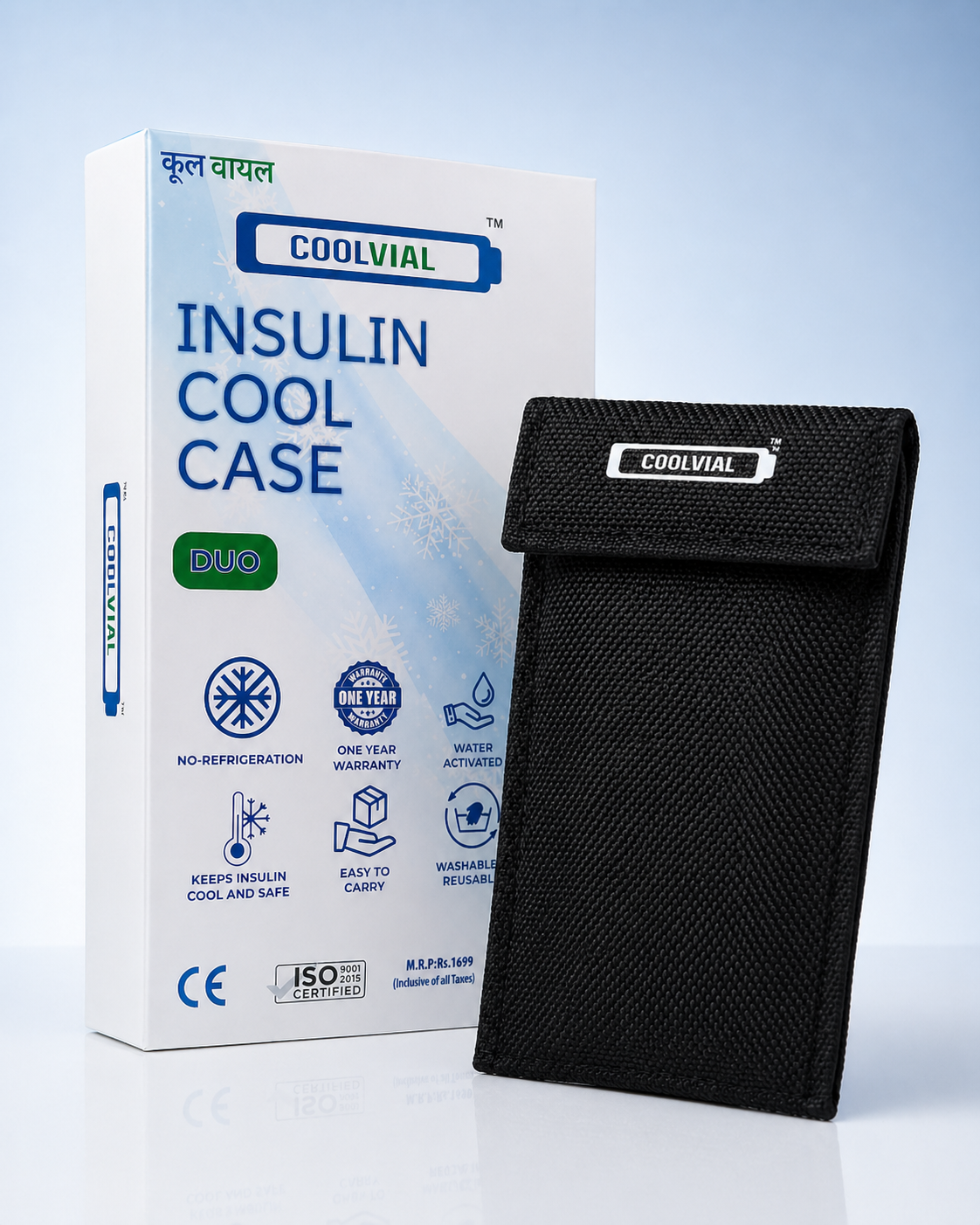
Insulin at 2-8°C for 48+ hours. Trusted by 10,000+ Indian diabetics.
Opened (In-Use) Insulin Vials and Pens
Once opened or removed from the refrigerator for daily use, insulin has a different storage guideline.
- Recommended Storage: Most opened insulin vials and pens can be stored at room temperature (below 25°C to 30°C) for up to 28 days (four weeks). Some specific brands or types of insulin may have slightly different recommendations (e.g., 42 days or 56 days for certain pens), so always check the manufacturer’s leaflet.
- Beyond 28 Days: Even if there’s insulin left in the vial or pen after 28 days, it should be discarded to ensure maximum potency and safety. This timeline applies regardless of how much insulin has been used.
- Visual Inspection: Always visually inspect your insulin before use. It should be clear and colorless (unless it’s a cloudy insulin like NPH). If it appears cloudy, discolored, or has particles, it should be discarded, even if within its expiry or 28-day window.
Impact of Temperature Excursions
Even brief exposure to temperatures outside the recommended range can affect insulin. For example, insulin exposed to temperatures above 30°C for even a few hours can begin to lose potency. The cumulative effect of multiple temperature excursions can significantly reduce its effectiveness over time. This makes preparing for a heatwave advisory in India even more vital.
To summarize the critical temperature zones:
| Insulin State | Recommended Temperature Range | Maximum Duration at Room Temp (if applicable) | Key Action |
|---|---|---|---|
| Unopened | 2°C - 8°C (Refrigerated) | N/A | Store in fridge until expiry |
| Opened (In-Use) | 15°C - 30°C (Room Temp) | 28 days (check specific brand) | Discard after 28 days, regardless of amount left |
| Danger Zone | Above 30°C / Below 0°C | Immediate degradation | Discard immediately if exposed |
Maintaining these precise temperature ranges is paramount for every diabetic, especially when a heatwave advisory in India is in effect.
3. Essential Heatwave Advisory in India: Practical Emergency Insulin Storage Steps
When a heatwave advisory in India is issued, or you anticipate prolonged exposure to high temperatures, proactive steps are essential to protect your insulin. These practical strategies can help maintain insulin’s efficacy and ensure your safety.
Prepare an Emergency Insulin Kit
Always have a small kit ready with essential supplies, especially if you live in an area prone to power cuts or frequent travel.
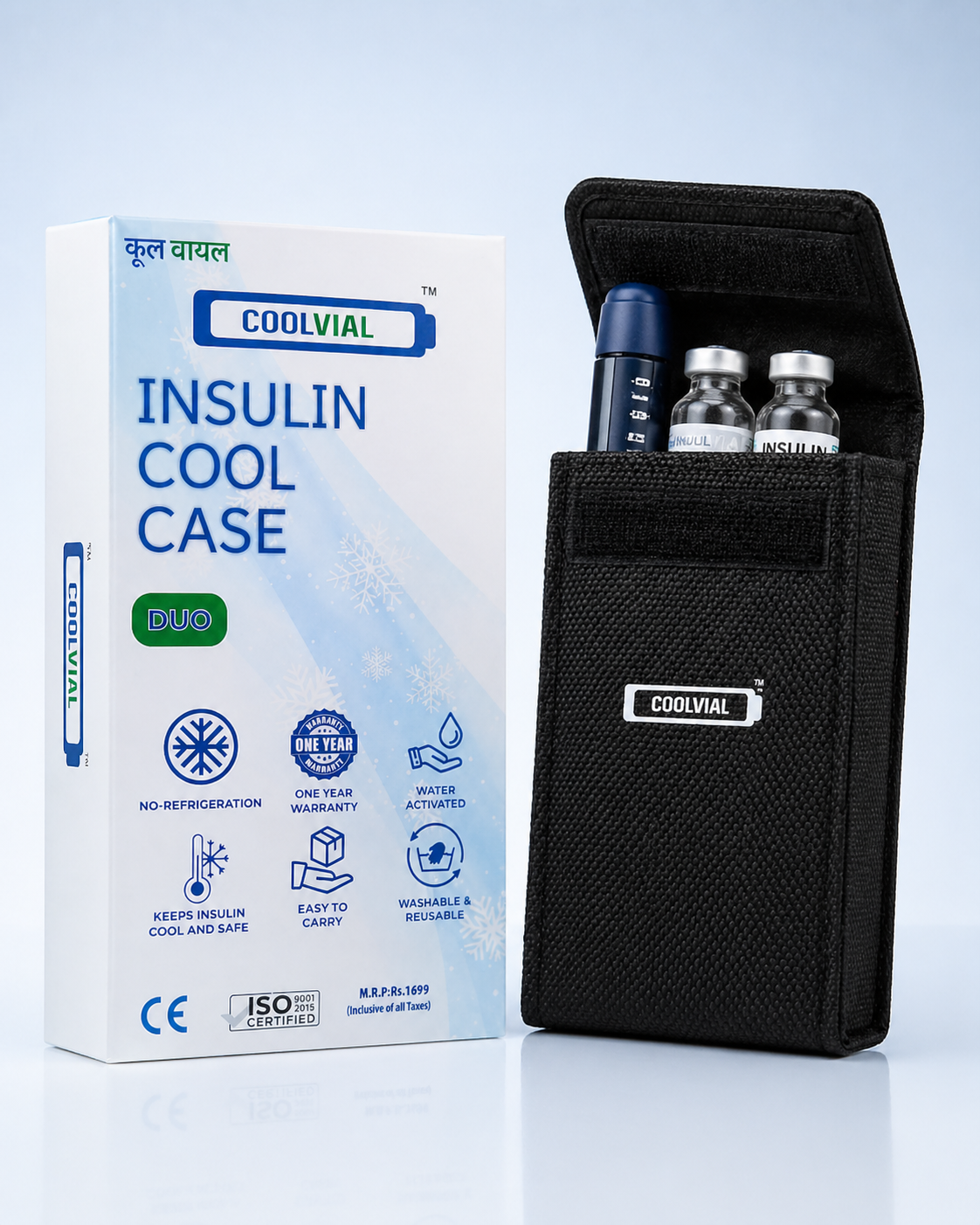
- Insulated Cool Case: A high-quality, purpose-built insulin cool case is non-negotiable. It should be designed to maintain a stable temperature range (e.g., 2-8°C or below 25°C) for several hours or days without electricity.
- Gel Packs (not ice): Use gel packs that stay cool without freezing. Direct ice can freeze insulin. Ensure gel packs are not in direct contact with insulin vials; use a cloth barrier.
- Thermometer: A small, portable thermometer inside your cool case can help monitor the temperature and confirm it stays within the safe range.
- Extra Supplies: Include alcohol swabs, syringes/pen needles, and a glucose meter with extra strips.
Strategies During Power Cuts
Power cuts are a common reality across India, particularly during summer.
- Refrigerator Management: During a power cut, keep your refrigerator door closed as much as possible to retain cold air. A full fridge stays colder longer than an empty one.
- Pre-cooled Containers: If a power cut is anticipated, transfer unopened insulin from the fridge into an insulated container with pre-cooled gel packs. Ensure the gel packs are not frozen solid if they will be in direct contact with the insulin.
- Community Support: If a power cut is extended for days, consider reaching out to neighbors or local clinics that might have generators or cold storage facilities. Always ensure their storage conditions meet the 2-8°C requirement.
Safe Travel Practices
Traveling in India, whether by train, bus, or car, requires careful planning for insulin storage.
- Carry-on, Not Checked Luggage: If flying, always carry insulin in your carry-on bag. Checked luggage compartments can experience extreme temperatures (freezing or very hot).
- Cool Case for Travel: Use your insulated cool case diligently. For long train journeys from Delhi to Mumbai or bus travel from Bengaluru to Chennai, this is crucial. Ensure it can maintain temperature for the entire duration of your trip.
- Avoid Car Glove Compartments: Never leave insulin in a car’s glove compartment or dashboard, even for a short time. Temperatures inside a parked car in India can quickly soar to 50°C or higher.
- Hydration: While not directly for insulin, staying hydrated yourself is vital during travel in a heatwave.
What to Do If Insulin Gets Too Hot
9 Essential Heatwave Advisory in India: Emergency Insulin Storage Steps
- Visual Inspection: If you suspect your insulin has been exposed to high temperatures (e.g., above 30°C for several hours), visually inspect it. Look for discoloration, cloudiness, or particles.
- Test Blood Sugar More Frequently: If the insulin looks normal but you’re concerned about its potency, use it with caution. Monitor your blood glucose levels more frequently. If your blood sugar remains consistently high despite your usual dose, the insulin may have lost potency.
- Replace if in Doubt: When in doubt, it is always safer to replace potentially compromised insulin with a fresh vial or pen. The cost of insulin is significant, but your health is paramount.
Implementing these steps during a heatwave advisory in India is a proactive measure that can significantly reduce the risk of insulin spoilage and maintain effective diabetes management.
4. Navigating India’s Diverse Climate: Regional Storage Considerations
India’s vast geographical landscape presents a mosaic of climatic conditions, each posing unique challenges for insulin storage. A generic heatwave advisory in India needs to be adapted to specific regional nuances. Understanding these variations is key to effective diabetes management across the country.
North India: Extreme Summers and Winters
- Cities: Delhi, Jaipur, Lucknow, Chandigarh.
- Conditions: North India experiences scorching summers, with temperatures frequently soaring above 45°C. Power cuts are common, especially in semi-urban and rural areas. Winters can be quite cold, sometimes dropping below freezing.
- Storage Tips: During summers, a robust insulin cool case is indispensable. Consider portable power banks for mini-refrigerators if available. In winters, protect insulin from freezing by keeping it away from windows or unheated rooms. Always use an insulated pouch even indoors to guard against sudden temperature drops.
West India: Arid Heat and Coastal Humidity
- Cities: Ahmedabad, Mumbai, Pune, Surat.
- Conditions: Gujarat and parts of Rajasthan face arid, dry heat similar to North India. Coastal Maharashtra (Mumbai) and Goa experience high humidity coupled with significant heat, which can also affect insulin stability and packaging.
- Storage Tips: For arid regions, focus on evaporative cooling methods if primary refrigeration fails, but ensure the insulin doesn’t get wet. In humid coastal areas, ensure insulin is sealed in airtight containers within the cool case to prevent moisture ingress, which can damage pen mechanisms or labels, making it hard to identify.
South India: Consistent Heat and Humidity
- Cities: Chennai, Bengaluru, Hyderabad, Kochi.
- Conditions: South India generally experiences consistently high temperatures and humidity throughout the year, with less seasonal variation compared to the North. Power cuts can still be an issue, particularly in smaller towns.
- Storage Tips: Year-round use of cool cases for daily travel is advisable. Given the persistent humidity, extra care must be taken to keep insulin dry within its storage solution. Many households in Kerala or Tamil Nadu might use traditional clay pots for cooling water; while these can reduce ambient temperature, they are not precise enough for insulin. Stick to purpose-built solutions.
East and Northeast India: Monsoon Challenges
- Cities: Kolkata, Guwahati, Bhubaneswar.
- Conditions: These regions experience heavy monsoons, leading to high humidity, waterlogging, and frequent power outages. While temperatures might not reach the extremes of North India’s dry heat, the combination of warmth and moisture is still detrimental to insulin.
- Storage Tips: Focus on waterproof and humidity-resistant cool cases. During floods or heavy rain, ensure your emergency kit is easily accessible and protected from water damage. Be prepared for longer power outages and have backup storage plans in place.
Special Considerations for Indian Travel and Festivals
- Train/Bus Journeys: Long-distance travel, often spanning 12-24 hours or more (e.g., from Kolkata to Chennai or Bengaluru to Delhi), requires a reliable cool case that doesn’t need external power.
- Festivals: During festivals like Diwali, Eid, or Durga Puja, travel increases, and public infrastructure might be strained, leading to more frequent power disruptions. Planning ahead for insulin storage during these periods is crucial.
- Rural Areas: Access to consistent electricity or pharmacies for replacement insulin can be limited. Always carry extra supplies and a dependable cool case when visiting rural areas.
Given these varied conditions, a universal heatwave advisory in India must emphasize adaptable solutions. Whether you’re in the scorching deserts of Rajasthan, the humid coasts of Kerala, or the monsoon-drenched plains of Bengal, understanding your local climate and preparing accordingly is paramount for safeguarding your insulin.
5. Your Reliable Partner: COOLVIAL for Emergency Insulin Storage
Navigating the complexities of insulin storage during India’s challenging climate conditions, especially under a heatwave advisory in India, requires dependable solutions. This is where COOLVIAL steps in as a trusted partner for diabetics across the nation. We understand the unique environmental stressors – from scorching summers in Rajasthan to humid monsoons in Maharashtra, and the ever-present threat of power cuts.
A reliable insulin cool case is not just a convenience; it’s an essential medical device. The COOLVIAL insulin cool case is specifically designed to address these Indian realities. Our cases are engineered to maintain the optimal temperature range of 2-8°C for refrigerated insulin, or below 25-30°C for in-use insulin, for extended periods without electricity. This provides a crucial safety net during unexpected power outages, long commutes, or when traveling to remote areas where refrigeration might be unavailable.
What makes COOLVIAL an ideal solution for emergency insulin storage during a heatwave advisory in India?
- Robust Insulation: Our cases feature multi-layered insulation technology that effectively blocks external heat, keeping the internal environment cool and stable.
- Reliable Cooling: Utilizing advanced gel pack technology, COOLVIAL cases ensure a consistent cooling effect without the risk of freezing your insulin. The gel packs are designed for safe contact with medication.
- Portability and Convenience: Lightweight and compact, COOLVIAL cases are easy to carry, fitting comfortably in bags or backpacks. This makes them perfect for daily use, school, work, or extensive travel across India’s diverse terrains.
- Durability: Built to withstand daily use and the rigors of travel, COOLVIAL cases offer long-lasting performance, providing peace of mind for years.
In scenarios where the temperature inside your home can exceed 30°C due to a prolonged power cut, or when you’re undertaking a 15-hour train journey from Chennai to Delhi, a COOLVIAL case acts as your personal, portable refrigerator. It ensures that your insulin remains potent, giving you confidence in your diabetes management, even when external conditions are challenging. Our commitment is to provide practical, affordable, and effective insulin storage tips tailored for the Indian environment.
6. Quick Reference: FAQs on Heatwave Advisory in India and Insulin Storage
Understanding how to react during a heatwave advisory in India is critical for every diabetic. Here are some frequently asked questions regarding insulin storage in hot climates.
Q: What happens if my insulin gets too hot, above 30°C? A: If insulin is exposed to temperatures above 30°C for an extended period, it can quickly lose its potency and become ineffective. The protein structure of insulin degrades, meaning it will not lower blood sugar as expected, potentially leading to hyperglycemia.
Q: Can I store insulin in the door of my refrigerator? A: While the refrigerator door is convenient, it’s generally not the best place for insulin. The temperature in the door fluctuates more with each opening and closing. It’s better to store unopened insulin in the main body of the refrigerator, on a middle shelf, away from the freezer compartment.
Q: How long can insulin be kept out of the refrigerator during a power cut? A: Unopened insulin should ideally remain refrigerated. However, if a power cut occurs, a well-insulated refrigerator can keep insulin cool for several hours (up to 4-6 hours) if the door remains closed. For longer outages, transfer
9 Essential Heatwave Advisory in India: Emergency Insulin Storage Steps
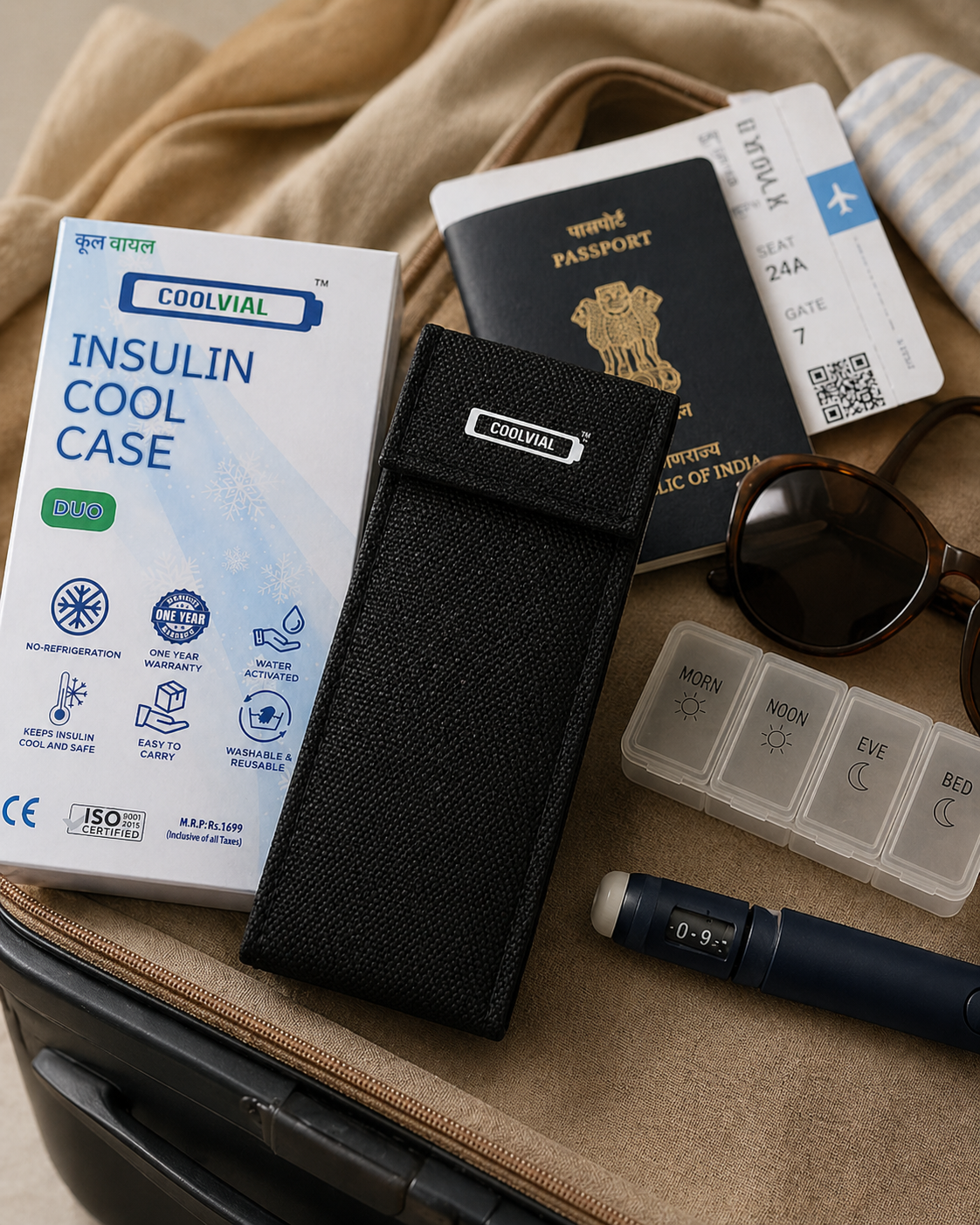
Don't let Indian heat spoil your insulin. COOLVIAL protects it for 48+ hours.
9 Essential Heatwave Advisory in India: Emergency Insulin Storage Steps
48+ hours at 2-8°C. No electricity. CE certified. Free delivery across India.
Order on WhatsApp — ₹1,099🛒 Buy Now — ₹1,099