
Reviewed by the COOLVIAL Editorial Team — specialists in insulin storage for Indian climate conditions.
Insulin, a life-saving medication for millions, must be stored precisely between 2°C and 8°C in a refrigerator before opening. Once opened, most insulin vials and pens can be kept at room temperature (15°C to 25°C) for 28 days, but never exceeding 30°C, as higher temperatures rapidly degrade its efficacy. This strict adherence to the ideal insulin storage temperature is paramount for diabetics in India, where varying climates and frequent power fluctuations pose unique challenges. Understanding and implementing these critical storage guidelines is not just a recommendation; it’s a necessity for ensuring your insulin remains potent and effective, directly impacting your blood sugar control and overall health. This comprehensive guide will equip you with all the essential knowledge to master ideal insulin storage temperature a complete guide for India, ensuring peace of mind and optimal health outcomes.
Table of Contents
- Why Ideal Insulin Storage Temperature Matters in India
- Core Concepts of Insulin Storage: Understanding the Science
- Practical Tips for Maintaining the Ideal Insulin Storage Temperature in India
- Navigating India’s Diverse Climates: Regional Storage Considerations
- COOLVIAL: Your Partner in Maintaining Ideal Insulin Storage Temperature
- Essential Insulin Storage FAQs for Indian Diabetics
Why Ideal Insulin Storage Temperature Matters in India
India, a land of incredible diversity, also presents unique challenges for managing health conditions like diabetes. With an estimated 101 million diabetics in 2023, according to the International Diabetes Federation (IDF) Atlas, ensuring the efficacy of life-saving medications like insulin is critical. The primary concern revolves around maintaining the ideal insulin storage temperature a complete guide for India, especially given the country’s diverse and often extreme climatic conditions. From the scorching summers of Rajasthan and Uttar Pradesh, where temperatures can soar above 45°C, to the humid coastal regions like Mumbai and Chennai, and the frequent power cuts affecting both urban and rural areas, insulin is constantly at risk of degradation.
Improper storage of insulin can lead to a significant reduction in its potency. Insulin is a protein, and like many proteins, it is highly sensitive to temperature fluctuations. Exposure to temperatures above 30°C can cause the insulin protein to denature, losing its three-dimensional structure and, consequently, its ability to lower blood sugar effectively. This degradation is often irreversible. A study published in the National Center for Biotechnology Information (NCBI) highlights the critical importance of maintaining insulin within its recommended temperature range to preserve its stability and efficacy (Source: National Center for Biotechnology Information).
The consequences of using degraded insulin are severe. Patients might experience unexplained high blood sugar levels, leading to increased risks of acute complications like diabetic ketoacidosis (DKA) and long-term complications such as kidney disease, nerve damage, and vision problems. This not only compromises patient health but also leads to increased healthcare costs as individuals require more insulin or alternative treatments. For a country where a significant portion of the population lives in areas prone to heatwaves and unreliable electricity supply, understanding and adhering to the ideal insulin storage temperature is not merely a guideline but a fundamental aspect of diabetes management.
Consider these critical factors unique to India:
- Extreme Heat: Summers in many parts of India, including Delhi, Nagpur, and Ahmedabad, regularly see temperatures exceeding 40°C, making ambient storage risky.
- Humidity: Coastal cities like Kochi, Kolkata, and Goa experience high humidity, which can also indirectly affect storage conditions and packaging integrity.
- Power Cuts: Both scheduled and unscheduled power outages are common, particularly in rural areas and during peak summer. Some reports suggest up to 78% of Indian households face daily power cuts in summer, jeopardizing refrigerated medications.
- Travel: Long-distance travel by train or bus, often without reliable cooling, exposes insulin to uncontrolled temperatures for extended periods.
- Accessibility: In remote areas, access to refrigeration might be limited, necessitating alternative, reliable storage solutions.
These challenges underscore the urgency and importance of this guide. By understanding the science and adopting practical strategies for ideal insulin storage temperature a complete guide for India, diabetics can ensure their medication remains effective, safeguarding their health and well-being.
Core Concepts of Insulin Storage: Understanding the Science
Insulin is a delicate biological medication, and its effectiveness hinges on precise storage conditions. Understanding the fundamental principles behind insulin storage is crucial for every diabetic, especially in a challenging environment like India. Insulin’s molecular structure, a complex protein, is susceptible to damage from extreme temperatures, both hot and cold.
Unopened Insulin: The Cold Chain Requirement
The 7 Critical Rules for Ideal Insulin Storage Temperature: A Complete Guide for India
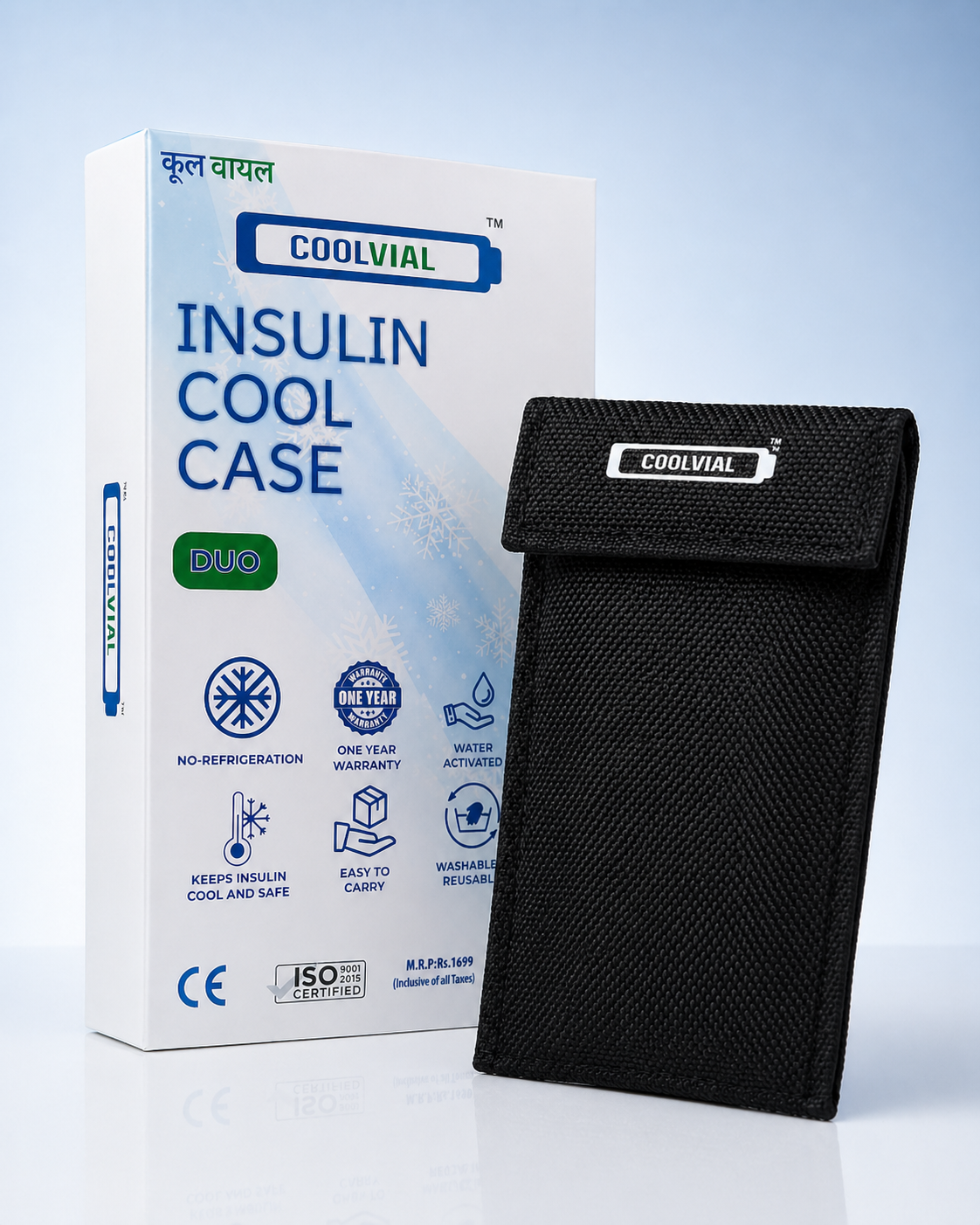
COOLVIAL keeps insulin safe in India's heat. 48+ hours, no electricity needed.
Before use, insulin must be kept cold. The universally recommended temperature range for unopened insulin vials, pens, and cartridges is between 2°C and 8°C (36°F and 46°F). This is typically the temperature inside a standard refrigerator.
- Why 2-8°C? This range slows down the degradation process significantly, extending the insulin’s shelf life until its expiry date, which is usually stamped on the packaging.
- Never Freeze: Freezing insulin can be just as damaging as overheating it. If insulin freezes, its protein structure can break down, rendering it ineffective. Always check insulin that may have been exposed to freezing temperatures for crystals or a cloudy appearance. If frozen, it should be discarded.
- Optimal Fridge Placement: Store insulin in the main body of the refrigerator, not in the door, which experiences more temperature fluctuations with opening and closing. Avoid placing it against the back wall where it might freeze.
Opened Insulin: Room Temperature Guidelines
Once an insulin vial, pen, or cartridge has been opened or punctured, its storage guidelines change. Most manufacturers recommend storing opened insulin at room temperature, ideally between 15°C and 25°C (59°F and 77°F).
- Duration: Opened insulin is typically stable for a specific period, usually 28 days for most vials and pens (e.g., Humalog, Novorapid, Lantus, Levemir). Some specific pen formulations might allow for slightly longer, up to 42 days (6 weeks), so always check the manufacturer’s leaflet for your specific insulin product.
- Why Room Temperature? Storing opened insulin at room temperature makes it more comfortable to inject and reduces irritation at the injection site compared to injecting cold insulin. The primary reason for the shorter shelf life after opening is not just temperature but also exposure to air and repeated punctures, which can introduce bacteria and accelerate degradation.
- Avoiding Refrigeration: Some people choose to continue refrigerating opened insulin, which is generally acceptable as long as it doesn’t freeze. However, the 28-day (or specified) expiry still applies from the date of first use, regardless of whether it’s kept in the fridge or at room temperature.
The Danger Zone: Why Above 30°C is Critical
The most significant threat to insulin potency, particularly in India, is exposure to high temperatures.
- Above 30°C (86°F): Insulin begins to degrade rapidly above this temperature. The protein molecules can clump together, form aggregates, or break down into inactive fragments. This process is accelerated with increasing temperature.
- Visual Signs of Spoilage: Always inspect your insulin before use. Signs of degraded insulin include:
- Cloudiness or particles: Clear insulin (like Novorapid, Humalog, Lantus) should remain clear. If it becomes cloudy, contains clumps, or has solid particles, discard it.
- Discoloration: Insulin should maintain its original color. Any change in tint (e.g., yellowish or brownish) indicates spoilage.
- Thickening: If the insulin appears thicker than usual, it’s likely degraded.
- Impact on Blood Sugar: Using degraded insulin will result in ineffective blood sugar control, potentially leading to hyperglycemia despite regular injections. This can be dangerous and lead to serious health complications.
Understanding these core concepts is the first step in ensuring your insulin remains effective. For more comprehensive guidance on managing your insulin effectively, especially in various scenarios, explore our insulin storage tips. These foundational rules for ideal insulin storage temperature a complete guide for India are your shield against the challenges of temperature variability.
| Insulin State | Recommended Temperature Range | Maximum Duration | Key Considerations |
|---|---|---|---|
| Unopened | 2°C to 8°C (refrigerated) | Expiry Date | Never freeze; store in main fridge compartment. |
| Opened (Vial) | 15°C to 25°C (room temp) | 28 days | Discard if cloudy, discolored, or frozen. |
| Opened (Pen) | 15°C to 25°C (room temp) | 28-42 days (check specific pen) | Do not refrigerate once in use, unless specified. |
| Danger Zone | Above 30°C | Immediate Degradation | Leads to loss of potency; discard immediately. |
| Freezing Zone | Below 0°C | Immediate Degradation | Causes irreversible damage to protein structure. |
Practical Tips for Maintaining the Ideal Insulin Storage Temperature in India
Living in India requires a proactive approach to insulin storage. With diverse climates and infrastructure challenges, implementing smart strategies for the ideal insulin storage temperature a complete guide for India is essential. Here are actionable tips to keep your insulin safe and potent:
- Refrigeration Best Practices:
- Optimal Placement: Store unopened insulin vials and pens in the middle shelf of your refrigerator. Avoid the door, which is subject to frequent temperature fluctuations, and the back wall, where items can accidentally freeze.
- Dedicated Space: If possible, designate a specific, clean container for your insulin to protect it from other food items and potential spills.
- Monitor Fridge Temperature: Regularly check your refrigerator’s temperature with a simple thermometer to ensure it stays within the 2°C to 8°C range.
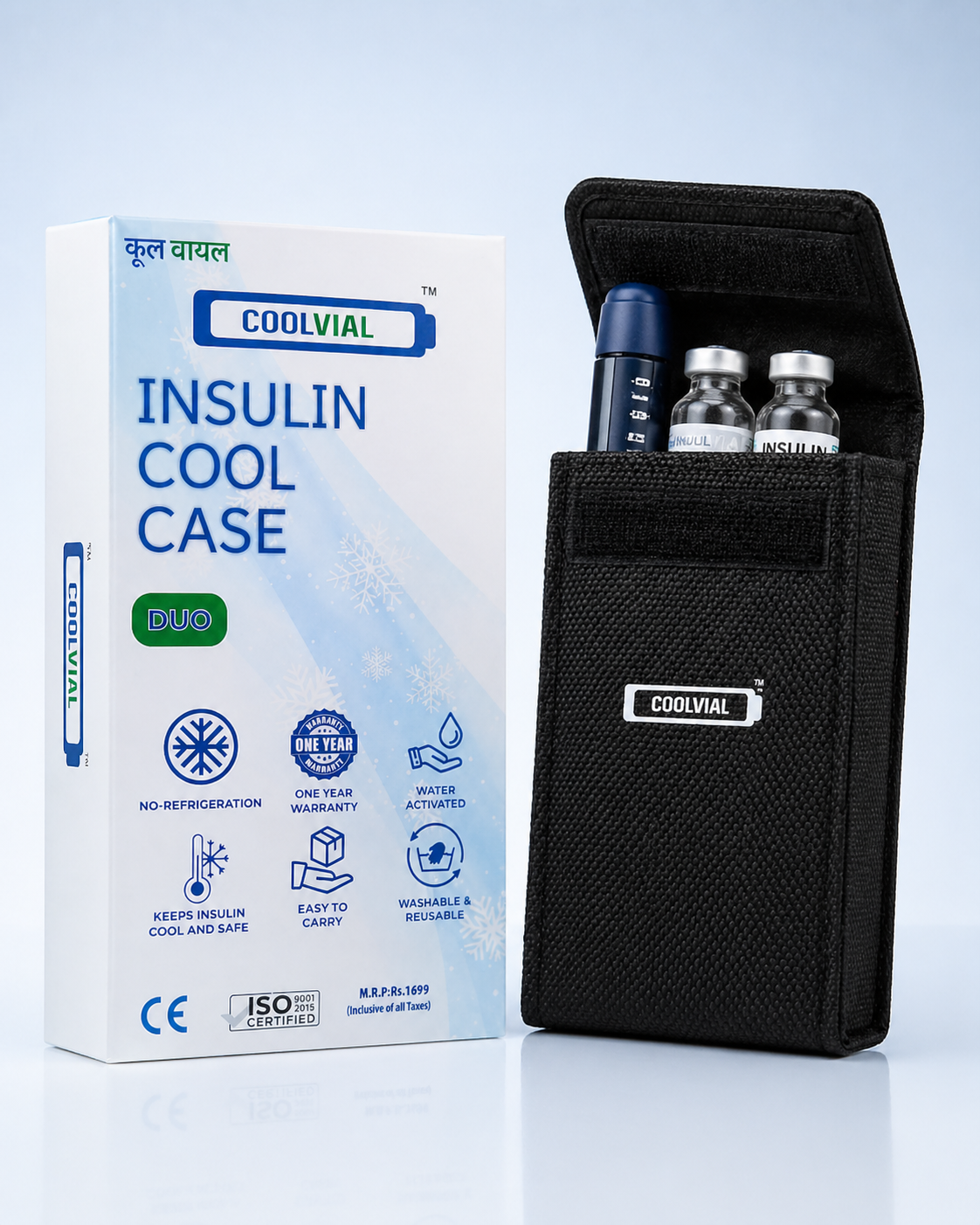
"Finally a cooler that works in Indian summers. Insulin stayed perfect during a 3-day power cut." — Ramesh, Chennai
The 7 Critical Rules for Ideal Insulin Storage Temperature: A Complete Guide for India
CE Certified · Free Delivery · 1-Year Warranty
📲 Buy on WhatsApp — ₹1,099- Handling Power Cuts:
- Keep Fridge Closed: During power outages, keep your refrigerator door closed as much as possible to maintain the internal temperature. A well-stocked fridge can stay cold for several hours if unopened.
- Pre-plan for Extended Cuts: If you anticipate prolonged power cuts (common in rural areas or during monsoons), consider using a cooler with gel packs or a dedicated insulin cool case.
- Emergency Ice Packs: Always have a few reusable gel or ice packs in your freezer. In an emergency, these can help maintain a cooler environment for your insulin for a short period, but ensure insulin doesn’t directly touch ice to prevent freezing.
The 7 Critical Rules for Ideal Insulin Storage Temperature: A Complete Guide for India
Insulin at 2-8°C for 48+ hours. Trusted by 10,000+ Indian diabetics.
-
Travel Smart with Insulin:
- Carry-on Only: When flying, always carry your insulin in your hand luggage. The cargo hold can experience extreme temperatures that damage insulin.
- Insulated Travel Cases: For any travel, whether by air, train, or bus (e.g., a long journey from Bengaluru to Hyderabad or a pilgrimage to Vaishno Devi), an insulated travel case or a specialized insulin cool case is indispensable. These cases protect insulin from both heat and direct sunlight.
- Temperature Monitoring: If traveling for extended periods, a portable thermometer with a probe can help monitor the temperature inside your travel case.
- Doctor’s Note: Carry a doctor’s prescription for your insulin, especially when traveling internationally or by air, to avoid issues with security.
-
Daily Use and Ambient Storage:
- Avoid Direct Sunlight: Never leave your insulin pen or vial in direct sunlight, on a windowsill, or in a hot car. Even a few minutes can cause significant degradation.
- Cool, Dark Place: For opened insulin kept at room temperature (15°C to 25°C), choose a cool, dark cupboard or drawer, away from heat sources like ovens, stoves, or direct sunlight.
- Check Expiry: Always note the date you opened an insulin vial or pen. Discard it after 28 days (or the manufacturer’s specified period), even if there’s still insulin left.
-
Hydration and Protection:
- Water-activated Cooling: Products like specific insulin cool cases use evaporative cooling, requiring only water to activate. This is an excellent, electricity-free option for maintaining the ideal insulin storage temperature, especially during travel or power cuts.
- Avoid Extreme Cold: Do not store insulin in a freezer or directly on ice. If using ice packs, ensure there is a protective layer (like cloth) between the ice pack and the insulin to prevent freezing.
By diligently following these practical tips, Indian diabetics can navigate the country’s unique challenges and ensure their insulin remains effective, providing consistent blood sugar control and promoting a healthier life.
Navigating India’s Diverse Climates: Regional Storage Considerations
India’s geographical vastness means that what works for insulin storage in Himachal Pradesh might not be suitable for Tamil Nadu. Understanding these regional nuances is crucial for maintaining the ideal insulin storage temperature a complete guide for India.
North India: Extremes of Summer and Winter
Regions like Delhi, Punjab, Haryana, Rajasthan, and Uttar Pradesh experience extreme temperature swings.
- Summer Challenges (April-July): Daytime temperatures frequently exceed 40°C, often reaching 45°C or more in cities like Delhi and Jaipur. Air conditioning might not be constant, and power cuts are common.
- Solution: Reliance on refrigerator for unopened insulin is paramount. For in-use insulin, a reliable cool case is a must. Never leave insulin in parked vehicles, even for short periods. Consider using water-activated cool cases indoors when AC is off or during power cuts.
- Winter Challenges (December-February): While less common, temperatures can drop below 5°C, especially in hilly regions or during cold snaps in plains.
- Solution: Protect insulin from freezing. Do not store insulin near windows in unheated rooms or in uninsulated bags when outdoor temperatures are very low.
Coastal and South India: Humidity and Moderate Heat
States like Maharashtra, Goa, Kerala, Karnataka, Andhra Pradesh, and Tamil Nadu experience high humidity and moderately high temperatures for most of the year.
- Humidity Impact: While direct temperature is the primary concern, high humidity can sometimes affect insulin packaging or the integrity of cooling devices if not properly maintained.
- Consistent Heat (All Year): Temperatures rarely drop below 20°C in many parts, and often stay above 30°C for extended periods.
- Solution: Continuous vigilance is required. A cool, dark cupboard might not be sufficient for in-use insulin if ambient temperatures consistently exceed 25°C. A cool case becomes a daily necessity, not just for travel. Air-conditioned environments are beneficial, but backup plans for power outages are crucial.
Northeast India: Monsoon Challenges and Connectivity
States like Assam, Meghalaya, and Arunachal Pradesh are characterized by heavy monsoons and sometimes challenging connectivity.
- Monsoon Impact (June-September): High humidity and frequent rainfall can lead to dampness. Power supply can be erratic due to storms.
- Remote Areas: Access to reliable refrigeration might be intermittent in very remote villages.
- Solution: Robust, water-activated cool cases are highly suitable here, as they don’t rely on electricity. Proper sealing and waterproof covers for insulin and cooling devices are advisable during monsoon travel. Stocking up on insulin (within expiry dates) when connectivity is good can also be a strategy.
Table: Indian Region vs. Key Storage Challenges & Solutions
| Indian Region | Primary Climate Challenge | Specific Storage Risks | Recommended Solutions for Insulin Storage |
|---|---|---|---|
| North India (Plains) | Extreme Summer Heat (>40°C) |
The 7 Critical Rules for Ideal Insulin Storage Temperature: A Complete Guide for India
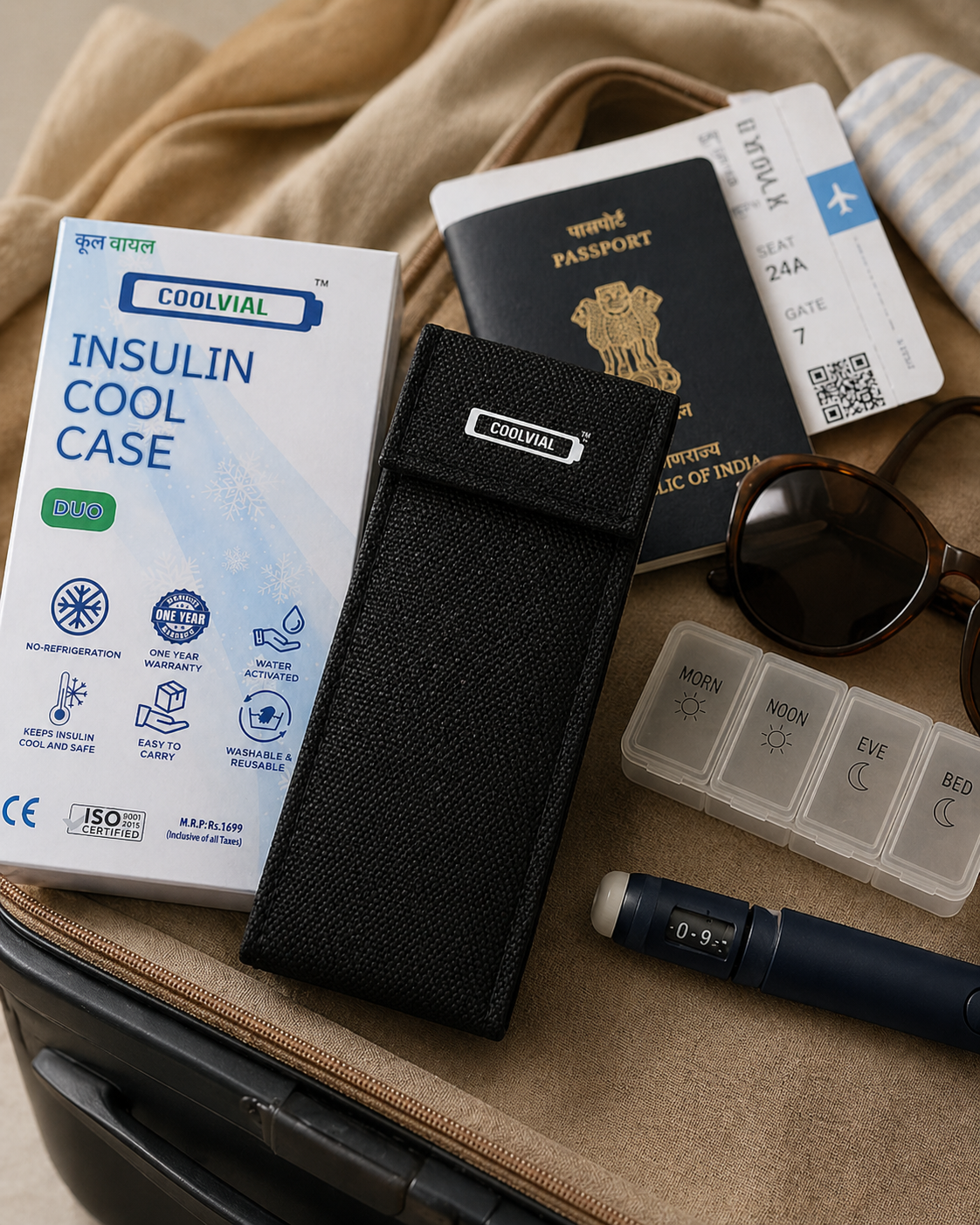
Keep your insulin safe in India's extreme heat. COOLVIAL works for 48+ hours without electricity.