
Reviewed by the COOLVIAL Editorial Team — specialists in insulin storage for Indian climate conditions.
Keeping NovoRapid insulin safe and effective in India’s diverse and often challenging climate is a critical concern for millions of diabetics. To directly answer the core question, unopened NovoRapid must be stored in a refrigerator between 2-8°C. Once opened, it can be kept at room temperature, ideally below 30°C, for up to 28 days. However, India’s extreme heat, power cuts, and extensive travel often push these limits, necessitating careful planning and reliable solutions. This comprehensive NovoRapid storage guide for India travel heat refrigeration tips will equip you with the knowledge and practical strategies needed to ensure your insulin maintains its potency, even when facing temperatures that can soar above 45°C in regions like Rajasthan or Uttar Pradesh during summer. Understanding these guidelines is vital, as improperly stored insulin loses its effectiveness, potentially leading to serious health complications.
Table of Contents
- Why Proper Insulin Storage Matters in India: The Unique Challenges
- Core Concepts of NovoRapid Storage: Understanding the Science
- Your Ultimate NovoRapid Storage Guide for India
- Navigating India’s Diverse Climates and Conditions with NovoRapid
- Enhancing Your NovoRapid Storage Guide with COOLVIAL
- Frequently Asked Questions about NovoRapid Storage
- Conclusion: Empowering Your Diabetes Management in India
Why Proper Insulin Storage Matters in India: The Unique Challenges
India faces a significant and growing diabetes burden, with an estimated 101 million people living with diabetes in 2023, according to the International Diabetes Federation (IDF) (Source: International Diabetes Federation). For many, daily insulin injections, such as NovoRapid, are a lifeline. However, the efficacy of this life-saving medication is entirely dependent on its proper storage. In a country known for its extreme climate variations, unreliable infrastructure, and extensive travel, ensuring optimal NovoRapid storage is a complex challenge.
The Indian subcontinent experiences vast temperature fluctuations, from the scorching summers in the northern plains (where temperatures can easily exceed 45°C in cities like Delhi, Jaipur, and Lucknow) to the humid monsoons across coastal regions and the cooler winters in the north. Insulin, being a protein, is highly sensitive to temperature extremes. Exposure to high heat can degrade its molecular structure, rendering it less effective or even completely inactive. Similarly, freezing can damage the insulin, causing it to lose its potency.
Beyond environmental factors, infrastructural issues also pose a threat. Frequent power cuts, especially during peak summer months in many rural and semi-urban areas, can disrupt refrigeration, leaving insulin vulnerable. Traveling across India, whether by crowded trains, long-distance buses, or even personal vehicles, presents its own set of hurdles for maintaining the required temperature range for NovoRapid. Patients often worry about how to manage their insulin during family visits, pilgrimages, or business trips. This makes a comprehensive NovoRapid storage guide for India travel heat refrigeration tips not just helpful, but absolutely essential for safe and effective diabetes management.
Core Concepts of NovoRapid Storage: Understanding the Science
NovoRapid, a fast-acting insulin analogue, plays a crucial role in managing blood sugar levels during meals. Its effectiveness hinges on maintaining its structural integrity, which is highly susceptible to temperature variations. Understanding the science behind insulin stability is the first step in mastering its proper storage.
Understanding NovoRapid’s Sensitivity
Insulin is a delicate protein. When exposed to temperatures outside its recommended range, its complex three-dimensional structure can unfold or aggregate, a process known as denaturation. This changes how the insulin interacts with the body’s cells, significantly reducing its ability to lower blood glucose. Once denatured, insulin cannot be restored to its original, active form. This means that improperly stored NovoRapid might look normal, but it will not work effectively, leading to uncontrolled blood sugar levels and potential complications.
Ideal Storage Temperatures
The manufacturer’s guidelines, backed by extensive research, specify precise temperature ranges for NovoRapid to ensure its stability and potency. Adhering to these guidelines is non-negotiable for anyone using insulin.
- Unopened NovoRapid: Unopened vials, cartridges, or FlexPen® devices must be stored in a refrigerator between 2°C and 8°C (36°F and 46°F). This is the optimal range to preserve its shelf life until the expiry date printed on the packaging. Never store unopened insulin at room temperature for extended periods.
- Opened NovoRapid (in-use): Once a NovoRapid vial, cartridge, or FlexPen® is opened or in use, it can typically be stored at room temperature, provided it remains below 30°C (86°F). It is stable under these conditions for a maximum of 28 days. Beyond this period, even if it hasn’t reached the 28-day mark, it should be discarded if it has been exposed to temperatures above 30°C for prolonged periods or if its appearance changes.
The Dangers of Heat and Freezing
Both extreme heat and freezing temperatures pose significant threats to NovoRapid’s efficacy.
- Heat: Temperatures above 30°C accelerate the degradation of insulin. In India, where summer temperatures can often exceed 40°C, leaving NovoRapid in a hot car, direct sunlight, or even an uncooled room for a few hours can be detrimental. Signs of heat damage include cloudiness, discoloration, or the presence of particles, although often, the damage is invisible.
- Freezing: Insulin that has frozen, even partially, and then thawed, should not be used. Freezing can cause the insulin protein to clump together, making it ineffective and potentially dangerous. This can happen if insulin is placed too close to the freezer compartment in a refrigerator or exposed to very cold temperatures during winter travel in certain parts of India.
7 Essential NovoRapid Storage Tips for India: Travel, Heat & Refrigeration Guide
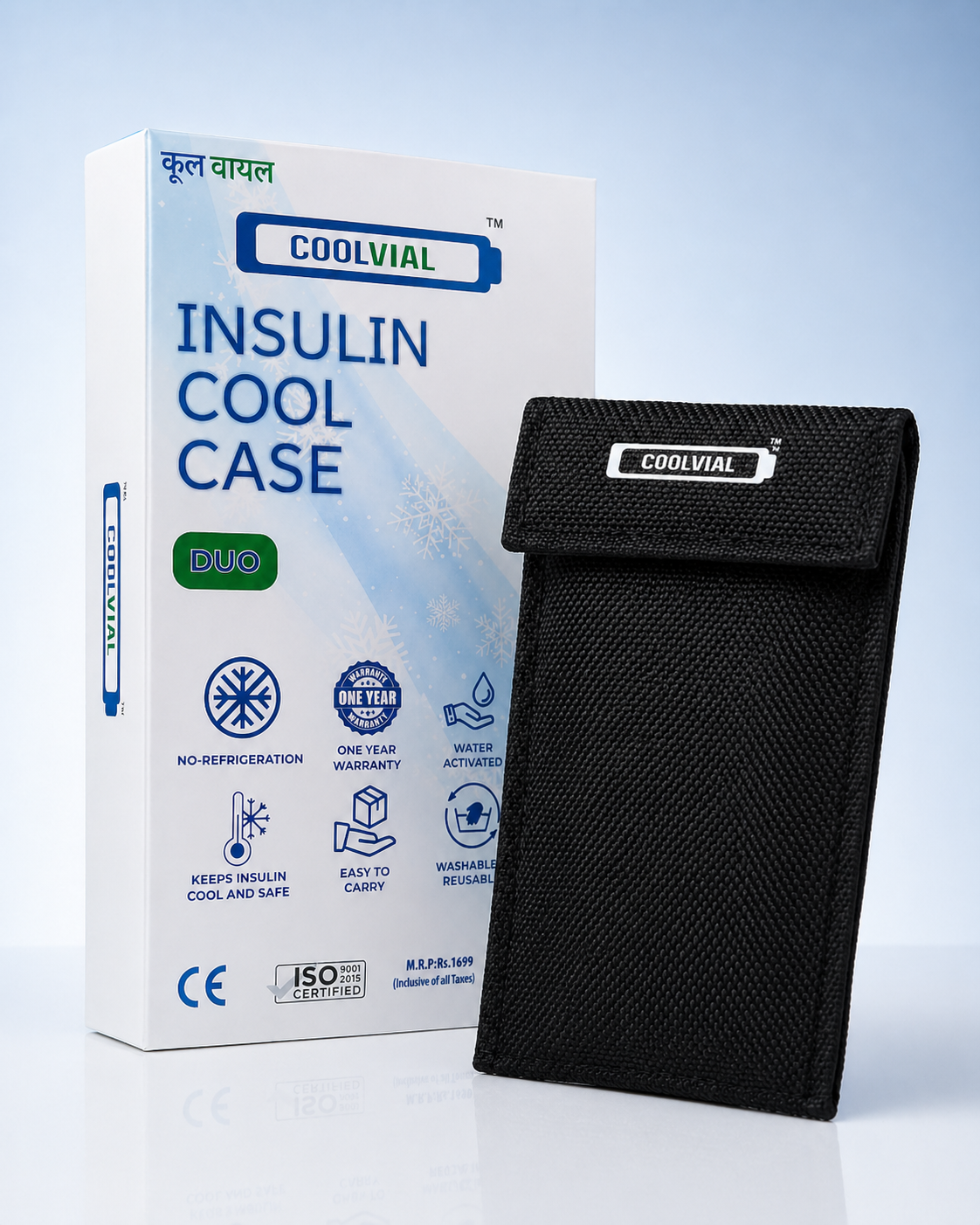
COOLVIAL keeps insulin at 2-8°C for 48+ hours. No electricity needed.
Understanding these core principles is foundational to developing a robust NovoRapid storage guide for India travel heat refrigeration tips.
7 Essential NovoRapid Storage Tips for India: Travel, Heat & Refrigeration Guide
48+ hours at 2-8°C. No electricity. CE certified. Free delivery across India.
Order on WhatsApp — ₹1,099🛒 Buy Now — ₹1,099| Storage Condition | Temperature Range | Duration | Appearance |
|---|---|---|---|
| Unopened (Refrigerated) | 2°C - 8°C | Until expiry date | Clear, colorless liquid |
| Opened (Room Temp) | Up to 30°C | 28 days (max) | Clear, colorless liquid (discard if cloudy/discolored) |
| Exposure to Heat | Above 30°C | Varies (degrades quickly) | May become cloudy, discolored, or less effective |
| Exposure to Freezing | Below 0°C (any duration) | Do not use (even if thawed) | May appear clumpy, crystals, or less effective |
Your Ultimate NovoRapid Storage Guide for India
Navigating the complexities of insulin storage in India requires a proactive approach and adherence to specific guidelines. This section provides practical, actionable tips to ensure your NovoRapid remains effective, whether you’re at home or on the go. This comprehensive NovoRapid storage guide for India travel heat refrigeration tips covers various scenarios crucial for Indian diabetics.
1. At Home Refrigeration Best Practices
Even with a refrigerator, proper placement and monitoring are key.
- Optimal Shelf Placement: Store unopened NovoRapid vials or pens on a middle shelf, away from the freezer compartment and the refrigerator door. The door often experiences temperature fluctuations with frequent opening.
- Avoid Extreme Cold: Do not place insulin directly against the back wall of the refrigerator, as this can be too cold and lead to freezing, especially in older models.
- Original Packaging: Keep unopened insulin in its original carton to protect it from light, which can also degrade its potency over time.
- Temperature Monitoring: Consider using a small, dedicated refrigerator thermometer to ensure your fridge consistently maintains the 2-8°C range. This is particularly useful during hot Indian summers when appliance performance might vary.
2. Managing Daily Use and Open Vials
Once opened, NovoRapid requires a different storage strategy.
- Room Temperature Rule: Opened NovoRapid pens or vials can be kept at room temperature, but it is critical that this temperature does not exceed 30°C. In many parts of India, especially during summer, ambient room temperature can easily surpass this.
- 28-Day Rule: Mark the date of opening on the NovoRapid pen or vial. It must be discarded 28 days after opening, even if there is still insulin left and it appears fine. This is a crucial safety measure.
- Avoid Direct Heat and Sunlight: Always keep opened insulin away from direct sunlight, heat sources (like kitchen stoves, radiators, or even laptops), and windows.
- Visual Inspection: Before each use, visually inspect your NovoRapid. It should be clear and colorless. If you notice any cloudiness, discoloration, or particles, discard it immediately, regardless of the 28-day rule.
3. Critical Travel Tips for NovoRapid
Traveling in India, whether by air, rail, or road, demands careful planning for insulin storage. This is where a robust NovoRapid storage guide for India travel heat refrigeration tips truly shines.
- Air Travel:
- Carry-on Only: Always carry your NovoRapid in your carry-on luggage. The cargo hold of an airplane can experience extreme temperatures, both freezing and very hot, which are detrimental to insulin.
- Doctor’s Note: Carry a doctor’s prescription or a letter stating your need for insulin and syringes. This helps with security checks at Indian airports.
- Cooler Bag: Use an insulated bag or a specialized insulin cool case to protect your NovoRapid from temperature fluctuations during transit and at the airport.
- Train and Bus Travel:
- Insulated Protection: These modes of transport often lack temperature control. A high-quality insulin cool case is indispensable. Consider the duration of your journey and choose a case that can maintain temperature for the required time.
- Avoid Direct Sunlight: Keep your cool case or bag out of direct sunlight, especially if you have a window seat.
- Personal Monitoring: Regularly check the temperature inside your cool case if possible, or ensure the cooling elements (e.g., ice packs) are still effective.
- Car Travel:
- Never in the Glove Compartment or Trunk: These areas can reach dangerously high temperatures.
- Cabin Temperature: Keep your insulin cool case with you in the cabin, ideally in an air-conditioned environment.
- When Parked: Never leave insulin in a parked car, even for a short time, as interior temperatures can skyrocket rapidly.
By following these practical tips, you can significantly reduce the risk of insulin degradation and maintain effective diabetes management across India.
Navigating India’s Diverse Climates and Conditions with NovoRapid
India’s geographical diversity translates into a wide array of climatic conditions, each presenting unique challenges for NovoRapid storage. From the scorching deserts of Rajasthan to the humid coasts of Kerala and the power-unstable interiors, a tailored approach is essential. This section expands on the NovoRapid storage guide for India travel heat refrigeration tips by focusing on regional and situational specifics.
Summer Heatwave Strategies
Regions like Delhi, Uttar Pradesh, Rajasthan, Gujarat, and parts of Maharashtra experience brutal summers with temperatures frequently soaring above 40°C, sometimes touching 48°C.
- Constant Vigilance: Assume that any indoor space without active air conditioning will exceed 30°C during summer days. Never leave NovoRapid exposed.
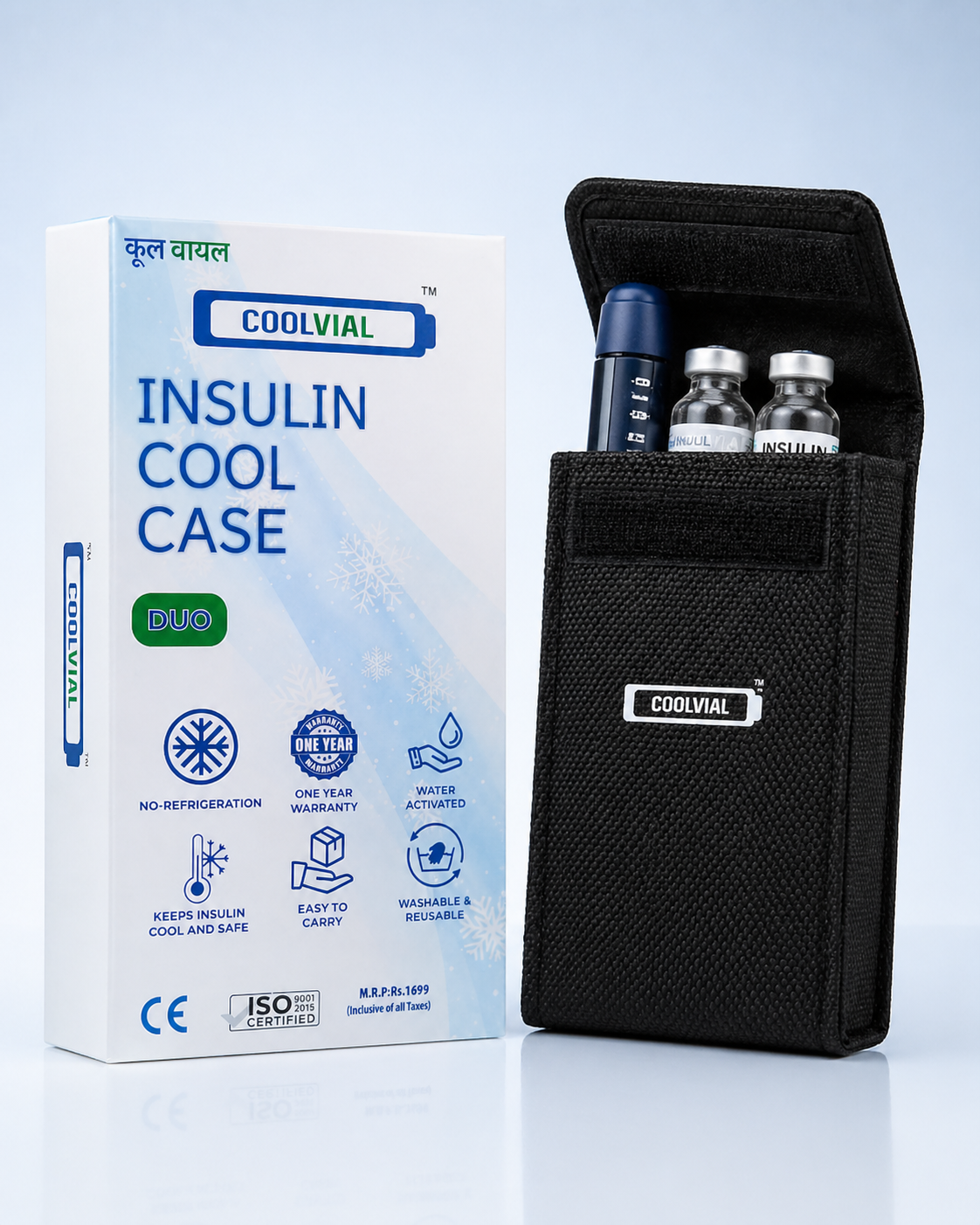
- Active Cooling Solutions: This is where an insulin cool case becomes a non-negotiable item. These cases use advanced cooling technology to maintain insulin within its safe temperature range for extended periods, even when ambient temperatures are very high.
- Hydration for You and Your Insulin: Just as you need to stay hydrated, ensure your insulin is ‘hydrated’ with coolness. Carry extra water bottles to help cool down if your cool case relies on evaporative cooling, or ensure ice packs are consistently frozen.
- Nighttime Storage: Evenings can still be warm. If your room temperature doesn’t drop below 30°C, consider using your cool case overnight or ensuring your AC is set appropriately.
Monsoon Humidity Challenges
The monsoon season, affecting vast parts of India from June to September, brings high humidity and often moderate to high temperatures.
- Moisture Control: While humidity doesn’t directly degrade insulin, it can affect the functionality of some cooling devices and create uncomfortable conditions. Ensure your insulin cool case is well-sealed to prevent moisture ingress.
- Condensation: If you move insulin from a very cold environment (like a well-chilled AC room) to a humid, warmer one, condensation can form. While this is less critical for the insulin itself, ensure the packaging and device remain dry.
- Power Fluctuations: Monsoons often bring storms and power outages, making backup cooling solutions even more critical.
Power Cuts and Contingency Plans
Unreliable power supply is a reality in many parts of India, particularly in rural areas and during peak demand in urban centers. An average of 78% of Indian households face daily power cuts in summer (Source: various energy reports, e.g., NITI Aayog power sector reforms data).
- Backup Refrigeration: If you rely on a refrigerator, consider having a power backup solution like an inverter or a power bank capable of running a mini-fridge for critical medicines.
- Portable Cooling: For short-term power cuts, an insulin cool case is an excellent backup. It can keep your NovoRapid cool for several hours or even days, depending on the model, providing a buffer until power is restored.
- Community Support: In some communities, neighbors might have generators or inverters. Establishing a network can be helpful for emergency insulin storage.
Festival Travel and Long Journeys
India’s vibrant festival calendar and cultural practices often involve extensive travel to ancestral homes or pilgrimage sites.
- Plan Ahead: Before embarking on any long journey, especially during festivals like Diwali, Holi, or Eid, assess the duration of travel, expected temperatures, and access to refrigeration at your destination.
- Adequate Supplies: Carry more NovoRapid than you anticipate needing, along with extra syringes/needles and alcohol swabs.
- Multiple Cooling Options: For very long journeys, consider having a primary insulin cool case and a smaller, secondary backup, or access to ice at regular intervals. For instance, while traveling by train from Mumbai to Chennai, or by bus from Bengaluru to Hyderabad, maintaining constant temperature can be challenging without dedicated solutions.
This detailed, India-specific NovoRapid storage guide for India travel heat refrigeration tips helps individuals anticipate and mitigate risks, ensuring their diabetes management remains uninterrupted.
Enhancing Your NovoRapid Storage Guide with COOLVIAL
In the face of India’s unique climatic challenges and lifestyle demands, a reliable and effective solution for insulin storage is not just a convenience, but a necessity. This is where COOLVIAL insulin cool cases offer a practical and robust enhancement to your NovoRapid storage guide for India travel heat refrigeration tips. Designed with the Indian user in mind, COOLVIAL products directly address the concerns of extreme heat, travel, and power unreliability.
COOLVIAL insulin cool cases are engineered to maintain the optimal temperature range for insulin, typically between 2-8°C or below 30°C for in-use insulin, for extended periods without requiring electricity. This makes them an invaluable tool for anyone managing diabetes in India.
How COOLVIAL Benefits Your NovoRapid Storage:
- Sustained Cooling in Extreme Heat: Unlike simple insulated bags that offer minimal protection, COOLVIAL cases utilize advanced cooling technology. This ensures your NovoRapid remains safe even when ambient temperatures in cities like Ahmedabad or Kolkata soar during summer, protecting it from degradation.
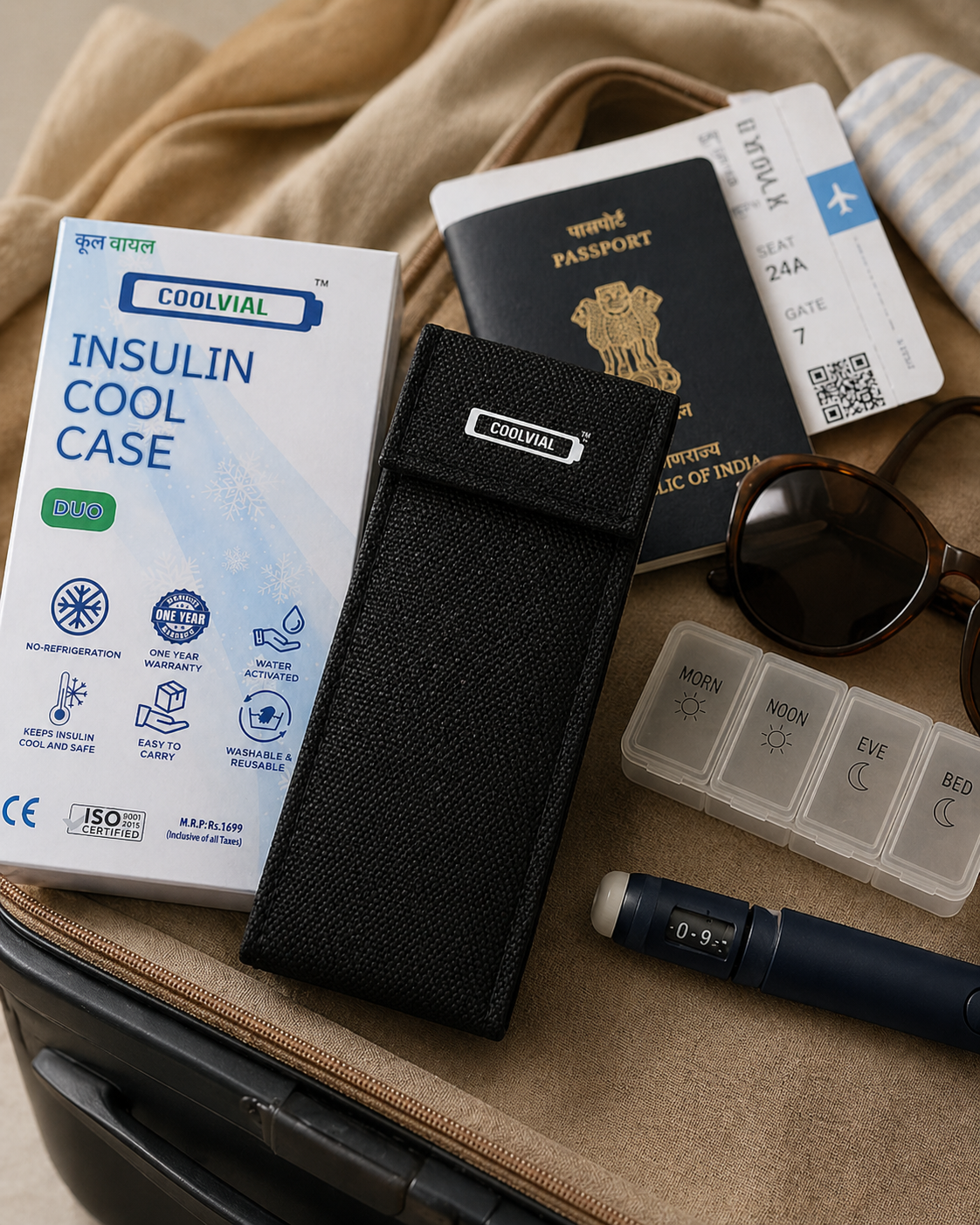
- Uninterrupted Travel: Whether you’re traveling across states by train, navigating local buses, or flying for business or leisure, a COOLVIAL case provides a portable, secure environment for your insulin. You no longer need to worry about the lack of refrigeration or temperature fluctuations in transit. For instance, during a long train journey from Delhi to Bengaluru, a COOLVIAL case keeps your NovoRapid cool and ready.
- Power Cut Resilience: In areas prone to frequent power outages, COOLVIAL acts as a crucial backup. It offers peace of mind, knowing your NovoRapid is protected even when your refrigerator isn’t working. This is particularly vital in rural areas or during monsoon seasons when electricity supply can be erratic.
- Durability and Convenience: Built to withstand daily use and travel, COOLVIAL cases are durable, compact, and easy to carry. They are designed for ease of use, making them a seamless addition to your daily diabetes management routine.
Investing in a high-quality insulin cool case like COOLVIAL is a proactive step towards ensuring the continuous efficacy of your NovoRapid. It empowers you to live a more flexible and worry-free life, knowing your essential medication is always stored correctly, regardless of India’s challenging conditions. Learn more about the COOLVIAL insulin cool case and how it can secure your insulin’s integrity.
Frequently Asked Questions about NovoRapid Storage
Managing NovoRapid in India often brings specific questions due to the unique local conditions. Here are answers to some common concerns, providing a quick reference to key aspects of this NovoRapid storage guide for India travel heat refrigeration tips.
Q: What is the ideal temperature range for unopened NovoRapid insulin in India? A: Unopened NovoRapid vials or pens should always be stored in a refrigerator at a temperature between 2°C and 8°C (36°F and 46°F) to ensure its maximum shelf life and potency until the expiry date.
Q: How long can opened NovoRapid be kept at room temperature in India? A: Once opened, NovoRapid can be kept at room temperature (below 30°C or 86°F) for up to 28 days. However, in many parts of India, especially during summer, room temperatures can easily exceed 30°C, requiring the use of cooling solutions like an insulin cool case.
Q: What happens if NovoRapid gets too hot or freezes? A: If NovoRapid is exposed to temperatures above 30°C, its protein structure can degrade, making it less effective or inactive. If it freezes, even partially, it should be discarded as freezing can also damage the insulin and render it ineffective. In either case, the insulin’s ability to lower blood sugar will be compromised.
**Q: Is
7 Essential NovoRapid Storage Tips for India: Travel, Heat & Refrigeration Guide
Don't let Indian heat spoil your insulin. COOLVIAL protects it for 48+ hours.
7 Essential NovoRapid Storage Tips for India: Travel, Heat & Refrigeration Guide
COOLVIAL keeps insulin safe in India's heat. 48+ hours, no electricity needed.