
Reviewed by the COOLVIAL Editorial Team — specialists in insulin storage for Indian climate conditions.
A sudden power cut in India can be a source of significant anxiety for anyone, but for individuals living with diabetes, it presents a critical challenge: how to keep insulin safe and effective when refrigeration is unavailable. Insulin, a life-saving medication, is highly sensitive to temperature fluctuations and can lose its potency if not stored correctly. This guide provides 10 essential steps to help you navigate a power cut in India, ensuring your insulin remains viable and your health isn’t compromised. Understanding these practical strategies and preparing beforehand is crucial, as improper storage, especially above 30°C, can quickly render insulin ineffective, potentially leading to serious health risks for the 101 million diabetics in India (Source: International Diabetes Federation, 2023).
This comprehensive article will equip you with vital knowledge, from understanding insulin’s temperature requirements to implementing India-specific solutions, ensuring you’re fully prepared for any power disruption. You will learn how to protect your medication, make informed decisions, and maintain your peace of mind during unexpected outages.
Table of Contents
- Why Insulin Storage Matters Critically During Power Cuts in India
- Understanding Insulin’s Temperature Needs: Core Concepts for Safe Storage
- Practical Tips for Insulin Storage During a Power Cut in India
- India-Specific Context: Climate, Travel, and Power Dynamics Impacting Insulin Safety
- COOLVIAL: Your Reliable Solution for Insulin Storage During a Power Cut in India
- Quick Reference: Essential Checklist and Frequently Asked Questions
- Conclusion: Staying Prepared and Safe
Why Insulin Storage Matters Critically During Power Cuts in India
India’s diverse climate, from the scorching summers of Rajasthan and Uttar Pradesh to the humid monsoons of Kerala and West Bengal, poses unique challenges for insulin storage. Compounding this, the country frequently experiences power cuts, ranging from scheduled load shedding in rural areas to sudden, prolonged outages caused by infrastructure issues or extreme weather events like cyclones in coastal regions. In 2022, a report by the Council on Energy, Environment and Water (CEEW) indicated that 78% of Indian households faced daily power cuts in summer, with some rural areas experiencing outages lasting 8-10 hours. Such disruptions directly threaten the efficacy of insulin, which requires precise temperature control.
Insulin is a protein, and like many proteins, it is highly sensitive to heat and freezing temperatures. When exposed to conditions outside its recommended range, typically 2°C to 8°C for refrigerated, unopened vials, or below 25°C-30°C for opened insulin in use, its molecular structure can break down. This degradation reduces its potency, meaning the insulin will not lower blood sugar effectively, even if the appearance remains unchanged. Using compromised insulin can lead to dangerously high blood sugar levels, increasing the risk of diabetic ketoacidosis (DKA) and other severe complications. The World Health Organization (WHO) and leading diabetes associations emphasize the critical importance of maintaining the cold chain for insulin to ensure patient safety and therapeutic effectiveness.
For the millions of Indians managing diabetes, especially those in remote areas or during travel, a power cut isn’t just an inconvenience; it’s a potential health crisis. The ability to maintain insulin at a safe temperature without constant electricity is paramount. Preparing for such scenarios is not merely an option but a necessity. This preparation involves understanding insulin’s specific needs, having backup storage solutions, and knowing how to react swiftly when the power goes out. Without proper planning for a power cut in india your insulin storage emergency guide becomes an indispensable tool for every diabetic household.
Understanding Insulin’s Temperature Needs: Core Concepts for Safe Storage
Insulin is a delicate biological product with specific temperature requirements that must be met to preserve its efficacy. Misunderstanding these requirements is a common pitfall that can lead to ineffective treatment and health complications. Let’s delve into the core concepts of insulin storage temperatures and why they are so crucial.
Unopened Insulin: The Cold Chain Imperative
Unopened insulin, whether in vials, pens, or cartridges, must be stored in a refrigerator at a temperature between 2°C and 8°C (36°F and 46°F). This range is crucial for maintaining its full potency until the expiration date printed on the packaging. Exposure to temperatures above 8°C for extended periods can accelerate degradation, while freezing (below 2°C) can damage the protein structure, rendering it ineffective. Once insulin has been frozen, it should never be used, even if it appears to thaw normally, as its efficacy is compromised. Many manufacturers specify that insulin should not be frozen at any point.
Opened Insulin: Room Temperature Guidelines
Once an insulin vial or pen is opened and put into use, its storage requirements change. Most manufacturers recommend storing opened insulin at room temperature, typically between 15°C and 30°C (59°F and 86°F), for a period of 28 days (four weeks). Some specific insulin types or pens might have slightly different recommendations, such as up to 42 days (six weeks) for certain insulin pens. It is vital to check the manufacturer’s instructions for your specific insulin product. The reason for this shift is that frequent refrigeration and warming can lead to condensation and aggregation of the insulin, which can also reduce its potency over time. However, this “room temperature” tolerance is still a narrow window, especially in countries like India where ambient temperatures can easily exceed 30°C.
The Dangers of Extreme Temperatures
- Heat (Above 30°C): Prolonged exposure to temperatures above 30°C (86°F) is the most common cause of insulin degradation. High heat causes the insulin protein to break down, forming clumps or fibrils that are no longer biologically active. This process is often irreversible. While the insulin might look normal, its ability to lower blood sugar is severely diminished. This is particularly relevant during a
power cut in india your insulin storage emergency guideneeds to address, as internal house temperatures can quickly rise. Research published in the NCBI highlights the significant impact of temperature excursions on insulin stability (Source: NCBI, 2018). - Freezing (Below 2°C): Freezing damages insulin by causing the formation of ice crystals that disrupt its molecular structure. Once frozen, insulin should be discarded. This can be a concern in extremely cold regions or if stored improperly in a freezer compartment during a power outage when temperatures might fluctuate unpredictably.
Recognizing Compromised Insulin
While it’s not always obvious, there are some signs that insulin may have been compromised by temperature:
- Clumping or “frosting”: Small particles or a frosted appearance in clear insulin (e.g., Novorapid, Humalog).
- Discoloration: Clear insulin becoming cloudy or yellowish.
- Granules or solid particles: In cloudy insulin (e.g., Humulin N, Mixtard), granules that don’t readily disperse after gentle rolling.
- Reduced effectiveness: The most critical sign is when your blood sugar levels remain high despite taking your usual dose of insulin. If you suspect your insulin is not working, test your blood sugar more frequently and contact your doctor immediately.
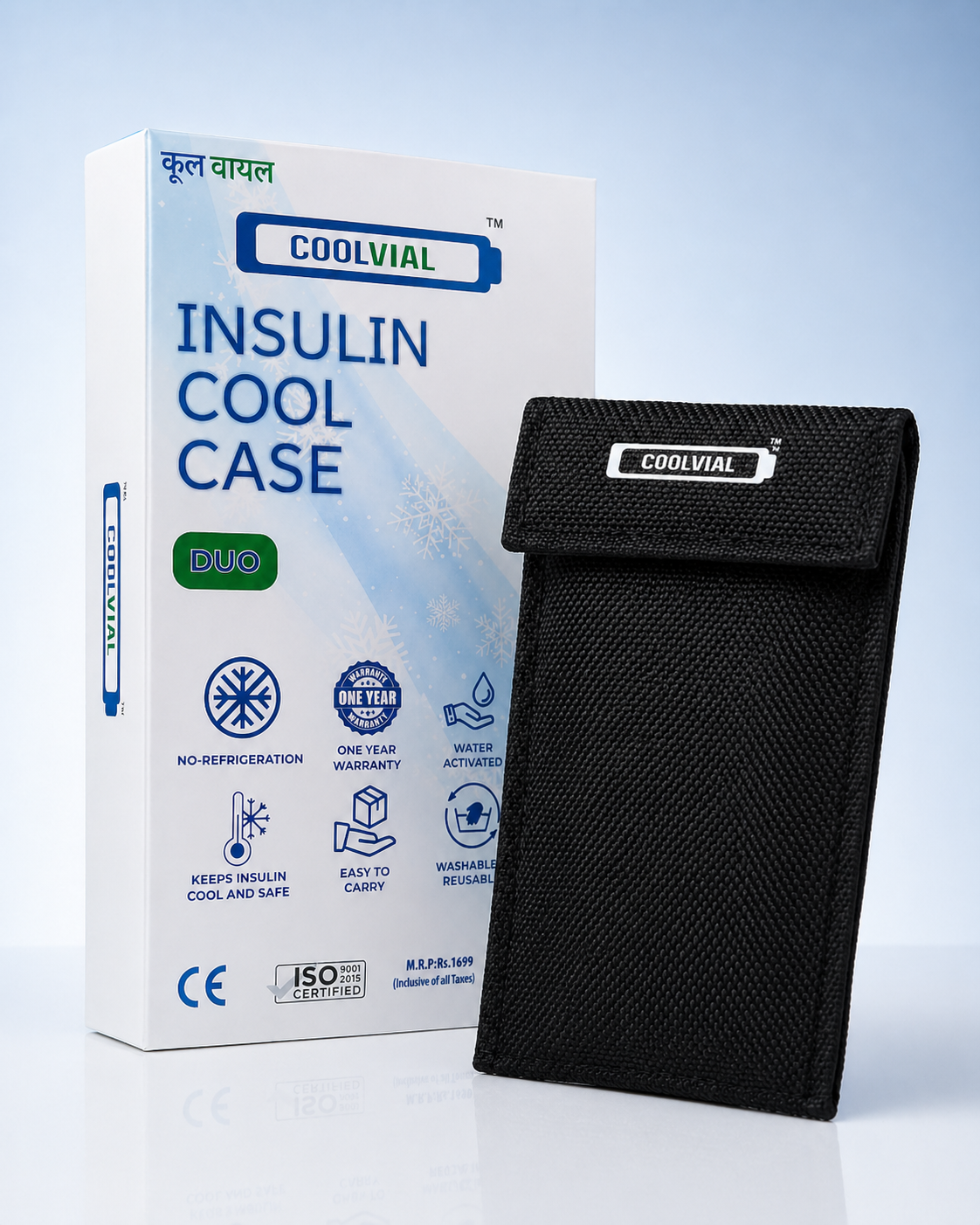
10 Essential Steps: Your Safe Insulin Storage Emergency Guide During a Power Cut in India
Keep your insulin safe in India's extreme heat. COOLVIAL works for 48+ hours without electricity.
Understanding these temperature dynamics is the foundation of effective insulin management, particularly when facing unpredictable challenges like a power cut in India.
10 Essential Steps: Your Safe Insulin Storage Emergency Guide During a Power Cut in India
Insulin at 2-8°C for 48+ hours. Trusted by 10,000+ Indian diabetics.
Practical Tips for Insulin Storage During a Power Cut in India
When the lights go out, panic is not an option. Instead, a well-thought-out plan and quick action are your best allies for safe insulin storage. Here are practical steps to follow during a power cut in india your insulin storage emergency guide for every diabetic.
-
Prioritize and Inventory Your Insulin:
- Assess how much insulin you have, both opened and unopened.
- Determine which insulin is currently in use (opened) and which is your backup supply (unopened).
- Remember, unopened insulin has stricter cold chain requirements (2-8°C). Opened insulin can tolerate higher room temperatures (up to 25-30°C) for its 28-day shelf life.
-
Keep Your Refrigerator Closed:
- The most effective way to keep your insulin (and other perishables) cool in a refrigerator during a power cut is to keep the door closed as much as possible.
- A full refrigerator will stay cold longer than an empty one. If possible, fill empty spaces with water bottles or ice packs.
- An unopened refrigerator can keep food, and insulin, cold for about 4 hours. A freezer can maintain temperature for about 48 hours if full, 24 hours if half-full.
-
Utilize Ice Packs or Gel Packs:
- If you have frozen ice packs or gel packs, transfer your unopened insulin (and any opened insulin if ambient temperatures are high) to a small, insulated cooler bag or box.
- Ensure the insulin does not directly touch the ice packs to prevent freezing. Wrap insulin vials or pens in a cloth or paper towel before placing them in the cooler.
- Replace ice packs as they melt, if possible.
-
Seek a Cooler Location in Your Home:
- Identify the coolest room in your house. This might be a ground-floor room, a room away from direct sunlight, or one with thicker walls.
- Keep curtains or blinds closed to block out heat.
- Avoid storing insulin near windows, in direct sunlight, or near heat-generating appliances.
-
Use a Thermometer for Monitoring:
- Invest in a small, inexpensive thermometer for your cooler or storage area. This allows you to monitor the temperature and ensure it stays within the safe range (below 25-30°C for opened, 2-8°C for unopened, if possible).
- Temperature monitoring is crucial, especially in Indian summers where ambient temperatures can easily exceed 40°C.
-
Consider a Specialized Insulin Cool Case:
- For longer power cuts or frequent travel, a specialized insulin cool case is an invaluable investment. These cases are designed to maintain insulin at safe temperatures (typically 2-8°C or 15-25°C, depending on the model) for extended periods without electricity.
- Brands like COOLVIAL offer robust solutions specifically designed for the Indian climate. A COOLVIAL insulin cool case can be a game-changer for reliable storage.
-
Rotate Your Insulin Supply:
- Use insulin that has been out of the fridge for longer periods first.
- Keep track of when you started using a vial or pen and mark the date. Remember the 28-day (or specific manufacturer’s) rule for opened insulin at room temperature.
-
Stay Hydrated and Monitor Blood Sugar:
- Stress and temperature changes can affect blood sugar levels. Keep yourself well-hydrated.
- Monitor your blood sugar more frequently during a power cut, especially if you suspect your insulin might have been exposed to adverse temperatures.
-
Prepare an Emergency Kit:
- Always have an emergency kit ready. This should include extra insulin, syringes/pens, alcohol swabs, blood glucose test strips, lancets, and a glucometer with fresh batteries.
- Include a small, portable cooler bag and a few reusable ice packs.
- For more comprehensive preparation, refer to our insulin storage tips to ensure you’re always ready.
-
Know When to Discard and When to Use:
- If unopened insulin has been exposed to temperatures above 8°C for more than a few hours, or above 30°C for any significant period, it’s generally safer to discard it.
- If opened insulin has been exposed to temperatures significantly above 30°C for more than a few hours, or if you notice any changes in appearance or a lack of effectiveness, it’s best to err on the side of caution and discard it.
- Never use insulin that has been frozen.
By implementing these steps, you can significantly mitigate the risks associated with a power cut in India, ensuring your insulin remains effective and your health is protected.
India-Specific Context: Climate, Travel, and Power Dynamics Impacting Insulin Safety
India’s unique geographical and socio-economic landscape presents a complex set of challenges for individuals managing diabetes, particularly concerning insulin storage. Understanding these specific conditions is vital for developing effective, localized strategies.
Extreme Climate Conditions
- Scorching Summers: Regions like Delhi, Rajasthan, Madhya Pradesh, and parts of Uttar Pradesh regularly experience summer temperatures exceeding 45°C (113°F). Even indoors, temperatures can easily climb above 35°C (95°F) without air conditioning, far exceeding the safe storage limits for opened insulin (typically 25-30°C) and rapidly degrading unopened insulin.
- High Humidity: Coastal cities like Mumbai, Chennai, and Kolkata, as well as states like Kerala, face high humidity levels year-round, particularly during the monsoon season. While humidity itself doesn’t directly harm insulin, it can exacerbate the effects of heat by making the ambient environment feel hotter and potentially affecting battery-operated cooling devices.
- Monsoon Season: Heavy rains during the monsoon can lead to widespread power outages due to flooding, lightning strikes, and damaged infrastructure. These outages can be prolonged, lasting days in some areas, making reliable insulin storage a critical concern.
Unpredictable Power Scenarios
- Load Shedding: Many parts of India, especially rural and semi-urban areas, experience scheduled power cuts (load shedding) during peak demand periods, which can last for several hours daily. While these are often predictable, they still necessitate alternative storage solutions.
- Unscheduled Outages: Beyond scheduled cuts, unexpected power failures due to grid overloads, equipment malfunctions, or natural disasters are common across the country. These sudden disruptions leave little time for preparation. According to a 2023 report by India Smart Grid Forum, the average duration of power interruptions in India still varies significantly, with some states experiencing significantly longer outages than others.
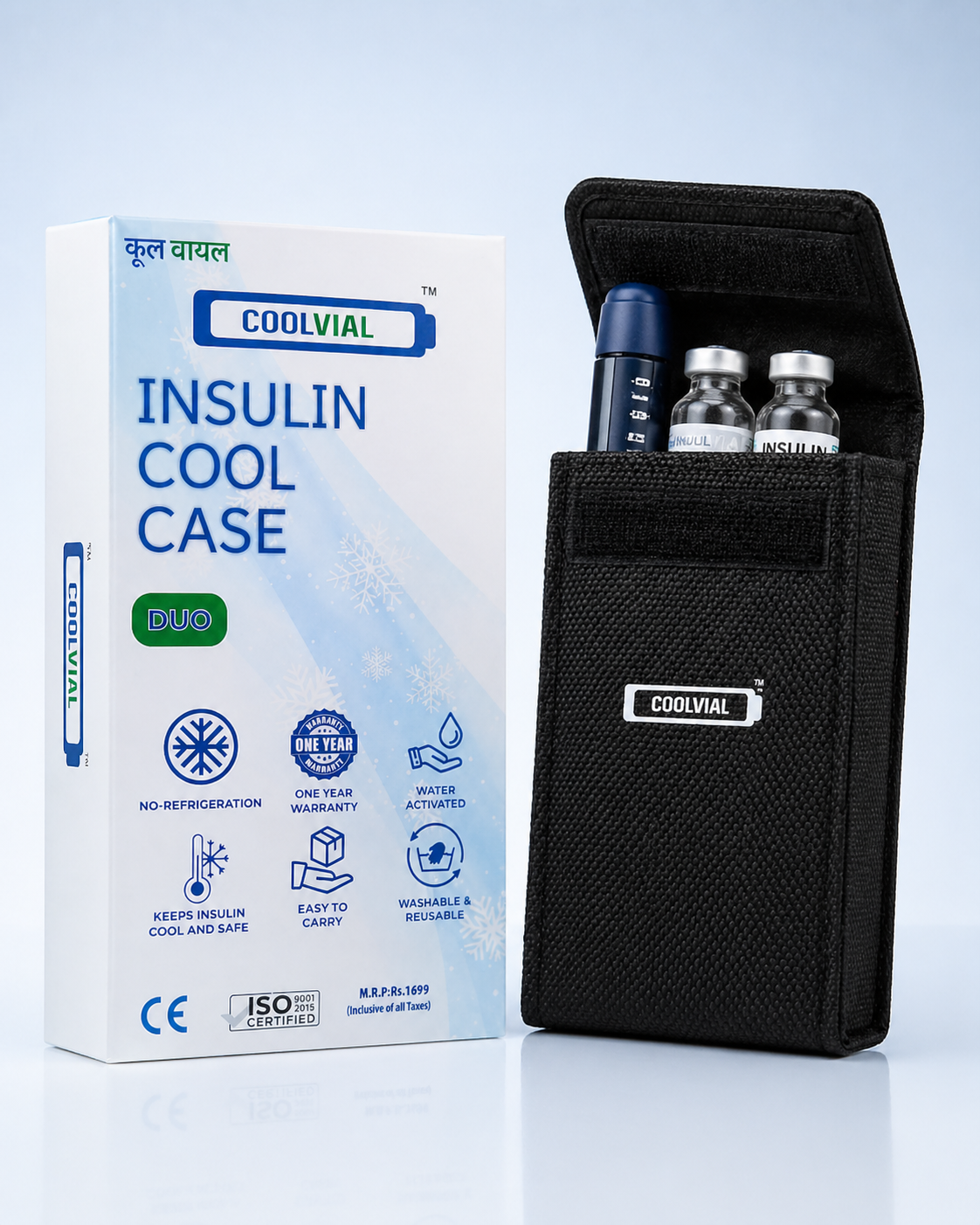
10 Essential Steps: Your Safe Insulin Storage Emergency Guide During a Power Cut in India
COOLVIAL keeps insulin at 2-8°C for 48+ hours. No electricity needed.
Travel and Mobility Challenges
10 Essential Steps: Your Safe Insulin Storage Emergency Guide During a Power Cut in India
- Extensive Travel: Indians frequently travel across states for work, family, or pilgrimages. This often involves long journeys by train, bus, or car, where access to refrigeration or stable cool environments is limited. A
power cut in india your insulin storage emergency guidemust consider these mobile scenarios. - Public Transport: Buses and trains, while essential for connectivity, often lack temperature-controlled environments suitable for insulin. Passengers are exposed to ambient temperatures, which can be very high, especially during summer travel across the plains.
- Remote Areas: Many individuals with diabetes live in remote villages or areas with unreliable electricity infrastructure, making traditional refrigeration dependent on power.
Socio-Economic Factors
- Affordability: While specialized cooling solutions exist, their cost can be a barrier for many. Access to reliable, affordable, and durable insulin cooling devices is crucial for widespread adoption.
- Awareness: Despite the prevalence of diabetes, awareness about proper insulin storage, particularly during power outages, is not universal. Educational initiatives are vital to empower patients with the knowledge to protect their medication.
These factors underscore the need for resilient and practical solutions tailored to the Indian context. Relying solely on a home refrigerator is insufficient when a power cut in india your insulin storage emergency guide is truly needed. Robust, portable, and easy-to-use cooling solutions become indispensable for maintaining insulin efficacy and, ultimately, patient health in this challenging environment.
COOLVIAL: Your Reliable Solution for Insulin Storage During a Power Cut in India
In a country where power cuts are a frequent reality and ambient temperatures can soar, a dedicated solution for insulin storage is not a luxury, but a necessity. This is where COOLVIAL steps in, offering a practical and reliable answer to the challenge of how to manage your insulin during a power cut in india your insulin storage emergency guide situation.
COOLVIAL insulin cool cases are specifically designed with the Indian climate and lifestyle in mind. They provide a vital bridge when your refrigerator is out of action, or when you’re on the move, ensuring your life-saving medication remains at its optimal temperature.
How COOLVIAL Addresses Indian Challenges:
- Extended Cooling Duration: Unlike basic ice packs that melt quickly in intense Indian heat, COOLVIAL cases are engineered to maintain safe temperatures for insulin for extended periods. This is crucial during prolonged power outages or long-distance travel across states like Rajasthan or Maharashtra.
- Optimal Temperature Range: COOLVIAL cases typically maintain insulin within the recommended safe temperature range, often between 2°C to 8°C or 15°C to 25°C, depending on the model and external conditions. This prevents both freezing and overheating, the two primary threats to insulin potency.
- Robust and Portable Design: Built to withstand the rigors of daily use and travel, COOLVIAL cases are compact, lightweight, and durable. They can easily be carried in a handbag, backpack, or luggage, making them ideal for daily commutes, train journeys, bus travel, or even during festivals like Diwali or Durga Puja when you might be away from home for extended periods.
- No Electricity Required: The core benefit of a COOLVIAL cool case is its independence from electricity. Most models utilize advanced cooling gel technology or vacuum insulation, requiring only pre-cooling of the gel packs in a standard refrigerator or freezer before use. This makes them perfect for unexpected power cuts in India, ensuring continuous protection.
COOLVIAL vs. Traditional Methods:
| Feature | Traditional Ice Pack in Lunchbox | COOLVIAL Insulin Cool Case |
|---|---|---|
| Cooling Duration | Short (2-4 hours), melts fast | Long (up to 24-48 hours) |
| Temperature Control | Inconsistent, risk of freezing/overheating | Consistent, safe range (2-8°C or 15-25°C) |
| Protection from Damage | Minimal, prone to leaks | Robust, shock-absorbent |
| Portability | Bulky, can leak | Compact, leak-proof |
| Indian Climate Suitability | Poor, especially in summers | Excellent, designed for high ambient temps |
| Power Dependency | Requires freezer to re-freeze ice | Requires initial freezer access, then self-sufficient for hours/days |
Investing in a COOLVIAL solution is a proactive step towards safeguarding your health and ensuring peace of mind. It means you are prepared for the unpredictable nature of electricity supply in India, whether you are at home in Bengaluru, travelling through Uttar Pradesh, or visiting family in Kerala. It’s a small investment that offers immense security, allowing you to focus on living your life without constant worry about your insulin’s integrity.
Quick Reference: Essential Checklist and Frequently Asked Questions
Being prepared is the best defense against the challenges of a power cut in India. This quick reference guide provides an actionable checklist and answers to common concerns, making your power cut in india your insulin storage emergency guide complete.
Emergency Insulin Storage Checklist:
- Have an insulated cool bag/box: Keep it readily accessible with at least two reusable gel/ice packs.
- Pre-freeze gel/ice packs: Always have at least one set of gel/ice packs frozen and ready in your freezer. Rotate them if needed.
- Invest in a COOLVIAL insulin cool case: A dedicated solution designed for prolonged cooling without electricity.
- Purchase a small thermometer: To monitor temperatures inside your cooler or storage area.
- Know your insulin’s specific storage instructions: Especially the room temperature tolerance for opened vials/pens (typically 28 days, max 25-30°C).
- Keep emergency contact numbers handy: Doctor, pharmacy, and a trusted friend/family member.
- Maintain a buffer supply of insulin: Aim for at least 7-10 days’ extra supply if possible.
- Charge all essential devices: Phone, power bank, and any battery-operated glucometers.
- Identify the coolest spot in your home: For temporary storage during an outage.
- Educate family members: Ensure they know how to handle your insulin during an emergency.
Frequently Asked Questions (FAQ):
Q: What happens if my insulin gets too hot during a power cut in India? A: If your insulin is exposed to temperatures significantly above 30°C for an extended period, it can lose its potency. This means it will not lower your blood sugar effectively, even if it looks normal. It’s generally safer to discard compromised insulin and use a fresh supply if available.
Q: Can I put my insulin directly on ice packs in an emergency? A: No, direct contact with ice packs can cause insulin to freeze, which also damages its protein structure and makes it ineffective. Always wrap insulin vials or pens in a cloth, newspaper, or paper towel to create a buffer layer between the insulin and the ice pack.
Q: How long can insulin be stored at room temperature (without refrigeration) during a power outage? A: Once opened, most insulin vials or pens can be stored at room temperature (typically between 15°C and 30°C) for up to 28 days. If the ambient temperature consistently exceeds 30°C, the insulin’s effectiveness will degrade more rapidly, so using a cooling solution is critical. Unopened insulin requires stricter refrigeration (2-8°C) until put into use.
Q: Is it safe to use insulin that was exposed to a power cut if it still looks normal? A: While visual inspection can sometimes reveal issues (clumping, discoloration), insulin can lose potency due to heat exposure even if it looks normal. If you suspect your insulin was exposed to extreme temperatures, monitor your blood sugar closely. If your blood sugar remains high despite your usual dose, the insulin may be compromised, and you should use new insulin and contact your doctor.
Q: Where can I find a reliable insulin cool case in India? A: You can find reliable insulin cool cases specifically designed for Indian conditions from brands like COOLVIAL. These cases are engineered to maintain safe temperatures for extended periods without electricity, providing peace of mind during power cuts and travel.
Q: What if I’m traveling by train or bus and there’s a power cut at home? A: When traveling, it’s essential to carry your insulin in a reliable, portable cool case like COOLVIAL. If a power cut occurs at home, your travel-safe storage ensures your medication is protected. For your supply at home, ensure family members are aware of emergency storage protocols.
Conclusion: Staying Prepared and Safe
Navigating life with diabetes in India, particularly amidst the challenge of frequent power cuts and varying climates, demands proactive planning and reliable solutions. A power cut in india your insulin storage emergency guide is not just theoretical knowledge; it’s a practical blueprint for safeguarding your health. We’ve explored the critical importance of maintaining optimal insulin temperatures, the specific threats posed by India’s conditions, and actionable steps to take during an emergency.
Remember, insulin is a delicate medication that requires care. Understanding its temperature sensitivities, having an emergency plan, and investing in appropriate storage solutions are paramount. By following the 10 essential steps outlined in this guide, you can significantly reduce the risk of insulin degradation and ensure its continued effectiveness, even when the power goes out.
For ultimate peace of mind and reliable insulin storage, especially during a power cut in india your insulin storage emergency guide scenario or while travelling, consider a dedicated solution like COOLVIAL. Designed for Indian conditions, it provides consistent cooling without electricity, ensuring your medication is safe. Don’t wait for an emergency to prepare. Take control of your insulin storage today. To learn more or to buy COOLVIAL at ₹1,099, simply send a message via WhatsApp to wa.me/918766952300. Your health is worth this vital preparation.
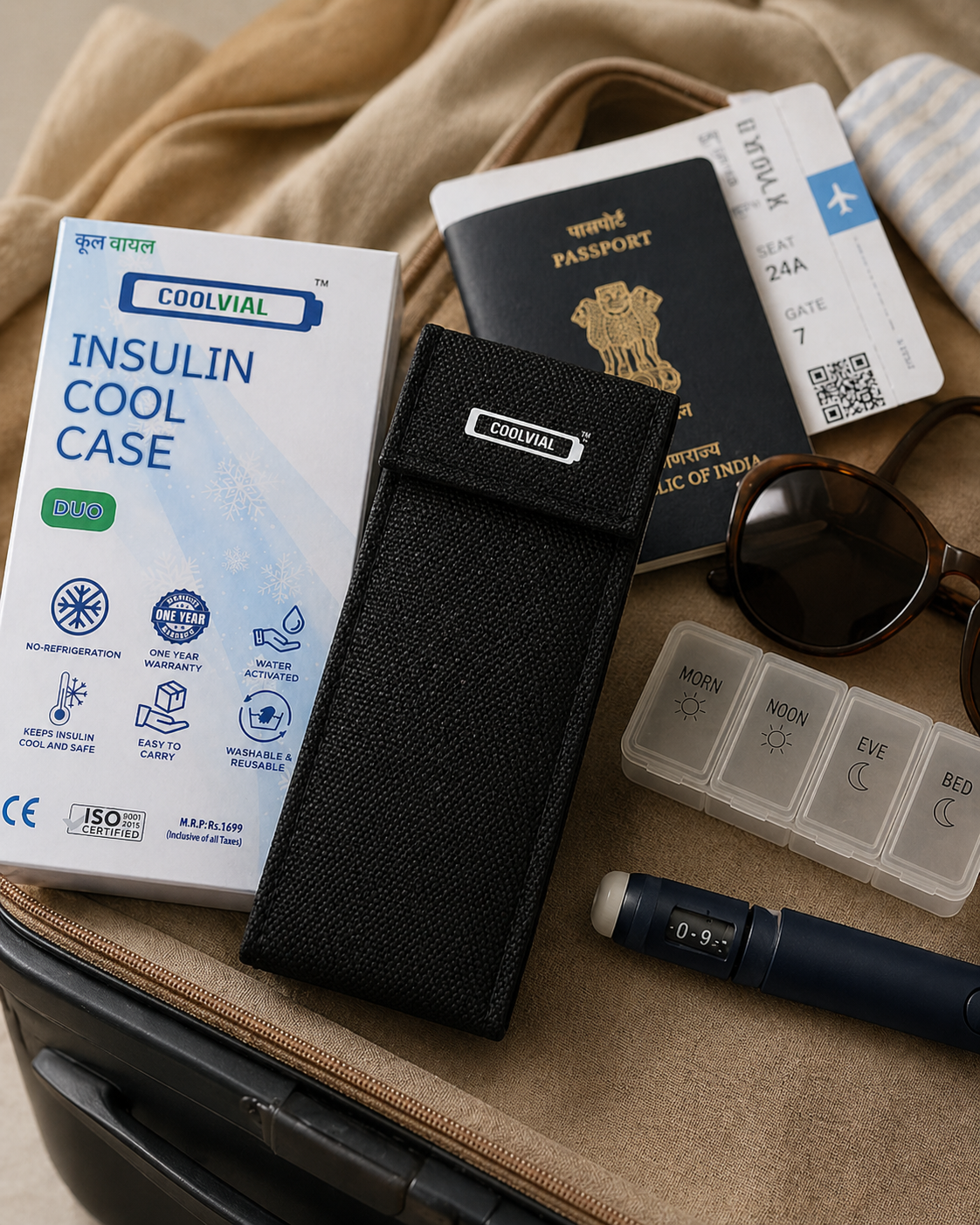
10 Essential Steps: Your Safe Insulin Storage Emergency Guide During a Power Cut in India
48+ hours at 2-8°C. No electricity. CE certified. Free delivery across India.
Order on WhatsApp — ₹1,099🛒 Buy Now — ₹1,099