
Reviewed by the COOLVIAL Editorial Team — specialists in insulin storage for Indian climate conditions.
Living with diabetes in India means navigating unique challenges, especially when it comes to insulin management. One of the most critical aspects, yet often overlooked, is proper insulin storage. Many Indian diabetics unknowingly make common storage mistakes that can severely impact their insulin’s effectiveness, leading to compromised blood sugar control. The 7 proven insulin storage mistakes most Indian diabetics make include: (1) not refrigerating unopened insulin, (2) exposing active insulin to high temperatures above 30°C, (3) freezing insulin, (4) ignoring expiry dates and ‘opened’ shelf life, (5) improper travel storage, (6) storing in direct sunlight or near heat sources, and (7) relying solely on domestic refrigerators without monitoring. Insulin is a delicate protein; unopened vials must be kept between 2-8°C, while opened insulin pens and vials are generally stable at room temperature (15-25°C) for a limited period, typically 28 days. Any deviation from these temperature guidelines can quickly degrade insulin, rendering it less potent.
This article will delve into these critical errors, explain why they matter, and provide practical, India-specific solutions to help you maintain your insulin’s integrity. By understanding and avoiding these 7 insulin storage mistakes, you can ensure your medication remains effective, supporting better health outcomes and peace of mind.
Table of Contents
- Why Proper Insulin Storage Matters in India: Avoiding Common Pitfalls
- Understanding Insulin: Core Concepts for Effective Preservation
- Practical Tips to Avoid the 7 Insulin Storage Mistakes Most Indian Diabetics Make
- Navigating India’s Diverse Climates: Region-Specific Insulin Storage Strategies
- COOLVIAL: Your Reliable Partner Against Common Insulin Storage Mistakes
- Frequently Asked Questions About Insulin Storage
- Ensuring Insulin Efficacy: A Summary of Best Practices
Why Proper Insulin Storage Matters in India: Avoiding Common Pitfalls
For millions of Indians living with diabetes, insulin is a life-saving medication. However, its effectiveness hinges entirely on proper storage. India’s diverse and often extreme climate, coupled with infrastructure challenges like frequent power cuts, makes insulin storage a particularly complex issue. When insulin is not stored correctly, it can lose its potency, leading to fluctuating blood sugar levels, poor glycemic control, and a higher risk of complications. This is a critical concern, especially considering India had 101 million diabetics in 2023, according to the International Diabetes Federation (IDF).
Degraded insulin, which may appear cloudy, discolored, or contain particles, simply will not work as intended. This means patients might be injecting what they believe is the correct dose, but receiving little to no therapeutic benefit. The consequences can range from persistent high blood sugar to diabetic ketoacidosis, a serious and life-threatening condition. Therefore, understanding and meticulously following storage guidelines is non-negotiable for anyone relying on insulin.
The challenges are manifold. Summer temperatures in many Indian cities, such as Delhi, Jaipur, and Nagpur, routinely exceed 45°C. Even during cooler months, indoor temperatures can easily rise above the recommended maximum for opened insulin. Furthermore, rural areas and even some urban centers face daily power cuts, especially during peak summer, which can compromise refrigerator temperatures. A study highlighted the importance of maintaining proper temperatures for insulin stability, noting that exposure to extreme temperatures can lead to irreversible degradation (Source: National Institutes of Health).
Beyond temperature, factors like humidity and direct sunlight also play a significant role in insulin degradation. Many Indian homes, especially in coastal regions like Mumbai or Chennai, experience high humidity, which can affect insulin if packaging is compromised. The sheer volume of patients in India means that even small, widespread errors in storage accumulate into a major public health concern. Addressing these 7 insulin storage mistakes is therefore paramount for effective diabetes management across the country.
Here are some common challenges that make proper insulin storage vital in India:
- Extreme Heat: Many parts of India experience prolonged periods of high temperatures, often exceeding 40°C. This poses a direct threat to insulin’s integrity.
- Power Fluctuations & Cuts: Unreliable electricity supply, particularly in semi-urban and rural areas, can disrupt refrigeration and expose insulin to fluctuating temperatures.
- Travel Conditions: Long journeys by bus or train, often without temperature-controlled environments, can expose insulin to heat and direct sunlight.
- Awareness Gaps: A lack of comprehensive understanding about insulin’s delicate nature and precise storage requirements among patients and even some healthcare providers.
- Accessibility to Solutions: Limited access to reliable and affordable insulin cooling solutions for daily use and travel.
Understanding Insulin: Core Concepts for Effective Preservation
 Cool Case" style="width:120px;height:120px;object-fit:contain;border-radius:8px;flex-shrink:0;">
7 Proven Insulin Storage Mistakes Most Indian Diabetics Make
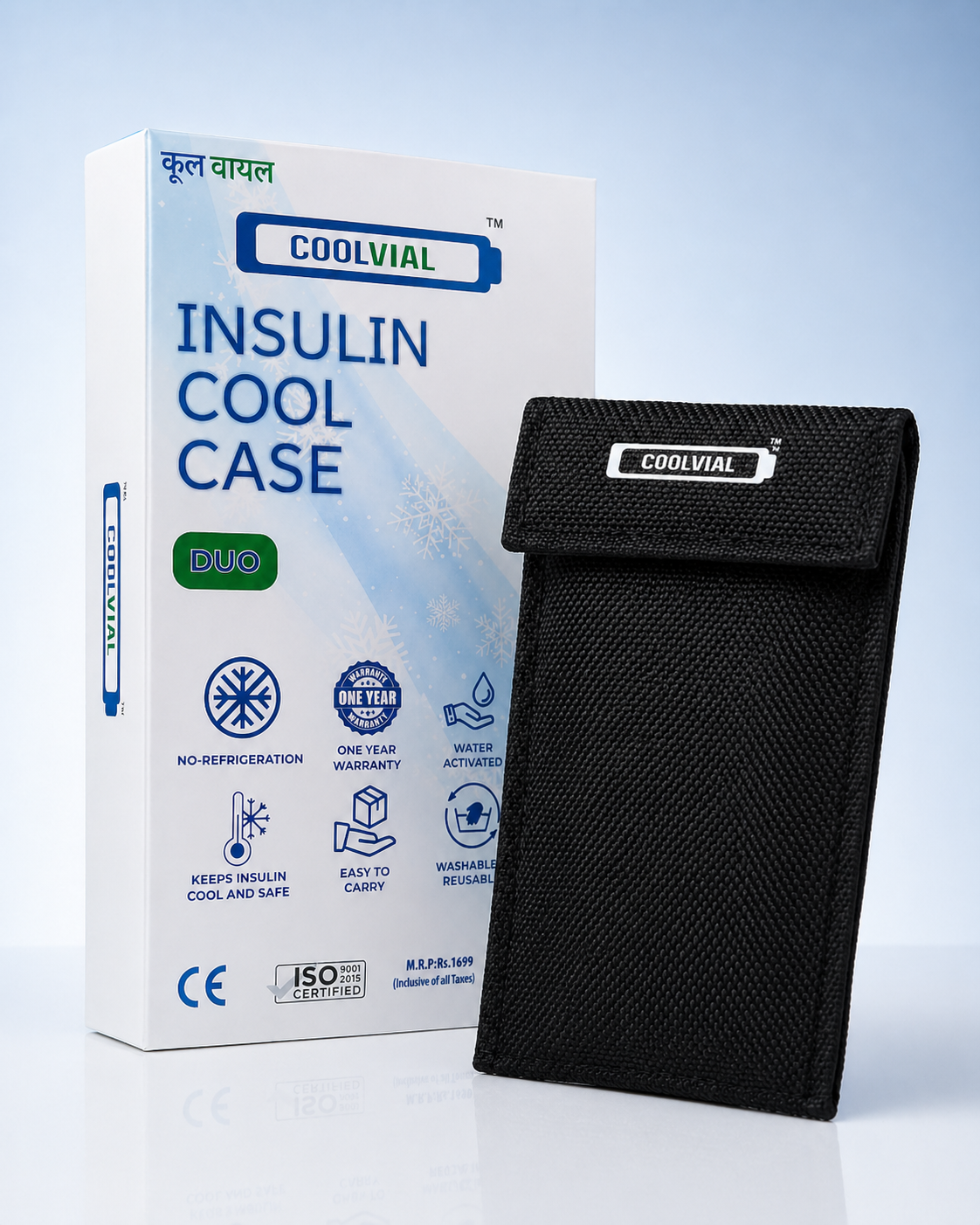
Keep your insulin safe in India's extreme heat. COOLVIAL works for 48+ hours without electricity.
Order on WhatsApp — ₹1,099🛒 Buy Now — ₹1,099Insulin is a polypeptide hormone, meaning it’s a protein. Like many proteins, its molecular structure is highly sensitive to environmental factors, especially temperature extremes. When exposed to temperatures outside its optimal range, insulin can undergo denaturation, where its three-dimensional structure unravels or aggregates. This structural change renders the insulin inactive or significantly reduces its ability to lower blood glucose.
The goal of proper storage is to maintain insulin’s structural integrity, ensuring that every unit you inject delivers its full therapeutic effect. Understanding the “why” behind the rules empowers you to make informed decisions and avoid the common storage pitfalls.
Optimal Temperature Ranges for Unopened Insulin
Unopened insulin vials, pens, or cartridges require refrigeration to maintain their potency for their full shelf life, which can be several months or even years, depending on the manufacturer. The universally recommended temperature range for unopened insulin is 2°C to 8°C (36°F to 46°F). This is typically the temperature found in the main compartment of a household refrigerator.
Storing insulin below 2°C can lead to freezing, while temperatures above 8°C, even if still cool, can gradually diminish its efficacy over time. Always check the manufacturer’s specific guidelines, but this 2-8°C range is a standard for long-term storage of insulin that has not yet been punctured or used.
Optimal Temperature Ranges for Opened Insulin
Once an insulin vial or pen is opened (punctured with a needle) or taken out of the refrigerator for daily use, its storage requirements change. It no longer needs to be refrigerated and should generally be stored at room temperature, typically between 15°C and 25°C (59°F and 77°F). However, it’s crucial to note that this “room temperature” stability is for a limited duration.
Most insulin preparations are stable at room temperature for 28 days (4 weeks) after opening. Some specific formulations might allow for up to 42 days (6 weeks), so always consult the package insert for your particular brand and type of insulin. After this period, even if some insulin remains, it should be discarded, as its potency cannot be guaranteed.
The Dangers of Freezing and High Heat
Both freezing and exposure to high heat are detrimental to insulin.
- Freezing: If insulin freezes, even partially, its protein structure is permanently damaged. Do not use insulin that has been frozen, even if it thaws. It will lose its effectiveness. This is why storing insulin too close to the freezer compartment in a refrigerator or in extremely cold conditions (e.g., in a car overnight during winter in North India) is a mistake.
- High Heat: Exposure to temperatures above 30°C (86°F) can rapidly degrade insulin. In India, with scorching summers, this is a constant threat. Keeping insulin in a hot car, direct sunlight, or even in a warm handbag for extended periods can quickly render it ineffective. High heat accelerates the breakdown of the insulin molecule, leading to a significant loss of potency.
Here’s a quick reference table for insulin storage guidelines:
"Finally a cooler that works in Indian summers. Insulin stayed perfect during a 3-day power cut." — Ramesh, Chennai
7 Proven Insulin Storage Mistakes Most Indian Diabetics Make
CE Certified · Free Delivery · 1-Year Warranty · Made for India
📲 Buy on WhatsApp — ₹1,099🛒 Buy Now — ₹1,099
7 Proven Insulin Storage Mistakes Most Indian Diabetics Make
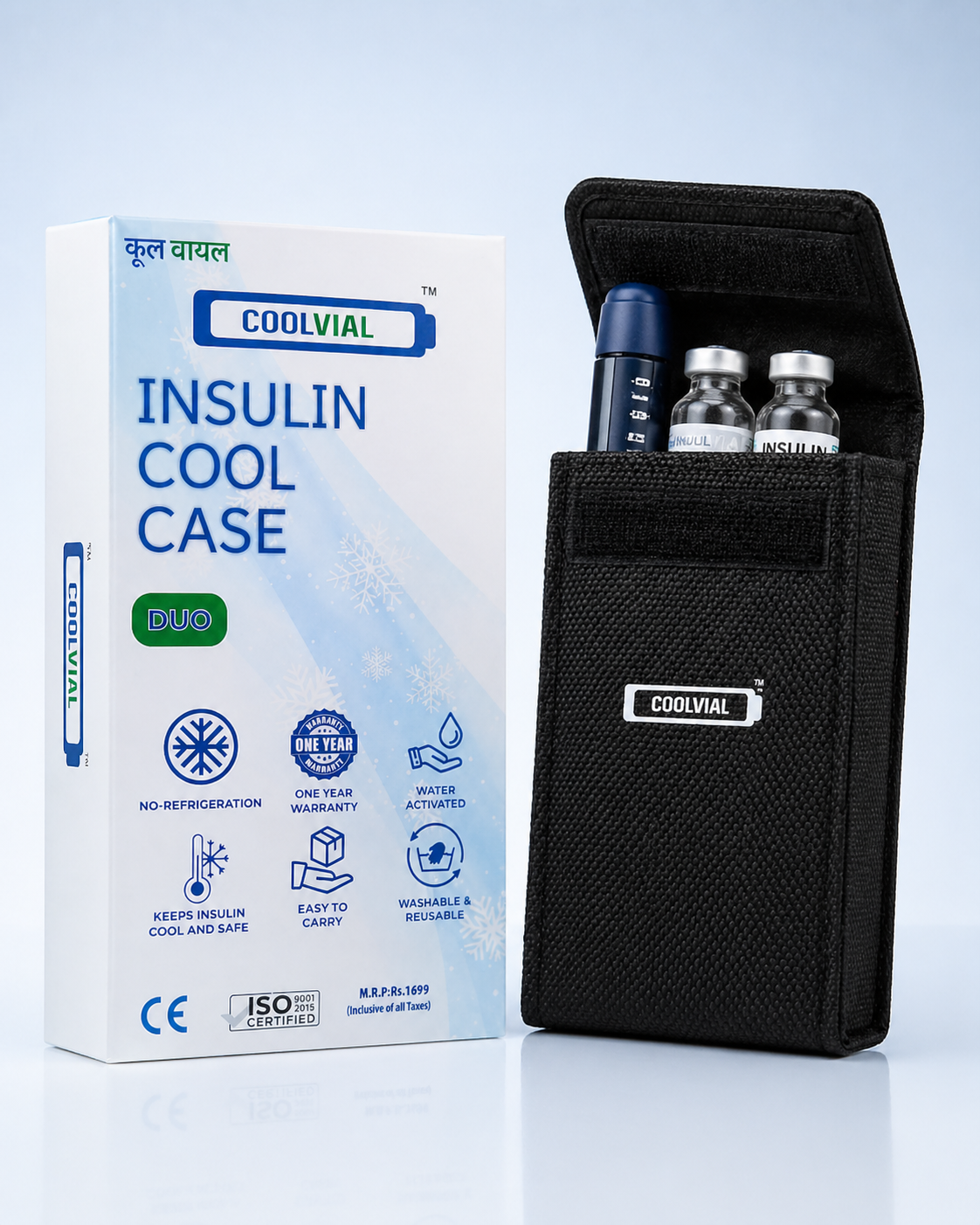
Keep your insulin safe in India's extreme heat. COOLVIAL works for 48+ hours without electricity.
| Insulin State | Recommended Temperature Range | Duration | Key Considerations |
|---|---|---|---|
| Unopened | 2°C to 8°C (36°F to 46°F) | Until Expiry Date | Refrigerate; do NOT freeze. |
| Opened/In Use | 15°C to 25°C (59°F to 77°F) | 28 days (some up to 42 days) | Store at room temp; keep away from heat/direct sun. |
| Exposure Above 30°C | Not Recommended | Rapid Degradation | Discard if exposed for prolonged periods. |
| Freezing (below 0°C) | Not Recommended | Irreversible Damage | Discard immediately. |
Practical Tips to Avoid the 7 Insulin Storage Mistakes Most Indian Diabetics Make
Understanding the principles is the first step; putting them into practice is crucial. Here are practical tips to avoid the 7 insulin storage mistakes most Indian diabetics make, ensuring your medication remains potent and effective.
-
Mistake: Not Refrigerating Unopened Insulin Vials/Pens
- Tip: Always store unopened insulin in the refrigerator, ideally in the main compartment, away from the freezer section. The recommended range is 2°C to 8°C. This ensures maximum shelf life until you’re ready to use it. Many Indian households keep medicines at room temperature, but insulin is an exception for long-term storage.
-
Mistake: Exposing Active Insulin to High Temperatures (Above 30°C)
- Tip: Once opened and in use, insulin can be kept at room temperature (15-25°C) for up to 28 days. However, in India, “room temperature” often exceeds this, especially in summer. Never leave insulin in a hot car, direct sunlight, or near a stove/heater. If your ambient temperature is consistently above 25°C, consider using a specialized cooling solution like the COOLVIAL insulin cool case to maintain the optimal temperature range.
-
Mistake: Freezing Insulin
- Tip: Never allow insulin to freeze. Freezing destroys its protein structure. Do not store insulin in the freezer, or in the coldest part of your refrigerator where freezing might occur. If you suspect your insulin has frozen, even partially, discard it immediately, as it will be ineffective.
-
Mistake: Ignoring Expiry Dates and ‘Opened’ Shelf Life
- Tip: Always check the expiry date on unopened insulin. For opened insulin, mark the date you started using it on the vial or pen with a permanent marker. Discard opened insulin after its recommended period (usually 28 days, sometimes 42 days, as per manufacturer’s instructions), even if there’s still medication left. Potency degrades over time once exposed to air.
-
Mistake: Improper Travel Storage
- Tip: When travelling, especially across states in India by train or bus, always carry insulin in an insulated container. Avoid storing it in checked luggage on flights, as cargo holds can experience extreme temperatures. A specialized insulin cool case is essential for maintaining temperatures between 15-25°C without refrigeration, protecting it from both heat and freezing.
-
Mistake: Storing in Direct Sunlight or Near Heat Sources
- Tip: Direct sunlight can rapidly heat insulin, causing irreversible damage. Always store insulin in a cool, dark place, away from windows, stoves, radiators, or any other heat-emitting appliances. Even a warm kitchen counter during cooking can be detrimental.
-
Mistake: Relying Solely on Domestic Refrigerators Without Monitoring
- Tip: While refrigerators are necessary for unopened insulin, their internal temperatures can fluctuate due to frequent opening, power cuts, or inconsistent thermostat settings. Consider using a fridge thermometer to monitor the temperature regularly and ensure it stays within the 2-8°C range. During power cuts, keep the refrigerator door closed as much as possible to retain coolness.
By diligently following these practical tips, you can significantly reduce the risk of these 7 insulin storage mistakes, ensuring your insulin remains effective and supports your diabetes management goals.
Navigating India’s Diverse Climates: Region-Specific Insulin Storage Strategies
India’s vast geographical expanse means a wide array of climate conditions, each presenting unique challenges
7 Proven Insulin Storage Mistakes Most Indian Diabetics Make
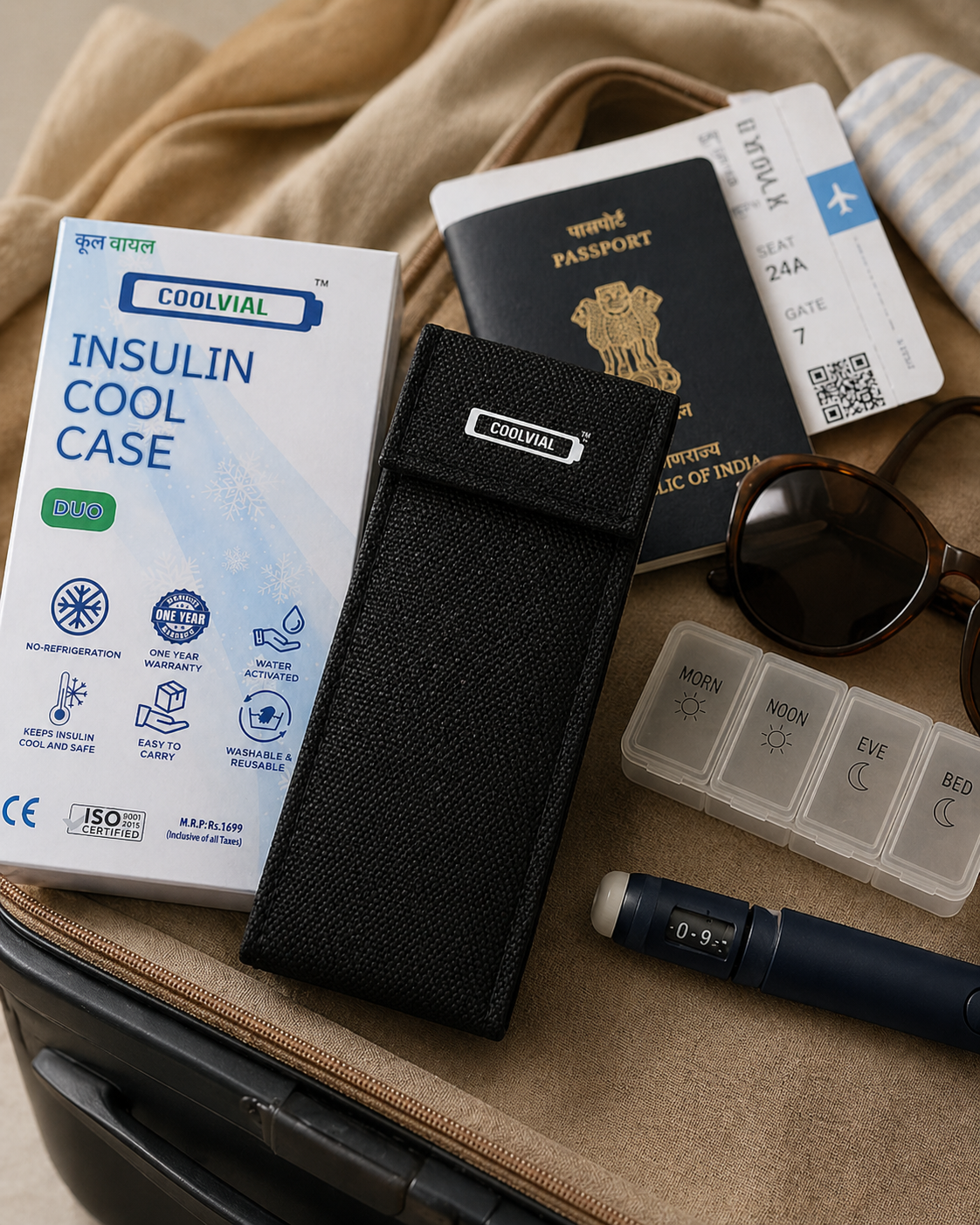
Keep your insulin safe in India's extreme heat. COOLVIAL works for 48+ hours without electricity.
"Finally a cooler that works in Indian summers. Insulin stayed perfect during a 3-day power cut." — Ramesh, Chennai
7 Proven Insulin Storage Mistakes Most Indian Diabetics Make
CE Certified · Free Delivery · 1-Year Warranty · Made for India
📲 Buy on WhatsApp — ₹1,099🛒 Buy Now — ₹1,099