
Reviewed by the COOLVIAL Editorial Team — specialists in insulin storage for Indian climate conditions.
For effective diabetes management in India, understanding refrigerated vs room temperature insulin storage in India explained is paramount. Unopened insulin vials and pens require refrigeration, ideally between 2-8°C, to maintain their potency for the full expiry period. However, once opened, most insulin can be stored at room temperature, typically below 25°C, for up to 28 days. Exposing insulin to temperatures above 30°C can quickly degrade its efficacy, compromising blood sugar control. This guide offers 7 practical insights to ensure your insulin remains safe and effective, even amidst India’s challenging environmental conditions.
Introduction: Mastering Insulin Storage for Optimal Diabetes Care in India
Managing diabetes in India comes with its unique set of challenges, not least of which is ensuring the proper storage of insulin. The efficacy of this life-saving medication hinges critically on maintaining specific temperature conditions. A common dilemma faced by many individuals with diabetes is navigating the nuances of refrigerated vs room temperature insulin storage in India explained. With varying climates, frequent power cuts, and the need for travel, knowing precisely how to store insulin can be a matter of effective glucose control and overall well-being.
This comprehensive guide aims to demystify insulin storage, providing you with 7 practical insights tailored specifically for the Indian context. We will explore the scientific principles behind insulin stability, delineate the optimal storage temperatures for both unopened and opened insulin, and offer actionable advice for common scenarios like power outages, travel, and extreme weather. By the end of this article, you will be equipped with the knowledge to confidently manage your insulin, ensuring it delivers its full therapeutic benefit, regardless of where you are in India.
Table of Contents
- Why Proper Insulin Storage Matters Critically in India
- Core Concepts: Understanding Insulin Stability and Storage Requirements
- 7 Practical Tips for Refrigerated vs Room Temperature Insulin Storage in India
- Navigating India’s Diverse Climate: Regional Storage Strategies
- Smart Solutions for Refrigerated vs Room Temperature Insulin Storage in India with COOLVIAL
- Quick Reference: Essential Insulin Storage FAQs
- Conclusion: Empowering Your Diabetes Management
Why Proper Insulin Storage Matters Critically in India
India’s unique environmental and infrastructural landscape presents significant hurdles for maintaining the integrity of insulin. With over 101 million people living with diabetes in 2023, as reported by the International Diabetes Federation (IDF), ensuring proper insulin storage is a public health imperative. The high prevalence of diabetes means millions rely on insulin daily, making its stable condition non-negotiable for effective treatment.
The Indian Climate Challenge
Temperatures across India can soar, particularly during the summer months. Cities like Delhi, Ahmedabad, and Jaipur frequently experience temperatures exceeding 45°C. Even coastal cities like Mumbai and Chennai, while not reaching such extremes, grapple with high humidity, which can also indirectly affect insulin stability by promoting condensation if not stored correctly. Insulin begins to lose its potency significantly above 30°C, and exposure to direct sunlight can degrade it even faster. This makes the distinction between refrigerated vs room temperature insulin storage in India explained all the more vital.
Infrastructure and Lifestyle Hurdles
Beyond the climate, practical challenges abound. Frequent power cuts are a reality in many parts of India, especially during peak summer or monsoon seasons, impacting refrigeration reliability. This necessitates alternative storage solutions. Furthermore, travel, whether for work, family, or festivals like Diwali or Eid, often involves long journeys by bus or train, where consistent temperature control is difficult. The need for portable, reliable storage solutions becomes evident. Many households, particularly in rural areas, may also lack consistent access to refrigeration, emphasizing the need for clear guidelines on room temperature storage.
Consequences of Improper Storage
Improperly stored insulin can lose its effectiveness, leading to dangerously high blood sugar levels. This can result in acute complications like diabetic ketoacidosis (DKA) or hyperosmolar hyperglycemic state (HHS), requiring emergency medical attention. Chronically elevated blood sugar due to degraded insulin contributes to long-term complications such as kidney disease, nerve damage, vision loss, and cardiovascular issues, significantly reducing quality of life. Therefore, understanding and implementing correct refrigerated vs room temperature insulin storage in India explained is not just about convenience; it is about preserving health and preventing severe outcomes. (Source: WHO)
Core Concepts: Understanding Insulin Stability and Storage Requirements
Insulin is a delicate protein hormone, sensitive to extreme temperatures. Its molecular structure can break down when exposed to heat, freezing, or direct sunlight, rendering it less effective or even completely inactive. This section delves into the fundamental principles governing insulin stability and the specific storage conditions required.
7 Practical Insights: Refrigerated vs Room Temperature Insulin Storage in India Explained
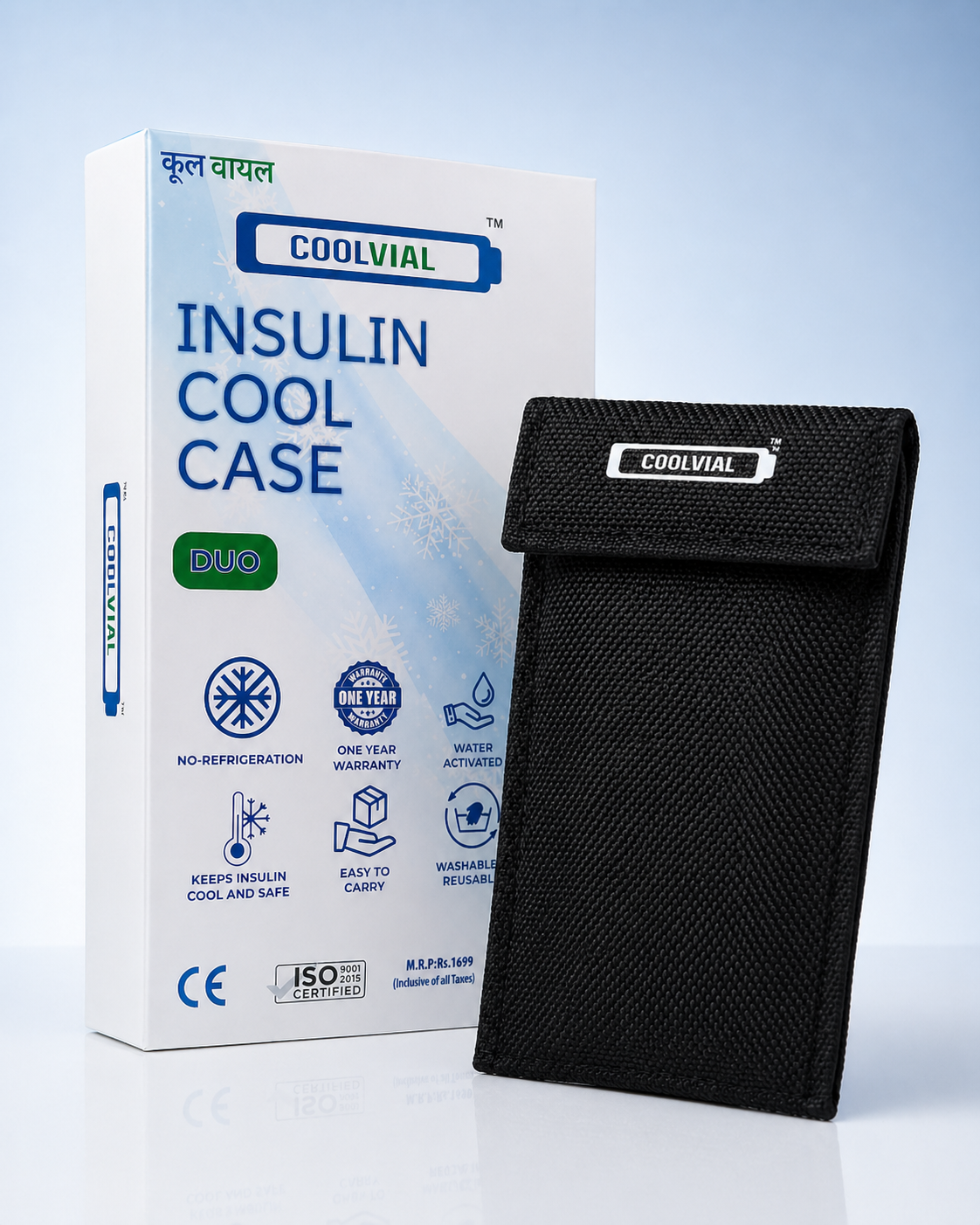
Don't let Indian heat spoil your insulin. COOLVIAL protects it for 48+ hours.
Understanding Insulin Stability
7 Practical Insights: Refrigerated vs Room Temperature Insulin Storage in India Explained
Insulin’s potency is directly linked to its chemical structure. When exposed to adverse conditions, insulin molecules can aggregate or denature, changing their shape and making them unable to bind effectively to insulin receptors in the body. This loss of potency means that even if you inject the prescribed dose, your body may not receive the full therapeutic effect, leading to uncontrolled blood sugar levels.
Refrigerated Storage: The Gold Standard for Unopened Insulin
For unopened insulin vials, pens, or cartridges, refrigeration is the gold standard. The World Health Organization (WHO) and insulin manufacturers universally recommend storing unopened insulin in a refrigerator at temperatures between 2°C and 8°C (36°F and 46°F). This temperature range slows down the degradation process, allowing the insulin to remain potent until its expiry date, which can be several months or even years from the manufacturing date.
- Never freeze insulin: Freezing can damage the insulin molecule and the vial/pen, making it unusable. If insulin has been frozen, it must be discarded.
- Avoid direct contact with freezer compartment: Ensure insulin is not placed against the back wall of the refrigerator or near the freezer compartment, where temperatures can drop below 2°C.
- Use the middle shelf: The middle shelf of the refrigerator is typically the most stable temperature zone, away from the door (which fluctuates) and the freezer.
Room Temperature Storage: When and How for Opened Insulin
Once an insulin vial or pen is opened and put into use, its storage requirements change. Most insulin preparations can be safely stored at room temperature for a limited period, typically up to 28 days (or sometimes up to 42 days, depending on the specific brand and type of insulin; always check the package insert). The ideal room temperature for opened insulin is generally below 25°C (77°F), though some brands allow up to 30°C (86°F).
- Avoid extreme heat: Never expose opened insulin to temperatures above 30°C (86°F), as this can rapidly degrade its effectiveness.
- Keep away from direct sunlight: Sunlight can quickly denature insulin. Store it in a cool, dark place.
- Discard after the specified period: Even if there is insulin left, discard it after the recommended 28 or 42 days from opening, as its potency cannot be guaranteed.
The Dangers of Extreme Temperatures
Both extreme heat and freezing temperatures are detrimental to insulin. Heat causes the protein to break down, while freezing causes it to lose its potency and can lead to clumping or crystallization.
| Condition | Recommended Temperature Range | Impact on Insulin |
|---|---|---|
| Unopened Insulin | 2°C - 8°C (Refrigerated) | Maintains full potency until expiry date. |
| Opened Insulin | Up to 25°C (Room Temperature) | Maintains potency for 28-42 days (check label). |
| Extreme Heat | Above 30°C | Rapid degradation, loss of potency, ineffective. |
| Freezing | Below 0°C | Destroys molecular structure, renders unusable. |
| Direct Sunlight | Any temperature | Accelerates degradation, even at moderate temperatures. |
Understanding these core concepts is the foundation for proper refrigerated vs room temperature insulin storage in India explained, especially given the diverse environmental conditions found across the country.
7 Practical Tips for Refrigerated vs Room Temperature Insulin Storage in India
Navigating the complexities of insulin storage in India requires practical, actionable strategies. These 7 tips will help you ensure your insulin remains effective, whether you’re at home, travelling, or facing power outages. Adhering to these guidelines is crucial for maintaining the efficacy of your medication.
- Always Read the Package Insert: Different insulin brands and formulations (e.g., Novolog, Humalog, Lantus, Tresiba) may have slightly different storage instructions. Always consult the specific leaflet that comes with your insulin for precise guidance on both refrigerated and room temperature storage durations. This is your primary source of information for refrigerated vs room temperature insulin storage in India explained.
- Use a Reliable Refrigerator for Unopened Vials: For unopened insulin, a stable refrigerator is critical. Ensure your fridge temperature is consistently between 2°C and 8°C. Consider investing in a refrigerator thermometer to monitor the temperature regularly. During power cuts, keep the refrigerator door closed as much as possible to maintain coolness for longer.
- Implement the “First-In, First-Out” Rule: When you have multiple insulin vials or pens, use the ones closest to their expiry date first. This ensures you’re always using fresh, potent insulin and minimizes waste. Rotate your stock effectively.
- Mark the Opening Date on Insulin Pens/Vials: Once you open an insulin pen or vial, immediately write the date of opening on it using a permanent marker. This helps you track the 28-day (or specified) expiry period for room temperature storage, preventing the use of degraded insulin.
- Protect Opened Insulin from Heat and Light: When storing opened insulin at room temperature (below 25-30°C), keep it in a cool, dark place. Avoid windowsills, dashboards of cars, or direct exposure to sunlight. A drawer, cupboard, or even a bedside table away from direct heat sources is suitable.
- Invest in a Quality Insulin Cool Case for Travel and Outings: For those instances when you need to carry insulin outside your home, especially during travel or long commutes in Indian cities like Bengaluru or Chennai, a specialized insulin cool case is indispensable. Products like the COOLVIAL insulin cool case are designed to maintain insulin within safe temperature ranges without electricity, offering peace of mind. This is a vital tool for effective refrigerated vs room temperature insulin storage in India explained on the go.
- Inspect Insulin Visually Before Each Use: Before injecting, always check your insulin. It should be clear and colourless (unless it’s NPH or a cloudy mixture, which should be uniformly cloudy). Look for any changes in colour, cloudiness (in clear insulin), clumps, particles, or frosting. If you notice any of these signs, or if the insulin has been exposed to extreme temperatures, discard it immediately, even if it’s within its expiry date. For more general guidelines, you can also refer to our insulin storage tips.
Navigating India’s Diverse Climate: Regional Storage Strategies
India’s vast geography encompasses a wide array of climatic conditions, from the scorching deserts of Rajasthan to the humid coasts of Kerala and the chilly mountains of Himachal Pradesh. Each region presents unique challenges for refrigerated vs room temperature insulin storage in India explained. Adapting your storage strategy to local conditions is key to ensuring insulin efficacy.
The North Indian Summer Challenge (Delhi, Uttar Pradesh, Rajasthan)
7 Practical Insights: Refrigerated vs Room Temperature Insulin Storage in India Explained
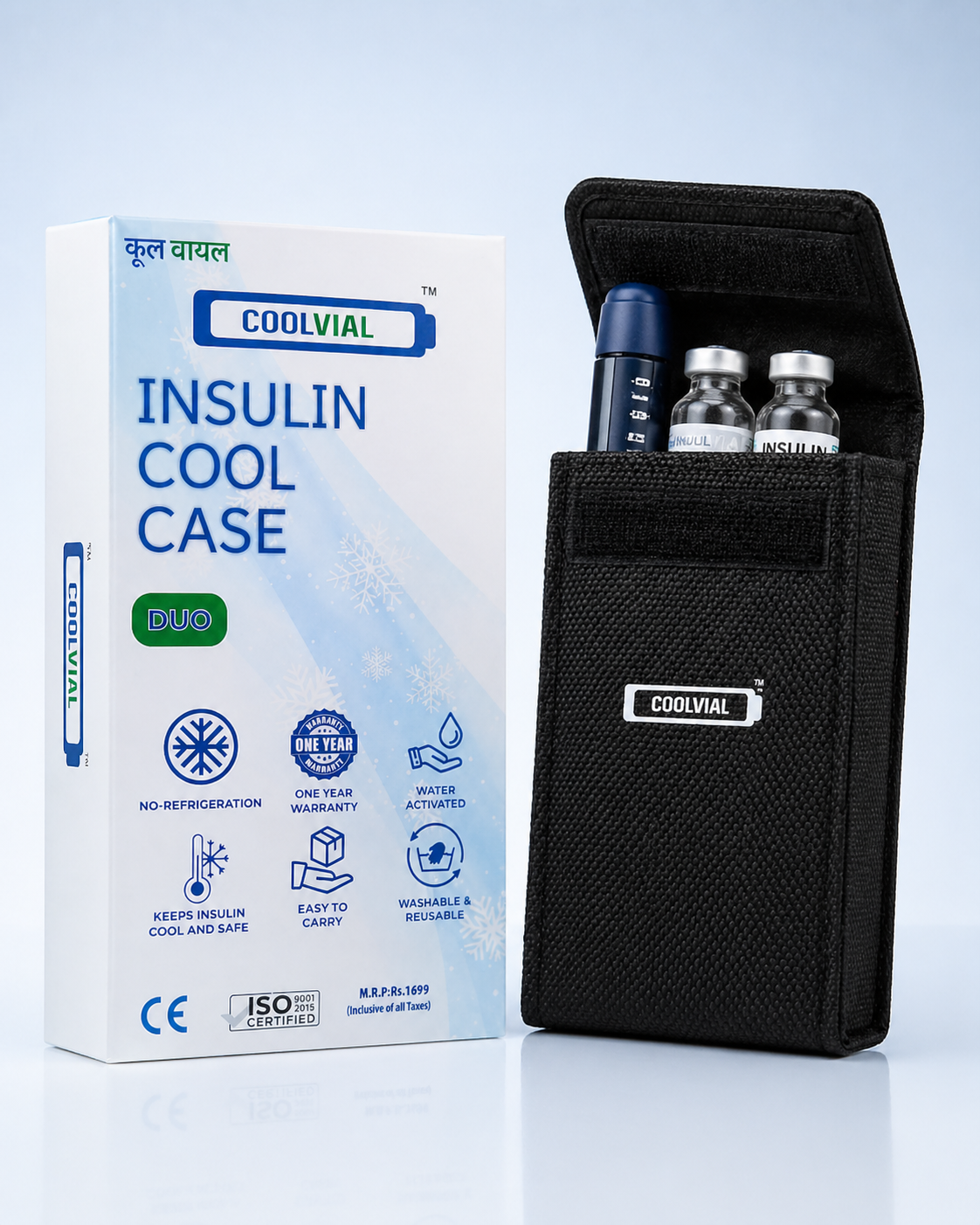
48+ hours at 2-8°C. No electricity. CE certified. Free delivery across India.
Order on WhatsApp — ₹1,099🛒 Buy Now — ₹1,099Northern India, particularly states like Rajasthan, Uttar Pradesh, and the National Capital Region (Delhi), experiences extremely hot and dry summers where temperatures can consistently exceed 40°C, often reaching 45°C or more.
- Challenge: Maintaining insulin below 25-30°C room temperature is nearly impossible without active cooling. Frequent power cuts compound this issue.
- Strategy: During these months, reliance on a portable insulin cool case that doesn’t require electricity, such as a phase-change material (PCM) cool case, becomes essential even for daily use outside the refrigerator. Always carry a spare, properly stored vial or pen if possible. Keep insulin away from windows, direct sun, and hot vehicles.
The Humid Coastal Belt (Mumbai, Chennai, Kolkata, Kochi)
Coastal regions like Mumbai, Chennai, Kolkata, and Kochi experience high humidity year-round, along with significant temperatures.
- Challenge: While temperatures might not always hit northern extremes, high humidity can make items feel warmer and also contribute to condensation if insulin is moved rapidly between cold and warm environments.
- Strategy: Ensure insulin is always sealed properly. If using a refrigerator, protect vials in airtight containers to prevent moisture accumulation. For travel, a cool case is crucial, as even moderate heat combined with humidity can degrade insulin over time. Ensure proper air circulation where insulin is stored.
Moderate Climates (Bengaluru, Pune)
Cities like Bengaluru and Pune are known for their relatively moderate climates, often making room temperature storage more feasible for opened insulin.
- Challenge: Even in moderate climates, occasional heatwaves or prolonged exposure to direct sunlight can push temperatures beyond safe limits.
- Strategy: While daily refrigeration for opened insulin might not always be necessary, always keep it in the coolest part of the house, away from direct sunlight. Maintain vigilance during unexpected temperature spikes or when travelling. A simple cool wallet can offer an extra layer of protection.
Travel and Festivals Across India
Indian festivals like Diwali, Holi, Eid, and Christmas often involve extensive travel and outdoor activities. Long bus or train journeys, especially across states, can expose insulin to fluctuating temperatures.
- Challenge: Unpredictable temperatures, lack of refrigeration access, and prolonged exposure to heat during transit.
- Strategy: A reliable, portable insulin cool case is non-negotiable for any travel. Pack enough insulin for your trip plus a few extra days. Keep the cool case with you as hand luggage on trains and buses, rather than in checked baggage or overhead compartments where temperatures can be less controlled. Always carry your prescription.
Here’s a quick reference table:
| Indian Region/Condition | Typical Challenge | Recommended Storage Strategy |
|---|---|---|
| North India (Summer) | Extreme heat (>40°C), power cuts | Essential: COOLVIAL cool case for travel/daily use; diligent fridge monitoring; keep insulin off windows. |
| Coastal Regions | High humidity, warm temperatures | Airtight containers in fridge; COOLVIAL cool case for outings; ensure good ventilation. |
| Moderate Climates | Occasional heatwaves, direct sun exposure | Coolest, darkest spot at home; use cool wallet for short trips; monitor temperatures. |
| Long Travel/Festivals | Unpredictable temps, no refrigeration | Mandatory: Reliable, non-electric insulin cool case (e.g., COOLVIAL); carry in hand luggage; extra supply. |
| Power Cuts | Refrigerator failure | Keep fridge door closed; use pre-cooled cool packs/cases for critical insulin; have a backup plan. |
By understanding these regional nuances, individuals can better implement strategies for refrigerated vs room temperature insulin storage in India explained effectively.
Smart Solutions for Refrigerated vs Room Temperature Insulin Storage in India with COOLVIAL
Understanding the principles of refrigerated vs room temperature insulin storage in India explained is vital, but having the right tools to implement these principles is equally important. This is where practical solutions like COOLVIAL insulin cool cases play a crucial role, especially for individuals navigating India’s diverse and often challenging climate.
COOLVIAL offers a reliable, non-electric solution designed to keep your insulin within the safe temperature range of 18-26°C for an extended period – typically up to 36 hours. This is particularly beneficial for active individuals, frequent travelers, or anyone living in areas prone to power outages. Our cool cases provide a consistent, stable environment for your insulin, protecting it from the damaging effects of extreme heat.
How COOLVIAL Addresses Indian Storage Challenges:
- Protection from Extreme Heat: India’s summers can be brutal. A COOLVIAL case shields your insulin from ambient temperatures that can easily exceed 30°C, which is critical for maintaining its potency.
- Independence from Electricity: Unlike electric mini-fridges, COOLVIAL operates without power, making it an ideal companion during power cuts, long commutes on public transport, or travel to remote areas where electricity is scarce.
- Portability and Convenience: Lightweight and compact, a COOLVIAL cool case fits easily into a bag, allowing you to carry your insulin discreetly and securely wherever you go – be it a bustling market in Mumbai, a family wedding in Rajasthan, or a trek in the Himalayas.
- Peace of Mind: Knowing your insulin is protected from temperature fluctuations reduces anxiety and allows you to focus on living your life without constant worry about your medication’s integrity.
While refrigerators are essential for long-term storage of unopened insulin, COOLVIAL bridges the gap for daily use, travel, and emergencies. It ensures that the principles of refrigerated vs room temperature insulin storage in India explained are not just theoretical guidelines but practical realities for every user. For more details on how our product can help you, explore the COOLVIAL insulin cool case.
Quick Reference: Essential Insulin Storage FAQs
Managing insulin in India often brings up specific questions due to local conditions. Here are answers to some frequently asked questions about refrigerated vs room temperature insulin storage in India explained.
Q: What happens if my insulin gets too hot, say above 30°C, during a power cut? A: If your insulin has been exposed to temperatures significantly above 30°C, it may lose its potency. While it won’t become toxic, it will be less effective, leading to higher blood sugar levels. Always inspect the insulin for changes in appearance (cloudiness, clumps) and if in doubt, discard it and use a new, properly stored vial or pen.
Q: Can I store my opened insulin in the refrigerator even if it says it can be kept at room temperature? A: Yes, you can generally store opened insulin in the refrigerator (2-8°C) if you prefer. However, it’s crucial to allow the insulin to warm up to room temperature before injection to avoid discomfort and potential damage to the insulin itself, which can occur from injecting cold solution. The 28-day (or specified) expiry period still applies from the first day of opening.
Q: Is it safe to carry insulin in my luggage when travelling by train or bus in India? A: It is generally safer to carry insulin in your hand luggage or carry-on bag, especially if you are using a cool case. Luggage compartments on trains and buses, particularly in India, can experience extreme temperature fluctuations (both hot and cold) and are not monitored, posing a risk to insulin stability. A specialized cool case like COOLVIAL is highly recommended for such journeys.
Q: How do I know if my insulin has gone bad? What should I look for? A: Always visually inspect your insulin before use. Clear insulin should remain clear and colourless; look for any cloudiness, particles,
"Finally a cooler that works in Indian summers. Insulin stayed perfect during a 3-day power cut." — Ramesh, Chennai
7 Practical Insights: Refrigerated vs Room Temperature Insulin Storage in India Explained
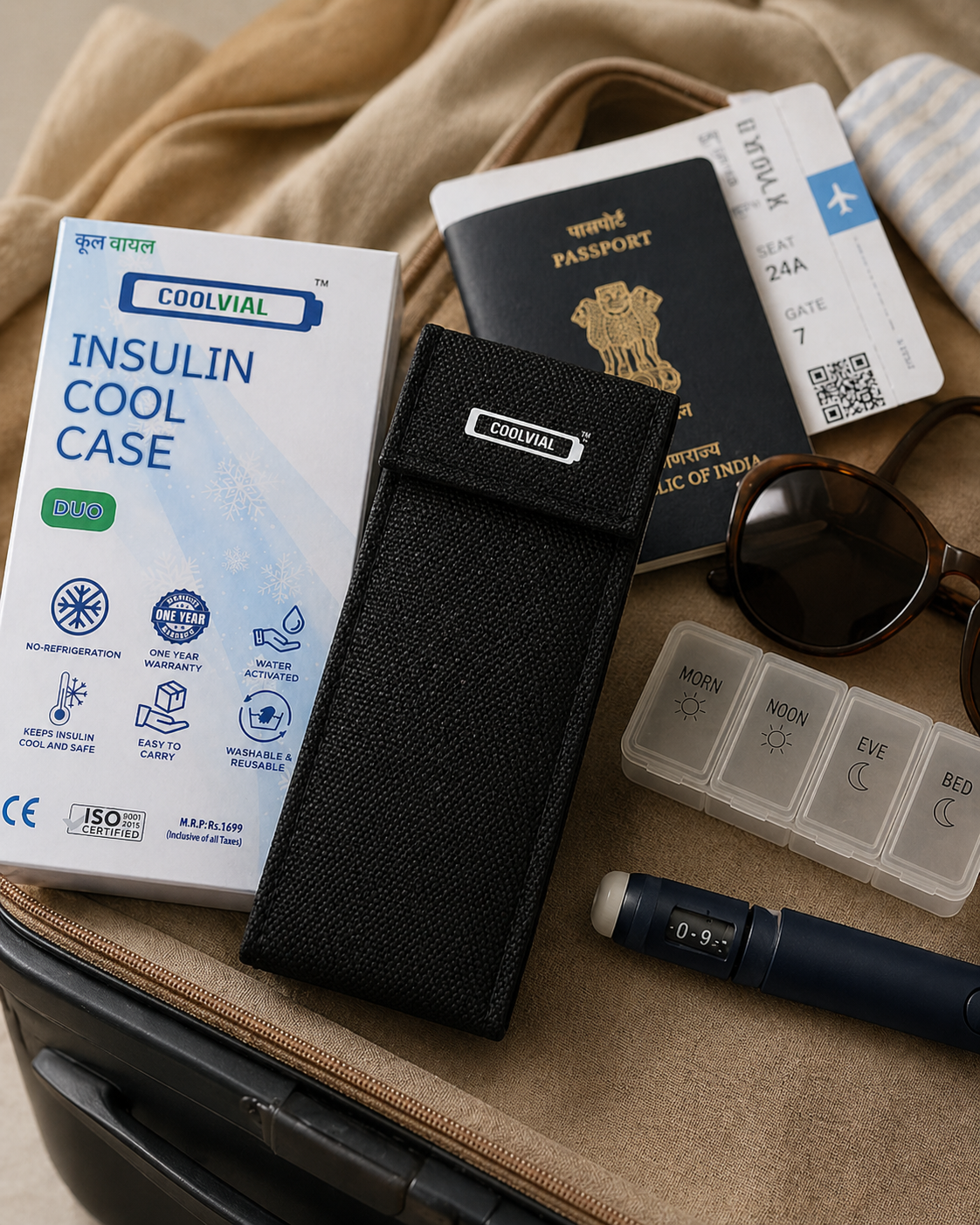
CE Certified · Free Delivery · 1-Year Warranty
📲 Buy on WhatsApp — ₹1,099