
Reviewed by the COOLVIAL Editorial Team — specialists in insulin storage for Indian climate conditions.
A sudden fridge failure in India can be a frightening scenario for anyone relying on insulin. The immediate concern is: how to save your insulin in the next 12 hours before it spoils? The direct answer is to act swiftly: transfer your insulin to an insulated container with ice packs, a specialized insulin cool case like COOLVIAL, or seek alternative refrigeration. Unopened insulin must be stored between 2-8°C, and exposure above 30°C for even short periods can significantly reduce its effectiveness, making prompt action critical to maintain its potency. This guide provides 7 critical steps and comprehensive strategies to protect your vital medication from the unpredictable challenges of power cuts and soaring temperatures across India.
Every diabetic understands the critical importance of insulin. It’s not just a medication; it’s a lifeline. However, its efficacy is highly dependent on proper storage, specifically maintaining a cool, consistent temperature. In a country like India, where power outages are common, especially during scorching summers, and infrastructure can be unpredictable, a fridge failure isn’t just an inconvenience—it’s a potential health crisis. This article will equip you with the knowledge and practical steps needed to safeguard your insulin supply when your primary refrigeration fails, ensuring your well-being despite unexpected challenges. We’ll cover everything from immediate actions to long-term preparedness, tailored specifically for the Indian context.
Table of Contents
- 1. Why Insulin Storage is a Critical Concern in India: Navigating Fridge Failure
- 2. Understanding Insulin Stability: Core Concepts for Emergency Preparedness
- 3. Practical Steps to Mitigate Fridge Failure in India: How to Save Your Insulin
- 4. India’s Diverse Climates & Power Realities: Tailoring Your Insulin Storage Strategy
- 5. COOLVIAL: Your Reliable Partner Against Fridge Failure in India
- 6. Essential Checklist for Insulin Safety During Power Outages & FAQs
1. Why Insulin Storage is a Critical Concern in India: Navigating Fridge Failure
For millions of Indians living with diabetes, insulin is an indispensable part of daily life. According to the International Diabetes Federation (IDF), India had a staggering 101 million people living with diabetes in 2023, making it a nation with one of the highest diabetic populations globally. This immense number underscores the widespread reliance on insulin and, consequently, the critical need for its proper storage. Unfortunately, maintaining the ideal temperature for insulin can be a significant challenge in India, primarily due to its unique climatic conditions and infrastructure realities.
The recommended storage temperature for unopened insulin is consistently between 2°C and 8°C (Source: WHO guidelines), typically achieved in a standard refrigerator. Once opened, many types of insulin can be kept at room temperature (15°C to 25°C) for up to 28 days, but this is still a narrow window that can be easily breached in many parts of India. During peak summer months, cities like Delhi, Jaipur, and Nagpur frequently experience temperatures soaring above 45°C. Even coastal cities like Mumbai and Chennai, while not reaching extreme highs, contend with high humidity that can exacerbate heat’s impact. Such conditions make it incredibly difficult to maintain insulin’s integrity if it’s not properly refrigerated.
The problem is compounded by India’s notorious power cuts. While metropolitan areas might experience relatively stable electricity, many Tier 2 and Tier 3 cities, as well as rural regions, face daily, prolonged power outages, especially during summer. A 2023 survey indicated that approximately 78% of Indian households face daily power cuts, with durations varying from a few minutes to several hours. These intermittent power supplies mean that refrigerators can lose their cooling capacity for extended periods, directly threatening the viability of stored insulin. When temperatures rise above 30°C, insulin rapidly begins to degrade, losing its potency and potentially becoming ineffective or even harmful.
The consequences of improper insulin storage are severe. Degraded insulin may not lower blood sugar levels effectively, leading to hyperglycemia, a condition that can result in serious short-term complications like diabetic ketoacidosis and long-term issues affecting the kidneys, eyes, and nerves. Therefore, understanding how to manage insulin storage during a fridge failure in India is not merely about convenience; it is about preserving health and preventing life-threatening complications. Being prepared for fridge failure in India, and knowing how to save your insulin, is an essential part of diabetes management in the country. For more general guidance on managing diabetes during travel or emergencies, resources like the Diabetes UK guide offer valuable insights, many of which are applicable to unexpected power outages.
2. Understanding Insulin Stability: Core Concepts for Emergency Preparedness
Insulin is a delicate protein hormone, sensitive to extreme temperatures. Its molecular structure, which is vital for its function in lowering blood glucose, can be altered or destroyed by heat, cold, and even vigorous shaking. Understanding these core concepts is the first step in ensuring your insulin remains effective, especially when facing a fridge failure.
The Ideal Temperature Range
Unopened insulin vials, cartridges, or pens must be stored in a refrigerator, ideally between 2°C and 8°C. This temperature range ensures maximum shelf life, usually until the expiration date printed on the packaging. Once a vial or pen is opened and put into use, it generally can be stored at room temperature, typically between 15°C and 25°C, for up to 28 days (four weeks). However, specific brands and types of insulin may have slightly different recommendations, so always check the manufacturer’s leaflet. It is crucial to remember that “room temperature” in India, especially during summers in cities like Ahmedabad or Hyderabad, often exceeds 25°C, making this guideline challenging.
Fridge Failure in India: 7 Critical Steps to Save Your Insulin in the Next 12 Hours
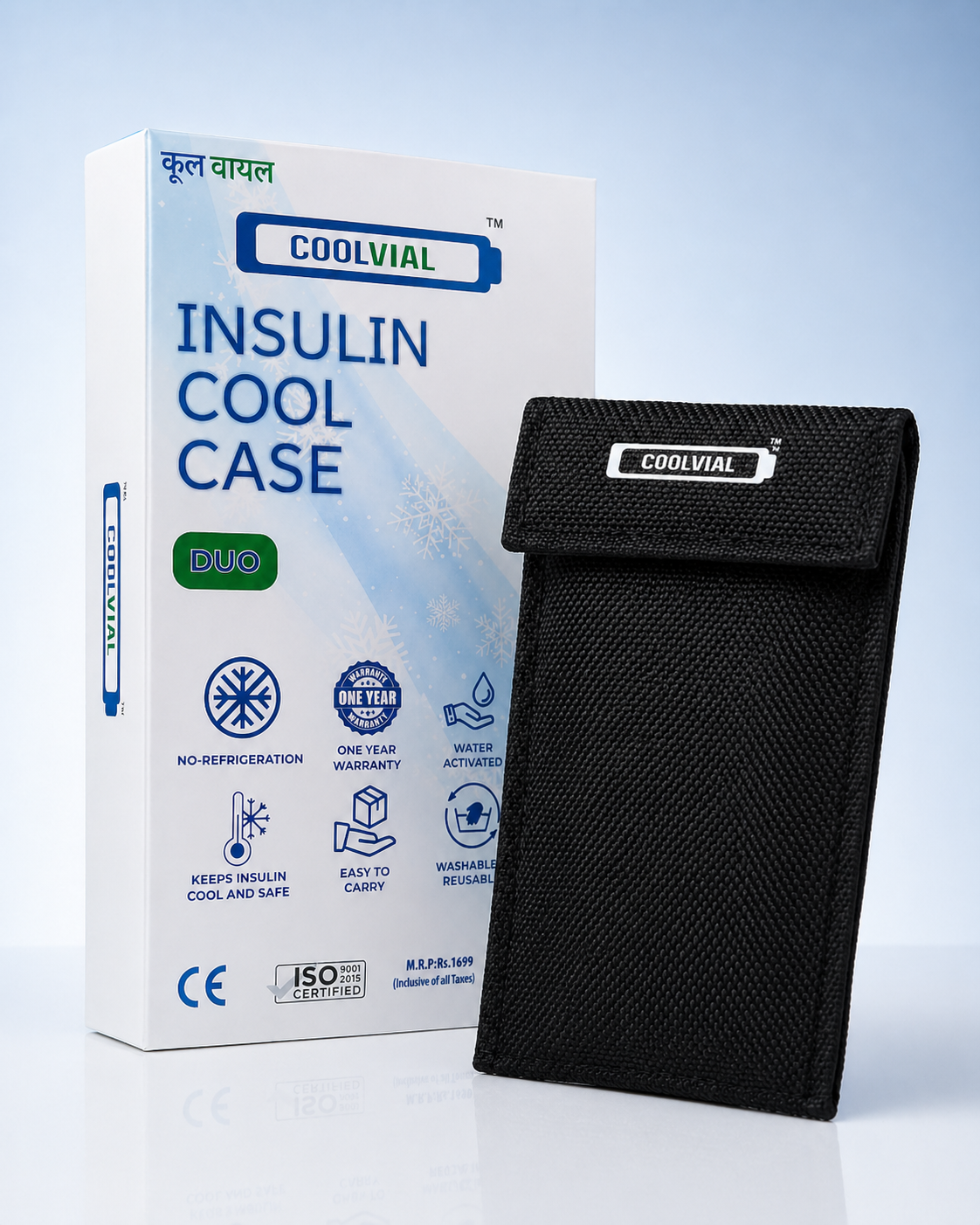
COOLVIAL keeps insulin at 2-8°C for 48+ hours. No electricity needed. Trusted by 10,000+ diabetics.
What Happens When Insulin Gets Too Hot?
Heat is insulin’s primary enemy. Temperatures above 30°C can quickly degrade insulin. Prolonged exposure to high temperatures causes the insulin molecules to clump together, reducing their ability to be absorbed and utilized by the body. This degradation is irreversible. The insulin loses its potency, meaning a dose that was once effective will no longer work as well, potentially leading to dangerously high blood sugar levels. You might not immediately notice the change, making consistent temperature control even more vital.
What Happens When Insulin Gets Too Cold?
While less common during a power outage, freezing can also damage insulin. If insulin freezes, its structure can be compromised, and it will become ineffective. Freezing often occurs if insulin is placed too close to the freezer compartment in a refrigerator or if it’s stored in extremely cold conditions. Once insulin has frozen, even if it thaws, it should not be used.
Visual Signs of Spoiled Insulin
It’s important to know how to identify if your insulin has gone bad. While not all degradation is visible, some signs include:
- Cloudiness or particles: Clear insulin should remain clear. If it becomes cloudy, contains clumps, or has solid particles, it’s likely spoiled. This applies to rapid-acting and long-acting clear insulins.
- Color change: Some insulins are naturally milky white (e.g., NPH insulin). However, any change in the usual color, or if a clear insulin turns yellowish, is a red flag.
- Crystallization: Small crystals might form on the inside of the vial or pen.
- Unusual texture: If the insulin appears thicker or thinner than usual.
If you suspect your insulin has spoiled, do not use it. Always err on the side of caution and replace it with fresh, properly stored insulin.
Here’s a quick reference table for insulin storage temperatures:
| Insulin State | Recommended Temperature Range | Maximum Duration | Notes |
|---|---|---|---|
| Unopened | 2°C - 8°C (refrigerated) | Until expiration date | Do not freeze. Protect from light. |
| Opened/In Use | 15°C - 25°C (room temperature) | Up to 28 days | Check manufacturer’s specific guidelines. Discard after 28 days, even if some remains. |
| Critical Limit | Above 30°C | Rapid degradation | Insulin loses potency quickly. |
| Critical Limit | Below 0°C (freezing) | Irreversible damage | Do not use if frozen, even if thawed. |
3. Practical Steps to Mitigate Fridge Failure in India: How to Save Your Insulin
When a fridge failure strikes in India, especially during a heatwave or a prolonged power cut, immediate and informed action is crucial to save your insulin. These 7 critical steps are designed to help you navigate this emergency effectively.
Step 1: Assess the Situation and Stay Calm
Panic can lead to mistakes. As soon as you realize your fridge has failed (e.g., power cut, fridge not cooling), check the time and estimate how long the power has been out or how long the fridge has been warm. A modern, well-sealed refrigerator can maintain cool temperatures for several hours (4-6 hours) if unopened.
Step 2: Keep the Fridge Door Closed
Resist the urge to repeatedly open the fridge door to check on your insulin. Each time you open it, warm air rushes in, accelerating the temperature rise. Keep it closed to trap the remaining cold air for as long as possible.
Fridge Failure in India: 7 Critical Steps to Save Your Insulin in the Next 12 Hours
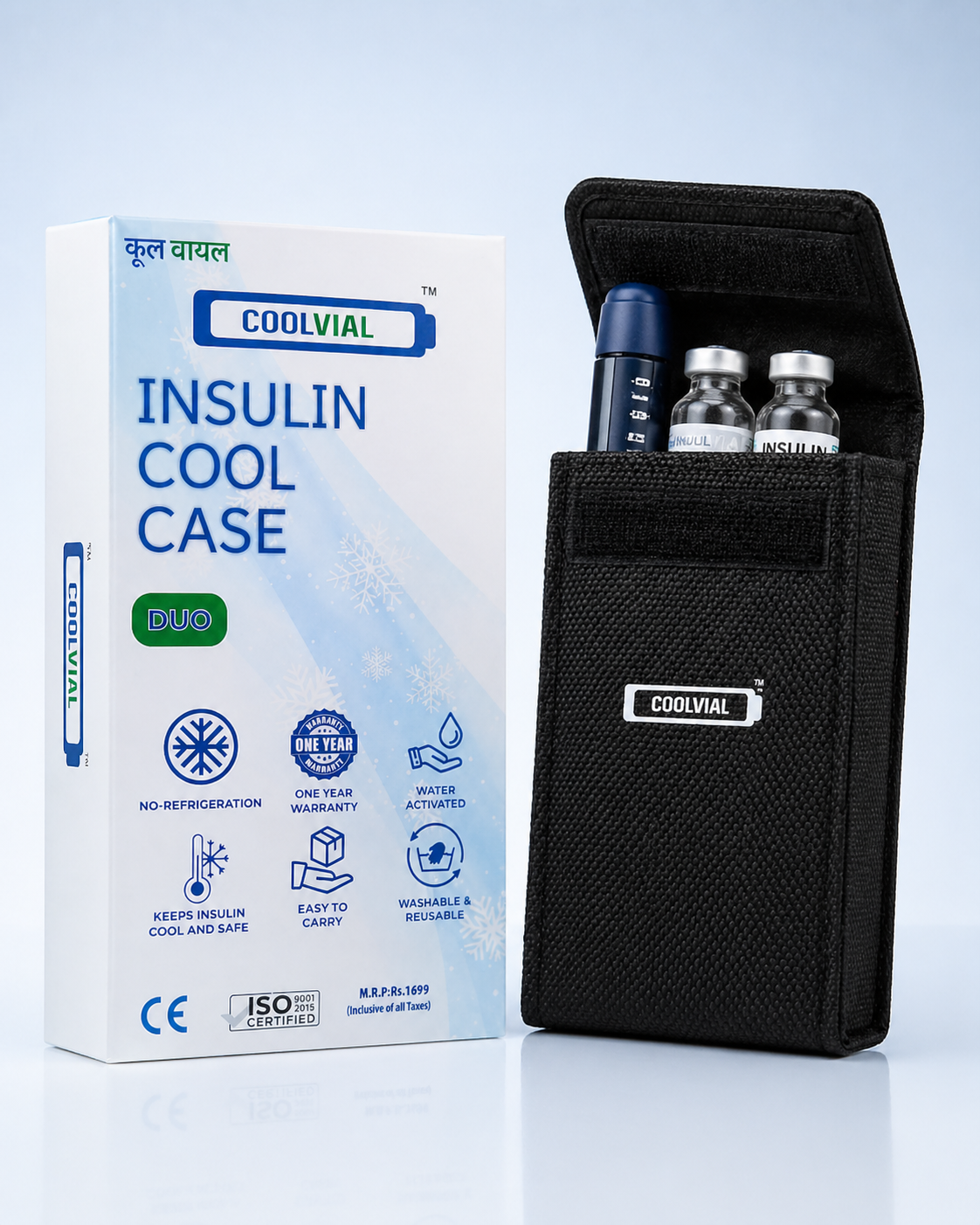
COOLVIAL keeps insulin safe in India's heat. 48+ hours, no electricity needed.
Step 3: Prepare an Emergency Insulin Cool Kit
This should be a pre-assembled kit. If you don’t have one, gather these items quickly:
- Insulated Bag or Box: A small insulated lunch bag, a thermocol box, or even a sturdy cooler.
- Ice Packs or Gel Packs: Ideally, keep these frozen in your freezer. If not available, use sealed plastic bags filled with ice (double-bagged to prevent leaks).
- Small Towel or Cloth: To wrap around the insulin and prevent direct contact with ice, which could cause freezing.
- Thermometer: A small, reliable thermometer to monitor the temperature inside your emergency kit.
Step 4: Transfer Your Insulin Safely
Once your emergency kit is ready:
- Carefully remove your insulin vials, pens, or cartridges from the refrigerator.
- Wrap them gently in the small towel or cloth.
- Place the wrapped insulin into your insulated bag or box.
- Position the ice packs around the wrapped insulin, ensuring they don’t directly touch the insulin to prevent freezing.
- Place the thermometer inside the insulated container.
- Seal the insulated container tightly.
Step 5: Monitor the Temperature and Replace Coolants
Regularly check the temperature inside your emergency kit using the thermometer. Aim to keep the temperature between 2°C and 25°C. For unopened insulin, strive to keep it below 8°C for as long as possible. As ice packs melt, replace them with fresh ones if available. You might need to rotate them every few hours depending on the ambient temperature. In a hot Indian summer, ice packs melt quickly.
Step 6: Explore Alternative Cooling Solutions for Longer Outages
If the fridge failure persists beyond 6-8 hours and you’re struggling to maintain temperature:
- Neighbor’s Fridge: If you have a trusted neighbor with a working refrigerator, politely ask if you can store your insulin there temporarily.
- Local Pharmacy/Hospital: Many pharmacies or local clinics/hospitals, especially in urban areas, have backup generators and may be able to store your insulin for a short period. Call ahead to confirm.
- Specialized Cool Cases: This is where a dedicated solution shines. A COOLVIAL insulin cool case is designed precisely for such emergencies. It uses evaporative cooling technology to keep insulin at safe temperatures (typically 18-26°C below the ambient temperature, even in extreme heat) for days without electricity. This is a far more reliable solution than relying solely on ice packs, which have a limited lifespan.
Step 7: Plan Ahead for Future Emergencies
Prevention and preparedness are key.
- Backup Power: Consider investing in a small inverter or UPS for your fridge if power cuts are frequent in your area.
- Emergency Supply: Always keep a small emergency supply of insulin (e.g., one or two pens/vials) that is either currently in use (and thus can be at room temperature for 28 days) or stored in an alternative cool case.
- Review insulin storage tips: Regularly educate yourself on best practices for insulin care.
- Invest in a COOLVIAL cool case: For just ₹1,099, a COOLVIAL cool case offers peace of mind, providing a reliable, electricity-free way to keep your insulin safe for extended periods, making it an invaluable asset for any diabetic in India.
By following these practical steps, you significantly increase your chances of saving your insulin during a fridge failure in India, ensuring your medication remains effective when you need it most.
4. India’s Diverse Climates & Power Realities: Tailoring Your Insulin Storage Strategy
India is a land of incredible diversity, not just in culture and language, but also in its climate and infrastructure. This geographical and meteorological variability means that a “one-size-fits-all” approach to insulin storage during emergencies simply won’t work. Diabetics across the country must tailor their preparedness plans to their specific regional realities.
North India: Battling Extreme Summers and Erratic Power
Regions like Delhi, Uttar Pradesh, Rajasthan, and Punjab experience brutal summers where temperatures routinely climb above 40°C, often exceeding 45°C. This extreme heat, combined with frequent and sometimes prolonged power cuts, creates a critical challenge for insulin storage. In these areas, relying solely on a fridge is risky.
- Strategy: Immediate transfer to a robust, long-lasting cooling solution is paramount. Evaporative coolers or specialized cool cases are highly recommended. Backup power solutions for refrigerators (inverters/UPS) are almost a necessity for households in these regions. During travel by bus or train through states like Rajasthan, temperatures inside vehicles can soar, making a portable, reliable cool case indispensable.
South India: Managing Humidity and Tropical Heat
States like Tamil Nadu, Kerala, Karnataka, and Andhra Pradesh experience tropical climates characterized by high temperatures and even higher humidity. While peak temperatures might not reach North Indian extremes, the constant oppressive humidity makes it feel hotter and can accelerate heat transfer. Power cuts, though perhaps less frequent than in some northern states, can still be disruptive.
- Strategy: Focus on solutions that can withstand high humidity and maintain stable temperatures. Insulated containers with effective gel packs are useful, but a dedicated cool case offers superior performance. Ensuring proper ventilation around any cooling device is also important to prevent condensation buildup.
East & West India: Monsoon Challenges and Coastal Climates
Coastal regions like Mumbai (Maharashtra), Kolkata (West Bengal), and Goa face unique challenges. The monsoon season brings heavy rainfall, increased humidity, and often leads to power disruptions due to storms and infrastructure issues.
- Strategy: Waterproofing your emergency kit is crucial during monsoons. Ensure any cool case or insulated bag is sealed against moisture. While humidity doesn’t directly spoil insulin, it can make it harder for evaporative coolers to work optimally if the air is already saturated. However, even in high humidity, a quality cool case will still provide significant temperature reduction compared to ambient conditions. Be prepared for longer power outages during severe weather events.
Rural India: Limited Infrastructure and Extended Outages
In many rural parts of India, access to stable electricity can be a daily struggle. Power cuts can last for many hours, sometimes even a full day or more. Access to ice or reliable cold storage might also be limited.
- Strategy: Long-term, electricity-free solutions are vital. Investing in a durable insulin cool case that can maintain temperatures for several days without external power or frequent re-cooling is highly recommended. Developing a network with local healthcare providers or community centers that might have generators could be a life-saving backup plan.
Travel Considerations Across India
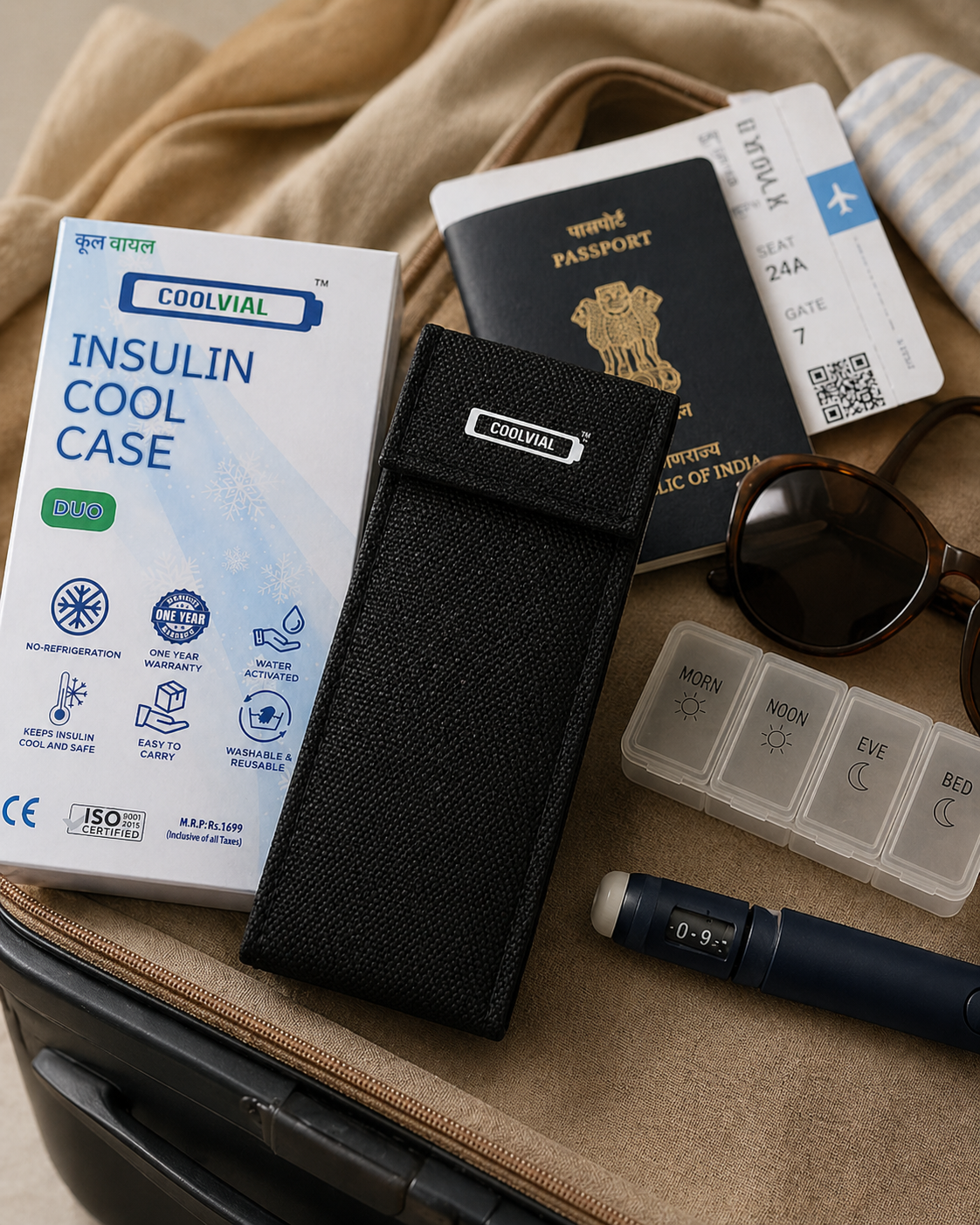
Indian travel, whether by train, bus, or car, often involves long journeys through varying climates and unpredictable conditions. A
Fridge Failure in India: 7 Critical Steps to Save Your Insulin in the Next 12 Hours
Keep your insulin safe in India's extreme heat. COOLVIAL works for 48+ hours without electricity.
Fridge Failure in India: 7 Critical Steps to Save Your Insulin in the Next 12 Hours
Insulin at 2-8°C for 48+ hours. Trusted by 10,000+ Indian diabetics.