
Reviewed by the COOLVIAL Editorial Team — specialists in insulin storage for Indian climate conditions.
For Indian diabetics, proper Levemir insulin storage is paramount to maintaining its efficacy and ensuring safe, consistent blood sugar management. Unopened Levemir must be kept refrigerated between 2-8°C, while opened pens or vials can be stored at room temperature, ideally below 25°C, for up to 28 days. Exposing insulin to temperatures above 30°C can quickly degrade it, rendering it ineffective and potentially leading to dangerous fluctuations in blood glucose levels. This guide offers 10 essential Levemir insulin storage tips specifically tailored for the unique challenges faced by diabetics across India.
India’s diverse and often extreme climate, coupled with unpredictable power supply, presents significant hurdles for insulin users. Understanding how to correctly store Levemir, a long-acting insulin analogue, is not just about following instructions; it’s about safeguarding your health and treatment outcomes. This article will provide a comprehensive Levemir insulin storage guide for Indian diabetics, covering core principles, practical tips for various scenarios, and how COOLVIAL solutions can offer peace of mind. You’ll learn how to protect your insulin from heat, cold, and light, ensuring it remains effective from the first dose to the last.
Table of Contents
- 1. The Critical Need: Why Levemir Insulin Storage Matters in India
- 2. Mastering Levemir: Core Concepts of Insulin Storage
- 3. Practical Levemir Insulin Storage Tips for Indian Conditions
- 4. Navigating India’s Climate: Regional Storage Challenges
- 5. COOLVIAL: Your Reliable Solution for Levemir Insulin Storage
- 6. Essential Levemir Insulin Storage Checklist & FAQs
- Conclusion
1. The Critical Need: Why Levemir Insulin Storage Matters in India
India, a nation with over 101 million diabetics in 2023 according to the International Diabetes Federation (IDF), faces unique challenges in managing this chronic condition. Among these, the proper storage of temperature-sensitive medications like Levemir insulin is paramount. The efficacy of insulin is directly linked to its storage conditions. When insulin is exposed to extreme temperatures, either too hot or too cold, its protein structure can break down, reducing its potency or rendering it completely ineffective. This degradation can lead to uncontrolled blood sugar levels, increasing the risk of serious health complications.
The Indian subcontinent experiences a wide spectrum of climatic conditions, from scorching summers where temperatures in cities like Delhi and Nagpur can exceed 45°C, to humid monsoons, and cold winters in the northern plains. These fluctuating temperatures pose a constant threat to insulin integrity. Furthermore, many parts of India, especially rural areas and even some urban localities, experience frequent and prolonged power cuts, particularly during peak summer months. A survey by the Council on Energy, Environment and Water (CEEW) in 2020 found that 78% of Indian households faced daily power cuts in summer, lasting an average of 4 hours. This makes relying solely on refrigeration for Levemir insulin storage a significant risk.
Improper storage can turn essential medicine into a dangerous placebo. Imagine a diabetic individual administering what they believe to be their prescribed dose of Levemir, only for it to be ineffective due to heat exposure. This can lead to hyperglycemia, fatigue, increased thirst, frequent urination, and in severe cases, diabetic ketoacidosis – a life-threatening condition. Conversely, freezing insulin can also damage its protein structure, making it unusable. The delicate balance required for effective Levemir insulin storage highlights the urgent need for practical, India-specific solutions and knowledge.
The consequences of compromised insulin extend beyond immediate health risks. It can lead to increased healthcare costs due to hospitalizations for uncontrolled diabetes, and a significant burden on individuals who may need to discard expensive insulin due to improper storage. For individuals who travel frequently by train or bus across India, protecting their Levemir becomes an even greater concern. Ensuring that every dose of Levemir is potent and safe is a fundamental aspect of diabetes management, directly impacting the quality of life for millions of Indian diabetics (Source: Diabetes UK).
2. Mastering Levemir: Core Concepts of Insulin Storage
Understanding the fundamental principles of insulin storage, especially for a crucial medication like Levemir, is the cornerstone of effective diabetes management. Levemir, or insulin detemir, is a long-acting basal insulin that requires precise handling to maintain its therapeutic properties. Its protein structure is sensitive to temperature extremes and light, making correct storage vital.
Unopened Levemir: The Fridge is Your Friend
Unopened Levemir insulin, whether in FlexPen® or vial form, must be stored in a refrigerator. The ideal temperature range for unopened insulin is between 2°C and 8°C (36°F and 46°F). This cool, consistent environment prevents degradation and ensures the insulin remains potent until its expiration date. Always check the expiration date printed on the packaging and never use insulin past this date. Store it away from the freezer compartment to prevent accidental freezing, which can permanently damage the insulin.
Opened Levemir: Room Temperature and Timelines
Once a Levemir FlexPen® or vial has been opened and is in use, the storage guidelines change. It should NOT be refrigerated again. Instead, it can be stored at room temperature, which should ideally be below 25°C (77°F). The maximum permissible temperature for opened Levemir is 30°C (86°F), but prolonged exposure to temperatures above 25°C should be avoided. Once opened, Levemir FlexPens® and vials are typically good for up to 28 days (4 weeks). After this period, any remaining insulin must be discarded, even if it has been stored correctly. This 28-day rule is critical because once exposed to air and repeated use, the insulin begins to degrade, and its sterility can be compromised.
The Danger Zone: What Happens Above 30°C
Insulin begins to lose its potency significantly when exposed to temperatures above 30°C (86°F). At temperatures reaching 35-40°C, which are common in many Indian cities during summer, insulin can become ineffective within hours or days. Signs of degraded insulin include cloudiness, discoloration, or the presence of particles, though sometimes degradation can occur without visible changes. Ingesting or injecting degraded insulin can lead to dangerously high blood sugar levels because the body is not receiving the expected glucose-lowering effect. It is crucial to be vigilant about protecting Levemir from heat.
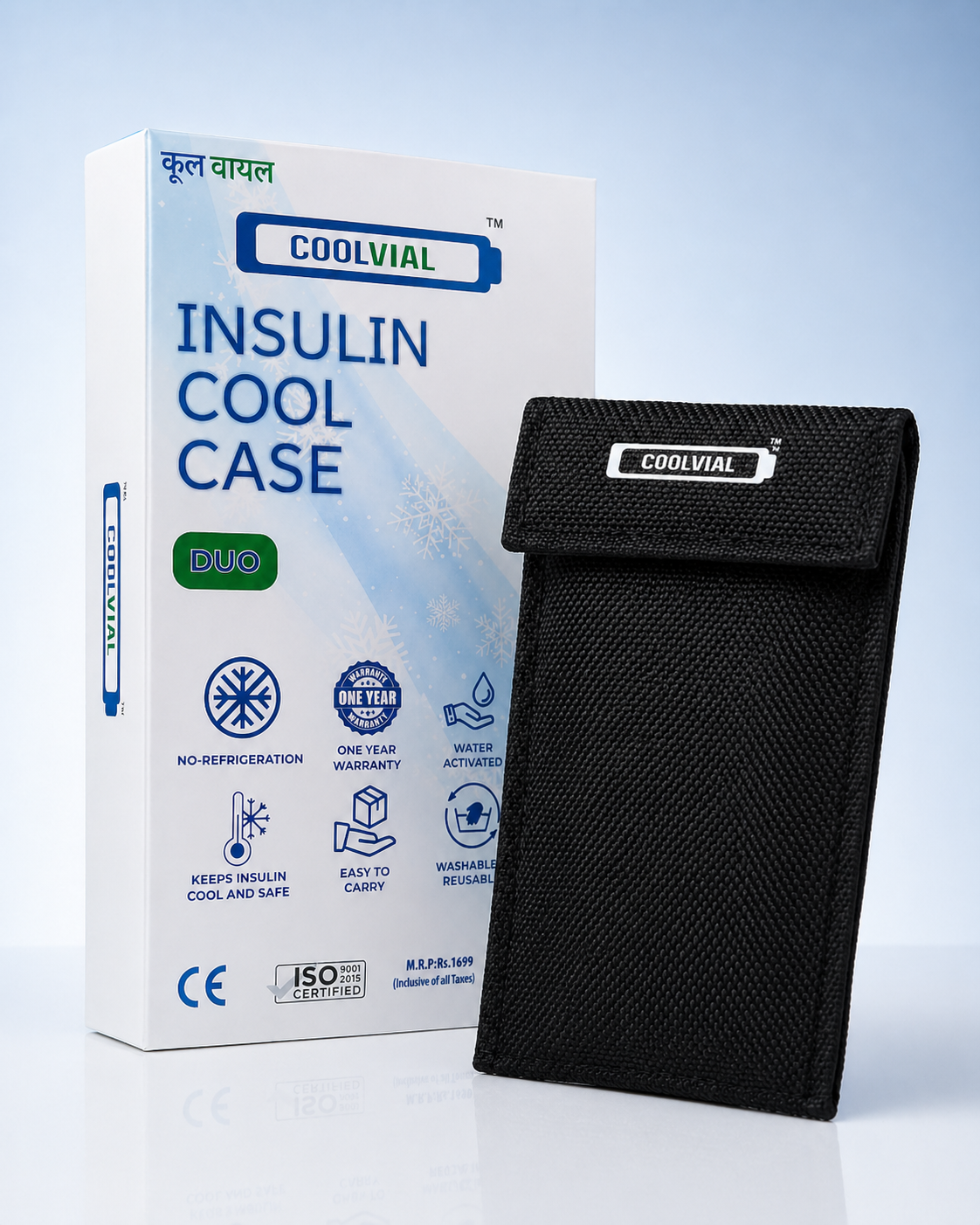
"Finally a cooler that works in Indian summers. Insulin stayed perfect during a 3-day power cut." — Ramesh, Chennai
10 Essential Levemir Insulin Storage Tips for Indian Diabetics
CE Certified · Free Delivery · 1-Year Warranty
📲 Buy on WhatsApp — ₹1,099Freezing Insulin: Equally Harmful
Just as heat is detrimental, so is freezing. If insulin freezes, even partially, its molecular structure is irreversibly damaged. The insulin will appear clumpy or grainy when thawed and should never be used. This is why storing insulin too close to the freezer compartment in a refrigerator or allowing it to freeze during cold travel is equally dangerous. Always aim for the safe temperature zone.
Here’s a quick reference table for Levemir insulin storage temperatures:
| Storage Status | Recommended Temperature Range | Maximum Duration | Key Considerations |
|---|---|---|---|
| Unopened | 2°C - 8°C (36°F - 46°F) | Until Expiration Date | In refrigerator, away from freezer. |
| Opened/In Use | Below 25°C (77°F) | 28 Days (4 weeks) | Can tolerate up to 30°C for short periods. Do not refrigerate again. |
| Danger Zone (Heat) | Above 30°C (86°F) | Hours to Days | Rapid degradation, loss of potency. |
| Danger Zone (Cold) | Below 0°C (32°F) | Instantaneous | Freezing irreversibly damages insulin. |
By adhering to these core concepts of Levemir insulin storage, Indian diabetics can ensure their medication remains potent and effective, contributing to better health outcomes.
3. Practical Levemir Insulin Storage Tips for Indian Conditions
Maintaining the integrity of Levemir insulin in India’s diverse and often challenging environment requires a proactive approach. Here are practical Levemir insulin storage tips specifically designed to help Indian diabetics navigate common issues like extreme heat, humidity, and power fluctuations.
- 1. Prioritize Refrigeration for Unopened Vials/Pens: Always store unopened Levemir in the main body of your refrigerator, not in the door or too close to the freezer. The door experiences more temperature fluctuations, and proximity to the freezer risks freezing. Ensure your refrigerator is consistently running between 2°C and 8°C.
- 2. Monitor Refrigerator Temperature: Invest in a small, inexpensive refrigerator thermometer. Regularly check the temperature to ensure it stays within the 2-8°C range. This is especially vital during summer months or if you suspect your fridge isn’t cooling efficiently.
- 3. Keep Opened Levemir Cool, Not Cold: Once you start using a Levemir FlexPen® or vial, store it at room temperature, ideally below 25°C. Avoid direct sunlight, windowsills, or hot vehicles. A cool, dark cupboard or drawer is often suitable. Remember the 28-day rule for opened insulin.
- 4. Protect from Direct Sunlight and Heat Sources: Never leave your Levemir insulin in a car, on a sunny windowsill, near a stove, or next to any heat-emitting appliance. Even a few hours of direct sun can render insulin ineffective. This is a critical aspect of effective Levemir insulin storage.
- 5. Prepare for Power Cuts: In areas prone to frequent power outages, consider a dedicated insulin cool case. During a power cut, if your refrigerator is off for more than 2-4 hours, the internal temperature will rise. A good cool case can maintain the required temperature for extended periods. For short outages, keeping the fridge door closed helps.
- 6. Use Insulated Bags for Travel: When traveling within India, whether by car, bus, or train, always carry your Levemir in an insulated bag or a specialized insulin cool case. This protects it from the heat of the journey and sudden temperature changes. Never put insulin in checked luggage on flights, as cargo holds can freeze.
- 7. Maintain a “Cool Kit” for Emergencies: Assemble a small kit with your current Levemir pen, a backup pen, alcohol swabs, needles, and a small, reliable thermometer. Store it in a portable cool case. This ensures you’re prepared for unexpected travel or extended time away from home.
- 8. Avoid Freezing at All Costs: In colder regions or during winter, ensure your insulin is not exposed to freezing temperatures. If using ice packs in a cool bag, wrap the insulin in a cloth to prevent direct contact with the ice, which could freeze it.
- 9. Inspect Insulin Before Each Use: Before injecting Levemir, visually inspect it. Levemir is a clear, colorless solution. If you notice any cloudiness, discoloration, or particles, or if it has been exposed to extreme temperatures, discard it and use a new pen or vial. This visual check is a final safeguard.
- 10. Consult Your Doctor for Specific Advice: If you live in an exceptionally hot or remote area, or have specific travel plans, discuss your Levemir insulin storage needs with your doctor or diabetes educator. They can provide personalized advice and strategies for your unique situation. For more generic insulin storage tips, you can also refer to our resources.
By integrating these practical tips into your daily routine, you can significantly reduce the risk of insulin degradation and ensure your Levemir remains potent and safe, regardless of India’s challenging climate.
4. Navigating India’s Climate: Regional Storage Challenges
India’s vast geographical expanse means that the challenges of Levemir insulin storage vary significantly from one region to another. Understanding these localized climatic conditions is crucial for Indian diabetics to adapt their storage strategies effectively.
The Scorching North and West
Regions like Rajasthan, Gujarat, Uttar Pradesh, and the plains of Punjab and Haryana experience extreme summer heat, with temperatures regularly soaring above 40°C, and often exceeding 45°C in cities like Jaipur, Ahmedabad, and Delhi. In such conditions, simply storing opened Levemir at “room temperature” is not feasible. Homes without air conditioning can quickly become ovens, making a reliable external cooling solution indispensable. Power cuts, especially during summer evenings, compound this problem, as refrigerators struggle to maintain cool temperatures. Diabetics in these regions must prioritize active cooling solutions for their in-use insulin.
Humid Monsoons in the East and South
The monsoon season brings a different set of challenges, particularly in coastal areas and eastern states like West Bengal, Odisha, and Kerala, as well as parts of Maharashtra and Karnataka. While temperatures might drop slightly, the soaring humidity can create a breeding ground for mold and bacteria, potentially affecting insulin if not properly sealed. More importantly, high humidity makes it feel much hotter, increasing the risk of insulin degradation even if the ambient temperature isn’t at its peak. Electrical fluctuations and power outages are also common during heavy rains, again stressing the need for backup storage solutions.
Moderate South and Hill Stations
While generally milder, even cities like Bengaluru or Chennai can experience significant heat and humidity during parts of the year. In Chennai, for instance, temperatures often remain above 30°C for extended periods. Hill stations, while cooler, might still have issues with consistent power supply or can get surprisingly warm in direct sun. The key takeaway is that no region in India is entirely free from the need for diligent Levemir insulin storage practices.
Travel Across India: A Unique Test
Traveling by road or rail across India exposes insulin to varying temperatures, vibrations, and potential delays. A train journey from Delhi to Mumbai can span over 16 hours, passing through different climatic zones. Similarly, bus travel can involve long hours without consistent air conditioning. During festivals like Diwali or Holi, travel peaks, and public transport can be crowded, making personal space for delicate medical supplies a premium. This makes robust, portable Levemir insulin storage solutions absolutely essential for the millions of Indians who travel.
| Region/Condition | Primary Challenge | Impact on Levemir Storage | Recommended Adaptation |
|---|---|---|---|
| North/West Summer | Extreme Heat (>40°C) | Rapid degradation, loss of potency. | Active cooling devices, insulated cases. |
| Monsoon (East/South) | High Humidity, Power Cuts | Degradation, risk of bacterial growth, fridge failure. | Waterproof, insulated cases, power backup. |
| General Travel | Temperature Fluctuations, Delays | Insulin exposed to heat/cold extremes. | Portable cool cases, never checked luggage. |
| Power Outages | Refrigerator Failure | Loss of refrigeration for unopened insulin. | Backup cool storage, monitor fridge temp. |
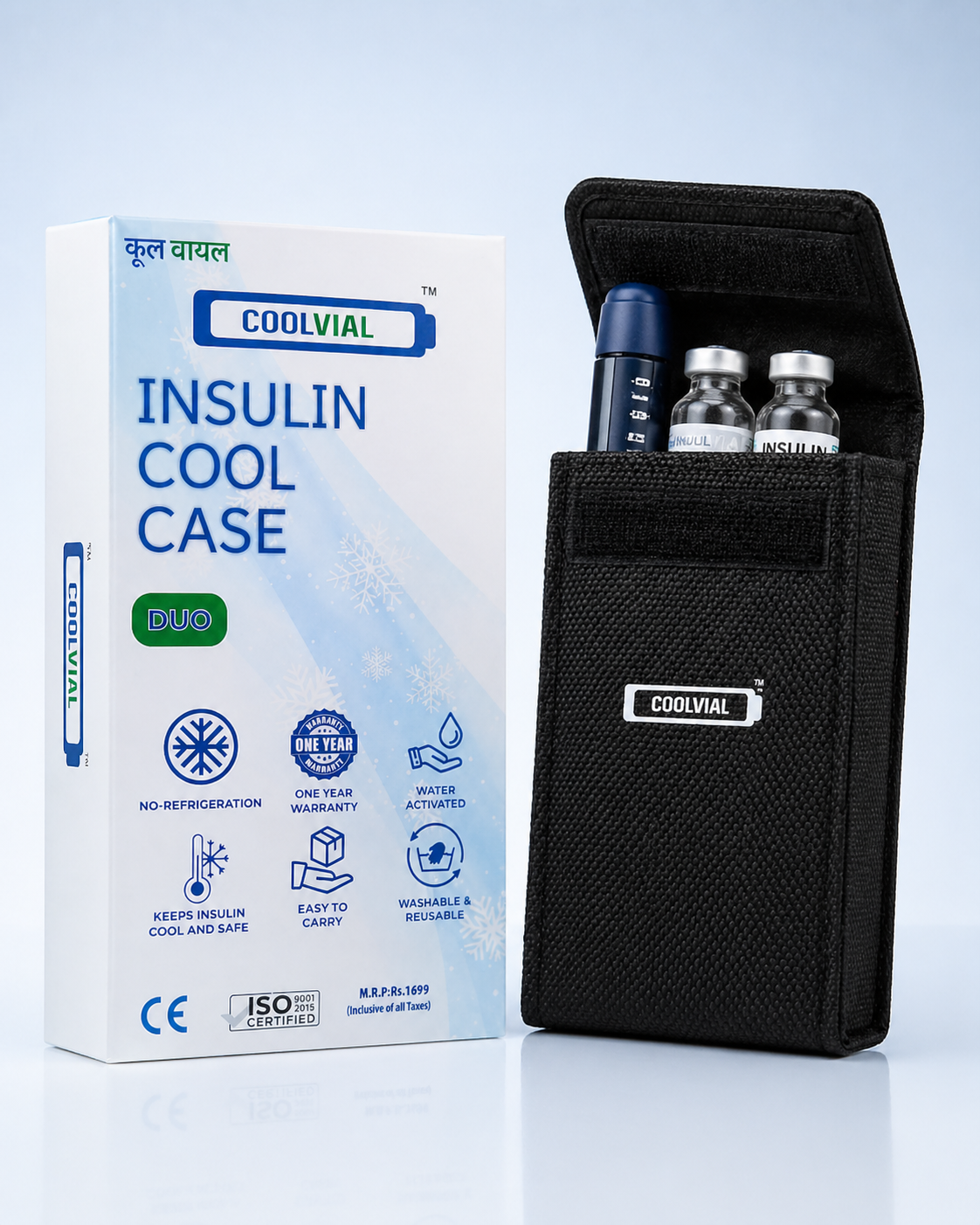
10 Essential Levemir Insulin Storage Tips for Indian Diabetics
Keep your insulin safe in India's extreme heat. COOLVIAL works for 48+ hours without electricity.
Considering these regional and situational challenges, Indian diabetics managing Levemir must move beyond generic advice and adopt strategies specifically designed for their environment. This often involves investing in reliable, portable cooling solutions that can withstand the rigors of the Indian climate and lifestyle.
10 Essential Levemir Insulin Storage Tips for Indian Diabetics
COOLVIAL keeps insulin safe in India's heat. 48+ hours, no electricity needed.
5. COOLVIAL: Your Reliable Solution for Levemir Insulin Storage
In a country where climate extremes and infrastructure variability are a daily reality, a robust and dependable solution for Levemir insulin storage is not a luxury, but a necessity. This is where COOLVIAL insulin cool cases come into play, offering Indian diabetics a practical, affordable, and effective way to protect their vital medication.
COOLVIAL understands the unique challenges faced by insulin users in India. Our cool cases are designed to maintain the optimal temperature range for insulin, typically between 2-25°C, for extended periods, even when ambient temperatures soar. This makes them ideal for various scenarios:
- During Power Cuts: When your refrigerator goes out, a COOLVIAL case can act as a crucial backup, keeping your unopened Levemir safe for hours, or even days, depending on the model.
- Daily Commutes and Errands: For those living in bustling cities like Mumbai or Kolkata, where daily commutes can expose you to heat, a COOLVIAL case ensures your in-use Levemir pen remains at a stable, safe temperature.
- Travel and Vacations: Whether you’re visiting family in a village with unreliable electricity or exploring the beaches of Goa, a COOLVIAL cool case provides peace of mind, protecting your insulin from the journey’s heat and humidity. You can easily carry your COOLVIAL insulin cool case anywhere.
- Outdoor Activities: For active individuals who enjoy outdoor pursuits, from temple visits to hiking in the Western Ghats, COOLVIAL offers portability and protection, ensuring your Levemir is always ready when you need it.
Our cool cases are engineered with high-quality insulation and often incorporate advanced cooling technology, such as phase change materials or gel packs, that absorb heat from the surroundings and slowly release it, maintaining a stable internal temperature without the need for electricity. This passive cooling approach is perfect for Indian conditions where consistent power supply cannot be guaranteed.
Unlike bulky traditional coolers, COOLVIAL cases are compact, lightweight, and discreet, designed for daily use. They fit easily into bags, making them convenient for carrying to work, school, or during travel. The peace of mind that comes from knowing your Levemir insulin is protected from India’s harsh climate is invaluable. Investing in a COOLVIAL cool case is investing in the consistent efficacy of your Levemir, and ultimately, in your health and well-being. It’s an empowering tool that gives Indian diabetics greater freedom and confidence in managing their condition.
6. Essential Levemir Insulin Storage Checklist & FAQs
To simplify your Levemir insulin storage routine and ensure maximum protection, here’s a concise checklist. Following these points will help maintain the potency of your insulin in India’s challenging environment.
Levemir Insulin Storage Checklist
- Unopened Levemir:
- Store in refrigerator between 2°C and 8°C.
- Keep away from freezer compartment.
- Check expiration date regularly.
- Opened/In-Use Levemir:
- Store at room temperature (ideally below 25°C, maximum 30°C).
- Discard after 28 days (4 weeks) of opening, even if some insulin remains.
- Do NOT refrigerate once opened.
- General Precautions:
- Avoid direct sunlight and heat sources (windowsills, cars, stoves).
- Never allow insulin to freeze.
- Visually inspect insulin before each use (should be clear and colorless).
- Use an insulated cool case for travel or during power cuts.
- Keep a small thermometer in your refrigerator to monitor temperature.
- Always carry a backup supply when traveling.
Frequently Asked Questions (FAQs) about Levemir Insulin Storage
Q: What happens if my Levemir insulin is exposed to temperatures above 30°C for a few hours? A: If Levemir insulin is exposed to temperatures above 30°C, its protein structure can begin to degrade rapidly, leading to a significant loss of potency. Even if there are no visible changes, the insulin may become less effective, potentially causing dangerously high blood sugar levels. It is generally recommended to discard insulin that has been exposed to such high temperatures.
Q: Can I put my opened Levemir pen back in the refrigerator during a power cut to keep it cool? A: No, once a Levemir pen or vial has been opened and is in use, it should not be refrigerated again. The repeated temperature changes from room temperature to cold and back can be more detrimental to the insulin’s stability than maintaining a consistent room temperature (below 30°C). During a power cut, it’s best to use an insulated cool case to maintain a stable, moderate temperature.
Q: Is it safe to carry Levemir insulin in my luggage when traveling by air within India? A: It is strongly recommended to carry all insulin, including Levemir, in your carry-on luggage when traveling by air. The cargo hold of an airplane can experience freezing temperatures, which will irreversibly damage insulin. Always keep your insulin with you in the cabin, ideally in a protective insulated cool case.
Q: How can I tell if my Levemir insulin has gone bad, even without visible changes? A: While visible changes like cloudiness, discoloration, or particles are clear signs of spoiled insulin, degradation can occur without these indicators, especially due to heat exposure. If your blood sugar levels are consistently higher than usual despite administering your regular dose of Levemir, and you suspect your insulin might have been compromised by improper storage, it’s best to consult your doctor and consider using a new, properly stored pen or vial.
Q: What is the maximum duration I can store an opened Levemir FlexPen®? A: An opened Levemir FlexPen® can be stored at room temperature (below 25°C, maximum 30°C) for a maximum of 28 days (4 weeks). After this period, any remaining insulin should be discarded, even if it has been stored correctly and appears normal. This timeframe ensures the insulin’s efficacy and sterility.
Conclusion
Navigating diabetes in India requires not only diligent medication adherence but also smart, informed choices about medication storage. This comprehensive Levemir insulin storage guide for Indian diabetics has highlighted the critical importance of maintaining optimal temperatures for your Levemir, a long-acting insulin vital for consistent blood sugar control. From understanding the delicate balance between refrigeration for unopened vials and room temperature for opened pens, to safeguarding against India’s extreme heat, humidity, and unpredictable power outages, every tip is designed to empower you.
Remember, the efficacy of your Levemir directly impacts your health and well-being. By implementing these 10 essential Levemir insulin storage tips, you can significantly reduce the risk of insulin degradation and ensure your treatment remains effective. For Indian diabetics seeking a reliable, practical solution to protect their insulin during daily life, travel, or unexpected power cuts, a COOLVIAL insulin cool case offers an indispensable safeguard.
Protect your Levemir, protect your health. Take control of your insulin storage today. You can easily order your COOLVIAL insulin cool case at just ₹1,099 via WhatsApp at wa.me/918766952300. Ensure your Levemir is always stored safely and effectively, no matter where life takes you in India.
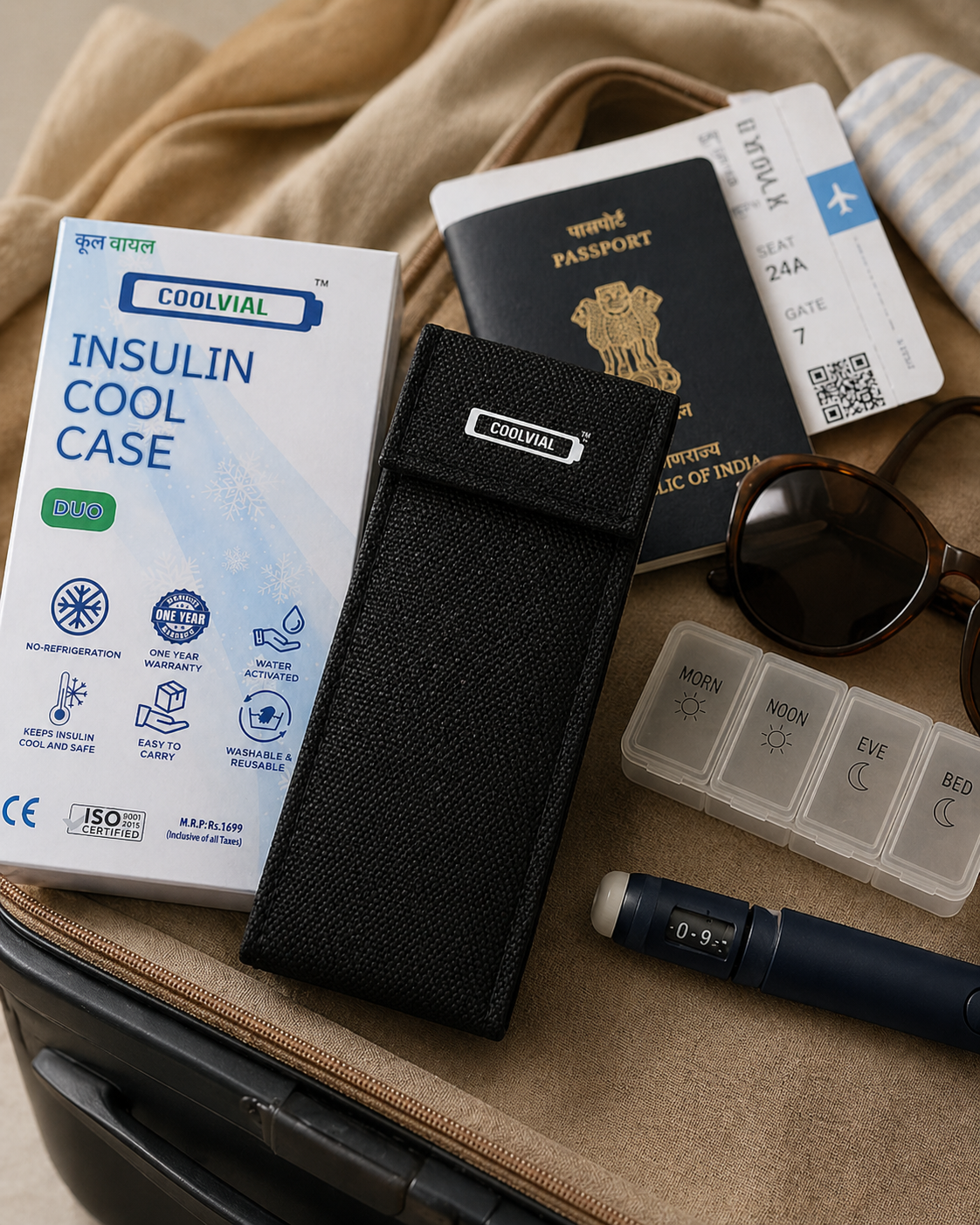
10 Essential Levemir Insulin Storage Tips for Indian Diabetics
COOLVIAL keeps insulin at 2-8°C for 48+ hours. No electricity needed.
10 Essential Levemir Insulin Storage Tips for Indian Diabetics
Insulin at 2-8°C for 48+ hours. Trusted by 10,000+ Indian diabetics.