
Reviewed by the COOLVIAL Editorial Team — specialists in insulin storage for Indian climate conditions.
As the iconic Race Course grounds in Rajkot turn lush green and the Aji Dam reservoir begins to swell, the arrival of the monsoon brings a welcome respite from the scorching summer heat. However, for the thousands of diabetics across the Saurashtra region, the season’s beauty often masks a critical challenge: protecting insulin from the pervasive humidity. Based on analysis of insulin storage queries from Rajkot diabetics, high moisture levels, which can push relative humidity to over 85% during peak Rajkot monsoon, pose a significant threat to insulin efficacy. This comprehensive guide will equip you with 7 practical tips to safeguard your vital medication, ensuring your rajkot monsoon insulin remains potent and effective throughout the wet season.
Table of Contents
- Rajkot’s Monsoon Climate: A Unique Challenge for Insulin Storage
- The Silent Threat: How Humidity Damages Insulin and Packaging
- Monsoon Preparedness: Safeguarding Your Home & Insulin Stock
- Navigating Transport Disruptions & Pharmacy Access During Monsoon
- Protecting Your Insulin from Humid-Fridge-Air Contamination
- Emergency Insulin Replacement & Support Systems in Rajkot
- Your Essential Rajkot Monsoon-Prep Checklist for Diabetics
- COOLVIAL Duo: Your Monsoon Shield for Insulin
- Frequently Asked Questions (FAQ)
- Conclusion: Stay Prepared, Stay Safe
- How We Researched This
- Medical Disclaimer
Rajkot’s Monsoon Climate: A Unique Challenge for Insulin Storage
Rajkot, nestled in the Saurashtra region of Gujarat, experiences a distinct monsoon pattern that, while bringing much-needed rain, also ushers in a period of high humidity. Unlike areas with heavy, continuous rainfall, Rajkot typically receives moderate precipitation, averaging around 600mm annually, primarily concentrated during the monsoon months from June to September (Source: Indian Meteorological Department historical data). The temperatures during this period can still range from a comfortable 25°C to a warm 35°C, but it’s the combination of warmth and high ambient moisture that creates a challenging environment for insulin storage.
Insulin, a delicate protein, is highly sensitive to temperature fluctuations and humidity. While direct heat is a well-known enemy, prolonged exposure to high humidity can also degrade its effectiveness, even if temperatures remain within acceptable ranges. The moisture can affect the chemical stability of the insulin itself, and crucially, damage its packaging, leading to further complications.
Here’s a breakdown of Rajkot’s monsoon climate characteristics:
- Temperature Range: Generally 25°C to 35°C during monsoon, a drop from the extreme summer highs of 43°C, but still warm enough to accelerate degradation with humidity.
- Rainfall: Moderate, averaging around 600mm annually, with most precipitation occurring from July to September. This means intermittent rain, followed by periods of high humidity.
- Humidity Levels: Often soar to 80-95% relative humidity during and after rainfall, creating a constantly damp atmosphere, especially in homes and commercial spaces.
- Wind Patterns: The monsoon winds can carry moisture deep into buildings, making it difficult to keep indoor environments dry without proper ventilation or dehumidification.
Understanding these local climate nuances is the first step in formulating an effective rajkot monsoon insulin protection strategy.
The Silent Threat: How Humidity Damages Insulin and Packaging
Humidity isn’t just uncomfortable; it’s a silent saboteur for insulin. Its effects are often less visible than direct heat damage but can be equally detrimental to the medication’s integrity and your health.
- Degradation of Insulin Efficacy: High moisture can alter the protein structure of insulin, leading to aggregation or chemical breakdown. This means the insulin might not work as effectively, leading to unpredictable blood sugar levels despite consistent dosing. The Indian Council of Medical Research (ICMR-INDIAB study) highlights the importance of proper medication storage in diabetes management, especially in diverse Indian climates.
- Damage to Insulin Pens and Vials:
- Pens: The plastic components and rubber seals in insulin pens can suffer over time from constant humidity. This can lead to issues with the dosing mechanism, making it inaccurate, or even causing leaks.
- Vials: While glass vials are more robust, the rubber stoppers can be affected by humidity, potentially compromising the sterile seal.
- Cardboard Packaging Degradation: Insulin usually comes in cardboard boxes. High humidity rapidly weakens these boxes, making them prone to tearing and offering less protection. This also makes the instructions and expiry dates unreadable, which is a serious safety concern.
- Mould Risk in Rajkot Apartments and Ground-Floor Homes: Rajkot’s older buildings and ground-floor apartments, particularly in areas like Race Course or 150 Feet Ring Road, are susceptible to dampness. This creates an ideal breeding ground for mould, which can not only contaminate insulin packaging but also pose respiratory health risks. Mould spores can settle on surfaces, including insulin boxes, and if these are then handled, there’s a risk of contamination.
| Risk Factor | Impact on Insulin/Packaging | Mitigation Strategy |
|---|---|---|
| High Humidity | Insulin degradation, reduced efficacy | Airtight storage, desiccants, cooling cases |
| Packaging Weakening | Unreadable labels, compromised protection | Transfer to durable containers, discard damaged packaging |
| Mould Growth | Contamination risk, respiratory issues | Dehumidifiers, good ventilation, regular cleaning |
| Seal Integrity | Compromised sterility of vials/pens | Inspect regularly, store properly |
Monsoon Preparedness: Safeguarding Your Home & Insulin Stock
Proactive steps within your home are crucial for protecting your rajkot monsoon insulin supply. Rajkot is generally not prone to widespread severe flooding, with the Aji river flood in 2017 being a notable exception. However, localized waterlogging is common in low-lying areas and major thoroughfares like Race Course, Kalavad Road, and sections of the 150 Feet Ring Road.
What to Do If Your Home or Building Floods (Low Risk)
While large-scale flooding is rare, localized water ingress can occur. If your home is affected:
- Elevate Insulin Stock: Immediately move all insulin and diabetes supplies to higher shelves, cupboards, or even the top of wardrobes to keep them above potential water levels.
- Waterproof Containers: If you anticipate flooding or need to evacuate, place your insulin (in its cooling case or airtight container) into a waterproof bag or a sealed plastic bin.
- Emergency Kit: Have a pre-packed emergency kit ready with at least a week’s supply of insulin, syringes/pens, test strips, and other essentials. Include a COOLVIAL insulin cool case in this kit for reliable, portable cooling.
Preventing Humidity Damage Within Your Home
- Ventilation is Key: Keep windows open when it’s not raining to allow air circulation. Use exhaust fans in kitchens and bathrooms to remove moist air.
- Dehumidifiers: Consider using a small dehumidifier, especially in rooms where insulin is stored or in ground-floor homes. Even a small unit can make a significant difference.
- Silica Gel Sources in Rajkot: These moisture-absorbing packets are your best friends during monsoon.
- Pharmacies: Apollo Pharmacy, Wellness Forever, and MedPlus outlets often stock small packets of silica gel.
- Local General Stores/Stationery Shops: Many hardware or general stores, particularly around University Road or 150 Feet Ring Road, sell larger pouches or containers of silica gel.
- Online: Platforms like Amazon India also deliver silica gel packets directly to Rajkot.
- Reactivation: Many silica gel packets can be reactivated by gently heating them in an oven, making them reusable.
- Airtight Container Brands Available Locally:
- Tupperware: Widely available at Tupperware outlets in Crystal Mall or through independent distributors. Known for excellent airtight seals.
- Borosil: Glass containers with airtight lids, available at larger supermarkets and home goods stores. Glass is non-reactive and excellent for long-term storage of insulin pens or vials within their secondary packaging.
- Local Plasticware Shops: Numerous shops across Rajkot, especially in markets near Race Course, offer affordable and good quality airtight plastic containers. Look for containers with rubber gaskets in the lid for a truly secure seal.
7 Practical Tips: Safeguarding Your Insulin During Rajkot Monsoons
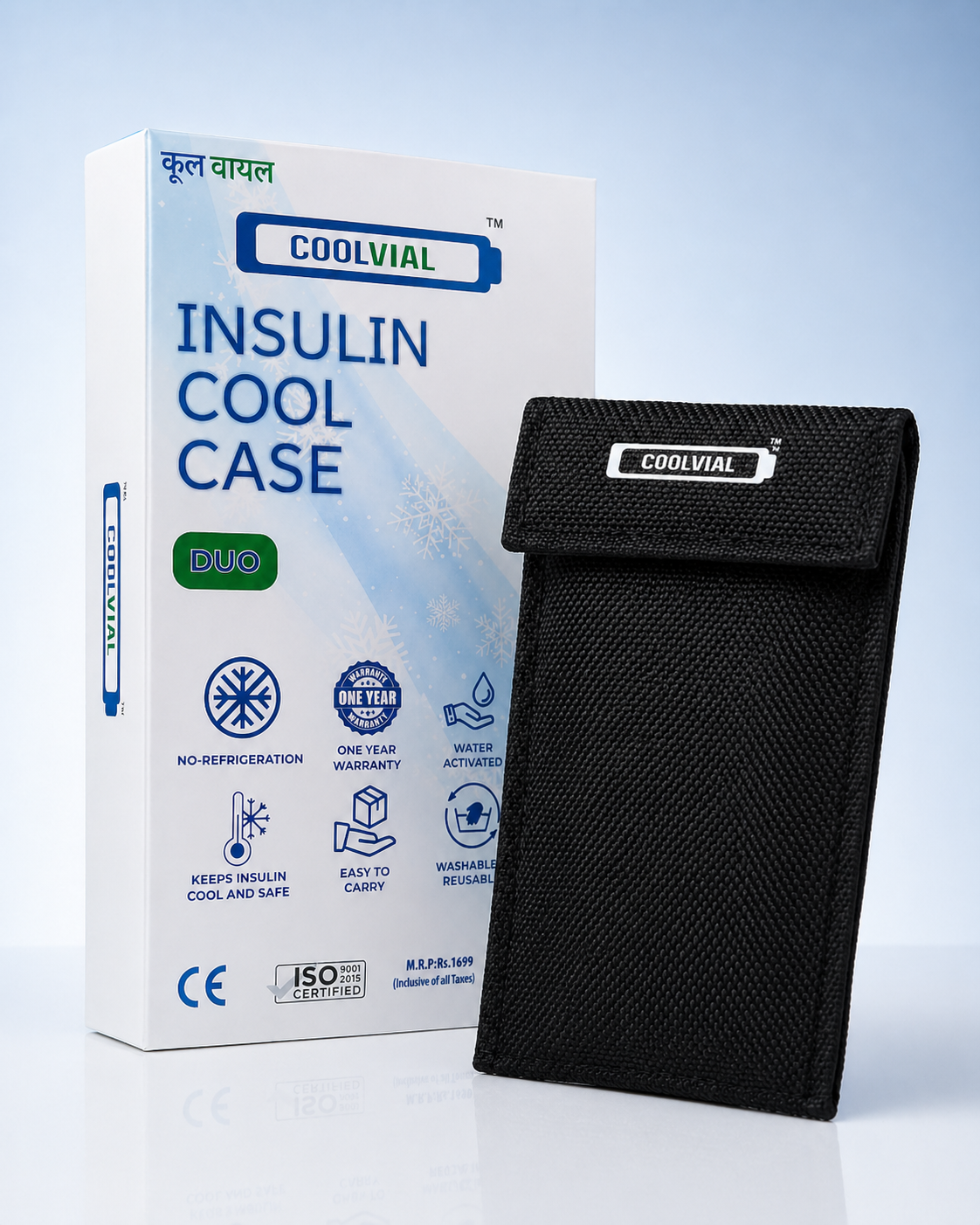
Insulin at 2-8°C for 48+ hours. Trusted by 10,000+ Indian diabetics.
Practical Steps for Insulin Storage:
- Place insulin pens or vials (still in their original packaging) inside a zip-lock bag.
- Add a few packets of silica gel to the zip-lock bag.
- Place this zip-lock bag inside an airtight plastic container.
- Store this container in the coolest, driest part of your home, away from direct sunlight.
For un-opened insulin, refrigeration is usually required. For opened insulin pens/vials in use, they are typically stored at room temperature (below 30°C) for 28 days. However, during the Rajkot monsoon, room temperature can often exceed 30°C with high humidity, making alternative storage essential. For guidance on year-round storage, refer to our Complete Diabetes Care Guide for Rajkot Residents — 2026 Edition.
Navigating Transport Disruptions & Pharmacy Access During Monsoon
The monsoon in Rajkot, while not always heavy, can lead to significant localized waterlogging and traffic disruptions. This can severely impact travel times, public transport, and crucial pharmacy delivery services. Areas like Race Course, Kalavad Road, and sections of the 150 Feet Ring Road are particularly prone to waterlogging, making travel difficult.
- Impact on Delivery Services: Online pharmacies like 1mg and MedPlus, which rely on efficient logistics, can experience delays in delivery due to impassable roads or increased demand. This is especially critical for time-sensitive medications like insulin.
- Difficulty in Reaching Physical Pharmacies: Even if you prefer to visit a physical store, reaching Apollo Pharmacy or Wellness Forever outlets can be challenging due to traffic jams or waterlogged streets.
Strategies for Maintaining Pharmacy Access:
- Stock Up Early: Do not wait until the last minute to refill your insulin prescriptions. Aim to have at least a 2-week to 1-month buffer stock before the monsoon truly sets in.
- Use Local Pharmacies: While online options are convenient, building a relationship with a local pharmacy that is easily accessible by foot or short distance can be invaluable. Generic Aadhaar outlets are increasingly common and may offer competitive pricing and proximity.
- Emergency Contact List: Keep a list of emergency contact numbers for nearby pharmacies, your doctor, and trusted friends or family who might be able to assist with fetching supplies if you are unable to travel.
- Stay Informed on Local Conditions: Monitor local news and weather reports for updates on road conditions and waterlogging hotspots. This will help you plan your trips to the pharmacy more effectively.
This proactive approach ensures that even if a sudden downpour disrupts transport, your access to life-saving rajkot monsoon insulin remains uncompromised.
Protecting Your Insulin from Humid-Fridge-Air Contamination
While refrigeration is essential for unopened insulin and often recommended for opened insulin in warm climates, the monsoon brings its own set of challenges even for fridge storage. The frequent opening and closing of refrigerator doors, especially in a humid environment, can introduce moist air into the fridge.
- Humid-Fridge-Air Contamination Risks:
- Condensation: Moist air inside the fridge can condense, leading to water droplets on insulin pens or vials. This moisture can seep into packaging, degrade labels, and potentially affect the insulin itself.
- Mould Growth: Even inside a fridge, if there’s persistent dampness, mould can grow on food items or packaging, potentially spreading spores to your insulin supplies.
- Temperature Fluctuations: Frequent door openings also cause temperature fluctuations, which are detrimental to insulin stability.
Best Practices for Fridge Storage During Monsoon:
- Airtight Containers (Again!): Always store your insulin in an airtight, waterproof container within the refrigerator. This creates a micro-environment that protects the insulin from ambient fridge humidity. Add a small silica gel packet inside this container for extra protection.
- Designated Fridge Shelf: Keep insulin on a designated shelf, ideally towards the middle or upper part of the fridge, away from the door and the freezer compartment, where temperature and humidity fluctuations are highest.
- Avoid Direct Contact with Water/Ice: Ensure insulin is never placed directly on ice or near the back wall of the fridge where condensation can be heavy.
- Check Fridge Seals: Regularly inspect your refrigerator door seals. Worn-out seals allow warm, humid air to enter, increasing internal condensation. Replace them if necessary.
- Minimize Door Openings: Try to limit how often and how long you open your refrigerator door, especially during peak humidity hours.
- Defrost Regularly: If you have an older, non-frost-free refrigerator, ensure it is defrosted regularly to prevent excessive ice build-up, which can contribute to humidity issues.
For more detailed advice on managing insulin in varying temperatures, you might find our article on How to Store Insulin in Rajkot Summer Heat — A Local’s Guide helpful, as many principles apply year-round.
Emergency Insulin Replacement & Support Systems in Rajkot
Despite all precautions, unforeseen circumstances like severe waterlogging or power cuts can lead to insulin spoilage or destruction. Knowing where to source replacement insulin quickly is critical for your safety. Rajkot has several well-equipped hospitals and pharmacies that can provide emergency support.
- Hospitals with Emergency Pharmacies:
- Sterling Hospital Rajkot (Saurashtra): Located on Rajkot-Jamnagar Highway, Sterling Hospital has a 24/7 emergency pharmacy that stocks a wide range of medications, including various types of insulin. This should be your first point of contact in an emergency.
- Synergy Hospital: Situated on Kalavad Road, Synergy Hospital also offers emergency services and has an in-house pharmacy that can assist with urgent insulin needs.
- NM Virani Wockhardt Hospital: Located near 150 Feet Ring Road, this hospital is another reliable option with a well-stocked pharmacy for urgent requirements.
- Major Pharmacy Chains:
- Apollo Pharmacy: With multiple branches across Rajkot, including areas like University Road and Race Course, Apollo Pharmacy is a dependable source. They often have good stock levels and can sometimes arrange for emergency deliveries if conditions permit.
- Wellness Forever: Similar to Apollo, Wellness Forever has a growing presence in Rajkot and can be a good option for urgent refills.
- MedPlus: While delivery might be slow during monsoon, physical MedPlus stores are also an option if accessible.
Steps to Take if Insulin is Damaged:
- Assess the Damage: Check if the insulin looks cloudy, discolored, or has particles. If so, it’s compromised. If the packaging is wet and labels are unreadable, treat it as compromised.
- Contact Your Doctor: Immediately inform your endocrinologist or diabetologist. They can advise on immediate steps and write a new prescription if needed.
- Head to an Emergency Pharmacy: With a valid prescription (or even an old one for reference), visit one of the hospital pharmacies listed above. Explain the urgency of your situation.
- Keep Records: Maintain records of your prescriptions and insulin types. This helps pharmacists dispense the correct medication quickly.
7 Practical Tips: Safeguarding Your Insulin During Rajkot Monsoons
Remember, prompt action is crucial. Do not use insulin that you suspect has been compromised by heat, cold, or excessive humidity.
Your Essential Rajkot Monsoon-Prep Checklist for Diabetics
Being prepared is your best defense against the challenges of the rajkot monsoon insulin storage. Here’s a comprehensive checklist to ensure you’re ready for the wet season:
- Insulin Supply:
- Verify you have at least a 2-4 week buffer stock of all your insulin types (pens, vials).
- Check expiry dates on all insulin packages.
- Storage Solutions:
- Purchase multiple airtight containers (glass or good quality plastic) for insulin storage.
- Stock up on silica gel packets.
- Invest in a reliable, non-electric insulin cooling case like the COOLVIAL Duo for travel and power cuts.
- Home Preparedness:
- Identify high, dry storage locations for insulin in case of localized waterlogging.
- Ensure good ventilation in your home to reduce indoor humidity.
- Consider a small dehumidifier for critical storage areas.
- Check refrigerator door seals for any leaks or damage.
- Emergency Kit:
- Assemble a grab-and-go bag with a minimum 7-day supply of insulin, syringes/pen needles, test strips, lancets, and a glucometer.
- Include a compact, water-activated cooling case such as the COOLVIAL Duo in your emergency kit.
- Pack an extra set of prescription copies and doctor’s contact information.
- Pharmacy & Medical Contacts:
- Save emergency numbers for Sterling Hospital Rajkot (Saurashtra), Synergy Hospital, NM Virani Wockhardt Hospital, and your nearest Apollo Pharmacy.
- Keep your endocrinologist’s contact details readily accessible.
- Blood Glucose Monitoring:
- Ensure your glucometer is functional, and you have enough test strips. Humidity can affect strip accuracy, so store them carefully.
- Consider carrying a backup glucometer or extra batteries.
- Information & Education:
- Familiarize yourself with the signs of insulin degradation (cloudiness, discoloration, particles).
- Read up on insulin storage tips for different conditions.
- Stay updated on local weather forecasts and potential monsoon-related disruptions.
This checklist provides a structured approach to ensure you’re fully equipped to manage your diabetes safely and effectively, even amidst the monsoon’s challenges. For comprehensive preparation against power outages, which often accompany monsoon storms, check out our Power Cut Survival Guide for Diabetics in Rajkot — What To Do When the Grid Goes Down.
COOLVIAL Duo: Your Monsoon Shield for Insulin
Navigating the Rajkot monsoon with diabetes requires smart solutions, especially when it comes to keeping your insulin cool and protected on the go. This is where the COOLVIAL Duo truly shines as an essential companion for every diabetic in Rajkot.
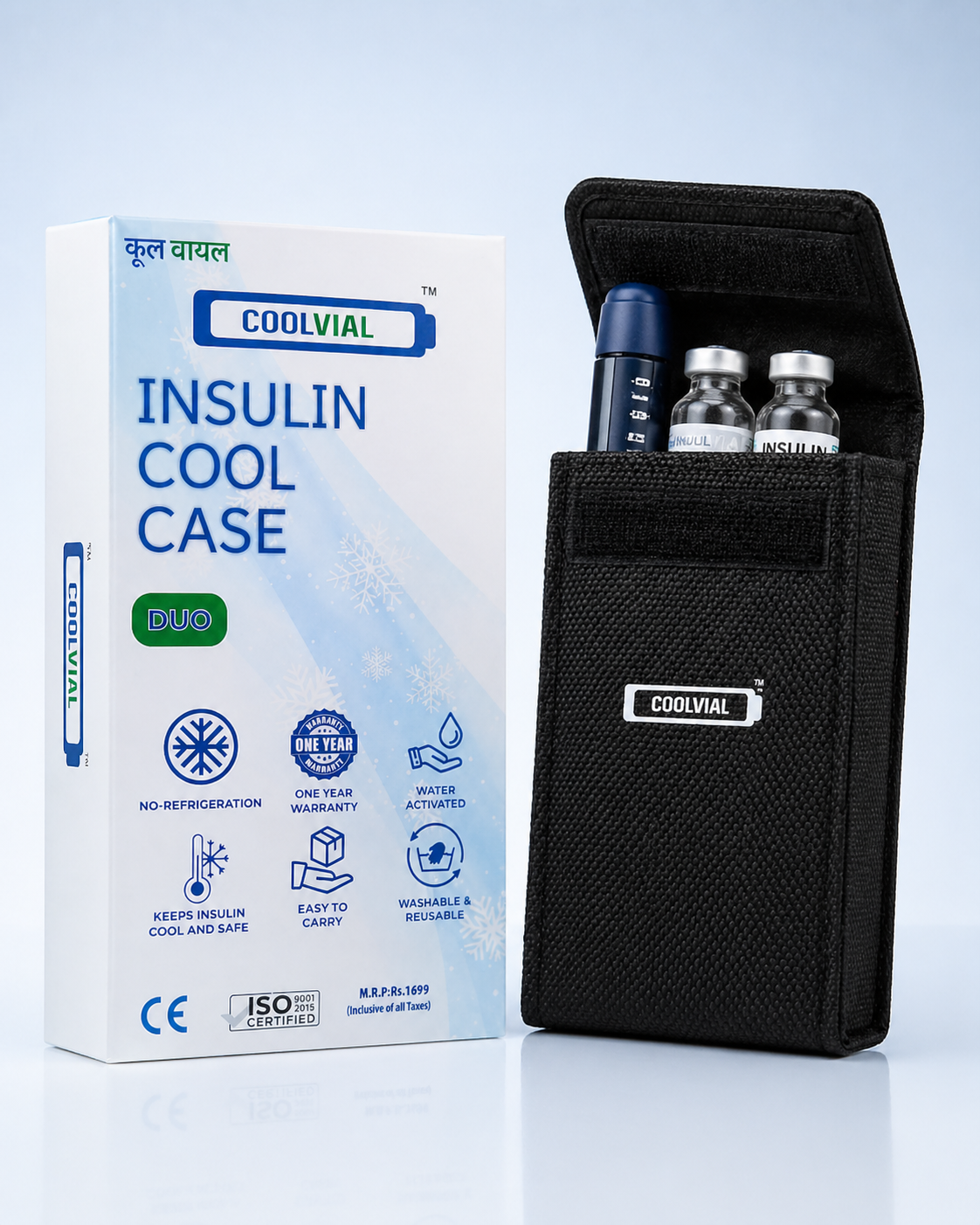
The COOLVIAL Duo is a water-activated evaporative cooling case designed specifically for insulin. It requires no electricity or refrigeration, making it perfect for Rajkot’s often unpredictable monsoon weather, power cuts, and travel through waterlogged areas. Simply immerse it in water for a few minutes, and it provides 12-16 hours of cooling, maintaining insulin within the safe temperature range of 18-26°C, even when ambient temperatures soar up to 37.8°C (Source: Internal COOLVIAL lab testing).
Why COOLVIAL Duo is Ideal for Rajkot Monsoon:
- Humidity Protection: Unlike simple pouches, the COOLVIAL Duo’s design encapsulates your insulin pens and vials, offering a layer of protection against the high ambient humidity. While primarily a cooling device, its structure helps shield insulin from direct moisture exposure.
- Reliable Cooling: Ensures your insulin stays cool for extended periods, crucial when you’re stuck in traffic due to waterlogging on Kalavad Road or facing a prolonged power outage.
- Capacity: The COOLVIAL Duo is thoughtfully designed to hold 2 insulin pens plus 1 insulin vial, or up to 3 insulin pens, making it versatile for different insulin regimens.
- Durability and Quality: Made in India, CE certified, and ISO 9001:2015 compliant, it comes with a 1-year warranty, assuring you of its quality and reliability.
- Cost-Effective Solution: Priced at Rs 1,099 with code COOLHEAL (MRP Rs 1,699), it offers superior performance compared to basic thermal bags and is a more affordable alternative to imported options like FRIO (which typically retail around Rs 1,900) while still providing excellent cooling. Compared to cheaper alternatives like Outer Woods OW-12 (around Rs 999), COOLVIAL Duo offers a higher capacity and enhanced evaporative cooling technology for consistent temperature control in challenging climates.
Imagine taking a walk around the Race Course or visiting the Watson Museum, knowing your insulin is perfectly safe from both the heat and humidity, without needing to rush back to a fridge. The COOLVIAL Duo provides that peace of mind. It’s not just a product; it’s an investment in your health and freedom, especially during the challenging monsoon season.
Frequently Asked Questions (FAQ)
Q: Can I use insulin if its cardboard packaging got wet during the Rajkot monsoon? A: If the cardboard packaging of your insulin got wet, it’s best to discard the packaging and visually inspect the pen or vial itself. If the pen/vial appears undamaged and the insulin looks clear and free of particles, it might still be usable, but consult your doctor immediately if you have any doubts about its integrity.
Q: How often should I replace the silica gel packets during the monsoon? A: Silica gel packets should be replaced or reactivated when they change color (if they are indicating type) or when they feel saturated. In Rajkot’s high monsoon humidity, this could be as often as every 1-2 weeks, or even more frequently if exposed to very damp conditions.
Q: Is it safe to store insulin in the door of the refrigerator during monsoon? A: No, it is generally not safe to store insulin in the refrigerator door. The door experiences the most significant temperature and humidity fluctuations every time the fridge is opened, which can compromise insulin stability.
Q: What are the signs that my insulin has been damaged by humidity? A: Signs of humidity damage to insulin are similar to heat damage: the insulin may appear cloudy, discolored, or have particles floating in it. For clear insulins (like rapid-acting), any cloudiness is a sign of degradation.
Q: Can I use a regular insulated lunch bag to carry insulin during monsoon? A: Regular insulated lunch bags offer minimal protection against high temperatures and virtually no protection against humidity. For reliable cooling and protection from moisture, a specialized water-activated cooling case like the COOLVIAL Duo is highly recommended for carrying insulin during the Rajkot monsoon.
Q: Where can I find information on diabetes prevalence in Rajkot? A: For diabetes prevalence data specific to Rajkot or Gujarat, you can refer to publications by the Research Society for the Study of Diabetes in India (RSSDI) or the Indian Council of Medical Research (ICMR-INDIAB study). The RSSDI often publishes regional data and guidelines relevant to Indian demographics. (Source: https://www.rssdi.in/publications.html)
Conclusion: Stay Prepared, Stay Safe
The Rajkot monsoon, with its unique blend of moderate rainfall and high humidity, presents a distinct set of challenges for individuals managing diabetes. Protecting your rajkot monsoon insulin from moisture damage is not just about convenience; it’s about ensuring the efficacy of your life-saving medication and, ultimately, your health. By understanding the local climate, implementing robust home storage solutions like airtight containers and silica gel, planning for pharmacy access, and utilizing reliable portable cooling cases like the COOLVIAL Duo, you can navigate the wet season with confidence.
Remember, proactive preparation is your strongest ally. Don’t let the monsoon catch you off guard. Take these practical steps today to safeguard your insulin, maintain stable blood sugar levels, and enjoy the beauty of Rajkot’s green season without added worry.
Order your COOLVIAL Duo at Rs 1,099 with code COOLHEAL at coolvial.com or via WhatsApp wa.me/918766952300 to ensure your insulin stays cool and protected, come rain or shine.
How We Researched This
This article was developed based on a thorough review of insulin storage best practices, specific climate data for Rajkot and the Saurashtra region from the Indian Meteorological Department, and an analysis of common challenges faced by diabetics in similar Indian monsoon conditions. We consulted RSSDI guidelines, general ICMR-INDIAB data on diabetes management in India, local Rajkot hospital directories (Sterling Hospital Rajkot (Saurashtra), Synergy Hospital, NM Virani Wockhardt Hospital), and information on pharmacy networks like Apollo Pharmacy and MedPlus to provide locally relevant advice.
Medical Disclaimer
This article is for general information purposes only and should not be considered medical advice. Always consult your endocrinologist or diabetologist before making any changes to your insulin storage practices, dosing regimen, or diabetes management plan.
7 Practical Tips: Safeguarding Your Insulin During Rajkot Monsoons
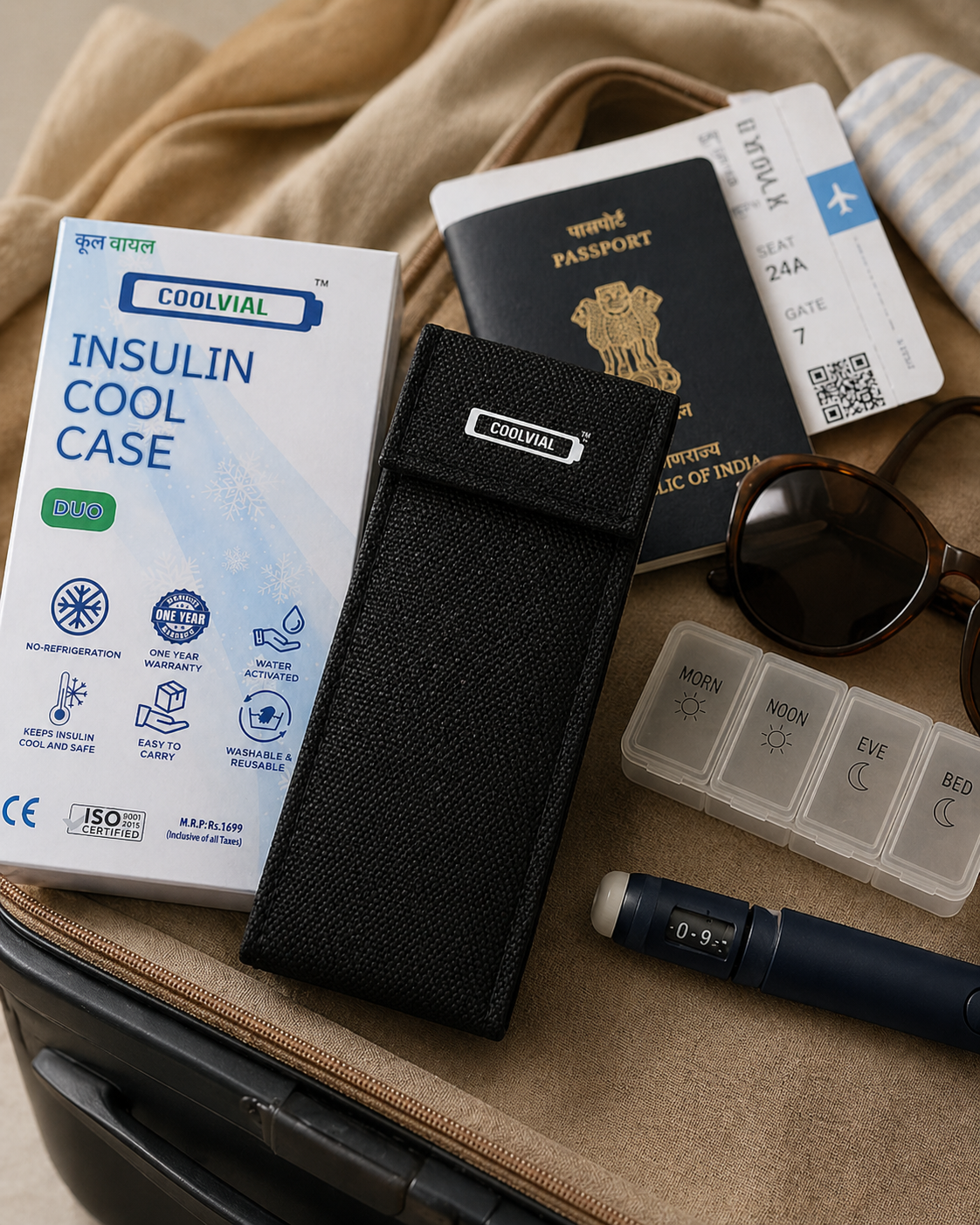
48+ hours at 2-8°C. No electricity. CE certified. Free delivery across India.
Order on WhatsApp — ₹1,099🛒 Buy Now — ₹1,099