
Reviewed by the COOLVIAL Editorial Team — specialists in insulin storage for Indian climate conditions.
Attending a sports camp can be an incredibly enriching experience for children, fostering independence, teamwork, and physical fitness. However, for parents of children with Type 1 Diabetes, sending their child to a camp in India introduces a critical concern: ensuring safe sports camps insulin storage a parents checklist for India is paramount. Insulin must be kept within a narrow temperature range, typically 2-8°C, to maintain its potency. Exceeding 30°C can quickly degrade insulin, rendering it ineffective. With India’s diverse and often extreme climate, protecting this vital medication is a significant challenge. According to the International Diabetes Federation (IDF) Diabetes Atlas 2023, India had 101 million diabetics, a substantial number that underscores the importance of proper diabetes management. This comprehensive guide provides parents with the 7 essential tips and a practical checklist to ensure their child’s insulin remains safe and effective throughout any sports camp experience in India.
This article will equip you with the knowledge and tools to confidently manage insulin storage during sports camps. We will delve into the specific challenges posed by the Indian environment, explain the science behind insulin stability, offer practical tips for preparation and on-site management, and highlight how solutions like the COOLVIAL insulin cool case can provide peace of mind. By the end, you’ll have a clear, actionable plan to safeguard your child’s health while they enjoy their camp adventure.
Table of Contents
- Why this Matters in India: The Critical Challenge of Insulin Preservation
- Understanding Insulin: Core Concepts of Storage and Stability
- 7 Practical Tips for Sports Camps Insulin Storage in India
- Navigating India’s Diverse Climates and Travel for Insulin Safety
- COOLVIAL: Your Trusted Partner for Sports Camps Insulin Storage in India
- Essential Checklist & Frequently Asked Questions for Parents
- Conclusion: Empowering Safe Sports Camps for Children with Diabetes
Why this Matters in India: The Critical Challenge of Insulin Preservation
India’s geographical diversity translates into a wide range of climatic conditions, many of which pose significant threats to insulin stability. From the scorching summers of Delhi, where temperatures frequently soar above 45°C, to the humid coastal regions of Mumbai and Chennai, and even the unpredictable weather patterns in the Himalayan foothills, maintaining the integrity of insulin is a constant battle. Insulin, a protein, is highly sensitive to temperature fluctuations. Exposure to heat, especially above its recommended storage range of 2-8°C (refrigerated) or 15-25°C (opened/in-use), can cause it to degrade rapidly. This degradation reduces its potency, meaning the insulin becomes less effective at lowering blood glucose levels, leading to hyperglycemia and potentially serious health complications for children with Type 1 Diabetes.
The consequences of ineffective insulin are severe. Children relying on insulin for blood sugar control can experience dangerously high blood sugar levels, leading to symptoms like excessive thirst, frequent urination, fatigue, and in severe cases, diabetic ketoacidosis (DKA), a life-threatening condition. For a child at a sports camp, where physical activity and a different routine are common, these risks are amplified. Furthermore, localized power outages, particularly in smaller towns and rural areas, can compromise refrigerator reliability for extended periods. Around 15% of Indian households (nearly 30 million) still face daily power cuts exceeding 4 hours, especially in states like Uttar Pradesh and Bihar (Source: NITI Aayog, 2019 report data still relevant for local issues). This makes reliance on standard refrigeration challenging, even when available.
Beyond the climate, the sheer logistics of sports camps insulin storage a parents checklist for India add another layer of complexity. Children often travel to camps, participate in outdoor activities, and may not have constant access to a refrigerator. Camp staff, while well-intentioned, may not always be fully aware of the stringent requirements for insulin storage. This makes a proactive, well-planned approach by parents absolutely essential. The Indian Council of Medical Research (ICMR) provides comprehensive guidelines for diabetes management, emphasizing the importance of proper medication storage (Source: ICMR Guidelines on Diabetes). Adhering to these principles, adapted for the unique challenges of a sports camp, is crucial for your child’s well-being.
Key challenges for insulin storage in India:
- Extreme Temperatures: Summers reaching over 45°C in many regions.
- High Humidity: Coastal areas like Kerala and West Bengal can affect packaging and integrity.
- Frequent Power Cuts: Localized outages jeopardize refrigeration, especially in non-metro areas.
- Travel Logistics: Long journeys by train or bus expose insulin to varied conditions.
- Camp Environment: Limited access to controlled refrigeration, outdoor activities.
Understanding Insulin: Core Concepts of Storage and Stability
Insulin is a life-saving medication, but its efficacy hinges entirely on proper storage. It is a delicate protein that can be damaged by extreme temperatures, light, and even vigorous shaking. Understanding these core concepts is the first step in ensuring your child’s insulin remains potent throughout their sports camp experience.
The Science of Insulin Degradation
Insulin molecules have a specific three-dimensional structure that allows them to bind to receptors and facilitate glucose uptake. When exposed to adverse conditions like excessive heat or freezing temperatures, this structure can change, a process known as denaturation. Denatured insulin loses its ability to function effectively, becoming less potent or even completely inactive. This degradation is irreversible. Once insulin is damaged, it cannot be salvaged. This is why preventative measures are far more effective than reactive ones. Physical agitation, such as vigorous shaking, can also break down insulin molecules, particularly in certain formulations.
Recommended Temperature Ranges
Maintaining insulin within its recommended temperature range is non-negotiable. There are two primary categories for insulin storage:
- Unopened Insulin: Vials, pens, or cartridges that have not been opened should be stored in a refrigerator, ideally between 2°C and 8°C (36°F and 46°F). This is the optimal temperature for long-term storage, preserving its full shelf life until the expiration date.
- Opened (In-Use) Insulin: Once a vial or pen is opened and put into use, it can typically be stored at room temperature, generally between 15°C and 25°C (59°F and 77°F). However, this comes with a significantly reduced shelf life. It is critical to never allow in-use insulin to exceed 30°C, as degradation accelerates rapidly beyond this point. For sports camps in India, where ambient temperatures often exceed 25°C, even for opened insulin, active cooling is almost always required.
Shelf Life After Opening
The shelf life of insulin once opened varies depending on the type and brand, but a general rule of thumb for most common insulins (like Humalog, Novolog, Lantus, Levemir) is:
- Vials: Typically good for 28 days after opening when stored at room temperature (up to 25°C) or refrigerated.
- Pens/Cartridges: Often good for 28 to 42 days (4 to 6 weeks) after opening, again, depending on the specific insulin, when stored at room temperature.
Always check the manufacturer’s specific instructions for the exact insulin your child uses, as these guidelines can vary. Beyond these periods, even if stored correctly, the insulin’s potency cannot be guaranteed.
Visual Cues of Spoiled Insulin
While not always immediately obvious, there are visual indicators that insulin may have spoiled:
7 Essential Tips: Sports Camps & Insulin Storage: A Parent's Checklist for India
Insulin at 2-8°C for 48+ hours. Trusted by 10,000+ Indian diabetics.
7 Essential Tips: Sports Camps & Insulin Storage: A Parent's Checklist for India
7 Essential Tips: Sports Camps & Insulin Storage: A Parent's Checklist for India
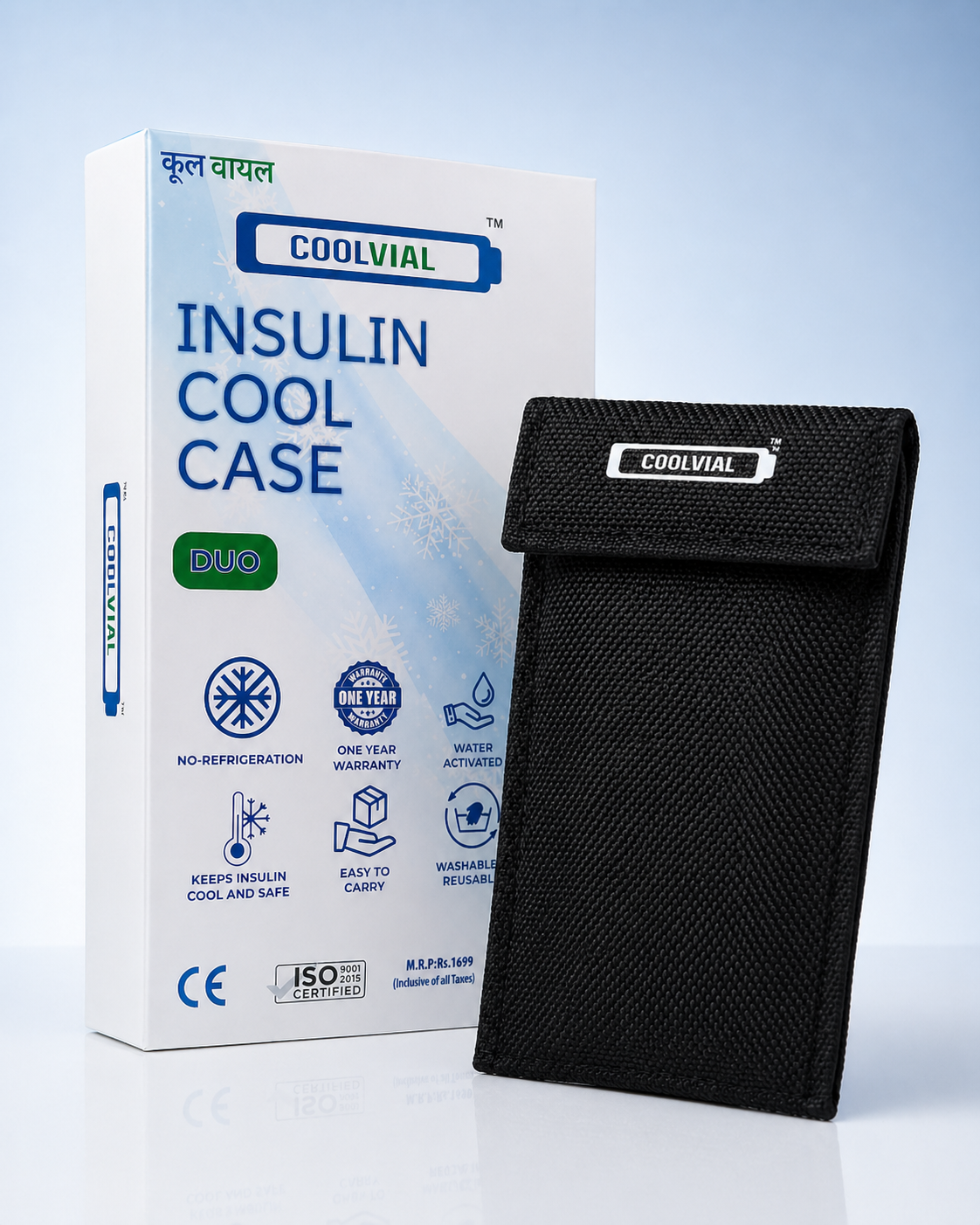
COOLVIAL keeps insulin at 2-8C for 48+ hours. No electricity needed.
Order Now — ₹1,099- Cloudiness or Discoloration: Clear insulin (like rapid-acting or long-acting basal insulins) should remain perfectly clear. If it appears cloudy, has particles, or changes color (e.g., yellowish or brownish), it has likely degraded.
- Clumping or “Frosting”: Insulin that should be cloudy (like NPH insulin) should have a uniformly cloudy appearance. If you see white particles, clumps, or “frosting” on the inside of the vial, it’s a sign of spoilage.
- Changes in Texture: Insulin should flow smoothly. If it appears gritty or unusually thick, it’s compromised.
If you observe any of these changes, discard the insulin immediately and use a fresh vial or pen. When managing sports camps insulin storage a parents checklist for India it’s always better to err on the side of caution.
Here’s a quick reference table for insulin storage:
| Storage Condition | Temperature Range | Shelf Life | Notes |
|---|---|---|---|
| Unopened | 2°C - 8°C (Refrigerated) | Until Expiry Date | Do not freeze. Protect from light. |
| Opened (In-Use) | 15°C - 25°C (Room Temp) | 28-42 Days (varies) | Do not exceed 30°C. Active cooling often needed in India. |
| Critical Limit | Above 30°C or Below 0°C | Rapid Degradation/Spoil | Discard immediately if exposed to these extremes. |
7 Practical Tips for Sports Camps Insulin Storage in India
Ensuring safe sports camps insulin storage a parents checklist for India requires meticulous planning and consistent execution. Here are seven practical tips to help you prepare your child and their insulin for a successful camp experience.
Pre-Camp Planning & Communication
-
Communicate Extensively with Camp Staff: Before your child attends, have a detailed discussion with the camp director, medical staff (if any), and the specific counselor who will be supervising your child. Explain your child’s Type 1 Diabetes management plan, including insulin dosage, administration schedule, blood glucose monitoring, and, crucially, insulin storage requirements. Ensure they understand the importance of keeping insulin cool and away from direct sunlight. Provide written instructions for all these points.
-
Pack Ample Supplies: Always pack more insulin than you anticipate your child will need. India’s climate, travel delays, or unforeseen circumstances (like a vial breaking or insulin spoiling) can quickly deplete supplies. Include extra syringes/pen needles, alcohol swabs, blood glucose test strips, lancets, and a backup glucose meter. A general rule is to pack 1.5 to 2 times the amount needed for the camp duration.
Packing Essentials
-
Invest in a Reliable Insulin Cool Case: This is perhaps the most critical item on your sports camps insulin storage a parents checklist for India. Given India’s high temperatures, a standard insulated lunch bag with ice packs is often insufficient. Look for a specialized insulin cool case designed for extended cooling without electricity. These cases, like the COOLVIAL insulin cool case, are engineered to maintain the ideal temperature range (2-8°C or 15-25°C, depending on the model and usage) for several hours, or even days, using advanced cooling technology without the need for refrigeration or ice.
-
Use a Thermometer: Include a small, portable thermometer inside the cool case or storage bag. This allows your child or camp staff to periodically check the internal temperature, ensuring it remains within the safe range. This simple tool provides objective data and helps identify any potential storage issues before insulin spoils.
On-Site Management
-
Educate Your Child on Self-Management (Age-Appropriate): Empower your child with knowledge about their diabetes. Teach them how to check their blood sugar, administer insulin, and understand the importance of keeping their insulin safe. For older children, this includes knowing how to check the cool case temperature and when to alert staff if they suspect an issue with their insulin or its storage.
-
Develop a Clear Emergency Protocol: Outline a clear plan for various scenarios: what to do if blood sugar is too high or low, if insulin is lost or suspected to be spoiled, or if the cool case malfunctions. Provide emergency contact numbers for you, your child’s doctor, and any local contacts. Ensure camp staff know where this information is kept and how to act on it.
During Camp Activities
- Choose a Designated, Safe Storage Spot: Upon arrival at the camp, work with staff to identify a secure, cool, and accessible location for the insulin cool case. This spot should be out of direct sunlight, away from heat sources, and ideally not a place where it could be easily forgotten or tampered with. For instance, a shaded area within the medical tent or the counselor’s room, rather than a hot dormitory or an open tent.
Navigating India’s Diverse Climates and Travel for Insulin Safety
India’s vast landscape presents unique challenges for insulin storage during travel and at various camp locations. Understanding these regional differences and planning accordingly is vital for effective sports camps insulin storage a parents checklist for India.
Regional Climate Challenges
- North Indian Plains (Delhi, Uttar Pradesh, Rajasthan): Summers are characterized by extreme heat, often exceeding 45°C. The dry heat can be deceptively dangerous as it rapidly pulls moisture and heat into any uninsulated container. Insulin here requires robust, active cooling solutions.
- Coastal Regions (Mumbai, Chennai, Kolkata, Kerala): High humidity combined with warm temperatures creates a stifling environment. While temperatures might not reach the absolute peaks of the plains, constant warmth and moisture can still degrade insulin quickly. Humidity can also affect insulin pens and glucose meters if not properly sealed.
- Central India (Madhya Pradesh, Telangana): Experiences a mix of dry heat and monsoon humidity, both posing threats. Planning must account for both extremes depending on the season.
- Himalayan Regions (Uttarakhand, Himachal Pradesh): While generally cooler, daytime sun can still be intense, and temperatures can fluctuate dramatically between day and night. Freezing temperatures at night in higher altitudes can also be a risk, as insulin must not freeze.
- Northeast India (Assam, Meghalaya): Characterized by heavy rainfall and high humidity during the monsoon, and moderate to warm temperatures otherwise. Insulating against ambient heat and moisture is key.
7 Essential Tips: Sports Camps & Insulin Storage: A Parent's Checklist for India
7 Essential Tips: Sports Camps & Insulin Storage: A Parent's Checklist for India
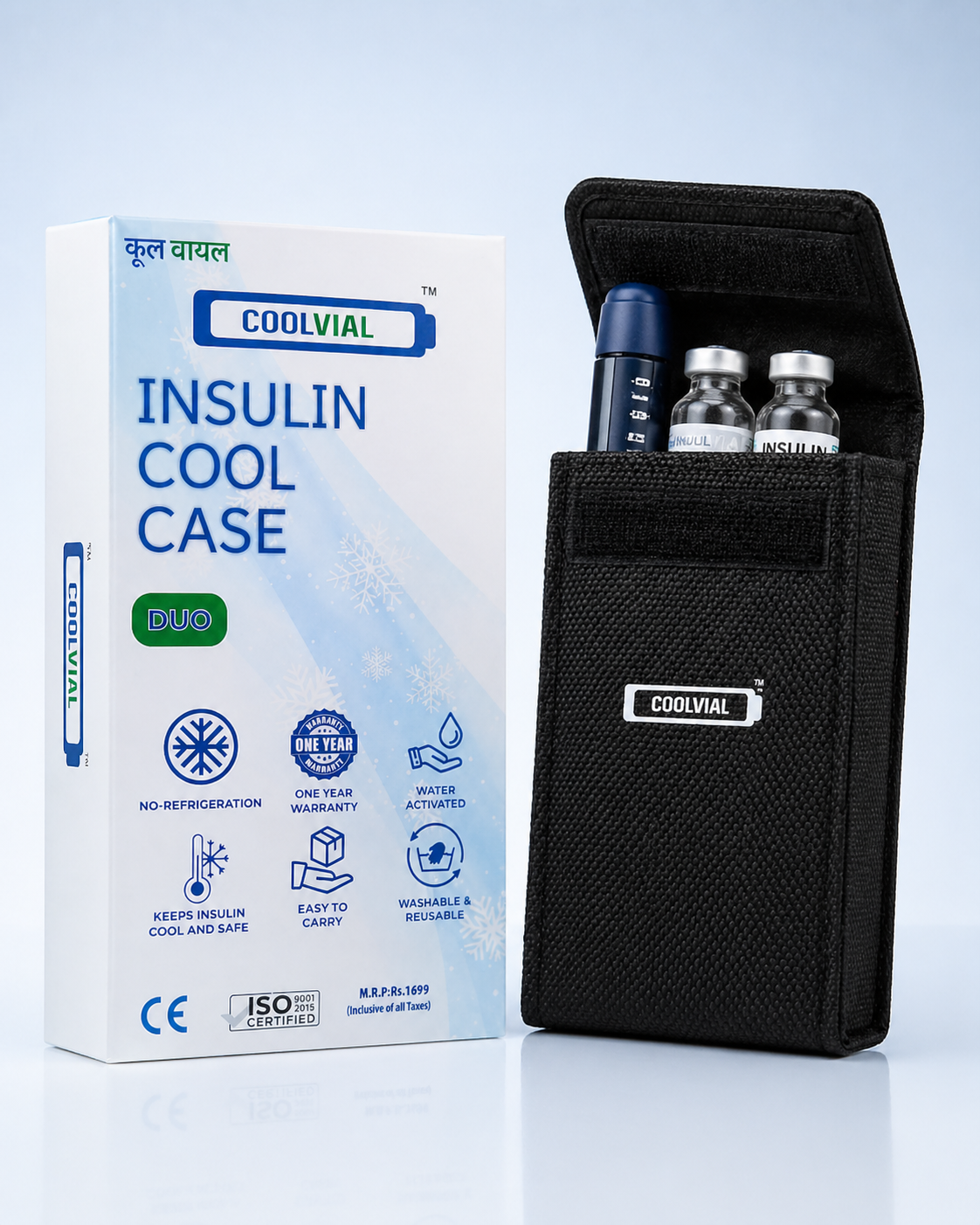
48+ hours at 2-8°C. No electricity. CE certified. Free delivery across India.
Order on WhatsApp — ₹1,099🛒 Buy Now — ₹1,0997 Essential Tips: Sports Camps & Insulin Storage: A Parent's Checklist for India
Power Reliability and Alternatives
As mentioned, localized power outages are a reality across India. While major metropolitan areas like Bengaluru, Pune, and Hyderabad generally have more consistent power, even they can experience disruptions. In smaller towns, rural areas, or during peak summer demand, electricity can be intermittent. This means:
- Do Not Rely Solely on Refrigerators: Even if a camp claims to have a refrigerator, it might not be consistently powered or maintained at the correct temperature.
- Backup Solutions are Essential: Always have a non-electric, long-lasting cool case as your primary or secondary storage method. This ensures continuous cooling even if electricity fails.
- Generator Backup: Inquire if the camp has generator backup and if it specifically covers the medical room or refrigerator where insulin might be stored.
Travel Logistics (Trains, Buses, Flights within India)
Traveling to and from sports camps in India, whether by train, bus, or domestic flight, adds layers of complexity to insulin storage:
- Train Travel: Long-distance trains can be hot, especially in general or sleeper coaches. Even AC coaches might have fluctuating temperatures. Keep your cool case easily accessible, not in overhead racks where it might be forgotten or exposed to varying temperatures.
- Bus Travel: Buses, particularly private coaches, can also have inconsistent climate control. Luggage compartments are often very hot. Keep insulin with you in the cabin.
- Air Travel: For domestic flights, insulin should always be carried in your hand luggage. The cargo hold can experience extreme temperature fluctuations (freezing or very hot), which can damage insulin. Inform security about your medical supplies. While security checks are common, carrying medical necessities is permitted.
- Personal Vehicle: Even in a car, avoid leaving insulin in the glove compartment or on the dashboard, as temperatures can skyrocket quickly. Use your cool case and keep it in the main cabin, ideally on the floor or under a seat.
Festival Season Considerations
Indian festivals (Diwali, Holi, Eid, Christmas) often involve increased travel, larger crowds, and sometimes temporary disruptions in services. If a sports camp coincides with a major festival, factor in potential delays in travel and increased strain on local infrastructure, which could impact electricity or access to medical supplies. Plan for these eventualities by packing extra supplies and ensuring your cool case is fully prepared.
COOLVIAL: Your Trusted Partner for Sports Camps Insulin Storage in India
When it comes to ensuring safe sports camps insulin storage a parents checklist for India, a reliable, durable, and effective cooling solution is non-negotiable. This is where COOLVIAL steps in as an essential partner for parents. Our insulin cool cases are specifically designed to tackle the demanding climate conditions prevalent across India, providing peace of mind so your child can focus on enjoying their camp experience.
The COOLVIAL insulin cool case (available at just ₹1,099) offers a robust solution for maintaining insulin within its crucial temperature range. Unlike generic ice packs or simple insulated bags that may fail in extreme heat, COOLVIAL utilizes advanced cooling technology to provide extended temperature control. Our cases are engineered to keep insulin cool and potent for hours, and even days, without needing refrigeration or electricity, making them ideal for outdoor activities, travel, and situations prone to power cuts.
Here’s why COOLVIAL is the smart choice for parents:
- Reliable Temperature Control: Designed to maintain insulin within the safe 2-8°C or 15-25°C range, protecting it from India’s scorching summers and fluctuating ambient temperatures.
- Durable & Portable: Constructed with high-quality materials to withstand the rigors of travel and outdoor camp life. Its compact design makes it easy for children or camp staff to carry.
- No Electricity Needed: Operates independently, making it perfect for areas with unreliable power or during activities where a refrigerator is unavailable. This is particularly crucial for remote camps or extended travel by train or bus.
- Cost-Effective Solution: At ₹1,099, the COOLVIAL cool case is an affordable investment in your child’s health and safety, preventing costly insulin spoilage and potential health complications.
- Easy to Use: Simple activation process ensures hassle-free preparation for camp.
Integrating a COOLVIAL insulin cool case into your child’s diabetes management plan for sports camps is a practical and proactive step. It empowers your child to participate fully in activities while safeguarding their essential medication. You can easily purchase your COOLVIAL insulin cool case today. For direct and swift ordering, you can buy COOLVIAL at ₹1,099 via WhatsApp at wa.me/918766952300.
Essential Checklist & Frequently Asked Questions for Parents
Preparing your child for a sports camp with Type 1 Diabetes can feel overwhelming, but a structured approach can make all the difference. Use this essential checklist and FAQ section to ensure all bases are covered for effective sports camps insulin storage a parents checklist for India.
Parent’s Essential Checklist for Sports Camps Insulin Storage
- Before Camp:
- Confirm camp’s medical facilities and staff’s diabetes experience.
- Provide detailed written diabetes management plan to camp staff.
- Pack 1.5-2x the required insulin and all diabetes supplies.
- Acquire a reliable insulin cool case (e.g., COOLVIAL).
- Include a portable thermometer for temperature monitoring.
- Prepare an emergency contact list and protocol.
- Discuss with your child (age-appropriate) their self-management responsibilities.
- Get a doctor’s note for medication, if required by camp or travel.
- During Travel:
- Keep insulin and cool case in hand luggage/cabin, not checked baggage or hot compartments.
- Monitor cool case temperature during transit.
- At Camp:
- Designate a secure, cool, and accessible storage location for insulin with camp staff.
- Regularly check the temperature inside the cool case.
- Ensure camp staff know how to identify spoiled insulin.
- Confirm your child has access to water and snacks for blood sugar management.
- Remind your child to inform staff immediately of any health concerns.
Frequently Asked Questions
Q: What happens if insulin gets too hot at a sports camp in India? A: If insulin gets too hot (above 30°C), its protein structure can degrade, making it less potent or completely ineffective. This means it won’t lower blood sugar properly, potentially leading to dangerously high blood sugar levels and serious health complications for your child.
Q: Can I just use a regular ice pack for insulin storage at camp? A: A regular ice pack is usually insufficient for prolonged periods in India’s heat. They often don’t maintain a stable temperature range and can even freeze insulin if placed directly. A specialized insulin cool case, like COOLVIAL, is designed for stable and extended cooling without the risk of freezing.
Q: How often should I check the temperature of the insulin in the cool case? A: Ideally, the temperature inside the cool case should be checked at least twice a day, or more frequently if the ambient temperature is very high or if the child is moving between different environments. This ensures the insulin remains within its safe temperature range (2-8°C or 15-25°C for in-use insulin).
Q: What if the camp doesn’t have a refrigerator? A: If the camp lacks a reliable refrigerator, a high-quality, non-electric insulin cool case becomes absolutely essential. It is designed to maintain the required cold chain independently. You should also pack enough insulin to account for any potential spoilage and ensure the camp staff understand this storage method.
Q: Is it safe for my child to carry insulin on their person during sports activities? A: For short periods of activity, an insulin pen or vial might be carried in a small, insulated pouch or the cool case itself, especially if it’s lightweight. However, for intense or prolonged sports, it’s generally safer to keep the main insulin supply in a securely designated, actively cooled storage area to protect it from body heat, sweat, and physical impact.
Conclusion: Empowering Safe Sports Camps for Children with Diabetes
Sending a child with Type 1 Diabetes to a sports camp in India is a journey that can be filled with excitement and growth, provided the critical aspect of insulin management is meticulously handled. The challenges posed by India’s diverse climate, from scorching heat to unpredictable power supply, underscore the absolute necessity of a robust strategy for sports camps insulin storage a parents checklist for India. By understanding insulin’s delicate nature, planning comprehensively, communicating effectively with camp staff, and equipping your child with the right tools, you empower them to enjoy their camp experience safely and confidently.
Remember, the goal is to protect insulin’s potency, which directly impacts your child’s health and well-being. A specialized solution like the COOLVIAL insulin cool case offers a reliable, electricity-free method to maintain the vital 2-8°C temperature range, ensuring insulin remains effective regardless of external conditions. This investment in proper storage is an investment in your child’s continuous health and their freedom to participate fully in life’s adventures. For more detailed insulin storage tips and solutions tailored for India, explore our resources.
Don’t let concerns about insulin storage hold your child back from the incredible benefits of sports camps. Take the proactive step today to secure their health. Order your COOLVIAL insulin cool case via WhatsApp at wa.me/918766952300 for just ₹1,099 and give your child the gift of a safe and memorable camp experience.
7 Essential Tips: Sports Camps & Insulin Storage: A Parent's Checklist for India