
Reviewed by the COOLVIAL Editorial Team — specialists in insulin storage for Indian climate conditions.
Navigating wedding season travel in India while managing diabetes, especially ensuring proper insulin storage for long functions, can be a significant challenge. Insulin must be kept between 2-8°C when unopened, and below 30°C once opened, as temperatures above this can render it ineffective in just a few hours. This article provides 7 essential tips to help you maintain stable blood sugar levels by protecting your insulin from the often-unpredictable Indian climate. You’ll learn practical strategies for safe insulin storage during extensive travel and prolonged celebrations, ensuring your well-being throughout the festivities.
Table of Contents
- Why Safe Insulin Storage is Critical During Wedding Season Travel in India
- Understanding Insulin’s Temperature Needs: Core Concepts for Travel
- Practical Tips for Wedding Season Travel in India: Insulin Storage for Long Functions
- India-Specific Context: Climate, Travel, and Power Challenges
- COOLVIAL: Your Smart Solution for Insulin Storage During Wedding Season Travel in India
- Quick Reference: Your Wedding Travel Insulin Checklist and FAQs
Why Safe Insulin Storage is Critical During Wedding Season Travel in India
India’s wedding season, typically spanning from October to March, coincides with varying climate conditions across the country, from the cooler northern plains to the warm southern coasts. For individuals managing diabetes, participating in these celebrations often involves extensive wedding season travel in India, hopping between cities like Delhi, Mumbai, Bengaluru, and Kolkata, and attending numerous functions that can last for hours, sometimes even days. The primary concern during such an itinerary is maintaining the integrity of insulin, a life-saving medication highly sensitive to temperature fluctuations.
Improper insulin storage can lead to its degradation, reducing its potency and making it ineffective in controlling blood glucose levels. This can result in dangerously high blood sugar, known as hyperglycemia, which can lead to serious health complications, especially during travel when immediate medical help might not be readily available. According to the International Diabetes Federation (IDF), India had 101 million diabetics in 2023, making effective diabetes management, including proper medication storage, a critical public health concern (Source: International Diabetes Federation). The challenge is compounded by India’s diverse climate, where temperatures can swing dramatically, and infrastructure might not always guarantee continuous refrigeration.
Consider attending a traditional Indian wedding, which often involves multiple events: a Sangeet, Mehendi, Haldi, the main wedding ceremony, and a reception. Each of these can be held at different venues, requiring travel, and stretching over many hours. A typical wedding ceremony in Rajasthan might take place in an open-air venue, exposing insulin to ambient temperatures that could exceed safe limits. Similarly, a destination wedding in Goa or Kerala, while picturesque, presents a humid, warm environment. Without a reliable method for insulin storage for long functions, diabetics face a constant battle against heat, which can quickly compromise their medication. This section emphasizes the crucial need for proactive planning and smart storage solutions for anyone undertaking wedding season travel in India, particularly when dealing with insulin. Ensuring safe storage is not merely a convenience; it is a fundamental aspect of maintaining health and well-being amidst the joyful chaos of Indian weddings.
Understanding Insulin’s Temperature Needs: Core Concepts for Travel
Insulin is a delicate protein hormone that is essential for regulating blood sugar. Its effectiveness is highly dependent on being stored within specific temperature ranges. Deviations from these ranges can irreversibly damage the insulin molecules, rendering them less potent or completely ineffective. This is especially critical when planning wedding season travel in India, where ambient temperatures can be challenging.
The Golden Rules of Insulin Temperature
- Unopened Insulin: Vials, cartridges, or pens of unopened insulin should ideally be stored in a refrigerator at temperatures between 2°C and 8°C (36°F and 46°F). This is the optimal range for preserving its full potency until its expiration date. Freezing insulin will also destroy it, so avoid storing it in the freezer compartment.
- Opened Insulin (In-Use): Once an insulin vial or pen is opened and in use, it can typically be stored at room temperature, which is generally considered below 30°C (86°F). However, its shelf life significantly reduces, usually to 28 days (4 weeks) for most types of insulin. Some newer formulations might allow for up to 42 days (6 weeks), so always check the manufacturer’s specific guidelines. It’s crucial not to refrigerate insulin that is currently in use, as frequent temperature changes can also affect its stability.
The Dangers of Heat and Freezing
Exposure to high temperatures is the primary enemy of insulin, particularly in the Indian climate. When insulin gets too hot (above 30°C), its protein structure breaks down, causing it to become cloudy, clump, or lose its effectiveness. This degradation can occur rapidly, sometimes within a few hours if left in a hot car or direct sunlight. Using degraded insulin can lead to dangerously high blood sugar levels because the body isn’t receiving the proper dose of glucose-lowering medication.
Conversely, freezing insulin also destroys its effectiveness. If insulin freezes, the solution can separate, and the active ingredient becomes unstable. Even if it thaws, it should not be used. This is less common during wedding season travel in India, but it’s important to be aware of, especially if traveling to very cold regions or using unreliable cooling methods that might over-chill.
Signs of Spoiled Insulin
It’s vital for individuals with diabetes to recognize the signs of spoiled insulin. If your insulin looks cloudy (unless it’s a type that is naturally cloudy, like NPH), has particles floating in it, appears discolored, or has an unusual texture, it’s likely compromised. If you suspect your insulin has been exposed to extreme temperatures or shows any of these signs, it’s safest to discard it and use a fresh supply. Trusting your instincts and prioritizing your health is paramount. Always have a backup supply available when undertaking wedding season travel in India to avoid any medication shortages.
| Insulin State | Recommended Temperature Range | Shelf Life | Key Considerations |
|---|---|---|---|
| Unopened (Stored) | 2°C - 8°C (36°F - 46°F) | Until manufacturer’s expiry date | Refrigerate, do not freeze. Protect from light. |
| Opened (In-Use) | Below 30°C (86°F), room temperature | 28 days (some up to 42 days) | Do not refrigerate once opened. Protect from direct heat/sunlight. Check manufacturer. |
| Exposure to >30°C | Above 30°C | Effectiveness diminishes rapidly (hours) | Discard if exposed. Leads to hyperglycemia. |
| Exposure to <0°C | Below 0°C (Freezing) | Effectiveness destroyed upon freezing/thawing | Discard if frozen. Solution separates. |
By understanding these core concepts, you can make informed decisions about how to best protect your insulin, especially when dealing with the demands of wedding season travel in India insulin storage for long functions.
7 Essential Tips for Wedding Season Travel in India: Safe Insulin Storage for Long Functions
7 Essential Tips for Wedding Season Travel in India: Safe Insulin Storage for Long Functions
Insulin at 2-8°C for 48+ hours. Trusted by 10,000+ Indian diabetics.
Practical Tips for Wedding Season Travel in India: Insulin Storage for Long Functions
Successfully managing insulin storage during the bustling Indian wedding season requires careful planning and smart strategies. These practical tips are designed to help you navigate long travel days and extended functions, ensuring your insulin remains effective.
-
Plan Ahead for Your Insulin Supply: Before embarking on your wedding season travel in India, ensure you have more than enough insulin, syringes/pens, and test strips for the entire trip, plus a small buffer. Consult your doctor about travel needs and obtain a prescription or doctor’s note for your medication. This is crucial for airport security and in case you need to purchase supplies locally.
-
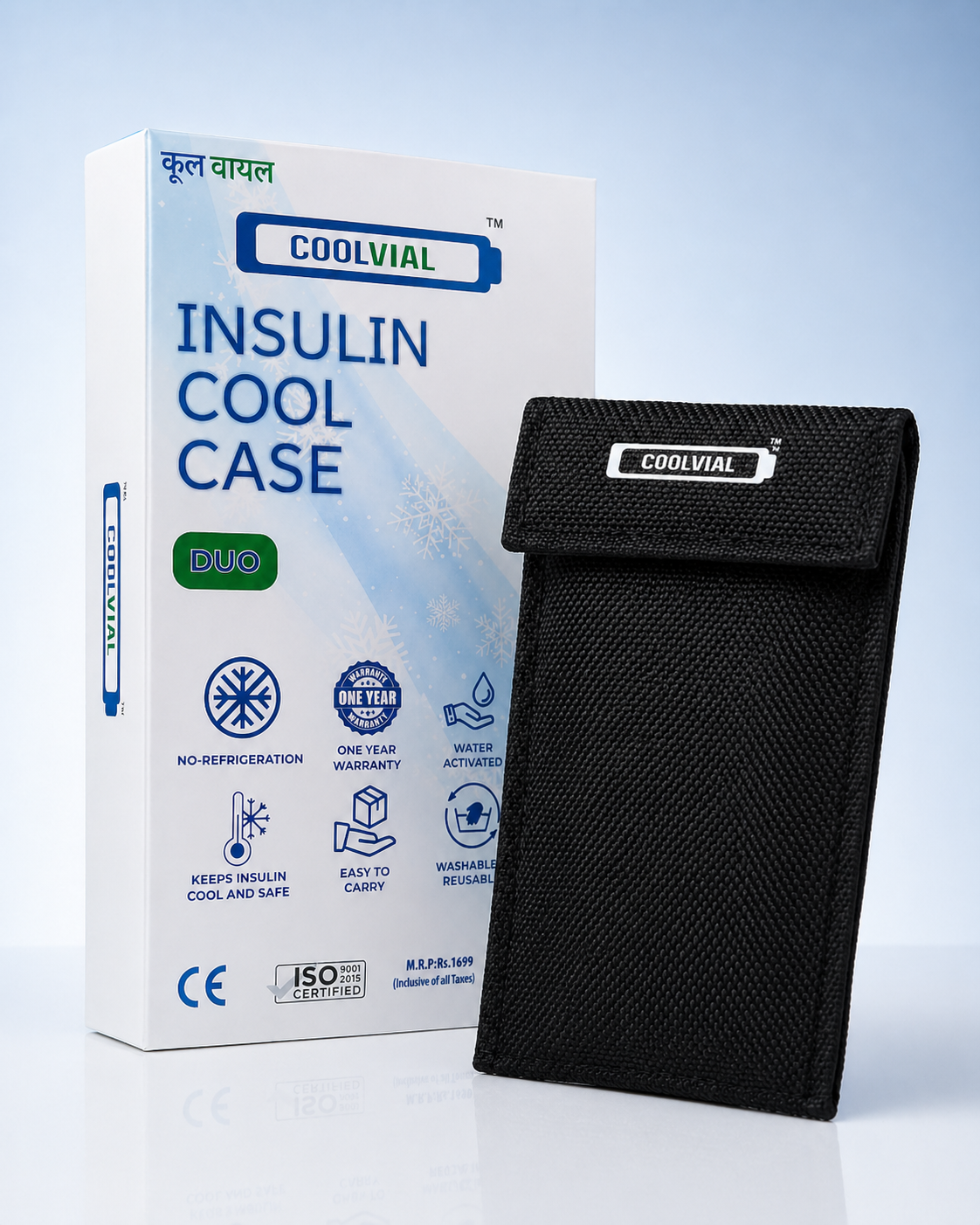
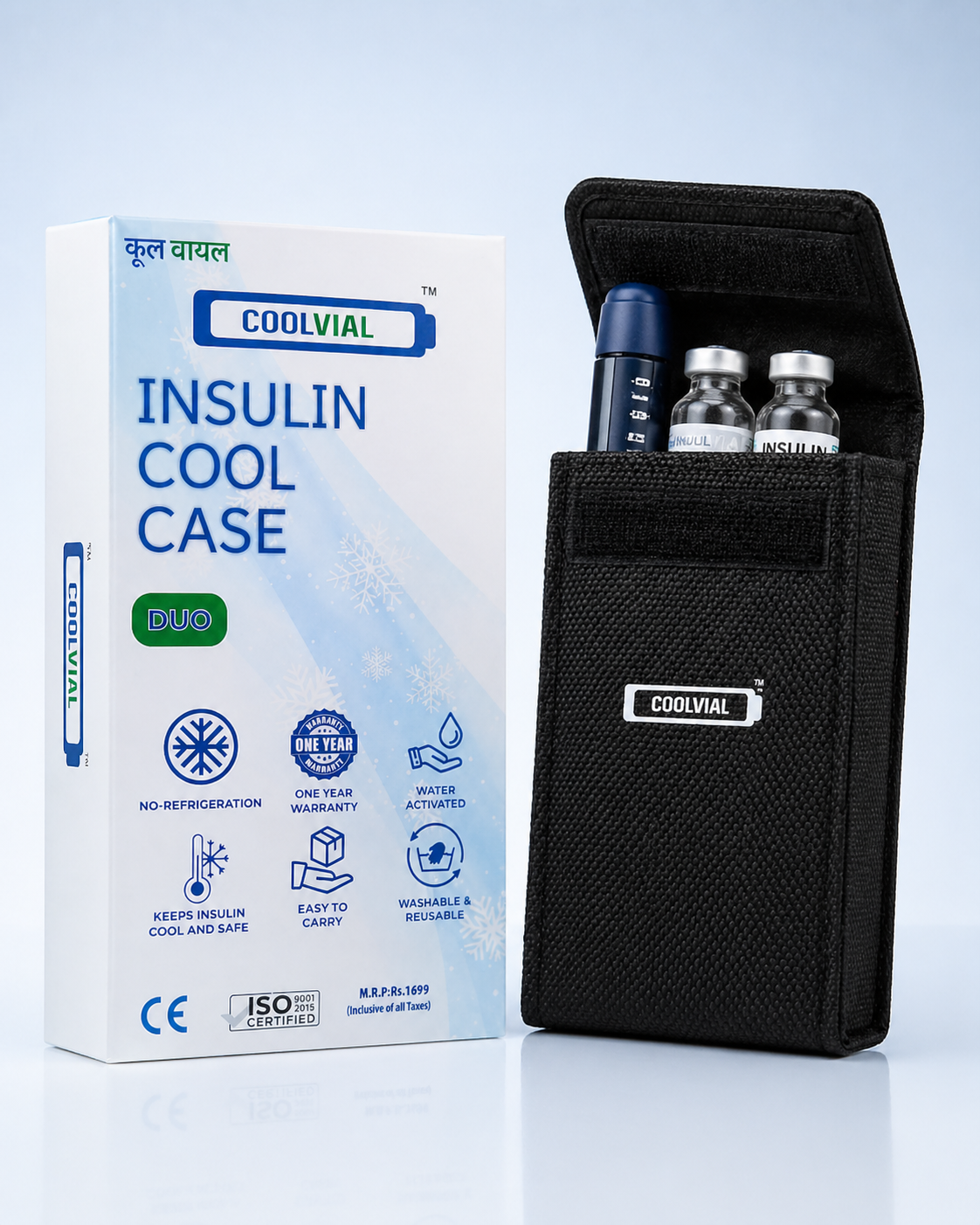
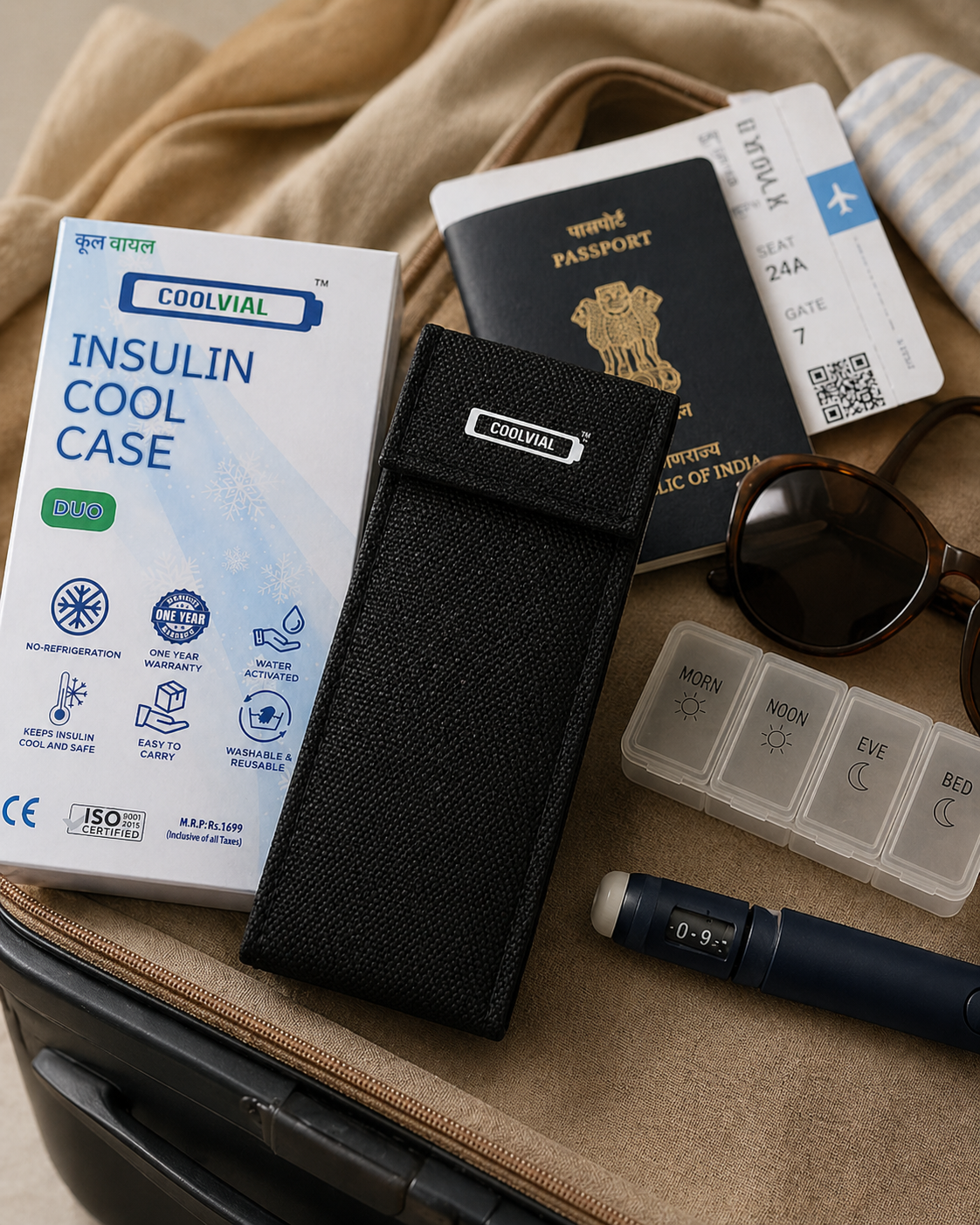
Invest in a Reliable Insulin Cool Case: This is perhaps the most critical investment. A high-quality, portable insulin cool case designed for Indian conditions is indispensable. Look for cases that use advanced cooling technology, such as evaporative cooling or gel packs, to maintain the ideal temperature range (below 30°C, ideally closer to 20-25°C for in-use insulin) for extended periods without electricity. For instance, a COOLVIAL insulin cool case can offer hours of protection against heat, making it perfect for long journeys or outdoor events.
-
Divide and Conquer Your Insulin Supply: Never store all your insulin in one place. Split your supply between your carry-on luggage and a smaller, personal bag. In case one bag is lost or delayed, you’ll have a backup. For example, if you’re flying from Chennai to Jaipur for a wedding, keep some vials in your main cool case and a few insulin pens in a smaller, travel-friendly pouch.
-
Protect from Direct Sunlight and Heat Sources: Even inside a cool case, direct exposure to sunlight or heat can compromise your insulin. Avoid leaving your insulin bag in a car’s dashboard or boot, near windows, or on hot surfaces. During outdoor wedding functions like a daytime Haldi ceremony, always keep your cool case in the shade.
-
Understand Your Travel Mode’s Limitations:
- Air Travel: Always carry insulin in your carry-on luggage. The cargo hold of an airplane can experience extreme temperature fluctuations, including freezing temperatures, which can damage insulin.
- Train/Bus Travel: Indian trains and buses can get very warm, especially during the day. Ensure your cool case is robust enough for these conditions. Keep it with you, not in overhead racks where heat can accumulate.
- Car Travel: If driving, use your cool case and avoid leaving insulin in an unattended car, which can become an oven in minutes, particularly in cities like Hyderabad or Ahmedabad where summer temperatures frequently exceed 40°C.
-
Carry a Thermometer (Optional but Recommended): For extra peace of mind, a small, portable thermometer placed inside your insulin cool case can help you monitor the temperature and ensure it stays within safe limits. This is particularly useful for wedding season travel in India insulin storage for long functions, giving you real-time data.
-
Be Prepared for Power Cuts: India, especially in smaller towns or during peak summer, can experience power cuts. Relying solely on refrigeration for insulin storage is risky. A non-electric cool case provides a vital backup for maintaining insulin temperature when electricity is unavailable. This foresight is critical for sustained diabetes management during any long-duration event.
By meticulously following these tips, individuals can minimize the stress associated with insulin storage and fully immerse themselves in the joyous atmosphere of Indian weddings, from the vibrant streets of Varanasi to the serene backwaters of Kerala, without compromising their health.
India-Specific Context: Climate, Travel, and Power Challenges
India’s vast geographical and climatic diversity presents unique challenges for insulin storage, especially during the extended periods of wedding season travel. Understanding these specific conditions is key to effective diabetes management.
Diverse Climate Zones
India experiences a wide range of climates. While the wedding season generally falls in cooler months, many regions, especially in the south and west, remain warm or hot.
- Northern Plains (Delhi, Uttar Pradesh, Punjab): Winters can be cool, but shoulder months (October, March) can still see daytime temperatures reaching 25-30°C. Summers are scorching, often exceeding 40°C.
- Western India (Rajasthan, Gujarat): Desert and semi-arid regions like Rajasthan (e.g., Jodhpur, Udaipur) can have hot days even in winter, with dry heat. Gujarat (e.g., Ahmedabad) also experiences significant heat.
- Central and Southern India (Madhya Pradesh, Maharashtra, Karnataka, Tamil Nadu, Kerala): These regions, including bustling cities like Mumbai, Bengaluru, and Chennai, typically have warm to hot and humid climates year-round. Temperatures often hover above 30°C, with high humidity making it feel even hotter.
- Eastern India (West Bengal, Odisha): Similar to the south, these areas often have hot and humid conditions, particularly during the day.
These varied conditions mean that a “one-size-fits-all” approach to insulin storage for long functions is impractical. A cool case that works efficiently in the dry heat of Rajasthan might need different management in the humid warmth of Kolkata.
Travel Infrastructure and Conditions
Wedding season travel in India often involves multiple modes of transport, each with its own set of challenges:
- Trains: Indian Railways are a lifeline, but train compartments can become very warm, especially in non-AC coaches or during long daytime journeys. Overcrowding can also lead to poor ventilation.
- Buses: State and private buses, while connecting remote areas, are often not climate-controlled. Luggage stored in overhead racks or under seats can be exposed to heat.
- Cars and Taxis: During road trips, cars parked under the sun can quickly turn into ovens. Even with AC on, uneven cooling or brief stops can expose insulin to damaging temperatures.
- Airports and Flights: While flights themselves are temperature-controlled, waiting areas at airports, especially during delays, can be warm. As mentioned, cargo holds are unsuitable.
7 Essential Tips for Wedding Season Travel in India: Safe Insulin Storage for Long Functions
Keep your insulin safe in India's extreme heat. COOLVIAL works for 48+ hours without electricity.
7 Essential Tips for Wedding Season Travel in India: Safe Insulin Storage for Long Functions
COOLVIAL keeps insulin safe in India's heat. 48+ hours, no electricity needed.
7 Essential Tips for Wedding Season Travel in India: Safe Insulin Storage for Long Functions
COOLVIAL keeps insulin safe in India's heat. 48+ hours, no electricity needed.
These conditions highlight the need for a self-sufficient and robust insulin storage solution that doesn’t rely on external power or consistent climate control, which may be absent during significant portions of wedding season travel in India.
Power Cuts and Rural Access
A significant challenge, particularly outside major metropolitan areas, is the unreliability of electricity. Many parts of India, especially smaller towns and rural areas where weddings often take place, experience frequent and sometimes prolonged power cuts. Relying on hotel refrigerators or guest house cooling for insulin storage can be risky. For instance, data indicates that even in 2023, 78% of Indian households faced daily power cuts in summer (Source: India Energy Access Survey). This statistic underscores why a non-electric, long-duration cooling solution is not just convenient but essential for maintaining the efficacy of insulin. This specific context of India’s climate, travel modes, and infrastructure makes careful preparation for wedding season travel in India insulin storage for long functions absolutely non-negotiable for diabetics.
COOLVIAL: Your Smart Solution for Insulin Storage During Wedding Season Travel in India
When embarking on wedding season travel in India, ensuring the safety of your insulin is paramount. This is where a specialized solution like COOLVIAL steps in, offering peace of mind and reliable temperature control, even in India’s challenging climates. COOLVIAL insulin cool cases are designed specifically to address the unique needs of diabetics traveling across the diverse Indian landscape, making insulin storage for long functions effortless and secure.
COOLVIAL cases utilize advanced evaporative cooling technology, which means they don’t require electricity, batteries, or refrigeration. This makes them ideal for situations where power access is uncertain, such as during long bus or train journeys, outdoor wedding ceremonies in remote locations, or during inevitable power cuts that can affect even urban accommodations. The core principle involves soaking the inner pouch in water, which then evaporates over time, drawing heat away from the insulin and maintaining a safe, stable temperature typically below 30°C, often around 20-25°C, for up to 45 hours. This extended cooling duration is perfect for multi-day wedding festivities or cross-country travel.
The robust design of the COOLVIAL insulin cool case ensures that your medication is protected from external impacts and temperature fluctuations. It’s lightweight, compact, and discreet, allowing you to carry your insulin pens or vials comfortably without drawing unwanted attention. Whether you’re navigating the bustling streets of Mumbai for a reception, attending a traditional ceremony in a village in Punjab, or enjoying a beach wedding in Kerala, COOLVIAL provides consistent, worry-free temperature management.
Moreover, COOLVIAL is an Indian brand, understanding the specific environmental conditions and travel patterns prevalent in the country. We know that diabetics need solutions that are not only effective but also practical and affordable. The COOLVIAL insulin cool case, available at ₹1,099, is an accessible solution that empowers individuals to manage their diabetes confidently while enjoying life’s important moments. It’s an investment in your health and freedom, allowing you to participate fully in all the joyous celebrations without the constant anxiety of insulin spoilage. For more comprehensive insulin storage tips tailored to various situations, our mission page offers valuable insights. By choosing COOLVIAL, you’re opting for a reliable partner in your diabetes journey, ensuring that your wedding season travel in India insulin storage for long functions is always handled with care and precision.
Quick Reference: Your Wedding Travel Insulin Checklist and FAQs
To help you prepare effectively for wedding season travel in India, here’s a handy checklist and answers to some common questions about insulin storage for long functions.
Wedding Travel Insulin Checklist
- Consult Doctor: Discuss travel plans, get extra prescriptions, and a doctor’s note for airport security.
- Ample Supply: Pack extra insulin, syringes/pens, needles, alcohol swabs, and blood glucose test strips.
- Reliable Cool Case: Secure a non-electric, long-duration insulin cool case (e.g., COOLVIAL).
- Split Insulin: Divide your insulin supply between different bags to mitigate loss risk.
- Monitor Temperature: Consider a small thermometer for your cool case.
- Emergency Kit: Include glucagon, snacks, and contact information for local healthcare providers.
- Medication List: Carry a list of all medications, dosages, and emergency contacts.
- Travel Insurance: Ensure your travel insurance covers diabetes-related emergencies.
- Awareness: Inform a travel companion about your diabetes and how to help in an emergency.
- Stay Hydrated: Drink plenty of water, especially in India’s warm climate.
Frequently Asked Questions (FAQs)
Q: What happens if my insulin gets too hot during wedding season travel in India? A: If insulin gets too hot (above 30°C), its protein structure can break down, causing it to lose its effectiveness. This can lead to dangerously high blood sugar levels as the insulin will not work properly to lower glucose. It’s best to discard any insulin suspected of having been exposed to high heat.
Q: Can I put my insulin in a regular ice box or directly on ice? A: No, directly placing insulin on ice or in a regular ice box can cause it to freeze, which also destroys its effectiveness. Insulin should never be frozen. Always use a proper insulin cool case or a method that maintains a consistent, controlled temperature without direct contact with ice.
Q: How long can insulin be kept out of the refrigerator once opened, especially during long functions? A: Once opened, most insulin vials or pens can be kept at room temperature (below 30°C) for up to 28 days. Some newer types may last up to 42 days. Always check the manufacturer’s specific instructions. For wedding season travel in India insulin storage for long functions, a cool case like COOLVIAL helps maintain this safe room temperature range for extended periods.
Q: Is it safe to carry insulin through airport security in India? A: Yes, it is generally safe to carry insulin and related supplies (needles, syringes, pens, pumps) in your carry-on luggage. It’s advisable to have a doctor’s note or prescription, although it’s not always requested. Never put insulin in checked baggage due to extreme temperature fluctuations in cargo holds.
Q: What if I run out of insulin or supplies while traveling in a remote part of India? A: Always carry extra supplies. If you run out, try to locate the nearest pharmacy (chemist shop) or hospital. Major cities will have better access. Carrying a doctor’s prescription with generic names can help. In very remote areas, this can be challenging, underscoring the importance of ample preparation for wedding season travel in India.
Conclusion
Successfully navigating wedding season travel in India while managing diabetes, particularly ensuring proper insulin storage for long functions, requires forethought and reliable solutions. By understanding insulin’s delicate temperature requirements and preparing for India’s diverse climate, travel conditions, and potential power challenges, you can safeguard your health and fully participate in these joyous occasions.
The 7 essential tips outlined in this article provide a comprehensive guide, from planning your supply to using specialized cooling devices. Investing in a dependable solution like the COOLVIAL insulin cool case offers invaluable peace of mind, ensuring your insulin remains effective against the heat and humidity. Remember, your health is paramount. Do not compromise on safe insulin storage for long functions, whether you’re celebrating in Delhi, Bangalore, or a serene village.
Empower yourself with the right tools and knowledge. Make your wedding season travel in India insulin storage a worry-free experience. Take control of your diabetes management today. You can purchase your COOLVIAL insulin cool case at ₹1,099 by reaching out via WhatsApp at wa.me/918766952300.
7 Essential Tips for Wedding Season Travel in India: Safe Insulin Storage for Long Functions
Keep your insulin safe in India's extreme heat. COOLVIAL works for 48+ hours without electricity.
7 Essential Tips for Wedding Season Travel in India: Safe Insulin Storage for Long Functions
Insulin at 2-8°C for 48+ hours. Trusted by 10,000+ Indian diabetics.
7 Essential Tips for Wedding Season Travel in India: Safe Insulin Storage for Long Functions
Insulin at 2-8°C for 48+ hours. Trusted by 10,000+ Indian diabetics.