
Reviewed by the COOLVIAL Editorial Team — specialists in insulin storage for Indian climate conditions.
For Indian pilgrims living with diabetes, undertaking the sacred journeys of Hajj or Umrah is a profoundly spiritual experience that requires meticulous health planning, especially regarding insulin management. To ensure a safe and fulfilling pilgrimage, it is crucial to understand how to store insulin properly, manage blood sugar levels amidst travel and new routines, and navigate the unique challenges of the journey. This complete 7-step guide to Hajj & Umrah from India with insulin provides essential advice, ensuring your health remains a priority while you focus on your spiritual goals. Insulin, a life-saving medication, must be stored precisely between 2-8°C when unopened, and typically below 30°C once opened, to maintain its efficacy; temperatures above this can render it useless. India, a nation with 101 million diabetics in 2023 according to the IDF Diabetes Atlas, sends millions of pilgrims annually, many of whom rely on insulin.
Table of Contents
- Why Managing Diabetes on Hajj & Umrah Matters for Indian Pilgrims
- Core Concepts of Insulin Management for Pilgrimage
- Practical Tips for Hajj & Umrah from India with Insulin
- Navigating India’s Climate and Travel Challenges with Diabetes
- COOLVIAL: Your Essential Companion for Hajj & Umrah from India with Insulin
- Quick Reference & Frequently Asked Questions for Diabetic Pilgrims
- Conclusion: A Spiritual Journey, Safely Undertaken
Why Managing Diabetes on Hajj & Umrah Matters for Indian Pilgrims
The journey to Mecca for Hajj or Umrah is physically demanding and involves long hours of travel, walking, and exposure to varying temperatures, often significantly higher than those experienced in many parts of India. For Indian pilgrims with diabetes, these factors present a unique set of challenges. The rigorous schedule, changes in diet, potential for dehydration, and the need for continuous insulin management can significantly impact blood sugar control. Without proper planning and awareness, complications such as hypoglycemia (low blood sugar) or hyperglycemia (high blood sugar) can arise, disrupting the spiritual experience and posing serious health risks.
India’s diverse climate, from the intense heat of Rajasthan to the humidity of Kerala, means that many pilgrims are accustomed to varying environmental conditions. However, the consistent high temperatures in Saudi Arabia, especially during peak Hajj seasons which often coincide with Indian summers, can be particularly challenging for insulin storage. Insulin is a temperature-sensitive medication; its effectiveness can be compromised if exposed to temperatures above 30°C, a common occurrence during travel and outdoor rituals. This degradation can lead to ineffective dosing and poor glycemic control, jeopardizing the pilgrim’s health.
Furthermore, the sheer volume of pilgrims, language barriers, and limited access to familiar medical facilities can exacerbate stress levels for diabetic individuals. Many Indian pilgrims travel in groups, often with tour operators, but individual health needs, especially for managing a chronic condition like diabetes, require personal vigilance. The importance of a complete diabetic guide for Hajj & Umrah from India with insulin cannot be overstated, as it empowers individuals to take proactive steps to safeguard their well-being. This guide addresses not just the spiritual aspects but the very practical, life-sustaining requirements for diabetics.
Understanding these challenges is the first step towards a successful pilgrimage. Preparing for Hajj & Umrah from India with insulin involves not just packing clothes, but also meticulously planning for medication, monitoring equipment, and contingency plans. The physical exertion of performing rituals like Tawaf and Sa’i, combined with changes in meal timings and food availability, necessitates a flexible and well-informed approach to diabetes management. According to research on health risks during Hajj, diabetes is a significant concern among pilgrims, underscoring the need for comprehensive pre-travel education and in-journey support (Source: BMC Public Health). Ensuring your insulin remains potent and your blood sugar stable is paramount for focusing on your devotion.
Core Concepts of Insulin Management for Pilgrimage
Effective insulin management is the cornerstone of a safe Hajj or Umrah for diabetic pilgrims. This involves understanding your insulin regimen, proper storage, blood glucose monitoring, and adapting to the pilgrimage environment.
Understanding Your Insulin Regimen
Before embarking on Hajj & Umrah from India with insulin, a thorough consultation with your endocrinologist or diabetologist is non-negotiable. Discuss your travel plans, the expected duration of stay, and the physical demands of the pilgrimage. Your doctor might adjust your insulin dosage or type, or even switch you to a more stable regimen suitable for travel.
- Insulin Types: Be aware of whether you use rapid-acting, short-acting, intermediate-acting, or long-acting insulin. Each has different onset, peak, and duration characteristics that will influence your dosing schedule.
- Insulin Pens vs. Vials: Many prefer insulin pens for convenience during travel due to their pre-filled nature and easier dosing, but vials and syringes are also common. Ensure you have enough of your preferred method.
- Dosage Adjustments: Discuss potential adjustments for activity levels, meal timings, and time zone changes. For example, increased physical activity during Tawaf or Sa’i might require a reduction in insulin to prevent hypoglycemia.
"Finally a cooler that works in Indian summers. Insulin stayed perfect during a 3-day power cut." — Ramesh, Chennai
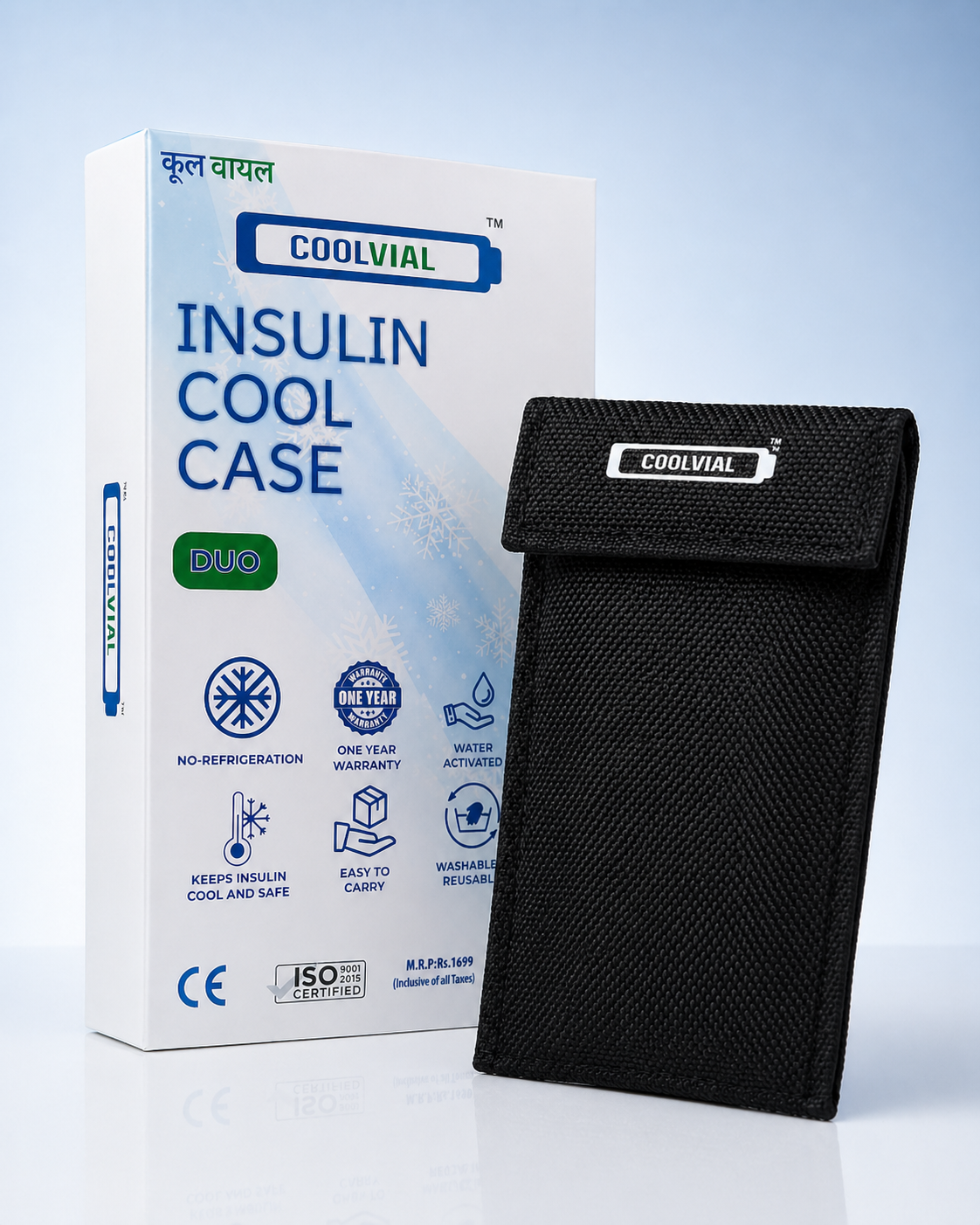
Hajj & Umrah from India with Insulin: A Complete 7-Step Diabetic Guide
CE Certified · Free Delivery · 1-Year Warranty
📲 Buy on WhatsApp — ₹1,099Hajj & Umrah from India with Insulin: A Complete 7-Step Diabetic Guide
Critical Insulin Storage Requirements
Insulin is a protein and is highly sensitive to extreme temperatures. Improper storage is one of the biggest risks for diabetic pilgrims on Hajj & Umrah from India with insulin.
- Unopened Insulin: Should be stored in a refrigerator, ideally between 2°C and 8°C.
- Opened Insulin (in use): Most insulin types can be stored at room temperature (below 30°C) for up to 28 days (some pens for 6 weeks) after opening. However, Saudi Arabian temperatures often exceed this, making active cooling essential.
- Temperature Extremes: Never freeze insulin, as this destroys its effectiveness. Avoid direct sunlight and temperatures above 30°C. Above this threshold, insulin rapidly loses its potency. The World Health Organization (WHO) provides clear guidelines on insulin storage, emphasizing the 2-8°C range for unopened vials.
Table: Insulin Storage Guidelines
| Insulin State | Recommended Temperature Range | Duration | Notes |
|---|---|---|---|
| Unopened | 2°C - 8°C (Refrigerated) | Until Expiry Date | Do not freeze. |
| Opened (in use) | Below 30°C (Room Temperature) | 28 days (vials) / 6 weeks (pens) | Check specific product leaflet. |
| Critical Limit | Above 30°C | Rapid degradation | Avoid at all costs. |
Blood Glucose Monitoring
Frequent blood glucose monitoring is vital. Carry a reliable glucometer, plenty of test strips, and lancets.
- Frequency: Aim to check blood sugar levels more frequently than usual, especially before and after meals, before and after performing rituals, and before bedtime.
- Hypoglycemia Awareness: Be vigilant for symptoms of low blood sugar (dizziness, sweating, confusion) and carry fast-acting carbohydrates (glucose tablets, fruit juice, hard candies).
- Hyperglycemia Awareness: High blood sugar can occur due to stress, infection, or insufficient insulin. Monitor for symptoms like increased thirst, frequent urination, and fatigue.
Diet and Hydration
Changes in diet are inevitable during pilgrimage.
- Balanced Meals: Try to eat regular, balanced meals. While local cuisine can be tempting, be mindful of portion sizes and carbohydrate content.
- Hydration: Drink plenty of water to prevent dehydration, especially in the hot climate. Carry a water bottle with you at all times.
- Emergency Snacks: Always carry non-perishable snacks like dry fruits, nuts, or biscuits that can help stabilize blood sugar if meals are delayed.
By diligently adhering to these core concepts, pilgrims can significantly reduce the risks associated with diabetes and fully immerse themselves in the spiritual journey of Hajj & Umrah from India with insulin.
Practical Tips for Hajj & Umrah from India with Insulin
Embarking on Hajj or Umrah from India with insulin requires a proactive and organized approach. These practical tips will help you prepare adequately and manage your diabetes effectively throughout your spiritual journey.
1. Pre-Travel Medical Preparation
- Comprehensive Check-up: Schedule a complete medical check-up several months before your departure. Inform your doctor about your travel plans.
- Medical Letter: Obtain a detailed medical letter from your doctor, translated into English and Arabic, stating your diagnosis, medications (including insulin type and dosage), and the need to carry syringes, needles, and a blood glucose meter. This is crucial for airport security and in case of medical emergencies abroad.
- Vaccinations: Ensure all required vaccinations (e.g., Meningococcal meningitis, seasonal flu) are up-to-date, as recommended by Saudi Arabian health authorities and your doctor.
- Extra Supplies: Pack at least double the amount of insulin, syringes/pens, needles, test strips, and lancets you anticipate needing. Keep half in your carry-on luggage and the other half in your checked baggage (if properly stored in a cool case, though carry-on is preferred for insulin). This redundancy protects against loss or damage.
2. Smart Packing for Insulin and Supplies
- Insulin Cool Case: Invest in a reliable insulin cool case. This is perhaps the most critical item for maintaining insulin efficacy. Traditional ice packs can be bulky and short-lived. A specialized cool case designed for insulin will provide consistent, safe temperatures for extended periods, especially vital when managing Hajj & Umrah from India with insulin.
- Carry-on Luggage: Always carry all your insulin and diabetes supplies in your carry-on bag. The cargo hold of an airplane can experience extreme temperature fluctuations that can damage insulin.
- Sharps Container: Carry a small, travel-sized sharps container for safe disposal of used needles and lancets.
- Medication List: Keep an updated list of all your medications, including generic and brand names, dosages, and prescribing doctors’ contact information.
3. Managing Insulin During Travel
- Airport Security: Inform airport security personnel about your diabetes and insulin supplies. Present your doctor’s letter. Insulin and supplies are usually exempt from liquid restrictions, but policies can vary.
- Time Zones: Discuss time zone adjustments with your doctor. Gradual adjustments to your insulin schedule might be needed to avoid disruptions.
- Hydration: Stay well-hydrated during flights and bus journeys. Dehydration can affect blood sugar levels.
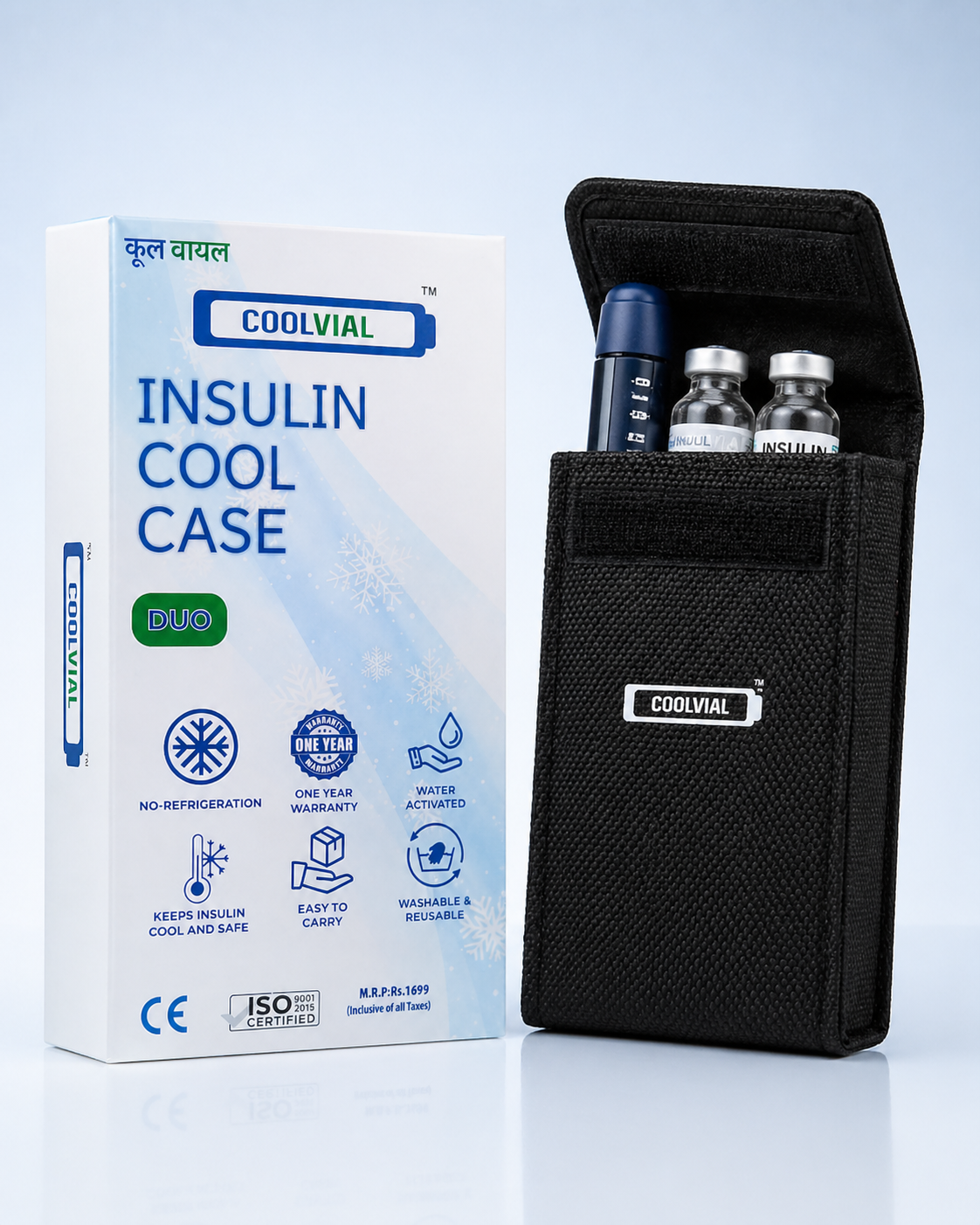
Hajj & Umrah from India with Insulin: A Complete 7-Step Diabetic Guide
48+ hours at 2-8°C. No electricity. CE certified. Free delivery across India.
Order on WhatsApp — ₹1,099🛒 Buy Now — ₹1,0994. During the Pilgrimage
- Foot Care: Inspect your feet daily for blisters, cuts, or sores, as prolonged walking can lead to foot injuries. Wear comfortable, broken-in shoes or sandals. Carry an extra pair.
- Meal Planning: While communal meals are common, try to make healthy choices. Opt for grilled meats, salads, and whole grains. Avoid overly sugary drinks and fatty foods.
- Emergency Kit: Always carry a small emergency kit with glucose tablets, a quick-acting sugar source, your glucometer, and a small snack.
- Buddy System: If traveling in a group, inform at least one trusted companion about your diabetes and what to do in case of an emergency (e.g., signs of hypoglycemia, where you keep your emergency sugar).
- Ritual Adaptation: Discuss with your doctor how to manage insulin during fasting (if applicable, though generally not recommended for diabetics), and how to adjust for the physical demands of rituals. For example, during long walks for Sa’i, monitor blood sugar closely and take breaks if needed.
5. Post-Pilgrimage Follow-up
- Medical Review: Upon returning to India, schedule a follow-up appointment with your doctor to review your blood sugar control during the pilgrimage and make any necessary adjustments to your long-term management plan.
By following these practical steps, you can confidently undertake Hajj & Umrah from India with insulin, focusing on your spiritual journey with peace of mind regarding your health.
Navigating India’s Climate and Travel Challenges with Diabetes
For many Indian pilgrims, the journey to Hajj or Umrah begins long before they reach Saudi Arabia. The diverse and often challenging climate conditions within India, combined with extensive domestic travel, present their own set of considerations for managing diabetes and insulin. Understanding these unique Indian contexts is crucial for comprehensive preparation.
India’s Climate and Its Impact on Insulin
India experiences extreme weather variations, from scorching summers to monsoon humidity.
- Summer Heat: Cities like Delhi, Ahmedabad, Jaipur, and Chennai regularly see summer temperatures soaring above 40°C, often reaching 45°C or higher. Even in cooler regions, poorly insulated homes or vehicles can heat up quickly. This extreme heat is a significant threat to insulin, which can degrade rapidly above 30°C.
- Monsoon Humidity: The monsoon season (June to September) brings high humidity across most of India, which, while not directly impacting insulin temperature as much as dry heat, can make carrying and accessing supplies uncomfortable. It can also exacerbate skin issues, which are a concern for diabetics.
- Power Cuts: Frequent and often unpredictable power cuts, especially in rural and semi-urban areas of states like Uttar Pradesh, Bihar, and Madhya Pradesh, can disrupt refrigeration for insulin. This highlights the need for reliable portable cooling solutions even before international travel begins.
Domestic Travel Challenges
Pilgrims from across India often undertake long journeys by train, bus, or even domestic flights to reach international airports in cities like Mumbai, Delhi, Hyderabad, or Bengaluru.
- Train and Bus Travel: These modes of transport can involve hours, sometimes days, of travel in non-AC coaches or crowded conditions. Maintaining insulin’s cool temperature throughout such journeys without access to refrigeration is a major hurdle. Even AC coaches may not maintain consistent optimal temperatures, and personal cooling solutions are essential.
- Airport Transit: Long layovers or delays at Indian airports, particularly during peak travel seasons or festivals, can add stress and extend the time insulin is exposed to ambient temperatures. The bustling environment can also make precise insulin administration challenging.
- Food Availability: While Indian train stations and bus stops offer various food options, finding healthy, diabetic-friendly meals that align with a strict diet can be difficult. This necessitates carrying pre-packed, healthy snacks.
Addressing the Challenges
- Pre-Journey Cooling Strategy: Before even leaving your home city in India, plan how you will keep your insulin cool. This might involve using a COOLVIAL insulin cool case for your domestic travel segment as well.
- Hydration in Transit: Carry ample water and ORS (Oral Rehydration Solution) sachets, especially during summer travel within India, to combat dehydration and manage blood sugar.
- Local Medical Consultations: If you are traveling from a remote area, ensure you have consulted a local doctor and gathered all necessary medical documents before heading to a major city for your international flight.
- Emergency Contacts: Keep a list of emergency contacts, including family, doctor, and local tour operator, easily accessible.
- Awareness of Local Customs: Be mindful of local customs and food habits even during your domestic travel within India, as these can indirectly affect your diabetes management. For instance, during festivals like Diwali or Eid, there might be an abundance of sweets, requiring extra vigilance.
By anticipating these India-specific challenges, pilgrims can better prepare for Hajj & Umrah from India with insulin, ensuring their journey starts and continues smoothly, both domestically and internationally.
COOLVIAL: Your Essential Companion for Hajj & Umrah from India with Insulin
When preparing for a pilgrimage as significant as Hajj or Umrah from India, especially when managing diabetes with insulin, every detail matters. The challenge of maintaining insulin’s delicate temperature requirements in varying climates and travel conditions is paramount. This is where the COOLVIAL insulin cool case becomes an indispensable tool, specifically designed to address the needs of Indian diabetics undertaking such journeys.
Why COOLVIAL is Ideal for Your Pilgrimage
The COOLVIAL insulin cool case offers a reliable, portable, and effective solution for keeping insulin at its optimal temperature range (2-8°C when needed, or below 30°C for in-use insulin) for extended periods. This is crucial for pilgrims traveling from diverse Indian regions to Saudi Arabia, where temperatures can be consistently high.
- Temperature Stability: Unlike generic ice packs or thermos flasks, COOLVIAL cases are engineered to provide consistent cooling without freezing the insulin. This ensures that your life-saving medication retains its full potency throughout your journey, protecting it from the extreme heat often encountered in Saudi Arabia and even during transit within India.
- Portability and Convenience: Designed with the traveler in mind, COOLVIAL cases are compact and lightweight, making them easy to carry in your hand luggage. This ensures your insulin is always with you, accessible when needed, and protected from the harsh conditions of checked baggage.
- Reliability: In a situation where medical care might be distant or unfamiliar, the reliability of your insulin storage is non-negotiable. COOLVIAL provides peace of mind, allowing you to focus on your spiritual duties rather than worrying about the integrity of your medication. This reliability is key for managing Hajj & Umrah from India with insulin effectively.
- Durability for Indian Conditions: Understanding the rigors of travel in India – from crowded airports like Chhatrapati Shivaji Maharaj International Airport in Mumbai to long bus rides from remote villages – COOLVIAL cases are built to be robust. They withstand the bumps and jostles of travel, protecting your precious insulin.
Integrating COOLVIAL into Your Travel Plan
For diabetic pilgrims, incorporating a COOLVIAL insulin cool case into their travel preparations for Hajj & Umrah from India with insulin is a smart, proactive step.
- Pre-Departure: Ensure your COOLVIAL case is prepared according to its instructions well before your travel date. This might involve activating cooling elements or ensuring it’s charged, depending on the model.
- During Transit: Keep your insulin cool case with you in your carry-on bag. Its design makes it easy to pass through security checks while protecting your insulin from temperature fluctuations inside the aircraft cabin or during layovers.
- **At Your Destination
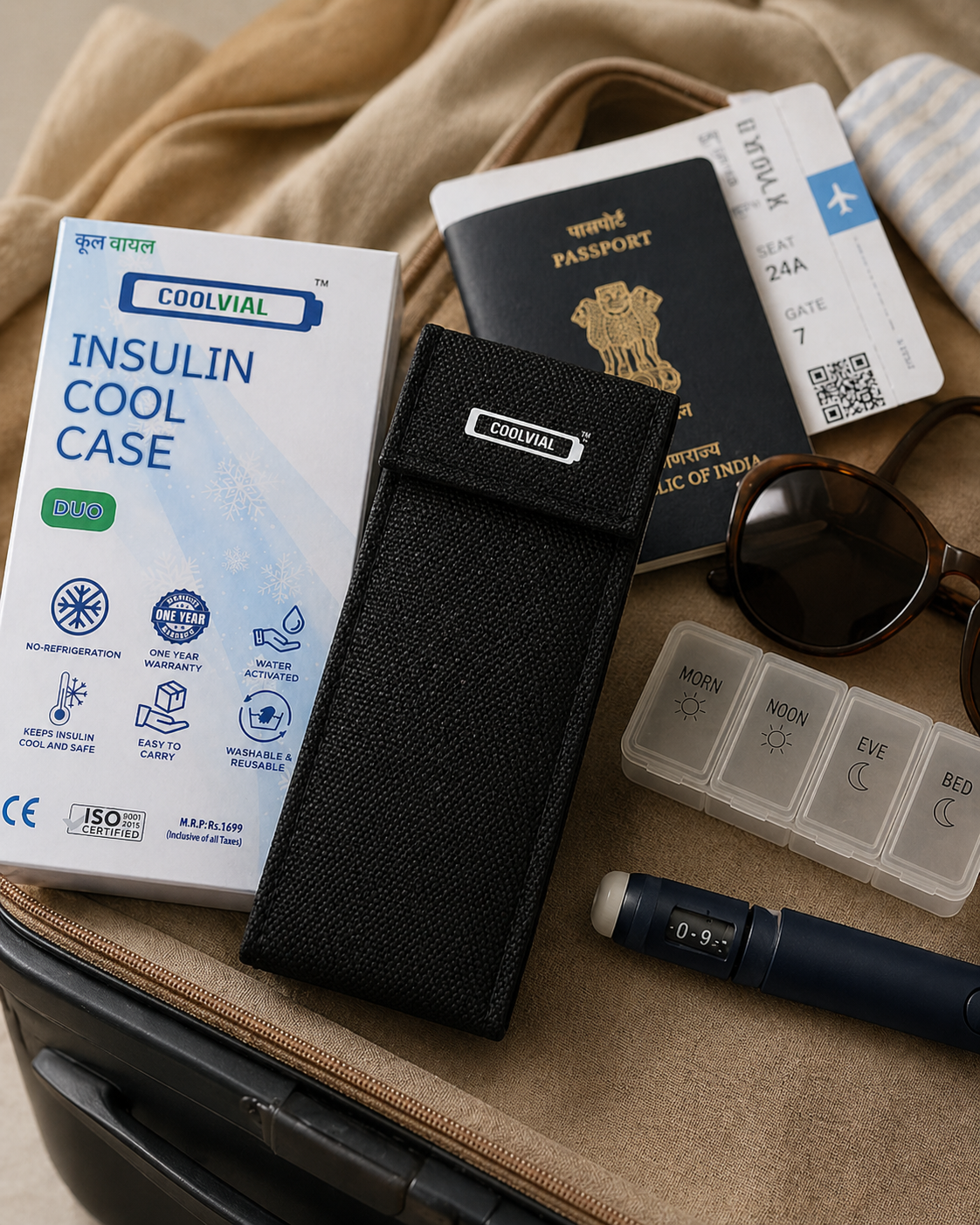
Hajj & Umrah from India with Insulin: A Complete 7-Step Diabetic Guide
COOLVIAL keeps insulin at 2-8°C for 48+ hours. No electricity needed. Trusted by 10,000+ diabetics.