
Reviewed by the COOLVIAL Editorial Team — specialists in insulin storage for Indian climate conditions.
Embarking on international travel from India with insulin requires careful planning, especially when navigating customs, TSA guidelines, and ensuring proper storage. The direct answer to managing insulin during international travel is to always carry a doctor’s letter, keep all insulin and supplies in your carry-on luggage, and use a reliable, temperature-controlled solution like an insulin cool case. This approach safeguards your medication, which can spoil above 30°C, a critical factor for diabetics, particularly those traveling from India’s often hot climate. By understanding the specific requirements of your destination and transit countries, you can ensure your insulin, typically requiring storage between 2-8°C when unopened, remains effective throughout your journey.
Travelling with diabetes shouldn’t limit your global adventures, but it does demand a proactive approach to managing your medication. For millions of Indians living with diabetes—a significant number, with India reporting 101 million diabetics in 2023 (Source: International Diabetes Federation)—the thought of international travel can be daunting. The challenges range from fluctuating temperatures during long flights and layovers to unfamiliar customs procedures and security checks. This comprehensive guide is designed to equip you with the knowledge and practical tips needed for seamless international travel from India with insulin customs, TSA, and storage considerations firmly in mind. You will learn about crucial preparations, regulations, and smart storage solutions to protect your health and peace of mind while exploring the world.
Table of Contents
- 1. Why Safe Insulin Storage Matters for Indian Travelers
- 2. Core Concepts: Understanding Insulin Stability & Travel Regulations
- 3. Essential Steps for International Travel from India with Insulin
- 4. Navigating India-Specific Travel Challenges
- 5. Keeping Your Insulin Cool: The Smart Choice for International Travel from India
- 6. Your Travel Insulin Checklist & FAQs
1. Why Safe Insulin Storage Matters for Indian Travelers
For individuals managing diabetes in India, the concept of insulin storage is deeply ingrained due to the country’s diverse and often extreme climate. From the scorching summers of Delhi, where temperatures can regularly exceed 45°C, to the humid coastal regions of Mumbai and Chennai, maintaining insulin’s efficacy is a daily challenge. This challenge intensifies significantly when preparing for international travel. Insulin is a sensitive protein that degrades rapidly when exposed to temperatures outside its recommended range. Unopened insulin typically requires refrigeration between 2-8°C, while opened vials or pens can often be stored at room temperature (15-25°C) for up to 28 days, or sometimes longer for specific pens (up to 6 weeks). However, any exposure above 30°C can quickly compromise its effectiveness, rendering it useless or even harmful.
Consider the journey itself: long flights, multiple layovers, potential delays, and varying climate zones at your destination. A direct flight from India to Europe or the US can easily span 8-16 hours. If your insulin is subjected to cabin temperatures that fluctuate, or worse, if it’s accidentally placed in checked baggage where temperatures can drop below freezing or soar in unpressurized cargo holds, its potency will be destroyed. This risk is particularly high for Indian travelers who might experience significant temperature shifts from their departure city, like Bengaluru’s moderate climate, to a transit hub, and then to a destination with a completely different weather pattern.
Moreover, the sheer volume of diabetics in India means that many families are directly affected by this concern. Ensuring that insulin remains viable is not just a matter of convenience; it’s a matter of life-saving medical necessity. Without proper storage during international travel from India with insulin, travelers risk hyperglycemia or hypoglycemia, which can be life-threatening, especially in an unfamiliar environment. The Indian Council of Medical Research (ICMR) emphasizes the importance of proper medication management for diabetics, a principle that extends critically to travel (Source: ICMR Guidelines on Diabetes). Therefore, understanding and implementing robust storage solutions is paramount.
Here are key reasons why safe insulin storage is non-negotiable for Indian travelers:
- Temperature Volatility: Indian summers can exceed safe insulin temperatures even indoors, making travel days particularly risky.
- Journey Duration: Long-haul international flights and transit times significantly increase exposure to uncontrolled temperatures.
- Climate Zones: Traveling from India’s tropical or arid climates to temperate or cold regions, and vice-versa, demands adaptive storage.
- Medical Efficacy: Compromised insulin leads to ineffective treatment, risking severe health complications abroad.
- Accessibility: Replacing spoiled insulin in a foreign country can be expensive, time-consuming, and logistically challenging, especially without local prescriptions.
2. Core Concepts: Understanding Insulin Stability & Travel Regulations
Understanding the fundamental principles of insulin stability and the regulations governing its transport is crucial for any diabetic planning international travel. Insulin is a delicate biological product, and its effectiveness is directly tied to its storage conditions. Deviation from these conditions can lead to a loss of potency, rendering your medication ineffective.
Insulin Temperature Ranges: The Golden Rules
Insulin has specific temperature requirements that must be adhered to for it to remain effective. Mismanagement of these temperatures is the primary reason for insulin spoilage during travel.
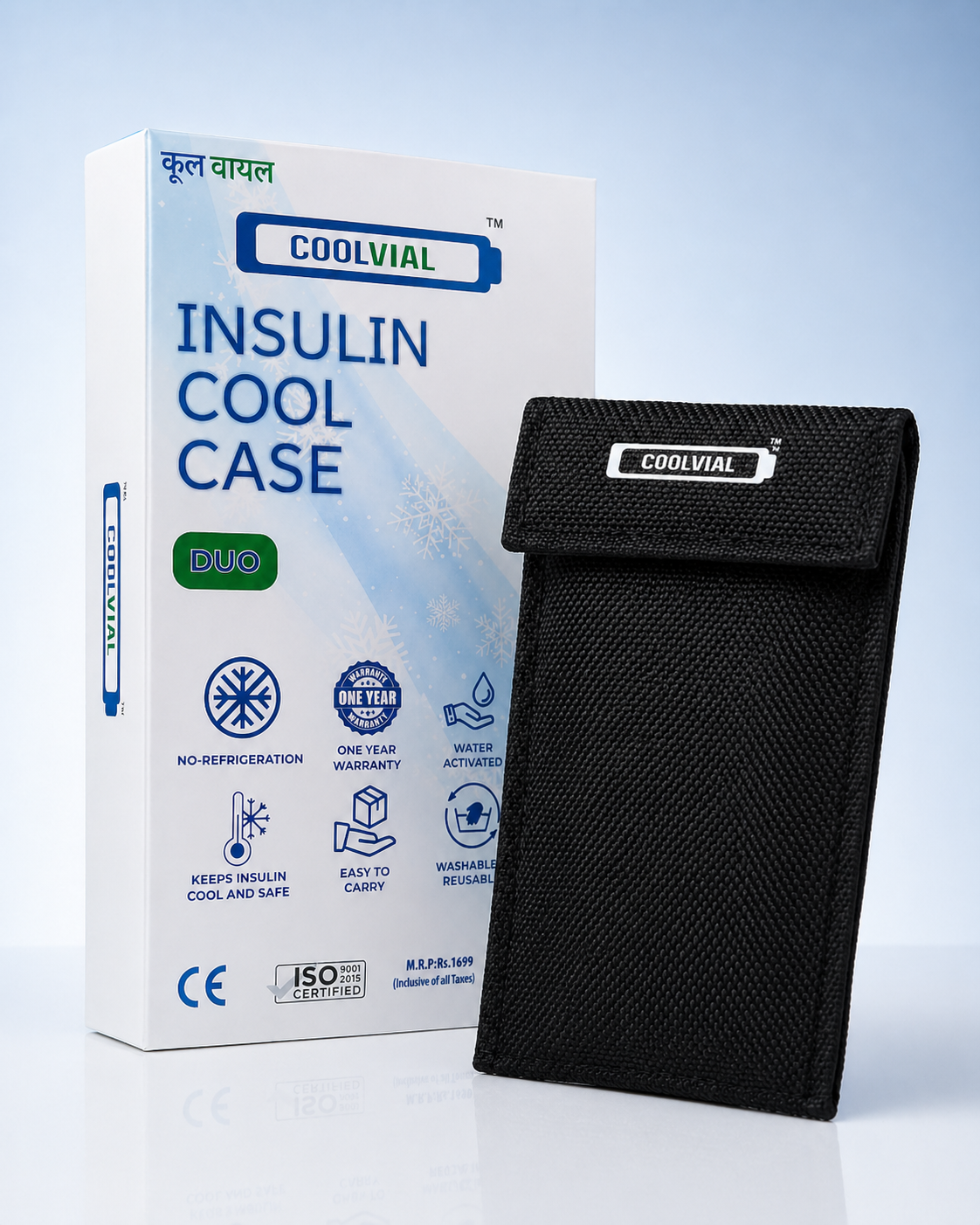
10 Essential Tips for Safe International Travel from India with Insulin: Customs, TSA & Storage
Keep your insulin safe in India's extreme heat. COOLVIAL works for 48+ hours without electricity.
| Insulin State | Recommended Temperature Range | Duration of Storage | Risk of Spoilage (>30°C) |
|---|---|---|---|
| Unopened (Refrigerated) | 2°C - 8°C (36°F - 46°F) | Until expiration date on vial/pen | Very High |
| Opened (Room Temperature) | 15°C - 25°C (59°F - 77°F) | Typically 28 days (some pens up to 6 weeks) | High |
| Freezing | Below 0°C (32°F) | Insulin denatures and becomes ineffective upon thawing | High |
| Heat Exposure | Above 30°C (86°F) | Rapid degradation, loss of potency within hours | Immediate & Critical |
10 Essential Tips for Safe International Travel from India with Insulin: Customs, TSA & Storage
48+ hours at 2-8°C. No electricity. CE certified. Free delivery across India.
Order on WhatsApp — ₹1,099🛒 Buy Now — ₹1,099It’s vital to remember that freezing insulin (e.g., in checked luggage during cold flights) is just as detrimental as overheating it. Once frozen, insulin molecules can break down, and even if it thaws, its effectiveness will be compromised.
Airline Regulations (TSA/DGCA)
When flying, particularly on international routes from India, you’ll encounter security regulations set by bodies like the Transportation Security Administration (TSA) in the US or the Directorate General of Civil Aviation (DGCA) in India, and similar authorities globally. The good news is that medical necessities, including insulin and related supplies, are generally exempt from standard liquid restrictions in carry-on luggage.
- Carry-On is Key: Always pack all your insulin, syringes, pens, lancets, and blood glucose meters in your carry-on bag. Never put insulin in checked luggage due to extreme temperature fluctuations in cargo holds.
- No 3-1-1 Rule for Medication: While the 3-1-1 rule (3.4 ounces/100ml liquid limit) applies to general liquids, medically necessary liquids like insulin, juice for hypoglycemia, and gels are exempt. You do not need to limit these to 100ml containers.
- Declaration at Security: Be prepared to declare your medical supplies to security officers. It’s advisable to separate them from other items for easier inspection. You can request hand inspection rather than X-ray screening, though X-ray machines are generally considered safe for insulin.
- Doctor’s Note: A letter from your doctor is your strongest ally. It should state your diagnosis, list all medications (insulin type and dosage), and confirm the necessity of syringes/needles. This note should be on official letterhead and ideally translated into English and any language relevant to your destination.
Customs Declarations
Each country has its own customs regulations regarding bringing medications across borders. While insulin is a life-saving medication and generally permitted, proper documentation and declaration are essential to avoid delays or confiscation.
- Doctor’s Letter (Again): This letter is critical for customs as well, proving the medication is for personal use.
- Original Packaging: Keep insulin in its original pharmacy-labeled packaging. This helps customs officials identify the medication and its purpose.
- Quantity: Bring only a reasonable quantity for personal use during your trip, plus a buffer for emergencies (e.g., 1.5 to 2 times your planned duration). Carrying excessive amounts without justification might raise suspicion.
- Research Destination Rules: Before you travel, research the specific medication import rules for every country you will enter, including transit countries. Some countries have strict rules on certain medical devices or drug components. Websites of embassies or consulates are good starting points.
By adhering to these core concepts for international travel from India with insulin customs, TSA, and storage, you significantly reduce the risk of travel complications related to your diabetes management.
3. Essential Steps for International Travel from India with Insulin
Preparing for international travel with insulin from India requires meticulous planning. By following these essential steps, you can ensure a smooth and stress-free journey, keeping your insulin safe and accessible.
-
Consult Your Doctor Well in Advance:
- Medical Check-up: Get a thorough check-up to ensure you’re fit for travel.
- Doctor’s Letter: Obtain a detailed letter from your endocrinologist or diabetologist. This letter, on official letterhead, should state your diagnosis (diabetes), list all medications (insulin type, brand, dosage, frequency), and confirm the necessity of syringes, needles, lancets, and blood glucose monitoring devices. Ask for it to be in English.
- Prescriptions: Carry copies of all your prescriptions.
- Adjusting Doses: Discuss how to adjust your insulin regimen for time zone changes, different activity levels, and dietary shifts.
-
Pack Ample Supplies:
- Extra Insulin: Pack at least 1.5 to 2 times the amount of insulin you anticipate needing for the duration of your trip. Delays, lost luggage (though insulin should be carry-on), or accidental damage can happen.
- Syringes/Pens & Needles: Carry enough for your entire trip, plus spares.
- Monitoring Supplies: Blood glucose meter, test strips, lancets, and extra batteries.
- Hypoglycemia Treatment: Glucose tablets, juice boxes, or hard candies.
- Emergency Glucagon Kit: Ensure it’s not expired and you know how to use it, and that a travel companion also knows.
-
Keep Insulin in Carry-On Luggage ONLY:
- This is non-negotiable. Checked baggage compartments are not temperature-controlled and can experience extreme cold (freezing temperatures) or heat, which will destroy insulin.
- Pack your insulin in a dedicated bag within your carry-on, easily accessible for security checks.
-
Utilize a Reliable Insulin Cool Case:
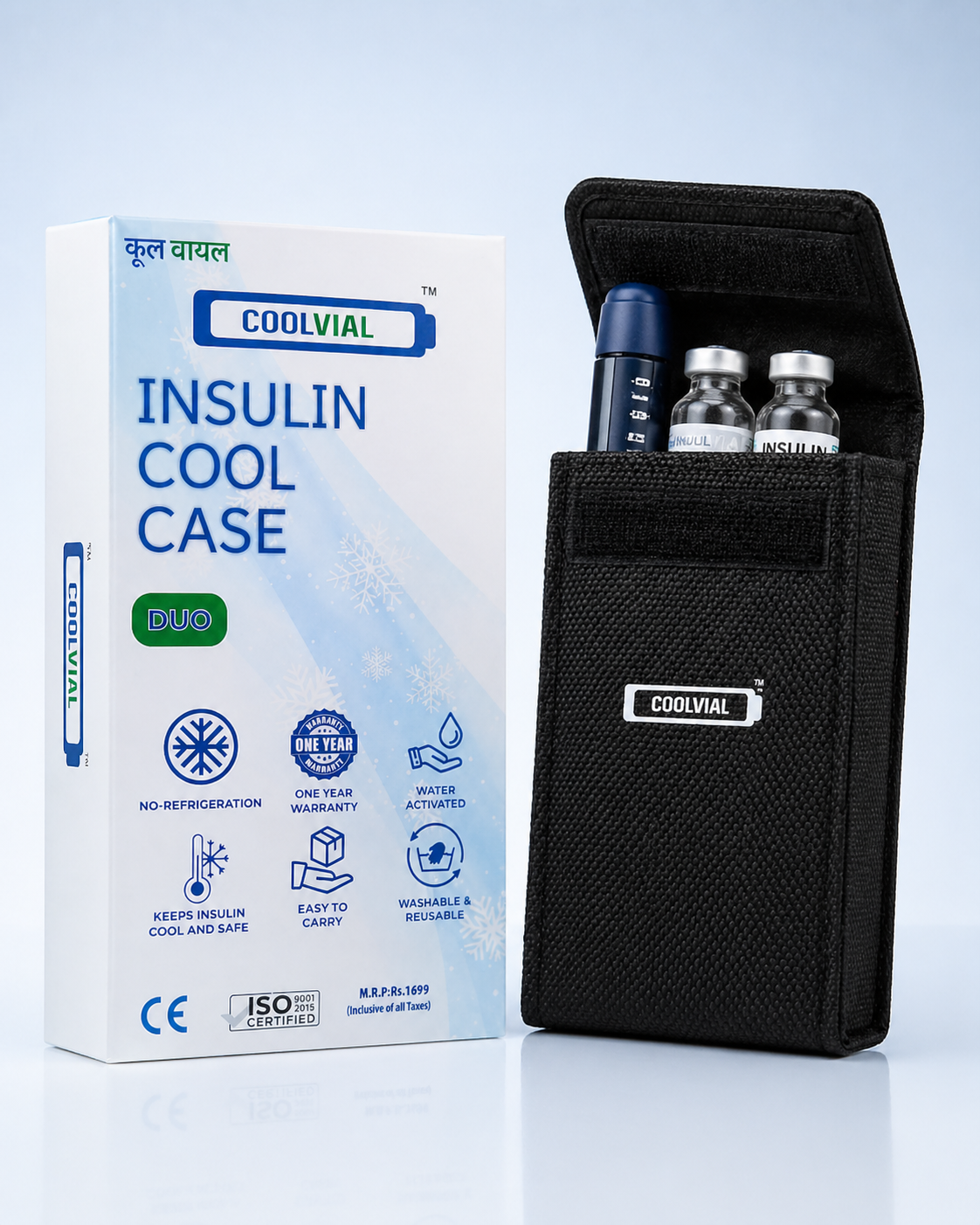
- Given India’s climate and the variable temperatures during travel, a specialized insulin cool case is indispensable. These cases are designed to maintain insulin within its safe temperature range (2-8°C or 15-25°C, depending on the type) for extended periods without electricity.
- Products like the COOLVIAL insulin cool case are specifically engineered for portability and reliability, offering peace of mind.
- Avoid using regular ice packs that can freeze insulin directly. Opt for gel packs or water-activated cooling systems designed for medication.
- Maintain Original Packaging and Labels:
- Keep all insulin vials, pens, and other medications in their original pharmacy-labeled boxes. This helps customs and security officials identify your medication quickly and verifies it’s for personal use.
-
Inform Airline and Airport Security:
- When going through security, explicitly inform the officer that you are carrying medical supplies, including insulin and needles.
- Have your doctor’s letter ready for inspection. You can request a visual inspection of your insulin and supplies instead of X-ray screening if you prefer, though X-rays are generally safe.
-
Stay Hydrated and Monitor Blood Sugar Frequently:
- Dehydration, changes in diet, and altered activity levels can all affect blood glucose. Drink plenty of water and monitor your levels more frequently than usual.
- Adjust insulin doses as advised by your doctor.
-
Know Your Destination’s Pharmacy and Emergency Contacts:
- Research pharmacies and medical facilities at your destination beforehand.
- Know the local emergency numbers.
- Consider travel insurance that covers medical emergencies and medication replacement.
-
Prepare for Time Zone Changes:
- Significant time zone differences can disrupt your usual insulin schedule. Discuss with your doctor how to gradually adjust your basal and bolus insulin doses to align with your destination’s time.
- Using a travel clock or setting your watch to the destination time upon departure can help.
-
Carry a Medical ID:
- Wear a medical alert bracelet or necklace stating you have diabetes and are insulin-dependent. This is crucial in case of an emergency where you cannot communicate.
By meticulously following these steps for international travel from India with insulin customs, TSA, and storage, you can navigate your journey with confidence, knowing your health is protected.
4. Navigating India-Specific Travel Challenges
Traveling from India presents unique challenges for insulin-dependent individuals that go beyond standard international travel advice. The subcontinent’s vastness, diverse climates, and infrastructure variations demand extra foresight when planning your journey.
Climate Extremes and Humidity
India experiences a wide range of climates, from the scorching deserts of Rajasthan to the humid coasts of Kerala and the chilly mountains of Himachal Pradesh.
- Summer Heatwaves: Cities like Delhi, Lucknow, and Ahmedabad regularly face summer temperatures exceeding 40°C, often hitting 45°C or higher. Even in air-conditioned environments, the journey to the airport, check-in queues, and potential flight delays expose insulin to dangerous heat.
- Monsoon Humidity: The monsoon season brings high humidity across most of the country, from Mumbai to Kolkata. While humidity doesn’t directly spoil insulin, it can affect comfort and the performance of some cooling devices, and high ambient temperatures combined with humidity increase the risk of heat exposure.
- Power Cuts: Frequent power cuts are a reality in many parts of India, especially during summer in states like Uttar Pradesh, Bihar, and even in some tier-2 cities. This makes relying on refrigeration for insulin storage at home or in hotels before departure risky. A robust, non-electric cooling solution is essential for this initial leg of your journey.
Internal Travel within India (Before International Departure)
Many international travelers from India first undertake domestic travel to reach major international airports like Delhi (DEL), Mumbai (BOM), Bengaluru (BLR), or Chennai (MAA).
- Train and Bus Journeys: If you’re traveling by train or bus from smaller towns to metro cities, be mindful of the lack of consistent temperature control. AC coaches offer some relief, but often not enough to maintain insulin at 2-8°C. Non-AC travel is even riskier.
- Airport Transfer: The journey from your home to the airport, often through congested traffic, can expose your insulin to high temperatures for extended periods.
Festivals and Peak Travel Seasons
India’s vibrant festival calendar (Diwali, Holi, Eid, Christmas) and peak holiday seasons (summer vacations, year-end) lead to crowded airports, potential delays, and increased travel stress.
- Longer Queues: Security lines, check-in counters, and boarding gates can have significantly longer wait times, increasing the duration your insulin is exposed to ambient temperatures.
- Limited Resources: During peak times, airport staff might be overwhelmed, making it harder to get assistance for medical needs.
Comparison: Indian Climate Zones & Storage Tips
| Indian Climate Zone | Typical Challenge (Summer) | Specific Insulin Storage Tip |
|---|---|---|
| North (Delhi, UP) | Extreme Dry Heat (>45°C) | Use a robust, passive cool case; avoid direct sunlight in vehicles; plan airport transfers carefully. |
| West (Mumbai, Gujarat) | High Heat & Humidity (>35°C, 90%RH) | Opt for cool cases designed for high humidity; ensure good air circulation around the case. |
| South (Chennai, Kerala) | Tropical Heat & High Humidity (>35°C, 95%RH) | Similar to West, focus on sustained cooling; be wary of condensation inside non-specialized cases. |
| East (Kolkata, Odisha) | Monsoon Rains, Heat & Humidity (>35°C, 90%RH) | Protect cases from rain; ensure internal cooling mechanism is not compromised by external moisture. |
| Northeast (Assam) | Humid Subtropical, Heavy Rains | Similar to East; ensure cool case is waterproof or well-protected during transit. |
Navigating these India-specific challenges for international travel from India with insulin requires a robust strategy. Pre-planning, choosing the right cooling device, and maintaining vigilance are your best defenses against the elements.
5. Keeping Your Insulin Cool: The Smart Choice for International Travel from India
One of the most critical aspects of ensuring successful international travel from India with insulin customs, TSA, and storage is the method you choose for keeping your medication cool. Traditional methods, such as carrying insulin in a regular insulated lunch bag with ice packs, often fall short of providing the consistent, regulated temperature required for insulin stability, especially over long durations and varying ambient conditions. Ice packs can melt quickly in India’s heat, or worse, directly freeze insulin if in direct contact.
This is where a specialized insulin cool case becomes not just a convenience, but a necessity. Imagine the peace of mind knowing your life-saving medication is protected, whether you’re battling the sweltering heat of a Mumbai summer day before your flight, enduring a long layover in Dubai, or arriving in a cooler European city. A dedicated cool case is engineered to maintain the precise temperature range vital for insulin efficacy, typically between 2-8°C or 15-25
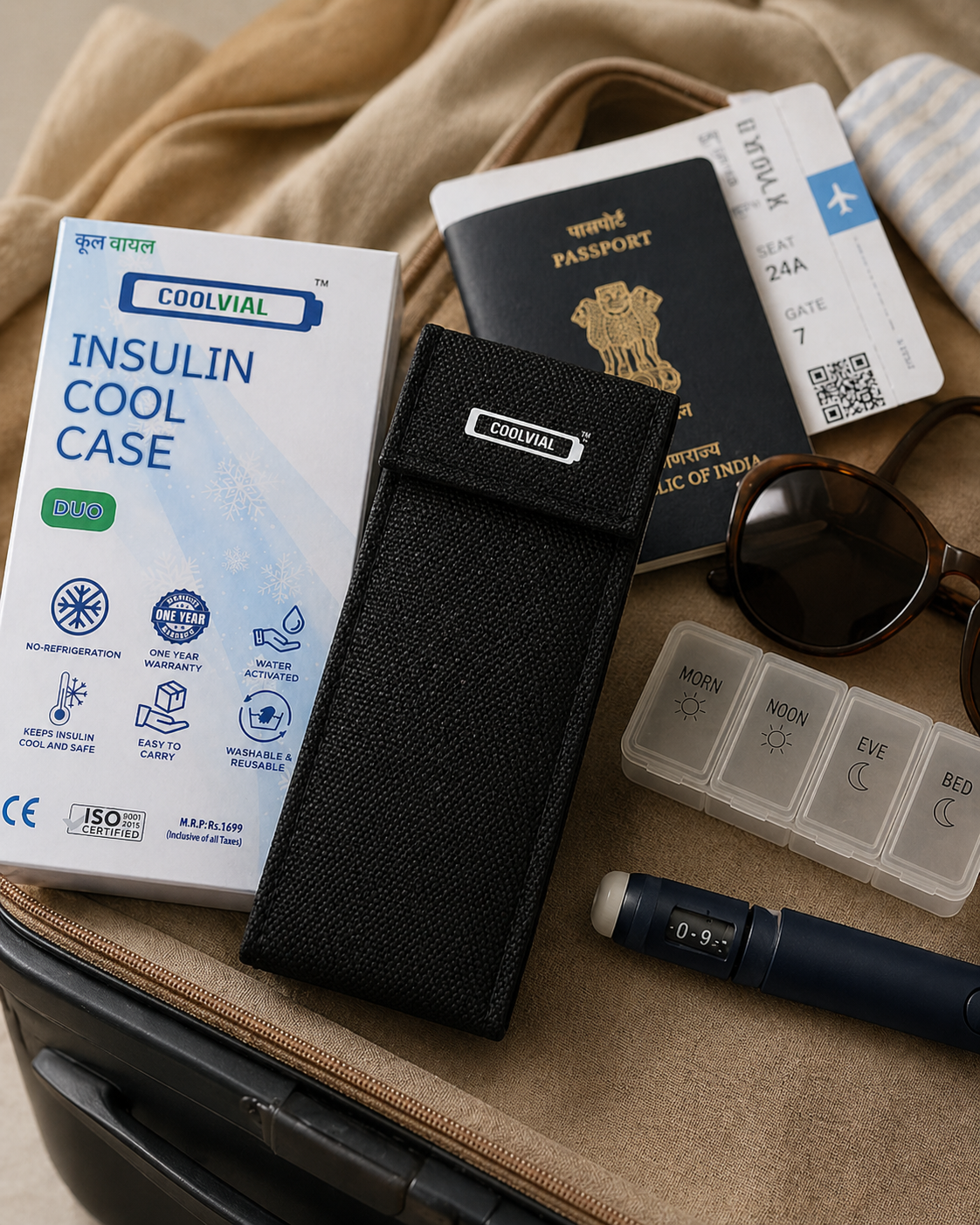
10 Essential Tips for Safe International Travel from India with Insulin: Customs, TSA & Storage
COOLVIAL keeps insulin at 2-8°C for 48+ hours. No electricity needed.
10 Essential Tips for Safe International Travel from India with Insulin: Customs, TSA & Storage
COOLVIAL keeps insulin safe in India's heat. 48+ hours, no electricity needed.