
Reviewed by the COOLVIAL Editorial Team — specialists in insulin storage for Indian climate conditions.
Proper insulin storage is paramount for anyone managing diabetes, especially in a country like India with its diverse and often extreme climate. To effectively manage your blood sugar levels, it’s crucial to understand how to store Lantus (Glargine) in India: a complete temperature guide and 7 proven tips are essential. Unopened Lantus must be kept refrigerated at 2-8°C. Once opened, it can be stored at room temperature, ideally below 25°C, for up to 28 days. Exposing insulin to temperatures above 30°C or freezing it can irreversibly damage its efficacy, potentially leading to dangerous fluctuations in blood glucose. India alone accounted for 101 million people living with diabetes in 2023 (Source: International Diabetes Federation), highlighting the critical need for reliable storage practices.
This comprehensive guide will equip you with all the necessary information to ensure your Lantus (Glargine) remains potent and safe to use, regardless of where you are in India. We will delve into specific temperature guidelines, India-specific challenges, practical tips for daily storage and travel, and introduce smart solutions to safeguard your insulin.
Table of Contents
- Why Proper Lantus Storage Matters in India: The Critical Challenges
- Understanding Lantus (Glargine) and Its Optimal Storage Conditions
- Practical Tips on How to Store Lantus Glargine in India
- Navigating India’s Climate: Regional Storage Strategies for Lantus
- The Smart Solution for How to Store Lantus Glargine in India: Introducing COOLVIAL
- Essential Quick Reference: Your Lantus Storage Checklist & FAQs
- Conclusion: Empowering Your Diabetes Management with Safe Lantus Storage
Why Proper Lantus Storage Matters in India: The Critical Challenges
The effectiveness of insulin, including Lantus (Glargine), is highly dependent on its proper storage. In a country like India, where climatic conditions can vary dramatically from scorching summers to chilly winters, and where infrastructure challenges like frequent power cuts are common, managing insulin temperature is a significant concern. The International Diabetes Federation (IDF) reported that India was home to 101 million people living with diabetes in 2023, making it a nation with one of the highest diabetes burdens globally (Source: IDF Diabetes Atlas 2023). This statistic underscores the immense importance of ensuring that every dose of insulin administered is fully potent.
Improper storage of Lantus can lead to its degradation, reducing its ability to lower blood glucose effectively. This can result in unpredictable blood sugar levels, increasing the risk of both hyperglycemia (high blood sugar) and hypoglycemia (low blood sugar), and potentially leading to serious short-term and long-term health complications. For individuals who meticulously monitor their diet and exercise, compromised insulin can be incredibly frustrating and dangerous.
The unique challenges in India that necessitate careful Lantus storage include:
- Extreme Temperatures: Many parts of India, such as Delhi, Rajasthan, and Punjab, experience summer temperatures soaring above 45°C. Even during cooler months, indoor temperatures can exceed the recommended storage limits for opened insulin if not actively managed.
- High Humidity: Coastal regions like Mumbai, Chennai, and Kolkata often have high humidity levels, which, combined with heat, can further accelerate insulin degradation.
- Frequent Power Cuts: Rural and even some urban areas in India face sporadic or prolonged power outages, especially during peak summer. This can render refrigerators ineffective for extended periods, putting refrigerated insulin at risk. Studies indicate that up to 78% of Indian households face daily power cuts in summer, varying by region (Source: Indian power sector reports, 2023).
- Extensive Travel: Many Indians travel frequently for work, family visits, or pilgrimages, often by train, bus, or car, where temperature control can be challenging. Carrying insulin safely during these journeys is a major concern.
- Lack of Awareness: Not all individuals or caregivers are fully aware of the precise temperature requirements for insulin, leading to unintentional exposure to harmful conditions.
Understanding these challenges is the first step toward adopting robust storage practices for Lantus Glargine. By being proactive, you can protect your insulin and, more importantly, your health.
Understanding Lantus (Glargine) and Its Optimal Storage Conditions
Lantus, which contains the active ingredient insulin glargine, is a long-acting basal insulin. It’s designed to provide a steady, peakless level of insulin over 24 hours, helping to control blood sugar between meals and overnight. Its unique molecular structure makes it sensitive to temperature extremes, which can alter its stability and therapeutic effect. Knowing the precise temperature ranges is fundamental to how to store Lantus Glargine in India: a complete temperature guide.
Unopened Lantus Storage
Before its first use, Lantus (vials or pens) must be stored under refrigeration. This is crucial for maintaining its integrity and ensuring its full shelf life until the expiration date printed on the packaging.
- Temperature Range: 2°C to 8°C (36°F to 46°F). This is the standard refrigerator temperature.
- Location: Store it in the main body of your refrigerator, not in the door (where temperatures can fluctuate) or too close to the freezer compartment (to prevent accidental freezing).
- Protection: Keep it in its original carton to protect it from light.
- Freezing: Never allow Lantus to freeze. If it freezes, even partially, it must be discarded, as freezing can permanently damage the insulin molecule.
Opened Lantus Storage
Once you start using a Lantus vial or pen, the storage rules change. It no longer requires refrigeration but must be kept at a controlled room temperature to avoid degradation.
- Temperature Range: Below 25°C (77°F). Some manufacturers specify up to 30°C (86°F), but aiming for below 25°C is safer, especially in India’s climate.
- Duration: A Lantus vial or pen, once opened, is typically stable for 28 days (4 weeks) when stored at the recommended room temperature. After 28 days, it must be discarded, even if there is still insulin left.
- Location: Store it away from direct heat, sunlight, or extreme cold. Do not store it in the refrigerator once opened, as this can lead to condensation and other issues.
- Protection: Keep the pen cap on to protect from light and physical damage. Do not store it with the needle attached, as this can lead to air bubbles, leakage, and contamination.
Signs of Spoiled Insulin
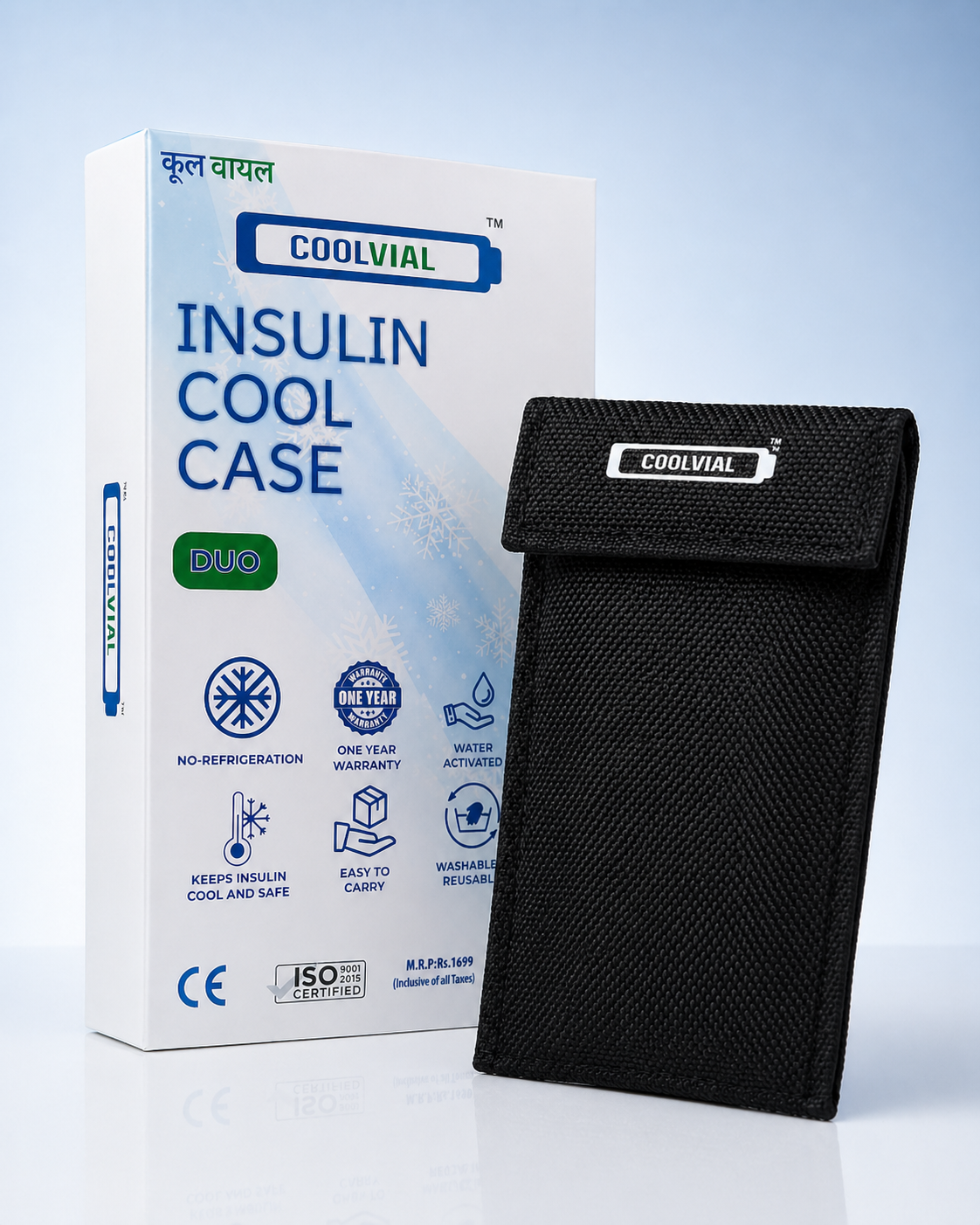
How to Store Lantus (Glargine) in India: 7 Proven Tips & Complete Temperature Guide
Keep your insulin safe in India's extreme heat. COOLVIAL works for 48+ hours without electricity.
It’s vital to recognize the signs that your Lantus might have gone bad. If you observe any of these, discard the insulin and use a new, properly stored one.
How to Store Lantus (Glargine) in India: 7 Proven Tips & Complete Temperature Guide
COOLVIAL keeps insulin safe in India's heat. 48+ hours, no electricity needed.
- Color Change: Lantus is normally clear and colorless. If it appears cloudy, discolored, or has particles floating in it, it has likely spoiled.
- Texture Change: If it looks gritty, clumpy, or like it has “snowflakes,” it’s compromised.
- Freezing: If you suspect it has frozen, even if it has thawed, do not use it.
- Exposure to Extreme Heat: If the insulin has been exposed to temperatures significantly above 30°C for an extended period, its efficacy is compromised, even if it looks normal.
Here’s a quick reference table for Lantus storage:
| Condition | Temperature Range | Duration (after opening) | Notes |
|---|---|---|---|
| Unopened | 2°C to 8°C (Refrigerated) | Until Expiry Date | Keep in original carton, protect from light, DO NOT FREEZE |
| Opened (In use) | Up to 25°C (Room Temperature), max 30°C | 28 days (4 weeks) | Keep away from direct heat/sunlight, remove needle after each use |
| Freezing Point | 0°C (32°F) or below | Instantly compromised | Discard immediately if frozen, even partially |
| Degradation Point | Above 30°C (86°F) for extended periods | Instantly compromised | Discard if exposed to high heat |
By adhering to these specific temperature and duration guidelines, you can ensure that your Lantus (Glargine) remains effective for managing your diabetes.
Practical Tips on How to Store Lantus Glargine in India
Effectively storing Lantus Glargine in India requires a combination of vigilance and practical solutions. Given the unique environmental factors, proactive steps are essential to maintain insulin potency. Here are 7 proven tips to safeguard your Lantus:
- Always Refrigerate Unopened Vials/Pens: Before first use, Lantus must be kept in the refrigerator at 2°C to 8°C. Designate a specific shelf in your fridge, away from the door and freezer compartment, to avoid temperature fluctuations and accidental freezing.
- Monitor Room Temperature for Opened Insulin: Once a Lantus pen or vial is in use, it can be stored at room temperature (below 25°C, maximum 30°C) for up to 28 days. In many Indian homes, especially during summer, room temperatures can easily exceed this. Use a thermometer to monitor your storage area. If your room temperature consistently goes above 25°C, consider using alternative cooling methods.
- Avoid Direct Sunlight and Heat Sources: Never leave your insulin pen or vial in direct sunlight, near a window, on top of electronics, or inside a hot car. These can quickly elevate the insulin’s temperature to damaging levels. Even a few minutes of direct sun can compromise efficacy.
- Use Insulin Cool Cases for Travel and Warm Climates: For travel, daily commutes, or during power cuts, a specialized insulin cool case is indispensable. These cases are designed to maintain insulin at a safe temperature range (typically 18-25°C or cooler) without electricity. Look for cases that use evaporation or gel packs. For more general insulin storage tips tailored to diverse situations, refer to our comprehensive guide.
- Be Prepared for Power Cuts: In areas prone to power outages, have a backup plan. This could involve keeping a pre-cooled insulin cool case ready or having a small insulated bag with ice packs (ensure insulin doesn’t directly touch ice to prevent freezing). Remember, a refrigerator’s temperature can rise quickly without power.
- Pack Smart for Travel: When traveling by train, bus, or car across India, pack your Lantus in a sturdy, insulated cool case. If flying, always carry your insulin in your carry-on luggage, never in checked baggage, as cargo holds can experience freezing temperatures. Inform airport security about your medical supplies.
- Inspect Insulin Visually Before Each Use: Before every injection, quickly check your Lantus for any changes in color, clarity, or texture. It should always be clear and colorless. If it looks cloudy, has particles, or seems different in any way, discard it.
By following these practical tips, you can significantly reduce the risk of insulin degradation and ensure your Lantus Glargine remains effective throughout its usable life. These measures are crucial for maintaining stable blood sugar levels and overall diabetes management in India’s challenging environmental conditions.
Navigating India’s Climate: Regional Storage Strategies for Lantus
India’s vast geography presents a spectrum of climatic conditions, each posing unique challenges for insulin storage. From the arid deserts of Rajasthan to the humid coasts of Kerala, understanding regional nuances is key to how to store Lantus Glargine in India: a complete temperature guide must account for these variations.
North India: Battling Extreme Temperatures
Regions like Delhi, Uttar Pradesh, Punjab, and Rajasthan experience scorching summers where temperatures routinely exceed 40°C, often touching 48°C in cities like Jaipur or Jaisalmer. Winters can be quite cold, with temperatures dropping close to freezing in some areas.
- Summer Strategy: During peak summer (April-July), indoor temperatures can also rise significantly. A standard refrigerator is vital for unopened Lantus. For opened Lantus, a reliable insulin cool case is almost mandatory for daily use, even at home, if air conditioning isn’t constant. Avoid leaving insulin in cars, even for short periods.
- Winter Strategy: While less of a heat concern, ensure opened insulin doesn’t get too cold (below 0°C). Protect it from direct contact with cold surfaces or drafts.
West India: Humidity and Monsoon Challenges
States like Maharashtra (Mumbai, Pune), Gujarat, and Goa face high humidity, especially during the monsoon season (June-September). Summers are hot and humid.
- Monsoon/Summer Strategy: High humidity exacerbates the feeling of heat and can stress cooling appliances. Ensure your refrigerator is functioning optimally. For opened Lantus, a cool case is crucial to combat both heat and humidity. Be mindful of moisture inside insulated bags; ensure insulin is protected in a waterproof pouch if using ice.
- Power Cuts: Monsoon often brings increased power cuts, making backup cooling solutions like non-electric cool cases essential.
South India: Tropical Heat and Coastal Humidity
States like Tamil Nadu (Chennai), Kerala, Karnataka (Bengaluru), and Andhra Pradesh experience tropical climates with consistently high temperatures and humidity year-round.
- Year-Round Strategy: The challenge here is the relentless, sustained heat. Refrigeration for unopened Lantus is non-negotiable. For opened Lantus, storing it consistently below 25°C is a daily battle. A high-quality, long-lasting insulin cool case is highly recommended for everyday use, even when simply moving between rooms or stepping out for a short while. Air-conditioned environments are ideal, but a cool case provides protection during transitions.
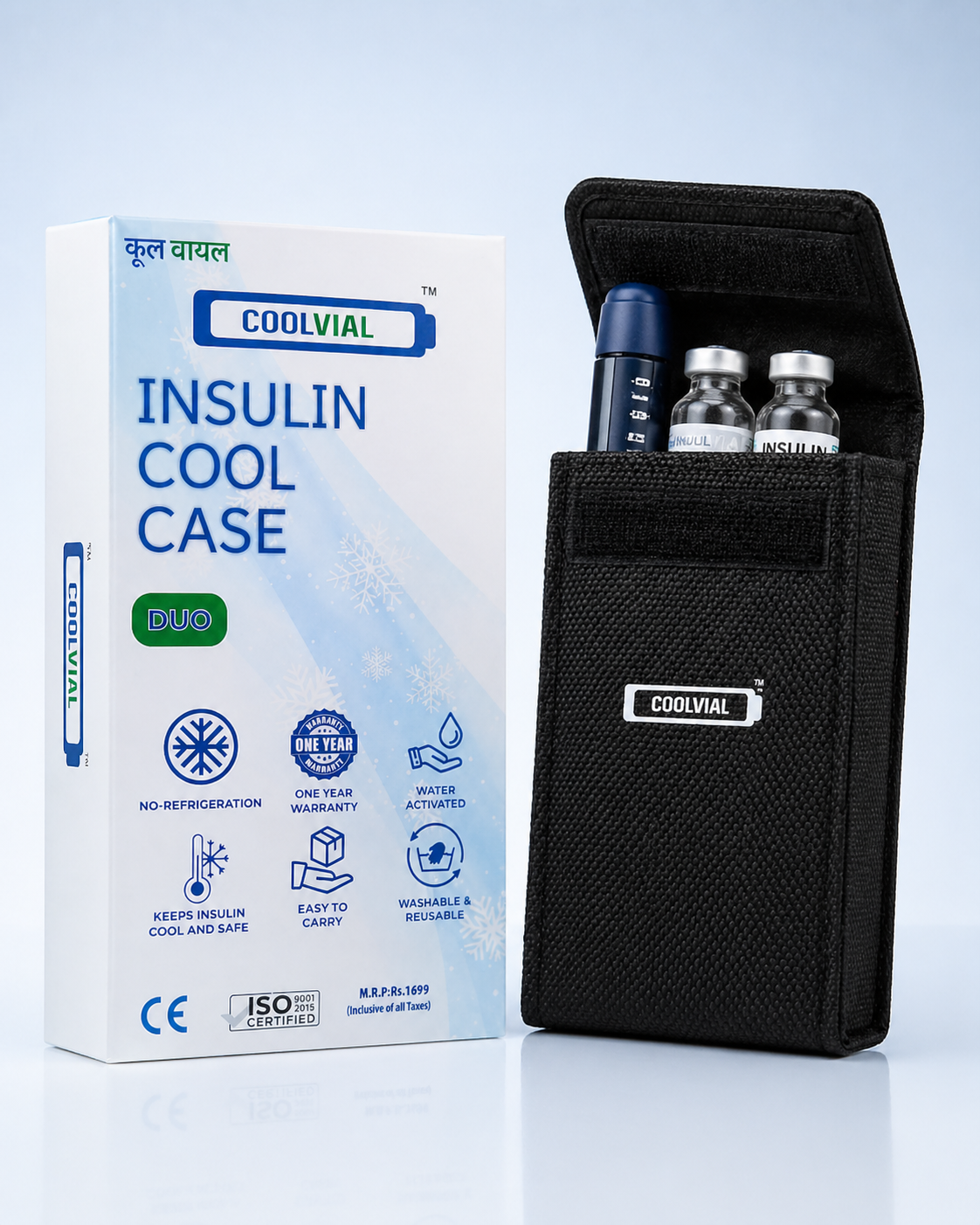
How to Store Lantus (Glargine) in India: 7 Proven Tips & Complete Temperature Guide
Insulin at 2-8°C for 48+ hours. Trusted by 10,000+ Indian diabetics.
East & Northeast India: Monsoons and Varied Topography
Regions like West Bengal (Kolkata), Odisha, and the Northeastern states have hot, humid summers and heavy monsoons, with some hilly areas experiencing cooler temperatures.
- Monsoon/Summer Strategy: Similar to West and South India, humidity and heat are primary concerns. Reliable refrigeration and cool cases are key. Be aware of potential flooding during monsoons, which can impact power supply and access to pharmacies.
General India-Specific Travel and Festival Considerations:
- Train/Bus Travel: Long-distance travel across India, especially during peak seasons like Diwali, Holi, or summer vacations, means crowded, often un-airconditioned conditions. Always carry your Lantus in a robust, insulated cool case. Keep it with you, not in overhead racks where temperatures can be higher.
- Festivals: During festivals, routines are disrupted, and people spend more time outdoors or in less controlled environments. Plan ahead for insulin storage, ensuring your cool case is charged/prepared.
- Power Cuts: As mentioned, these are a national issue. A well-prepared cool case that doesn’t rely on electricity is your best defense.
By considering these regional and situational factors, you can develop a more resilient strategy for how to store Lantus Glargine in India: a complete temperature guide is only effective when applied with local context.
The Smart Solution for How to Store Lantus Glargine in India: Introducing COOLVIAL
Understanding the diverse and often challenging climate conditions across India, it becomes clear that traditional storage methods are often insufficient. This is where modern, reliable solutions like the COOLVIAL insulin cool case step in, providing an essential tool for how to store Lantus Glargine in India: a complete temperature guide wouldn’t be complete without acknowledging innovative aids.
COOLVIAL is specifically designed to address the needs of Indian diabetics, offering a practical and effective way to maintain Lantus at its optimal temperature, whether you’re at home, traveling, or experiencing a power outage. It eliminates the constant worry about insulin degradation due to heat or freezing.
Here’s how the COOLVIAL insulin cool case provides a smart solution:
- Sustained Cooling Without Electricity: Unlike portable mini-fridges that require constant power, COOLVIAL utilizes advanced cooling technology (often based on evaporative cooling or high-performance gel packs) to maintain a safe temperature range (typically 18-25°C) for extended periods—often up to 45 hours on a single charge/preparation. This makes it ideal for areas with frequent power cuts or for long journeys.
- Robust and Portable Design: Built for durability, COOLVIAL cases are compact, lightweight, and easy to carry. Their sturdy construction protects your delicate insulin pens and vials from physical damage during daily commutes or extensive travel across diverse Indian terrains.
- Protection Against Temperature Extremes: Beyond just cooling in heat, COOLVIAL also offers a degree of insulation against extreme cold, helping to prevent accidental freezing during colder months or in air-conditioned environments where temperatures might drop too low.
- Peace of Mind: Knowing your Lantus is safely stored at the correct temperature allows you to live your life more freely, without constantly worrying about your insulin’s integrity. Whether you’re attending a family wedding in Rajasthan’s summer or taking a bus to a remote village, your insulin is protected.
- Cost-Effective and Reusable: Investing in a COOLVIAL insulin cool case is a one-time purchase that pays dividends in reliability and peace of mind. It’s a reusable solution that is far more practical and eco-friendly than disposable ice packs or makeshift cooling methods. You can learn more about the COOLVIAL insulin cool case and its features on our product page.
For Indian diabetics seeking a dependable way to keep their Lantus Glargine safe and effective, COOLVIAL offers an accessible and highly effective solution. It’s a small investment that offers immense value in protecting your health and ensuring the consistent efficacy of your life-saving medication.
Essential Quick Reference: Your Lantus Storage Checklist & FAQs
To help you quickly reinforce the key takeaways, here’s a concise checklist and answers to frequently asked questions about how to store Lantus Glargine in India: a complete temperature guide at your fingertips.
Lantus Storage Checklist:
- Unopened Lantus:
- Store in refrigerator at 2°C to 8°C.
- Keep in original carton, protected from light.
- Do NOT freeze. Discard if frozen.
- Opened (In-Use) Lantus:
- Store at room temperature, ideally below 25°C (max 30°C).
- Use within 28 days of opening.
- Keep away from direct heat, sunlight, and extreme cold.
- Remove needle after each use.
- Visually inspect before each dose (should be clear and colorless).
- Travel & Power Cuts:
- Use a reliable insulin cool case (e.g., COOLVIAL) for travel and when temperatures exceed 25°C.
- Carry insulin in carry-on luggage when flying.
- Have a backup plan for power outages.
Frequently Asked Questions (FAQ)
Q: What is the ideal temperature to store unopened Lantus? A: Unopened Lantus vials and pens should be stored in a refrigerator at a temperature range of 2°C to 8°C (36°F to 46°F) until their expiration date. This ensures maximum potency and shelf life.
Q: How long can Lantus be kept out of the refrigerator after opening? A: Once a Lantus vial or pen is opened and in use, it can be kept at room temperature, ideally below 25°C (77°F) but not exceeding 30°C (86°F), for a maximum of 28 days. After 28 days, it must be discarded, even if there is still insulin remaining.
Q: Can I use Lantus if it has frozen and then thawed? A: No, you absolutely should not use Lantus if it has frozen, even if it has thawed afterwards. Freezing permanently damages the insulin protein structure, rendering it ineffective and potentially unsafe. Always discard any insulin that has been frozen.
Q: What are the signs that my Lantus has gone bad due to improper storage? A: Signs of spoiled Lantus include a change in color (it should always be clear and colorless), cloudiness, the presence of particles or “snowflakes,” or a gritty/clumpy appearance. If you notice any of these changes, or if it has been exposed to extreme heat (above 30°C) for an extended period, discard it immediately.
Q: Is it safe to travel with Lantus in Indian conditions, especially during summer? A: Yes, it is safe to travel with Lantus in Indian conditions, but only if you use a reliable insulin cool case. This protects your insulin from high ambient temperatures, direct sunlight, and potential power cuts during transit, ensuring it remains within the safe 18-25°C range for extended periods.
Conclusion: Empowering Your Diabetes Management with Safe Lantus Storage
Effectively managing diabetes in India means being proactive about every aspect of your treatment, and proper insulin storage is undoubtedly one of the most critical. Understanding how to store Lantus (Glargine) in India: a complete temperature guide is not just about following instructions; it’s about safeguarding your health and ensuring the consistent efficacy of your medication. From the precise temperature ranges for unopened and opened insulin to navigating the unique challenges posed by India’s diverse climate and infrastructure, every detail matters.
By adopting the 7 proven tips outlined in this guide – from diligent refrigeration and temperature monitoring to smart packing for travel and readiness for power cuts – you empower yourself to maintain stable blood sugar levels. The unpredictable heat, humidity, and occasional power outages across India demand a robust solution. This is precisely where the COOLVIAL insulin cool case proves invaluable, offering a dependable, electricity-free method to keep your Lantus safe and potent, no matter the conditions.
Don’t let temperature concerns compromise your diabetes management. Take control today. Ensure your Lantus Glargine is always stored optimally by choosing a reliable solution. You can easily buy COOLVIAL at ₹1,099 and order directly via WhatsApp at wa.me/918766952300. Protect your insulin, protect your health, and live your life with confidence.
"Finally a cooler that works in Indian summers. Insulin stayed perfect during a 3-day power cut." — Ramesh, Chennai
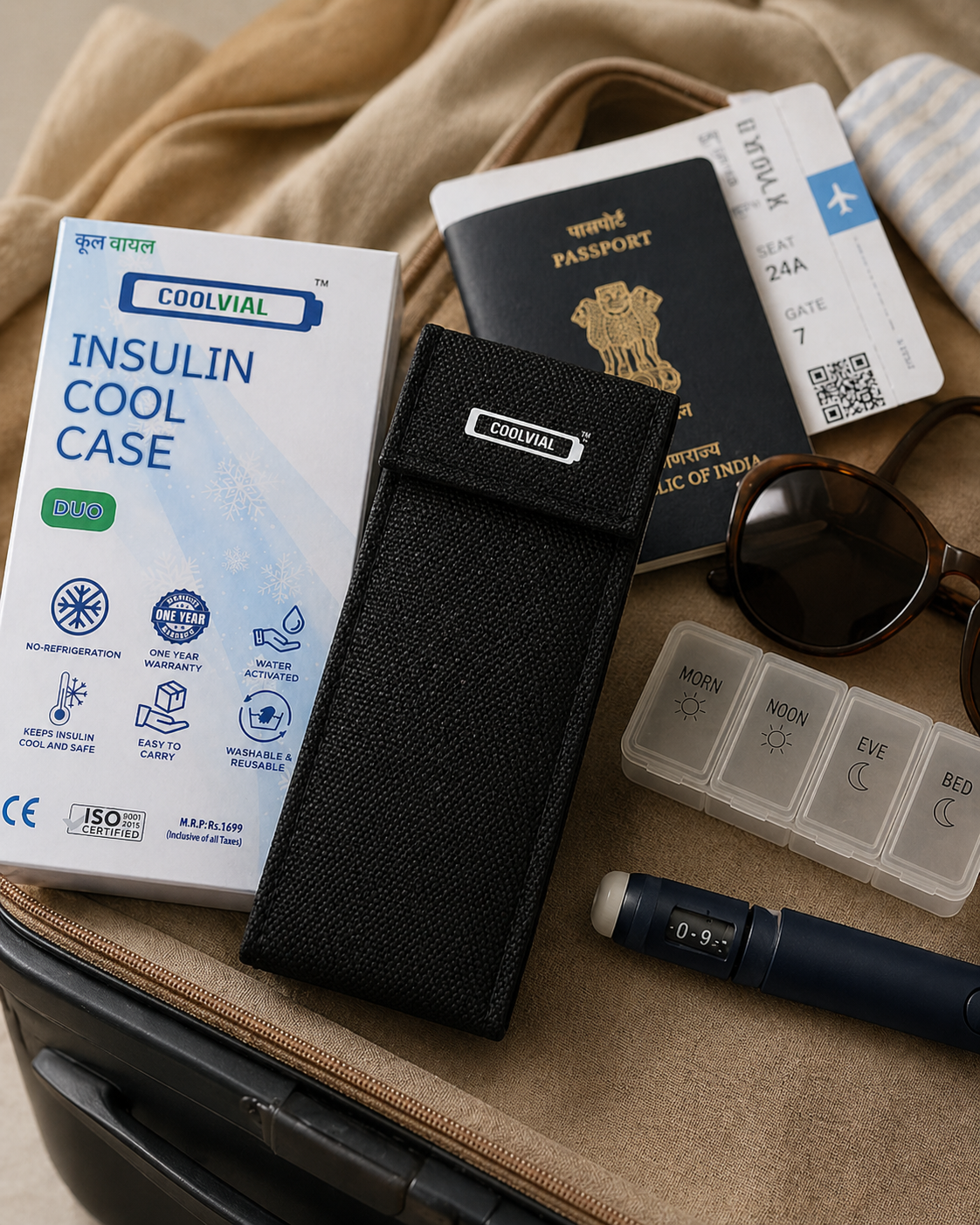
How to Store Lantus (Glargine) in India: 7 Proven Tips & Complete Temperature Guide
CE Certified · Free Delivery · 1-Year Warranty
📲 Buy on WhatsApp — ₹1,099