
Reviewed by the COOLVIAL Editorial Team — specialists in insulin storage for Indian climate conditions.
Keeping insulin safe and effective during natural disasters like the annual Assam and Bihar floods is paramount for anyone living with diabetes. The direct answer to managing insulin storage during Assam & Bihar floods is to prioritize maintaining its temperature between 2-8°C for unopened vials and below 25-30°C for opened vials, ideally for up to 28 days, using insulated cool cases or other reliable methods when electricity is unavailable. Without proper storage, insulin can quickly lose its potency, posing a severe health risk. This comprehensive guide will equip Indian diabetics with the knowledge and practical steps needed to protect their vital medication and ensure continuity of care, even in the most challenging circumstances. You will learn about the critical temperature ranges, essential preparedness strategies, and smart solutions tailored for India’s unique climatic and infrastructural challenges during emergencies.
Table of Contents
- Why Insulin Storage Matters Critically During India’s Floods and Disasters
- Understanding Insulin: Core Concepts for Safe Storage in Challenging Conditions
- Practical Steps for Insulin Storage During Assam & Bihar Floods: Your Disaster Checklist
- Navigating India’s Unique Climate & Infrastructure Challenges for Insulin Storage
- COOLVIAL Insulin Cool Cases: A Reliable Solution for Disaster Preparedness
- Essential Quick Reference: FAQ on Insulin Storage During Floods
- Conclusion
Why Insulin Storage Matters Critically During India’s Floods and Disasters
India is home to a staggering number of people living with diabetes. According to the World Health Organization (WHO), diabetes prevalence is a growing concern globally, and India accounts for a significant portion of this burden (Source: WHO Fact Sheets). The International Diabetes Federation (IDF) estimates that India had 101 million people living with diabetes in 2023, making it the diabetes capital of the world. For these millions, insulin is not just a medication; it’s a lifeline. Its efficacy, however, is highly dependent on proper storage conditions, particularly temperature.
The monsoon season brings with it the recurrent threat of floods, especially in states like Assam and Bihar. These regions experience devastating floods almost annually, disrupting lives, livelihoods, and essential services. During such crises, power outages are common, transportation networks collapse, and access to healthcare facilities becomes severely limited. For individuals requiring insulin, these conditions create a critical challenge: how to maintain the cold chain required for insulin stability when refrigerators are non-functional and ambient temperatures are soaring.
Improper insulin storage, particularly exposure to high temperatures (above 30°C) or freezing, can rapidly degrade the medication. Degraded insulin loses its ability to lower blood sugar effectively, leading to hyperglycemia, diabetic ketoacidosis (DKA), and other serious complications that can be life-threatening. In a disaster scenario, medical attention might be hours or even days away, making the self-management of diabetes, including proper insulin storage, absolutely vital.
Understanding the specific vulnerabilities of insulin and having a robust plan for its storage is not merely a recommendation; it’s a critical component of disaster preparedness for every diabetic and their family in flood-prone areas of India. This proactive approach can literally save lives and prevent severe health crises during emergencies. The focus keyword, “insulin storage during Assam & Bihar floods,” highlights a very real and urgent need for practical, localized solutions.
Understanding Insulin: Core Concepts for Safe Storage in Challenging Conditions
Insulin is a protein hormone, and like many proteins, it is sensitive to extreme temperatures. Its molecular structure can be damaged by heat, cold, and even vigorous shaking. This damage reduces its potency, meaning a patient might inject the usual dose but receive less effective medication, leading to dangerously high blood sugar levels.
The Ideal Temperature Ranges for Insulin
The stability of insulin is tightly linked to temperature. There are distinct guidelines for unopened and opened (in-use) insulin vials or pens:
- Unopened Insulin: Vials, cartridges, or pens that have not been opened should be stored in a refrigerator, ideally between 2°C and 8°C (36°F and 46°F). This temperature range ensures maximum shelf life, typically until the expiration date printed on the packaging. Freezing, which occurs below 0°C, must be strictly avoided, as it can permanently damage the insulin.
- Opened (In-Use) Insulin: Once an insulin vial or pen is opened, it can generally be stored at room temperature (below 25°C to 30°C, or 77°F to 86°F) for a period of 28 days (four weeks). Some specific types of insulin or pens might have slightly different recommendations, so always check the manufacturer’s leaflet. It is crucial never to store opened insulin in direct sunlight or in extreme heat, such as inside a parked car in the Indian summer, where temperatures can easily exceed 40-45°C in cities like Delhi or Patna.
What Happens When Insulin is Exposed to Extreme Temperatures?
- Heat Exposure: When insulin is exposed to temperatures above its recommended range (especially above 30°C), its protein structure begins to break down. This process is irreversible. The insulin may become cloudy, discolored, or develop particles. Even if it looks normal, its effectiveness will be compromised. A patient using heat-damaged insulin might experience unexplained high blood sugar levels.
- Freezing: If insulin freezes, the delicate protein structure is shattered. Even after thawing, the insulin will no longer be effective. Visually, frozen and thawed insulin might appear clumpy or contain crystals. It should never be used.
The Importance of a Consistent Environment
Consistency is key. Frequent fluctuations between hot and cold are also detrimental. While refrigeration is ideal for long-term storage, during emergencies like floods in Assam or Bihar, the primary goal for opened insulin is to keep it below 25-30°C and above freezing. This often means finding innovative solutions when traditional refrigeration is unavailable.
| Insulin Type | Storage Condition | Recommended Temperature Range | Maximum Duration | Notes |
|---|---|---|---|---|
| Unopened Vials/Pens | Refrigerated | 2°C - 8°C | Until Expiry Date | Do NOT freeze. |
| Opened Vials/Pens | Room Temperature | Below 25°C - 30°C | 28 Days | Avoid direct sunlight & extreme heat. |
| Insulin in Pump | Body Temperature | Varies | 2-3 Days | Change reservoir/site frequently. |
| Insulin Exposed to >30°C | Discard | N/A | N/A | Potency compromised, do not use. |
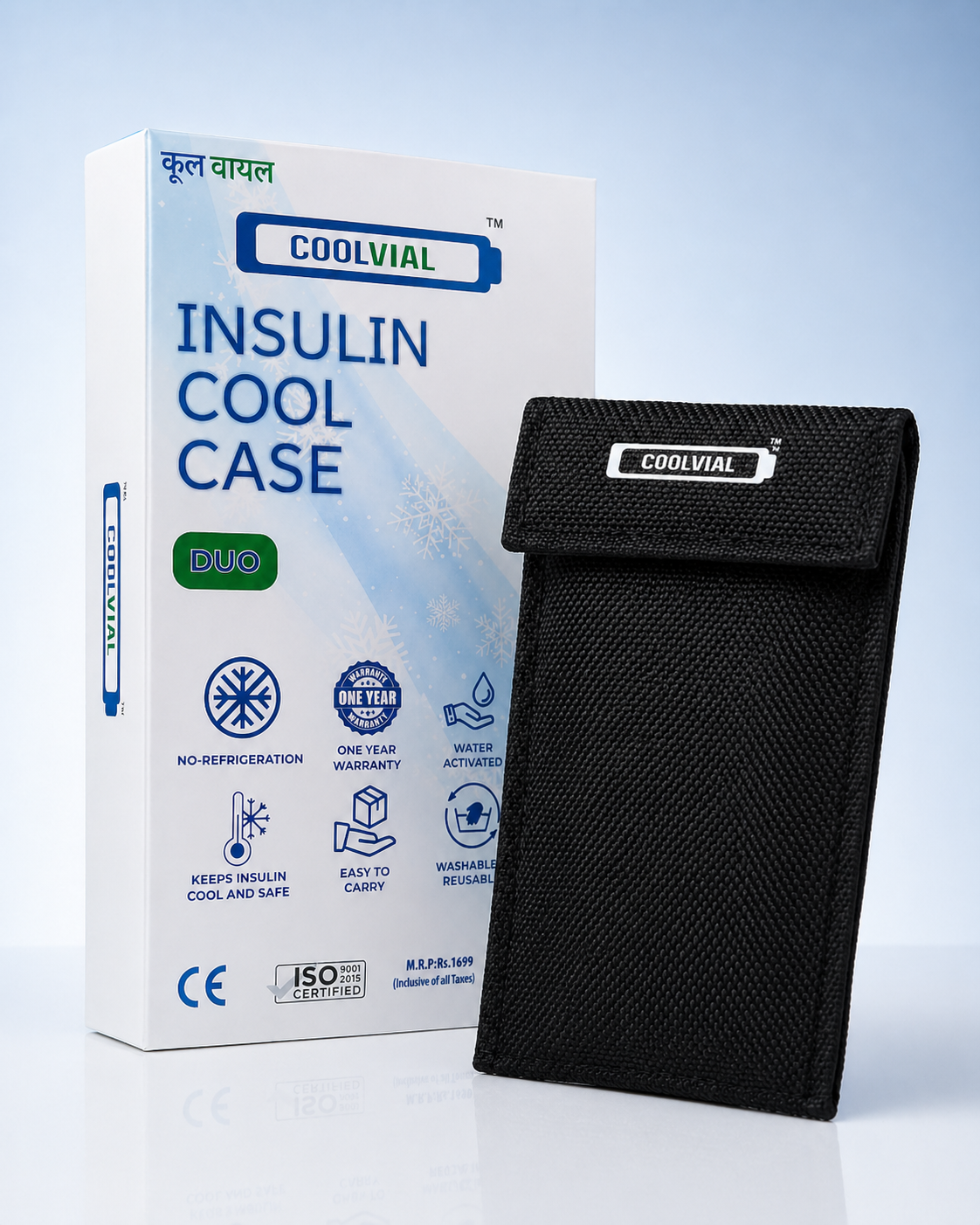
7 Essential Steps for Insulin Storage During Assam & Bihar Floods: A Disaster Guide for India
Insulin at 2-8°C for 48+ hours. Trusted by 10,000+ Indian diabetics.
This table provides a quick reference for the optimal insulin storage during Assam & Bihar floods or any other emergency. Always refer to your specific insulin product’s instructions for precise guidance.
Practical Steps for Insulin Storage During Assam & Bihar Floods: Your Disaster Checklist
Preparing for an emergency, especially when managing a chronic condition like diabetes, requires foresight and a well-organized plan. Here are practical steps to ensure safe insulin storage during Assam & Bihar floods:
-
Prepare an Emergency Diabetes Kit:
- Medication Supply: Keep an extra supply of insulin (at least 2-4 weeks’ worth) in reserve. Rotate stock to ensure it’s not expired.
- Cool Storage: Include an insulated bag or an insulin cool case like COOLVIAL. Pack reusable ice packs, but ensure they don’t directly touch the insulin to prevent freezing.
- Syringes/Pens: Extra needles, lancets, and a glucose meter with extra batteries or a power bank.
- Emergency Food: Non-perishable snacks (glucose tablets, biscuits, juice boxes) to manage low blood sugar.
- Medical Information: A laminated card with your doctor’s contact, medication list, and dosage.
- Waterproof Bag: Store all items in a waterproof bag to protect against floodwaters.
-
Understand Temperature Management Without Electricity:
- Insulated Bags: These are your primary defense. They provide a barrier against external heat.
- Ice Packs (Frozen Water Bottles): If refrigeration is lost, use frozen water bottles or gel packs in your insulated bag. Wrap insulin vials/pens in cloth or newspaper before placing them next to ice packs to prevent direct contact and freezing.
- Evaporative Cooling: In dry heat, a porous clay pot or a wet cloth can offer some evaporative cooling, but this is less effective in the high humidity often seen during Indian monsoons.
- Buried in the Ground: As a last resort, if the ground is dry and not waterlogged, burying insulin in a waterproof container a few feet deep can keep it cooler than the surface air. This is highly risky during floods.
-
Prioritize What to Save:
- If you have limited cool storage space, prioritize your opened insulin first, as it’s for immediate use. Unopened, refrigerated insulin can often be replaced more easily if needed, though every effort should be made to save all medication.
-
Monitor Insulin Condition:
- Regularly check your insulin for changes in appearance (cloudiness, discoloration, particles). If it looks different, it might have lost potency.
- If you suspect insulin has been compromised, do not use it if possible. If no alternative is available, use it cautiously and monitor blood sugar levels very closely. Seek medical advice as soon as available.
-
Stay Hydrated and Monitor Blood Sugar:
- In a disaster, stress and altered routines can affect blood sugar. Drink plenty of safe water and check your blood sugar levels more frequently than usual.
-
Seek Shelter and Assistance:
- Follow local disaster management advisories. If evacuation is ordered, take your emergency kit with you. Inform rescue workers about your diabetes and insulin needs.
-
Communicate Your Needs:
- If you are with family, friends, or in a relief camp, ensure at least one person knows about your diabetes and where your insulin is stored. This is crucial if you become incapacitated.
By implementing these practical steps, Indian diabetics can significantly improve their chances of maintaining effective insulin storage during Assam & Bihar floods and other natural calamities. Preparedness is your best defense against the unpredictable challenges of a disaster. For more general insulin storage tips, you can always refer to our comprehensive guide.
Navigating India’s Unique Climate & Infrastructure Challenges for Insulin Storage
India’s diverse geography and climate present unique challenges for insulin storage, especially during emergencies. The scorching summers, humid monsoons, and often unreliable infrastructure demand specific considerations for diabetics.
The Impact of Indian Summers and Monsoons
- Extreme Heat: Temperatures in many Indian cities, particularly across North India (like Lucknow, Patna, Guwahati) and the Deccan Plateau, routinely soar above 40°C in summer. Even cooler regions experience high temperatures. These conditions make maintaining insulin below 25-30°C a constant struggle, even without a disaster. During floods, the ambient temperature may not be extreme, but the humidity can make everything feel hotter and lead to rapid degradation of items.
- High Humidity: Monsoon floods bring not only water but also very high humidity. While humidity doesn’t directly damage insulin like heat, it can affect packaging, labels, and the overall usability of medical supplies. It also makes evaporative cooling methods less effective.
- Power Cuts (Load Shedding): Chronic power cuts are a reality across much of India, especially in rural areas and during peak demand in urban centers. During floods, electrical infrastructure is often severely damaged, leading to prolonged outages that can last for days or weeks. This renders traditional refrigeration useless. A study by the Council on Energy, Environment and Water (CEEW) in 2020 indicated that 78% of Indian households faced daily power cuts, particularly in rural areas, highlighting the scale of this challenge.
- Transportation Disruptions: Floods can cut off roads, railway lines, and even air routes. This makes it difficult to resupply medication or reach healthcare facilities. Diabetics in isolated villages in Assam or Bihar might find themselves completely cut off, relying solely on their emergency preparedness.
- Access to Clean Water: Maintaining hygiene is critical when administering insulin. Floodwaters are often contaminated, making access to clean water for handwashing a challenge, which can increase the risk of infection at injection sites.
Regional Specifics for Assam & Bihar
- Assam: The Brahmaputra River system causes extensive flooding annually. Areas like Lakhimpur, Dhemaji, and Barpeta are particularly vulnerable. The high rainfall and tropical climate mean sustained periods of high humidity and warm temperatures, even during the monsoon.
- Bihar: The Kosi, Gandak, and Bagmati rivers frequently overflow, affecting districts such as Darbhanga, Madhubani, and Purnia. Similar to Assam, Bihar experiences significant humidity and warmth during the flood season, making passive cooling challenging.
Adapting to the Indian Context
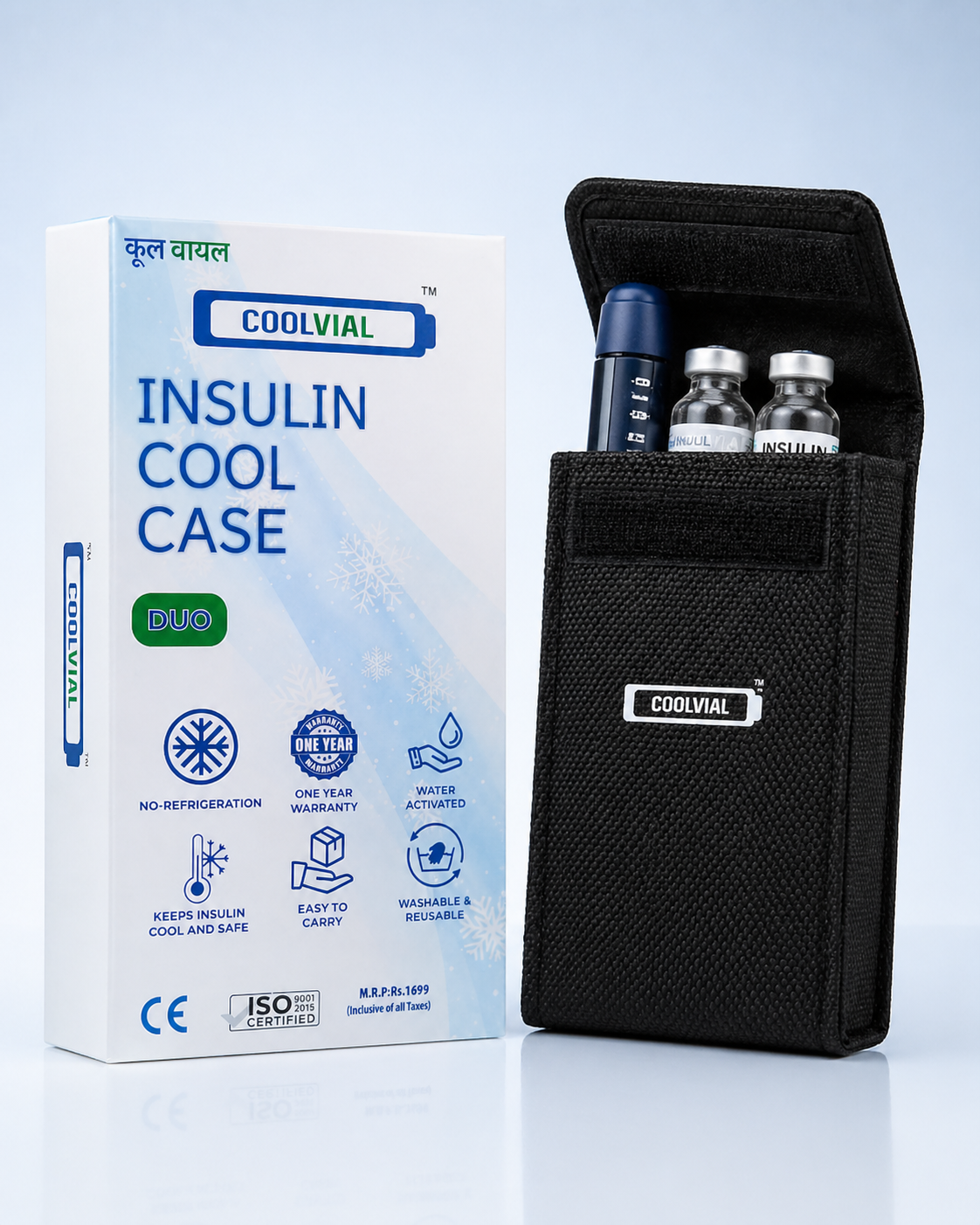
7 Essential Steps for Insulin Storage During Assam & Bihar Floods: A Disaster Guide for India
COOLVIAL keeps insulin safe in India's heat. 48+ hours, no electricity needed.
7 Essential Steps for Insulin Storage During Assam & Bihar Floods: A Disaster Guide for India
COOLVIAL keeps insulin safe in India's heat. 48+ hours, no electricity needed.
To effectively manage insulin storage in India’s challenging environment, especially during floods, it’s essential to:
- Invest in Reliable Portable Cooling: Solutions that do not rely on constant electricity are paramount.
- Community Preparedness: Local healthcare workers, community leaders, and NGOs play a vital role in disseminating information and providing support.
- Family Involvement: Family members need to be educated on diabetes management and emergency protocols, as they are often the first responders in a crisis.
- Local Resources: Knowing where the nearest functional health center or pharmacy is, and alternative routes, can be life-saving.
Understanding these unique Indian conditions is the first step towards robust disaster preparedness for insulin storage during Assam & Bihar floods.
COOLVIAL Insulin Cool Cases: A Reliable Solution for Disaster Preparedness
In the face of India’s challenging climate and the unpredictable nature of disasters like the Assam and Bihar floods, reliable solutions for insulin storage are not just a convenience, but a necessity. Traditional methods often fall short when power cuts are prolonged, and ambient temperatures remain high. This is where specialized products like the COOLVIAL insulin cool case prove invaluable.
A COOLVIAL insulin cool case is designed specifically to maintain insulin within its safe temperature range (typically 2-8°C or below 25°C for in-use insulin) for extended periods without electricity. It provides a consistent, cool environment, acting as a portable refrigerator for your vital medication. This is particularly crucial for “insulin storage during Assam & Bihar floods,” where access to a working fridge can be impossible for days or even weeks.
How COOLVIAL Cases Provide an Advantage:
- Extended Cooling Duration: Unlike basic insulated bags that rely solely on ice packs with limited life, COOLVIAL cases often use advanced insulation technology and specific cooling elements that can maintain temperatures for 24-48 hours, and sometimes even longer, depending on the model and external conditions. This extended duration is critical during prolonged power outages or when traveling to relief camps.
- Protection from Freezing: Designed to prevent direct contact between insulin and frozen elements, COOLVIAL cases help avoid the risk of insulin freezing, which is equally damaging as overheating. This precision temperature control is a significant benefit.
- Durability and Portability: Built to withstand rugged conditions, these cases are often compact, lightweight, and easy to carry. This portability allows diabetics to keep their insulin with them at all times, whether evacuating by boat, bus, or on foot during a flood.
- Water-Resistant Design: Many cool cases are designed with water-resistant exteriors, offering an extra layer of protection against moisture and rain, a common threat during monsoons and floods.
- Peace of Mind: Knowing your insulin is safely stored, even amidst chaos, significantly reduces stress for individuals and families managing diabetes. This peace of mind is invaluable during an emergency.
Consider the practical scenario of a family in a village in Darbhanga, Bihar, facing rising floodwaters. Their refrigerator is submerged or without power. With a COOLVIAL insulin cool case, they can quickly secure their insulin and move to safer ground, confident that their medication will remain viable. Similarly, for someone in Guwahati, Assam, navigating disrupted transport and temporary shelters, a reliable cool case ensures their daily insulin regimen can continue uninterrupted.
Investing in a high-quality COOLVIAL insulin cool case is a proactive step towards ensuring preparedness and resilience for diabetics living in flood-prone or disaster-prone regions of India. It represents a small investment for a massive return in health security.
Essential Quick Reference: FAQ on Insulin Storage During Floods
Managing diabetes during a flood or power outage can be stressful. Here are answers to some common questions regarding insulin storage during Assam & Bihar floods and similar emergencies, formatted to provide direct, self-contained information.
Q: What is the most critical temperature range for insulin storage during floods? A: Unopened insulin must be kept between 2-8°C, while opened (in-use) insulin should be stored below 25-30°C for up to 28 days. Avoiding temperatures above 30°C and below 0°C (freezing) is critical to maintain insulin potency.
Q: What should I do if my refrigerator loses power for an extended period during a flood? A: If your refrigerator loses power, transfer your insulin immediately to an insulated cool case with pre-frozen gel packs or frozen water bottles. Ensure the insulin is wrapped in cloth to prevent direct contact with ice, which could cause freezing. Monitor the temperature inside the case if possible.
Q: Can I use insulin that has been exposed to high temperatures, like 35°C, for a few hours? A: Insulin exposed to temperatures above 30°C for even a few hours may lose potency. While it might still have some effect, its efficacy will be compromised. If you have no other option, use it cautiously and monitor your blood sugar levels very frequently, but replace it with properly stored insulin as soon as possible. Never use insulin that appears cloudy, discolored, or has particles.
Q: How can I keep insulin cool if I don’t have an insulin cool case or ice packs during a flood? A: In an absolute emergency without specialized equipment, you can try to improvise. Wrap insulin vials in a wet cloth and place them in the coolest available spot, away from direct sunlight. This uses evaporative cooling, which is less effective in high humidity but better than nothing. As a last resort, if the ground is dry, burying a waterproof container with insulin a few feet deep can offer some cooling, but this is risky during active floods.
Q: How long can insulin be stored at room temperature (below 25°C) once opened? A: Once opened, most insulin vials and pens can be stored safely at room temperature (below 25-30°C) for up to 28 days. Always check the specific manufacturer’s guidelines for your insulin, as some may vary slightly. After this period, any remaining insulin should be discarded, even if it appears normal.
Q: Is it safe to use insulin that has frozen and then thawed? A: No, insulin that has frozen, even partially, and then thawed should never be used. Freezing permanently damages the protein structure of insulin, rendering it ineffective. Discard any insulin that shows signs of freezing, such as clumps or crystals, even after thawing.
Conclusion
Navigating diabetes management during the challenging conditions of Assam and Bihar floods requires proactive planning and reliable solutions for insulin storage. As we’ve explored, maintaining the precise temperature range for insulin is non-negotiable for its efficacy. The constant threat of power outages, high humidity, and disrupted infrastructure in India’s flood-prone regions demands a robust preparedness strategy.
We’ve highlighted the critical importance of understanding insulin’s temperature sensitivities – 2-8°C for unopened vials and below 25-30°C for opened, in-use insulin – and the severe consequences of improper storage. Practical steps, from assembling a comprehensive emergency kit to monitoring your insulin’s condition, are essential. Recognizing India’s unique climatic and logistical challenges underscores the need for localized, effective solutions.
A reliable COOLVIAL insulin cool case offers a lifeline, providing extended, stable cooling without electricity, ensuring your vital medication remains potent even when everything else is in disarray. This small investment can bring immense peace of mind and protect your health during a crisis.
Don’t wait for disaster to strike. Be prepared. Equip yourself with the knowledge and tools to ensure proper insulin storage during Assam & Bihar floods. Your health depends on it.
To secure your insulin’s safety during any emergency, consider ordering a COOLVIAL insulin cool case today. You can easily buy COOLVIAL at ₹1,099 by messaging us on WhatsApp at wa.me/918766952300. Prioritize your health, always.
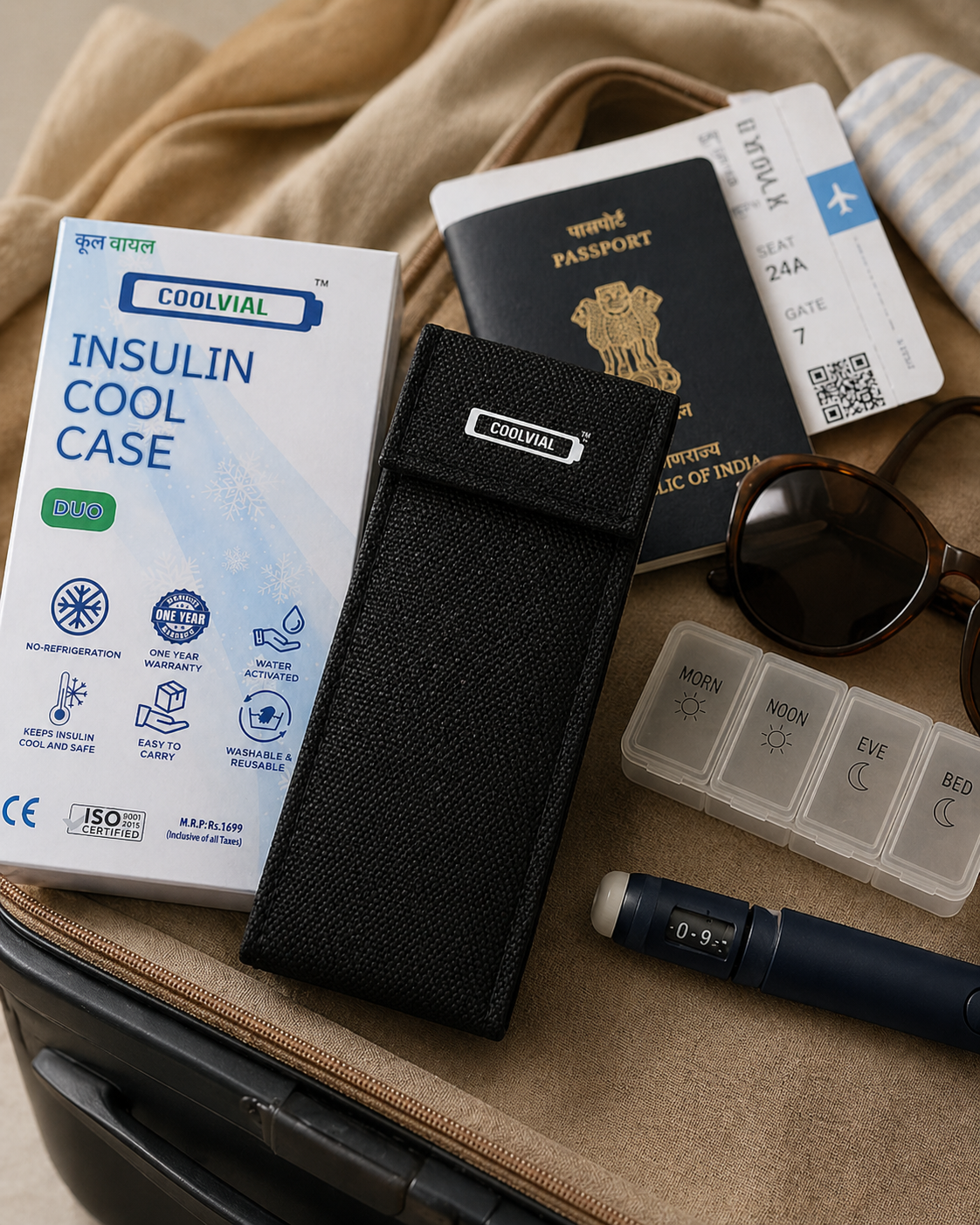
7 Essential Steps for Insulin Storage During Assam & Bihar Floods: A Disaster Guide for India
Insulin at 2-8°C for 48+ hours. Trusted by 10,000+ Indian diabetics.
7 Essential Steps for Insulin Storage During Assam & Bihar Floods: A Disaster Guide for India
Insulin at 2-8°C for 48+ hours. Trusted by 10,000+ Indian diabetics.