
Reviewed by the COOLVIAL Editorial Team — specialists in insulin storage for Indian climate conditions.
Mumbai, the financial heartbeat of India, faces an annual challenge with its relentless monsoon rains, often leading to severe floods and widespread power outages. For the millions living with diabetes in India, ensuring the safety and efficacy of life-saving insulin during such emergencies is paramount. To prepare for Mumbai floods and insulin how diabetics should prepare in India, it is critical to understand that insulin, a temperature-sensitive medication, spoils rapidly if not stored correctly, typically above 30°C or below 2°C, with WHO recommending 2-8°C for unopened vials (Source: WHO Fact Sheet on Diabetes). This article provides a comprehensive guide, outlining 7 critical steps and practical advice to help diabetics safeguard their health and medication amidst the unpredictable nature of Indian monsoons and other climate-related emergencies. You will learn about essential preparation strategies, proper storage techniques, and India-specific considerations to navigate these challenging times with confidence.
Table of Contents
- Why Emergency Preparedness Matters for Diabetics in India
- Understanding Insulin Storage: Core Concepts and Critical Temperatures
- Mumbai Floods and Insulin: Practical Steps for Diabetics in India
- India’s Diverse Climate and Emergency Preparedness Beyond Mumbai
- Ensuring Insulin Safety: The COOLVIAL Advantage for Diabetics in India
- Essential Quick Reference: Your Flood Preparedness Checklist
- Frequently Asked Questions
Why Emergency Preparedness Matters for Diabetics in India
India, a nation of diverse geographies and climates, is particularly vulnerable to natural disasters. From the annual fury of the Mumbai monsoons, which routinely bring the city to a standstill, to the cyclones that batter coastal states like Odisha and Tamil Nadu, and the scorching heatwaves that grip regions like Delhi and Rajasthan, emergencies are a recurring reality. For the over 101 million people living with diabetes in India (Source: International Diabetes Federation, 2023), these events pose a unique and heightened risk, especially concerning the stability of their insulin. The pervasive challenge of power cuts, which affects an estimated 78% of Indian households daily during peak summer months (Source: India Energy Access Survey), further complicates insulin storage, making proactive planning not just advisable, but absolutely essential.
Floods in urban centers like Mumbai not only disrupt daily life but also cripple infrastructure. Roads become impassable, public transport like local trains and buses halt, and access to pharmacies and healthcare facilities becomes severely limited. This isolation can be terrifying for individuals who rely on daily insulin injections to manage their blood sugar levels. The inability to reach medical supplies or seek immediate medical attention if complications arise can lead to dangerous health outcomes, including diabetic ketoacidosis or severe hypoglycemia. Moreover, floodwaters often contaminate drinking water sources, increasing the risk of waterborne diseases, which can further destabilize blood glucose control for diabetics.
The problem extends beyond direct physical threats. The psychological stress of an emergency can also impact blood sugar levels, making meticulous management even more critical. When contemplating Mumbai floods and insulin how diabetics should prepare in India, it’s clear that the stakes are incredibly high. A lapse in insulin administration, even for a short period, can have severe, life-threatening consequences. Therefore, understanding and implementing robust emergency preparedness plans is not merely an option but a vital component of diabetes management in the Indian context. This involves not only securing medication but also having a comprehensive strategy for communication, hydration, and overall well-being during crises. Without proper preparation, the annual monsoon season can turn into a period of extreme vulnerability for diabetics.
Challenges Faced by Diabetics During Emergencies in India:
- Disrupted Supply Chains: Floods and other disasters often cut off roads, making it impossible for pharmacies to restock or for patients to reach existing supplies.
- Power Outages: Prolonged electricity cuts render refrigerators useless, jeopardizing the integrity of temperature-sensitive insulin.
- Limited Access to Healthcare: Hospitals and clinics may be inaccessible, overcrowded, or without power, delaying critical medical attention.
- Contaminated Water Sources: Increased risk of infections from floodwaters, which can complicate diabetes management.
- Stress and Anxiety: The mental toll of emergencies can lead to fluctuations in blood sugar levels, requiring vigilant monitoring.
- Lack of Awareness: Many individuals may not fully understand the specific risks associated with insulin storage during emergencies.
Understanding Insulin Storage: Core Concepts and Critical Temperatures
Insulin is a life-saving medication, but its effectiveness is highly dependent on proper storage conditions. It is a protein, and like many proteins, it is sensitive to extreme temperatures. Both excessive heat and freezing temperatures can damage its molecular structure, rendering it ineffective. Understanding these core concepts is the first step in effective emergency preparedness, especially when considering Mumbai floods and insulin how diabetics should prepare in India.
Understanding Insulin Storage Requirements
Mumbai Floods and Insulin: 7 Critical Steps for Diabetics in India
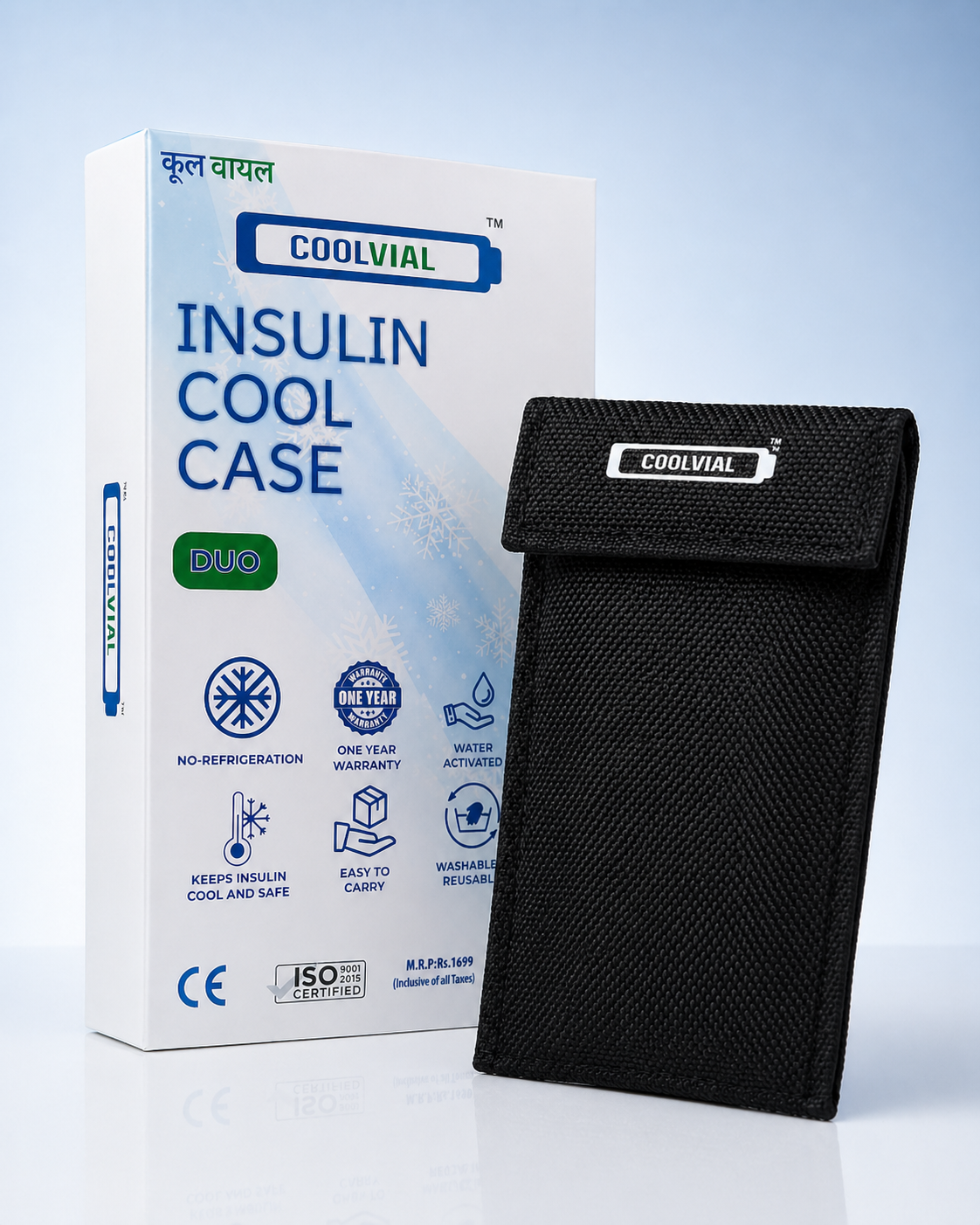
Keep your insulin safe in India's extreme heat. COOLVIAL works for 48+ hours without electricity.
Unopened insulin vials and pens should ideally be stored in a refrigerator at a temperature between 2°C and 8°C. This range is crucial for maintaining its potency until its expiration date. Once opened, insulin can typically be stored at room temperature (below 25°C to 30°C, depending on the specific type of insulin) for a period of 28 days to 42 days (or 6 weeks), again depending on the manufacturer’s guidelines. It’s vital to check the leaflet accompanying your specific insulin product for precise instructions. Exposure to temperatures outside these recommended ranges, even for short durations, can significantly degrade the insulin, making it less effective in controlling blood sugar.
Mumbai Floods and Insulin: 7 Critical Steps for Diabetics in India
The potency of insulin is directly linked to its temperature stability. If insulin is exposed to freezing temperatures (below 0°C), it can crystallize, separating the active ingredient from the solution. Once frozen, even if it thaws, its effectiveness is compromised, and it should not be used. Conversely, high temperatures (above 30°C to 35°C) can cause insulin proteins to denature or clump, reducing its ability to lower blood glucose. In a country like India, where summer temperatures in cities like Delhi can soar beyond 45°C and even during monsoons, humidity combined with warm temperatures can stress insulin, maintaining the correct range is a constant challenge.
The Dangers of Improper Storage
The consequences of using compromised insulin are severe. If insulin loses its potency due to improper storage, it will fail to adequately lower blood sugar levels. This can lead to hyperglycemia, which, if left unaddressed, can escalate to serious complications such as diabetic ketoacidosis (DKA), a life-threatening condition requiring immediate medical attention. Symptoms of DKA include excessive thirst, frequent urination, nausea, abdominal pain, weakness, and fruity-scented breath. For diabetics, understanding that cloudy or discolored insulin, or insulin with particles, is a sign of spoilage is critical. Clear insulin should always remain clear.
Improper storage also means financial waste, as insulin is an expensive medication. Replacing spoiled insulin, especially during an emergency when supplies might be scarce, adds another layer of burden. Therefore, investing in reliable storage solutions and understanding the nuances of insulin stability is not just about health, but also about resource management. The table below provides a quick reference for insulin storage temperatures:
| Insulin State | Recommended Temperature Range | Maximum Duration | Signs of Spoilage |
|---|---|---|---|
| Unopened | 2°C to 8°C (Refrigerated) | Until Expiry Date | Cloudiness, discoloration, particles, unusual smell (for clear insulin, it should always remain clear) |
| Opened Vial | 15°C to 30°C (Room Temperature) | 28 Days | Cloudiness, discoloration, particles, unusual smell, reduced efficacy |
| Opened Pen | 15°C to 30°C (Room Temperature) | 28 to 42 Days (check label) | Cloudiness, discoloration, particles, unusual smell, reduced efficacy |
| Freezing Point | Below 0°C | Immediate Spoiling | Crystallization, separation, reduced efficacy (do NOT use if frozen, even if thawed) |
| High Heat | Above 30°C to 35°C | Immediate Spoiling | Cloudiness, clumping, reduced efficacy (insulin proteins denature and lose function) |
Always consult your specific insulin’s packaging or your healthcare provider for precise storage instructions, as formulations can vary. This knowledge is fundamental for every diabetic, especially in environments prone to temperature extremes and power disruptions.
Mumbai Floods and Insulin: Practical Steps for Diabetics in India
Preparing for the annual monsoon season in Mumbai requires a proactive and detailed approach, especially for individuals managing diabetes. When considering Mumbai floods and insulin how diabetics should prepare in India, it’s essential to develop a robust emergency plan that covers medication, supplies, and personal safety. The unpredictability of urban floods and the associated power cuts demand vigilance and readiness.
Here are 7 critical steps to help diabetics navigate the challenges posed by Mumbai floods:
-
Prepare an Emergency Diabetes Kit:
- Medication Supply: Always keep an extra supply of insulin (at least 2 weeks’ worth), syringes or pen needles, blood glucose test strips, lancets, and a glucose meter. Ensure you have backup oral medications if you take them.
- Hypoglycemia Treatment: Include fast-acting glucose sources like glucose tablets, hard candies, or small juice boxes.
- Prescription Copies: Carry copies of all prescriptions and a doctor’s note detailing your condition and medication. Store them in a waterproof bag.
- First Aid Essentials: Include antiseptic wipes, bandages, and any other necessary first aid items, especially for foot care, which is crucial for diabetics.
-
Ensure Safe Insulin Storage:
- Cool Case: Invest in a reliable, portable insulin cool case that can maintain the required temperature range (2-8°C for unopened, or below 30°C for opened) without electricity. These cases use gel packs or evaporative cooling technology.
- Backup Method: If a cool case is unavailable, consider using insulated lunch bags with frozen gel packs, ensuring insulin doesn’t directly touch the ice to prevent freezing. Rotate gel packs regularly.
- Waterproof Protection: Store all insulin and related supplies in waterproof bags or containers to protect them from floodwaters.
- Develop a Communication Plan:
- Emergency Contacts: Keep a list of emergency contacts (family, doctor, local hospital) in your kit, both physically and on your phone.
- Charging Options: Have a fully charged power bank or solar charger for your mobile phone to stay connected during power outages.
- Designated Meeting Point: Establish a meeting point with family members in case communication networks fail.
Mumbai Floods and Insulin: 7 Critical Steps for Diabetics in India
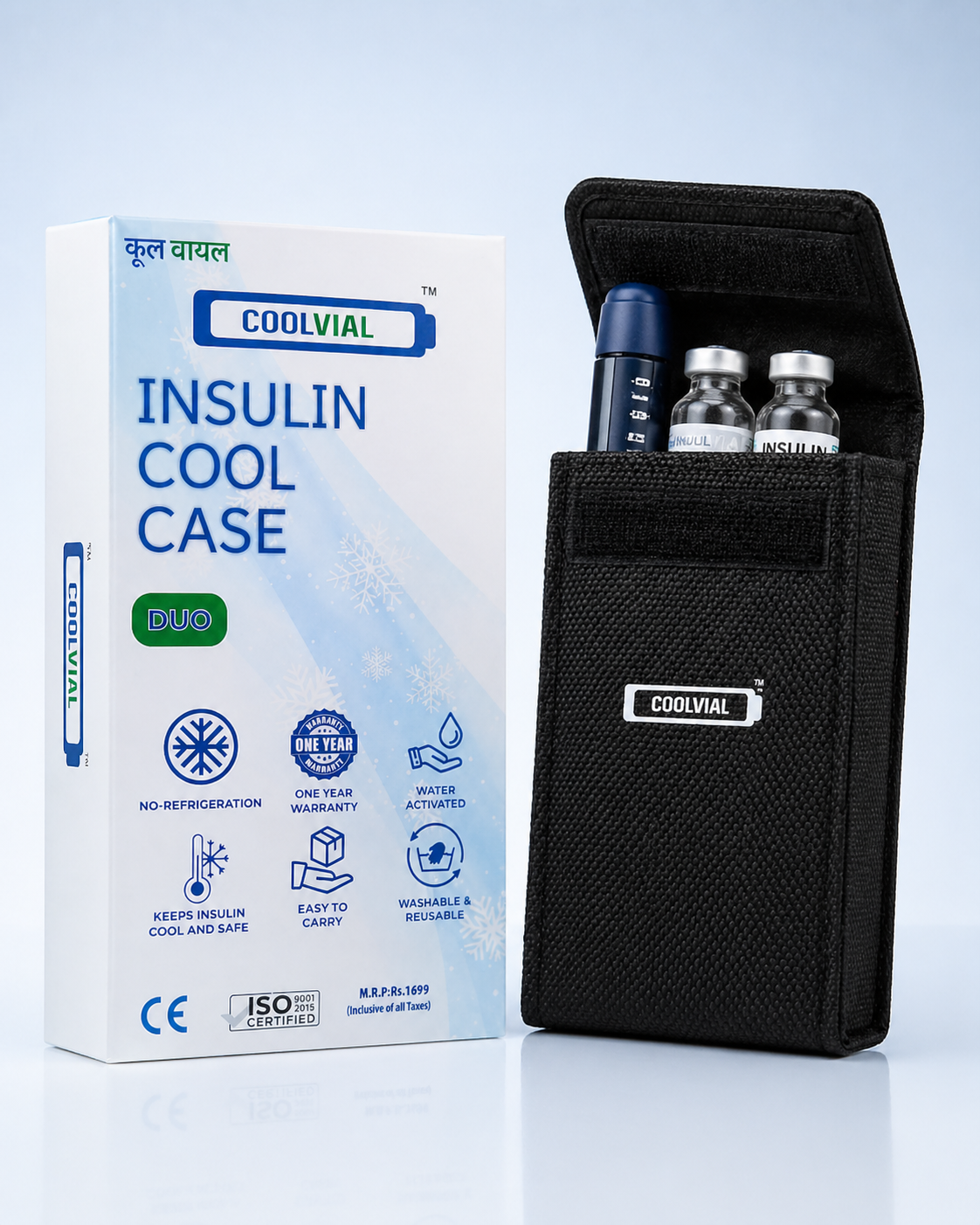
48+ hours at 2-8°C. No electricity. CE certified. Free delivery across India.
Order on WhatsApp — ₹1,099🛒 Buy Now — ₹1,099-
Stock Up on Non-Perishable Food and Water:
- Hydration: Store at least 3-4 days’ worth of clean drinking water (4 liters per person per day). Water purifiers or purification tablets are also advisable.
- Food: Keep non-perishable, diabetes-friendly snacks such as nuts, whole-grain crackers, and canned vegetables. Avoid sugary foods that can spike blood glucose.
-
Know Your Evacuation Routes and Shelters:
- Local Authorities: Familiarize yourself with local flood warnings and designated evacuation routes in your area.
- Emergency Shelters: Identify official emergency shelters and confirm if they can accommodate medical needs. Plan how you will reach them safely with your supplies.
-
Maintain Foot Care and Hygiene:
- Foot Protection: Wear sturdy, waterproof footwear during floods to protect your feet from injury and infection, which can be severe for diabetics.
- Hygiene: Carry hand sanitizers and antiseptic wipes, especially if clean water is scarce, to prevent infections. Regularly check your feet for cuts, blisters, or signs of infection.
-
Educate Your Family and Neighbors:
- Awareness: Ensure your family members, friends, and trusted neighbors understand your diabetes management plan, including where your emergency kit is and how to administer insulin if necessary.
- Medical Alert: Wear a medical alert bracelet or carry an ID card indicating you have diabetes.
By diligently following these steps, diabetics in Mumbai can significantly enhance their safety and ability to manage their condition effectively, even in the face of severe flooding and related disruptions. Proactive planning is the cornerstone of resilience during such challenging times.
India’s Diverse Climate and Emergency Preparedness Beyond Mumbai
While Mumbai floods present a critical challenge for diabetics, India’s vast geographical and climatic diversity means that other regions face equally severe, albeit different, environmental threats. Effective diabetes management and insulin storage must account for these varied conditions across the country. Understanding these regional nuances is crucial for comprehensive preparedness, extending the insights of Mumbai floods and insulin how diabetics should prepare in India to a national perspective.
Regional Climate Challenges and Their Impact on Diabetics
-
Northern Plains (Delhi, Uttar Pradesh, Punjab): Extreme Heatwaves:
- Summers here are notoriously hot, with temperatures frequently exceeding 45°C. This intense heat directly threatens insulin integrity, as insulin can spoil rapidly above 30°C.
- Power cuts are common during peak summer due to high demand, rendering refrigerators ineffective for prolonged periods.
- Diabetics in these regions need robust, passive cooling solutions for insulin, along with strategies to prevent dehydration and heatstroke.
-
Coastal Regions (Chennai, Odisha, West Bengal): Cyclones and Storm Surges:
- States bordering the Bay of Bengal and the Arabian Sea are prone to cyclones, bringing heavy rains, strong winds, and widespread destruction.
- These events often lead to extensive power outages, communication breakdowns, and severe flooding, similar to Mumbai but potentially more widespread.
- Evacuation plans are critical, and diabetics must ensure their insulin and medical supplies are secured for transit and stored safely in temporary shelters.
-
Northeastern States (Assam, Bihar): Annual Floods and Landslides:
- The Brahmaputra River basin in Assam and other riverine areas experience severe annual floods, often leading to displacement and isolation of communities.
- Landslides are also common in hilly areas, cutting off access to roads and healthcare.
- Long-term preparedness, including community-level support and robust stock-piling of medication, is essential in these areas.
-
Peninsular India (Karnataka, Telangana, Andhra Pradesh): Droughts and Water Scarcity:
- While not directly impacting insulin storage temperature, prolonged droughts can lead to water scarcity, affecting hygiene and increasing the risk of infections, which can destabilize blood sugar levels.
- Power cuts are also common, particularly in rural areas, making refrigeration challenging.
The common thread across all these regions is the vulnerability of the power grid and the challenges of maintaining a stable, cool environment for insulin. For instance, in many rural parts of India, access to reliable electricity can be intermittent even without a natural disaster, making reliance on powered refrigeration impractical for daily insulin storage. This highlights the importance of non-electric, portable cooling solutions for insulin.
Furthermore, public transport, whether it’s the extensive Indian Railways network or state-run bus services, can be disrupted during these events. Diabetics planning travel, especially during festival seasons like Diwali or Eid, need to consider potential delays and ensure their insulin is protected for extended periods without refrigeration. Preparing for such diverse scenarios requires a holistic approach to insulin storage tips, encompassing not only the immediate threat but also the broader environmental context of India. This includes being aware of local weather advisories, having a well-stocked emergency kit, and understanding how to maintain insulin viability under various adverse conditions.
Comparison of Emergency Storage Methods in India:
| Method | Pros | Cons | Best Use Case |
|---|---|---|---|
| Refrigerator (with power) | Ideal temperature control (2-8°C), large capacity | Fails during power cuts, not portable | Home storage, |
Mumbai Floods and Insulin: 7 Critical Steps for Diabetics in India
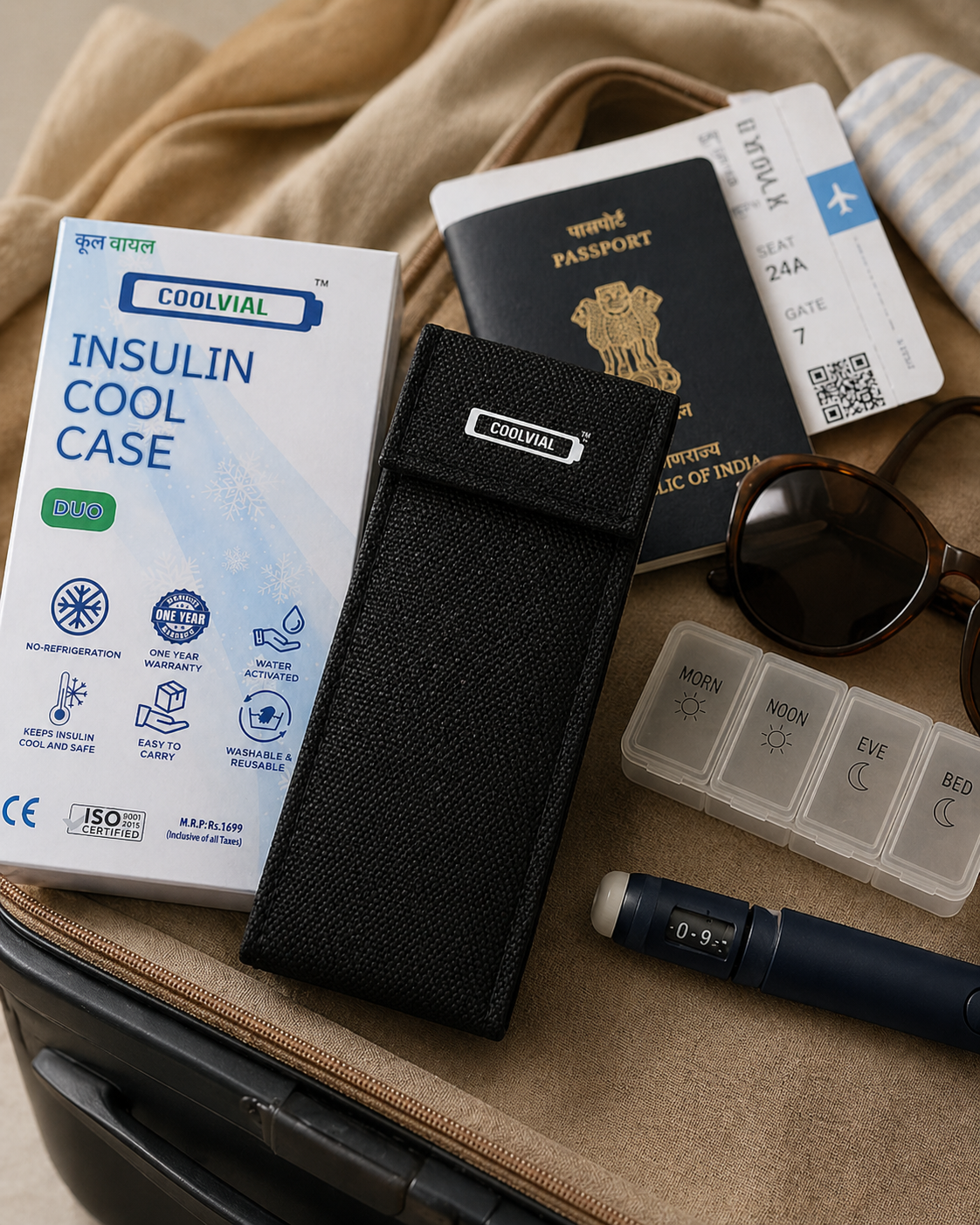
COOLVIAL keeps insulin at 2-8°C for 48+ hours. No electricity needed.