
Reviewed by the COOLVIAL Editorial Team — specialists in insulin storage for Indian climate conditions.
For individuals managing diabetes in India, especially in the face of unpredictable events like earthquakes and natural disasters, ensuring the safe and effective insulin storage during earthquakes natural disasters in India is paramount. Insulin, a life-saving medication, is highly sensitive to temperature extremes, losing potency if it freezes below 2°C or overheats above 30°C. The ideal storage temperature for unopened insulin is between 2-8°C, while opened vials or pens can typically be kept at room temperature (15-25°C) for up to 28 days, provided temperatures do not exceed 30°C. This article will provide a comprehensive guide on how to protect your insulin supply when emergencies strike, covering essential preparedness strategies, practical tips, and India-specific considerations to keep your medication viable and your health secure.
Table of Contents
- The Critical Need for Emergency Insulin Storage in India
- Understanding Insulin’s Vulnerability: Core Storage Concepts
- Essential Steps for Insulin Storage During Earthquakes and Natural Disasters in India
- Navigating India’s Unique Challenges for Insulin Storage
- COOLVIAL: A Smart Solution for Insulin Storage During Emergencies in India
- Quick Reference: Your Emergency Insulin Storage Checklist & FAQs
The Critical Need for Emergency Insulin Storage in India
India’s diverse geography makes it vulnerable to a wide array of natural disasters, from devastating earthquakes in the Himalayan belt to recurrent floods in states like Assam, Bihar, and Kerala, and severe cyclones along its extensive coastline, particularly in Odisha, Andhra Pradesh, and West Bengal. Beyond these, the scorching summer heatwaves in northern plains cities like Delhi and Jaipur, where temperatures often exceed 45°C, and widespread monsoonal disruptions, pose significant challenges to daily life, including access to essential services and reliable infrastructure.
These calamities frequently lead to prolonged power outages, damaged transportation networks, and disrupted supply chains, all of which directly threaten the integrity of temperature-sensitive medications like insulin. For the over 101 million Indians living with diabetes in 2023 (Source: International Diabetes Federation, IDF), maintaining proper insulin storage during such emergencies is not merely a matter of convenience but a critical aspect of survival. The loss of refrigeration for even a few hours can compromise insulin’s effectiveness, potentially leading to serious health complications for those dependent on it.
A study on disaster preparedness highlights the unique challenges faced by individuals with chronic conditions during emergencies, underscoring the need for specific strategies to manage their medication. (Source: NCBI study on disaster preparedness for diabetics). The Indian context, with its unique challenges such as unreliable power grids, especially in rural areas where up to 78% of households can face daily power cuts in summer (Source: ICMR reports on rural infrastructure), makes proactive planning for insulin storage during earthquakes natural disasters in India absolutely indispensable.
| Disaster Type | Common Regions in India | Impact on Insulin Storage |
|---|---|---|
| Earthquakes | Himalayan Belt (Uttarakhand, Himachal Pradesh) | Infrastructure damage, power cuts, access issues |
| Floods | Assam, Bihar, Kerala, West Bengal, Odisha | Water damage, contamination, power cuts, displacement |
| Cyclones | Coastal states (Odisha, Andhra Pradesh, Tamil Nadu) | Extreme winds, heavy rains, power grid collapse |
| Heatwaves | North Indian Plains (Delhi, Rajasthan, Uttar Pradesh) | High ambient temperatures, fridge failure, rapid spoilage |
| Power Outages | Widespread, especially during monsoons & summers | Loss of refrigeration, need for alternative cooling |
Understanding Insulin’s Vulnerability: Core Storage Concepts
Insulin is a protein hormone, and like many proteins, its structure and function are highly dependent on specific environmental conditions, particularly temperature. Deviations from the recommended temperature range can cause the protein molecules to denature or aggregate, rendering the insulin less effective or even completely inactive. This vulnerability makes proper insulin storage during earthquakes natural disasters in India a complex but vital task.
The Ideal Temperature Range for Insulin
10 Critical Steps for Safe Insulin Storage During Earthquakes & Natural Disasters in India
COOLVIAL keeps insulin at 2-8°C for 48+ hours. No electricity needed. Trusted by 10,000+ diabetics.
Unopened insulin vials, cartridges, or pens should always be stored in a refrigerator, maintaining a temperature between 2°C and 8°C. This cool, dark environment preserves its potency until its expiration date, which is typically printed on the packaging. Once opened, insulin has a shorter shelf life and different storage requirements.
10 Critical Steps for Safe Insulin Storage During Earthquakes & Natural Disasters in India
Opened insulin can generally be kept at room temperature, ideally between 15°C and 25°C, for approximately 28 days (four weeks). However, this duration can vary slightly depending on the specific insulin type and brand; some insulin pens may last up to 42 days (six weeks) at room temperature. The critical caveat is that the temperature must never exceed 30°C. Above this threshold, insulin begins to degrade rapidly, losing its efficacy and potentially becoming unsafe to use. Freezing, below 0°C, is equally damaging, as ice crystals can destroy the insulin’s protein structure.
| Insulin State | Recommended Temperature Range | Maximum Duration | Notes |
|---|---|---|---|
| Unopened | 2°C to 8°C (Refrigerator) | Until Expiration Date | Do not freeze. Protect from light. |
| Opened | 15°C to 25°C (Room Temperature) | 28 days (or 42 days for some pens) | Never exceed 30°C. Discard if frozen. |
| Critical Limit | Above 30°C or Below 0°C | Immediate degradation | Insulin loses potency, becomes unusable. |
Factors Affecting Insulin Stability During Disasters
During a natural disaster, several factors can compromise insulin stability:
- Power Outages: The most immediate threat is the loss of refrigeration, which can last for hours or even days, especially in widespread blackouts common in areas like Mumbai during heavy monsoons or rural Rajasthan during summer.
- Extreme Heat: High ambient temperatures, prevalent in many parts of India, particularly the northern plains and Deccan plateau, can quickly push insulin beyond its safe storage limit if not actively cooled.
- Physical Damage: Earthquakes, floods, or cyclones can lead to vials breaking, pens being crushed, or packaging becoming compromised by water or debris.
- Contamination: Floodwaters or unsanitary conditions can contaminate insulin, making it unsafe for injection.
- Lack of Monitoring: In chaotic situations, regularly checking insulin temperature or condition becomes difficult.
Understanding these vulnerabilities is the first step in developing an effective plan for insulin storage during earthquakes natural disasters in India. Preparedness involves anticipating these challenges and having robust solutions in place to mitigate them.
Essential Steps for Insulin Storage During Earthquakes and Natural Disasters in India
Preparing for emergencies means taking proactive measures to safeguard your insulin supply. Here are 10 critical steps to ensure your insulin storage during earthquakes natural disasters in India is secure and effective:
- Assemble a Comprehensive Emergency Diabetes Kit: This kit should be easily accessible and contain at least a 2-4 week supply of all diabetes medications, including insulin, syringes/pens, needles, blood glucose meter, test strips, lancets, ketone strips, glucose tablets or gel, and a medical alert ID. Don’t forget copies of prescriptions and your doctor’s contact information.
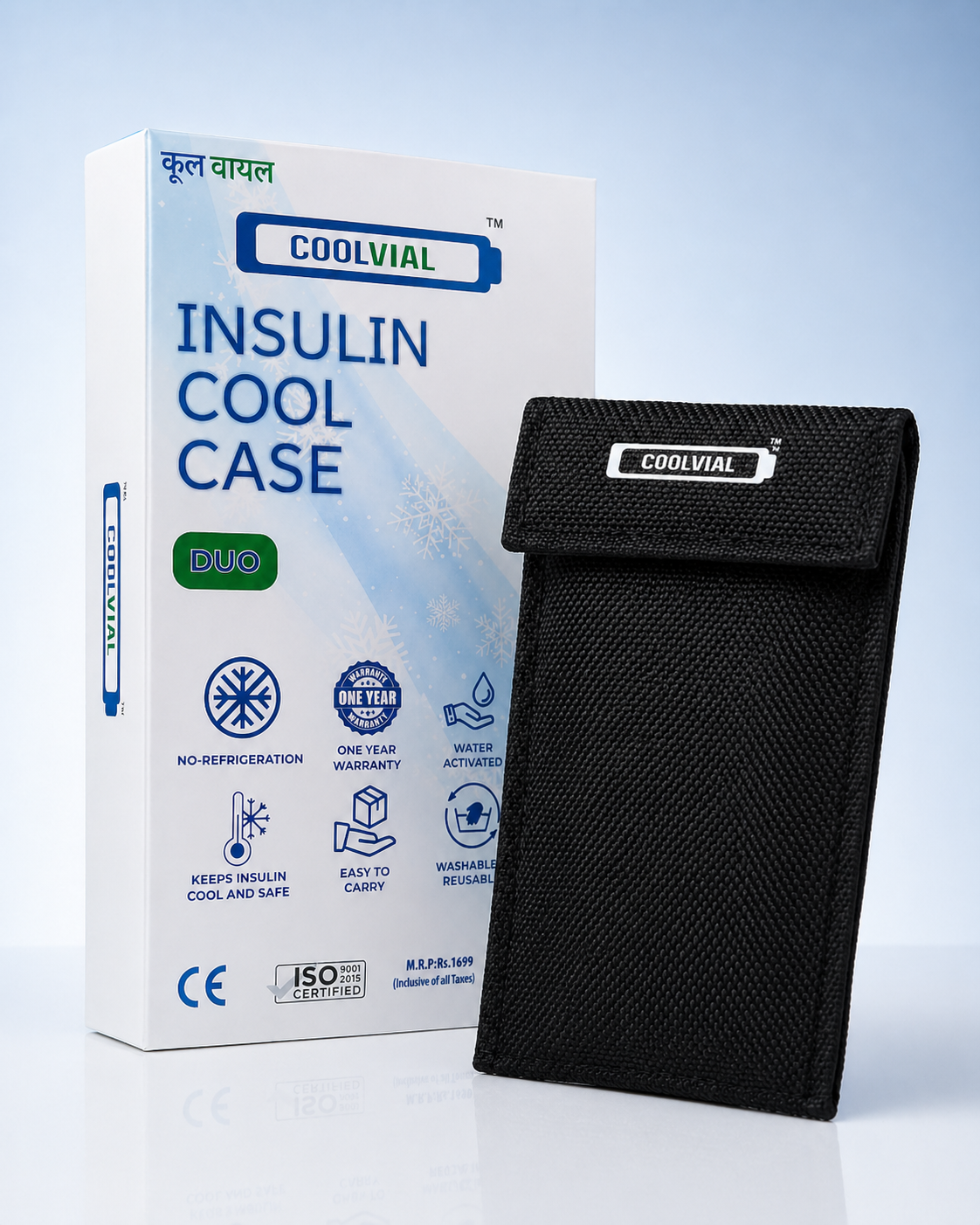
- Invest in a Reliable Insulin Cool Case: A portable, non-electric insulin cool case is indispensable. Products like the COOLVIAL insulin cool case are designed to maintain the optimal temperature range (2-8°C) for extended periods without electricity, making them ideal for power cuts, evacuations, and travel.
- Develop a Backup Power Plan: For home refrigeration, consider a small, portable generator or a battery backup system if feasible. However, for insulin itself, a dedicated cool case is often more practical and reliable than relying on a general power source.
- Practice Regular Insulin Rotation: Always use insulin with the shortest expiry date first. Regularly check expiry dates in your emergency kit and replace items before they expire.
- Identify Safe Storage Locations: At home, store your emergency kit in a sturdy, waterproof container in an easily accessible, elevated spot, away from direct sunlight, and not in areas prone to flooding or falling debris.
- Learn to Visually Inspect Insulin: Know what your insulin should look like. Most insulins are clear and colorless. If it appears cloudy (unless it’s NPH insulin, which is naturally cloudy), discolored, or has particles, it may be spoiled and should not be used.
- Create a Communication Plan: Ensure family members, friends, and neighbors know about your diabetes and where your emergency kit is located. Share your emergency plan and contacts.
- Stay Informed about Local Disaster Plans: Familiarize yourself with local evacuation routes, emergency shelters, and communication channels. Some shelters may have facilities for medication storage.
- Wear Medical Identification: A medical alert bracelet or necklace indicating you have diabetes and are insulin-dependent can be life-saving if you become unconscious or separated from your records.
- Regularly Review and Update Your Plan: Disasters can be unpredictable. Review your emergency kit and plan at least twice a year, perhaps coinciding with festivals like Diwali or Holi, when travel and disruptions are common, or at the start of monsoon and summer seasons.
These steps collectively form a robust strategy for effective insulin storage during earthquakes natural disasters in India, providing peace of mind and ensuring continuity of care.
Navigating India’s Unique Challenges for Insulin Storage
10 Critical Steps for Safe Insulin Storage During Earthquakes & Natural Disasters in India
Don't let Indian heat spoil your insulin. COOLVIAL protects it for 48+ hours.
India presents a unique set of challenges when it comes to maintaining the integrity of life-saving medications like insulin, especially during emergencies. The country’s vast geographical and climatic diversity, coupled with varying levels of infrastructure development, demands specific considerations for effective insulin storage during earthquakes natural disasters in India.
10 Critical Steps for Safe Insulin Storage During Earthquakes & Natural Disasters in India
48+ hours at 2-8°C. No electricity. CE certified. Free delivery across India.
Order on WhatsApp — ₹1,099🛒 Buy Now — ₹1,099Extreme Climates and Power Infrastructure
Many parts of India experience extreme weather conditions. The summer months, from April to June, see temperatures soaring above 40°C in cities like Delhi, Agra, and Nagpur, often exceeding 45°C. These intense heatwaves can quickly degrade insulin if it’s not kept cool. Conversely, some northern regions, particularly during winter, can experience freezing temperatures. The pervasive issue of unreliable power grids, especially in rural areas or during peak demand and monsoon seasons, means that even homes with refrigerators cannot guarantee consistent cold chain for insulin. For instance, in many smaller towns and villages across Uttar Pradesh or Bihar, power cuts lasting several hours are a daily reality, not just during disasters. This intermittent power supply renders standard refrigeration unreliable for sensitive medications.
Travel and Relocation Considerations
During natural disasters, individuals may need to evacuate their homes or travel to safer locations. This often involves long journeys by bus, train, or even on foot, where access to refrigeration or controlled environments is nonexistent. Indian public transport, while extensive, often lacks climate control, making it challenging to protect insulin from heat during summer travel or from cold during winter journeys in unheated compartments. Furthermore, India’s vibrant festival calendar (e.g., Durga Puja in West Bengal, Ganesh Chaturthi in Maharashtra) often involves extensive travel, which, combined with potential weather disruptions, can create unforeseen challenges for insulin carriers. The need for a portable, self-sufficient cooling solution becomes critical in such scenarios.
Community Support and Awareness
Socio-economic disparities across India mean that not everyone has equal access to resources or information. Raising community awareness about diabetes management and emergency preparedness is crucial. Local community leaders, NGOs, and health workers play a vital role in disseminating information and establishing support networks. Understanding that neighbors or local health centers might not have the capacity to store insulin due to their own challenges during a disaster emphasizes the individual’s responsibility to have their own robust solution for insulin storage during earthquakes natural disasters in India. It also highlights the importance of sharing knowledge on insulin storage tips within communities to foster collective resilience.
These specific challenges underline why a generic disaster preparedness plan is insufficient for India. Solutions must be tailored to address the local climate, infrastructure realities, and socio-cultural context, ensuring that diabetics can safely manage their condition even in the face of adversity.
COOLVIAL: A Smart Solution for Insulin Storage During Emergencies in India
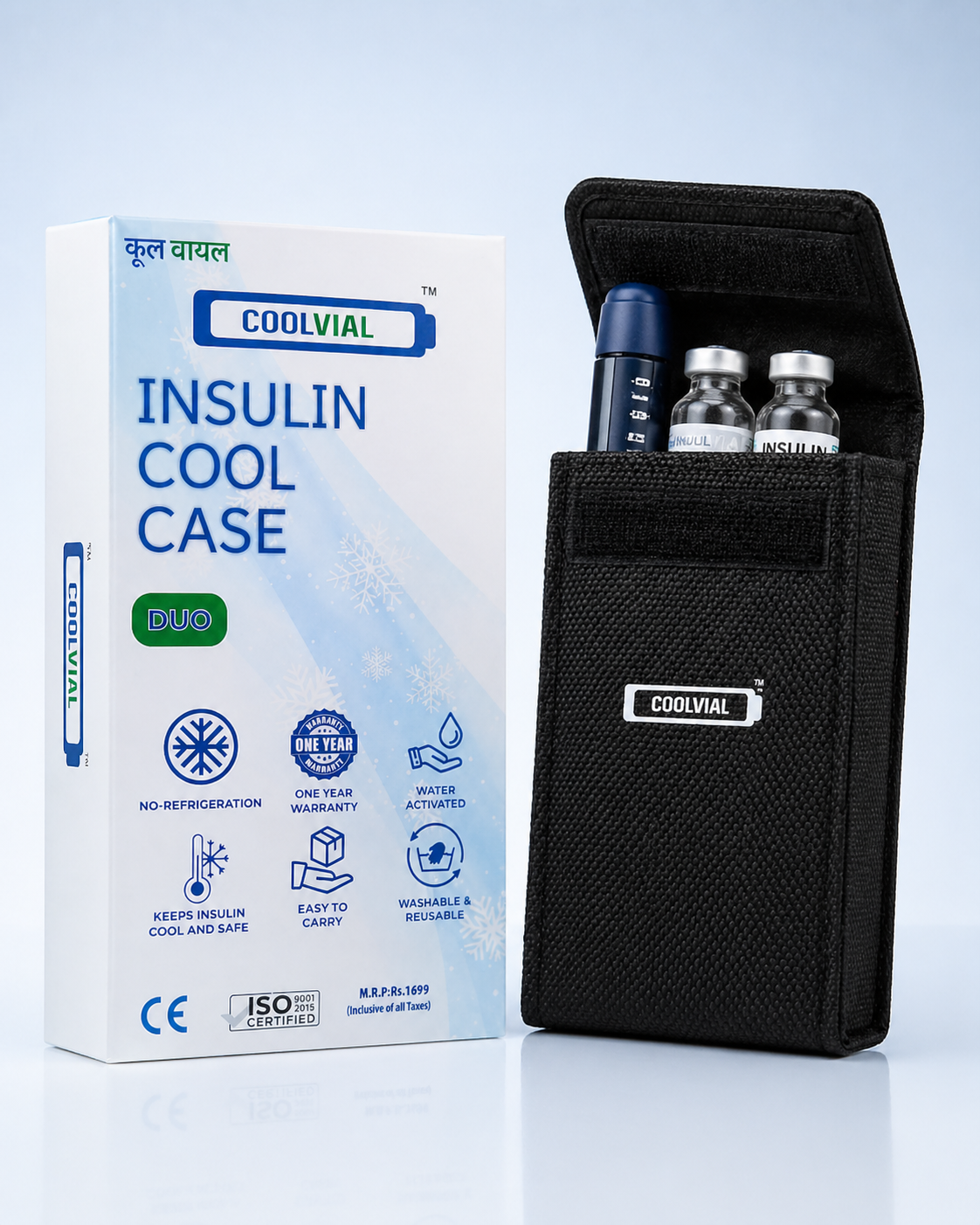
In the challenging landscape of India’s climate and susceptibility to natural disasters, finding a reliable solution for insulin storage during earthquakes natural disasters in India is paramount. This is where COOLVIAL emerges as a practical and effective answer for individuals dependent on insulin. Designed with the unique Indian context in mind, the COOLVIAL insulin cool case offers a non-electric, portable, and robust method to keep insulin within its crucial temperature range.
The primary benefit of the COOLVIAL case is its ability to maintain temperatures between 2°C and 8°C for extended periods, typically for 24-36 hours or even longer, depending on ambient conditions. This is achieved through advanced insulation technology and reusable gel packs, eliminating the need for electricity. This feature is invaluable during widespread power cuts that often accompany floods, cyclones, or even routine grid failures in many Indian cities and rural areas. Whether you are in a remote village in Rajasthan facing a heatwave or navigating an evacuation from a flood-prone area in Chennai, COOLVIAL ensures your insulin remains potent and safe to use.
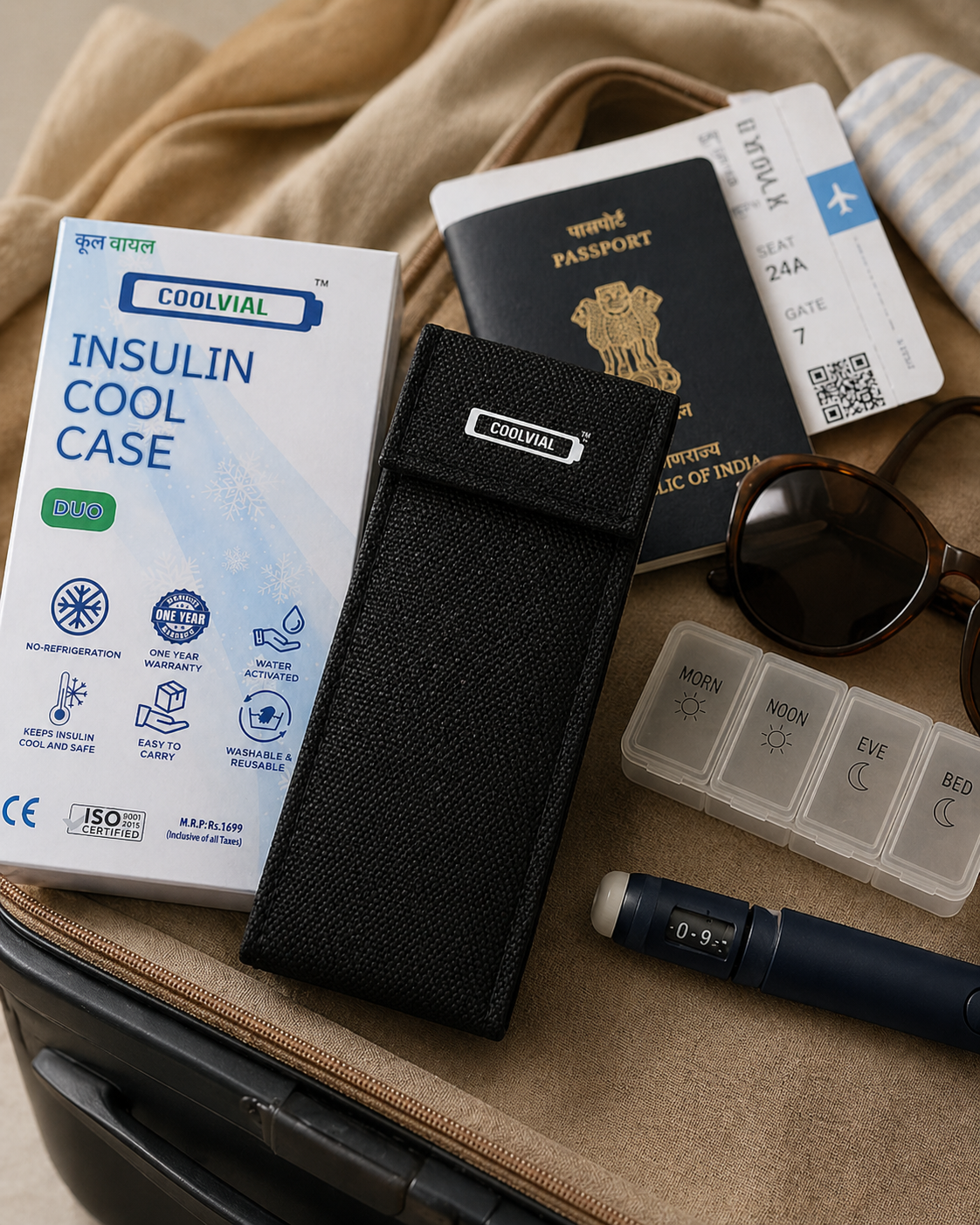
The compact and durable design of the COOLVIAL case makes it ideal for emergency kits and travel. It can easily fit into a backpack or an emergency bag, making it convenient for quick evacuations or long journeys by train or bus when a stable environment for insulin is otherwise impossible. Its robust construction protects delicate insulin vials and pens from physical damage, a common risk during chaotic disaster scenarios.
At an affordable price point of ₹1,099, the COOLVIAL insulin cool case represents a small investment for peace of mind and continuity of care. It empowers diabetics to take control of their medication’s safety, reducing anxiety about insulin spoilage during unforeseen circumstances. By providing a dependable cold chain solution that is independent of external power, COOLVIAL directly addresses one of the most significant hurdles in emergency insulin storage during earthquakes natural disasters in India. This makes it an essential component of any diabetic’s emergency preparedness kit, ensuring that life-saving medication is always ready, regardless of the challenges.
Quick Reference: Your Emergency Insulin Storage Checklist & FAQs
Being prepared means having immediate access to critical information and supplies. This quick reference guide and FAQ section will help you consolidate your knowledge for effective insulin storage during earthquakes natural disasters in India.
Emergency Insulin Storage Checklist
- 2-4 Week Insulin Supply: Always have extra insulin (vials/pens) and syringes/needles beyond your current usage.
- COOLVIAL Insulin Cool Case: A dedicated, non-electric cool case is essential to maintain optimal temperatures (2-8°C) for insulin.
- Blood Glucose Monitoring Supplies: Ensure you have enough test strips, lancets, and a functioning meter with spare batteries.
- Rapid-Acting Glucose: Keep glucose tablets, gels, or hard candies for treating hypoglycemia.
- Medical Records: Copies of prescriptions, doctor’s contact details, and a list of all medications with dosages.
- Medical Alert ID: Wear a bracelet or necklace indicating your diabetes status.
- Waterproof Bag: Store all supplies in a sturdy, waterproof bag or container.
- Fresh Water & Non-Perishable Food: Essential for general survival and to prevent dehydration/malnutrition.
- Basic First Aid Kit: For minor injuries.
- Hand Sanitizer: To maintain hygiene during injections
"Finally a cooler that works in Indian summers. Insulin stayed perfect during a 3-day power cut." — Ramesh, Chennai
10 Critical Steps for Safe Insulin Storage During Earthquakes & Natural Disasters in India
CE Certified · Free Delivery · 1-Year Warranty
📲 Buy on WhatsApp — ₹1,099