
Reviewed by the COOLVIAL Editorial Team — specialists in insulin storage for Indian climate conditions.
Navratri, a vibrant nine-night festival, holds deep spiritual significance for millions across India. While many observe a fast during this auspicious period, for individuals managing diabetes with insulin, the decision to fast requires careful consideration and planning. Can you safely observe Navratri fasting with insulin? Yes, with diligent monitoring, prior consultation with your healthcare provider, and ensuring your insulin is stored correctly, it is absolutely possible to participate safely. Insulin, a life-saving medication, can spoil above 30°C, making proper storage crucial, especially during India’s often warm climate. India, unfortunately, carries a significant burden of diabetes, with 101 million diabetics in 2023 (Source: International Diabetes Federation), making a practical guide for “Navratri Fasting & Insulin: A Practical Guide for Indian Diabetics” essential. This comprehensive article will equip you with the knowledge and strategies to navigate Navratri fasting safely while on insulin, ensuring both your spiritual observance and your health are protected.
Table of Contents
- 1. The Unique Challenges of Navratri Fasting for Indian Diabetics
- 2. Understanding Insulin, Fasting, and Your Body
- 3. 10 Essential Practical Steps for Navratri Fasting with Insulin
- 4. Navigating India’s Climate and Lifestyle During Navratri
- 5. Safeguarding Your Insulin: A Practical Guide for Indian Diabetics
- 6. Frequently Asked Questions about Navratri Fasting & Insulin
1. The Unique Challenges of Navratri Fasting for Indian Diabetics
Navratri, celebrated with immense devotion across various states like Gujarat, Maharashtra, West Bengal, and Uttar Pradesh, involves traditional fasting practices that can significantly impact a diabetic individual’s blood glucose levels. These fasts often mean long hours without food or specific dietary restrictions, where only certain “vrat-friendly” foods are consumed. For Indian diabetics on insulin, this presents a unique set of challenges that demand careful management.
The fasting regimen typically involves abstaining from grains, pulses, and sometimes even salt, consuming instead foods like sabudana (tapioca pearls), singhara atta (water chestnut flour), kuttu atta (buckwheat flour), fruits, and dairy products. While these foods might seem light, they can be high in carbohydrates, particularly when prepared traditionally with potatoes or sugar, leading to unexpected spikes or drops in blood sugar. The unpredictability of these foods, combined with altered meal timings, makes managing “Navratri fasting insulin” levels particularly tricky.
Moreover, India’s diverse climate, often warm even during the Navratri period (which can fall in spring or autumn), adds another layer of complexity. High temperatures can lead to dehydration, which exacerbates blood sugar fluctuations and can even affect insulin efficacy. The sheer number of diabetics in India, estimated at 101 million in 2023, underscores the widespread relevance of this issue. This large population often faces challenges like limited access to specialized diabetes care in rural areas, making self-management during festivals crucial.
The primary concerns for insulin-dependent diabetics observing Navratri fasting include:
- Hypoglycemia: Dangerously low blood sugar levels due to reduced food intake combined with insulin doses.
- Hyperglycemia: High blood sugar levels, possibly from consuming high-carb vrat foods or insufficient insulin due to fear of hypoglycemia.
- Dehydration: Fasting, especially in warm climates, can increase the risk of dehydration, affecting kidney function and blood sugar.
- Diabetic Ketoacidosis (DKA): A serious complication, particularly for Type 1 diabetics, if insulin is drastically reduced or omitted during prolonged fasting.
- Insulin Spoilage: Improper storage of insulin due to ambient heat or frequent power cuts, a common issue in many Indian cities and towns, including Lucknow, Nagpur, and Patna, can render it ineffective.
These challenges highlight why a structured, informed approach to “Navratri fasting insulin” management is not just advisable but absolutely critical for maintaining health and safety during this festive period.
2. Understanding Insulin, Fasting, and Your Body
To safely navigate Navratri fasting with insulin, it’s crucial to understand how your body processes food and insulin, and what happens when those patterns change. Insulin is a hormone that helps your body use glucose (sugar) for energy. Without it, or if it’s not working effectively, glucose builds up in your blood.
How Insulin Works During Normal Times
Insulin therapy involves different types of insulin designed to mimic the body’s natural insulin production:
- Basal Insulin: Long-acting insulin that provides a steady background level to control blood sugar between meals and overnight.
- Bolus Insulin: Rapid or short-acting insulin taken before meals to cover the carbohydrates consumed and manage post-meal blood sugar spikes.
- Mixed Insulin: A combination of basal and bolus insulin in one injection.
Under normal circumstances, you match your bolus insulin to your carbohydrate intake and adjust basal insulin based on your body’s needs.
10 Practical Steps for Navratri Fasting & Insulin: A Comprehensive Guide for Indian Diabetics
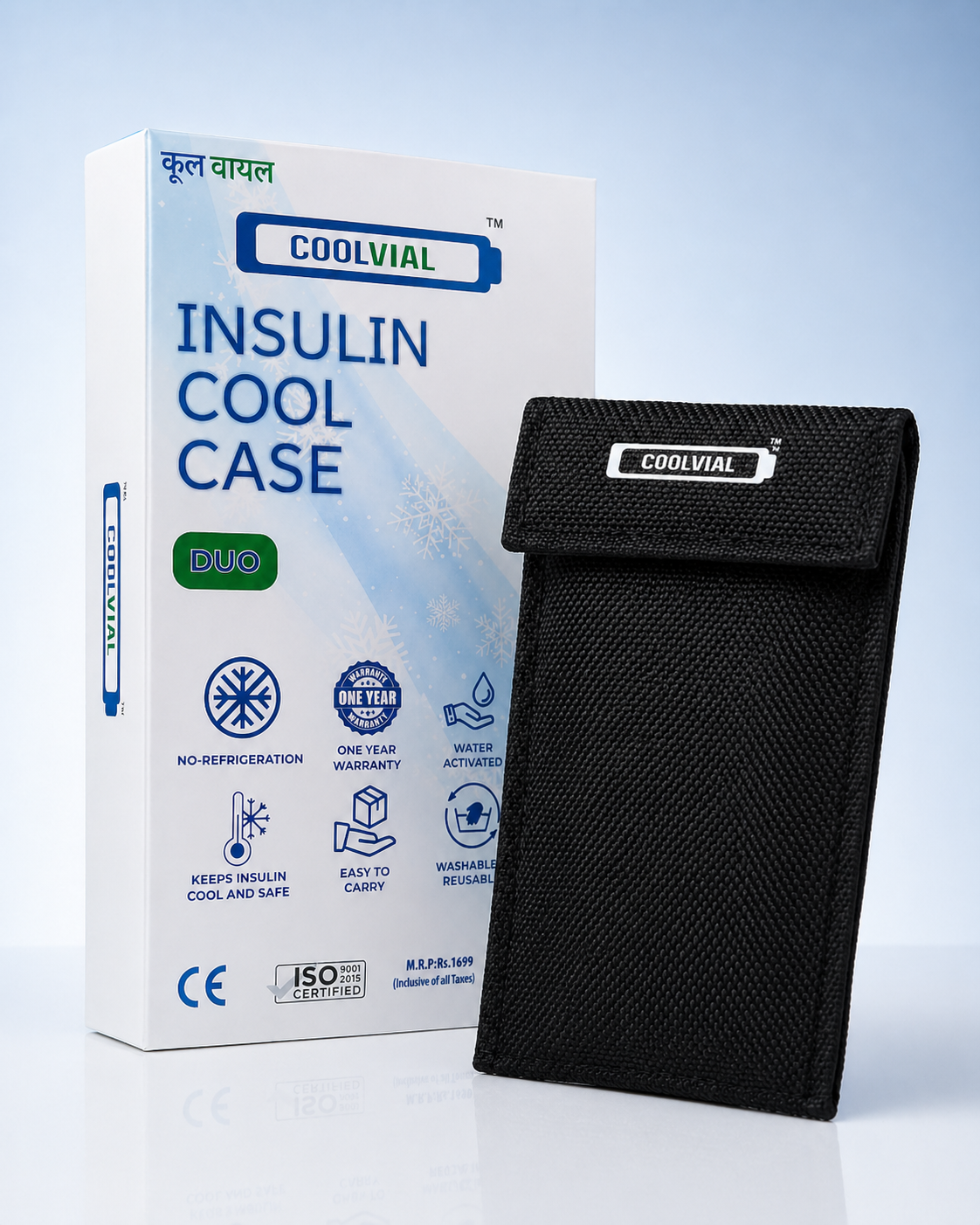
Keep your insulin safe in India's extreme heat. COOLVIAL works for 48+ hours without electricity.
The Impact of Fasting on Blood Sugar
When you fast, your food intake is either significantly reduced or limited to specific types of foods. This directly impacts your blood glucose levels. Without carbohydrates from meals, your body’s demand for insulin decreases. If insulin doses are not adjusted, there’s a high risk of hypoglycemia. Conversely, consuming traditional Navratri foods, often prepared with potatoes, sugar, or deep-fried, can cause unexpected blood sugar spikes. For instance, a plate of sabudana vada or sweet potato halwa can contain a significant amount of carbs, requiring careful monitoring and potential insulin adjustments.
Risks of Insulin Use During Fasting
Using insulin while fasting carries specific risks:
- Hypoglycemia: This is the most immediate and dangerous risk. Without adequate food to counteract the insulin, blood sugar can drop rapidly. Symptoms include dizziness, sweating, confusion, and even loss of consciousness.
- Hyperglycemia: Paradoxically, hyperglycemia can also occur. This might be due to overeating permitted foods, misjudging carb content, or reducing insulin too much out of fear of hypoglycemia, leading to a rebound high.
- Diabetic Ketoacidosis (DKA): For Type 1 diabetics, insufficient insulin during prolonged fasting can lead to DKA, a life-threatening condition where the body starts breaking down fat for fuel, producing ketones that make the blood acidic.
Importance of Blood Glucose Monitoring
Frequent blood glucose monitoring is your most powerful tool during Navratri fasting. It provides real-time data, allowing you and your doctor to make informed decisions. You should monitor your levels:
- Before starting the fast.
- Several times a day during the fast (e.g., before sehri/sargi, before breaking fast/iftar, 2 hours after meals, and before bedtime).
- Immediately if you experience any symptoms of high or low blood sugar.
This vigilant monitoring is essential for safely managing “Navratri fasting insulin” protocols.
| Insulin Type | Ideal Storage Temperature (Unopened) | Ideal Storage Temperature (Opened/In Use) | Shelf Life (Opened/In Use) | Critical Spoilage Temperature |
|---|---|---|---|---|
| All Insulin | 2°C to 8°C (refrigerator) | 15°C to 25°C (room temperature) | 28 days (vials) / 42 days (pens) | Above 30°C (rapid degradation) |
Note: Always check the specific manufacturer’s guidelines for your insulin product, as these can vary slightly.
3. 10 Essential Practical Steps for Navratri Fasting with Insulin
Observing Navratri fasting while managing insulin can be safe and spiritually fulfilling with the right preparation and adherence to these practical steps. These guidelines are specifically tailored for Indian diabetics, considering local customs and challenges.
- Consult Your Doctor Well in Advance: This is the most critical step. Your endocrinologist or diabetologist needs to assess your current health, insulin regimen, and discuss the feasibility of fasting. They will guide you on necessary insulin dosage adjustments, which might include reducing basal insulin or altering bolus doses. Never attempt to adjust insulin on your own.
- Understand Your Insulin Adjustments: Work with your doctor to create a clear plan for your insulin doses during fasting days. This might involve reducing your rapid-acting insulin before meals you skip, and potentially lowering your long-acting insulin dose.
- Plan Your Vrat Meals Carefully: Focus on balanced meals during the non-fasting periods.
- Prioritize Complex Carbohydrates: Choose sabudana, kuttu atta, or singhara atta in moderation, preferably cooked simply (e.g., plain khichdi) rather than deep-fried.
- Include Protein: Paneer, curd, milk, and nuts can help maintain satiety and stabilize blood sugar.
- Add Fiber: Fruits like apples, pears, and oranges (avoid very sweet ones like mangoes) and non-starchy vegetables are excellent choices.
- Avoid Fried & Sugary Foods: Traditional sweets and fried items can cause rapid blood sugar spikes.
- Monitor Blood Glucose Frequently: As discussed, this is non-negotiable. Check your blood sugar levels multiple times a day:
- Before the fast begins (sehri/sargi).
- Before and after breaking the fast (iftar).
- Before bedtime.
- If you feel unwell or suspect low/high blood sugar.
- Keep a log of your readings to share with your doctor.
- Stay Hydrated: Dehydration can worsen blood sugar control. Drink plenty of water during non-fasting hours. Include liquids like buttermilk, nimbu pani (unsweetened), and coconut water. Avoid sugary drinks.
- Recognize and Treat Hypoglycemia: Know the symptoms (shakiness, sweating, confusion, hunger) and always carry a quick source of sugar, like glucose tablets, hard candies, or a small juice box. Break your fast immediately if your blood sugar drops too low.
- Be Prepared for Hyperglycemia: If blood sugar levels rise, contact your doctor for advice. Do not take extra insulin without medical guidance during fasting.
- Moderate Physical Activity: While light exercise is generally good, avoid strenuous physical activity during fasting, as it can increase the risk of hypoglycemia. Gentle activities like walking or light yoga are usually fine.
- Carry Your Medical Information: Always keep your doctor’s contact details, your diabetes type, and current medications handy, especially when traveling or out of the house during the festivities.
- Ensure Proper Insulin Storage: Insulin is sensitive to temperature. High temperatures, common in many parts of India, can degrade insulin, making it ineffective. Ensure your insulin is stored between 2-8°C when unopened and between 15-25°C once opened. If traveling for Navratri, consider specialized solutions. For comprehensive insulin storage tips, refer to our detailed guide.
By diligently following these “Navratri fasting insulin” tips, Indian diabetics can observe the festival safely and joyfully.
4. Navigating India’s Climate and Lifestyle During Navratri
India’s unique environmental and social factors add layers of complexity to diabetes management, especially during festivals like Navratri. The challenges are particularly pronounced for those relying on insulin.
10 Practical Steps for Navratri Fasting & Insulin: A Comprehensive Guide for Indian Diabetics
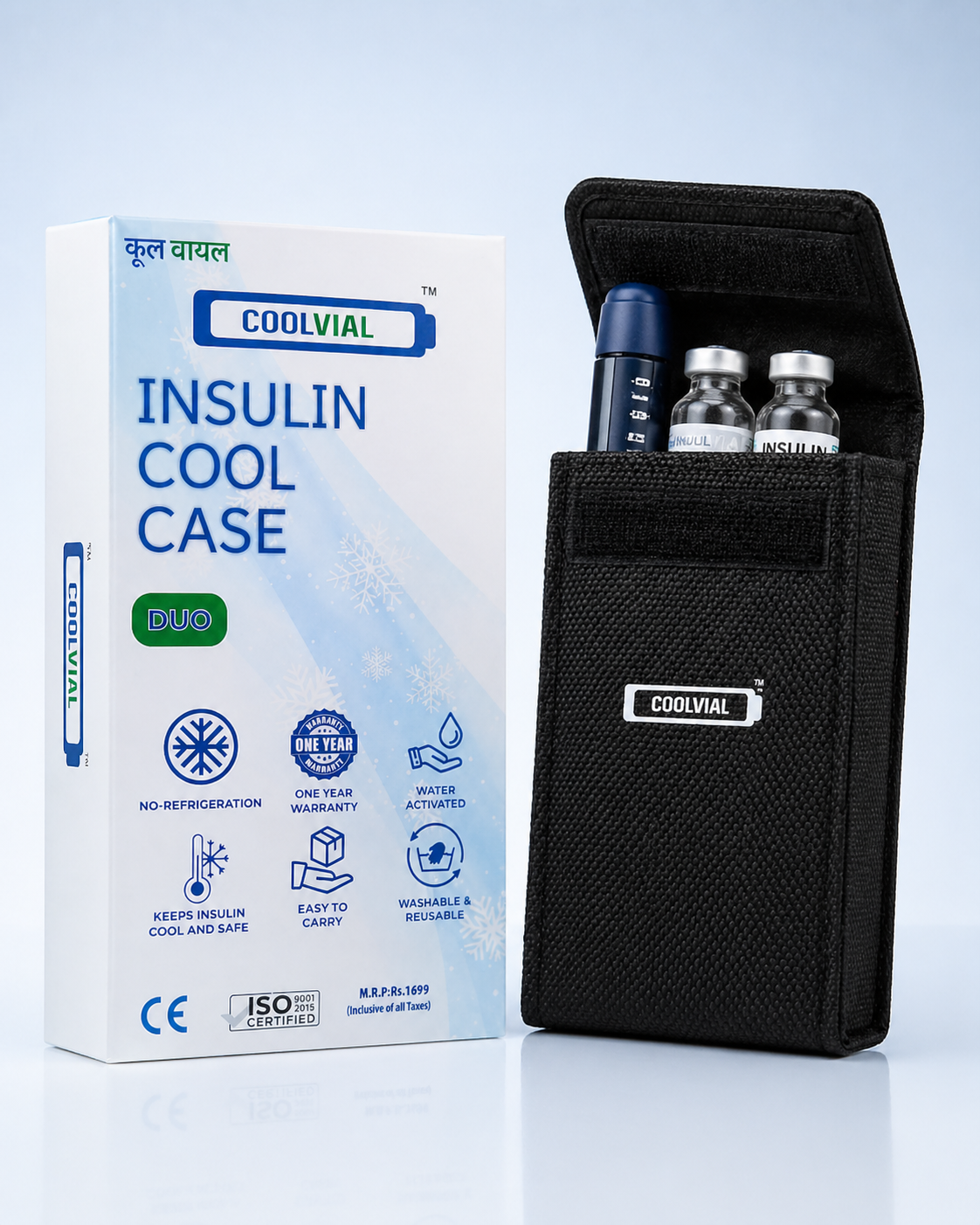
COOLVIAL keeps insulin at 2-8°C for 48+ hours. No electricity needed.
Firstly, India’s climate can be unforgiving. Depending on when Navratri falls, it can coincide with intense heat waves. Cities like Delhi, Ahmedabad, and Jaipur regularly experience summer temperatures exceeding 45°C. Even during the autumn Navratri, the weather can remain warm and humid in coastal regions like Mumbai and Chennai. This extreme heat directly impacts insulin viability. Insulin begins to degrade above 30°C and becomes ineffective if exposed to sustained high temperatures. Standard refrigeration might not always be available, particularly during travel or in areas prone to frequent power outages.
10 Practical Steps for Navratri Fasting & Insulin: A Comprehensive Guide for Indian Diabetics
COOLVIAL keeps insulin safe in India's heat. 48+ hours, no electricity needed.
Secondly, power cuts are a significant concern. While urban areas have improved infrastructure, many Tier 2 and Tier 3 cities, as well as rural parts of India, still face intermittent or prolonged power outages. It’s estimated that 78% of Indian households face daily power cuts in summer, some lasting several hours (Source: Local energy reports, general knowledge from COOLVIAL’s experience). This directly compromises the cold chain required for insulin storage, turning a regular refrigerator into a warm box during an outage. For an insulin-dependent diabetic observing Navratri fasting, this can be a constant source of anxiety.
Thirdly, travel during festivals is a common tradition in India. Millions travel by train, bus, or car to their hometowns or pilgrimage sites. A journey from Bengaluru to Kerala, or from Kolkata to a village in Odisha, can take many hours. During these journeys, maintaining insulin’s cold chain is incredibly challenging. Standard ice packs might melt, and access to refrigeration is often nonexistent. The jostling and varying temperatures on public transport further complicate matters.
Fourthly, traditional food preparation during Navratri, while culturally rich, can pose dietary challenges. Many “vrat” foods, though permitted, are often deep-fried (like kuttu pakoras) or high in simple carbohydrates (like sabudana kheer with sugar), leading to unpredictable blood sugar spikes. Understanding the nutritional content of these foods and making healthier choices is crucial.
Consider a diabetic in rural Bihar or Uttar Pradesh during Navratri. They might observe the fast, face high temperatures, endure power cuts affecting their fridge, and possibly travel to a relative’s house, all while needing to manage their “Navratri fasting insulin” regimen. These real-world scenarios highlight the urgent need for practical, India-specific solutions for insulin storage and diabetes management during festivals.
5. Safeguarding Your Insulin: A Practical Guide for Indian Diabetics
Insulin is a delicate protein that loses its potency when exposed to extreme temperatures, both hot and freezing. For Indian diabetics, the challenge of maintaining insulin’s efficacy is amplified by the country’s often hot climate, frequent power cuts, and the need for travel during festivals like Navratri. As we’ve discussed, insulin begins to degrade rapidly above 30°C, rendering it less effective or even useless. This is why proper storage is not just a recommendation but a critical aspect of diabetes management.
During Navratri fasting, when your body’s metabolism and blood sugar levels are already fluctuating, having potent insulin is non-negotiable. Imagine adjusting your insulin dose carefully with your doctor, only for the insulin itself to be compromised due to heat exposure. This can lead to uncontrolled blood sugar levels, putting your health at serious risk.
This is where innovative solutions like the COOLVIAL insulin cool case become invaluable for managing “Navratri fasting insulin” safely. Designed specifically for the Indian climate and lifestyle, COOLVIAL offers a reliable way to keep insulin at its optimal temperature range (typically 2-8°C or 15-25°C, depending on the need and duration) without requiring electricity.
Here’s how a COOLVIAL insulin cool case helps Indian diabetics, especially during Navratri:
- Protection Against Heat: Whether you’re in the scorching heat of Rajasthan, the humid climate of Kerala, or experiencing summer in Punjab, COOLVIAL protects your insulin from degradation. It ensures your medicine stays within the safe temperature zone, even when ambient temperatures soar above 40°C.
- Reliability During Power Cuts: With frequent power cuts affecting refrigerators, COOLVIAL provides a continuous cooling solution, ensuring your insulin remains potent even when the electricity is off for hours. This is a game-changer for households in areas like Bhopal or Guwahati.
- Convenience for Travel: For those traveling to their native places for Navratri, a COOLVIAL insulin cool case offers peace of mind. It’s portable, durable, and eliminates the worry of finding refrigeration on trains, buses, or during long car journeys. You can confidently carry your insulin and manage your “Navratri fasting insulin” regimen on the go.
- Cost-Effective Solution: At ₹1,099, the COOLVIAL insulin cool case is an affordable investment in your health, especially considering the cost of spoiled insulin and potential health complications.
Integrating a reliable insulin storage solution like COOLVIAL into your diabetes management plan is a proactive step towards ensuring safety and efficacy, particularly during challenging periods like Navratri fasting. You can explore the features of the COOLVIAL insulin cool case and ensure your insulin is always protected.
6. Frequently Asked Questions about Navratri Fasting & Insulin
Navratri fasting with insulin brings many questions. Here are answers to some common concerns for Indian diabetics.
Q: Can I fast during Navratri if I take insulin? A: Yes, it is often possible to fast during Navratri while on insulin, but only after a thorough consultation with your doctor. Your healthcare provider will assess your individual health status, current insulin regimen, and help you create a safe fasting plan, including necessary insulin dosage adjustments and blood glucose monitoring schedule.
Q: What happens if I don’t adjust my insulin during fasting? A: If you don’t adjust your insulin doses while fasting, you run a significant risk of hypoglycemia (dangerously low blood sugar) because you are taking insulin without enough food to counteract its effects. This can lead to severe complications like dizziness, confusion, and even loss of consciousness. Conversely, if you reduce insulin too much without medical guidance, you could experience hyperglycemia.
Q: How often should I check my blood sugar during Navratri fasting? A: During Navratri fasting, it is recommended to check your blood sugar levels more frequently than usual. This includes checking before starting the fast (sehri/sargi), several times during the day (every 3-4 hours or if you feel unwell), before breaking the fast (iftar), and before bedtime. Consistent monitoring helps identify dangerous fluctuations promptly.
Q: What are the danger signs I should watch for while fasting on insulin? A: Key danger signs include symptoms of severe hypoglycemia (extreme weakness, confusion, seizures, loss of consciousness) or hyperglycemia (excessive thirst, frequent urination, nausea, abdominal pain, fruity breath). If you experience any of these symptoms, break your fast immediately with a quick source of sugar and seek urgent medical attention.
Q: Are there any specific Navratri foods that are safer for diabetics? A: Yes, some Navratri foods are safer than others. Prioritize fresh fruits like apples and oranges, unsweetened yogurt or buttermilk, paneer, and non-starchy vegetables. If consuming carbohydrates like sabudana or kuttu atta, opt for preparations that are baked or steamed rather than deep-fried, and control portion sizes. Avoid sugary desserts and processed vrat snacks.
Conclusion
Navratri is a time for devotion, reflection, and celebration. For Indian diabetics managing insulin, observing the traditional fasts requires a proactive approach, but it is entirely achievable with careful planning and vigilance. The key takeaways for safely navigating “Navratri Fasting & Insulin: A Practical Guide for Indian Diabetics” are clear: prioritize pre-fast consultation with your doctor for insulin adjustments, commit to frequent blood glucose monitoring, plan your permitted meals wisely, and ensure optimal insulin storage, especially given India’s challenging climate conditions.
Remember, your health is paramount. By understanding the interplay between your body, insulin, and the fasting regimen, you can uphold your spiritual traditions without compromising your well-being. Solutions like the COOLVIAL insulin cool case are designed to empower you, offering peace of mind by safeguarding your essential medication against heat and power cuts, whether you are at home in Uttar Pradesh or traveling to Gujarat for the festivities.
Don’t let concerns about insulin storage deter you from participating in your traditions. Take control of your diabetes management this Navratri. To ensure your insulin is always protected and potent, explore the COOLVIAL range. You can easily buy COOLVIAL at ₹1,099 by ordering via WhatsApp today: wa.me/918766952300. Stay healthy, stay safe, and have a blessed Navratri!
"Finally a cooler that works in Indian summers. Insulin stayed perfect during a 3-day power cut." — Ramesh, Chennai
10 Practical Steps for Navratri Fasting & Insulin: A Comprehensive Guide for Indian Diabetics
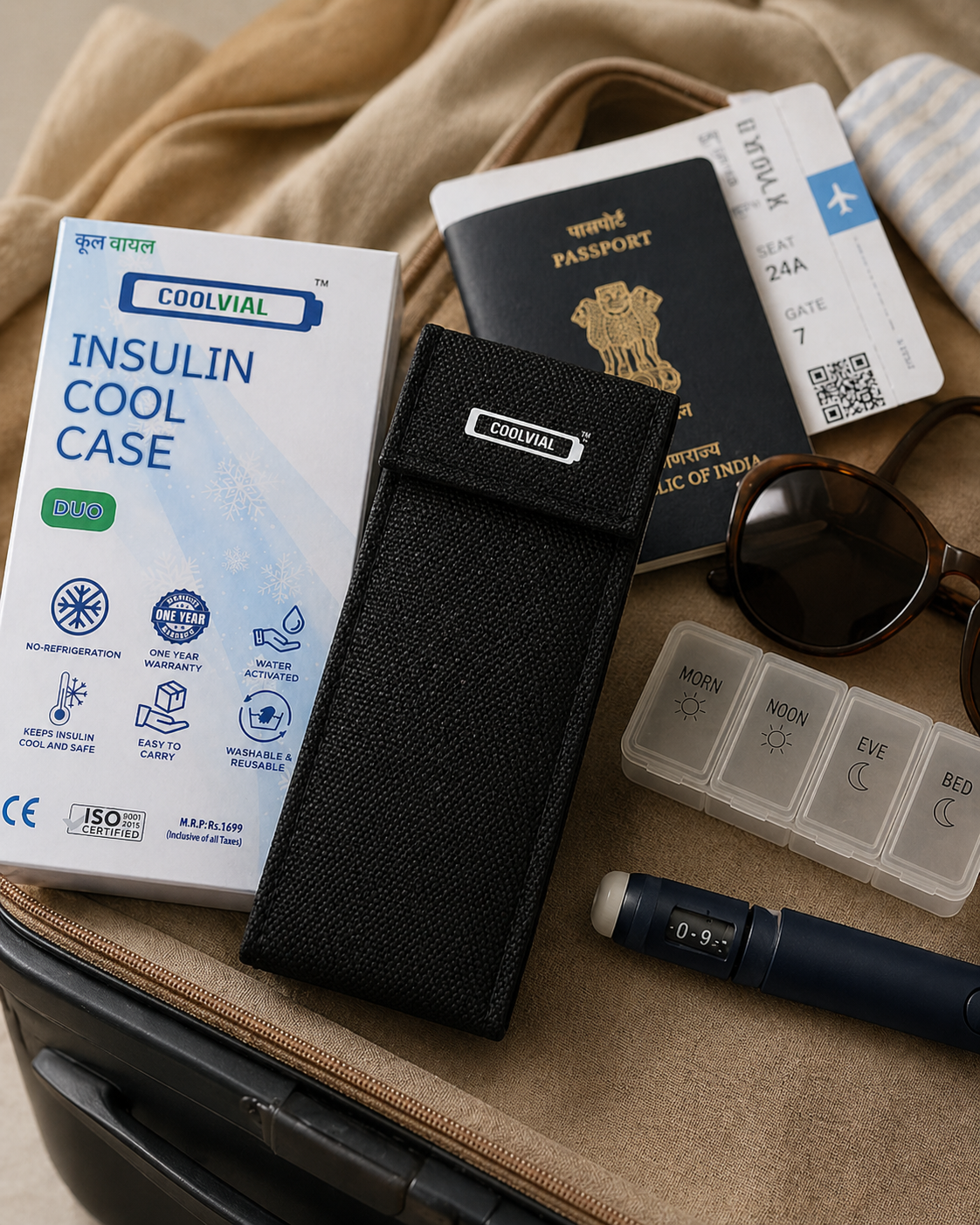
CE Certified · Free Delivery · 1-Year Warranty
📲 Buy on WhatsApp — ₹1,09910 Practical Steps for Navratri Fasting & Insulin: A Comprehensive Guide for Indian Diabetics
Insulin at 2-8°C for 48+ hours. Trusted by 10,000+ Indian diabetics.