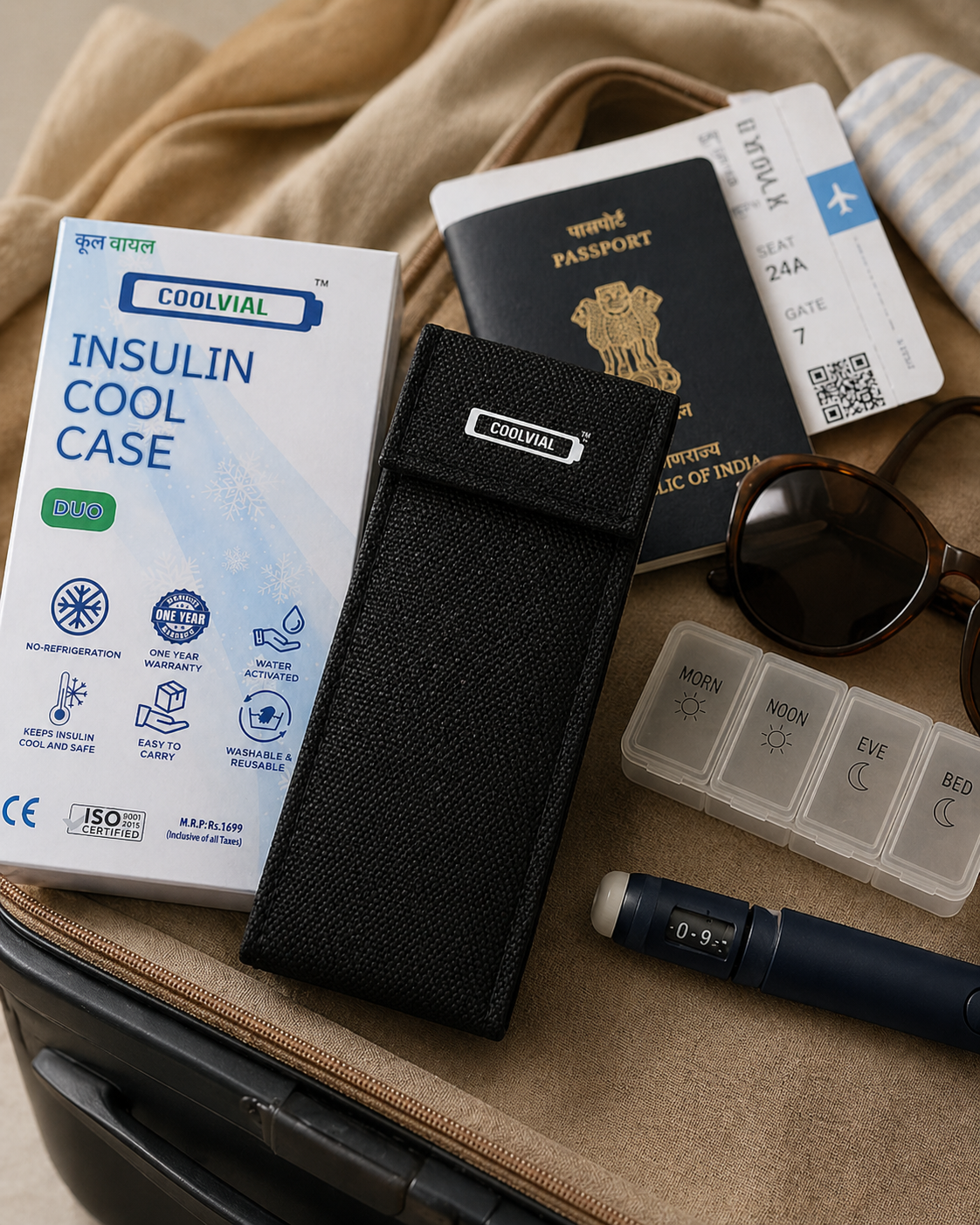
Reviewed by the COOLVIAL Editorial Team — specialists in insulin storage for Indian climate conditions.
For Indian parents whose children live with Type 1 diabetes, ensuring their well-being during school picnics and field trips is a paramount concern. The core question is: how do you manage insulin effectively and safely when your child is away from home in diverse environments? The answer lies in meticulous planning and the right tools. Insulin, a life-saving medication, is highly sensitive to temperature, spoiling rapidly if exposed to temperatures above 30°C, and losing potency if it freezes. This school picnics field trips insulin care guide for Indian parents provides 10 essential tips to navigate these challenges, ensuring your child’s insulin remains potent and their health secure, even amidst India’s varying climates and outdoor adventures. Understanding proper storage (typically 2-8°C refrigerated or 15-25°C at room temperature for opened vials/pens) and emergency protocols is critical for a worry-free experience for both parents and children.
This comprehensive guide will equip you with practical strategies, India-specific insights, and product recommendations to confidently manage your child’s diabetes during any school excursion, from a day trip to a nearby park to a longer educational tour across states.
Table of Contents
- Why This Matters in India: The Unique Challenges
- Core Concepts of Insulin Management for Outings
- Practical Tips for School Picnics and Field Trips: An India-Specific Insulin Care Guide
- Navigating India’s Diverse Climates with Insulin
- COOLVIAL: Your Trusted Partner for Insulin Care During School Picnics and Field Trips
- Frequently Asked Questions (FAQ) for Insulin Care on Outings
- Conclusion
Why This Matters in India: The Unique Challenges
Managing Type 1 diabetes for children in India presents distinct challenges, especially when it comes to school picnics and field trips. Our vast country, from the scorching deserts of Rajasthan to the humid coastal regions of Kerala and the chilly hills of Himachal Pradesh, experiences extreme climatic variations. These conditions directly impact the stability and efficacy of insulin, which is a protein that degrades rapidly if not stored correctly.
India’s tropical climate means that summer temperatures in cities like Delhi, Nagpur, or Chennai can routinely soar above 40°C, often reaching 45°C or more. Even during cooler months, direct sunlight or prolonged exposure in a non-AC vehicle can quickly push temperatures beyond the safe threshold for insulin. The recommended temperature range for unopened insulin is typically 2-8°C (refrigerated), while opened vials or pens can often be stored at room temperature (15-25°C) for up to 28 days or 6 weeks, depending on the specific product. However, exceeding 30°C even for a short duration can significantly reduce insulin’s effectiveness, making blood sugar management unpredictable and potentially dangerous.
Beyond temperature, infrastructure challenges are also a factor. Many parts of India, particularly smaller towns and rural areas, still experience intermittent power cuts, especially during peak summer months. According to some estimates, 78% of Indian households face daily power cuts in summer, which can make relying on refrigeration for insulin storage during travel or at temporary accommodations impractical. School excursions often involve travel by non-air-conditioned buses or trains, exposing insulin to uncontrolled heat and humidity. Furthermore, the sheer duration of some field trips, which might span several days, complicates insulin management, requiring parents to plan for multiple doses and potential emergencies far from home.
The Indian diet, rich in carbohydrates and often consumed at varied times during outings or festivals, also requires careful blood glucose monitoring and insulin adjustments. Ensuring school staff are adequately trained and equipped to handle a child’s diabetes needs is another crucial layer of preparation for any school picnics field trips insulin care guide for Indian parents. The ICMR (Indian Council of Medical Research) emphasizes the importance of proper diabetes management, including insulin storage, to prevent complications. (Source: ICMR Guidelines for Diabetes)
Here’s a quick look at common challenges:
| Challenge Type | Specific Indian Context | Impact on Insulin Care |
|---|---|---|
| Climate | Extreme summer heat (40-45°C+ in North), high humidity (coastal) | Insulin spoilage, reduced potency, freezing risk if too cold |
| Infrastructure | Frequent power cuts, non-AC transport | Loss of refrigeration, uncontrolled temperature exposure |
| Logistics | Long travel times (bus/train), varied food options | Difficulty maintaining stable blood sugar, storage issues |
| Awareness | Varying levels of diabetes awareness among school staff | Potential for delayed response in emergencies |
Core Concepts of Insulin Management for Outings
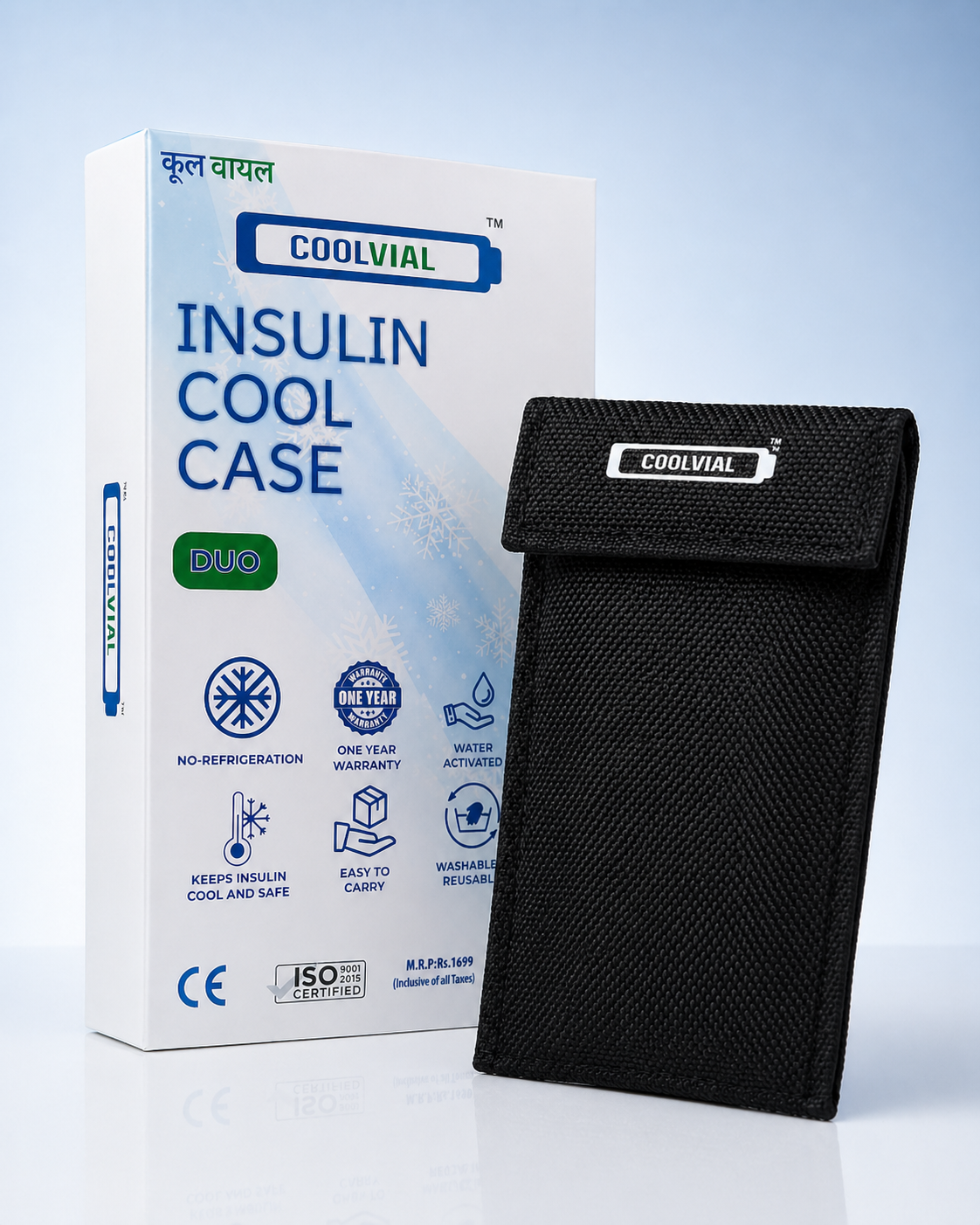
10 Essential Tips: School Picnics & Field Trips Insulin Care Guide for Indian Parents
COOLVIAL keeps insulin at 2-8°C for 48+ hours. No electricity needed.
Effective insulin management during school picnics field trips insulin care guide for Indian parents hinges on a clear understanding of fundamental diabetes care principles. These core concepts are universal but require adaptation for the specific context of an outing.
10 Essential Tips: School Picnics & Field Trips Insulin Care Guide for Indian Parents
Understanding Insulin Temperature Needs
Insulin is a delicate protein. Its effectiveness is directly tied to proper storage temperatures. Unopened insulin vials or pens must be kept refrigerated at 2-8°C, similar to how they are stored at home. Once opened, most insulin types can be kept at a controlled room temperature, typically between 15-25°C, for a specific period (e.g., 28 days for many rapid-acting insulins or up to 6 weeks for some basal insulins). However, it is crucial to check the manufacturer’s specific guidelines for each type of insulin your child uses. Never expose insulin to direct sunlight, extreme heat (above 30°C), or freezing temperatures (below 0°C). Freezing can damage the protein structure, rendering it ineffective, even if it later thaws. Visible signs of spoilage include cloudiness, discoloration, or crystals forming in clear insulin.
Recognizing Hypoglycemia and Hyperglycemia
During active outings, children’s blood sugar levels can fluctuate more dramatically. Hypoglycemia (low blood sugar) is a common concern due to increased physical activity, delayed meals, or incorrect insulin dosing. Symptoms can include sweating, trembling, dizziness, hunger, confusion, and irritability. Hyperglycemia (high blood sugar) can occur due to stress, eating more carbohydrates than anticipated, or insufficient insulin. Symptoms include increased thirst, frequent urination, fatigue, and blurred vision. Prompt recognition and treatment of both conditions are vital for your child’s safety and comfort.
Emergency Preparedness Kit
A well-stocked emergency kit is non-negotiable for any school outing. This kit should be easily accessible and clearly labeled. It should contain:
- Glucose Sources: Fast-acting carbohydrates like glucose tablets, juice boxes (small tetra packs are ideal), hard candies, or small packets of biscuits like Parle-G (a common and effective choice in India for quick sugar).
- Glucagon Kit: If prescribed, ensure the school staff knows how to administer it and where it is stored.
- Extra Insulin: A fresh vial/pen, clearly marked, along with syringes/pen needles.
- Blood Glucose Meter & Strips: Enough for frequent checks.
- Ketone Strips: If blood sugar is high.
- Alcohol Swabs, Lancets.
- Emergency Contact Information: Parent/guardian numbers, doctor’s number, hospital contact.
- Detailed Diabetes Management Plan: With clear instructions for insulin doses, meal plans, and emergency protocols, signed by the doctor.
Practical Tips for School Picnics and Field Trips: An India-Specific Insulin Care Guide
Ensuring your child’s safety and health during school excursions requires a structured approach. Here are 10 essential tips for a successful school picnics field trips insulin care guide for Indian parents, tailored for the unique conditions of India.
-
Communicate Thoroughly with School Staff: Before any outing, schedule a meeting with the class teacher, school nurse (if available), and any accompanying staff. Provide them with a written, detailed diabetes management plan, including insulin types, dosages, mealtime instructions, and emergency protocols. Ensure they know how to recognize and treat hypoglycemia and administer glucagon if needed. Confirm who will be responsible for carrying and administering insulin.
-
Pack a Comprehensive Diabetes Kit: Beyond insulin, include all necessary supplies: blood glucose meter, test strips, lancets, alcohol swabs, extra pen needles/syringes, fast-acting glucose (juice boxes, glucose tablets, hard candies), and a Glucagon Emergency Kit (if prescribed). Pack enough supplies for the entire trip, plus extras for contingencies.
-
Utilize a Reliable Insulin Cool Case: This is perhaps the most critical step for Indian conditions. A specialized insulin cool case is essential to maintain insulin’s temperature between 2-25°C, protecting it from both heat and freezing. Unlike regular insulated bags, these cases are designed for extended cooling without electricity, making them perfect for long bus journeys through states like Uttar Pradesh or during power cuts in Telangana. Consider the COOLVIAL insulin cool case for its proven ability to withstand Indian climates.
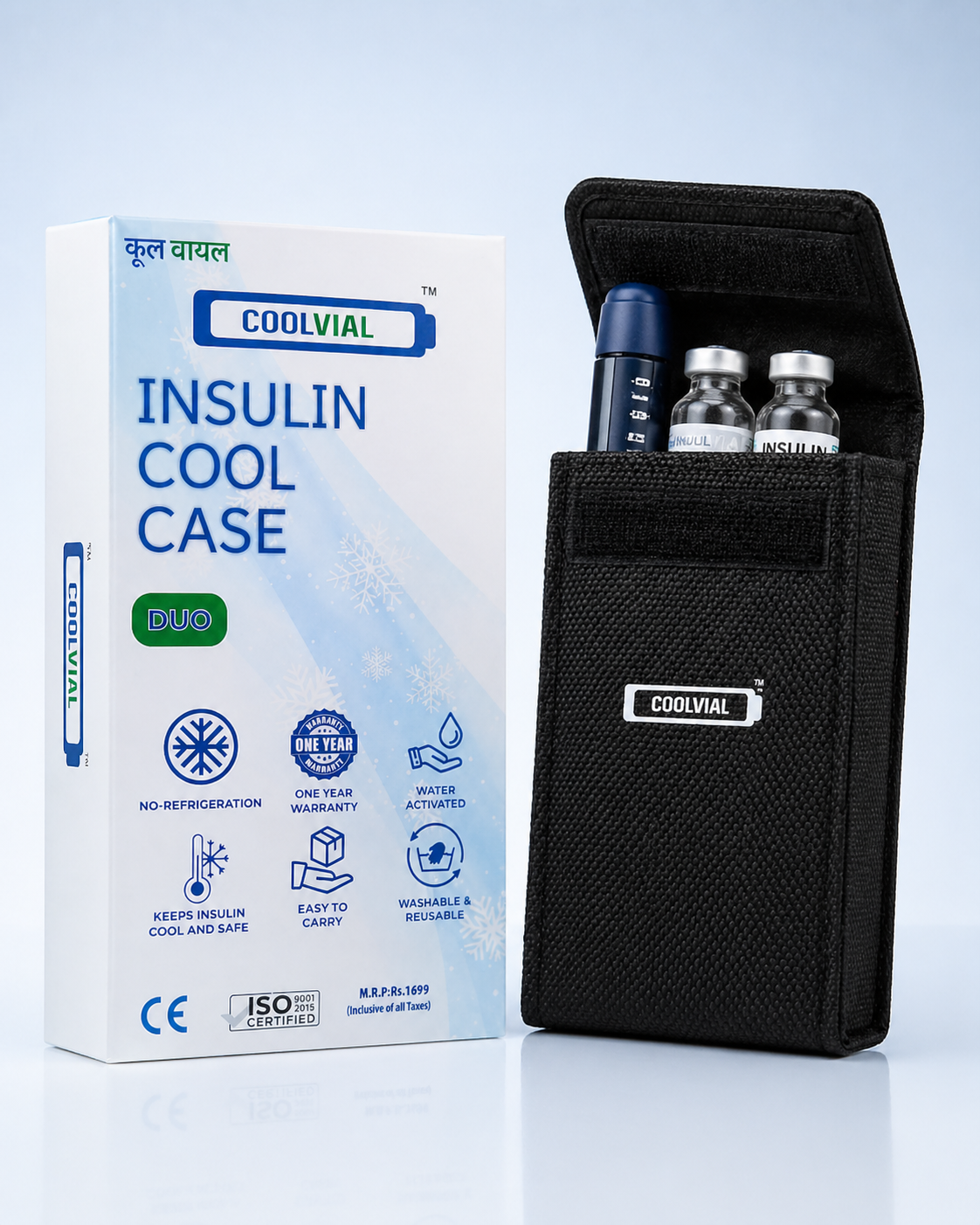
10 Essential Tips: School Picnics & Field Trips Insulin Care Guide for Indian Parents
Don't let Indian heat spoil your insulin. COOLVIAL protects it for 48+ hours.
- Pre-Plan Meals and Snacks: Discuss the picnic menu or field trip food arrangements with the school. If packed lunches are allowed, prepare diabetes-friendly meals with known carbohydrate counts. Pack extra snacks for delays or unexpected activity. For trips involving Indian street food or restaurant meals, educate your child on making healthier choices and estimating carb counts, or provide carb-counted alternatives.
10 Essential Tips: School Picnics & Field Trips Insulin Care Guide for Indian Parents
48+ hours at 2-8°C. No electricity. CE certified. Free delivery across India.
Order on WhatsApp — ₹1,099🛒 Buy Now — ₹1,099-
Adjust Insulin Doses for Activity: Physical activity significantly impacts blood sugar levels. Work with your child’s endocrinologist to create a plan for adjusting insulin doses on days with increased activity. This might involve reducing basal rates or bolus doses before or during the outing to prevent hypoglycemia.
-
Ensure Frequent Blood Glucose Monitoring: Stress the importance of regular blood glucose checks. Equip your child with an easy-to-use meter and enough strips. For younger children, designate a staff member to assist with checks every 2-3 hours, or more frequently if symptoms arise or activity levels are high.
-
Educate Your Child (Age-Appropriate): Empower your child with knowledge about their diabetes. Teach them to recognize hypo/hyperglycemia symptoms, how to treat lows, and whom to approach for help (teacher, chaperone). This fosters independence and confidence.
-
Carry Doctor’s Prescription and Medical ID: Always ensure your child carries a copy of their prescription for insulin and other medications, along with a medical ID card or bracelet indicating they have Type 1 diabetes. This is vital in an emergency, especially when traveling to unfamiliar places like tourist spots in Goa or historical sites in Karnataka.
-
Plan for Hydration: Indian weather often means dehydration is a risk. Encourage your child to drink plenty of water throughout the day. Dehydration can affect blood sugar levels and overall well-being.
-
Have a Backup Plan: What if the cool case fails? What if insulin is lost? Always carry a backup plan. This might include having a small, emergency supply of insulin stored separately, or knowing the nearest pharmacy or medical facility at the destination.
Navigating India’s Diverse Climates with Insulin
India’s geographical and climatic diversity is vast, presenting unique challenges for insulin storage during school excursions. A school picnics field trips insulin care guide for Indian parents must account for these regional variations.
Managing Insulin in North Indian Heat Waves
The plains of North India, including states like Punjab, Haryana, Uttar Pradesh, and Rajasthan, experience severe heat waves from April to July, with temperatures often exceeding 45°C. For a school trip to a historical site in Agra or a wildlife sanctuary near Jaipur, protecting insulin from direct sun and ambient heat is critical.
- Strategy: Always use a high-quality insulin cool case. Avoid leaving the case in direct sunlight, even for short periods. If traveling by bus, ensure the case is not near a window or engine heat. Keep it in the coolest part of the vehicle, perhaps under a seat or in the cabin with the teacher.
- Power Cuts: Be prepared for potential power cuts in smaller towns or rural accommodations. Your cool case should offer extended cooling without electricity.
- Hydration: Emphasize constant hydration to prevent heatstroke, which can complicate blood sugar management.
Insulin Care in Humid Coastal and Southern Regions
Coastal cities like Mumbai, Chennai, Kolkata, and regions in Kerala and Karnataka experience high humidity, especially during monsoon season. While humidity itself doesn’t directly spoil insulin, it can make cooling less efficient and contribute to discomfort, affecting blood sugar.
- Strategy: A robust cool case is still paramount. Ensure it’s sealed properly to prevent moisture ingress. Consider using silica gel packets inside the outer bag (not directly with insulin) to absorb ambient moisture if very humid.
- Monitor for Perspiration: Increased sweating due to humidity can lead to dehydration and affect blood glucose readings. Encourage frequent checks and rehydration.
- Food Safety: Be extra cautious with food hygiene in humid conditions, as food spoilage can lead to gastrointestinal issues that drastically impact blood sugar.
Challenges in Northeastern Monsoons and Hilly Areas
The Northeastern states and hilly regions like Uttarakhand and Himachal Pradesh experience heavy monsoons and can have cooler, but still unpredictable, weather. Trekking or outdoor activities in these areas require different considerations.
- Strategy: While heat might be less extreme, sudden temperature drops or prolonged exposure to dampness can be an issue. Ensure your cool case protects against both cold and moisture.
- Accessibility: In remote areas, access to pharmacies or medical help might be limited. Pack extra supplies, including a backup insulin vial/pen.
- Activity Level: Trekking or hiking can drastically lower blood sugar. Plan for frequent small snacks and blood glucose checks.
General Travel Considerations
Whether by train across Maharashtra or bus through Madhya Pradesh, travel itself can be stressful and disrupt routines.
- Train/Bus Travel: If possible, choose air-conditioned compartments. If not, secure the insulin cool case in a shaded, cool spot away from windows.
- Delays: Always factor in potential travel delays. Pack extra insulin and supplies for at least an additional day.
- Food Availability: Indian railways and bus stops offer varied food. Pre-plan or pack your child’s meals to manage carbs effectively. Popular Indian snacks like roasted chana (