
Reviewed by the COOLVIAL Editorial Team — specialists in insulin storage for Indian climate conditions.
Embarking on an international academic journey is a dream for many Indian students, but for those managing Type 1 diabetes, it comes with unique challenges, especially concerning insulin storage. The direct answer to successfully studying abroad from India with insulin: a storage travel guide involves meticulous planning, understanding temperature sensitivities, and ensuring continuous access to properly stored medication. Insulin is a life-saving drug that begins to degrade significantly when exposed to temperatures above 30°C, losing its efficacy and potentially leading to dangerous blood sugar fluctuations. This comprehensive guide will equip you with 5 essential tips and practical strategies to manage your insulin needs seamlessly while pursuing your education overseas, ensuring your health remains a top priority.
Table of Contents
- Why Insulin Storage Matters Critically for Indian Students Abroad
- Understanding Insulin: Core Concepts of Storage and Stability
- Practical Tips for Studying Abroad from India with Insulin
- India’s Unique Climate: Preparing for International Travel
- COOLVIAL: Your Reliable Partner for Studying Abroad from India with Insulin
- Quick Reference: Essential Checklist and Frequently Asked Questions
- Conclusion
Why Insulin Storage Matters Critically for Indian Students Abroad
For Indian students with Type 1 diabetes, the decision to study abroad is often accompanied by concerns about managing their health in an unfamiliar environment. One of the most critical aspects is the proper storage of insulin. Insulin is a protein-based hormone, highly sensitive to temperature fluctuations. Exposure to extreme heat or freezing temperatures can irreversibly damage its molecular structure, rendering it ineffective. This loss of potency can lead to dangerously high blood sugar levels, diabetic ketoacidosis (DKA), and other serious complications, putting the student’s health and academic future at risk.
The journey itself, from bustling Indian cities like Mumbai, Delhi, or Bangalore, often through multiple airports and long flights, presents numerous opportunities for insulin to be exposed to unsafe temperatures. Baggage holds in aircraft can experience extreme cold, while transit areas can be hot. Furthermore, many popular study destinations, while offering advanced healthcare, might have varying climates, from the scorching summers in Australia to the freezing winters in Canada or temperate zones in Europe. An Indian student, accustomed to managing diabetes in India’s diverse climate, must be prepared for these new environmental challenges.
According to the International Diabetes Federation (IDF), India had 101 million diabetics in 2023, a significant number, highlighting the widespread nature of the condition. Many young people are among those diagnosed with Type 1 diabetes, making the need for robust travel and storage solutions paramount. The challenges of studying abroad from India with insulin: a storage travel guide extend beyond just the journey; they encompass daily life in a new country, including dorm rooms, public transport, and academic schedules. Without a clear understanding of proper storage, students risk their well-being and the success of their overseas educational experience. This guide aims to provide that clarity and reassurance.
Understanding Insulin: Core Concepts of Storage and Stability
"Finally a cooler that works in Indian summers. Insulin stayed perfect during a 3-day power cut." — Ramesh, Chennai
5 Essential Tips for Studying Abroad from India with Insulin: Your Ultimate Storage Travel Guide
CE Certified · Free Delivery · 1-Year Warranty
📲 Buy on WhatsApp — ₹1,099Understanding how insulin works and its precise storage requirements is the cornerstone of effective diabetes management, especially when undertaking the significant step of studying abroad from India with insulin: a storage travel guide. Insulin is a delicate medication, and its effectiveness hinges entirely on maintaining its structural integrity.
5 Essential Tips for Studying Abroad from India with Insulin: Your Ultimate Storage Travel Guide
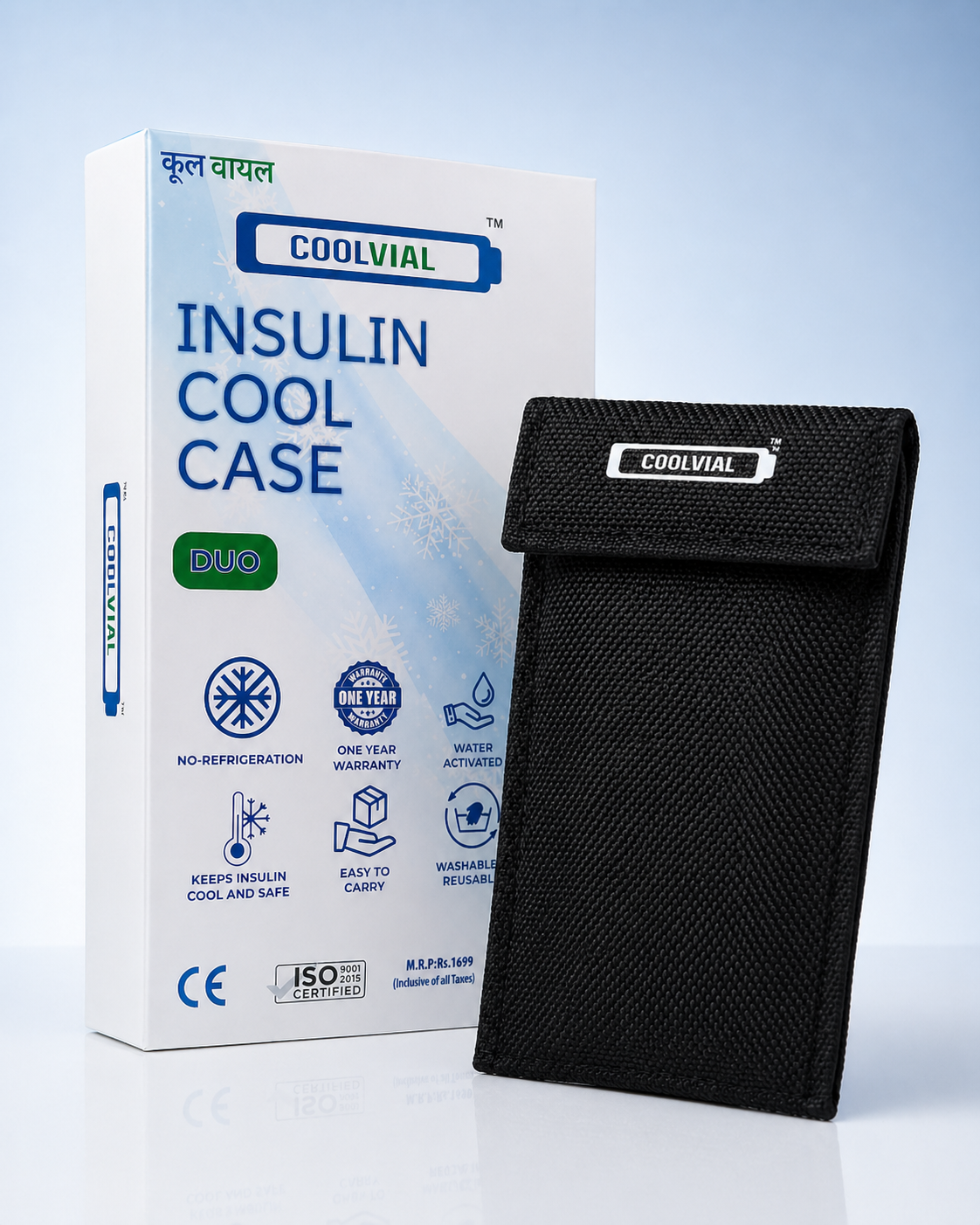
COOLVIAL keeps insulin safe in India's heat. 48+ hours, no electricity needed.
The Ideal Temperature Range for Insulin
Unopened insulin vials and pens should ideally be stored in a refrigerator, typically between 2°C and 8°C (36°F and 46°F). This cool, dark environment prevents degradation and extends its shelf life until the manufacturer’s expiry date. Once an insulin vial or pen is opened or taken out of refrigeration for use, it can generally be stored at room temperature, usually between 15°C and 25°C (59°F and 77°F), for a limited period—typically 28 days to 42 days (6 weeks), depending on the specific type of insulin and manufacturer guidelines. It’s crucial to always check the package insert for precise instructions.
The Dangers of Temperature Extremes
Exposure to temperatures above 30°C (86°F) can cause insulin to lose its potency rapidly. The protein structure begins to break down, making the insulin less effective or even completely inactive. This is particularly relevant when traveling from India, where summer temperatures in cities like Delhi or Chennai can easily exceed 40°C. Conversely, freezing temperatures, typically below 0°C (32°F), can also damage insulin. Freezing causes the insulin to separate, forming crystals or clumps, which also renders it ineffective and unsafe to use. Even if it thaws, the insulin will not regain its original potency.
Recognizing Spoiled Insulin
It’s vital for any student managing diabetes to know how to identify compromised insulin. Signs of spoiled insulin include:
- Cloudiness or discoloration: Clear insulin should remain clear. Cloudy insulin (like NPH) should always mix uniformly.
- Clumps or particles: The presence of solid pieces or a grainy appearance.
- Changes in texture: Insulin becoming stringy or gritty.
- Loss of effectiveness: Consistently high blood sugar levels despite taking the usual dose. If you notice any of these signs, discard the insulin immediately and use a new, properly stored supply. Never risk using spoiled insulin.
Shelf Life of Different Insulin Types
While 28 days is a common guideline for most opened insulins, it’s not universal. Some insulin pens or cartridges might be stable for longer, up to 42 days or 6 weeks, at room temperature. Always refer to the specific brand’s instructions. When preparing for your study abroad journey, ensure you have enough fresh, properly stored insulin to cover your needs, plus extra for emergencies. This includes both vials and pens, needles, and other diabetes supplies. Proper storage ensures that your medication remains potent, allowing you to focus on your studies without health worries. This commitment to detail is a significant part of successful insulin storage tips for any journey.
Practical Tips for Studying Abroad from India with Insulin
Navigating the complexities of studying abroad from India with insulin: a storage travel guide requires proactive planning and adherence to best practices. Here are some indispensable tips to ensure your insulin remains safe and effective throughout your journey and stay.
1. Consult Your Doctor and Obtain Comprehensive Documentation
Before you even think about packing, schedule a detailed consultation with your endocrinologist or diabetologist in India.
- Extended Prescription: Get a prescription for at least 2-3 times your usual insulin supply, along with all other diabetes medications and supplies (syringes, needles, test strips). This buffer is crucial for unexpected delays or lost luggage.
- Doctor’s Letter: Obtain a letter from your doctor on official letterhead, clearly stating your diagnosis (Type 1 diabetes), the names of all medications you carry (insulin, glucagon, etc.), their generic and brand names, dosage, and the necessity of carrying syringes, needles, and a cooling device for insulin. This letter should be translated into English and, if possible, the official language of your destination country.
- Medical Alert ID: Wear a medical alert bracelet or carry an ID card stating you have diabetes and listing emergency contact information.
5 Essential Tips for Studying Abroad from India with Insulin: Your Ultimate Storage Travel Guide
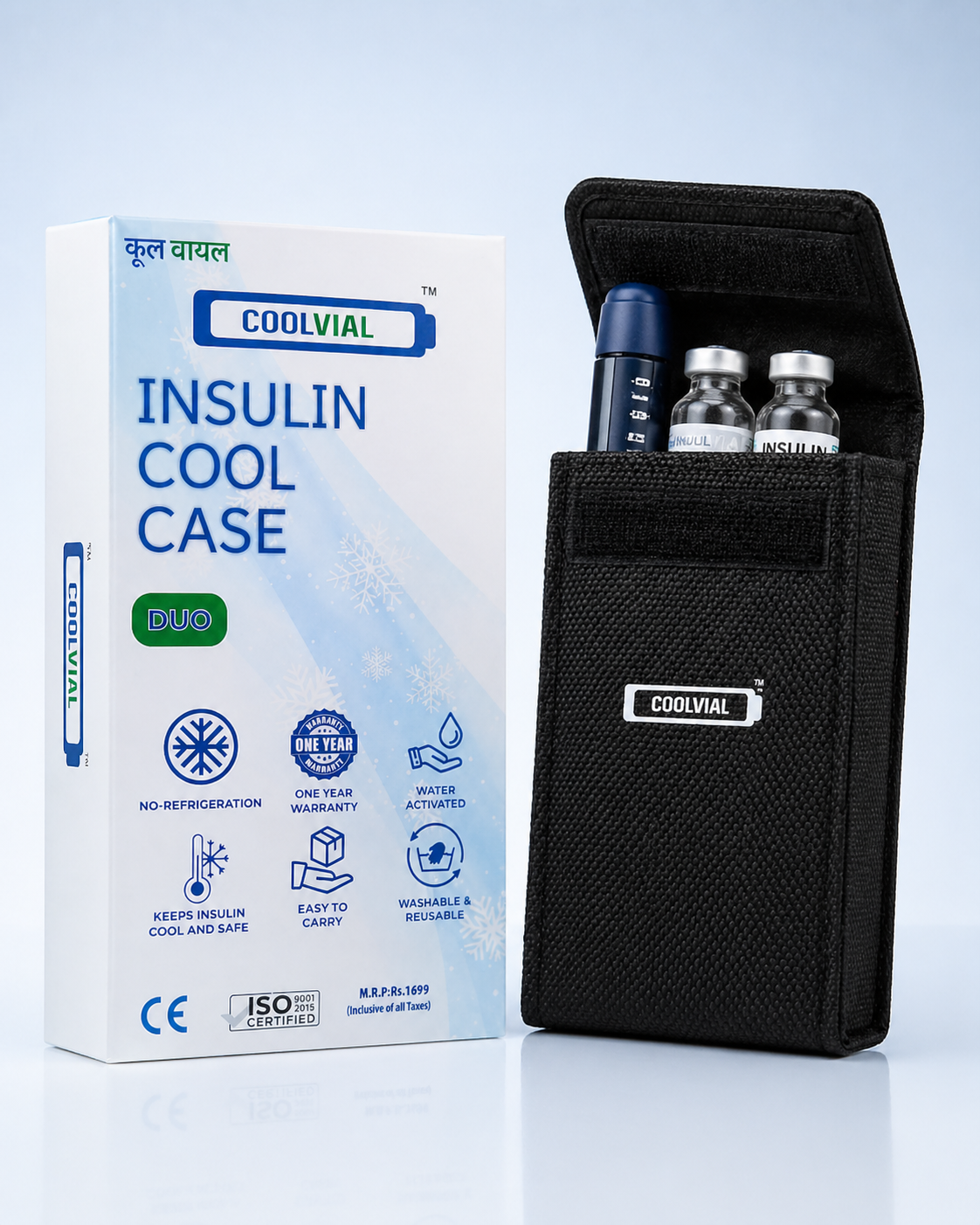
COOLVIAL keeps insulin at 2-8°C for 48+ hours. No electricity needed.
2. Plan Your Insulin Supply and Storage for Travel
The journey itself from India to your study destination can be long and challenging for insulin.
- Carry-On Luggage ONLY: Always pack all your insulin and diabetes supplies in your carry-on bag. Never check insulin into hold luggage, as temperatures can drop to freezing, rendering the insulin unusable. Airlines permit medical supplies in carry-on bags.
- Cooling Solutions: Invest in a reliable insulin cool case. This is non-negotiable. Traditional ice packs can freeze insulin, so opt for gel packs that maintain a stable temperature between 2°C and 8°C. A high-quality COOLVIAL insulin cool case is designed for this purpose, offering robust protection against temperature fluctuations during long flights and transits.
- Temperature Monitoring: Consider carrying a small, portable thermometer to monitor the temperature inside your cool case, ensuring it stays within the safe range.
5 Essential Tips for Studying Abroad from India with Insulin: Your Ultimate Storage Travel Guide
Insulin at 2-8°C for 48+ hours. Trusted by 10,000+ Indian diabetics.
3. Research Healthcare and Pharmacy Access in Your Destination Country
Knowledge is power, especially when managing a chronic condition overseas.
- Local Pharmacies: Identify pharmacies near your university or accommodation that stock your specific insulin brand. Note down their operating hours and contact details.
- Healthcare Professionals: Research local endocrinologists or diabetes clinics. It’s wise to have a contact for a doctor in your new country even before you arrive.
- Insurance: Ensure your international health insurance policy covers diabetes management, insulin, and emergency care. Understand the claims process and any co-pays or deductibles.
4. Adapt to Local Conditions and Time Zones
Adjusting to a new routine and environment is crucial for blood sugar control.
- Time Zone Adjustment: Work with your doctor to create a plan for adjusting your insulin schedule across different time zones. Gradual adjustments before travel can help minimize disruption.
- Food and Activity: Be mindful of changes in diet and activity levels. Indian cuisine differs significantly from many Western diets, and new routines might impact your insulin needs. Regularly monitor your blood sugar and adjust insulin as needed.
- Emergency Supplies: Always keep a small emergency kit with fast-acting glucose, glucagon, and extra testing supplies readily accessible.
5. Communicate and Educate
Don’t be afraid to share your condition with those around you.
- University Disability Services: Contact your university’s disability or student health services before arriving. Inform them about your diabetes and any accommodations you might need, such as access to a refrigerator or a quiet space for injections.
- Roommates/Friends: Educate your roommates and close friends about Type 1 diabetes, how to recognize signs of high or low blood sugar, and what to do in an emergency.
- Airline Staff: Inform airline staff about your medical supplies when boarding. While not always necessary, it can expedite security checks and provide peace of mind.
By diligently following these practical tips, you can significantly reduce the stress associated with studying abroad from India with insulin: a storage travel guide and ensure a safe, healthy, and successful academic experience.
India’s Unique Climate: Preparing for International Travel
India’s vast geographical expanse and diverse climate present unique challenges for individuals managing insulin, especially when preparing for international travel. From the humid coastal regions of Kerala and Goa to the scorching dry heat of Rajasthan and Uttar Pradesh, and the moderate temperatures of the Deccan Plateau, insulin stability is constantly tested. These conditions underscore the importance of robust storage solutions right from the beginning of your journey.
The Indian Heat and Humidity Factor
Summer temperatures in many Indian cities routinely exceed 40°C, with Delhi often experiencing heatwaves where temperatures touch 45°C. In such conditions, insulin can degrade rapidly, often within hours if left exposed. Even during cooler months, indoor temperatures without air conditioning can easily rise above the safe 25°C threshold for opened insulin. The high humidity in places like Kolkata or Chennai can also affect the integrity of insulin pens and testing strips if not stored properly. These environmental realities mean that Indian diabetics are inherently more aware of the need for temperature control than those in more temperate climates.
Power Cuts and Travel Infrastructure
Another significant factor in India is the challenge of intermittent power cuts, especially in smaller towns and rural areas. While major cities like Bengaluru or Hyderabad usually have reliable power, even they can experience outages during peak summer. This poses a direct threat to insulin stored in home refrigerators. For students preparing to travel, this means their insulin might be exposed to temperature fluctuations even before they leave their homes.
Furthermore, domestic travel within India, often involving long train or bus journeys, rarely offers temperature-controlled storage for personal medical supplies. A trip from Jaipur to Delhi or Chennai to Kochi can involve hours in non-air-conditioned compartments, further emphasizing the need for personal, reliable cooling solutions. Students from regions like Punjab, Gujarat, or Maharashtra often undertake significant domestic travel before their international flight, making the journey an extended period where insulin must be protected.
The Transition to an International Climate
The transition from India
5 Essential Tips for Studying Abroad from India with Insulin: Your Ultimate Storage Travel Guide
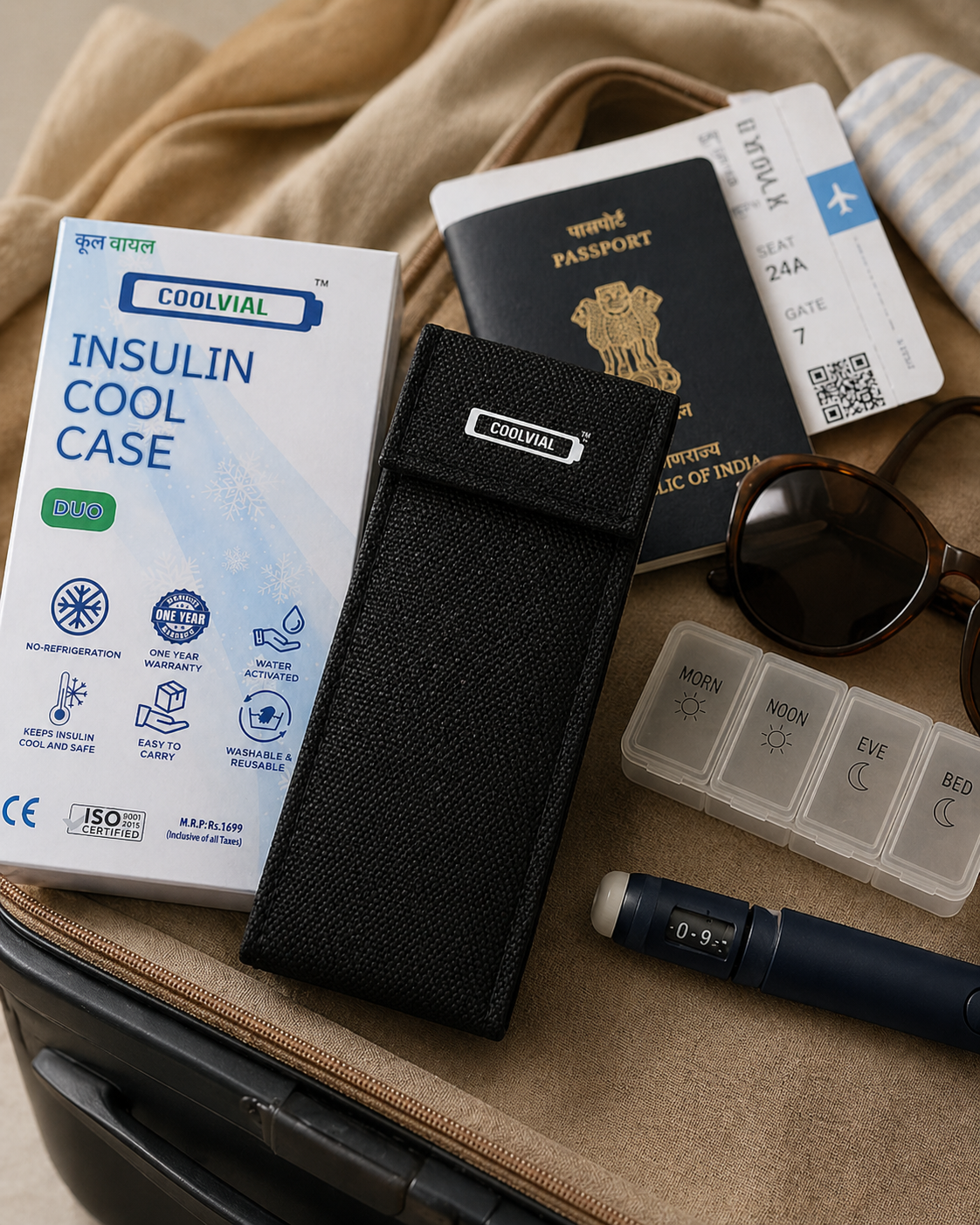
Don't let Indian heat spoil your insulin. COOLVIAL protects it for 48+ hours.