
Reviewed by the COOLVIAL Editorial Team — specialists in insulin storage for Indian climate conditions.
Embarking on the sacred Vaishno Devi pilgrimage with insulin requires meticulous planning, especially when considering India’s diverse and often challenging climate. To safely manage insulin during your Vaishno Devi pilgrimage, it is critical to maintain its temperature between 2-8°C, as insulin degrades rapidly above 30°C. This guide provides 7 essential steps for diabetics, ensuring your medication remains potent throughout your spiritual journey to the holy shrine. With careful preparation and the right storage solutions, you can focus on your devotion without compromising your health.
Introduction
The revered Vaishno Devi pilgrimage, nestled in the Trikuta Mountains of Jammu and Kashmir, attracts millions of devotees annually. For individuals living with diabetes, this spiritual journey presents unique considerations, particularly regarding insulin storage and management. India’s varied climate, ranging from scorching plains to chilly mountain air, poses a significant challenge to maintaining insulin’s efficacy. The problem intensifies during travel, with unpredictable temperatures in buses, trains, and even within pilgrimage sites. This comprehensive guide aims to equip you with the knowledge and practical strategies necessary for a safe and spiritually fulfilling Vaishno Devi pilgrimage with insulin. We will delve into crucial storage principles, offer India-specific tips, and highlight how modern solutions can simplify your diabetes management on the go. By the end of this article, you will be well-prepared to protect your insulin and ensure a smooth, worry-free pilgrimage.
Table of Contents
- The Critical Need for Insulin Storage During Indian Pilgrimages
- Understanding Insulin: Storage Principles for Indian Conditions
- Your Practical Guide to Vaishno Devi Pilgrimage with Insulin
- Navigating India’s Diverse Climate: Regional Storage Considerations
- COOLVIAL: Your Reliable Partner for Vaishno Devi Pilgrimage with Insulin
- Essential Checklist & Frequently Asked Questions for Diabetics on Pilgrimage
The Critical Need for Insulin Storage During Indian Pilgrimages
For millions of Indians, a pilgrimage is a deeply personal and spiritual experience. However, for the estimated 101 million people living with diabetes in India as of 2023 (Source: International Diabetes Federation), such journeys demand careful health management, especially concerning insulin. Insulin, a life-saving medication, is highly sensitive to temperature fluctuations. Exposure to extreme heat or freezing temperatures can quickly degrade its potency, rendering it ineffective. This is a critical concern in India, where summer temperatures in many regions, including parts of Jammu en route to Vaishno Devi, can easily exceed 40°C.
The challenge is multi-faceted. Pilgrimages often involve long hours of travel in non-air-conditioned vehicles, extended periods outdoors, and varying accommodation standards. For instance, the trek to Vaishno Devi involves several hours of walking or riding ponies/palkis, often under direct sunlight. Without proper storage, insulin exposed to such conditions can lose its effectiveness within hours, leading to dangerously high blood sugar levels for the diabetic pilgrim. The consequences can range from discomfort and fatigue to serious health emergencies, completely overshadowing the spiritual intent of the journey.
Moreover, the infrastructure in remote pilgrimage areas might not always guarantee access to refrigeration. Power cuts are a common occurrence across India, particularly in smaller towns and rural areas, which can disrupt cold chain maintenance. A study indicated that 78% of Indian households face daily power cuts in summer, highlighting the unreliability of conventional refrigeration for medication storage during travel. Therefore, relying solely on hotel refrigerators or local shops for insulin storage is often not a viable or safe option. Planning for your Vaishno Devi pilgrimage with insulin requires understanding these unique Indian environmental and logistical realities.
Key Challenges for Insulin Storage in India:
- Extreme Heat: Summer temperatures frequently exceed 30°C, the threshold above which insulin begins to degrade.
- Power Fluctuations: Frequent power cuts make reliable refrigeration difficult, especially in transit or remote areas.
- Travel Conditions: Buses, trains, and outdoor treks expose medication to uncontrolled temperatures.
- Humidity: High humidity in many parts of India can also affect insulin pens and vials, though temperature is the primary concern.
- Accessibility: Limited access to pharmacies or medical facilities in remote pilgrimage zones for emergency supplies.
To ensure a safe and successful journey, every diabetic undertaking the Vaishno Devi pilgrimage with insulin must prioritize an independent, reliable method for keeping their medication within the safe temperature range. This proactive approach safeguards both health and the sanctity of the pilgrimage. For more comprehensive travel advice, refer to resources like the Diabetes UK guide: Diabetes UK Travel Guide.
Understanding Insulin: Storage Principles for Indian Conditions
Your Essential 7-Step Guide to Vaishno Devi Pilgrimage with Insulin: An India Storage Guide
Don't let Indian heat spoil your insulin. COOLVIAL protects it for 48+ hours.
Insulin is a protein-based hormone, and like many proteins, its structure is highly sensitive to temperature. Maintaining its integrity is paramount to its effectiveness in regulating blood glucose levels. Understanding the specific temperature guidelines for insulin storage is the cornerstone of safe diabetes management, especially when undertaking journeys like the Vaishno Devi pilgrimage with insulin.
Your Essential 7-Step Guide to Vaishno Devi Pilgrimage with Insulin: An India Storage Guide
Insulin Temperature Ranges:
- Unopened Insulin: Vials and pens that have not been opened should ideally be stored in a refrigerator, at temperatures between 2°C and 8°C (36°F and 46°F). This cold storage ensures maximum shelf life, often until the expiration date printed on the packaging.
- Opened Insulin: Once an insulin vial or pen is opened and in use, it can typically be kept at room temperature, generally between 15°C and 25°C (59°F and 77°F), for up to 28 days (four weeks). Some brands or types of insulin may allow for slightly different durations, so always check the specific product leaflet. However, it must never exceed 30°C (86°F), as temperatures above this can rapidly diminish its potency.
What Happens When Insulin is Not Stored Correctly?
- Heat Exposure: When insulin is exposed to temperatures above 30°C, its protein structure begins to break down. This process, called denaturation, makes the insulin less effective at lowering blood sugar. The insulin may appear cloudy, discolored, or have particles floating in it, though sometimes degradation can occur without visible changes. This is a critical concern for a Vaishno Devi pilgrimage with insulin where ambient temperatures can soar.
- Freezing: Freezing insulin can also destroy its effectiveness. If insulin freezes, the solution can separate, and its potency is compromised. Never use insulin that has been frozen, even if it thaws. This is less common in most of India but can be a concern in high-altitude regions or during winter travel in places like Kashmir.
- Loss of Potency: The primary risk of improper storage is a gradual or rapid loss of potency. This means that even if you inject the correct dose, it won’t work as effectively, leading to elevated blood sugar levels. Sustained high blood sugar can cause fatigue, blurred vision, increased thirst, and, if severe, can lead to diabetic ketoacidosis (DKA), a medical emergency.
Identifying Spoiled Insulin:
While visual changes are a strong indicator, sometimes insulin can degrade without looking different. Always be vigilant for:
- Cloudiness or clumps in clear insulin (e.g., Novorapid, Humalog, Lantus).
- Changes in color (e.g., turning yellow or brown).
- Unusual texture or consistency.
- A “gritty” feeling when injecting.
- A noticeable decrease in effectiveness, leading to persistently high blood sugar levels despite consistent dosing.
If you suspect your insulin has been compromised, it’s safer to discard it and use a fresh supply, even if it means adjusting your plans for your Vaishno Devi pilgrimage with insulin. Always carry extra supplies to account for such eventualities.
The table below summarizes critical insulin storage temperatures:
| Insulin State | Recommended Temperature Range | Maximum Duration at Room Temp (15-25°C) | What Happens Above 30°C | What Happens If Frozen |
|---|---|---|---|---|
| Unopened (Fridge) | 2°C to 8°C | N/A (Store until expiry in fridge) | Rapid degradation | Loss of potency, separation |
| Opened (In Use) | 15°C to 25°C | Up to 28 days (check brand specific) | Rapid degradation | Loss of potency, separation |
Understanding these core principles is vital for any diabetic traveler, especially one embarking on a challenging journey like the Vaishno Devi pilgrimage with insulin.
Your Practical Guide to Vaishno Devi Pilgrimage with Insulin
Embarking on the Vaishno Devi pilgrimage with insulin requires meticulous planning to ensure your health and peace of mind. Here’s a practical, step-by-step guide to help you manage your diabetes effectively throughout your journey:
-
Consult Your Doctor Well in Advance:
- Before you even begin planning your travel to Jammu, schedule an appointment with your diabetologist. Discuss your pilgrimage plans, including the duration, mode of transport, and potential physical exertion.
- Ask for a detailed medication plan, including any adjustments to your insulin dosage due to changes in diet, activity levels, or potential altitude effects.
- Request a doctor’s letter (in English and Hindi) stating your condition, medications, and the need to carry syringes, lancets, and insulin. This can be crucial for security checks at airports or railway stations.
-
Pack Ample Insulin and Supplies:
- Always carry at least double the amount of insulin and other diabetes supplies (syringes/pens, needles, test strips, lancets, glucose meter, alcohol swabs, ketone strips) you anticipate needing. Power cuts, travel delays, or accidental damage can occur.
- Divide your supplies into two separate bags. If one bag is lost or damaged, you’ll have a backup. Keep the main supply in your carry-on luggage for easy access and temperature control.
- Remember to pack fast-acting glucose (glucose tablets, juice boxes, hard candies) for treating hypoglycemia, which can be more frequent with increased physical activity during the trek.
"Finally a cooler that works in Indian summers. Insulin stayed perfect during a 3-day power cut." — Ramesh, Chennai
Your Essential 7-Step Guide to Vaishno Devi Pilgrimage with Insulin: An India Storage Guide
CE Certified · Free Delivery · 1-Year Warranty
📲 Buy on WhatsApp — ₹1,099- Invest in Reliable Insulin Cool Cases:
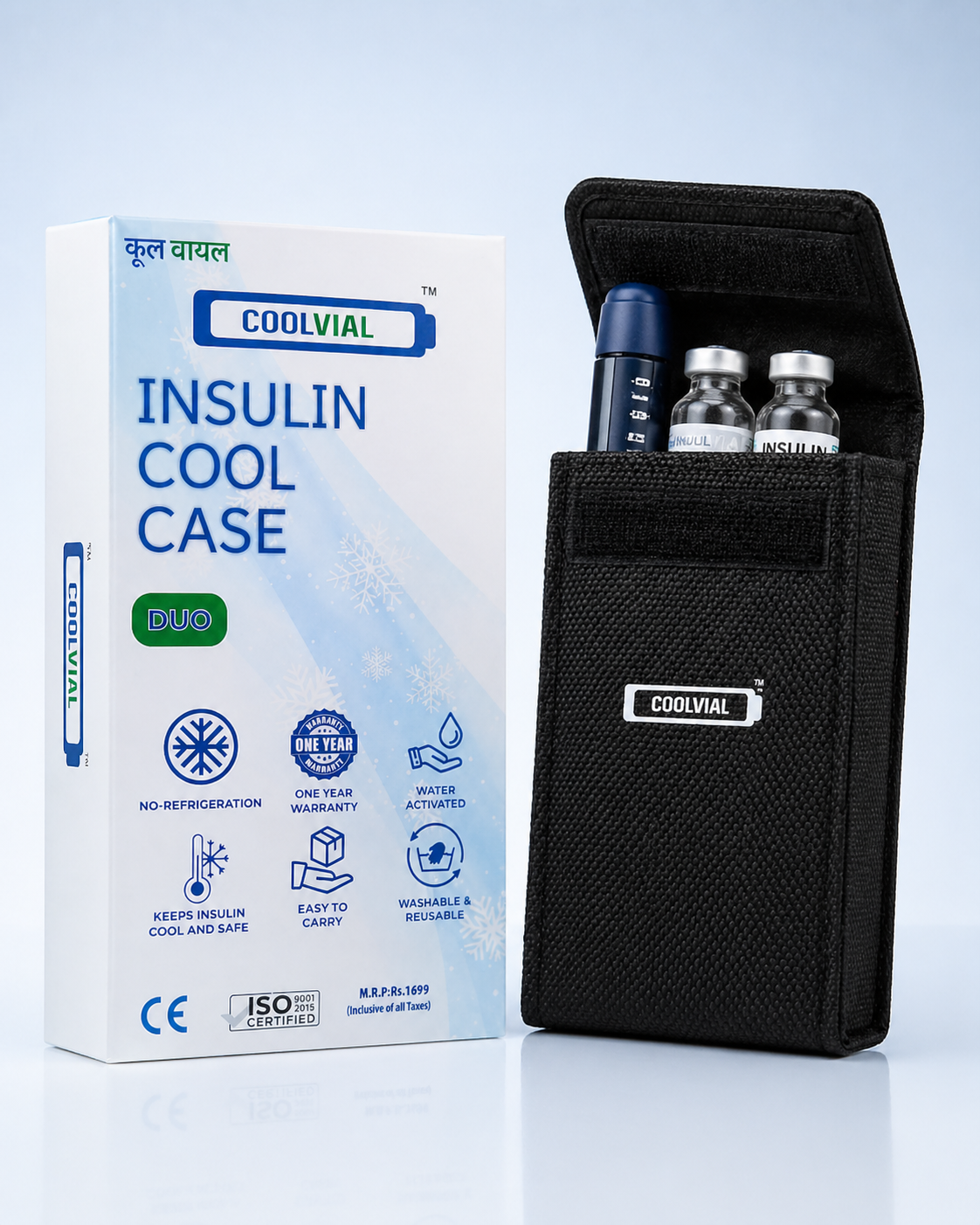
- This is perhaps the most critical step for a Vaishno Devi pilgrimage with insulin. India’s heat demands a robust solution. A high-quality insulin cool case is essential to maintain the 2-8°C range for unopened insulin and below 25°C for in-use insulin.
- Look for cases that use gel packs or evaporative cooling technology, specifically designed for medical use. These cases can keep insulin cool for several hours or even days without electricity.
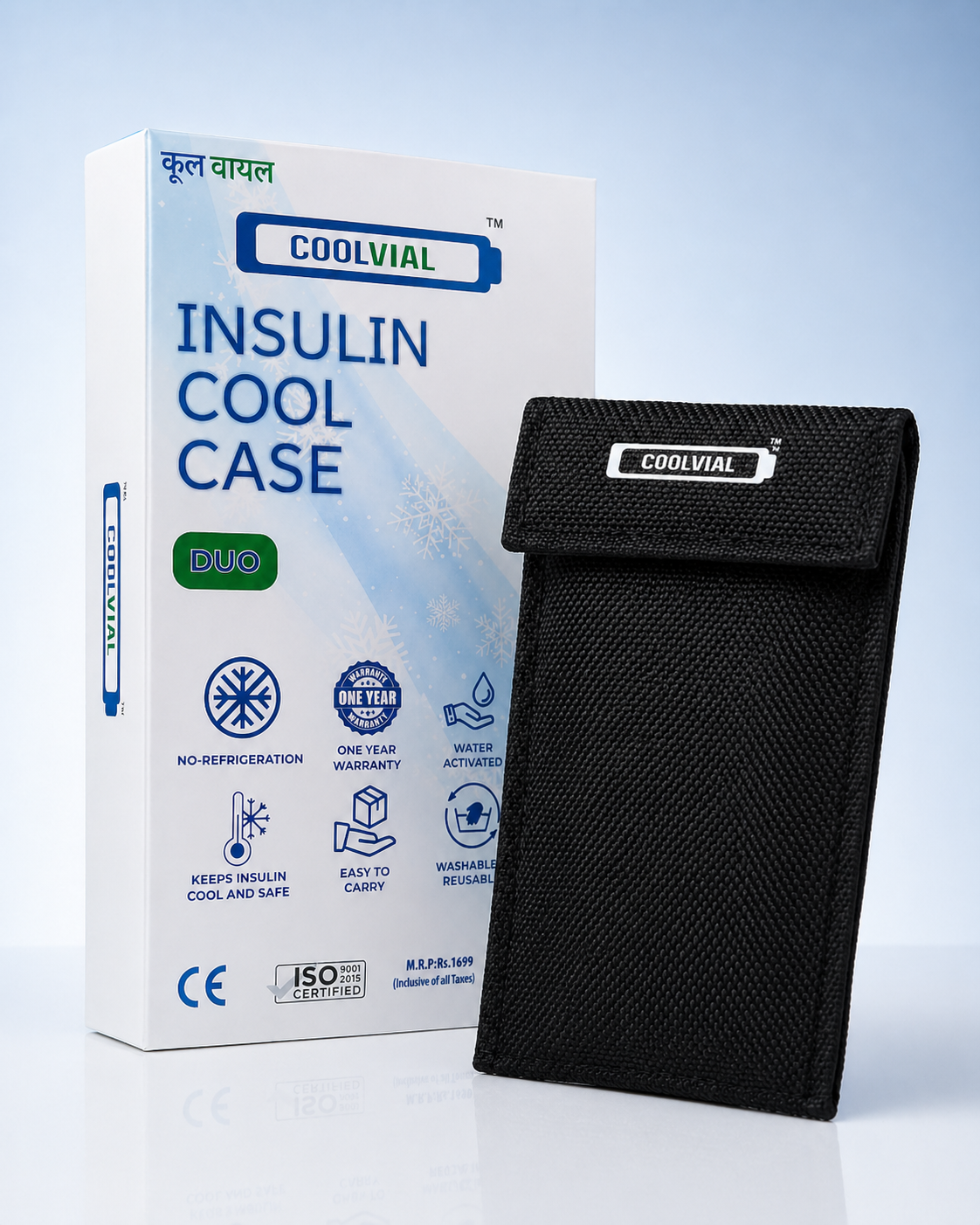
- Consider the COOLVIAL insulin cool case, specifically designed for Indian conditions, offering reliable temperature control for up to 36 hours.
Your Essential 7-Step Guide to Vaishno Devi Pilgrimage with Insulin: An India Storage Guide
48+ hours at 2-8°C. No electricity. CE certified. Free delivery across India.
Order on WhatsApp — ₹1,099🛒 Buy Now — ₹1,099-
Monitor Blood Glucose Frequently:
- Your blood sugar levels can fluctuate significantly due to changes in diet, activity, and stress associated with travel and pilgrimage.
- Test your blood glucose more often than usual – before and after meals, before bedtime, and at any point you feel symptoms of high or low blood sugar.
- Record your readings and any insulin adjustments. This data will be invaluable if you need medical assistance.
-
Stay Hydrated and Mind Your Diet:
- The Vaishno Devi trek is physically demanding. Dehydration can affect blood sugar levels. Drink plenty of water throughout the day, especially during the ascent and descent.
- Be cautious with food from street vendors. Opt for freshly prepared, simple meals. Carry healthy snacks like nuts, seeds, and fruits. Be aware of the carbohydrate content in traditional Indian pilgrimage foods.
-
Protect Insulin from Direct Sunlight and Extreme Cold:
- Never leave your insulin cool case in direct sunlight, even for a short period. Always place it in the coolest, shadiest spot available.
- While heat is the primary concern, if traveling during winter or to higher altitudes around Vaishno Devi, ensure your insulin doesn’t freeze. Do not store it directly against ice packs without insulation, and avoid placing it in unheated car trunks overnight in cold weather.
-
Plan for Emergencies and Local Support:
- Identify nearby medical facilities or pharmacies in Jammu, Katra, and along the Vaishno Devi route before you travel.
- Carry a list of emergency contacts, including your doctor and family members.
- Inform your travel companions about your diabetes and how to assist you in case of an emergency (e.g., identifying hypoglycemia symptoms and administering glucose).
- Consider carrying a medical alert bracelet or tag.
By following these practical tips, your Vaishno Devi pilgrimage with insulin can be a safe and spiritually enriching experience.
Navigating India’s Diverse Climate: Regional Storage Considerations
India’s vast geographical expanse presents a kaleidoscope of climatic conditions, each posing unique challenges for insulin storage. From the humid coastal plains to the arid deserts and the cool mountains, managing insulin during your Vaishno Devi pilgrimage with insulin requires an understanding of these regional nuances.
1. North Indian Plains (e.g., Delhi, Punjab, Uttar Pradesh - gateway regions to Jammu):
- Climate: Characterized by extreme summers (temperatures often exceeding 45°C in Delhi, Punjab, and Rajasthan) and cold winters. Monsoon brings high humidity.
- Challenges: The intense heat during summer is the most significant threat. Public transport (buses, unreserved train compartments) can become extremely hot. Power cuts are frequent during summer months.
- Storage Strategy: A robust, passive cooling solution like an evaporative or gel-pack cool case is indispensable. Avoid leaving insulin in parked vehicles. During winters, ensure insulin doesn’t freeze in unheated rooms or vehicle trunks.
2. Western India (e.g., Mumbai, Gujarat):
- Climate: Hot and humid for most of the year, with heavy monsoons.
- Challenges: High humidity combined with heat can make insulin feel sticky or affect the functionality of pens. Power cuts are common during peak summer and monsoon.
- Storage Strategy: Use waterproof cool cases. Ensure gel packs are completely dry before placing them in the case to prevent condensation on insulin vials. The primary focus remains on temperature control, ensuring it stays below 25°C for in-use insulin.
3. Southern India (e.g., Chennai, Bengaluru, Hyderabad):
- Climate: Generally hot and humid throughout the year, with mild variations.
- Challenges: Consistent high temperatures and humidity. Longer travel times by train or bus can be particularly challenging without active cooling.
- Storage Strategy: Continuous monitoring and reliable cooling are paramount. Evaporative cool cases are highly effective in drier climates, but in humid areas, gel-pack cases might offer more consistent cooling without relying on evaporation.
4. Himalayan Regions (e.g., Jammu, Katra, Vaishno Devi itself):
- Climate: Jammu and Katra (base camps for Vaishno Devi) can experience hot summers (up to 35-40°C) and cold winters. The higher altitudes of Vaishno Devi are generally cooler but can still be warm during daytime treks in summer. Winters can bring freezing temperatures.
- Challenges: Temperature fluctuations across the day, especially during the trek. While the air might feel cooler at altitude, direct sunlight can still heat up insulin rapidly. In winter, the risk of freezing becomes a concern.
- Storage Strategy: During the trek, keep your cool case close to your body to moderate temperature, especially if it’s very cold. In summer, ensure constant protection from direct sun. A versatile cool case that can handle both moderate heat and prevent freezing is ideal for your Vaishno Devi pilgrimage with insulin.
Specific Indian Travel Scenarios and Tips:
- Train Travel: Indian Railways can be a lifeline for pilgrims. In AC compartments, temperatures are usually controlled, but for unreserved or sleeper classes, heat can be extreme. Always carry your cool case with you, never in luggage racks exposed to sun.
- Bus Travel: Similar to trains, buses can be very hot. If possible, choose AC buses. Keep your cool case under your seat or on your lap, away from windows.
- Power Cuts: Be prepared for power outages. Ensure your cool case’s cooling elements are pre-chilled or activated before you leave, and have backup gel packs if possible.
Understanding these regional and travel-specific challenges is vital for anyone planning a Vaishno Devi pilgrimage with insulin. By adapting your storage strategy to the local climate you’ll encounter, you can significantly reduce the risk of insulin degradation and ensure a smooth journey.
COOLVIAL: Your Reliable Partner for Vaishno Devi Pilgrimage with Insulin
For diabetics embarking on a Vaishno Devi pilgrimage with insulin, finding a reliable, effective, and portable insulin storage solution is not just a convenience—it’s a necessity. This is where COOLVIAL steps in, offering a practical and affordable answer to India’s challenging climate conditions.
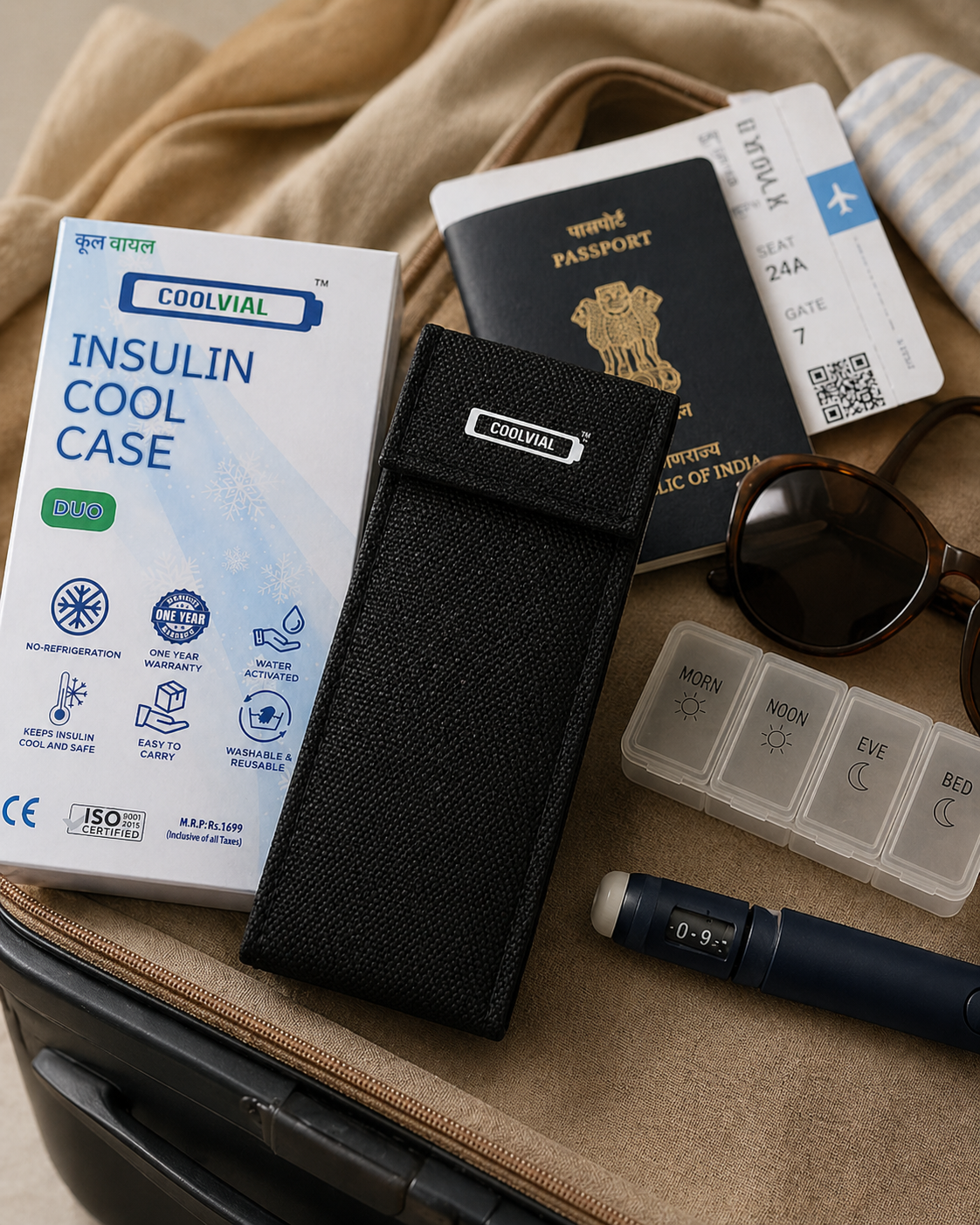
COOLVIAL insulin cool cases are specifically designed with the Indian diabetic in mind. Priced accessibly at ₹1,099, these cases provide a crucial safeguard against temperature fluctuations that can compromise insulin’s efficacy. Unlike bulky refrigerators or unreliable ice packs that melt quickly, COOLVIAL utilizes advanced cooling technology to maintain the optimal temperature range for your insulin without requiring electricity. This makes it an ideal companion for long journeys, outdoor activities, and regions prone to power cuts – all common scenarios during a pilgrimage to Vaishno Devi.
Key Benefits of COOLVIAL for Your Pilgrimage:
- Sustained Cooling: COOLVIAL cases are engineered to keep insulin cool for extended periods, typically up to 36 hours, ensuring your medication remains potent throughout your travel and trek to Vaishno Devi. This long-lasting cooling capability provides peace of mind, especially when faced with unpredictable travel delays or limited access to refrigeration.
- Portable and Lightweight: The compact design of COOLVIAL cases makes them easy to carry in your
"Finally a cooler that works in Indian summers. Insulin stayed perfect during a 3-day power cut." — Ramesh, Chennai
Your Essential 7-Step Guide to Vaishno Devi Pilgrimage with Insulin: An India Storage Guide
CE Certified · Free Delivery · 1-Year Warranty
📲 Buy on WhatsApp — ₹1,099