Reviewed by the COOLVIAL Editorial Team — specialists in insulin storage for Indian climate conditions.
For individuals managing diabetes, embarking on the sacred Amarnath Yatra demands meticulous planning, especially concerning insulin storage. To carry insulin safely during the Amarnath Yatra with diabetes, it’s critical to maintain its temperature between 2-8°C for unopened vials and 15-25°C for opened ones, as insulin can spoil rapidly above 30°C and lose potency if frozen. With India being home to over 101 million diabetics in 2023 (Source: International Diabetes Federation (IDF)), understanding proper insulin management in challenging environments like the Amarnath trek is paramount. This guide will provide 7 essential, practical tips to ensure your insulin remains effective throughout your spiritual journey.
The Amarnath Yatra, an annual pilgrimage to the holy cave shrine of Amarnath in Jammu and Kashmir, is a journey of immense faith and devotion. However, its high altitude, unpredictable weather, and strenuous trekking conditions pose unique challenges for pilgrims with diabetes. Managing insulin effectively in such an environment is not just about convenience; it’s about ensuring your health and safety. This article will equip you with comprehensive strategies and India-specific insights on how to carry insulin safely in India, particularly during the Amarnath Yatra, allowing you to focus on your spiritual quest with peace of mind.
Table of Contents
- Why Safe Insulin Storage Matters for Pilgrimages in India
- Understanding Insulin Storage: Core Concepts for Indian Travelers
- Practical Tips for Amarnath Yatra with Diabetes: How to Carry Insulin Safely in India
- Navigating India’s Diverse Climate: Insulin Care Across Regions
- COOLVIAL: Your Trusted Partner for Safe Insulin Storage
- Frequently Asked Questions about Amarnath Yatra with Diabetes
- Conclusion
Why Safe Insulin Storage Matters for Pilgrimages in India
India’s vast geographical expanse presents a kaleidoscope of climates, from the scorching plains of Rajasthan to the humid coasts of Kerala and the freezing altitudes of the Himalayas. For individuals managing diabetes, these varied conditions directly impact the stability and efficacy of life-saving insulin. The Amarnath Yatra, in particular, combines several environmental stressors that make insulin storage a critical concern. Pilgrims face high altitudes, which can lead to lower ambient temperatures but also intense UV radiation. The trek involves long hours of exposure to changing weather, from direct sunlight to sudden chills and even snowfall.
Insulin is a delicate protein that is highly sensitive to extreme temperatures. Exposure to heat above 30°C or freezing temperatures below 2°C can irreversibly damage its molecular structure, rendering it ineffective. In India, where summer temperatures in cities like Delhi can soar past 45°C and even in mountainous regions, daytime sun can be intense, maintaining optimal insulin temperature is a constant battle. Damaged insulin may appear cloudy, discolored, or contain particles, but sometimes the degradation is not visible, leading to unexpected spikes in blood sugar levels. This makes managing amarnath yatra with diabetes how to carry insulin safely in india a complex but essential task.
The consequences of ineffective insulin during a strenuous pilgrimage like the Amarnath Yatra can be severe. Uncontrolled blood sugar can lead to fatigue, dehydration, increased risk of infections, and even diabetic ketoacidosis (DKA) or hypoglycemic episodes, which are particularly dangerous in remote areas with limited access to immediate medical care. India has a significant diabetic population, with over 101 million individuals living with diabetes in 2023, making it a critical health concern (Source: International Diabetes Federation). Ensuring that these individuals can safely undertake religious journeys without compromising their health requires robust solutions for insulin storage.
Beyond temperature, other factors like physical agitation and direct sunlight can also degrade insulin. The bumpy rides on mountainous roads, long queues, and continuous movement during the yatra contribute to these challenges. Therefore, understanding the nuances of insulin stability and employing reliable storage methods are not merely recommendations but vital necessities for a safe and spiritually fulfilling Amarnath Yatra experience.
Impact of Temperature on Insulin Efficacy
| Temperature Range | Insulin State | Impact on Efficacy |
|---|---|---|
| 2°C to 8°C | Ideal (unopened vials/pens) | Optimal potency, maximum shelf life (until expiry date). |
| 15°C to 25°C | Acceptable (opened vials/pens) | Maintains potency for 28 days (or up to 42 days for some pens), stable. |
| Above 30°C | Harmful (heat exposure) | Rapid loss of potency, degradation, may appear cloudy or discolored. |
| Below 0°C (Freezing) | Harmful (freezing) | Irreversible damage to protein structure, loss of efficacy, may separate. |
| Direct Sunlight/UV | Harmful (UV exposure) | Accelerates degradation, reduces potency even within optimal temperature ranges. |
Understanding Insulin Storage: Core Concepts for Indian Travelers
Amarnath Yatra with Diabetes: 7 Essential Tips to Carry Insulin Safely in India
Insulin, a life-saving medication for millions, requires precise handling to maintain its efficacy. For Indian travelers, especially those venturing into diverse climates and challenging terrains like the Amarnath Yatra, a clear understanding of insulin storage fundamentals is non-negotiable. This section delves into the ideal temperature ranges, the risks of temperature fluctuations, and essential storage principles.
Ideal Temperature Ranges for Insulin
The stability of insulin is highly dependent on temperature. There are two primary categories for storage:
- Unopened Insulin: Vials and pens that have not been opened should always be stored in a refrigerator, ideally between 2°C and 8°C (36°F and 46°F). This temperature range is crucial for preserving the insulin’s full potency until its expiration date, which can be several months or even years. Storing it below 2°C risks freezing, while above 8°C can start to degrade it prematurely.
- Opened Insulin: Once an insulin vial or pen is opened and in use, it can typically be stored at room temperature, between 15°C and 25°C (59°F and 77°F). However, its shelf life significantly reduces. Most insulins are stable for 28 days (4 weeks) after opening, while some newer insulin pens might last up to 42 days (6 weeks). It’s vital to check the specific manufacturer’s guidelines for your insulin type. During the Amarnath Yatra, where ambient temperatures can fluctuate, maintaining this range without refrigeration becomes a challenge.
Risks of Temperature Fluctuations
Insulin is particularly vulnerable to both extreme heat and freezing. Understanding these risks is key to safe travel.
- Heat Exposure: When insulin is exposed to temperatures above 30°C, its protein structure begins to break down. This degradation leads to a loss of potency, meaning the insulin becomes less effective at lowering blood sugar. Signs of heat-damaged insulin can include cloudiness, clumping, or a change in color (e.g., from clear to yellowish). However, sometimes the damage is invisible, leading to unexpected high blood glucose readings. In India’s hot summer months, especially in cities like Chennai or Nagpur where temperatures can easily exceed 40°C, insulin can spoil very quickly if not properly cooled.
- Freezing: Just as damaging as heat, freezing temperatures can also destroy insulin. When insulin freezes, the delicate protein molecules can denature, separating from the solution. Even if the insulin thaws, its efficacy will be compromised. This is a significant risk during the Amarnath Yatra, especially at night or in shaded, high-altitude areas where temperatures can drop below freezing. Never use insulin that has frozen, even if it appears normal after thawing.
Essential Storage Principles
Beyond temperature, several other principles ensure insulin integrity:
- Avoid Direct Sunlight: UV radiation from direct sunlight can rapidly degrade insulin, even if the temperature remains within an acceptable range. Always keep insulin in its original packaging or an opaque container to shield it from light.
- Prevent Physical Agitation: Excessive shaking or rough handling can also damage insulin, particularly longer-acting formulations. While traveling, ensure your insulin is packed securely to minimize jostling.
- Never Store in Vehicle Glove Compartments: Cars, especially when parked in the sun, can become ovens, with interior temperatures soaring far beyond safe limits for insulin. This applies to trains and buses in India, which often lack consistent air conditioning.
- Check Expiration Dates: Always use insulin before its printed expiration date. For opened vials/pens, mark the date of opening to track the 28-day (or 42-day) window.
- Have Backup Supplies: Always carry more insulin and supplies than you anticipate needing. This is crucial for long journeys, especially to remote locations like the Amarnath Shrine, where obtaining replacements can be impossible. Consider dividing your supplies between two bags in case one is lost or damaged.
By adhering to these core concepts, Indian travelers with diabetes can significantly reduce the risk of insulin degradation, ensuring their medication remains effective throughout their travels and pilgrimages.
Practical Tips for Amarnath Yatra with Diabetes: How to Carry Insulin Safely in India
Undertaking the sacred Amarnath Yatra while managing diabetes requires foresight and careful preparation. The journey through challenging terrain and variable weather demands a robust strategy for insulin management. Here are 7 essential tips to help you carry insulin safely in India during this pilgrimage.
Amarnath Yatra with Diabetes: 7 Essential Tips to Carry Insulin Safely in India
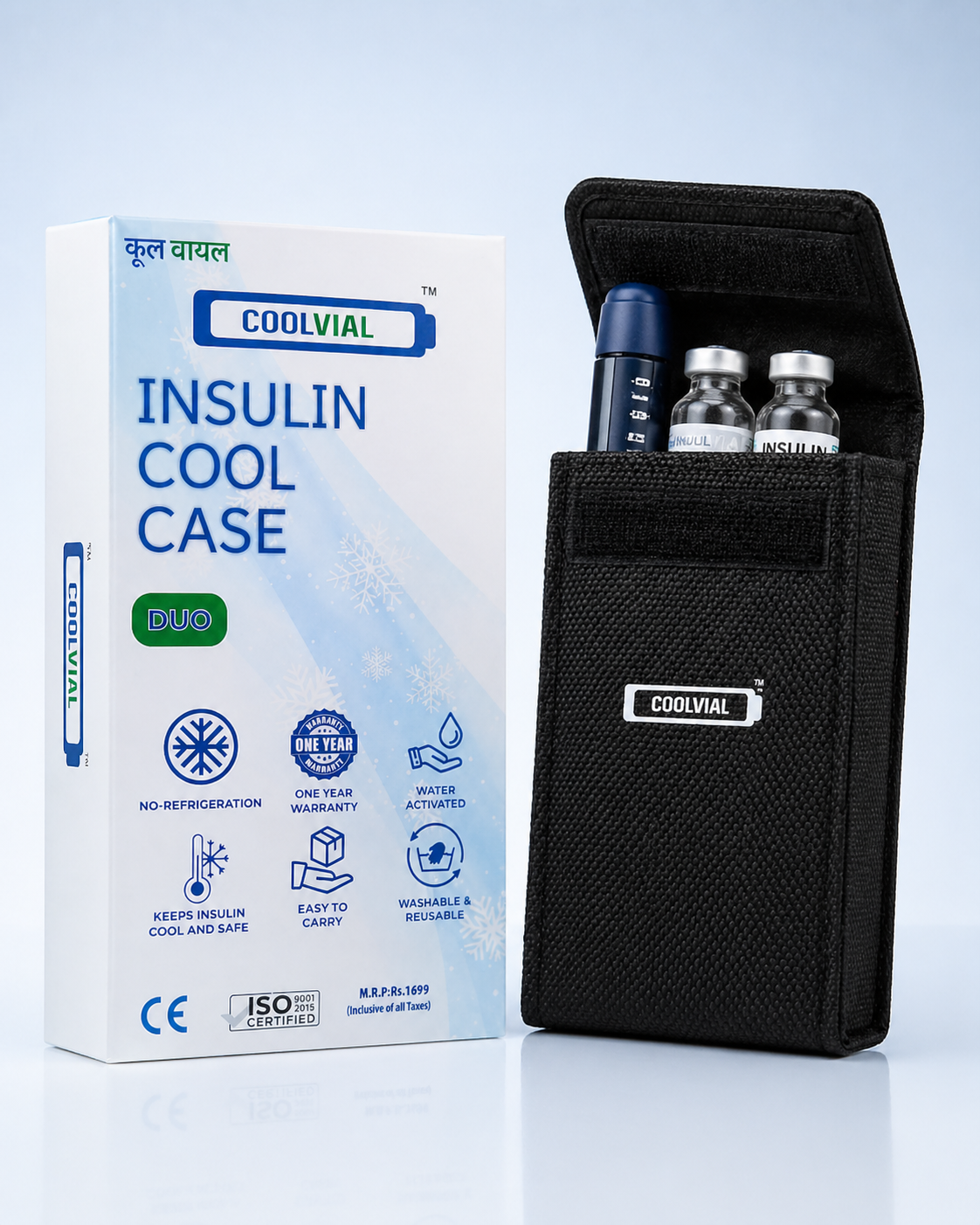
COOLVIAL keeps insulin safe in India's heat. 48+ hours, no electricity needed.
-
Consult Your Doctor Well in Advance:
- Before even planning your Amarnath Yatra, schedule a comprehensive check-up with your endocrinologist or diabetologist. Discuss your travel plans, the expected physical exertion, and the high altitude.
- Your doctor might adjust your insulin regimen, provide specific advice on managing blood sugar during the trek, and offer a medical certificate detailing your condition and medication. This certificate is crucial, especially when passing through security checkpoints.
- Request extra prescriptions for insulin and other diabetes supplies, including glucagon pens for severe hypoglycemia, as a backup.
-
Pack Ample Supplies and Divide Them:
- Always carry at least 1.5 to 2 times the amount of insulin, syringes/pens, lancets, test strips, and glucose tablets you anticipate needing for the duration of your trip, plus a few extra days for unforeseen delays.
- Divide your supplies between your hand luggage and your main backpack. This redundancy ensures that if one bag is lost or delayed, you still have essential medication.
- Keep your primary insulin supply, along with your glucose meter and quick-acting glucose, easily accessible in your daypack during the trek.
-
Utilize a Reliable Insulin Cool Case:
- This is perhaps the most critical tip for
amarnath yatra with diabetes how to carry insulin safely in india. Traditional ice packs can freeze insulin, and regular insulated bags don’t offer stable temperature control for extended periods. - Invest in a high-quality, non-electric insulin cool case designed to maintain the ideal temperature range (2-8°C for unopened, 15-25°C for opened) for several hours or even days without electricity. These cases often use advanced cooling gel technology or evaporative cooling.
- Ensure the case is sturdy, waterproof, and can withstand the rigors of travel.
- This is perhaps the most critical tip for
-
Protect from Freezing and Overheating:
- While the Amarnath region can be cold, direct contact with ice or frozen gel packs can freeze insulin. If using gel packs, wrap them in cloth or newspaper to create a buffer.
- During cold nights at high-altitude camps (e.g., Baltal or Pahalgam base camps), keep your insulin cool case inside your sleeping bag or wrapped in warm clothing to prevent it from freezing.
- Conversely, during sunny daytime treks, shield your cool case from direct sunlight. Place it in the shade of your backpack or under a layer of clothing.
-
Maintain Hydration and Nutrition:
- The strenuous Amarnath trek, combined with high altitude, increases the risk of dehydration, which can affect blood sugar levels. Drink plenty of water and ORS (Oral Rehydration Solution) throughout the day.
- Carry energy-rich, easy-to-digest snacks like fruits, nuts, and whole-grain biscuits. Monitor your blood glucose frequently and adjust your food intake and insulin doses as advised by your doctor.
- Be mindful of local food options; while delicious, they might be high in carbohydrates or fats, requiring careful management.
-
Frequent Blood Glucose Monitoring:
- Altitude, physical exertion, and changes in diet can significantly impact blood sugar. Monitor your glucose levels much more frequently than usual – every 2-4 hours, or even more often if you feel unwell.
- Carry a compact, reliable glucose meter with extra batteries and test strips. A continuous glucose monitor (CGM) can be immensely helpful for real-time data, but ensure you have backup test strips.
- Know the signs of hypoglycemia (low blood sugar) and hyperglycemia (high blood sugar) and how to treat them promptly.
-
Wear a Medical ID and Carry Emergency Contacts:
- Wear a medical identification bracelet or necklace clearly stating you have diabetes and are on insulin. This is crucial in an emergency where you might be unable to communicate.
- Carry a laminated card with your doctor’s contact information, emergency contacts, your insulin type, and dosage. Keep this in a waterproof pouch along with your other travel documents.
- Inform your fellow pilgrims or travel companions about your diabetes and how to assist you in an emergency.
By following these practical steps, you can confidently undertake your Amarnath Yatra with diabetes, knowing you have taken the necessary precautions to carry insulin safely in India’s challenging environments. For reliable insulin storage, consider a COOLVIAL insulin cool case for your journey.
Navigating India’s Diverse Climate: Insulin Care Across Regions
India’s geographical diversity means that insulin storage strategies must adapt to a wide array of climatic conditions. From the scorching plains to the chilly mountains, and the humid coastal belts, each region presents unique challenges for maintaining insulin efficacy. Understanding these regional specificities is crucial for any Indian diabetic traveler.
Northern India (Himalayan Region & Plains): The Amarnath Yatra, located in the Himalayas, falls into this category. While the region is known for its cold, especially at night and higher altitudes, daytime sun can be intense.
- Challenges: Freezing temperatures at night (below 0°C), especially in places like Baltal, Pahalgam, or higher up the trek. Intense UV radiation during the day. Unpredictable weather shifts.
- Tips: Protect insulin from direct contact with ice or frozen ground. Use insulated cool cases that also offer protection against freezing. Keep insulin inside your sleeping bag at night. During the day, shield from direct sun, but ensure it doesn’t overheat in a dark bag.
Central and Western India (Rajasthan, Madhya Pradesh, Gujarat, Maharashtra): These regions experience extreme heat during summers, with temperatures frequently exceeding 40°C, and often dry or moderately humid conditions.
- Challenges: Sustained high temperatures that can rapidly degrade insulin. Power cuts, common in many parts of India, can disrupt refrigeration.
- Tips: A robust insulin cool case is non-negotiable. Always carry backup cooling methods if available. During train or bus travel, where AC might be inconsistent, keep insulin close to you and away from windows or direct heat sources. In cities like Ahmedabad or Mumbai, plan routes to avoid prolonged sun exposure for your medication.
Southern India (Karnataka, Tamil Nadu, Kerala, Andhra Pradesh): Known for its tropical climate, high humidity, and consistently warm temperatures throughout the year.
- Challenges: High ambient temperatures combined with high humidity create a challenging environment for insulin stability. Risk of mold growth on insulin supplies if not kept dry.
- Tips: Ensure your cool case is not only effective at cooling but also resistant to humidity. Keep insulin packaging dry. Be extra vigilant about checking insulin for any visible changes due to heat or moisture.
Eastern India (West Bengal, Odisha, Bihar, Northeast States): Characterized by hot, humid summers, significant monsoon rainfall, and cooler winters.
- Challenges: Monsoon season brings extreme humidity and heat, alongside potential for water damage. Power outages are also frequent.
- Tips: Waterproofing is key. Store insulin and supplies in sealed, waterproof pouches within your cool case. During power cuts, rely on your non-electric cool case. Be aware that dampness can affect glucose meter strips.
Regional Insulin Storage Tips
| Region/Climate Type | Primary Challenge | Specific Insulin Care Tips