
Reviewed by the COOLVIAL Editorial Team — specialists in insulin storage for Indian climate conditions.
To store insulin safely in Bengaluru’s weather year-round, it is critical to maintain specific temperature ranges: unopened insulin must be kept refrigerated between 2-8°C, while opened vials or pens can be stored at room temperature (typically below 25°C) for up to 28 days. Any exposure above 30°C can significantly degrade insulin, reducing its efficacy by 10-20% per hour, making proper storage vital for effective diabetes management across India. This guide provides 10 essential tips to navigate the unique challenges of Bengaluru weather and insulin storage, ensuring your medication remains potent and safe.
Bengaluru, often called the “Garden City,” boasts a relatively moderate climate compared to many other Indian cities. However, even its pleasant weather can pose significant challenges for insulin storage, especially during warmer months or unexpected heatwaves. Fluctuations in temperature, coupled with India’s common power outages and travel conditions, necessitate a proactive approach to safeguard this life-saving medication. Understanding the precise requirements for insulin is not just a recommendation; it’s a fundamental aspect of diabetes care that directly impacts treatment effectiveness and patient well-being. This article will delve into the specific challenges faced by individuals managing diabetes in India, providing comprehensive, year-round strategies to ensure insulin integrity.
Table of Contents
- Why Proper Insulin Storage Matters in India: The Climate Challenge
- Core Concepts of Insulin Storage: Understanding Temperature and Efficacy
- Mastering Bengaluru Weather and Insulin Storage: Practical Tips for Daily Life
- India-Specific Context: Navigating Diverse Climates and Travel
- COOLVIAL: Your Smart Partner for Bengaluru Weather and Insulin Storage
- Quick Reference: Frequently Asked Questions About Insulin Storage
Why Proper Insulin Storage Matters in India: The Climate Challenge
India’s diverse climate presents a unique set of challenges for individuals managing diabetes, particularly concerning the storage of insulin. While Bengaluru enjoys a milder climate than cities like Delhi or Chennai, average temperatures can still frequently exceed 25°C, especially from March to May. This seemingly moderate heat can still be detrimental to insulin, which requires strict temperature control to maintain its potency. The Indian Council of Medical Research (ICMR) guidelines on diabetes management emphasize the importance of proper insulin storage to prevent degradation (Source: ICMR Guidelines).
The primary concern is insulin’s sensitivity to heat. When exposed to temperatures above its recommended range (typically 2-8°C for unopened vials and below 25°C for opened ones), insulin can lose its effectiveness. This degradation means that even if a patient injects the prescribed dose, they might not receive the full therapeutic effect, leading to uncontrolled blood sugar levels and potential complications. According to the International Diabetes Federation (IDF), India had 101 million diabetics in 2023, highlighting the vast number of individuals who rely on effective insulin.
Beyond ambient temperatures, several other factors contribute to the complexity of insulin storage in India. Power cuts, especially during peak summer months, are a common occurrence across many states, including parts of Karnataka. A refrigerator that loses power for several hours can quickly exceed safe temperatures for insulin. Furthermore, the reliance on public transport like buses and trains for daily commutes or long-distance travel exposes insulin to fluctuating temperatures, direct sunlight, and humidity.
Even within homes, challenges persist. Many Indian households may not have air conditioning, especially in older buildings or more rural areas. Storing insulin near windows, in direct sunlight, or close to cooking areas can expose it to harmful heat. The monsoon season, while bringing relief from heat, introduces high humidity, which can also indirectly affect insulin by impacting storage containers or increasing the risk of condensation if not managed properly.
Understanding these multifaceted challenges is the first step towards implementing effective storage strategies. It’s not just about finding a cool spot; it’s about creating a consistent, controlled environment that protects insulin from the unpredictable elements of Indian living. This proactive approach ensures that every dose administered is as effective as intended, contributing to better health outcomes for millions of diabetics.
Common Insulin Storage Challenges in India:
- High Ambient Temperatures: Many regions, including Bengaluru during summer, experience temperatures well above 25°C.
- Frequent Power Outages: Unreliable electricity supply can compromise refrigeration for extended periods.
- Direct Sunlight Exposure: Insulin can easily be exposed to sun during travel or if left near windows.
- Humidity: Monsoon season brings high humidity, which can affect packaging and indirectly impact temperature control.
- Lack of Climate Control: Not all homes or workplaces have air conditioning, making consistent cool storage difficult.
- Travel Conditions: Long journeys by train, bus, or car expose insulin to uncontrolled environments.
Core Concepts of Insulin Storage: Understanding Temperature and Efficacy
Insulin is a delicate protein hormone, and its stability is highly dependent on proper storage conditions, primarily temperature. Understanding these core concepts is fundamental to ensuring the medication’s efficacy and preventing its degradation. The general rule of thumb is that insulin should never be frozen or exposed to excessive heat. Both extremes can irreversibly damage the protein structure, rendering it ineffective.
10 Essential Tips for Bengaluru Weather and Insulin Storage: Year-Round Guide for India
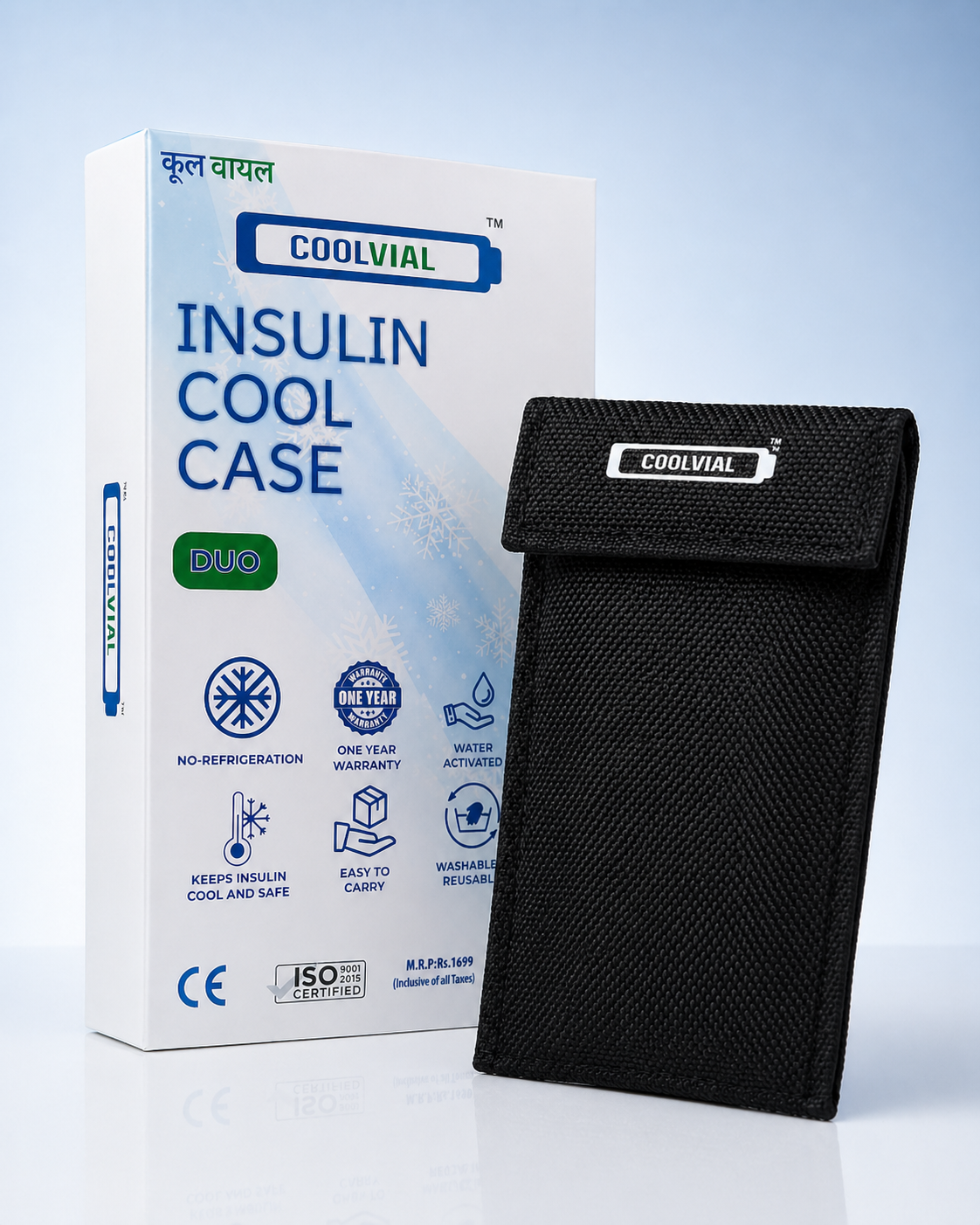
COOLVIAL keeps insulin at 2-8°C for 48+ hours. No electricity needed. Trusted by 10,000+ diabetics.
When insulin loses its potency, it fails to lower blood glucose levels as expected. This can lead to hyperglycaemia, requiring higher doses or leading to poor glycemic control, which, over time, can result in serious health complications such as nerve damage, kidney disease, and cardiovascular problems. Therefore, strict adherence to storage guidelines is paramount for anyone living with diabetes.
Unopened Insulin Storage
Unopened insulin vials, pens, or cartridges must be stored in a refrigerator. The ideal temperature range is between 2°C and 8°C (36°F and 46°F). This is the standard recommendation from manufacturers and health organizations worldwide, including the World Health Organization (WHO). Storing insulin at these temperatures ensures its maximum shelf life, typically until the expiry date printed on the packaging. It is crucial to avoid storing insulin in the freezer compartment, as freezing destroys insulin. If insulin accidentally freezes, it must be discarded, even if it thaws later.
Opened Insulin Storage
Once an insulin vial or pen is opened, its storage requirements change. It no longer needs to be refrigerated and can be kept at room temperature, typically below 25°C to 30°C, depending on the specific product. However, the shelf life of opened insulin is significantly shorter, usually 28 days (four weeks). Some specific insulin types or pens might have slightly different durations, ranging from 10 days to up to 42 days (six weeks), so always check the manufacturer’s instructions for your specific brand. Storing opened insulin in the refrigerator after initial use is generally not recommended as frequent temperature changes can also affect its stability.
Signs of Spoiled Insulin
It’s vital to recognize the signs of spoiled insulin. Insulin should always appear clear and colourless, resembling water. Any changes in appearance indicate that the insulin may have degraded and should not be used.
Signs to look for include:
- Cloudiness or particles: Clear insulin (like Regular, Aspart, Lispro, Glulisine) should never be cloudy. If it becomes cloudy or has visible particles, it’s spoiled.
- Discoloration: Any change in color, such as turning yellow or brown, means it’s degraded.
- Clumping or “frosting”: If the insulin appears clumpy or looks like it has “frost” on the inside of the vial, discard it.
- Change in consistency: If the insulin feels gritty or doesn’t flow smoothly, it may be compromised.
- Loss of efficacy: If your blood sugar levels are consistently high despite injecting your usual dose, your insulin might have lost its potency, even if it looks normal.
Insulin Storage Temperature Guidelines:
| Condition | Temperature Range | Duration | Appearance |
|---|---|---|---|
| Unopened | 2°C to 8°C (Refrigerated) | Until expiry date | Clear (most types), or uniformly cloudy |
| Opened | Below 25°C (Room Temperature) | 28 days (check specific product label) | Clear (most types), or uniformly cloudy |
| Avoid | Below 0°C (Freezing) | Permanent damage | Icy, clumped |
| Avoid | Above 30°C (Excessive Heat) | Rapid degradation (hours to minutes) | Cloudy, discolored, clumpy |
By understanding these fundamental principles, individuals can proactively manage their insulin storage, protecting its integrity and ensuring effective diabetes management.
Mastering Bengaluru Weather and Insulin Storage: Practical Tips for Daily Life
10 Essential Tips for Bengaluru Weather and Insulin Storage: Year-Round Guide for India
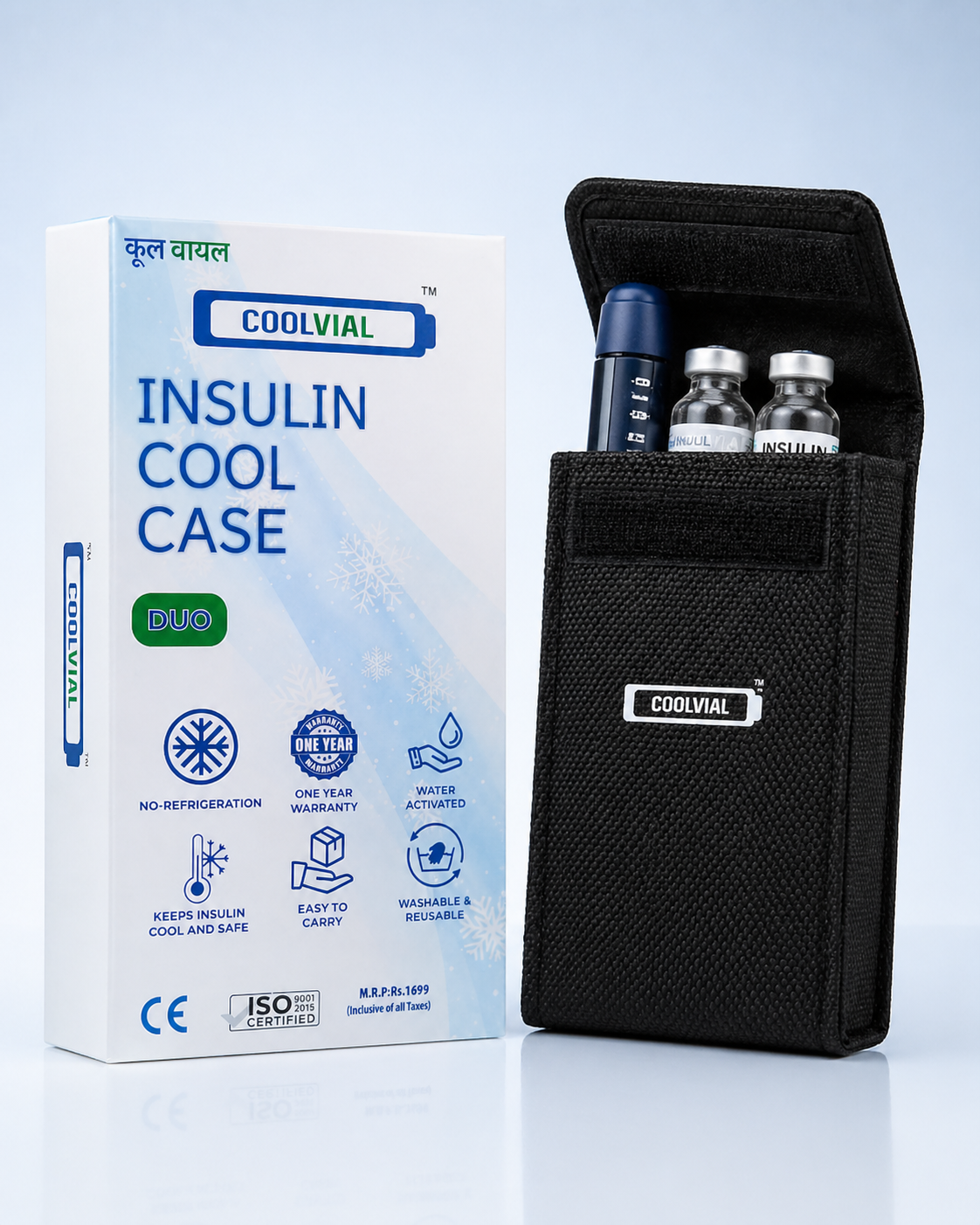
COOLVIAL keeps insulin at 2-8°C for 48+ hours. No electricity needed. Trusted by 10,000+ diabetics.
Effectively managing insulin storage in Bengaluru, with its moderate yet sometimes challenging climate, requires a blend of awareness and practical strategies. The goal is to keep insulin within its safe temperature range, whether at home, at work, or while travelling. Here are 10 essential tips for year-round insulin storage, tailored for the Indian context.
- Always Refrigerate Unopened Insulin: This is non-negotiable. Store all unopened insulin vials, pens, or cartridges in the main compartment of your refrigerator (2-8°C). Avoid the door, which experiences more temperature fluctuations, and never the freezer.
- Monitor Your Refrigerator Temperature: Invest in a small, inexpensive refrigerator thermometer. Regularly check that your fridge maintains the ideal 2-8°C range. This is especially important during Bengaluru’s warmer months or after power outages.
- Store Opened Insulin Correctly: Once opened, insulin can be stored at room temperature (below 25°C, or up to 30°C for some brands – always check your specific insulin’s leaflet). Keep it in a cool, dark place away from direct sunlight, windows, and heat sources like stoves or water heaters.
- Understand Insulin’s “Use-by” Period: Remember the 28-day rule for most opened insulin. Write the date of opening on the vial or pen with a permanent marker to avoid confusion. Discard it after this period, even if it looks fine.
- Utilize Insulin Cool Cases for Travel and Outings: For daily commutes, errands, or longer journeys, an insulin cool case is indispensable. Products like the COOLVIAL insulin cool case are specifically designed to maintain safe temperatures for hours, protecting insulin from external heat.
- Avoid Leaving Insulin in Vehicles: Car interiors can become extremely hot, even in Bengaluru’s moderate climate, reaching well over 40°C in direct sunlight. Never leave insulin in a parked car, scooter, or auto-rickshaw.
- Plan for Power Outages: Given the common occurrence of power cuts in India, have a backup plan. A good quality cool case can keep insulin safe during short outages. For longer durations, consider a neighbour’s fridge or a local pharmacy’s cold storage, if accessible and safe.
- Carry a Backup Supply: Always carry an extra vial or pen, especially when traveling or if your current supply is nearing its expiry. This provides a buffer against accidental damage or spoilage.
- Protect from Direct Sunlight: Even indirect sunlight can raise insulin’s temperature. Always store insulin in its original box or a protective case to shield it from light.
- Educate Family and Caregivers: Ensure your family members, friends, or caregivers understand these vital insulin storage tips. Their awareness can be crucial, especially in emergencies or when you’re not able to manage your medication yourself. For more comprehensive guidance, refer to these insulin storage tips.
By integrating these practical strategies into your daily routine, you can confidently manage your diabetes in Bengaluru and beyond. These simple yet effective measures are key to maintaining the potency of your insulin and ensuring consistent blood sugar control.
India-Specific Context: Navigating Diverse Climates and Travel
India’s vast geographical landscape means a wide spectrum of climatic conditions, each posing unique challenges for insulin storage. From the humid coastal regions to the scorching northern plains and the relatively cooler Deccan Plateau, understanding these variations is crucial for effective diabetes management. Bengaluru, with its generally pleasant weather, still experiences its share of heat, especially between March and May, with temperatures often touching 35°C.
Consider the stark contrast: while Bengaluru might hover around 30°C, cities like Delhi, Jaipur, and Lucknow routinely experience summer temperatures exceeding 45°C. Even during winter, temperatures can drop significantly, especially in northern states, bringing new concerns about preventing insulin from freezing. This regional diversity demands a flexible yet robust approach to insulin protection.
Regional Climate Challenges and Solutions
- Northern Plains (Delhi, Uttar Pradesh, Punjab): Characterized by extreme summers (40-48°C) and cold winters (0-10°C).
- Summer: Absolute necessity for reliable cool cases or refrigeration. Frequent power cuts mean portable cooling solutions are vital.
- Winter: Protect from freezing. Do not store insulin near windows or in unheated vehicles overnight.
- Coastal Regions (Mumbai, Chennai, Kolkata): High temperatures (30-38°C) combined with very high humidity year-round.
- Humidity: While not directly spoiling insulin, high humidity can affect packaging and make it harder for evaporative coolers to work efficiently. Focus on insulated, sealed solutions.
- Heat: Constant need for active cooling.
- Deccan Plateau (Bengaluru, Hyderabad, Pune): Moderate temperatures (20-35°C) with occasional spikes.
- Moderation: Less extreme, but complacency can be dangerous. Even 30-32°C can degrade insulin over time. Consistent cool storage is still key.
- Rainy Season: Monsoon brings humidity; ensure storage is waterproof and insulated.
Travel and Infrastructure Considerations
Traveling across India, whether for work, family visits, or festivals, introduces significant variables. Long train journeys, crowded bus rides, or even short trips in an auto-rickshaw can expose insulin to uncontrolled environments.
- Public Transport: Temperatures inside buses and non-AC train compartments can be significantly higher than outside. Direct sunlight through windows is a major risk. Always carry insulin in a personal insulated cool case, preferably kept close to you and out of direct sunlight.
- Power Cuts: India faces significant power infrastructure challenges. A 2023 report indicated that 78% of Indian households face daily power cuts in summer. This directly impacts refrigerator reliability. A passive cool case, which doesn’t require electricity, offers crucial protection during such outages.
- Cultural Practices and Festivals: During festivals like Diwali, Holi, or Ganesh Chaturthi, travel increases, and routines change. People might be out for extended periods, making portable insulin storage even more critical. Food preparation and celebrations can also lead to warmer indoor environments.
- Rural vs. Urban: Access to reliable refrigeration and air conditioning might differ significantly between urban centres and rural areas. In rural settings, innovative solutions like clay pot coolers (when effective for the specific temperature range) or a robust cool case become even more important.
Indian Climate Zones and Insulin Storage Tips:
| Climate Zone | Typical Conditions | Primary Insulin Storage Risk | Recommended Action |
|---|---|---|---|
| Northern Plains | Extreme hot summers (>45°C), cold winters (<10°C) | Heat degradation, freezing in winter | Always use cool cases in summer; protect from cold in winter; plan for power cuts. |
| Coastal Regions | Hot, very high humidity (30-38°C) | Heat degradation, moisture exposure | Use well-sealed, insulated cool cases; ensure no condensation build-up. |
| Deccan Plateau | Moderate temperatures (20-35°C), occasional spikes | Intermittent heat exposure | Consistent use of cool cases for daily commutes; monitor fridge during warmer months. |
| Northeast & Hills | Moderate to cool, high humidity | Freezing in higher altitudes, humidity | Protect from cold; ensure waterproof storage for humidity. |
Navigating these diverse conditions requires a conscious effort to protect insulin. A reliable, portable solution that can withstand these environmental pressures is not just a convenience but a necessity for maintaining health and peace of mind for Indian diabetics.
COOLVIAL: Your Smart Partner for Bengaluru Weather and Insulin Storage
In the challenging and diverse climate of India, especially with the fluctuating conditions of Bengaluru weather and insulin storage needs, having a dependable solution for keeping insulin cool is paramount. This is where COOLVIAL steps in, offering a practical and effective answer to the everyday dilemmas faced by diabetics. COOLVIAL insulin cool cases are designed with the specific Indian environment in mind, providing peace of mind whether you’re at home, commuting, or traveling across the country.
The core benefit of a COOLVIAL cool case lies in its ability to maintain the optimal temperature range for insulin without requiring electricity or ice packs that need constant freezing. This makes it an ideal solution for situations common in India:
- Frequent Power Cuts: During long hours of power outages, your refrigerator might fail, but a COOLVIAL case continues to protect your insulin.
- Daily Commutes: Whether you’re navigating Bengaluru’s traffic jams in an auto-rickshaw or taking public transport, your insulin remains safe from the heat.
- Travel: Long train journeys from
10 Essential Tips for Bengaluru Weather and Insulin Storage: Year-Round Guide for India
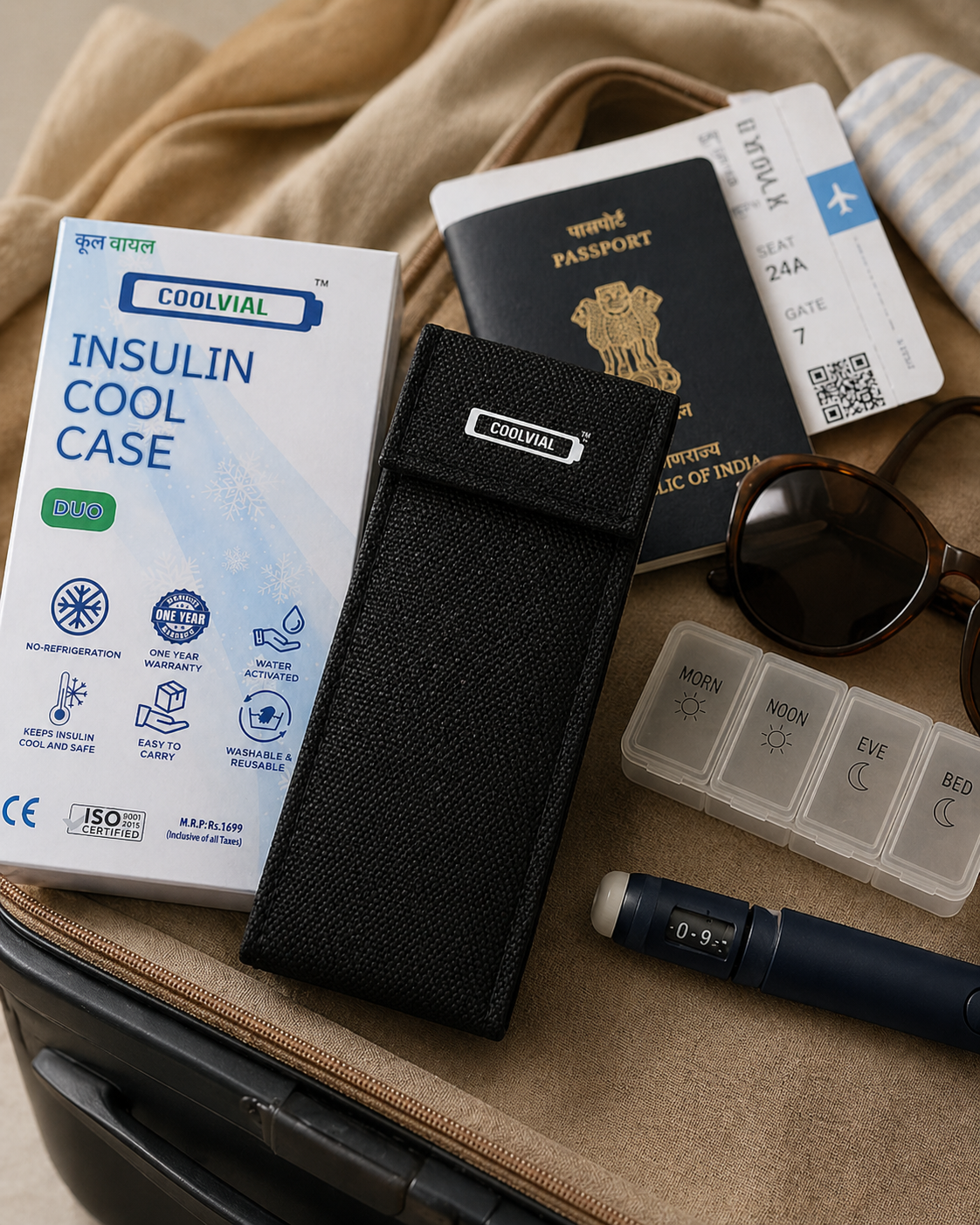
Keep your insulin safe in India's extreme heat. COOLVIAL works for 48+ hours without electricity.