
Reviewed by the COOLVIAL Editorial Team — specialists in insulin storage for Indian climate conditions.
For new mothers in India managing diabetes, safely storing insulin while breastfeeding is paramount. Unopened insulin should be kept refrigerated between 2°C and 8°C, while opened vials or pens can typically be stored at room temperature (up to 25-30°C) for 28 days. Protecting insulin from extreme heat, direct sunlight, and freezing is critical to maintain its efficacy and ensure proper blood sugar management for both mother and baby. Following these 7 essential breastfeeding insulin storage tips for new mothers in India will help maintain insulin potency and support maternal and infant health.
Introduction
Becoming a new mother is a beautiful, transformative experience, but for women in India living with diabetes, it also brings unique challenges, especially concerning medication management. If you’re a new mother who is breastfeeding and relies on insulin, understanding proper insulin storage is not just a recommendation—it’s a critical aspect of your health and your baby’s well-being. The fluctuating temperatures and diverse climates across India, from the scorching summers of Rajasthan to the humid monsoons of Kerala, add an extra layer of complexity to these essential routines.
This comprehensive guide is designed to provide clear, actionable breastfeeding insulin storage tips for new mothers in India. We will delve into why proper storage is vital, explain the core principles of insulin care, and offer practical, India-specific advice to help you navigate this period with confidence. You’ll learn how to keep your insulin safe, effective, and readily available, whether you’re at home, travelling, or dealing with common challenges like power cuts. Our aim is to empower you with the knowledge needed to ensure both your diabetes management and your breastfeeding journey are as smooth as possible.
Table of Contents
- Why Breastfeeding Insulin Storage Matters in India
- Core Concepts of Insulin Storage: How It Works
- 7 Practical Breastfeeding Insulin Storage Tips for New Mothers in India
- India-Specific Context: Climate, Travel, and Power Cuts
- COOLVIAL as Your Trusted Insulin Storage Solution
- Quick Reference: Breastfeeding Insulin Storage FAQ
- Conclusion
Why Breastfeeding Insulin Storage Matters in India
For new mothers with diabetes, particularly in India, the proper storage of insulin isn’t merely a matter of convenience; it’s a fundamental pillar of effective diabetes management and overall well-being. Insulin is a life-saving medication, but its delicate protein structure makes it highly susceptible to degradation when exposed to improper temperatures. When insulin loses its potency, it becomes less effective at lowering blood glucose, leading to uncontrolled sugar levels. This can pose significant risks to a new mother, potentially impacting her energy levels, recovery from childbirth, and even her ability to adequately care for her newborn.
The stakes are even higher in the Indian context. India is often referred to as the “diabetes capital of the world,” with 101 million people living with diabetes in 2023, according to the International Diabetes Federation (IDF). This widespread prevalence means many new mothers are managing this condition. Furthermore, India’s diverse and often extreme climate conditions—ranging from the intense dry heat of Delhi and Uttar Pradesh to the high humidity of Mumbai and Chennai—present constant challenges for maintaining the integrity of insulin. Temperatures can easily exceed 40°C in many regions during summer, far surpassing the safe storage limits for insulin.
Beyond climate, daily life in India often involves travel—whether for family visits, pilgrimages, or commuting—and frequent, sometimes unpredictable, power cuts. A study by the Council on Energy, Environment and Water (CEEW) in 2022 found that 78% of Indian households experienced daily power cuts, especially during peak summer months. These factors directly threaten insulin stability if not adequately addressed. Compromised insulin can lead to unpredictable blood sugar levels, increasing the risk of both hyperglycemia (high blood sugar) and hypoglycemia (low blood sugar), which can be particularly dangerous when a mother is responsible for a newborn.
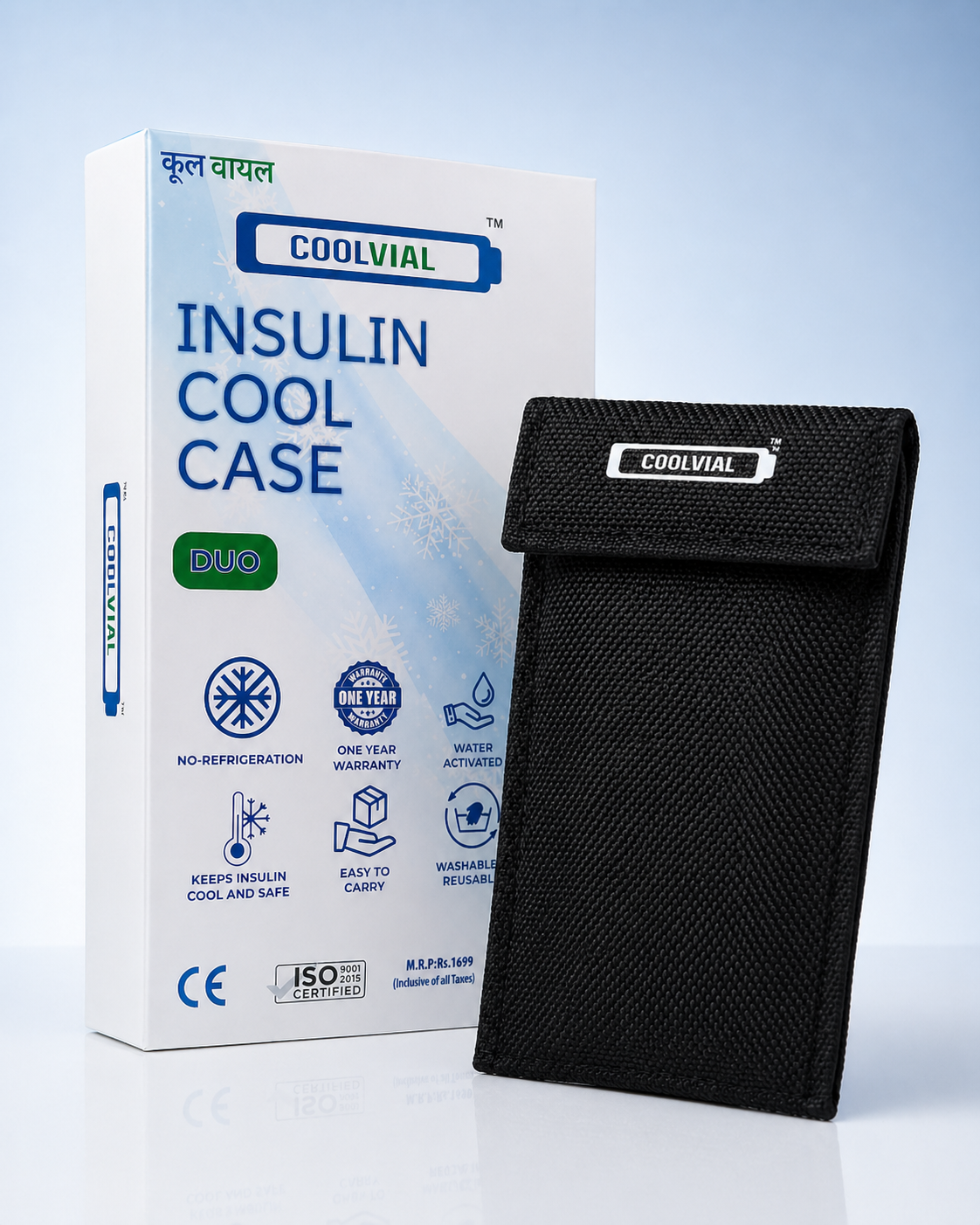
Breastfeeding & Insulin: 7 Essential Storage Tips for New Mothers in India
COOLVIAL keeps insulin at 2-8°C for 48+ hours. No electricity needed. Trusted by 10,000+ diabetics.
Moreover, breastfeeding itself requires a mother to be in optimal health. Unstable blood sugar due to ineffective insulin can lead to fatigue, irritability, and a decreased milk supply, undermining the breastfeeding journey. Therefore, understanding and implementing robust breastfeeding insulin storage tips for new mothers in India is not just about medication; it’s about protecting the health of both mother and child, ensuring the mother has the energy and stability needed to nurture her baby, and maintaining the efficacy of a vital treatment.
Core Concepts of Insulin Storage: How It Works
Understanding the fundamental principles of insulin storage is crucial for any diabetic, and especially for new mothers balancing breastfeeding with diabetes management. Insulin is a protein hormone, and like many proteins, its structure is sensitive to temperature extremes. Deviations from recommended storage conditions can cause the insulin molecules to break down, leading to a loss of potency. This means that even if the insulin looks normal, it might not work effectively to lower blood sugar.
1. Temperature Ranges: The Golden Rules
The most critical aspect of insulin storage revolves around temperature. There are generally two main temperature guidelines:
- Unopened Insulin: Vials, cartridges, or pens that have not been opened should always be stored in a refrigerator. The ideal temperature range is 2°C to 8°C (36°F to 46°F). This ensures maximum shelf life, often until the expiration date printed on the packaging. Storing insulin below 2°C risks freezing, which can damage the insulin and render it ineffective.
- Opened or In-Use Insulin: Once an insulin vial or pen is opened, it can typically be stored at room temperature, but specific limits apply. Most manufacturers recommend storing opened insulin at 15°C to 30°C (59°F to 86°F). It’s vital to check the manufacturer’s specific guidelines for your particular insulin brand, as some may vary slightly (e.g., some insulins might tolerate up to 25°C or 30°C). Once opened, insulin has a limited shelf life, usually 28 days for vials and pens, though some pens might last up to 42 days (6 weeks). After this period, even if there’s insulin remaining, it should be discarded.
2. Avoiding Extremes: Heat and Freezing
Both excessive heat and freezing temperatures are detrimental to insulin.
- Heat: Exposure to temperatures above 30°C significantly accelerates insulin degradation. In India’s hot climate, this is a constant threat. Direct sunlight, leaving insulin in a car, or placing it near heat sources (like a stove or heater) must be avoided. High heat can cause insulin to clump, change colour, or become cloudy, indicating it’s no longer safe or effective.
- Freezing: If insulin freezes, its protein structure is permanently damaged. Even if it thaws, it will not be effective and must be discarded. This is particularly relevant when storing insulin in a refrigerator, ensuring it’s not placed against the back wall where temperatures can drop below 2°C.
3. Light Exposure:
 Cool Case" style="width:120px;height:120px;object-fit:contain;border-radius:8px;flex-shrink:0;">
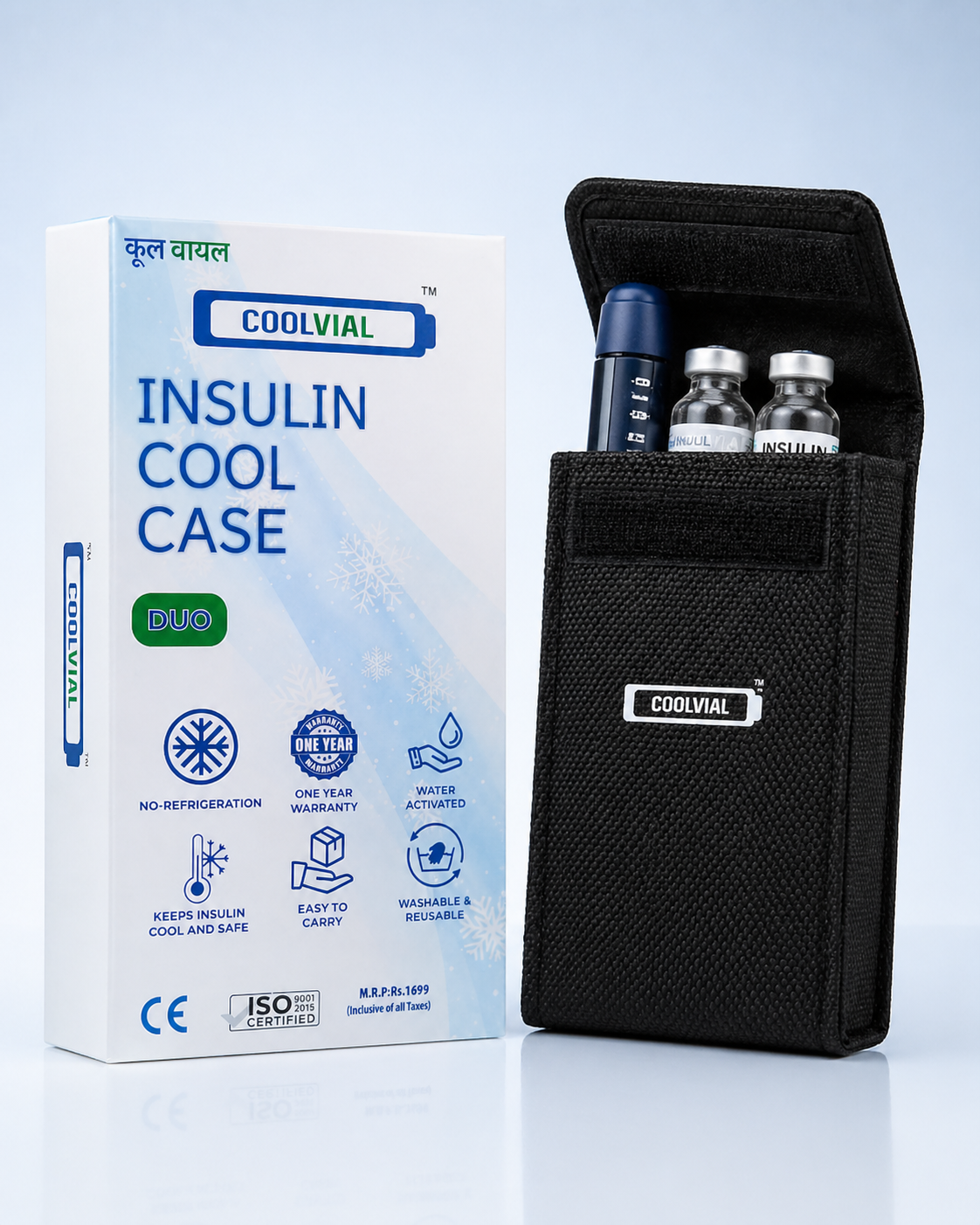
Breastfeeding & Insulin: 7 Essential Storage Tips for New Mothers in India
Keep your insulin safe in India's extreme heat. COOLVIAL works for 48+ hours without electricity.
Insulin should also be protected from direct light, especially sunlight. Prolonged exposure to light can cause insulin to break down. Always keep insulin in its original packaging or a protective case to shield it from light.
4. Visual Inspection:
Before each use, always visually inspect your insulin.
- Clear Insulin: Rapid-acting and long-acting insulins (like Novorapid, Humalog, Lantus, Levemir, Toujeo) should be clear and colourless. If they appear cloudy, discoloured, or have particles, they should not be used.
- Cloudy Insulin: Intermediate-acting insulins (like NPH, Humulin N, Novolin N) are naturally cloudy. However, they should be uniformly cloudy after gentle rolling. If they appear clumpy, granular, or have solid particles, they should be discarded.
These core concepts form the foundation for all breastfeeding insulin storage tips for new mothers in India. Adhering to these guidelines ensures that every dose of insulin you take is potent and effective, supporting stable blood glucose levels crucial for both you and your baby. (Source: WHO Fact Sheet on Diabetes)
Here’s a quick reference table for insulin storage:
| Storage Type | Condition | Temperature Range | Duration | Key Considerations |
|---|---|---|---|---|
| Unopened | Refrigerated | 2°C to 8°C (36°F to 46°F) | Until Expiration Date | Protect from freezing, do not store in freezer. |
| Opened / In-Use | Room Temperature | 15°C to 30°C (59°F to 86°F) | 28 days (check manufacturer for exact) | Protect from direct sunlight, extreme heat, and cold. |
| Travel | Portable Cool Case | Within specified range | As needed | Use a reliable cool case to maintain temperature. |
| Emergency | No refrigeration | Below 30°C (86°F) | Max 28 days for in-use | Prioritise cool, dark place. Seek stable storage ASAP. |
7 Practical Breastfeeding Insulin Storage Tips for New Mothers in India
Managing diabetes while breastfeeding requires meticulous attention to every detail, especially insulin storage. Given India’s diverse climate and daily challenges, these practical breastfeeding insulin storage tips for new mothers in India are designed to keep your insulin safe and effective.
-
Always Refrigerate Unopened Insulin Correctly:
- Placement: Store unopened insulin vials or pens in the main compartment of your refrigerator, not in the door (where temperatures fluctuate) or against the back wall (where it might freeze). The ideal range is 2°C to 8°C.
- Monitoring: Consider placing a small thermometer inside your refrigerator to monitor the temperature accurately. This is especially useful during power fluctuations common in many Indian cities and rural areas.
- Quantity: Only keep a month’s supply of opened insulin at room temperature. The rest should remain refrigerated.
-
Understand “Room Temperature” in the Indian Context:
- Reality Check: The “room temperature” specified by insulin manufacturers (typically up to 25°C or 30°C) often doesn’t align with actual room temperatures in many parts of India, especially during summer. In cities like Nagpur, Chennai, or Ahmedabad, indoor temperatures can easily exceed 35°C.
- Coolest Spot: Identify the coolest, darkest spot in your home for opened insulin that you use daily. This might be a cupboard away from windows, direct sunlight, and heat-generating appliances.
- Air Conditioning: If you have air conditioning, consider storing your in-use insulin in that environment, but never place it directly in the blast of the AC, which could cause freezing.
-
Utilise an Insulin Cool Case for Travel and Daily Errands:
- Essential for Mobility: For new mothers, leaving the house for doctor’s appointments, family visits, or even a short trip to the market is common. Carrying insulin in a specialized cool case, like the COOLVIAL insulin cool case, is non-negotiable.
- Maintain Stability: These cases use cooling gels or evaporative cooling technology to maintain insulin within the safe temperature range for several hours, protecting it from India’s heat.
- Preparation: Always prepare your cool case in advance. For gel packs, ensure they are adequately frozen (but not too hard to damage the insulin) before placing them in the case.
-
Prepare for Power Cuts and Electrical Fluctuations:
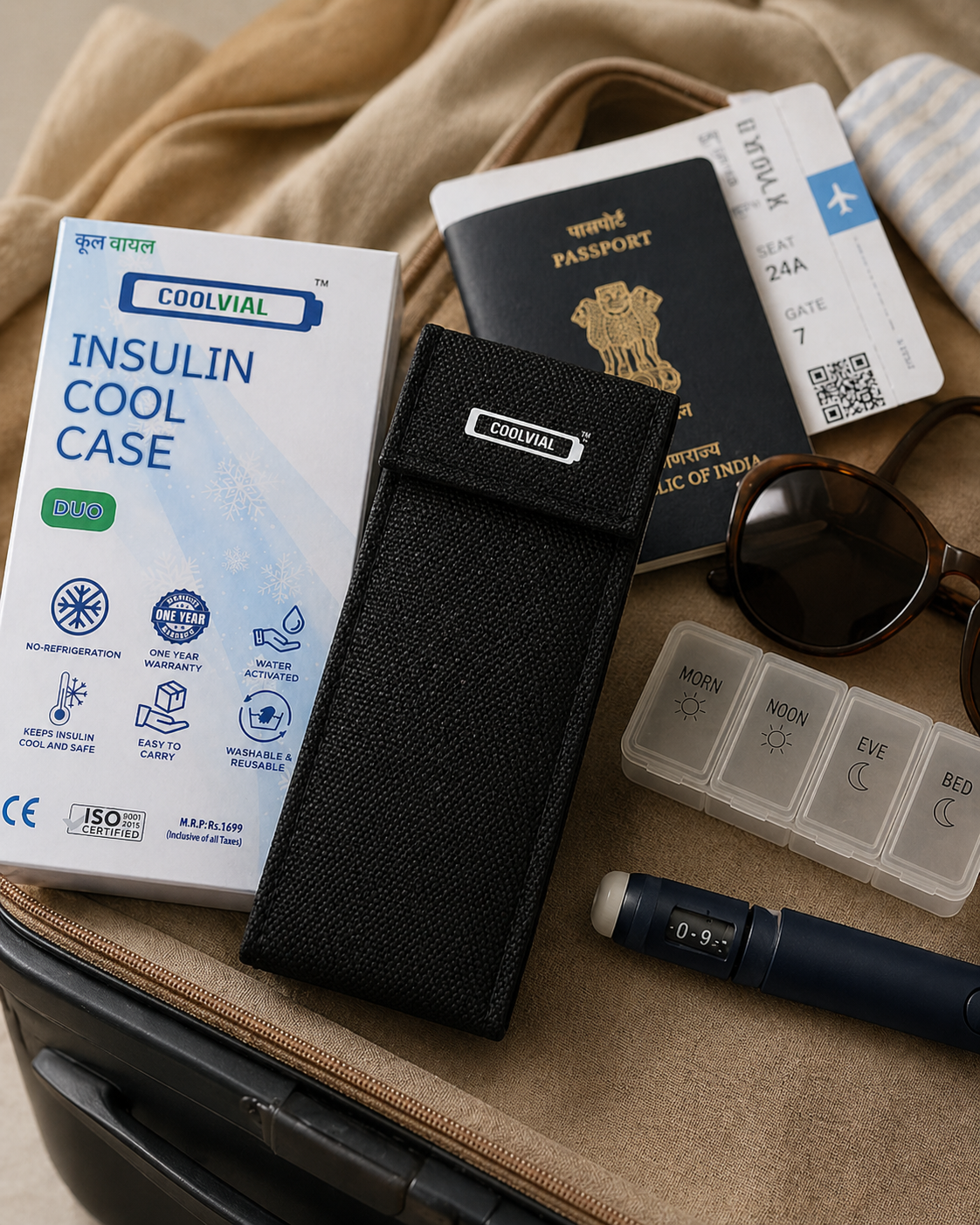
Breastfeeding & Insulin: 7 Essential Storage Tips for New Mothers in India
Keep your insulin safe in India's extreme heat. COOLVIAL works for 48+ hours without electricity.