
Reviewed by the COOLVIAL Editorial Team — specialists in insulin storage for Indian climate conditions.
Yes, the price difference for cheap vs premium insulin coolers in India is absolutely worth it for those who rely on insulin. Investing in a quality, premium insulin cooler is not merely a convenience; it’s a critical health safeguard, protecting your vital medication from spoilage in India’s often extreme climate conditions. With insulin requiring storage between 2-8°C to maintain its efficacy and spoiling rapidly above 30°C, a reliable cooling solution is non-negotiable. This article will explore 10 proven reasons why making this smart investment ensures your insulin remains potent, prevents costly wastage, and ultimately protects your health and peace of mind. You’ll learn the key differences, practical storage tips, and how a premium cooler provides unparalleled protection against the unique challenges of Indian weather and travel.
Table of Contents
- Why This Matters in India: The Critical Need for Reliable Insulin Storage
- Understanding Insulin Coolers: How They Work and What to Look For
- Cheap vs Premium Insulin Coolers in India: A Deep Dive into Value
- Navigating India’s Climate: Practical Tips for Insulin Storage Across Regions
- COOLVIAL’s Solution: Reliable Insulin Cooling for Every Indian
- Essential FAQs on Insulin Coolers and Storage in India
Why This Matters in India: The Critical Need for Reliable Insulin Storage
India faces a significant and growing challenge with diabetes. According to the International Diabetes Federation (IDF), India had an estimated 101 million people living with diabetes in 2023, making it one of the world’s diabetes capitals. This alarming statistic underscores the immense reliance on insulin by millions across the country. For these individuals, insulin is not just a medication; it is a lifeline, requiring meticulous care to ensure its efficacy. The integrity of insulin is paramount to effective diabetes management, directly impacting blood sugar control and preventing severe complications.
The effectiveness of insulin is highly dependent on its storage conditions. Unopened insulin vials and pens must be refrigerated at a temperature range of 2-8°C. Once opened, many insulins can be kept at room temperature (typically 15-25°C) for up to 28 days, but this is a critical detail often overlooked, especially in India’s diverse and challenging climatic zones. The problem intensifies when temperatures soar. Insulin begins to lose its potency rapidly when exposed to temperatures above 30°C and can become completely ineffective if it freezes or is exposed to extreme heat, such as temperatures exceeding 40°C for prolonged periods.
Consider the harsh realities of India’s climate. Summers in cities like Delhi and Jaipur routinely push temperatures beyond 45°C. Coastal regions such as Mumbai and Chennai grapple with high humidity, which can also impact medication stability. Even during cooler months, indoor temperatures in many parts of India can easily exceed the recommended 25°C for opened insulin. This makes consistent temperature control a formidable challenge for millions of diabetics. The stakes are incredibly high: compromised insulin can lead to dangerously high blood sugar levels, increasing the risk of diabetic ketoacidosis, organ damage, and other life-threatening complications.
Furthermore, frequent power cuts, a common occurrence even in major Indian cities, disrupt refrigeration, making traditional storage methods unreliable. For individuals who travel extensively by train, bus, or even two-wheelers across vast distances, ensuring insulin remains within its safe temperature window becomes an even more complex task. Without a dependable cooling solution, the risk of insulin spoilage is constant, turning a life-saving medication into a potentially harmful one. This is precisely why understanding the difference between cheap vs premium insulin coolers in India is not a luxury, but a necessity for safeguarding health.
- Consequences of Improper Insulin Storage:
- Loss of Potency: Insulin exposed to extreme heat or cold rapidly loses its ability to lower blood sugar.
- Unpredictable Blood Sugar Levels: Ineffective insulin leads to erratic blood glucose, making diabetes management difficult.
- Increased Health Risks: High blood sugar can cause acute complications like DKA and long-term damage to organs.
- Financial Waste: Spoiled insulin means wasted medication, a significant financial burden for many Indian families.
- Reduced Quality of Life: Constant worry about insulin storage adds stress to daily life.
Understanding Insulin Coolers: How They Work and What to Look For
Insulin coolers are specialized devices designed to maintain insulin within its therapeutic temperature range, typically 2-8°C for refrigerated insulin and up to 25°C for in-use vials or pens. Their core function is to insulate the medication from external temperature fluctuations, protecting it from both excessive heat and freezing cold. Understanding the various mechanisms and features of these coolers is crucial when evaluating cheap vs premium insulin coolers in India.
Basic Cooling Mechanisms
Different types of insulin coolers employ distinct technologies to achieve and maintain target temperatures. Each has its advantages and limitations, especially relevant in diverse Indian conditions.
- Gel Pack Coolers: These are the most common and often the cheapest option. They rely on reusable gel packs that are frozen beforehand and then placed around the insulin inside an insulated pouch or bag. The gel packs absorb heat from the surroundings, keeping the insulin cool.
- Pros: Inexpensive, simple to use, no electricity needed.
- Cons: Limited cooling duration (typically 4-12 hours), require pre-freezing (which might not be possible during travel or power cuts), can over-freeze insulin if gel packs are too cold or in direct contact.
- Evaporative Coolers (e.g., Frio bags): These bags work on the principle of evaporative cooling. They contain polymer crystals that, when soaked in water, absorb the water and expand into a gel. The evaporation of this water from the bag’s surface draws heat away from the contents, keeping them cool.
- Pros: No refrigeration needed, lightweight, reusable, can maintain temperatures for days.
- Cons: Requires access to water for activation, performance can be affected by very high humidity (common in coastal India), not suitable for refrigeration (2-8°C), usually keeps insulin at safe room temperature (18-26°C).
- Electric/Thermoelectric Coolers: These advanced coolers use electricity (AC, DC, or battery power) to actively cool or heat their contents, often maintaining a precise temperature range. They utilize a Peltier module for cooling.
- Pros: Precise temperature control, long-term cooling, no need for gel packs or water, suitable for extended travel.
- Cons: More expensive, requires a power source (battery life can be a concern), bulkier.
Key Features of Quality Coolers
When considering an insulin cooler, especially in a demanding environment like India, several features differentiate a basic, potentially risky option from a reliable, premium one. These features directly influence the cooler’s ability to protect your insulin consistently.
- Insulation Material: High-quality coolers use multi-layered, dense insulation (e.g., advanced foam, vacuum insulation panels) that effectively blocks heat transfer. Cheaper alternatives might use thinner, less effective materials.
- Temperature Stability: A premium cooler maintains a steady temperature within the safe range (2-8°C or 15-25°C) for extended periods, even when external temperatures fluctuate wildly. This is achieved through superior insulation and, in some cases, active cooling mechanisms or phase-change materials that absorb latent heat.
- Durability and Build Quality: A robust design, high-quality zippers, sturdy exterior materials, and leak-proof construction ensure the cooler withstands daily use, travel, and various weather conditions without failing.
- Portability and Capacity: A good cooler balances adequate capacity for your insulin supply with a compact, lightweight design that is easy to carry during daily commutes or longer journeys.
- Temperature Monitoring: Some premium models include built-in thermometers or indicators, providing real-time temperature feedback, which is invaluable for peace of mind.
10 Proven Reasons Why Premium Insulin Coolers in India Are Worth the Price
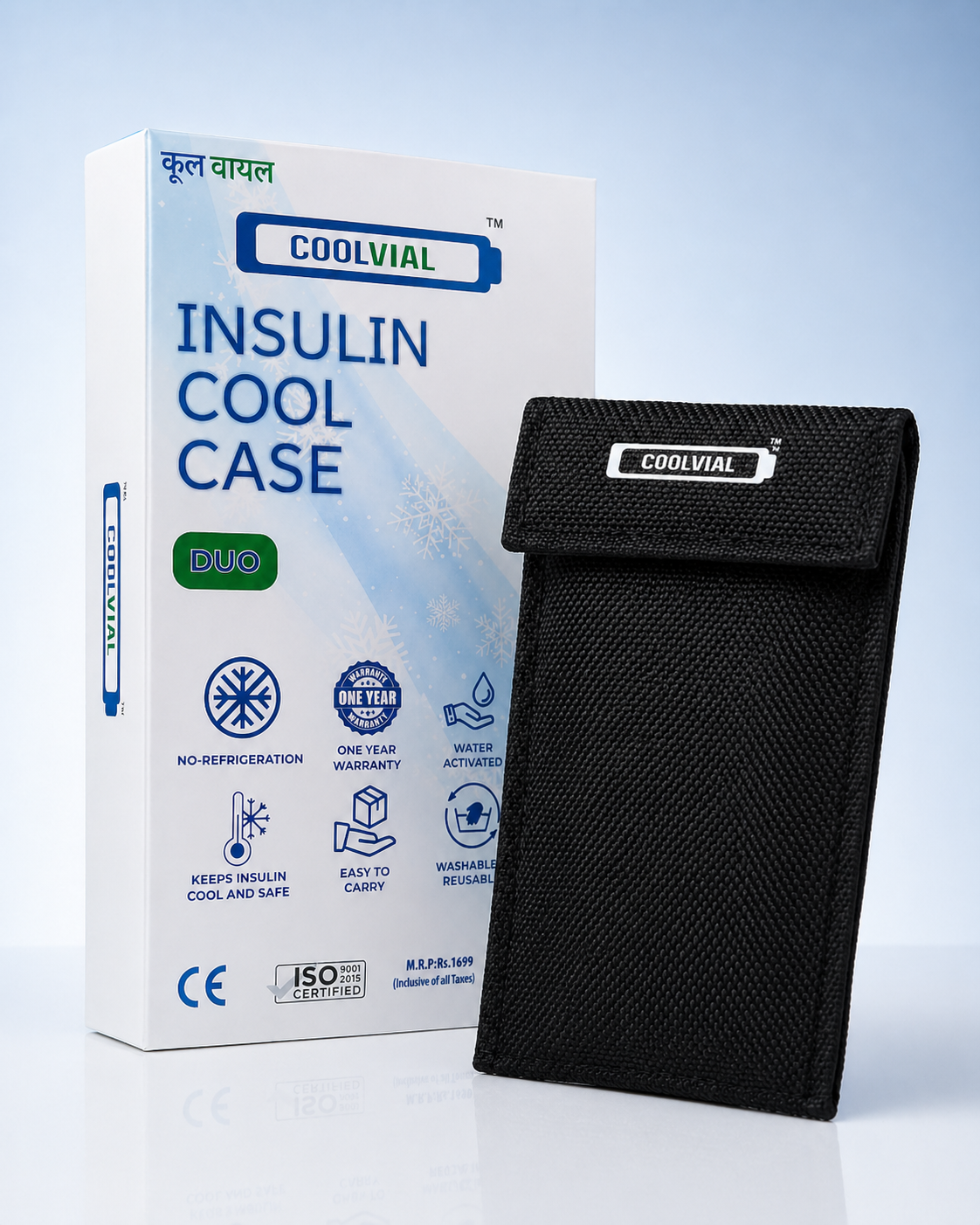
Don't let Indian heat spoil your insulin. COOLVIAL protects it for 48+ hours — at home, travelling, or during power cuts.
Understanding these mechanisms and features is the first step in appreciating why the choice between cheap vs premium insulin coolers in India is a decision between adequate protection and optimal, reliable safety for your essential medication.
| Cooling Mechanism | How it Works | Temperature Range | Ideal Use Case | Pros | Cons |
|---|---|---|---|---|---|
| Gel Pack | Pre-frozen gel packs absorb heat from contents. | 2-8°C (if frozen well) to room temp | Short trips, daily use with fridge access | Low cost, simple | Requires freezer, limited duration, risk of freezing |
| Evaporative | Water absorption by polymer crystals, then evaporation. | 18-26°C (safe room temp) | Travel without refrigeration, moderate climates | No electricity/freezing, lightweight | Affected by high humidity, not for refrigeration |
| Electric/Thermoelectric | Active cooling using electricity (Peltier effect). | Precise 2-8°C or set temperature | Long-term travel, camping, consistent cooling | Precise control, long duration, no consumables | High cost, requires power source, bulky |
Cheap vs Premium Insulin Coolers in India: A Deep Dive into Value
When it comes to insulin storage, the terms “cheap” and “premium” often reflect more than just a price tag; they represent a fundamental difference in reliability, technology, and ultimately, the safety of your medication. The decision between cheap vs premium insulin coolers in India involves weighing initial cost against long-term benefits, potential risks, and peace of mind.
The Allure of “Cheap” Options
“Cheap” insulin coolers typically refer to basic insulated pouches, DIY solutions using regular ice packs, or low-cost gel-based bags. These options are attractive due to their minimal upfront investment. A simple insulated bag might cost a few hundred rupees, and ordinary ice packs are readily available. Many individuals, especially those with limited budgets, might opt for these, believing they offer sufficient protection.
- Common “Cheap” Options:
- Basic insulated lunch bags with generic ice packs.
- Simple foam boxes with frozen water bottles.
- Low-grade gel pack pouches from local markets.
While these options might offer some cooling for a very short duration, their effectiveness quickly diminishes, especially when exposed to India’s intense heat. The insulation is often inadequate, leading to rapid temperature fluctuations. Generic ice packs can freeze insulin if in direct contact or thaw quickly, leaving insulin vulnerable to heat. The lack of temperature stability is the most significant drawback, turning a seemingly economical choice into a potentially dangerous gamble with your health.
The Case for “Premium” Investment
Premium insulin coolers, on the other hand, incorporate advanced engineering, superior materials, and often, more sophisticated cooling technologies. Brands like COOLVIAL fall into this category, offering specialized solutions designed for optimal insulin preservation. While the initial investment is higher (e.g., COOLVIAL at ₹1,099), the value proposition extends far beyond the price.
- Superior Temperature Control: Premium coolers are engineered to maintain a precise temperature range (e.g., 2-8°C or 15-25°C) for much longer durations, often 24-72 hours or more, even in ambient temperatures exceeding 35-40°C. This is crucial for insulin, which is highly sensitive to temperature deviations.
- Advanced Insulation: They utilize multi-layered, high-density insulation materials that effectively block heat transfer, preventing both overheating and freezing. This robust barrier ensures consistent internal temperatures.
- Durable Construction: Built with high-quality, resilient materials, premium coolers are designed to withstand daily wear and tear, rough travel, and various environmental conditions without compromising their integrity. This means a longer product lifespan and fewer replacements.
- Reliable Cooling Elements: Instead of generic ice packs, premium coolers often use specialized gel packs or phase-change materials that are designed to thaw slowly and maintain a specific temperature without freezing the insulin. Some might use advanced evaporative cooling that performs better in varying humidity.
- Peace of Mind: Knowing your insulin is safely stored and potent reduces anxiety, allowing you to focus on your daily life, work, and travel without constant worry about medication spoilage.
- Cost-Effectiveness in the Long Run: While initially more expensive, a premium cooler prevents insulin spoilage, saving you the recurring cost of replacing damaged medication. Considering the price of insulin, a single instance of spoilage can easily outweigh the cost of a premium cooler.
- Designed for Indian Conditions: Many premium brands understand the unique challenges of the Indian climate – extreme heat, humidity, and power cuts – and design their products accordingly, offering solutions that are truly effective in these conditions.
- Enhanced Portability and Convenience: Despite superior insulation, many premium coolers are designed to be lightweight and compact, making them easy to carry on daily commutes, business trips, or family vacations.
- Protection Against Freezing: Just as harmful as overheating, freezing can also destroy insulin. Premium coolers are designed to prevent direct contact with overly cold elements, safeguarding against this risk.
- Better for Active Lifestyles: For active individuals, students, or professionals who are constantly on the go, a premium cooler provides the reliability needed to maintain their health routine without interruption.
The true value of a premium insulin cooler lies in its reliability and the consistent protection it offers. The initial price difference for cheap vs premium insulin coolers in India pales in comparison to the potential health risks and financial burden of spoiled insulin. It is an investment in your health and well-being.
Navigating India’s Climate: Practical Tips for Insulin Storage Across Regions
India’s vast geographical landscape presents a myriad of climatic challenges for insulin storage. From the scorching deserts of Rajasthan to the humid coasts of Kerala and the chilly mountains of the North, ensuring insulin remains within its safe temperature window requires region-specific strategies. Understanding these nuances is critical for effective diabetes management.
Regional Climate Challenges and Solutions
- North Indian Plains (Delhi, Uttar Pradesh, Punjab, Haryana):
- Challenge: Extreme summer heat (often exceeding 45°C) and cold winters (near freezing). Frequent power cuts are common, especially in rural areas.
- Tips: During summers, always use a reliable insulin cool case. Avoid leaving insulin in parked cars, which can become ovens. During winters, protect insulin from freezing; don’t place it directly near windows or in unheated rooms overnight. A good cooler provides insulation against both extremes.
- West & Central India (Rajasthan, Gujarat, Madhya Pradesh):
- Challenge: Desert heat in Rajasthan can be brutal. Gujarat and MP also experience high summer temperatures.
- Tips: Prioritize evaporative coolers if refrigeration isn’t consistently available, but supplement with gel packs if 2-8°C is needed. Hydrate cooling bags frequently. Always carry a backup plan for storage.
- South Indian States (Karnataka, Tamil Nadu, Kerala, Andhra Pradesh, Telangana):
- Challenge: High humidity year-round, especially in coastal cities like Chennai and Kochi. Temperatures can be consistently warm, even in “winter.”
- Tips: While evaporative coolers work, their efficiency can drop in very high humidity. Opt for well-sealed, insulated coolers that can withstand moisture. Ensure insulin is never exposed to direct sunlight, even indoors. A robust cool case is essential here.
- East & Northeast India (West Bengal, Odisha, Assam):
- Challenge: Humid, hot summers and monsoon seasons. Moderate winters.
- Tips: Focus on waterproof and humidity-resistant cool cases. During monsoons, ensure the cooler’s exterior remains dry to prevent mold growth on the bag itself. Consider the impact of prolonged travel on local buses or trains, which may lack air conditioning.
10 Proven Reasons Why Premium Insulin Coolers in India Are Worth the Price
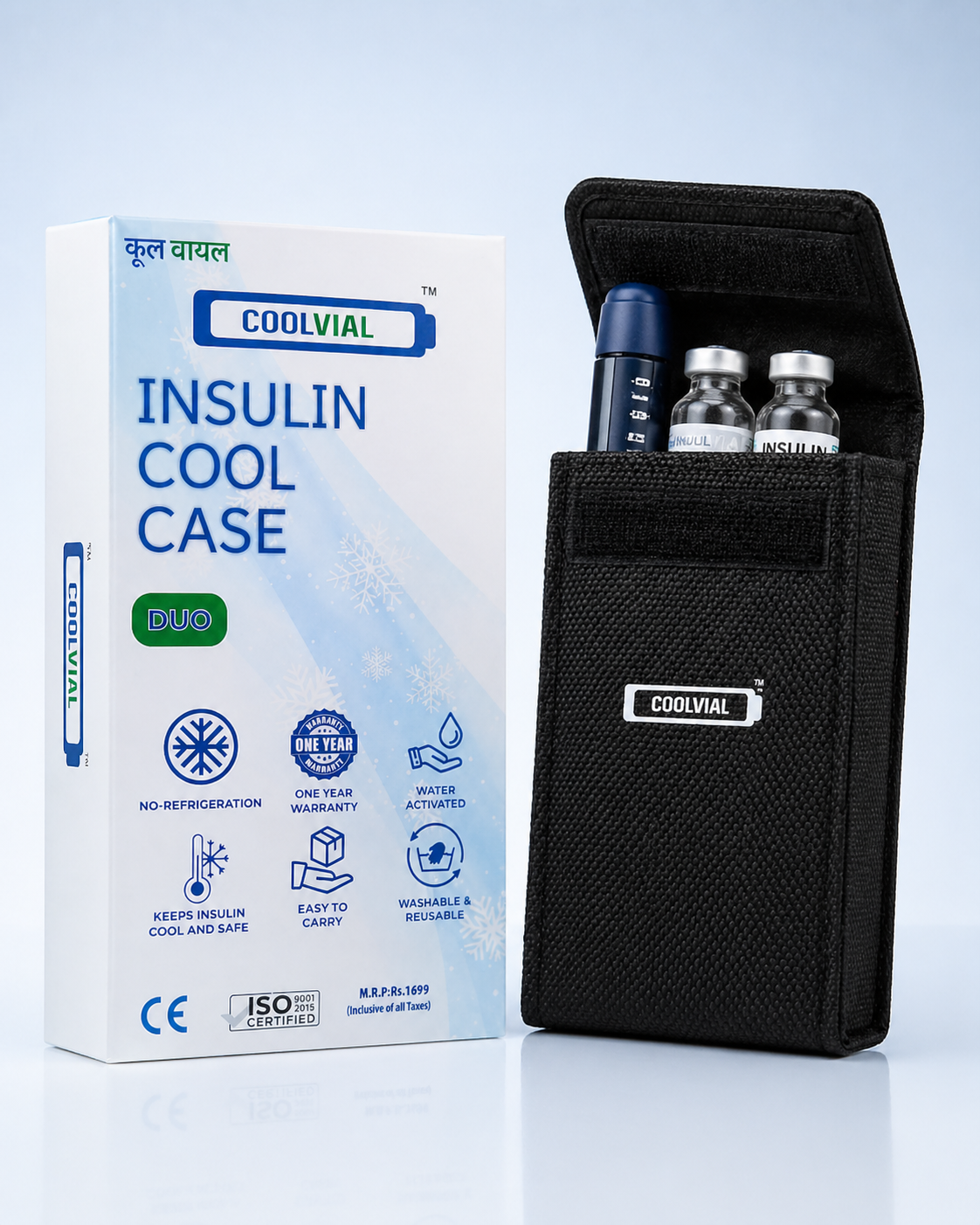
COOLVIAL keeps insulin at 2-8°C for 48+ hours. No electricity needed. Trusted by 10,000+ diabetics.
General Tips for Indian Conditions
- Power Cuts: Always have a backup plan. If your refrigerator is prone to power outages, a premium cool case becomes your primary defense against spoilage. For longer cuts, consider a neighbor’s fridge or a local pharmacy’s cold storage, if available.
- Travel by Train/Bus: Indian long-distance travel can be arduous. A premium insulin cool case designed for extended cooling is invaluable. Ensure it’s easily accessible, not stowed away in luggage where it could be forgotten or exposed to extreme temperatures.
- Festivals & Gatherings: During festivals like Diwali, Holi, or weddings, travel is common, and routines are disrupted. Keep your insulin cooler with you, even if it’s just a short trip to a relative’s house. The excitement of festivities can lead to oversight.
- Monitor Temperatures: If possible, use a small, reliable thermometer to check the temperature inside your cooler, especially during prolonged use or in extreme weather. This helps verify its performance.
- Educate Family: Ensure family members understand the critical importance of proper insulin storage and how to use the cool case correctly.
- Emergency Kit: Always carry a small emergency kit with extra insulin, syringes/pens, and an alcohol swab, especially when traveling. For more detailed advice, you can always refer to our comprehensive insulin storage tips.
By understanding the specific climatic challenges of different Indian regions and implementing these practical tips, diabetics can significantly improve the safety and efficacy of their insulin, no matter where they are in the country. This proactive approach underscores why the initial consideration of cheap vs premium insulin coolers in India can make all the difference.
COOLVIAL’s Solution: Reliable Insulin Cooling for Every Indian
In the dynamic and often challenging environment of India, where temperature fluctuations and travel are facts of life, COOLVIAL offers a meticulously designed insulin cool case that addresses these unique needs head-on. Our mission is to provide every Indian diabetic with a reliable, affordable, and easy-to-use solution for safeguarding their vital medication. The COOLVIAL insulin cool case, priced at an accessible ₹1,099, stands as a testament to our commitment to health and peace of mind.
The COOLVIAL cool case is engineered with India’s diverse climate in mind. It incorporates advanced insulation technology and high-quality cooling elements to ensure your insulin remains within the critical 2-8°C range for extended periods. Unlike generic, cheap alternatives that offer inconsistent protection, COOLVIAL prioritizes stable temperature maintenance, even when external temperatures soar above 40°C, a common occurrence in many parts of India during summer. This makes it an ideal choice when evaluating cheap vs premium insulin coolers in India, offering premium features without the prohibitive price tag.
Key features that make the COOLVIAL insulin cool case an indispensable tool for Indian diabetics:
- Optimized Temperature Stability: Designed to keep insulin safe from both heat and freezing, ensuring its potency is maintained throughout the day, whether you’re commuting, working, or traveling.
- Robust & Durable Construction: Built to withstand the rigors of daily use and travel, featuring high-quality materials that are both long-lasting and easy to clean.
- Portability & Convenience: Compact and lightweight, the COOLVIAL case is easy to carry in a handbag, backpack, or even by hand. Its discreet design ensures your medical needs are met without drawing unnecessary attention.
- Affordable Premium Quality: We believe that reliable insulin storage should not be a luxury. At ₹1,099, COOLVIAL offers a premium experience, incorporating the best features of high-end coolers at a price point that is accessible to a wider demographic across India.
- Independence from Electricity: Our cool cases rely on specialized cooling gels, meaning you’re not dependent on constant electricity, a critical advantage during power cuts or when traveling to remote areas.
- Suitable for All Indian Conditions: From the humid coasts of Mumbai to the dry heat of Rajasthan, the COOLVIAL case performs consistently, providing crucial protection against the elements. It’s perfect for daily use, school, office, or long journeys across states.
The COOLVIAL insulin cool case is more than just a product; it’s a commitment to empowering diabetics with the freedom and confidence to live their lives fully, without the constant worry of insulin spoilage. It’s a smart investment in your health, ensuring that your insulin is always ready when you need it, maintaining its effectiveness and contributing to better diabetes management. Choosing COOLVIAL means choosing reliability, safety, and peace of mind, proving that a high-quality solution doesn’t have to break the bank.
Essential FAQs on Insulin Coolers and Storage in India
Navigating insulin storage can bring up many questions, especially with India’s diverse climates and lifestyles. Here are answers to some frequently asked questions that Indian diabetics often have regarding insulin coolers and medication storage.
Q: What happens if insulin gets too hot in Indian summers? A: If insulin gets too hot, especially above 30°C for extended periods or above 40°C even briefly, it can rapidly lose its potency and become ineffective. This means it won’t lower your blood sugar properly, potentially leading to dangerously high blood glucose levels and serious health complications.
Q: How long can insulin stay outside the fridge in India safely? A: Unopened insulin should always be refrigerated (2-8°C). Once opened, most insulin vials and pens can be kept at room temperature (typically 15-25°C) for up to 28 days. However, in India’s hot climate, “room temperature” often exceeds 25°C, making a reliable cool case essential to maintain it within the safe range for in-use insulin.
Q: Are evaporative coolers like Frio bags effective in high humidity areas like Mumbai or Kolkata? A: Evaporative coolers work by water evaporation, which is less efficient in areas with very high humidity. While they can still offer some cooling, their performance might be reduced compared to dry climates, making them less effective at maintaining optimal temperatures in coastal Indian cities. For such conditions, a high-quality insulated cool case with gel packs designed for longer cooling may be more reliable.
Q: What should I do during a power cut to keep my insulin cool if I don’t have a specific cooler? A: During a power cut, if you don’t have a dedicated insulin cooler, try to keep your insulin in the coolest part of your home, away from direct sunlight. You can place it in a thermos flask with some cool water (ensure it’s sealed in a waterproof bag to prevent direct water contact) or wrap it in a damp cloth. This is a temporary measure, and acquiring a reliable cool case is highly recommended for such situations.
Q: Is it safe to carry insulin in my regular luggage during train or bus travel across India? A: No, it is generally not safe to carry insulin in regular luggage, especially in the cargo hold of buses or trains, where temperatures can become extremely high or low. Always keep your insulin cool case with you in the cabin or on your person, ensuring it remains within the safe temperature range and is protected from physical damage.
Conclusion
Choosing between cheap vs premium insulin coolers in India isn’t just a matter of cost; it’s a critical decision that directly impacts your health and quality of life. While budget options might seem appealing, the inherent risks of insulin spoilage due to India’s challenging climate, frequent power cuts, and extensive travel make them a false economy. The potential for ineffective medication, compromised health, and the financial burden of replacing spoiled insulin far outweigh the initial savings.
Investing in a premium insulin cooler offers unparalleled reliability, precise temperature control, and the peace of mind that your vital medication remains potent and safe. It’s a proactive step towards effective diabetes management, allowing you to live your life freely and confidently, knowing your insulin is protected against all odds. For Indian diabetics, a high-quality cooler is not a luxury, but a necessity.
COOLVIAL understands these challenges and offers a robust, affordable solution. Our insulin cool case, available at just ₹1,099, is designed to provide the premium protection you need without straining your budget. Make the smart choice for your health and well-being today.
To secure your reliable COOLVIAL insulin cool case, simply reach out to us. You can buy COOLVIAL at ₹1,099 via WhatsApp at wa.me/918766952300. Protect your insulin, protect your health.
10 Proven Reasons Why Premium Insulin Coolers in India Are Worth the Price
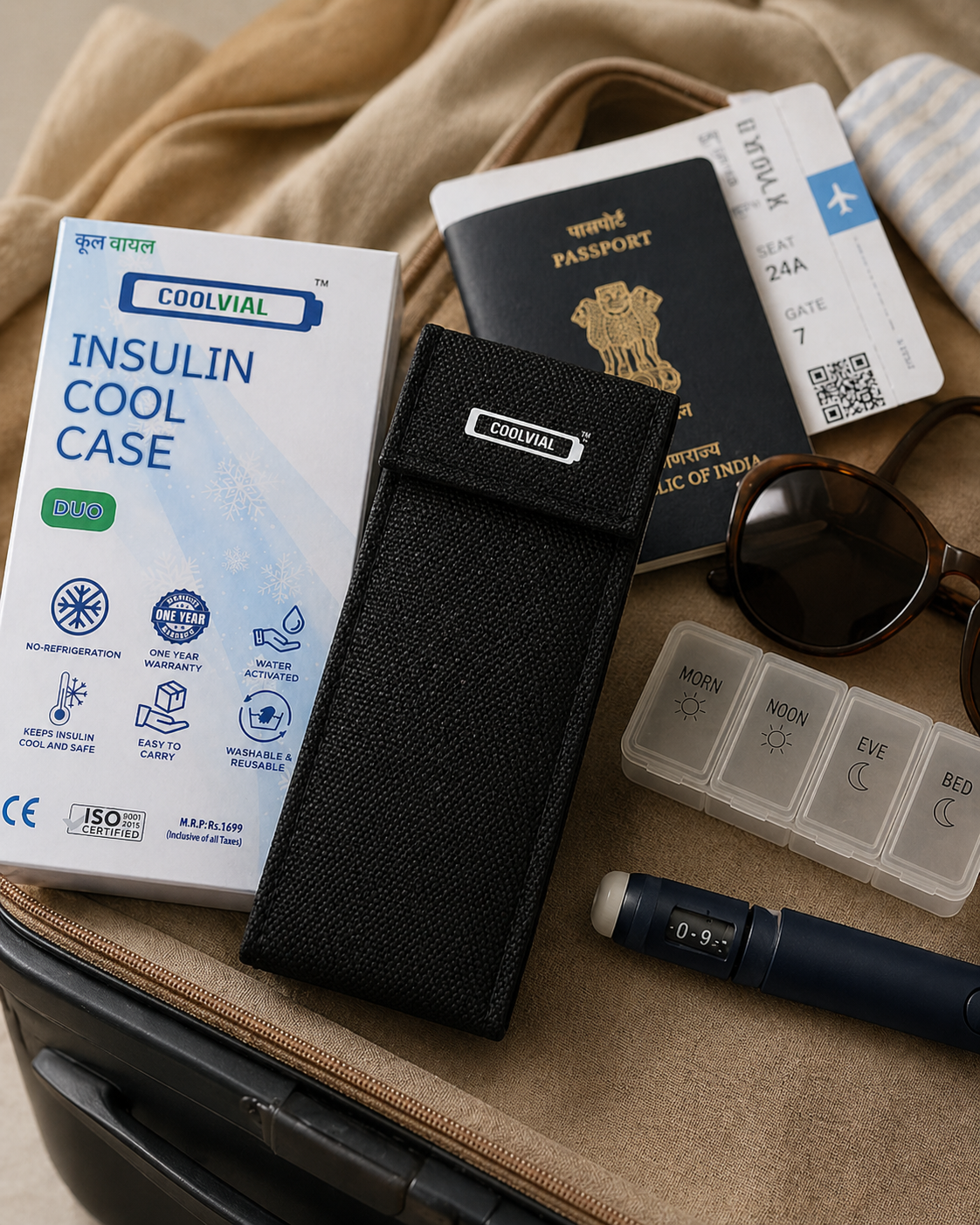
Keep your insulin safe in India's extreme heat. COOLVIAL works for 48+ hours without electricity.