
Reviewed by the COOLVIAL Editorial Team — specialists in insulin storage for Indian climate conditions.
For individuals managing diabetes, especially those reliant on insulin, the unpredictable nature of emergencies like the Chennai floods demands proactive and meticulous preparation. Insulin must be kept within a narrow temperature range, typically 2-8°C for unopened vials and pens, to remain effective, with spoilage occurring rapidly above 30°C. A robust chennai floods diabetic emergency kit insulin lessons for india is not just advisable, but absolutely critical. This kit must include not only essential medical supplies but also a reliable way to maintain insulin’s cold chain, even amidst prolonged power outages or displacement. This article will guide you through creating a comprehensive emergency plan, drawing 7 critical insulin lessons from India’s experiences with natural disasters, ensuring your diabetes management remains uninterrupted during crises. According to the Indian Council of Medical Research (ICMR) guidelines, proper insulin storage is paramount for efficacy and safety (Source: ICMR).
Table of Contents
- Why Emergency Preparedness Matters Critically in India
- Understanding Insulin: Core Concepts of Storage and Degradation
- The Ultimate Chennai Floods Diabetic Emergency Kit: 7 Practical Insulin Lessons for India
- Navigating India’s Diverse Climate and Infrastructure: Beyond Floods
- Ensuring Insulin Safety During Chennai Floods: The COOLVIAL Solution
- Frequently Asked Questions (FAQ) about Diabetic Emergency Kits
- Conclusion: Staying Prepared, Staying Safe
Why Emergency Preparedness Matters Critically in India
India, with its vast geographical diversity, experiences a wide array of natural disasters, from devastating floods in states like Tamil Nadu, Kerala, and Assam, to scorching heatwaves across Rajasthan, Uttar Pradesh, and Delhi. The Chennai floods, a recurring nightmare for its residents, highlight the vulnerability of essential services, including healthcare infrastructure and power supply. For the estimated 101 million diabetics in India (Source: International Diabetes Federation, 2023), these emergencies pose a severe threat to their health, especially those dependent on life-saving insulin.
Prolonged power cuts, a common occurrence during monsoons and other natural calamities, directly compromise the integrity of insulin, which requires strict temperature control. Refrigerators cease to function, and without alternative cooling solutions, insulin can quickly lose its potency, rendering it ineffective. This isn’t just a minor inconvenience; it can lead to dangerous fluctuations in blood sugar levels, diabetic ketoacidosis, or even life-threatening complications.
The challenge is amplified by India’s often crowded urban centers and remote rural areas, where access to medical facilities can be severely hampered during disasters. Evacuation routes may be cut off, and emergency services stretched thin. In such scenarios, self-sufficiency and a well-planned chennai floods diabetic emergency kit insulin lessons for india become paramount. It’s not enough to simply have insulin; knowing how to store it safely and having the necessary tools to do so is the true measure of preparedness.
| Emergency Type | Primary Risk to Insulin | Affected Regions (Examples) |
|---|---|---|
| Floods | Loss of refrigeration, contamination, physical damage | Chennai (Tamil Nadu), Assam, Kerala, Mumbai (Maharashtra) |
| Heatwaves | Exposure to high temperatures, rapid spoilage | Delhi, Rajasthan, Uttar Pradesh, Telangana |
| Power Cuts | Loss of refrigeration, inability to charge devices | Pan-India, especially rural areas and during monsoons |
| Earthquakes | Structural damage, loss of utilities, accessibility issues | Himalayan regions, Gujarat, Delhi-NCR |
These events underscore the urgent need for every diabetic and their family in India to be well-versed in emergency preparedness. It requires a mindset shift from reactive to proactive, ensuring that critical medications like insulin are protected against all foreseeable threats. Understanding the specific challenges posed by India’s climate and infrastructure is the first step towards building resilience.
Understanding Insulin: Core Concepts of Storage and Degradation
Insulin is a delicate protein hormone, crucial for regulating blood sugar. Its effectiveness is highly dependent on proper storage conditions. Deviations from recommended temperatures can alter its molecular structure, making it less potent or even completely ineffective. This is a critical piece of knowledge for any diabetic, especially in a country like India where environmental conditions can be extreme.
Understanding Insulin’s Temperature Requirements
Unopened insulin vials and pens are most stable when stored in a refrigerator, ideally between 2°C and 8°C. This range is crucial for maintaining its long-term potency, typically until the manufacturer’s expiration date. Once opened, insulin can generally be stored at room temperature, usually between 15°C and 25°C, for a specific period—most commonly 28 days for vials and pens, though some brands may allow up to 42 days (6 weeks). It’s vital to check the specific guidelines provided with your insulin.
The Ultimate Chennai Floods Diabetic Emergency Kit: 7 Critical Insulin Lessons for India
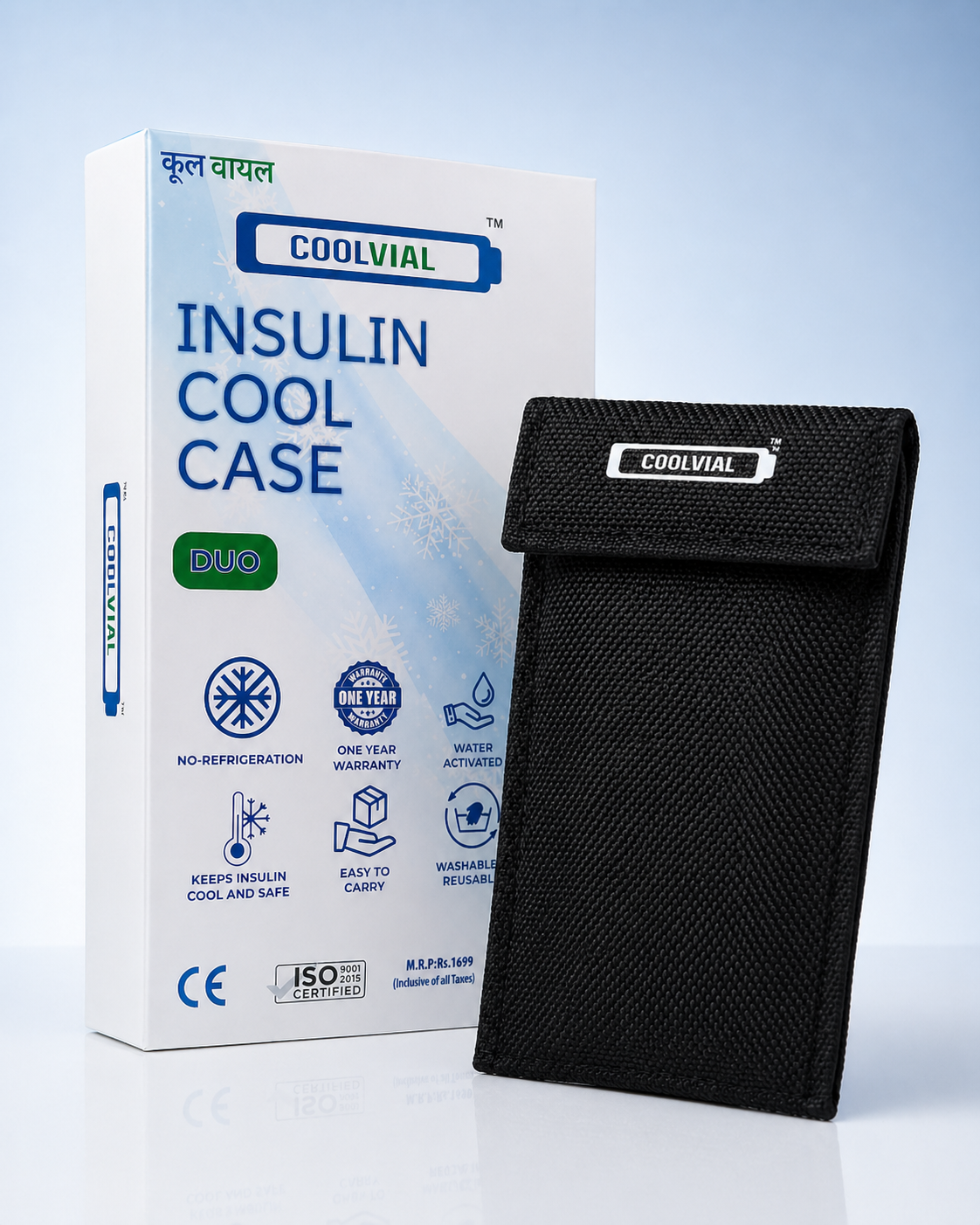
Keep your insulin safe in India's extreme heat. COOLVIAL works for 48+ hours without electricity.
The key danger zones for insulin are:
- High Temperatures: Above 25°C, insulin begins to degrade more rapidly. Above 30°C, the degradation accelerates significantly, causing it to lose potency within hours or days. Signs of spoilage include cloudiness, discoloration, or the presence of particles, though sometimes it may appear normal but still be ineffective.
- Freezing: Insulin should never be frozen. Freezing can break down the protein structure, rendering it useless. If insulin freezes, even partially, it must be discarded. This is particularly relevant in high-altitude regions of India during winter or if stored incorrectly in a freezer compartment.
- Direct Sunlight/Heat: Exposure to direct sunlight or extreme heat, such as inside a car parked in the Indian summer, can quickly damage insulin. It’s not just about ambient temperature but also radiant heat.
Common Mistakes in Insulin Storage
Many common mistakes can compromise insulin’s effectiveness, especially during emergencies or travel:
- Leaving insulin in a hot car: A car’s interior can reach dangerous temperatures (well over 45°C) very quickly in the Indian sun, spoiling insulin within minutes.
- Storing insulin in the freezer: Confusing refrigeration with freezing can destroy insulin.
- Not checking expiration dates: Opened insulin has a limited shelf life at room temperature, even if it looks fine.
- Re-refrigerating opened insulin: While some guidelines suggest it’s acceptable, frequent temperature fluctuations can stress the insulin. It’s generally safer to keep opened insulin at a consistent room temperature or use a cool case if ambient temperatures are too high.
- Assuming all insulin has the same storage rules: Always read the specific instructions for your brand and type of insulin, as there can be slight variations.
Understanding these fundamentals is the bedrock of effective diabetes management, especially when facing the challenges presented by emergencies. Knowing these facts empowers diabetics to make informed decisions about protecting their life-saving medication.
The Ultimate Chennai Floods Diabetic Emergency Kit: 7 Practical Insulin Lessons for India
Preparing a comprehensive emergency kit is the single most important step for any diabetic in India, especially when considering scenarios like the Chennai floods. This kit should be ready to grab at a moment’s notice, ensuring you have everything you need to manage your condition for at least 3-5 days, or even longer.
Here are 7 critical insulin lessons and practical items to include in your chennai floods diabetic emergency kit insulin lessons for india:
-
Secure Your Insulin Supply (Minimum 2-Week Supply):
- Always aim to have at least a 2-week, ideally a 1-month, supply of all your insulin types (unopened and opened).
- Store unopened vials/pens in their original packaging to protect them from light and physical damage.
- Rotate your stock regularly to ensure you’re using insulin before its expiry.
-
Invest in a Reliable Insulin Cool Case:
- This is non-negotiable for maintaining the cold chain without electricity. Traditional ice packs melt quickly and can freeze insulin if not used carefully.
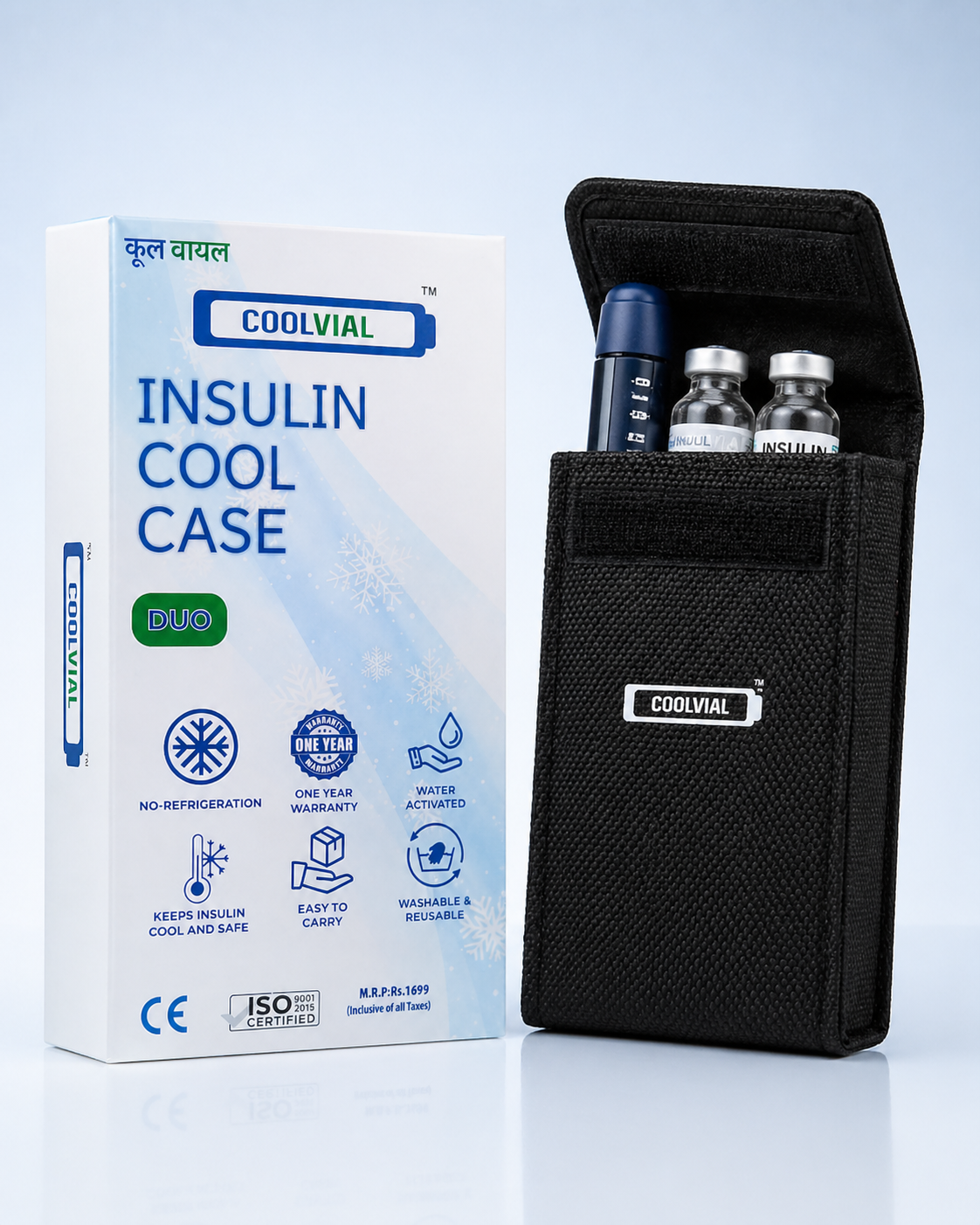
- A high-quality cool case, like the COOLVIAL insulin cool case, is designed to maintain temperatures between 2-8°C or 15-25°C for extended periods, even in ambient temperatures exceeding 40°C.
- Ensure it’s durable and waterproof, vital for flood conditions.
-
Pack All Diabetes-Related Supplies:
- Syringes or pen needles (ample supply).
- Blood glucose meter, test strips, and lancets (with extra batteries or a power bank).
- Alcohol swabs.
- Ketone strips (especially if you use insulin).
- Glucagon emergency kit (if prescribed), and ensure family members know how to administer it.
- Oral medications for diabetes (if applicable) and any other essential non-diabetes medications.
-
Include Emergency Glucose Sources:
- Glucose tablets or gels: These are fast-acting and stable.
- Hard candies or juice boxes: Non-perishable options for treating hypoglycemia.
- Keep these easily accessible within your kit.
-
Carry Essential Documentation:
- A medical ID card or bracelet stating you have diabetes and are insulin-dependent.
- Copies of your prescriptions for insulin and other medications.
- Your doctor’s contact information.
- A list of your current medications, dosages, and allergies.
- These documents should be stored in a waterproof bag within your kit.
-
Prioritize Water and Non-Perishable Food:
- Access to clean drinking water is often compromised during floods. Pack bottled water.
- Non-perishable snacks like energy bars, nuts, or biscuits can help manage blood sugar if regular meals are unavailable.
- Remember that managing diabetes requires consistent nutrition.
"Finally a cooler that works in Indian summers. Insulin stayed perfect during a 3-day power cut." — Ramesh, Chennai
The Ultimate Chennai Floods Diabetic Emergency Kit: 7 Critical Insulin Lessons for India
CE Certified · Free Delivery · 1-Year Warranty · Made for India
📲 Buy on WhatsApp — ₹1,099🛒 Buy Now — ₹1,099- Waterproof Everything and Plan Evacuation:
- Use multiple layers of waterproof bags (ziplock bags, dry bags) for all medical supplies, especially insulin.
- Have a pre-determined evacuation plan, including routes and meeting points for your family.
- Inform family, friends, or neighbors about your diabetes and where your emergency kit is located.
- Consider a small, portable power bank for charging your phone and glucose meter.
By diligently preparing this kit and familiarizing yourself with these lessons, you empower yourself to face emergencies like the Chennai floods with confidence, ensuring your diabetes management remains a priority.
Navigating India’s Diverse Climate and Infrastructure: Beyond Floods
While the Chennai floods provide a stark reminder of emergency preparedness, India’s diverse geography and climate present a myriad of challenges for diabetics throughout the year. From scorching summers to unreliable power grids and extensive travel, maintaining insulin’s efficacy requires constant vigilance and adaptable strategies.
Regional Challenges and Solutions
- Northern Plains (Delhi, UP, Rajasthan): Extreme Summer Heat:
- Challenge: Summer temperatures frequently soar above 40°C, making room temperature storage (15-25°C) impossible without air conditioning. Frequent power cuts exacerbate this.
- Solution: A reliable insulin cool case is indispensable. For daily use, avoid leaving insulin in direct sunlight or inside parked vehicles. When travelling by bus or train, always keep insulin in your carry-on luggage with a cool case, never in the baggage compartment.
- Northeastern States (Assam, Meghalaya): Heavy Monsoons and Remote Access:
- Challenge: Prolonged monsoons lead to floods, landslides, and cut-off roads, making access to pharmacies difficult. Power outages are common.
- Solution: Stock up on at least a month’s supply of insulin and other medicines. Ensure your cool case is waterproof and durable. Establish communication plans with local health workers or community leaders.
- Coastal Regions (Mumbai, Kerala, West Bengal): High Humidity and Cyclones:
- Challenge: High humidity can affect test strips and meters. Cyclones bring heavy rains, strong winds, and power disruptions.
- Solution: Store test strips in their tightly sealed containers. Keep your emergency kit in a waterproof container. Be aware of local disaster warnings and evacuation routes.
- Rural India: Limited Infrastructure and Power:
- Challenge: Many rural areas experience daily, scheduled power cuts (load shedding) for several hours, making continuous refrigeration impossible. Access to pharmacies can be far.
- Solution: A robust, non-electric insulin cool case is a game-changer here. Keep a larger buffer stock of insulin and supplies. Develop relationships with local healthcare providers for emergency support.
Travel and Festivals in India
Travel within India, whether for work or leisure, especially during major festivals like Diwali, Holi, or Durga Puja, often involves long train or bus journeys, or navigating crowded airports. These scenarios pose unique challenges for insulin storage:
- Train/Bus Travel: Compartments can be hot and humid. Avoid storing insulin in luggage that goes into the hold. Always carry it with you in a insulin storage tips friendly cool case.
- Air Travel: Insulin can be carried in hand luggage. Inform security personnel about your medical supplies. The cargo hold of an airplane can become extremely cold, potentially freezing insulin, so never check insulin in.
- Festivals: Crowded places, disrupted routines, and potential for power cuts mean your emergency kit and cool case are vital. Maintain your diabetes management routine as much as possible.
Understanding these varied Indian contexts and proactively adapting your diabetes management strategy is key to living a full and healthy life, regardless of where you are or what the climate throws at you. Preparedness isn’t just for disasters; it’s for daily life in India.
Ensuring Insulin Safety During Chennai Floods: The COOLVIAL Solution
In the face of emergencies like the Chennai floods, or the everyday challenges of India’s demanding climate, maintaining the cold chain for insulin is not merely a recommendation—it’s a lifeline. Traditional methods often fall short: ice packs melt rapidly, thermos flasks offer limited protection, and relying on electricity is simply not an option during power outages. This is where a dedicated solution like COOLVIAL makes a significant difference, transforming how Indian diabetics manage their insulin safety.
COOLVIAL insulin cool cases are specifically engineered to address the unique environmental challenges faced by diabetics in India. Designed to be completely electricity-free, they utilize advanced cooling technology to maintain insulin within its safe temperature range for extended periods, typically 2-8°C or 15-25°C, even when ambient temperatures soar above 40°C. This makes them an invaluable component of any chennai floods diabetic emergency kit insulin lessons for india.
How COOLVIAL Offers a Reliable Solution:
- Sustained Temperature Control: Unlike regular ice packs that lose their chill quickly and can even freeze insulin if placed directly, COOLVIAL cases provide a stable, controlled environment. This prevents both overheating and freezing, crucial for insulin integrity.
- Electricity-Free Operation: This is perhaps its most vital feature for India. During power cuts, whether planned load shedding or disaster-induced outages, COOLVIAL continues to function, offering peace of mind. No need for batteries, charging, or external power sources.
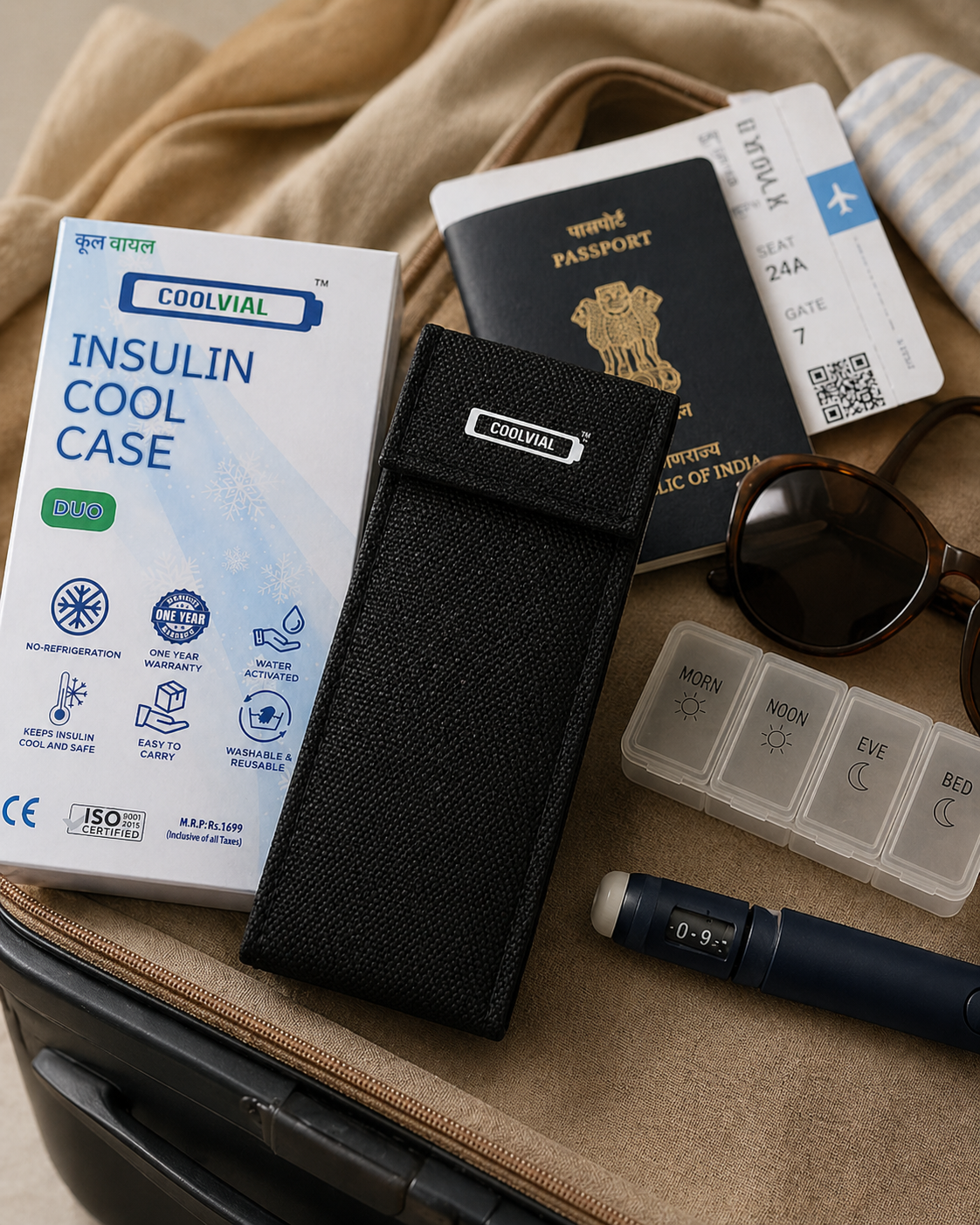
- Portability and Durability: Lightweight and robust, COOLVIAL cases are designed for travel. They can be easily carried in a backpack or bag, making them ideal for evacuations, daily commutes, or long journeys across the country. Their durable construction helps protect delicate insulin vials and pens from physical damage.
- Cost-Effectiveness and Accessibility: At an affordable price point of ₹1,099, COOLVIAL offers an accessible solution to a widespread problem. This makes high-quality insulin storage attainable for a broader segment of the Indian diabetic population.
Imagine the scenario during the Chennai floods: roads are submerged, power is out for days, and pharmacies are inaccessible. With a COOLVIAL case packed in your emergency kit, you can rest assured that your insulin remains potent and safe, providing you with critical medication when you need it most. It eliminates the anxiety of insulin spoilage, allowing you to focus on other aspects of safety and survival.
COOLVIAL is more than just a product; it’s an empowerment tool for diabetics, offering independence and security in managing their health,
The Ultimate Chennai Floods Diabetic Emergency Kit: 7 Critical Insulin Lessons for India
Keep your insulin safe in India's extreme heat. COOLVIAL works for 48+ hours without electricity.