Reviewed by the COOLVIAL Editorial Team — specialists in insulin storage for Indian climate conditions.
Embarking on college life, especially when it involves moving into a hostel, is a thrilling new chapter for any student. For Indian students managing Type 1 diabetes, this transition brings an added layer of responsibility: ensuring proper insulin management and blood sugar control away from home. The good news is that with careful planning and the right tools, thriving in college hostel life with insulin a survival guide for indian students is not just possible, but entirely achievable. Insulin, a life-saving medication, requires specific storage conditions, typically between 2–8°C when unopened, and 15–25°C once opened, and can spoil rapidly above 30°C. This comprehensive guide will equip you with the knowledge and practical strategies needed to navigate your academic journey successfully, ensuring your health remains a top priority amidst the excitement of campus life.
This article provides a complete blueprint for maintaining your diabetes regimen while embracing the independence of hostel living. You’ll learn about critical insulin storage, adapting to hostel food, managing social activities, and leveraging smart solutions designed for India’s unique environment.
Table of Contents
- The Unique Challenges of Managing Insulin in Indian College Hostels
- Understanding Insulin Storage and Management: Core Concepts for Students
- Practical Strategies for a Successful College Hostel Life with Insulin
- Navigating India’s Diverse Climates and Conditions with Insulin
- Ensuring Insulin Safety with COOLVIAL: A Smart Solution for Indian Students
- Frequently Asked Questions about College Hostel Life with Insulin
- Conclusion
The Unique Challenges of Managing Insulin in Indian College Hostels
Living in a college hostel in India presents a distinct set of challenges for students who rely on insulin. Beyond the usual adjustments to a new environment, managing Type 1 diabetes requires constant vigilance, especially concerning insulin storage and administration. India’s diverse climate, ranging from scorching summers to humid monsoons, significantly impacts how insulin must be handled. Temperatures in cities like Delhi and Chennai can soar above 40°C for extended periods, posing a direct threat to insulin’s efficacy if not stored correctly.
Hostel infrastructure can also be a significant hurdle. While some modern hostels offer individual mini-fridges, many still rely on shared facilities or do not provide refrigeration at all for personal medications. Frequent power cuts, a common occurrence in many parts of India, particularly during summer, can render even accessible refrigerators unreliable for maintaining the crucial 2–8°C temperature range required for unopened insulin. According to the India Smart Grid Forum, 78% of Indian households faced daily power cuts during peak summer months in 2023, highlighting a critical concern for insulin-dependent individuals (Source: India Smart Grid Forum).
Social dynamics add another layer of complexity. Hostel life is synonymous with spontaneity – late-night study sessions, impromptu outings, and celebrating festivals with friends. These activities can disrupt meal schedules, sleep patterns, and exercise routines, all of which directly influence blood glucose levels. Peer pressure, though often subtle, might also make some students hesitant to openly manage their diabetes, leading to missed doses or irregular monitoring. The need for discreet yet effective management tools becomes paramount to navigate this vibrant social landscape.
Furthermore, access to medical support can vary. While larger university campuses often have health centers, students in smaller towns or more remote colleges might find immediate medical assistance challenging to obtain. This necessitates proactive planning, ensuring a robust emergency kit, and having a clear action plan for high or low blood sugar episodes. Understanding these specific challenges is the first step towards developing a robust strategy for college hostel life with insulin a survival guide for indian students.
- Key Challenges for Insulin Management in Indian Hostels:
- Climate Extremes: High temperatures and humidity can quickly degrade insulin.
- Refrigeration Issues: Limited access to personal fridges, reliance on shared, often unreliable, hostel refrigerators.
- Frequent Power Cuts: Interruptions in electricity can compromise cold storage, especially during peak summer.
- Social Life Disruptions: Irregular meal times, late nights, and social events impact routines and blood sugar.
- Dietary Adjustments: Reliance on hostel mess food or local eateries, which might not offer consistent healthy options or clear nutritional information.
- Medical Access: Potentially limited immediate medical support on or near campus, requiring self-reliance and preparedness.
Understanding Insulin Storage and Management: Core Concepts for Students
Successful college hostel life with insulin a survival guide for indian students hinges on a deep understanding of insulin itself – how it works, how it must be stored, and how to integrate its management into daily life. Insulin is a protein, and like many proteins, it is sensitive to extreme temperatures. Both freezing and excessive heat can irreversibly damage its structure, rendering it ineffective. This is why strict storage guidelines are crucial for maintaining its potency.
10 Essential Tips for College Hostel Life with Insulin: A Survival Guide for Indian Students
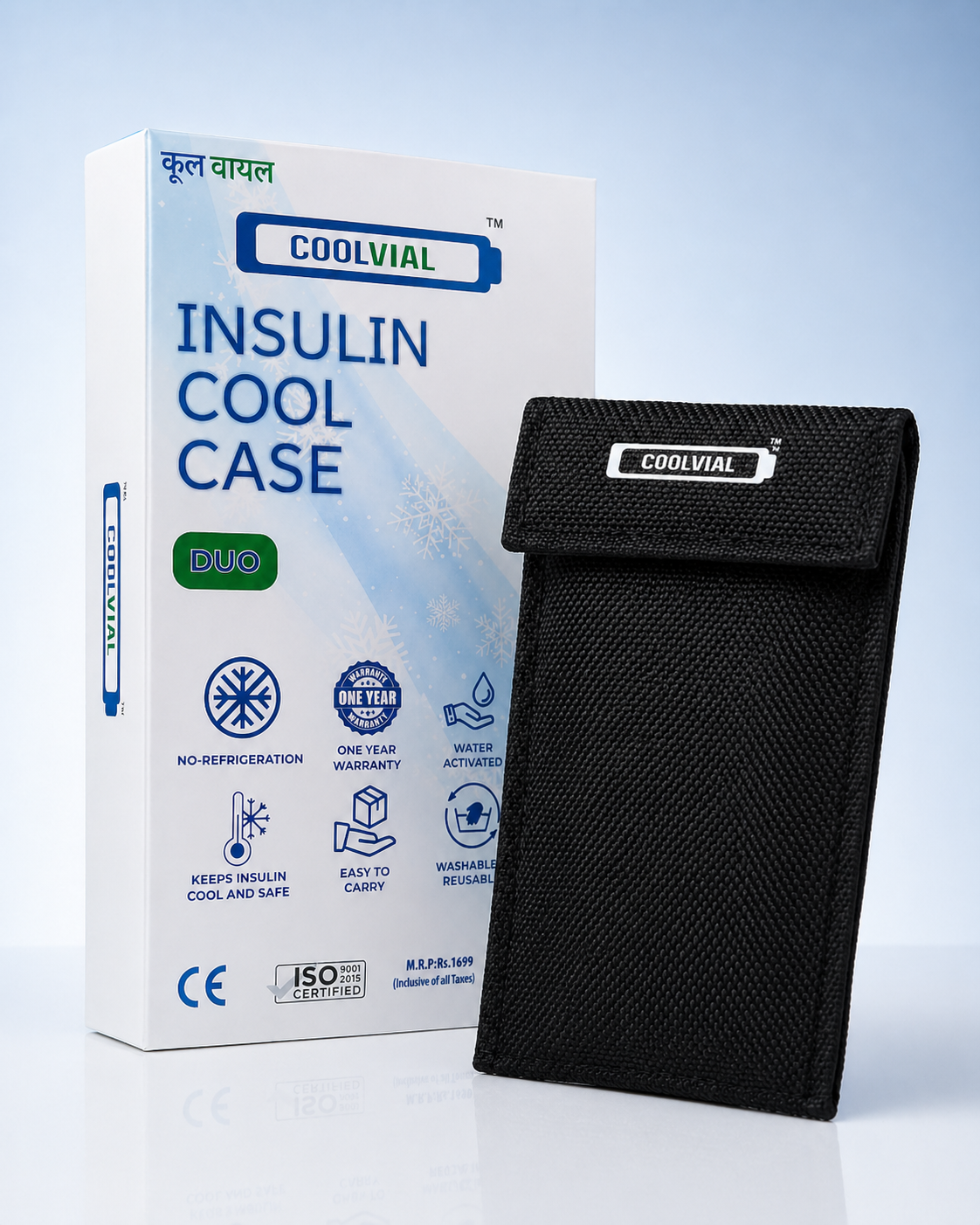
Don't let Indian heat spoil your insulin. COOLVIAL protects it for 48+ hours — at home, travelling, or during power cuts.
Ideal Storage Temperatures
The integrity of your insulin is paramount. Unopened insulin vials or pens must be stored in a refrigerator, ideally at a temperature between 2°C and 8°C. This range ensures maximum shelf life, often until the expiry date printed on the packaging. Once a vial or pen is opened and put into use, it can typically be stored at room temperature, usually between 15°C and 25°C, for up to 28 days (or sometimes up to 42 days, depending on the specific brand and type of insulin; always check the manufacturer’s leaflet). It is crucial never to store opened insulin in direct sunlight or in a hot environment, as temperatures exceeding 30°C can cause rapid degradation, making the insulin less effective or even completely useless. Freezing also destroys insulin, so avoid placing it in the freezer compartment of a refrigerator.
| Insulin Type / State | Recommended Storage Temperature | Duration | Key Considerations |
|---|---|---|---|
| Unopened Vials/Pens | 2°C - 8°C (Refrigerated) | Until expiry date | Do not freeze. Protect from light. |
| Opened Vials/Pens | 15°C - 25°C (Room Temperature) | 28-42 days (check leaflet) | Keep away from direct heat/sunlight. Do not refrigerate once opened unless specified. |
| Insulin Pump Reservoir | Body temperature (approx. 37°C) | Up to 7 days (check manufacturer) | Change frequently as per pump guidelines. |
| Temperatures to Avoid | Below 0°C (Freezing) / Above 30°C (High Heat) | Insulin becomes ineffective | Discard if exposed to extreme temperatures. |
Essential Supplies to Carry
Preparation is key for managing diabetes independently. When packing for your hostel, ensure you have a comprehensive kit of supplies. This includes a sufficient stock of insulin (both unopened and opened), syringes or insulin pens, pen needles, and lancets. Your glucometer, along with plenty of test strips and alcohol swabs, is essential for regular blood glucose monitoring. Consider a continuous glucose monitor (CGM) or flash glucose monitor (FGM) for easier and more frequent readings, which can be invaluable in a busy hostel environment. Don’t forget an emergency glucagon kit, especially if you are prone to severe hypoglycemia, and make sure your roommates or a close friend know how to administer it. A compact sharps container for safe disposal of used needles and lancets is also a must.
Monitoring Blood Glucose
Regular blood glucose monitoring is the cornerstone of effective diabetes management. In a hostel setting, it’s easy to get sidetracked, but consistent monitoring helps you understand how your body reacts to different foods, activities, and stress levels. Aim to check your blood sugar multiple times a day, as advised by your doctor, especially before meals, two hours after meals, before exercise, and at bedtime. Keeping a log of your readings, either physically or using a mobile app, allows you to identify patterns and adjust your insulin doses as needed. This proactive approach is vital for preventing both hyperglycemia and hypoglycemia, ensuring you can participate fully in all aspects of college hostel life with insulin a survival guide for indian students.
Safe Disposal Practices
Proper disposal of used needles, lancets, and insulin pens is not just good practice, it’s a safety imperative. Never dispose of sharps directly into general waste bins, as they can pose a risk to sanitation workers and others. Always use an approved sharps container, which is a hard, puncture-resistant plastic container designed specifically for this purpose. Many pharmacies in India sell these containers. When the container is full (usually two-thirds to three-quarters), seal it securely and dispose of it according to local guidelines – your college health center or a local hospital might have specific disposal protocols. If a sharps container isn’t immediately available, a sturdy plastic bottle (like a detergent bottle) with a screw-top lid can serve as a temporary alternative, but ensure it is clearly labeled as “Sharps Waste” and kept out of reach.
Practical Strategies for a Successful College Hostel Life with Insulin
Successfully managing diabetes in a hostel requires proactive planning and adaptation. Here are some practical tips to make your college hostel life with insulin a survival guide for indian students not just manageable, but thriving:
10 Essential Tips for College Hostel Life with Insulin: A Survival Guide for Indian Students
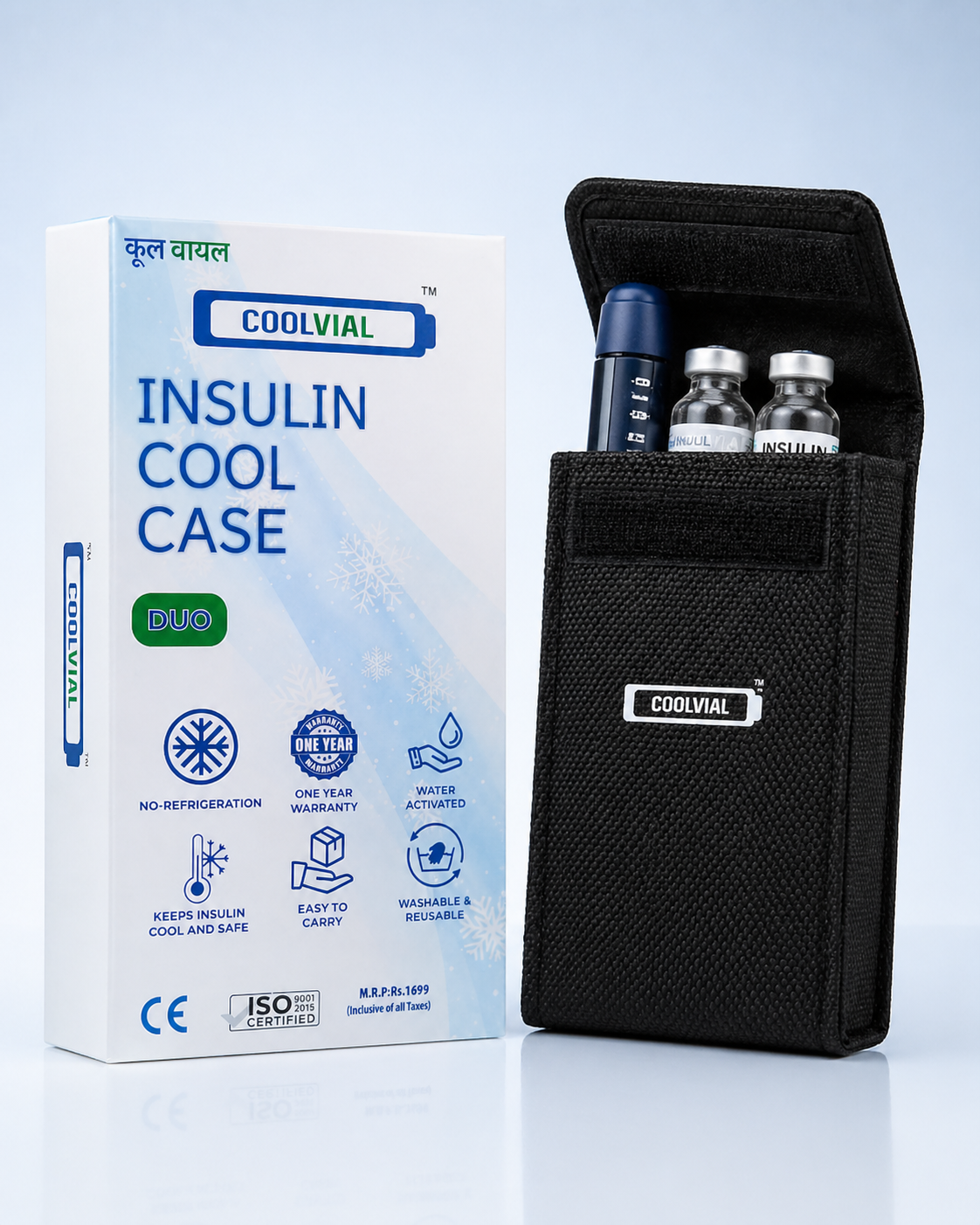
Keep your insulin safe in India's extreme heat. COOLVIAL works for 48+ hours without electricity.
-
Communicate with Hostel Authorities and Roommates:
- Warden/Administrator: Inform your hostel warden or administrator about your diabetes and insulin requirements. Discuss access to a refrigerator for your unopened insulin vials. Some hostels might have a medical fridge or allow a mini-fridge in your room for a small fee. This open communication is vital for support and understanding.
- Roommates/Close Friends: Educate your roommates and a couple of trusted friends about Type 1 diabetes. Teach them to recognize the signs of high and low blood sugar, how to respond in an emergency (especially administering glucagon if you carry it), and where you keep your emergency supplies. This network of support can be life-saving.
-
Mastering Meal Planning and Canteen Choices:
- Understand Your Mess: Spend time understanding the hostel mess menu. Identify carb counts for common dishes. Don’t hesitate to ask kitchen staff about ingredients or preparation methods.
- Healthy Choices: Prioritize whole grains, lean proteins, and plenty of vegetables. Limit fried foods, sugary drinks, and processed snacks often found in hostel canteens.
- Packed Snacks: Keep a stash of healthy, non-perishable snacks in your room (e.g., nuts, seeds, protein bars, fruit) for emergencies or when mess food options are limited.
- Pre-bolusing: If possible, take your insulin 15-20 minutes before eating, especially with high-carb Indian meals, to allow the insulin to start working before the glucose from food hits your bloodstream.
-
Navigating Social Events and Late Nights:
- Alcohol Consumption: If you choose to consume alcohol, do so in moderation and always with food. Alcohol can significantly impact blood sugar levels, often causing delayed hypoglycemia. Inform a trusted friend.
- Late-Night Studies/Outings: Plan for late nights by having snacks and checking blood sugar more frequently. Adjust insulin doses if you anticipate eating later than usual.
- Festivals and Celebrations: Indian festivals often involve rich, sweet foods. Enjoy in moderation and adjust insulin accordingly. Don’t let social pressure compromise your health.
-
Exercise and Physical Activity:
- Stay Active: College life offers many opportunities for physical activity, from sports to walking around campus. Regular exercise improves insulin sensitivity and overall health.
- Pre- and Post-Workout Checks: Check your blood sugar before and after exercise. Carry a quick-acting carbohydrate (like glucose tablets or juice) to treat potential lows during or after activity. Adjust insulin doses for prolonged or intense exercise.
-
Travel Tips for Weekend Getaways and Breaks:
- Packing Smart: When traveling by train or bus for weekend trips or holidays, always pack your insulin and diabetes supplies in your carry-on luggage. Never check it in, as luggage compartments can experience extreme temperatures.
- Cool Storage: Use a reliable COOLVIAL insulin cool case to protect your insulin during travel, especially in India’s variable climate. These cases are designed to maintain optimal temperatures for extended periods without electricity.
- Emergency Kit: Always carry extra insulin, syringes/pens, needles, test strips, and glucose tablets. Have a doctor’s note explaining your need for insulin, especially for air travel.
-
Backup Plans for Power Cuts:
- Reliable Cool Case: Invest in a non-electric insulin cool case designed for travel and power outages. This is crucial given India’s power infrastructure.
- Ice Packs: If you rely on a shared fridge, keep a few reusable ice packs frozen. In case of a power cut, these can be used to create a temporary cold environment for your insulin within a small insulated bag.
-
Mental Health and Stress Management:
- Seek Support: College can be stressful. Managing diabetes adds to this. Don’t hesitate to reach out to college counselors, friends, or family if you’re feeling overwhelmed.
- Mindfulness/Relaxation: Incorporate stress-reducing activities like yoga, meditation, or simply spending time in nature. Stress can impact blood sugar levels.
Navigating India’s Diverse Climates and Conditions with Insulin
India’s vast geographical expanse means a multitude of climates, each presenting its own set of challenges for students managing insulin. Understanding these regional variations is key to a robust strategy for college hostel life with insulin a survival guide for indian students. From the arid heat of Rajasthan to the humid coasts of Kerala, careful planning is non-negotiable.
-
North India (e.g., Delhi, Uttar Pradesh, Punjab):
- Extreme Summers: Temperatures in cities like Delhi can regularly exceed 45°C during summer months (April-June). This extreme heat is highly detrimental to insulin. Students must prioritize cool storage solutions for both opened and unopened insulin, even for short durations. Keeping insulin in a cool, dark place is critical.
- Cold Winters: While less of a concern for insulin degradation, freezing temperatures in states like Himachal Pradesh or Uttarakhand can also damage insulin. Ensure insulin is not left near windows or in unheated rooms where temperatures might drop below freezing.
- Power Cuts: Northern states, particularly during summer, experience frequent and prolonged power cuts, making reliance on hostel refrigerators risky.
-
West India (e.g., Mumbai, Gujarat, Rajasthan):
- Humidity: Coastal cities like Mumbai experience high humidity year-round, which can affect glucometer strips and other supplies. Ensure all testing supplies are kept in airtight containers.
- Heat: Rajasthan’s desert climate brings intense dry heat, while Gujarat experiences significant summer temperatures. The need for reliable, portable cooling solutions is paramount.
- Travel: Inter-state bus and train travel is common. Insulated bags and cool cases are essential for protecting insulin during these journeys, which can be long and expose medications to varying temperatures.
-
South India (e.g., Chennai, Bangalore, Hyderabad, Kerala):
- Consistent Heat and Humidity: Southern states generally have warmer temperatures and higher humidity throughout the year, with less seasonal variation compared to the North. This means insulin needs protection almost constantly.
- Monsoon Challenges: Heavy monsoon rains can lead to power disruptions and make travel more challenging. Ensure your insulin storage is waterproof.
- Food Diversity: South Indian cuisine, while delicious, often includes high-carb options like dosa, idli, and rice-based meals. Students need to be adept at carb counting for these regional specialties.
-
East and Northeast India (e.g., Kolkata, Assam, Odisha):
- High Humidity and Heat: Similar to the South, these regions experience significant humidity and heat, especially during monsoon season, which can affect insulin and supplies.
- Infrastructure: Some remote areas in the Northeast might have less reliable infrastructure, making portable solutions even more critical.
- Festivals: Festivals like Durga Puja in Kolkata involve extensive social gatherings and food, requiring careful diabetes management.
| Region of India | Typical Climate Concerns for Insulin | Specific Advice |
|---|---|---|
| North (Delhi, Punjab) | Extreme summer heat (>45°C), winter cold (<5°C), frequent power cuts | Priority: robust non-electric cool cases, check local power reliability. |
| West (Mumbai, Gujarat) | High humidity, significant summer heat | Airtight storage for strips, reliable cool case for heat. |
| South (Chennai, Kerala) | Consistent heat & humidity year-round, monsoon disruptions | Consistent use of cool cases, waterproof storage. |
| East & Northeast (Kolkata, Assam) | High humidity, heat, potential infrastructure variability | Focus on portable, durable cool storage; awareness of local power. |
When preparing for hostel life, consider the specific climate of your college’s location. For instance, a student moving to Chennai from a cooler city must be prepared for year-round warmth and humidity, requiring a consistent approach to insulin cooling. Conversely, a student in Shimla needs to ensure insulin doesn’t freeze in winter. Always carry a doctor’s prescription for insulin, especially when traveling long distances