
Reviewed by the COOLVIAL Editorial Team — specialists in insulin storage for Indian climate conditions.
To safely undertake cross-border travel from India with insulin to destinations like Nepal, Bhutan, and Sri Lanka, it is paramount to maintain your insulin’s temperature between 2-8°C. Insulin rapidly degrades above 30°C, losing its efficacy and potentially causing health complications. Key steps include obtaining a comprehensive doctor’s letter and prescription, carrying adequate supplies for your trip, and using a reliable insulin cool case to protect your medication from India’s often high temperatures and varying travel conditions. With careful planning, managing your diabetes while exploring our beautiful neighbouring countries is entirely achievable.
Introduction
Planning an international trip from India is exciting, especially when venturing to nearby wonders like Nepal, Bhutan, or Sri Lanka. However, for individuals managing diabetes, the thrill of travel comes with the crucial responsibility of ensuring their insulin remains safe and effective throughout the journey. The unique challenges of cross-border travel from India with insulin, including varied climates, customs regulations, and logistics, require meticulous preparation. This article will provide a comprehensive guide, offering 5 essential tips and practical advice to help Indian diabetics navigate these journeys with confidence. We aim to equip you with the knowledge to maintain your health and enjoy your travels without stress over your medication.
Table of Contents
- Why Managing Insulin During Travel Matters in India
- Core Concepts of Insulin Storage and Travel Logistics
- Practical Tips for Cross-Border Travel from India with Insulin
- India-Specific Context for Insulin Travel
- COOLVIAL: Your Reliable Partner for Cross-Border Travel from India with Insulin
- Frequently Asked Questions for Insulin Travel
- Conclusion
Why Managing Insulin During Travel Matters in India
For the millions of Indians living with diabetes, travel is an integral part of life, whether for pilgrimage, family visits, or leisure. However, the delicate nature of insulin means that its proper storage and handling during transit are non-negotiable. Insulin is a protein-based medication that is highly sensitive to temperature extremes. Exposure to high temperatures, often experienced in India’s diverse climate, or freezing conditions can quickly degrade insulin, rendering it ineffective. This loss of potency can lead to dangerously high blood sugar levels, even if the medication appears normal.
The consequences of ineffective insulin during cross-border travel can range from discomfort and illness to severe medical emergencies, potentially disrupting your entire trip. Imagine being stranded in a remote part of Nepal or Bhutan with compromised insulin, far from reliable medical facilities. Moreover, different countries have varying regulations regarding medication, which can cause delays or confiscation if not properly prepared. For Indian travelers, the proximity to Nepal, Bhutan, and Sri Lanka makes these destinations popular, but the need for diligent planning for cross-border travel from India with insulin remains paramount.
Understanding these risks is the first step towards ensuring a safe and enjoyable journey. India, with its vast geographical spread, presents unique challenges, from the scorching plains of Rajasthan to the humid coasts of Kerala. These conditions demand robust solutions for insulin preservation. When venturing beyond Indian borders, these challenges amplify, requiring travelers to be proactive and well-informed. Ensuring your insulin remains within its therapeutic temperature range is not just about convenience; it’s about maintaining your health and safety abroad. The goal is to travel with peace of mind, knowing your vital medication is protected against all odds.
Core Concepts of Insulin Storage and Travel Logistics
Successful cross-border travel from India with insulin hinges on a clear understanding of fundamental insulin storage principles and smart travel logistics. Insulin, whether in vials or pens, has specific temperature requirements that must be adhered to rigorously. Unopened insulin should be refrigerated at 2-8°C until its expiry date. Once opened, or if stored at room temperature (typically 15-25°C), it generally remains potent for 28 days to 6 weeks, depending on the specific brand and type. However, it must never be exposed to temperatures above 30°C or allowed to freeze.
Understanding Insulin Temperature Ranges:
| Insulin State | Recommended Temperature Range | Maximum Storage Duration (approx.) |
|---|---|---|
| Unopened/Refrigerated | 2°C to 8°C | Until manufacturer’s expiry date |
| Opened/Room Temp | 15°C to 25°C | 28 days to 6 weeks |
| Critical Limit | Above 30°C or Freezing | Degrades rapidly |
5 Essential Tips for Safe Cross-Border Travel from India with Insulin: Nepal, Bhutan & Sri Lanka
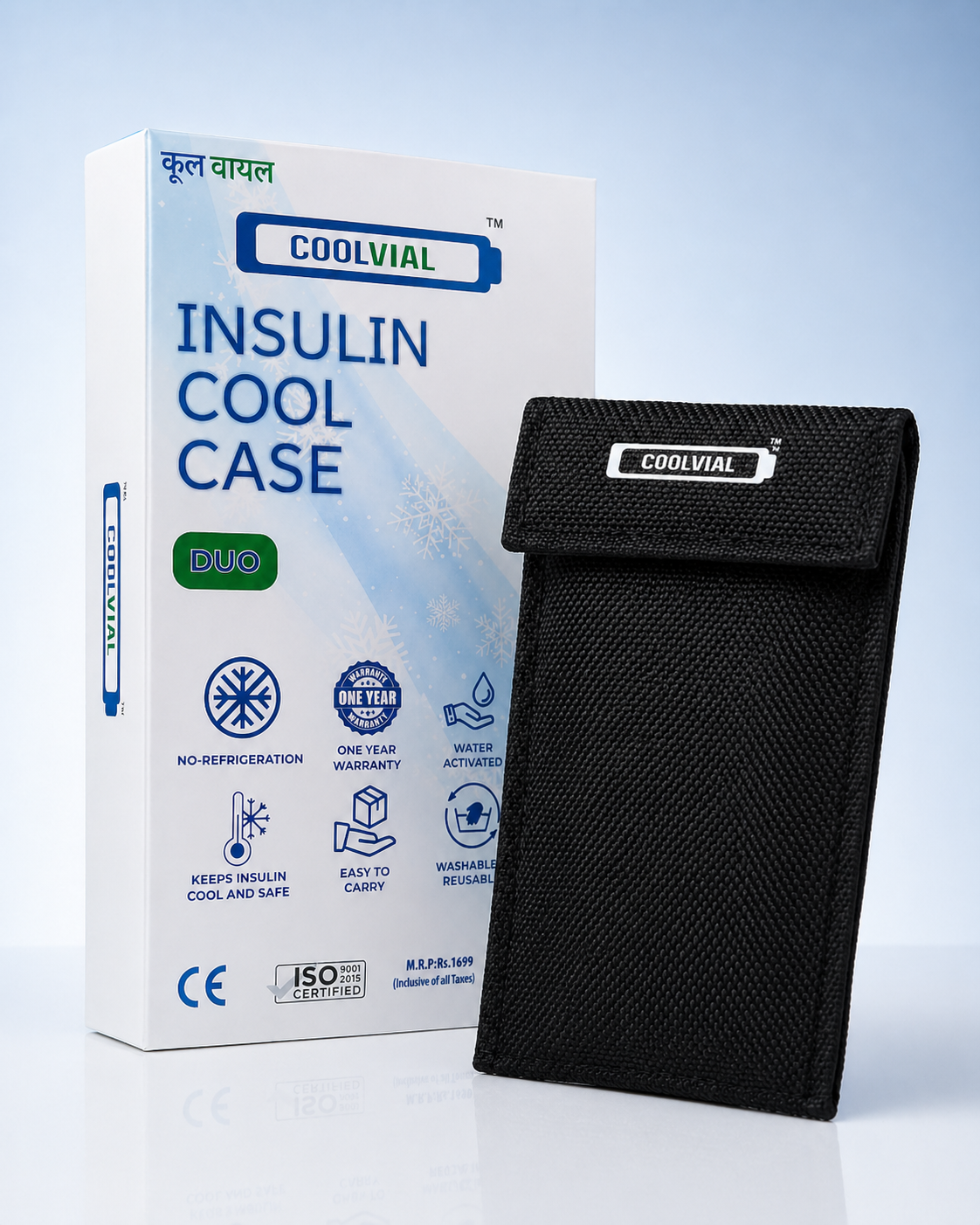
COOLVIAL keeps insulin at 2-8°C for 48+ hours. No electricity needed. Trusted by 10,000+ diabetics.
(Source: World Health Organization Guidelines, adapted for travel)
Beyond temperature, the logistics of carrying medication across international borders are crucial. This involves understanding customs regulations, preparing necessary documentation, and packing intelligently. Many countries allow travelers to carry essential personal medication, but quantity limits and specific documentation are often required. For instance, carrying an excessive amount of insulin without a doctor’s letter could raise questions at customs. It’s always best to carry a supply that is slightly more than what you anticipate needing, accounting for potential delays or unforeseen circumstances.
It is also vital to consider the mode of transport. When flying, always keep insulin in your carry-on luggage. Checked baggage compartments can experience extreme temperature fluctuations, including freezing, which will destroy insulin. Security personnel are generally familiar with medical supplies, but a doctor’s note explicitly stating your need for insulin and syringes will facilitate smoother airport checks. For land travel to Nepal or Bhutan, or sea travel to Sri Lanka, temperature control remains the primary concern, especially given India’s variable climate conditions. For more detailed guidance on general insulin storage, you can refer to our insulin storage tips.
Practical Tips for Cross-Border Travel from India with Insulin
Embarking on cross-border travel from India with insulin requires meticulous planning to ensure your medication remains effective and your journey is stress-free. Here are 5 essential tips to help you prepare:
-
Obtain Comprehensive Medical Documentation:
- Doctor’s Letter: Get a detailed letter from your endocrinologist or general physician. This letter should be on official letterhead, state that you have diabetes, list all your medications (insulin type, dosage, frequency), and confirm that you need to carry syringes, needles, lancets, and a blood glucose meter for personal medical use.
- Prescriptions: Carry original prescriptions for all your medications.
- Language: Ensure the letter is in English, as it’s widely understood in Nepal, Bhutan, and Sri Lanka, and by international customs officials.
- Contact Information: Include your doctor’s contact details in case of an emergency.
-
Pack Smartly and Sufficiently:
- Carry-On Only: Always pack all your insulin, syringes, and testing supplies in your carry-on bag. Never put them in checked luggage where temperatures can vary wildly and luggage can get lost.
- Extra Supplies: Carry at least 1.5 to 2 times the amount of insulin and supplies you expect to need for your trip. This accounts for delays, accidental breakages, or increased insulin needs due to changes in diet or activity.
- Original Packaging: Keep insulin in its original pharmacy-labeled packaging to avoid confusion at customs.
-
Ensure Proper Temperature Control:
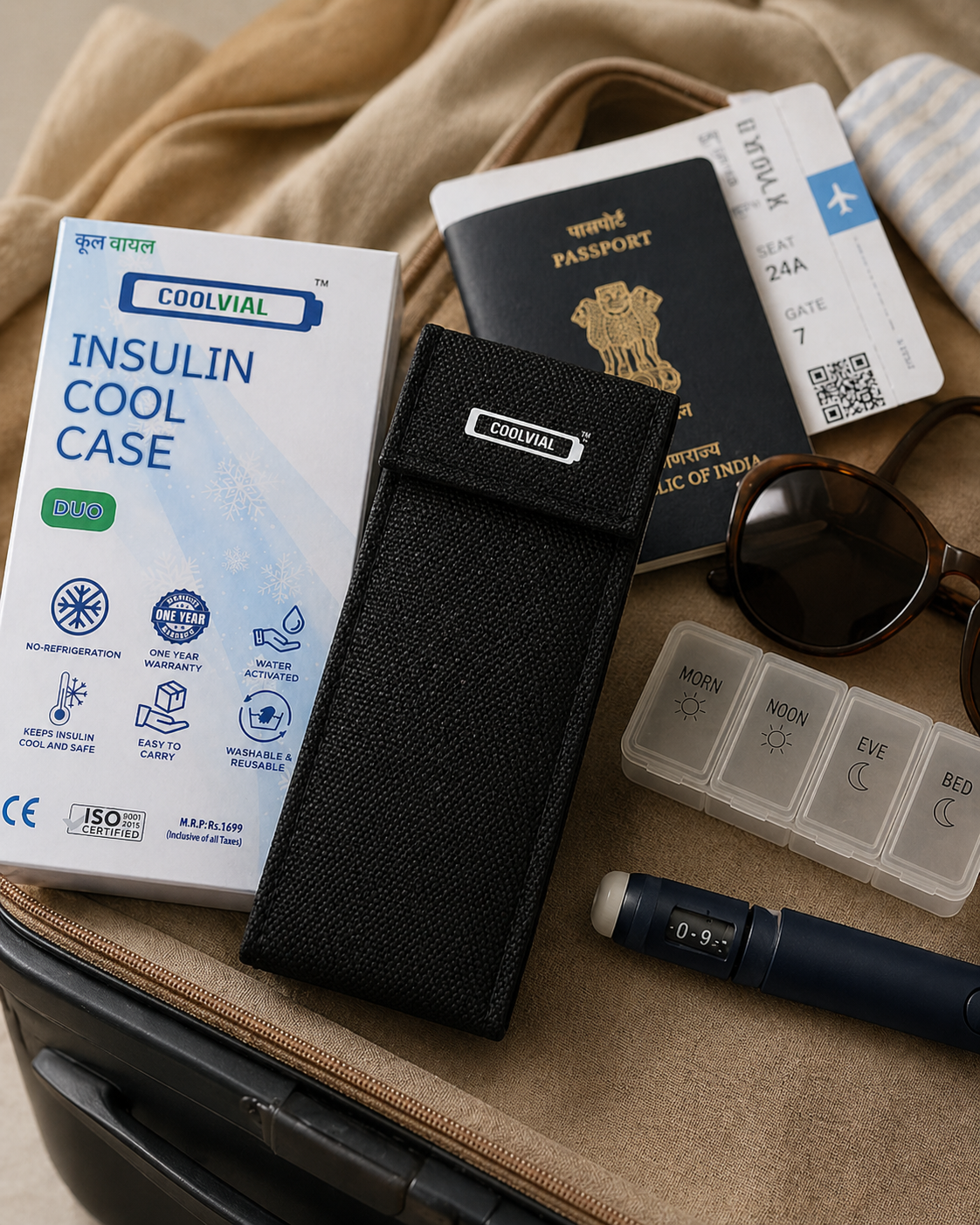
- Insulin Cool Case: Invest in a reliable insulin cool case. Traditional ice packs can freeze insulin, rendering it useless. Look for cases that use evaporation technology or gel packs designed to maintain a stable temperature between 2-8°C without freezing. This is especially crucial for cross-border travel from India with insulin, given the varying temperatures you might encounter.
- Avoid Direct Sunlight: Regardless of the cool case, never leave your insulin in direct sunlight or a hot vehicle.
- Test Cool Case: Test your cool case before travel to ensure it maintains the correct temperature range.
-
Research Destination-Specific Regulations and Healthcare:
- Customs & Entry: While Nepal, Bhutan, and Sri Lanka generally have liberal policies for personal medication, it’s wise to check their specific customs websites or contact their embassies in India regarding insulin and medical supplies.
- Healthcare Facilities: Identify hospitals or clinics at your destination where you could seek medical attention or purchase insulin if needed. Note down emergency contact numbers.
- Insulin Availability: Research if your specific type of insulin is available in your destination country, just in case you need a refill.
-
Manage Time Zones and Meal Schedules:
- Time Zone Adjustments: When traveling across time zones, consult your doctor about adjusting your insulin schedule. Minor time differences to Nepal, Bhutan, or Sri Lanka might not require drastic changes, but planning is still key.
- Meal Planning: Be prepared for changes in meal times and food choices. Carry healthy snacks and glucose tablets for emergencies.
- Blood Glucose Monitoring: Monitor your blood glucose levels more frequently than usual, especially during the first few days in a new environment, to understand how your body reacts to travel, diet, and activity changes.
India-Specific Context for Insulin Travel
Traveling from India, especially with a delicate medication like insulin, presents unique considerations that are deeply rooted in our country’s diverse geography, climate, and infrastructure. Understanding these specific contexts is vital for ensuring successful cross-border travel from India with insulin.
India experiences extreme climatic variations, from the intense summer heat in cities like Delhi, Chennai, and Ahmedabad, where temperatures can soar above 45°C, to the humid monsoon seasons across coastal regions like Mumbai and Kolkata. These conditions pose a significant threat to insulin, which, as mentioned, degrades rapidly above 30°C. Even during cooler seasons, poorly insulated train compartments or bus journeys across states like Uttar Pradesh or Madhya Pradesh can expose insulin to temperature fluctuations that compromise its efficacy. According to the International Diabetes Federation (IDF) Diabetes Atlas 2023, India had 101 million diabetics in 2023, highlighting the widespread need for effective insulin management solutions for travel.
Moreover, power cuts (load shedding) are a common reality in many parts of India, particularly during summer. This can affect the reliability of refrigeration at home or in hotels, making a portable, non-electric cooling solution indispensable. For travelers embarking on cross-border journeys to Nepal, Bhutan, or Sri Lanka, the initial leg of their journey through India itself demands careful insulin management. Whether you’re taking a flight from Bengaluru, catching a train from Mumbai, or driving from Kolkata to the Nepal border, the challenges of maintaining a cool environment for your insulin are constant.
"Finally a cooler that works in Indian summers. Insulin stayed perfect during a 3-day power cut." — Ramesh, Chennai
5 Essential Tips for Safe Cross-Border Travel from India with Insulin: Nepal, Bhutan & Sri Lanka
CE Certified · Free Delivery · 1-Year Warranty · Made for India
📲 Buy on WhatsApp — ₹1,099🛒 Buy Now — ₹1,099Common Indian Travel Scenarios & Insulin Challenges:
| Travel Scenario | Typical Indian Context | Insulin Challenge | Recommended Solution |
|---|---|---|---|
| Long-distance Train Journeys | Non-AC coaches, infrequent access to refrigeration, high ambient temperatures. | Maintaining 2-8°C or even 15-25°C for extended periods. | Evaporative cool case, reliable insulated bag with non-freezing gel packs. |
| Bus Travel (Local & Inter-state) | Crowded, hot, bumpy rides, luggage stored in hot compartments. | Physical damage to vials, extreme heat exposure. | Durable, impact-resistant cool case, always keep insulin in carry-on. |
| Airport Transit (Indian Airports) | Security checks, potential delays, warm waiting areas. | Prolonged exposure to ambient temperatures while outside a cool environment. | Keep cool case packed and ready, clear documentation for quick security passage. |
| Festivals & Pilgrimages | Large crowds, limited access to refrigeration, prolonged outdoor exposure. | High risk of insulin spoilage due to heat and lack of proper storage. | Portable, long-duration cool case, carry extra supplies. |
| Power Cuts | Unreliable electricity, especially in smaller towns or rural areas. | Refrigerated insulin losing cooling, inability to recharge electronic cooling devices. | Non-electric, passive cooling solutions are ideal. |
Considering these factors, selecting the right insulin cooling solution becomes paramount. It must be robust enough to withstand the rigors of Indian travel, independent of electricity, and capable of maintaining stable temperatures for extended periods. This preparation ensures that when you finally cross the border, your insulin is already in optimal condition, ready for the adventure ahead.
COOLVIAL: Your Reliable Partner for Cross-Border Travel from India with Insulin
When preparing for cross-border travel from India with insulin, especially to destinations with varying climates and travel conditions like Nepal, Bhutan, and Sri Lanka, the choice of your insulin storage solution can make all the difference. This is where COOLVIAL emerges as a trusted and essential companion for Indian diabetics. We understand the unique challenges faced by travelers from India – from sweltering summers in Delhi to humid monsoons in Kolkata, and the practicalities of long train or bus journeys.
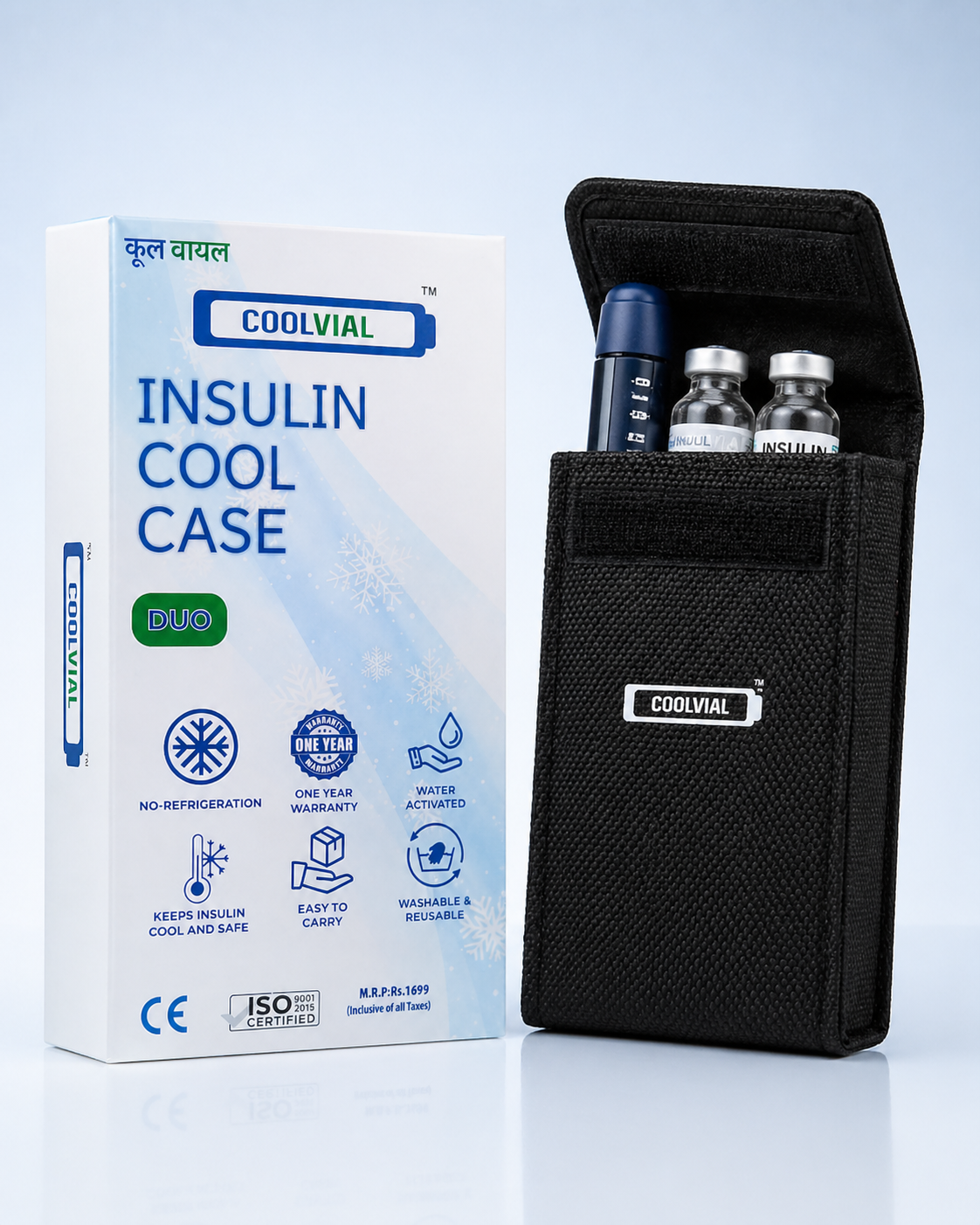
COOLVIAL insulin cool cases are specifically designed to address these concerns, offering a dependable and convenient way to keep your insulin safe and effective. Our cases utilize advanced evaporative cooling technology, which means they don’t require electricity, batteries, or refrigeration to function. This makes them perfectly suited for travel across India and into our neighbouring countries, where access to consistent power or refrigeration might be limited. For instance, in many Indian households, daily power cuts are a reality, and relying on electric cooling for insulin can be risky. COOLVIAL provides peace of mind by offering an independent cooling solution.
The COOLVIAL cool case maintains insulin at a safe temperature range, typically between 18-26°C (depending on ambient temperature), for extended periods, even when the outside temperature is significantly higher. This is ideal for opened insulin, which needs to be kept at room temperature (15-25°C) but away from extreme heat. For unopened insulin that needs to stay between 2-8°C, we also offer solutions that work with specific medical-grade gel packs to achieve this range without freezing. Our cases are durable, compact, and discreet, designed to fit easily into your carry-on luggage, ensuring your vital medication is always within reach and protected.
By choosing COOLVIAL, you are investing in a solution that is tailored for the Indian traveler’s needs, enabling seamless cross-border travel from India with insulin. Our cool cases empower you to explore new cultures and landscapes in Nepal, Bhutan, and Sri Lanka without the constant worry of insulin spoilage. This is not just a product; it’s a commitment to your health and freedom to travel. You can find out more about the COOLVIAL insulin cool case and how it can secure your medication.
Frequently Asked Questions for Insulin Travel
Preparing for cross-border travel from India with insulin often brings up several questions. Here are answers to some of the most common concerns, designed to provide clear and direct guidance for your journey to Nepal, Bhutan, or Sri Lanka.
Q: What happens if my insulin gets too hot during travel? A: If insulin gets too hot (above 30°C), it can degrade rapidly and lose its potency, becoming ineffective at lowering blood sugar. This can lead to dangerously high blood glucose levels, even if the insulin appears normal. It is crucial to discard any insulin suspected of being exposed to extreme heat and use fresh, properly stored insulin.
Q: Can I carry insulin needles and syringes on a flight from India? A: Yes, you can carry insulin needles and syringes on a flight from India, but they must be for personal medical use. It is highly recommended to carry a doctor’s letter and your prescription clearly stating your need for these medical supplies to avoid issues with airport security. Always pack them in your carry-on bag.
Q: Is it safe to store insulin in the hotel refrigerator? A: It can be safe to store unopened insulin in a hotel refrigerator, but always check the temperature first. Hotel mini-fridges can sometimes freeze items or not be cold enough. Use a refrigerator thermometer to confirm the temperature is consistently between 2-8°C. For opened insulin, storing it in your personal cool case at room temperature (15-25°C) is often safer than risking freezing in a fluctuating hotel fridge.
Q: How much insulin should I carry for a two-week trip from India? A: For a two-week trip, you should carry at least a 3-week supply of insulin and all related diabetes supplies (syringes, needles, test strips, lancets). This extra amount (50% more than needed) acts as a buffer against unforeseen travel delays, lost luggage, or increased insulin requirements due to changes in diet or activity during your cross-border travel from India with insulin.
Q: What should I do if my insulin supply is lost or damaged abroad? A: If your insulin supply is lost or damaged, immediately contact your doctor in India for advice and a new prescription, which can be sent digitally. Then, locate the nearest reputable pharmacy or hospital in Nepal, Bhutan, or Sri Lanka. Present your doctor’s letter and prescription. Your travel insurance might also cover emergency medication replacement. Having identified local healthcare facilities beforehand, as advised in the practical tips section, will greatly assist you in such a situation.
Conclusion
Embarking on cross-border travel from India with insulin to vibrant destinations like Nepal, Bhutan, and Sri Lanka is an enriching experience that should not be overshadowed by health concerns. By meticulously planning and adhering to the essential tips outlined in this guide, Indian diabetics can ensure their insulin remains effective and their journey is smooth and enjoyable. From securing comprehensive medical documentation and packing sufficient supplies to prioritizing proper temperature control and understanding destination-specific regulations, every step contributes to a worry-free travel experience
"Finally a cooler that works in Indian summers. Insulin stayed perfect during a 3-day power cut." — Ramesh, Chennai
5 Essential Tips for Safe Cross-Border Travel from India with Insulin: Nepal, Bhutan & Sri Lanka
CE Certified · Free Delivery · 1-Year Warranty · Made for India
📲 Buy on WhatsApp — ₹1,099🛒 Buy Now — ₹1,099