
Reviewed by the COOLVIAL Editorial Team — specialists in insulin storage for Indian climate conditions.
Receiving a diabetes diagnosis can feel overwhelming, but it’s also the first step towards taking control of your health. For newly diagnosed patients in India, building a comprehensive diabetes care starter kit India: what every newly diagnosed patient needs involves understanding your condition, regularly monitoring blood glucose, managing diet and exercise, and crucially, ensuring proper medication use and storage. This holistic approach empowers you to manage diabetes effectively right from the start. For instance, maintaining insulin’s efficacy is paramount, as it spoils rapidly above 30°C, a common temperature in many Indian cities, highlighting the need for reliable storage solutions like maintaining it between 2–8°C. This guide provides a complete 7-step roadmap to equip you with the knowledge and tools necessary for a healthy life with diabetes in India’s unique environment.
This article will walk you through essential concepts, practical tools, and India-specific considerations, ensuring you are well-prepared to embark on your diabetes management journey with confidence.
Table of Contents
- The Initial Shock and Why a Structured Diabetes Care Starter Kit Matters in India
- Understanding Diabetes: Core Concepts for Your Journey
- Building Your Practical Diabetes Care Starter Kit in India: Essential Tools & Habits
- Navigating Diabetes in India: Climate, Culture, and Travel Considerations
- The Indispensable Role of Proper Insulin Storage: A Key Component of Your Diabetes Care Starter Kit
- Frequently Asked Questions (FAQ) for Newly Diagnosed Diabetics in India
- Conclusion: Empowering Your Diabetes Journey in India
The Initial Shock and Why a Structured Diabetes Care Starter Kit Matters in India
A diagnosis of diabetes can be a profoundly emotional experience, often bringing feelings of shock, confusion, or even fear. It’s a significant life change that requires adjustments to daily routines, diet, and lifestyle. However, it’s vital to remember that with the right knowledge and tools, diabetes is a manageable condition. This initial phase is critical for setting the foundation for long-term health.
In India, the urgency of proper diabetes management is particularly pronounced. According to the International Diabetes Federation (IDF), India had 101 million people living with diabetes in 2023, a staggering number that continues to grow. This high prevalence, coupled with unique socio-economic and environmental factors, makes a structured diabetes care starter kit India: what every newly diagnosed patient needs not just helpful, but absolutely essential.
Many newly diagnosed individuals in India face challenges such as limited access to specialized healthcare in rural areas, a predisposition to carbohydrate-heavy diets, and the pervasive impact of a tropical climate on medication storage. Misinformation or traditional beliefs can also complicate adherence to medical advice. Therefore, a comprehensive approach that addresses these specific Indian contexts is paramount.
To effectively navigate these challenges, your initial steps should include:
- Seeking professional guidance: Consult an endocrinologist or diabetologist immediately after diagnosis.
- Educating yourself: Understand the basics of diabetes and its management.
- Building a support system: Connect with family, friends, and support groups.
- Adopting a proactive mindset: Take ownership of your health journey.
The ICMR (Indian Council of Medical Research) provides comprehensive guidelines for diabetes management in India, emphasizing personalized care and lifestyle modifications. You can refer to these valuable resources for in-depth information and recommendations (Source: ICMR Guidelines for Management of Type 2 Diabetes). Establishing a clear, actionable plan from day one can significantly reduce anxiety and improve outcomes.
Understanding Diabetes: Core Concepts for Your Journey
Before you build your physical diabetes care starter kit, it’s crucial to grasp the fundamental concepts of diabetes. Knowledge is your most powerful tool in managing this condition effectively.
Types of Diabetes
There are several types of diabetes, each with distinct causes and management approaches:
The Complete 7-Step Diabetes Care Starter Kit India: What Every Newly Diagnosed Patient Needs
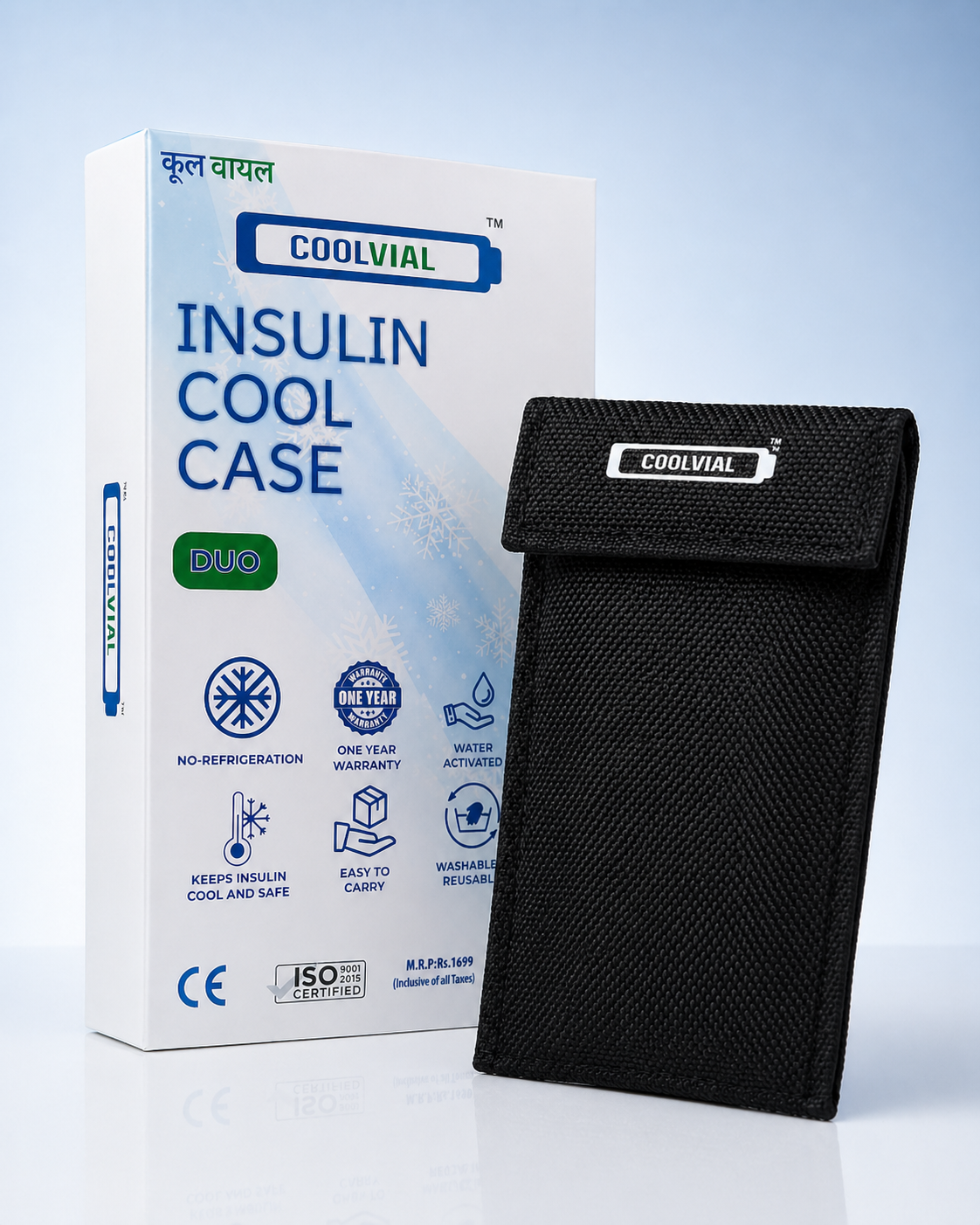
48+ hours at 2-8°C. No electricity. CE certified. Free delivery across India.
Order on WhatsApp — ₹1,099🛒 Buy Now — ₹1,099- Type 1 Diabetes: An autoimmune condition where the body’s immune system attacks and destroys the insulin-producing cells in the pancreas. It typically appears in childhood or adolescence but can develop at any age. People with Type 1 diabetes require daily insulin injections for survival.
- Type 2 Diabetes: The most common form, where the body either doesn’t produce enough insulin or doesn’t use insulin effectively (insulin resistance). It often develops in adults, though increasingly seen in younger individuals in India due to lifestyle changes. Management usually involves diet, exercise, oral medications, and sometimes insulin.
- Gestational Diabetes: Develops during pregnancy in women who haven’t previously had diabetes. It typically resolves after childbirth but increases the risk of developing Type 2 diabetes later in life for both mother and child.
Blood Glucose Management
Monitoring blood glucose levels is the cornerstone of diabetes management. This helps you understand how food, exercise, and medication affect your body.
- HbA1c (Glycated Hemoglobin): This blood test provides an average of your blood glucose levels over the past 2-3 months. It’s a key indicator of long-term glucose control.
- Fasting Blood Glucose: Measured after an overnight fast (typically 8-10 hours).
- Post-Prandial Blood Glucose: Measured 1-2 hours after a meal.
Here’s a general guide to blood glucose targets, often recommended by medical professionals in India (these may vary based on individual health conditions and doctor’s advice):
| Parameter | Target Range (mg/dL) |
|---|---|
| Fasting Plasma Glucose | 80-130 |
| Post-Prandial Plasma Glucose (2 hours after meal) | <180 |
| HbA1c | <7% |
Note: Always consult your doctor for personalized target ranges.
The Role of Insulin and Oral Medications
Depending on your type of diabetes and its severity, your doctor may prescribe medications:
- Oral Medications: These pills work in various ways, such as stimulating insulin production, improving insulin sensitivity, slowing glucose absorption, or increasing glucose excretion. Common examples include Metformin, Sulfonylureas, and DPP-4 inhibitors, widely available in India.
- Insulin: If your body doesn’t produce enough insulin or has high resistance, insulin injections become necessary. Insulin can be fast-acting, short-acting, intermediate-acting, or long-acting, often used in combination. Understanding the type, dosage, and timing of your insulin is vital for your diabetes care starter.
Lifestyle Modifications: Diet and Exercise
Lifestyle changes are fundamental to managing diabetes.
- Diet: Focus on a balanced diet rich in whole grains, lean proteins, fruits, and vegetables. Reduce intake of refined carbohydrates, sugary drinks, and unhealthy fats. For an Indian context, this means choosing whole wheat rotis over maida, brown rice over white, and incorporating plenty of dals and fresh vegetables.
- Exercise: Regular physical activity helps lower blood glucose levels, improves insulin sensitivity, and contributes to weight management. Aim for at least 150 minutes of moderate-intensity aerobic activity per week, such as brisk walking, yoga, or cycling.
Building Your Practical Diabetes Care Starter Kit in India: Essential Tools & Habits
Once you understand the basics, it’s time to assemble the physical components of your diabetes care starter kit India: what every newly diagnosed patient needs. Having these items readily available will streamline your daily management and help you respond effectively to any situation.
Here are the essential items and habits to include:
 Cool Case" style="width:120px;height:120px;object-fit:contain;border-radius:8px;flex-shrink:0;">
The Complete 7-Step Diabetes Care Starter Kit India: What Every Newly Diagnosed Patient Needs
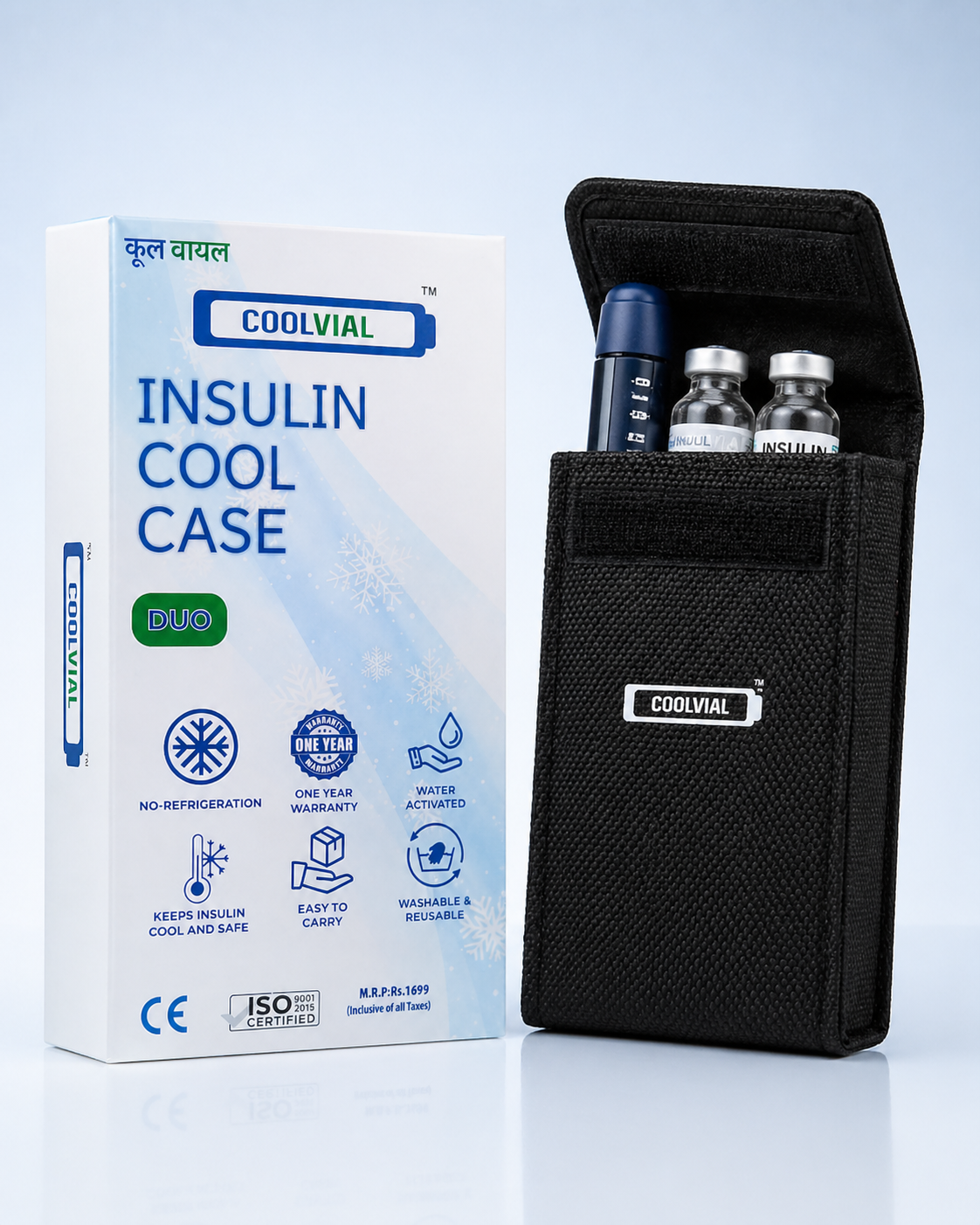
Keep your insulin safe in India's extreme heat. COOLVIAL works for 48+ hours without electricity.
-
1. Glucometer, Test Strips, and Lancets:
- Glucometer: A small, portable device to measure your blood glucose levels. Brands like Accu-Chek, OneTouch, and Dr. Morepen are popular and widely available across India.
- Test Strips: Specific to your glucometer model, these are inserted into the device to measure glucose. Ensure you have a fresh supply.
- Lancets and Lancing Device: Used to prick your finger for a blood sample. Replace lancets regularly for hygiene and less pain.
- Habit: Regular monitoring as advised by your doctor (e.g., fasting, before meals, after meals, before bed). Keep a logbook or use an app to track readings.
-
2. Prescribed Medications:
- Oral Drugs/Insulin: Always carry your prescribed medications. If you use insulin, ensure you have enough pens or vials.
- Medical ID: Wear a medical ID bracelet or carry a card stating you have diabetes, your medication, and emergency contact details. This is crucial in case of an emergency, especially when traveling within India.
- Habit: Adhere strictly to your medication schedule and dosage. Never skip or adjust doses without consulting your doctor.
-
3. Insulin Storage Solutions (if applicable):
- For insulin users, proper storage is non-negotiable. Unopened insulin must be refrigerated (2-8°C). Opened insulin can typically be kept at room temperature (15-25°C) for up to 28 days, but this is highly dependent on ambient temperatures.
- Given India’s climate, where temperatures in cities like Delhi, Mumbai, or Chennai can soar well above 30°C for months, an effective cooling solution is vital. A COOLVIAL insulin cool case provides a reliable, portable, and affordable way to maintain insulin’s temperature within the safe range, protecting it from spoilage even during travel or power cuts.
- Habit: Understand the storage requirements for your specific insulin type. Always check expiration dates.
-
4. Hypoglycemia Treatment:
- Fast-acting glucose source: Carry glucose tablets, hard candies, or a small juice box (e.g., Frooti, Real Juice) to treat low blood sugar (hypoglycemia) quickly.
- Glucagon Emergency Kit: If prescribed, learn how and when to use it for severe hypoglycemia.
- Habit: Recognize the symptoms of hypoglycemia (shakiness, sweating, confusion) and act promptly.
-
5. Foot Care Kit:
- Moisturizer: To prevent dry, cracked skin.
- Nail Clippers/File: For careful nail trimming.
- Mirror: To inspect the bottoms of your feet.
- Habit: Inspect your feet daily for cuts, blisters, or sores. Wear comfortable, supportive footwear to prevent injuries.
-
6. Healthy Indian Meal Planning Guide:
- Resource: A guide tailored to Indian cuisine, focusing on portion control, healthy cooking methods, and smart substitutions (e.g., millets for rice, whole pulses).
- Habit: Plan your meals in advance. Carry healthy snacks like nuts, seeds, or fruit to avoid unhealthy temptations.
-
7. Emergency Contact Information:
- List: Keep a physical and digital list of your doctor, family members, and emergency services.
- Habit: Ensure your close contacts know about your diabetes and what to do in an emergency.
Remember, this diabetes care starter kit is a dynamic collection that will evolve as you learn more about your condition and as your needs change.
Navigating Diabetes in India: Climate, Culture, and Travel Considerations
Managing diabetes in India presents a unique set of challenges and opportunities. From the scorching summers to the rich tapestry of festivals, newly diagnosed patients must adapt their care strategies to the local context.
The Impact of India’s Climate
India’s diverse climate, ranging from the extreme heat of the northern plains (like Rajasthan and Uttar Pradesh) to the humid coastal regions (like Kerala and West Bengal), significantly impacts diabetes management.
- Heat and Humidity: Summer temperatures in cities like Delhi, Hyderabad, and Ahmedabad can exceed 45°C. High temperatures directly affect insulin, causing it to degrade and lose potency if not stored correctly. Reports indicate that many regions in India, especially during peak summer, experience frequent power outages, impacting refrigeration in homes and small clinics. This makes reliance on standard refrigeration risky for insulin.
- Hydration: The heat also increases the risk of dehydration, which can elevate blood glucose levels. Staying well-hydrated is crucial.
Cultural and Dietary Considerations
Indian culture is deeply intertwined with food, especially during festivals and social gatherings.
- Festivals: Festivals like Diwali, Eid, Christmas, and Pongal often involve rich, sweet, and fried foods. Managing blood sugar during these times requires careful planning, portion control, and communication with family. Opt for healthier versions of traditional sweets or moderate consumption.
- Dietary Habits: Traditional Indian diets are often carbohydrate-heavy. Working with a dietitian who understands Indian cuisine can help you create a balanced meal plan that respects cultural preferences while managing blood glucose. Embrace regional specialties that are naturally healthier, such as idli, dosa (with moderation), or various lentil-based dishes.
Travel within India
Traveling across India, whether by train, bus, or air, requires meticulous planning for diabetics.
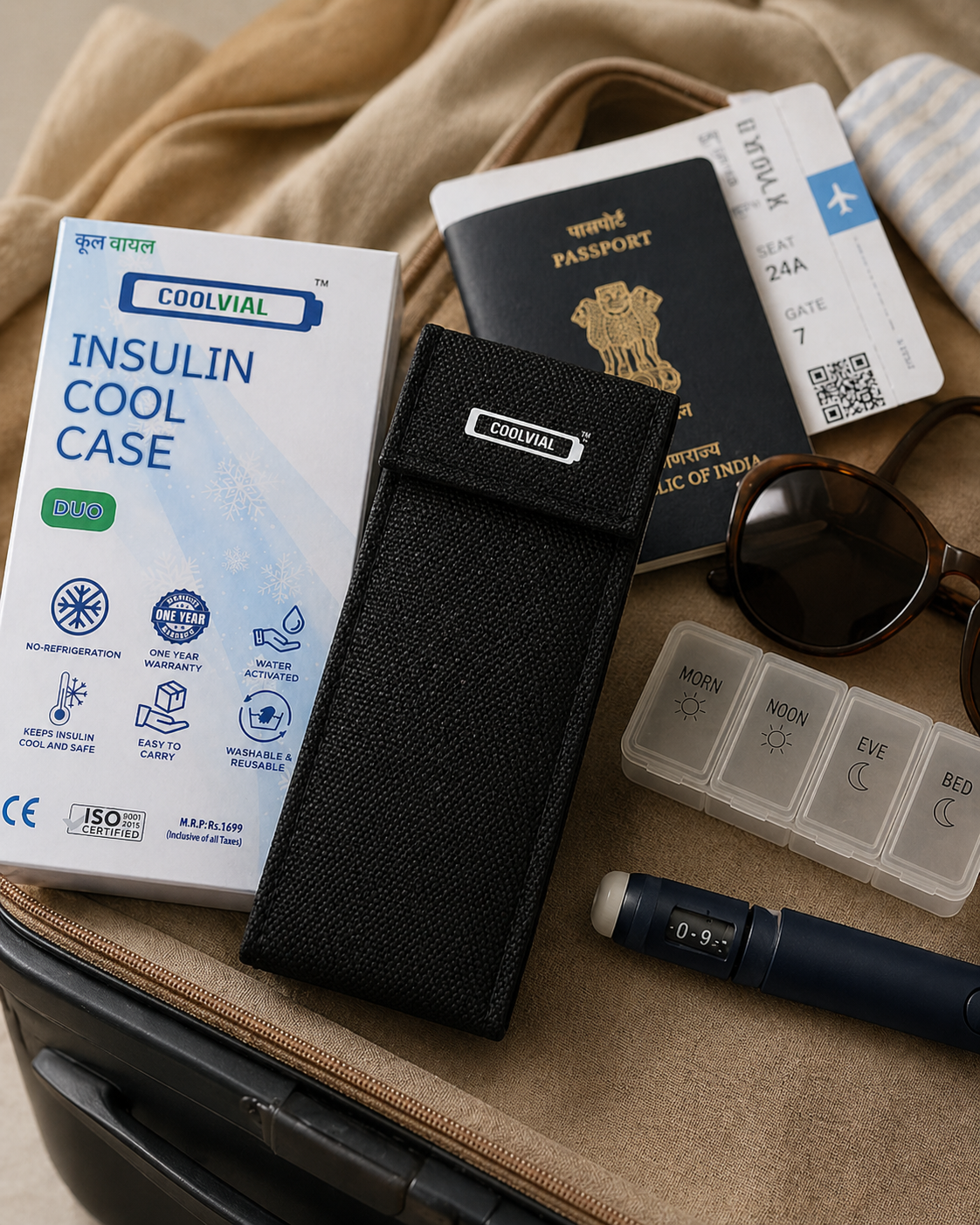
- Medication Storage: Carrying insulin and other temperature-sensitive medications safely is a primary concern. Long train journeys or bus rides in non-AC coaches during summer can expose insulin to damaging temperatures. A reliable cool case is indispensable.
- Food and Snacks: Pack healthy, non-perishable snacks to avoid relying on potentially unhealthy or sugary options available during transit.
- Emergency Contacts: Always have your doctor’s number and a list of emergency contacts. Inform travel companions about your condition.
| Challenge (Indian Context) | Diabetes Management Impact | Practical Solution
The Complete 7-Step Diabetes Care Starter Kit India: What Every Newly Diagnosed Patient Needs
COOLVIAL keeps insulin at 2-8°C for 48+ hours. No electricity needed. Trusted by 10,000+ diabetics.
The Complete 7-Step Diabetes Care Starter Kit India: What Every Newly Diagnosed Patient Needs
COOLVIAL keeps insulin safe in India's heat. 48+ hours, no electricity needed.