
Reviewed by the COOLVIAL Editorial Team — specialists in insulin storage for Indian climate conditions.
Being just diagnosed with diabetes in India can feel overwhelming, but it’s a manageable condition, and your first 30 days are crucial for setting a strong foundation. This period is vital for understanding your diagnosis, learning about lifestyle adjustments, and establishing routines that will help you thrive. For instance, knowing that insulin must be stored between 2-8°C when not in use, and spoils above 30°C, is a critical piece of information you’ll learn early on. This comprehensive guide provides an essential checklist for your initial month, focusing on practical steps tailored to the unique challenges and opportunities in India. By following these steps, you’ll gain confidence and control over your health, transforming a daunting diagnosis into a path towards empowered living.
Table of Contents
- Why a First 30 Days Checklist Matters in India
- Core Concepts of Diabetes Management: How It Works
- Your First 30 Days Checklist for Diabetes Management in India: Practical Tips
- Navigating Diabetes in India: Climate, Travel, and Daily Life
- Ensuring Safe Insulin Storage: COOLVIAL as Your Trusted Solution When Just Diagnosed with Diabetes in India
- Frequently Asked Questions for Newly Diagnosed Diabetics
Why a First 30 Days Checklist Matters in India
Receiving a diabetes diagnosis is a life-altering event, and in India, it comes with its own set of unique considerations. India is often referred to as the “diabetes capital of the world,” with the International Diabetes Federation (IDF) reporting over 101 million people living with diabetes in the country in 2023. This staggering number highlights the prevalence of the condition and the importance of early, effective management. For someone just diagnosed with diabetes in India, the initial month is a critical window for education and adaptation.
The challenges in India range from diverse dietary habits across states like Punjab, Gujarat, and Kerala, to extreme climatic conditions, especially during the scorching summers in cities like Delhi, Chennai, and Hyderabad. These factors significantly impact everything from diet planning to insulin storage. Understanding these nuances from day one is paramount. Without proper guidance, misinformation or inadequate management can lead to severe complications. This checklist is designed to cut through the noise, providing clear, actionable steps for a strong start.
Many Indians, particularly in rural areas or during travel, face inconsistent access to refrigeration or reliable power supply. This makes adherence to strict insulin storage guidelines (2-8°C) a constant concern. Furthermore, the societal stigma sometimes associated with chronic conditions can deter individuals from openly discussing their diagnosis or seeking necessary support. A structured approach, like this first 30 days checklist, empowers individuals to navigate these challenges confidently.
This checklist is not just about medical instructions; it’s about integrating diabetes management into your everyday Indian life, whether you’re commuting in Mumbai, celebrating a festival in Kolkata, or managing daily chores in a village. It aims to demystify the initial steps, ensuring that every individual who is just diagnosed with diabetes in India feels supported and informed. The goal is to prevent common pitfalls and foster a proactive approach to health from the very beginning.
Core Concepts of Diabetes Management: How It Works
Understanding the basics of diabetes is the first step in effective management. Diabetes is a chronic condition where your body either doesn’t produce enough insulin or can’t effectively use the insulin it produces. Insulin is a hormone that regulates blood sugar, or glucose, which is your body’s main source of energy. Without proper insulin function, glucose builds up in the blood, leading to various health problems over time.
There are primarily two main types of diabetes:
Type 1 Diabetes
This is an autoimmune condition where the body’s immune system mistakenly attacks and destroys the insulin-producing cells in the pancreas. People with Type 1 diabetes produce very little or no insulin and require daily insulin injections to survive. It often develops in childhood or adolescence but can occur at any age.
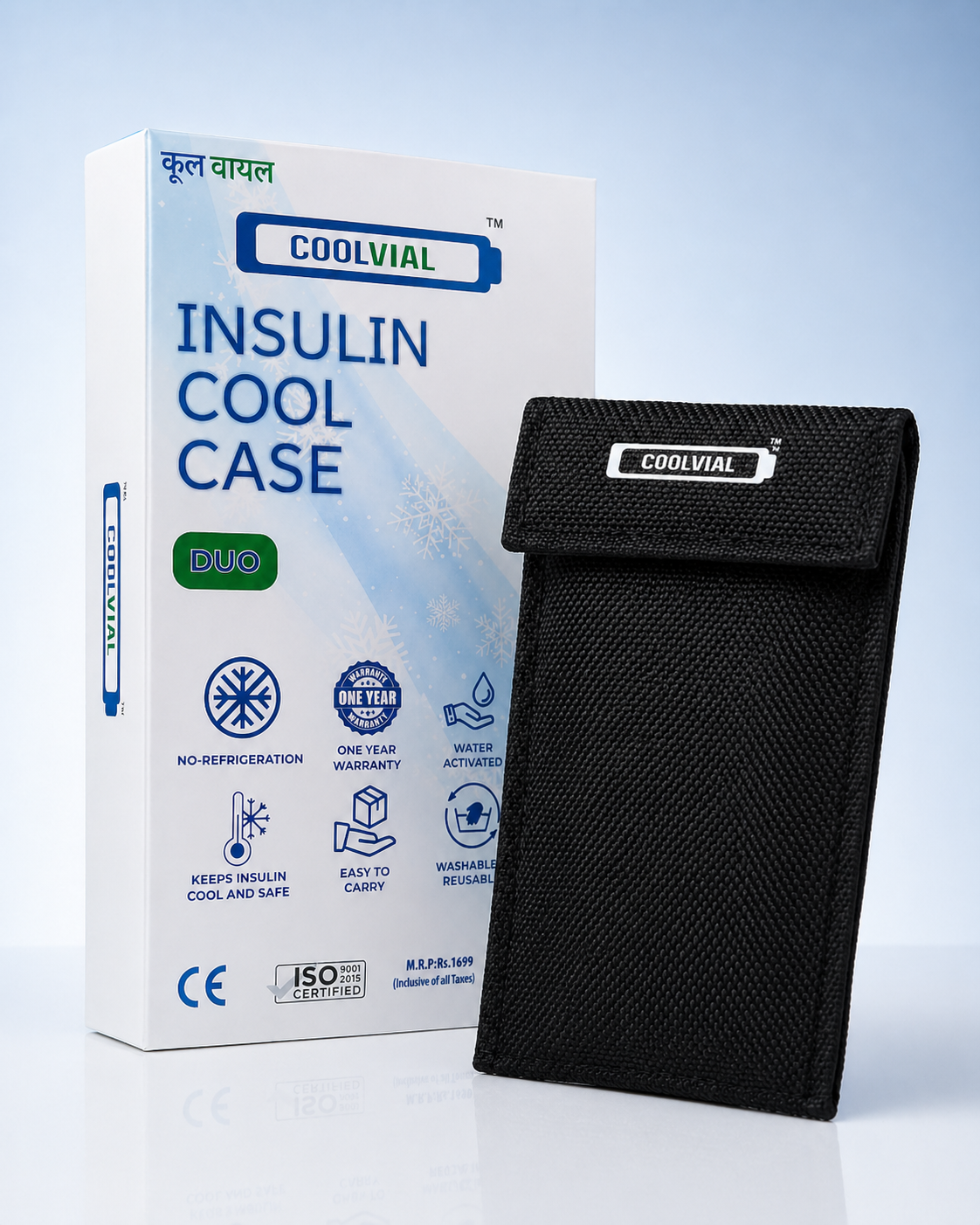
Just Diagnosed with Diabetes in India? Your First 30 Days Essential Checklist
Don't let Indian heat spoil your insulin. COOLVIAL protects it for 48+ hours.
Type 2 Diabetes
This is the most common type, accounting for about 90-95% of all diagnosed cases. In Type 2 diabetes, the body either doesn’t produce enough insulin or doesn’t use insulin properly (insulin resistance). It is often linked to lifestyle factors such as diet, physical inactivity, and obesity, though genetics also play a role. Management often involves lifestyle changes, oral medications, and sometimes insulin.
Just Diagnosed with Diabetes in India? Your First 30 Days Essential Checklist
Insulin at 2-8°C for 48+ hours. Trusted by 10,000+ Indian diabetics.
Gestational Diabetes
This type develops in some women during pregnancy. It usually resolves after childbirth but increases the mother’s and child’s risk of developing Type 2 diabetes later in life.
Understanding Blood Glucose Monitoring
Regular blood glucose monitoring is crucial for diabetes management. It helps you understand how different foods, activities, and medications affect your blood sugar levels. A glucometer, a small portable device, is used to measure blood glucose. Your doctor will advise on target ranges for your fasting, pre-meal, and post-meal blood sugar levels.
| Blood Glucose Level | Fasting (mg/dL) | Post-meal (2 hours) (mg/dL) |
|---|---|---|
| Normal | < 100 | < 140 |
| Prediabetes | 100-125 | 140-199 |
| Diabetes | ≥ 126 | ≥ 200 |
(Source: American Diabetes Association guidelines, adapted for general reference)
The Role of Insulin
Insulin is a life-saving medication for many diabetics, especially those with Type 1 and some with Type 2. It helps transport glucose from the bloodstream into cells for energy. Insulin comes in various forms (rapid-acting, short-acting, intermediate-acting, long-acting) and is administered via injections or insulin pumps. Proper insulin storage is critical: unopened insulin should be refrigerated at 2-8°C, while opened vials or pens can typically be kept at room temperature (15-25°C) for up to 28 days (or 6 weeks for some pens), but must not exceed 30°C. Above 30°C, insulin rapidly loses its potency, rendering it ineffective. This temperature sensitivity is a significant concern for anyone just diagnosed with diabetes in India, given the country’s climate.
Your First 30 Days Checklist for Diabetes Management in India: Practical Tips
For anyone just diagnosed with diabetes in India, the first month is a period of intense learning and adjustment. This practical checklist will guide you through the essential steps to take, ensuring you build a solid foundation for long-term health.
Week 1: Education and Initial Consultations
- Consult your doctor: Schedule follow-up appointments with an endocrinologist or diabetologist. Discuss your specific diagnosis, medication plan (if any), and initial blood sugar targets.
- Meet a certified dietitian/nutritionist: Get a personalized meal plan that considers your cultural food preferences and local Indian ingredients. Understand carbohydrate counting, portion control, and the glycemic index of common Indian foods like rice, roti, and pulses.
- Understand your medication: Learn the names, dosages, and timings of any prescribed medications (oral or insulin). Ask about potential side effects and what to do if you miss a dose.
- Start blood glucose monitoring: Your doctor will advise on how often to check your blood sugar. Learn to use a glucometer correctly and record your readings.
- Identify emergency contacts: Keep a list of your doctor’s number, family members, and local emergency services handy.
Week 2: Lifestyle Integration and Support
- Begin dietary changes: Gradually incorporate the recommended dietary changes. Focus on whole grains, fresh vegetables, lean proteins, and healthy fats. Reduce processed foods, sugary drinks, and excessive oil.
- Start light physical activity: Aim for at least 30 minutes of moderate-intensity activity most days of the week. This could be brisk walking, yoga, or cycling. Consult your doctor before starting any new exercise regimen.
- Educate your family: Share information about your condition with your family members. Their understanding and support are invaluable, especially regarding meal preparation and recognizing signs of low or high blood sugar.
- Join a support group (optional): Connecting with others who have diabetes can provide emotional support and practical advice. Many online and offline communities exist in India.
Week 3: Advanced Learning and Problem Solving
- Learn about insulin storage: If you are on insulin, understand its specific storage requirements. Unopened insulin needs refrigeration (2-8°C), while opened vials/pens can be kept at room temperature (15-25°C) for a limited period, typically 28 days, but must not exceed 30°C. This is where a reliable solution like a COOLVIAL insulin cool case becomes essential for Indian conditions.
- Identify symptoms of hypo/hyperglycemia: Learn to recognize the signs of low blood sugar (hypoglycemia) and high blood sugar (hyperglycemia) and know how to respond to each. Always carry a quick source of sugar like glucose tablets or a small fruit juice.
- Foot care: Diabetes can affect circulation and nerve function, making foot care critical. Inspect your feet daily for cuts, blisters, or sores. Wear comfortable, well-fitting shoes.
- Travel planning: If you travel frequently, especially across India’s diverse climate zones, start thinking about how to manage your diabetes on the go. This includes carrying your medication, supplies, and appropriate insulin storage.
Week 4: Review and Long-term Planning
- Review your progress: Look at your blood sugar readings, dietary adherence, and activity levels. Identify what’s working well and what needs adjustment.
- Follow-up with your doctor: Discuss your progress, any challenges you’ve faced, and adjust your treatment plan as needed. This is a good time to ask any lingering questions.
- Plan for regular check-ups: Diabetes management is ongoing. Schedule regular appointments for blood tests (HbA1c, kidney function, lipid profile), eye exams, and foot checks.
- Consider a medical ID: Wear a medical alert bracelet or carry a card indicating you have diabetes. This can be crucial in an emergency.
Remember, this first 30 days checklist for those just diagnosed with diabetes in India is a journey, not a race. Small, consistent steps will lead to significant improvements in your health and well-being.
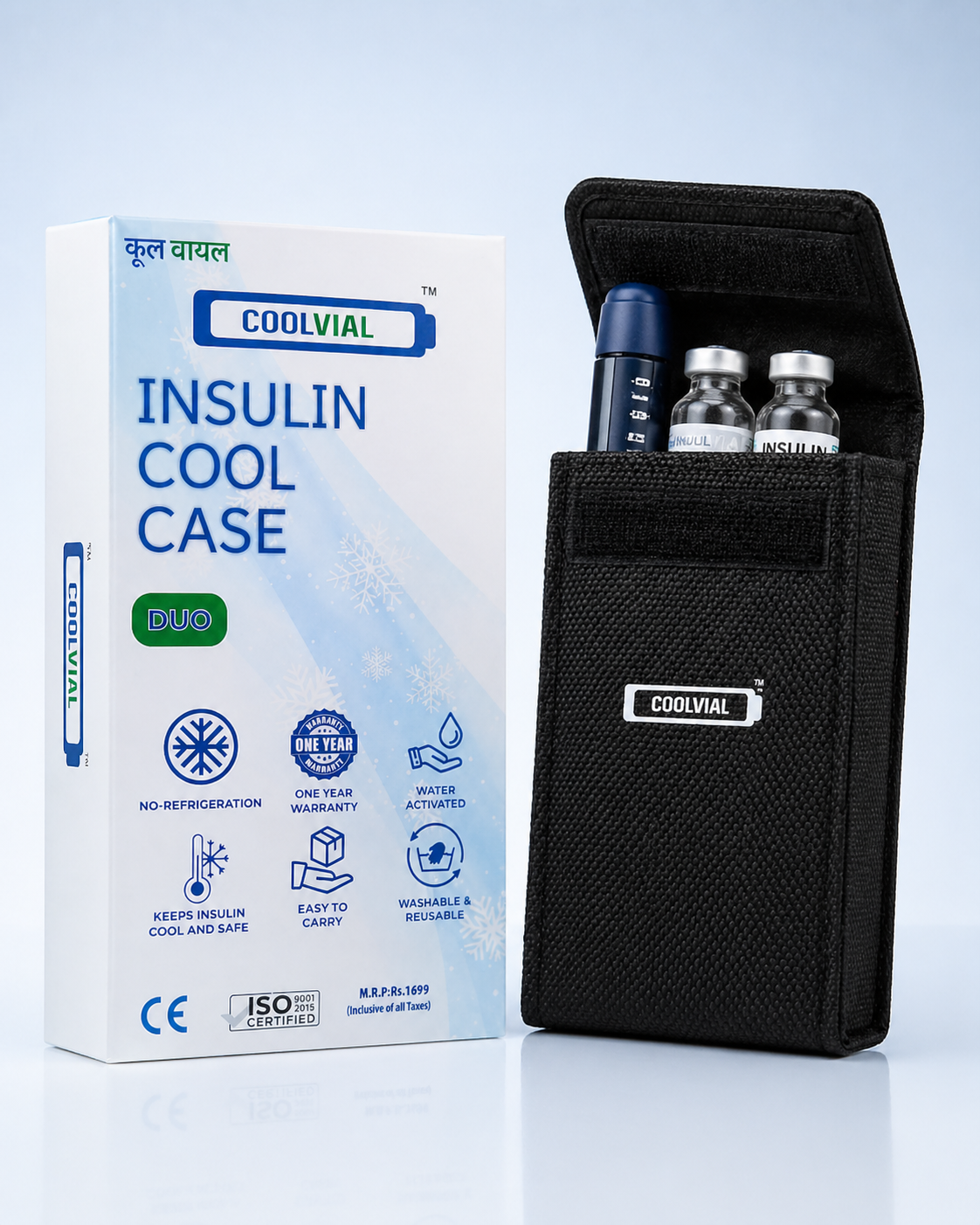
Just Diagnosed with Diabetes in India? Your First 30 Days Essential Checklist
Keep your insulin safe in India's extreme heat. COOLVIAL works for 48+ hours without electricity.
Navigating Diabetes in India: Climate, Travel, and Daily Life
Just Diagnosed with Diabetes in India? Your First 30 Days Essential Checklist
India’s vast geographical and cultural landscape presents unique challenges for someone managing diabetes. From the sweltering heat of Rajasthan to the humid coasts of Kerala, and the bustling metropolitan life of Bengaluru to the serene villages, every region has its own set of environmental and lifestyle factors impacting diabetes care. Understanding these is crucial, especially for those just diagnosed with diabetes in India.
Climate Conditions and Insulin Stability
India experiences extreme temperatures. Summers in North India (Delhi, Uttar Pradesh, Rajasthan) often see temperatures soaring above 45°C. Coastal cities like Mumbai, Chennai, and Kolkata have high humidity and temperatures consistently above 30°C for much of the year. This poses a direct threat to insulin, which loses potency rapidly when exposed to temperatures above 30°C. Storing insulin properly (2-8°C when unopened, 15-25°C for active use, never above 30°C) is not just a recommendation; it’s a necessity for efficacy. Power cuts, common in many parts of India, particularly in rural areas and during peak summer, can disrupt refrigeration, making reliable portable solutions critical.
Dietary Diversity and Meal Planning
India’s culinary heritage is rich and varied, but many traditional dishes are high in carbohydrates, fats, and sugars. For someone just diagnosed with diabetes in India, adapting traditional diets can be a challenge. For example, a South Indian thali might be rich in rice, while a North Indian meal might feature heavy curries and rotis.
- North India: Focus on reducing ghee, incorporating whole wheat flours, and increasing vegetable intake.
- South India: Opt for brown rice, limit fried snacks like vada, and increase lentils and vegetable-based curries.
- West India: Choose whole-grain rotis over refined flour, and be mindful of sugary sweets during festivals like Diwali.
- East India: Balance rice intake with fish and plenty of greens.
A dietitian can help tailor a plan that respects cultural preferences while managing blood sugar.
Travel and Commuting Challenges
Traveling across India by train, bus, or even auto-rickshaw can be demanding. Long journeys, varying food options, and exposure to different climates require careful planning for diabetics. Carrying adequate supplies, monitoring blood sugar frequently, and having a reliable way to store insulin are non-negotiable. During festivals like Holi, Eid, or Christmas, routines can be disrupted, and tempting sweets abound. Planning ahead for these events is vital.
Addressing Power Fluctuations
Frequent power fluctuations and outages, especially during summer months, can render home refrigerators unreliable for consistent insulin storage. This is a significant concern for many households across states like Bihar, Jharkhand, and parts of Maharashtra. Without a stable cold chain, insulin can quickly degrade, leading to ineffective treatment and potentially dangerous blood sugar levels. This highlights the practical need for portable, reliable cooling solutions that don’t depend on continuous electricity.
Navigating these aspects of daily life in India with a new diabetes diagnosis requires proactivity and the right tools. From adapting your diet during a family wedding to ensuring your insulin stays cool on a long journey from Bengaluru to Chennai, being prepared is key.
Ensuring Safe Insulin Storage: COOLVIAL as Your Trusted Solution When Just Diagnosed with Diabetes in India
When you’re just diagnosed with diabetes in India and prescribed insulin, one of the most immediate and critical concerns is how to store this life-saving medication safely. Insulin is highly sensitive to temperature fluctuations; it must be kept between 2-8°C when unopened and between 15-25°C once opened for up to 28 days (or 6 weeks for some pens). Crucially, insulin loses its potency and becomes ineffective if exposed to temperatures above 30°C for even short periods. This is a significant challenge in India, where ambient temperatures frequently exceed 30°C, particularly during summer months or in humid coastal regions.
Traditional methods of insulin storage, such as refrigeration, are often unreliable in India due to frequent power cuts, especially in tier-2 and tier-3 cities, and rural areas. Carrying insulin in regular bags or relying on ice packs that quickly melt is simply not safe or practical for daily life, commuting, or travel. This is where COOLVIAL steps in as an essential, made-for-India solution.
COOLVIAL offers an innovative, portable insulin cool case designed specifically to address the unique climatic conditions and lifestyle needs of Indian diabetics. Priced at an affordable ₹1,099, the COOLVIAL insulin cool case provides a consistent and safe temperature environment for your insulin, ensuring its efficacy no matter where you are. It’s a vital tool for anyone who is just diagnosed with diabetes in India and needs to manage their insulin safely on the go.
Benefits of COOLVIAL for Indian Diabetics:
- Reliable Temperature Control: Maintains insulin at its optimal temperature range (typically 18-25°C), protecting it from spoilage due to heat, even when outside temperatures soar to 40°C+.
- Portability and Convenience: Compact and lightweight, it’s perfect for daily commutes, school, office, or long-distance travel by train or bus across India. No need for electricity, batteries, or refrigeration.
- Durability: Built to withstand the rigors of daily use in India, providing a robust solution for your precious medication.
- Peace of Mind: Eliminates the worry of insulin degradation due to power cuts or extreme weather, allowing you to live your life freely.
- Affordable Access: At ₹1,099, it’s an accessible investment in your health and peace of mind. You can easily buy COOLVIAL at ₹1,099 via WhatsApp.
For individuals just diagnosed with diabetes in India, integrating COOLVIAL into their daily routine from the very beginning can make a world of difference. It simplifies one of the most complex aspects of diabetes management – insulin storage – and empowers them to maintain their health regimen consistently and effectively, whether they are in a bustling market in Chennai or a quiet village in Himachal Pradesh. Understanding insulin storage tips is crucial, and COOLVIAL makes implementing them effortless.
Frequently Asked Questions for Newly Diagnosed Diabetics
Navigating a new diabetes diagnosis brings many questions, especially for those just diagnosed with diabetes in India. Here are answers to some common concerns:
**Q: What is the most important thing to do immediately after being diagnosed with diabetes in India?
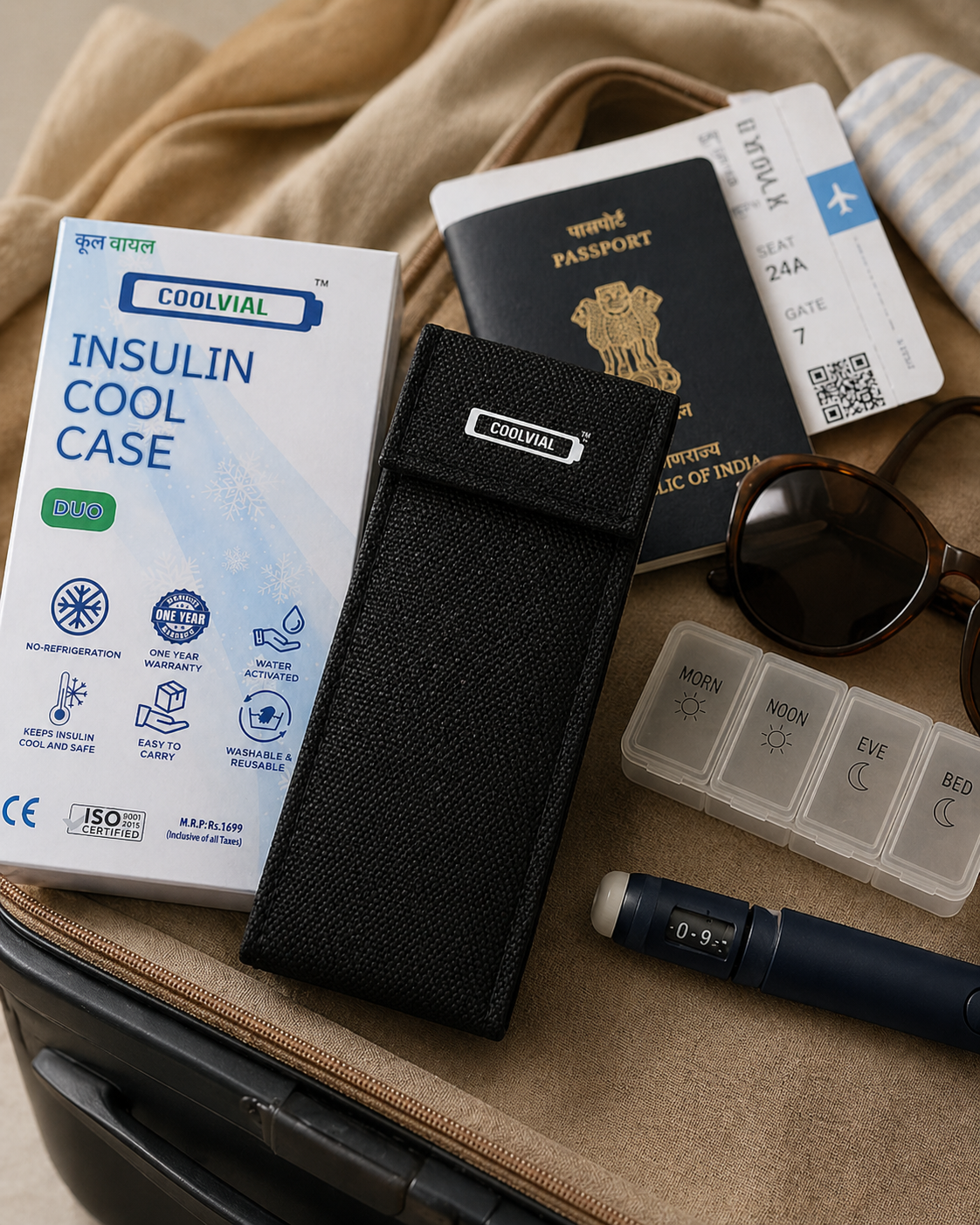
Just Diagnosed with Diabetes in India? Your First 30 Days Essential Checklist
COOLVIAL keeps insulin at 2-8°C for 48+ hours. No electricity needed.
Just Diagnosed with Diabetes in India? Your First 30 Days Essential Checklist
48+ hours at 2-8°C. No electricity. CE certified. Free delivery across India.
Order on WhatsApp — ₹1,099🛒 Buy Now — ₹1,099