
Reviewed by the COOLVIAL Editorial Team — specialists in insulin storage for Indian climate conditions.
For individuals managing diabetes in India’s vibrant coastal regions, ensuring proper insulin storage is a critical, yet often complex, aspect of daily health management. Insulin, a life-saving medication, is highly sensitive to temperature fluctuations, and when exposed to conditions above 25-30°C, its efficacy can significantly diminish, impacting blood sugar control. Unopened insulin must be refrigerated between 2–8°C, while opened vials or pens can typically be kept at room temperature (below 25°C, or up to 30°C for some formulations) for up to 28 days. However, coastal environments present unique challenges like pervasive salt air and high humidity, which can compromise insulin integrity and even damage storage devices. This article provides 10 essential tips for effective insulin storage in coastal India amidst these specific environmental challenges. You will learn about the critical temperature requirements, practical strategies for protection against heat and moisture, and how to maintain insulin potency even during travel or frequent power cuts.
Table of Contents
- 1. Why Critical Insulin Storage Matters in India’s Coastal Regions
- 2. Understanding Insulin Stability: Core Concepts for Tropical Climates
- 3. Proven Strategies for Insulin Storage in Coastal India: Salt Air & Humidity Challenges
- 4. Navigating India’s Diverse Coastal Climates: Regional Insights
- 5. Your Smart Solution for Insulin Storage in Coastal India: Introducing COOLVIAL
- 6. Quick Reference: Essential Insulin Storage FAQ for Coastal Residents
1. Why Critical Insulin Storage Matters in India’s Coastal Regions
India is home to a staggering number of individuals living with diabetes, with estimates from the International Diabetes Federation (IDF) indicating around 101 million diabetics in 2023. This makes diabetes management a national health priority. For those relying on insulin, its proper storage is not just a recommendation; it is a vital necessity for maintaining stable blood glucose levels and preventing serious complications. Insulin is a protein, and like many proteins, it is highly sensitive to environmental factors, particularly temperature and light.
Coastal regions across India, from Mumbai’s bustling shores to Chennai’s humid expanses, the serene backwaters of Kerala, and the vibrant beaches of Goa, present a unique combination of climatic challenges. These areas are characterized by consistently high temperatures, often soaring above 30°C for extended periods, and extremely high humidity levels, frequently exceeding 80-90%. Add to this the pervasive salt air, which can accelerate corrosion and degradation of materials, and you have an environment that is particularly harsh on sensitive medications like insulin.
Improper insulin storage can lead to a significant loss of potency, rendering the medication less effective or even completely ineffective. This means that even if a patient injects the prescribed dose, they might not receive the full therapeutic benefit, leading to uncontrolled blood sugar levels. Prolonged exposure to heat, direct sunlight, or freezing temperatures can chemically alter the insulin molecule, turning it cloudy, lumpy, or discolored – clear signs of degradation. Using compromised insulin can result in hyperglycemia, diabetic ketoacidosis, and a host of other health complications, potentially leading to hospitalisation. Therefore, mastering insulin storage in coastal India is not merely about convenience but about safeguarding health and life. The World Health Organization emphasizes the critical role of proper medication storage for effective disease management (Source: WHO Diabetes Fact Sheet).
| Environmental Factor | Impact on Insulin | Recommended Action |
|---|---|---|
| High Temperature | Loss of potency, degradation | Use cool cases, avoid direct sunlight |
| High Humidity | Condensation, label damage, microbial growth risk | Keep in airtight containers, check seals |
| Salt Air | Corrosion of metallic parts (pens), packaging damage | Store in protective, sealed cases |
| Direct Sunlight | Accelerates degradation | Store in opaque containers, away from windows |
2. Understanding Insulin Stability: Core Concepts for Tropical Climates
Insulin’s effectiveness hinges on its molecular structure, which is a delicate protein chain. This structure can be easily damaged by extreme temperatures, light, and physical agitation. When insulin degrades, it loses its ability to lower blood glucose, turning a life-saving drug into a mere placebo. Understanding the science behind insulin stability is the first step towards ensuring its proper management, especially in challenging environments like coastal India.
Unopened vs. Opened Insulin: Different Rules Apply
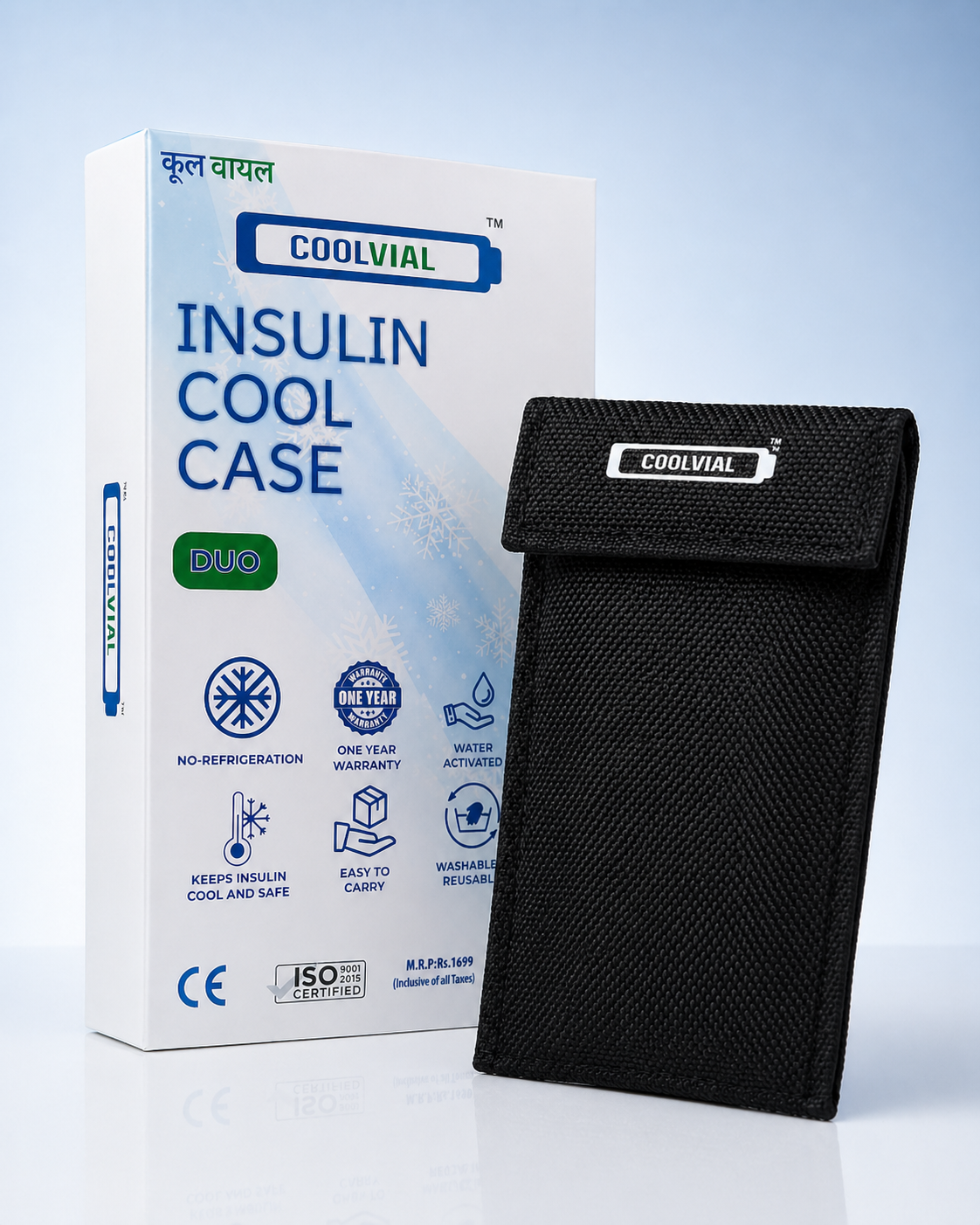
10 Essential Tips: Insulin Storage in Coastal India Amidst Salt Air & Humidity Challenges
Don't let Indian heat spoil your insulin. COOLVIAL protects it for 48+ hours.
The storage requirements for insulin differ significantly depending on whether the vial or pen is unopened or has been started.
10 Essential Tips: Insulin Storage in Coastal India Amidst Salt Air & Humidity Challenges
- Unopened Insulin: This should always be stored in a refrigerator, ideally between 2°C and 8°C. Freezing insulin will destroy it, so avoid placing it in the freezer compartment or against the back wall of a fridge where temperatures can drop too low. This cold temperature range maintains its full potency until its expiration date, which can be several months or even years.
- Opened Insulin: Once a vial or pen is opened or punctured, it can generally be stored at room temperature, typically below 25°C, for up to 28 days. Some specific formulations might allow storage up to 30°C or 32°C for a slightly longer duration (e.g., 42 days or 6 weeks), but 28 days at <25°C is the most common guideline. After this period, any remaining insulin should be discarded, even if it hasn’t been used up, as its potency cannot be guaranteed. It’s crucial not to refrigerate opened insulin if it’s going to be used regularly, as repeated temperature changes can also affect its stability.
Temperature Extremes and Their Effects
Insulin is particularly vulnerable to both excessive heat and freezing.
- Heat (above 25-30°C): This is the primary concern in coastal India. High temperatures accelerate the breakdown of insulin molecules, causing them to aggregate or lose their active structure. Signs of heat-damaged insulin include cloudiness, clumping, discoloration (it should be clear for rapid-acting and long-acting, or uniformly cloudy for intermediate-acting), or unusual texture.
- Freezing (below 0°C): If insulin freezes, the delicate protein structure is permanently damaged. Even if it thaws, it will not regain its full potency and should not be used. This can occur in faulty refrigerators or during winter travel in colder regions.
- Light Exposure: Direct sunlight or strong artificial light can also degrade insulin over time. Always keep insulin in its original packaging or an opaque container to protect it from light.
Given that average summer temperatures in cities like Chennai, Kolkata, and Mumbai often exceed 35°C, and even winter temperatures can hover around 20-25°C, maintaining the ideal storage conditions for insulin storage in coastal India requires constant vigilance and reliable solutions. A significant challenge in India is also the frequent power cuts, especially during peak summer months, which can render refrigerators ineffective for hours. For instance, reports indicate that up to 78% of Indian households face daily power cuts in summer, posing a direct threat to refrigerated medications.
3. Proven Strategies for Insulin Storage in Coastal India: Salt Air & Humidity Challenges
Effectively managing insulin storage in coastal India requires a multi-pronged approach that addresses not only the heat but also the unique challenges posed by salt air and high humidity. These elements demand specific precautions beyond just keeping insulin cool.
Here are 10 essential strategies:
- Invest in a Reliable Insulin Cool Case: This is perhaps the most crucial step. A high-quality, insulated cool case designed for insulin, like the COOLVIAL insulin cool case, can maintain the required temperature range (typically 2-8°C or below 25°C) for several hours or even days, using ice packs or evaporative cooling technology. This is indispensable for daily use, travel, and during power outages.
- Avoid Direct Sunlight and Heat Sources: Never leave insulin in a car, near a window, on a countertop exposed to direct sun, or close to appliances that generate heat (e.g., ovens, stoves, televisions). Even a few minutes of direct sun can elevate insulin temperature beyond safe limits.
- Store in Airtight, Protective Containers: To combat high humidity and salt air, keep insulin vials or pens in sealed, waterproof containers. This protects labels from peeling, prevents moisture from entering pen mechanisms, and shields against corrosive salt particles that can damage pen parts.
- Use a Dedicated Area in the Refrigerator: If storing unopened insulin, designate a specific spot in the main body of the refrigerator, not the door (due to temperature fluctuations) or the freezer compartment. Place it in a sealed plastic container to protect it from moisture and food odors.
- Monitor Refrigerator Temperature Regularly: Use a refrigerator thermometer to ensure your fridge consistently maintains 2-8°C. In areas with unstable power, this is particularly important to catch temperature excursions quickly.
- Always Carry Backup Supplies: Especially when traveling or venturing out for extended periods, carry extra insulin and syringes/pens. This provides a buffer in case of unexpected storage failures or delays.
- Be Mindful of Travel Conditions: Whether traveling by train, bus, or car across India, always use your cool case. Avoid placing insulin in checked luggage on flights, as cargo holds can experience extreme temperatures. Keep it in your carry-on, protected by your cool case. For more general advice, check our insulin storage tips.
- Educate Family and Caregivers: Ensure everyone in your household or care circle understands the critical importance of proper insulin storage and knows how to handle it correctly, especially in your absence.
- Regularly Inspect Insulin: Before each injection, visually inspect your insulin. Check for changes in color, clarity (unless it’s NPH, which should be uniformly cloudy), clumps, crystals, or any unusual appearance. If in doubt, it’s safer to discard and use a fresh vial/pen.
- Have a Power Outage Plan: In regions prone to power cuts, identify nearby friends, family, or pharmacies with stable refrigeration where you can temporarily store insulin if an outage is prolonged. A reliable cool case can offer crucial protection for several hours during such events.
4. Navigating India’s Diverse Coastal Climates: Regional Insights
India’s vast coastline, stretching over 7,500 kilometers, encompasses a variety of microclimates, each presenting unique challenges for insulin storage. From the Arabian Sea to the Bay of Bengal, understanding these regional nuances is key to effective diabetes management.
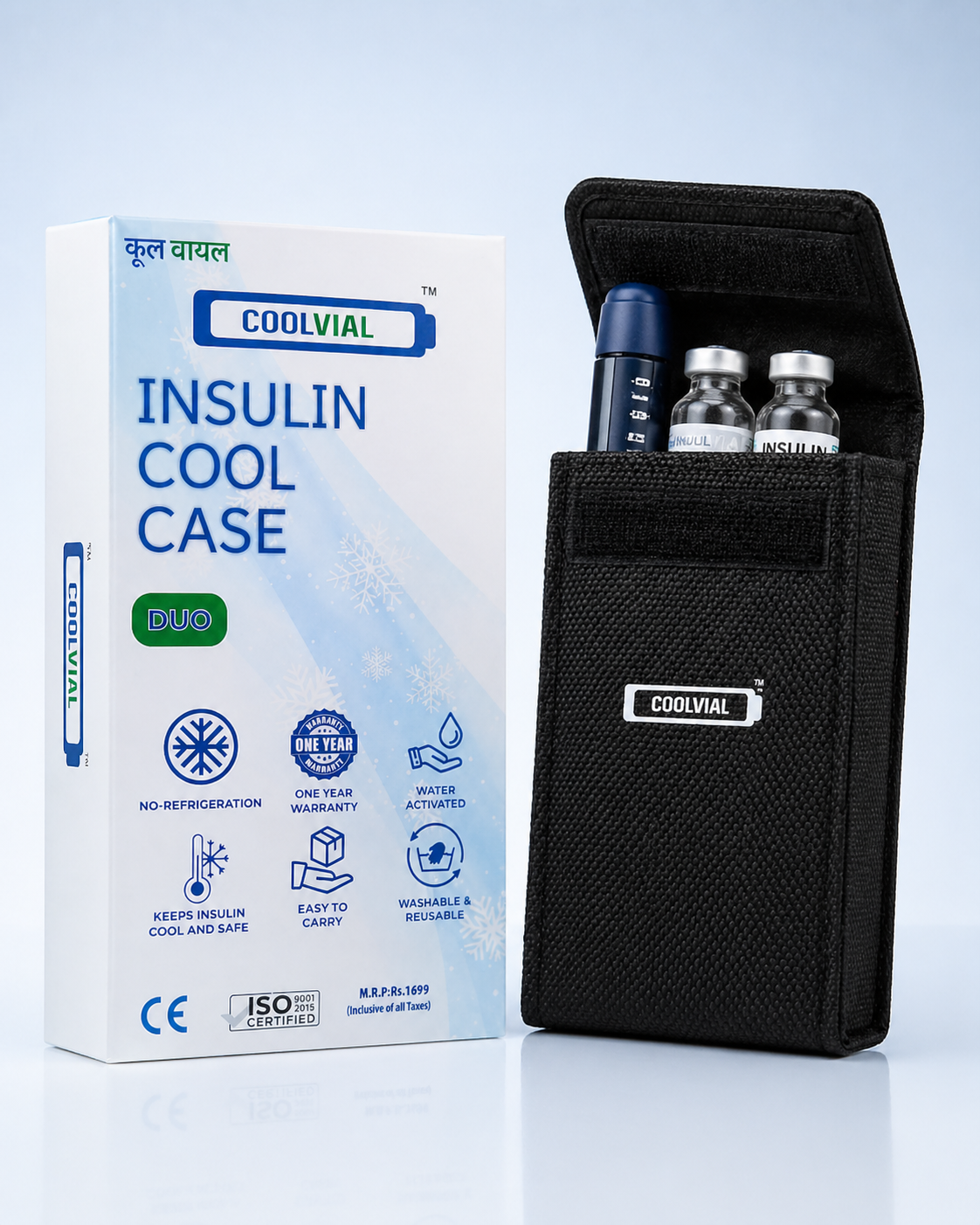
10 Essential Tips: Insulin Storage in Coastal India Amidst Salt Air & Humidity Challenges
Keep your insulin safe in India's extreme heat. COOLVIAL works for 48+ hours without electricity.
- West Coast (Mumbai, Goa, Kochi): This region experiences heavy monsoon rains from June to September, bringing intense humidity and often disrupting power supply. Temperatures are consistently high, rarely dipping below 25°C even in winter. The salt-laden sea breeze is constant. In Mumbai, the combination of dense urban living and high humidity exacerbates the risk of insulin degradation. In Goa and Kochi, the lush, tropical environment means perpetual moisture. During festivals like Ganesh Chaturthi in Mumbai or Onam in Kerala, travel increases, making portable storage solutions even more vital.
- East Coast (Chennai, Kolkata, Visakhapatnam): The Bay of Bengal coast faces its own set of challenges, including cyclones and tropical depressions, especially during the post-monsoon season (October-December). These events can lead to prolonged power outages and flooding. Chennai frequently experiences temperatures soaring above 40°C in summer, coupled with stifling humidity. Kolkata’s summers are notoriously hot and humid, with the Ganga delta contributing to a moisture-rich atmosphere. Even during winter, temperatures remain mild, rarely requiring refrigeration for opened insulin, but protection from ambient heat is still necessary.
- Andaman and Nicobar Islands, Lakshadweep: These island territories represent the extreme end of coastal conditions – year-round high temperatures, very high humidity, and pervasive salt spray. Logistics can also be challenging, making access to electricity and stable refrigeration less reliable. Residents here require the most robust and self-sufficient insulin storage solutions.
10 Essential Tips: Insulin Storage in Coastal India Amidst Salt Air & Humidity Challenges
48+ hours at 2-8°C. No electricity. CE certified. Free delivery across India.
Order on WhatsApp — ₹1,099🛒 Buy Now — ₹1,099Across all these regions, daily life involves navigating crowded markets, public transport (local trains in Mumbai, buses in Chennai), and frequent outdoor activities. These scenarios expose insulin to uncontrolled temperatures. Consider a diabetic commuting on a crowded local train in Chennai during peak summer; without adequate protection, their insulin pen could easily exceed safe temperatures within minutes. Similarly, families traveling to their hometowns for Diwali or Durga Puja, often by bus or train, must ensure their insulin remains viable throughout the journey, which can last many hours. This constant interplay of climate, infrastructure, and lifestyle makes diligent insulin storage in coastal India salt air humidity challenges a non-negotiable part of diabetes care.
| Coastal Region | Key Climate Challenges | Specific Indian Context |
|---|---|---|
| West Coast | High humidity, heavy monsoons, salt air, high year-round temps | Mumbai local trains, Goa tourism, Kochi backwaters |
| East Coast | Extreme summer heat, cyclones, high humidity, power cuts | Chennai heatwaves, Kolkata festivals, Visakhapatnam port |
| Island Regions | Constant tropical heat, very high humidity, limited infrastructure | Remote access, reliance on portable solutions |
5. Your Smart Solution for Insulin Storage in Coastal India: Introducing COOLVIAL
When facing the relentless heat, humidity, and salt air of India’s coastal regions, relying on standard methods for insulin storage often falls short. This is where specialized solutions become indispensable. Introducing COOLVIAL, an Indian brand committed to providing effective and affordable insulin cooling cases designed specifically for the unique climatic conditions of our country.
The COOLVIAL insulin cool case offers a practical and robust answer to the challenges of insulin storage in coastal India. It addresses the critical need for maintaining insulin’s therapeutic temperature range, whether you are at home during a power cut, commuting through a bustling city, or traveling for leisure or work. Our cases are engineered with advanced insulation technology and come with high-quality gel packs that ensure your insulin remains within the safe 2-8°C range for unopened vials, or below 25°C for opened pens, for extended periods. This protection is vital, especially when ambient temperatures can reach 35-45°C.
What sets the COOLVIAL insulin cool case apart is its thoughtful design, keeping the Indian diabetic in mind. It’s compact, lightweight, and durable, making it easy to carry in a backpack, purse, or even a vehicle. The exterior materials are chosen to resist moisture and wear, safeguarding your medication from the corrosive effects of salt air and high humidity. Furthermore, the design is user-friendly, allowing for quick access to your insulin whenever you need it. It’s a peace of mind solution, allowing you to live your life without constant worry about your insulin’s integrity. With COOLVIAL, you can confidently navigate the humid streets of Kolkata, relax on the beaches of Goa, or visit family in the scorching summers of Andhra Pradesh, knowing your insulin is safe and effective.
6. Quick Reference: Essential Insulin Storage FAQ for Coastal Residents
Understanding the nuances of insulin storage can be overwhelming, especially with the unique challenges of coastal living. Here are some frequently asked questions to provide clear, concise answers for Indian diabetics.
Q: What is the ideal temperature range for storing insulin in a coastal climate? A: Unopened insulin should be kept refrigerated between 2°C and 8°C. Once opened, most insulin can be stored at room temperature, ideally below 25°C, for up to 28 days. In coastal India, where ambient temperatures often exceed 25°C, using a specialized insulin cool case is crucial to maintain these recommended ranges.
Q: Can I store my insulin in the door of my refrigerator? A: It is generally not recommended to store insulin in the refrigerator door. The temperature in the door fluctuates significantly each time it is opened, which can compromise insulin stability. Always store insulin in the main body of the refrigerator, preferably towards the front, in its original packaging or a protective container.
Q: How can I protect my insulin during long bus or train journeys in India? A: For long journeys, especially in non-AC coaches or during summer, a high-quality insulin cool case is essential. Pack your insulin in the cool case with activated gel packs, ensuring it’s protected from direct sunlight and extreme heat. Avoid placing it in luggage that might be exposed to high temperatures in cargo holds.
Q: What should I do if my insulin looks cloudy or has particles, even if it’s clear insulin? A: If your normally clear insulin (like rapid-acting or long-acting) appears cloudy, lumpy, discolored, or has particles, it indicates degradation. Do not use it. Discard the insulin and start a new vial or pen. This usually means it has been exposed to improper storage conditions, such as extreme heat or freezing.
Q: Is it safe to use insulin that has been exposed to temperatures above 30°C for a few hours? A: If insulin has been exposed to temperatures above 30°C for more than a few hours, its potency may be compromised, even if it looks normal. While a single brief exposure might not completely destroy it, repeated or prolonged exposure significantly reduces its effectiveness. It’s safer to discard and replace such insulin, as using weakened insulin can lead to dangerously high blood sugar levels.
Conclusion
Navigating the unique environmental challenges of coastal India – the relentless heat, pervasive humidity, and corrosive salt air – demands a proactive and informed approach to insulin storage. By understanding the critical temperature requirements (2-8°C for unopened, below 25-30°C for opened) and implementing the 10 essential strategies outlined in this article, individuals managing diabetes can significantly reduce the risk of insulin degradation. Prioritizing proper insulin storage in coastal India is not just about extending the life of your medication; it’s about ensuring consistent blood sugar control, safeguarding your health, and maintaining your quality of life.
Remember, your insulin is a precious, life-sustaining medication that deserves the best protection. For a reliable, Indian-climate-ready solution, consider the COOLVIAL insulin cool case. It’s designed to offer you peace of mind, ensuring your insulin stays potent and safe, no
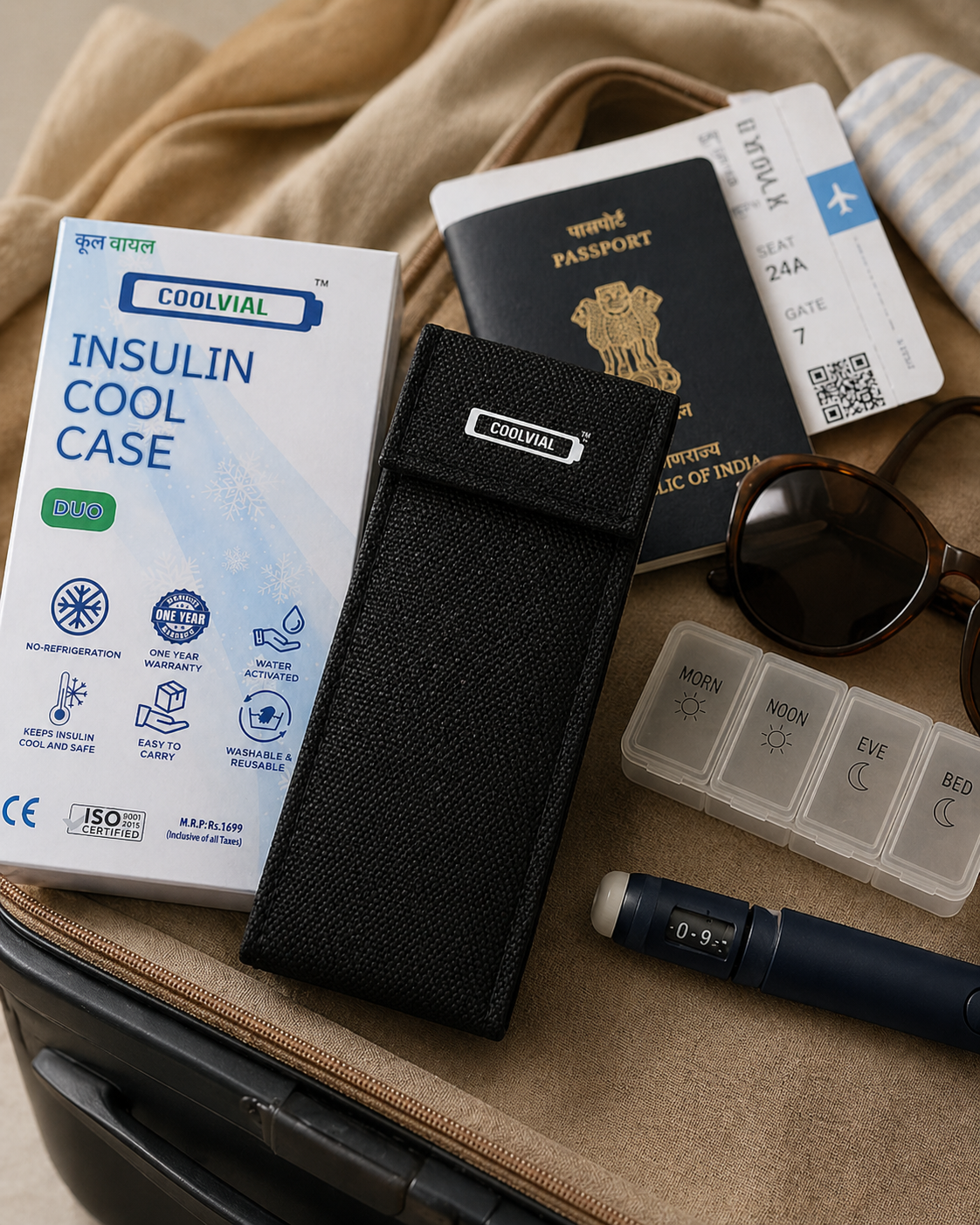
10 Essential Tips: Insulin Storage in Coastal India Amidst Salt Air & Humidity Challenges
COOLVIAL keeps insulin at 2-8°C for 48+ hours. No electricity needed. Trusted by 10,000+ diabetics.