
Reviewed by the COOLVIAL Editorial Team — specialists in insulin storage for Indian climate conditions.
Keep unopened insulin refrigerated at 2-8°C. Once opened, store at controlled room temperature (15-25°C, or below 30°C in warmer climates) for up to 28 days, protecting it from direct sunlight and extreme heat. During pregnancy, maintaining insulin efficacy is paramount for both maternal and fetal health, making proper insulin storage during pregnancy in India a critical concern, especially given India’s diverse climate challenges. Using an insulin cool case is a proven strategy for maintaining the ideal temperature range, particularly during travel or frequent power outages.
Introduction: Safeguarding Your Health and Your Baby’s with Proper Insulin Storage
Pregnancy is a transformative journey, bringing with it immense joy and, for many, new health considerations. For women managing diabetes – whether pre-existing Type 1 or Type 2, or newly diagnosed gestational diabetes – effective blood sugar control is absolutely vital. This control relies heavily on the potency and safety of insulin, a medication highly sensitive to temperature fluctuations. In India, where climates can range from scorching summers to monsoon humidity, the challenge of proper insulin storage during pregnancy in India is a significant one.
Improper insulin storage can lead to its degradation, reducing its effectiveness and potentially compromising blood sugar management. This directly impacts both the mother’s health and the healthy development of the baby, increasing risks of complications like pre-eclampsia, macrosomia (large baby), and neonatal hypoglycemia. This comprehensive guide provides 7 critical, trimester-wise tips to ensure your insulin remains safe and effective throughout your pregnancy journey, specifically tailored for the unique conditions prevalent in India. We’ll explore the science behind insulin stability, practical storage solutions, and how to navigate common Indian challenges to protect your most vital medication.
Table of Contents
- Why Optimal Insulin Storage Matters Critically During Pregnancy in India
- Understanding Insulin’s Temperature Sensitivity: Core Concepts for Safe Storage
- 7 Critical Tips for Insulin Storage During Pregnancy in India: A Trimester-Wise Approach
- Navigating India’s Unique Climate and Lifestyle Challenges for Insulin Storage
- Ensuring Reliable Insulin Storage During Pregnancy in India with COOLVIAL
- Quick Reference: Insulin Storage FAQs for Expectant Mothers
- Conclusion: Empowering Your Pregnancy Journey with Safe Insulin Management
Why Optimal Insulin Storage Matters Critically During Pregnancy in India
For expectant mothers in India, managing diabetes effectively is not just about personal health; it’s about safeguarding two lives. According to the World Health Organization (WHO), diabetes affects a significant portion of the global population, and its prevalence in India is particularly high, with millions living with the condition (Source: WHO Fact Sheets). Gestational diabetes mellitus (GDM), a type of diabetes that develops during pregnancy, also impacts a substantial number of Indian women, estimated to be between 10-14% of pregnancies in some regions. Whether managing pre-existing Type 1 or Type 2 diabetes, or navigating GDM, insulin often becomes a cornerstone of treatment.
The challenge lies in insulin’s delicate nature. It is a protein that can easily degrade when exposed to temperatures outside its optimal range. In India’s diverse climate, this is a constant battle. Summer temperatures in cities like Delhi, Chennai, and Ahmedabad can soar above 45°C, while even cooler regions experience significant temperature fluctuations. These extreme conditions, combined with widespread issues like frequent power cuts – with some rural areas and even urban pockets in states like Uttar Pradesh and Bihar experiencing daily outages lasting several hours – pose a direct threat to insulin’s integrity.
When insulin loses its potency due to improper storage, its ability to lower blood sugar is compromised. This can lead to dangerously high blood glucose levels in the mother, which directly increases the risk of serious complications for both mother and baby. For the mother, these can include pre-eclampsia (high blood pressure during pregnancy), urinary tract infections, and a higher chance of C-section. For the baby, risks include macrosomia (being born significantly larger than average), premature birth, respiratory distress syndrome, jaundice, and hypoglycemia (low blood sugar) immediately after birth. In the long term, children born to mothers with poorly controlled diabetes have a higher risk of developing obesity and diabetes themselves later in life. Therefore, understanding and implementing correct insulin storage during pregnancy in India is not merely a recommendation; it is a critical component of prenatal care and a proactive step towards a healthy pregnancy outcome.
Understanding Insulin’s Temperature Sensitivity: Core Concepts for Safe Storage
Insulin is a life-saving hormone, but its effectiveness hinges entirely on its structural integrity. As a protein, it is highly susceptible to degradation when exposed to extreme temperatures – both hot and cold. Understanding these core concepts is the foundation for proper insulin storage during pregnancy in India.
The Ideal Temperature Ranges for Insulin
Insulin has two primary storage states: unopened and opened/in-use.
-
Unopened Insulin:
- Refrigeration is Key: Unopened insulin vials, pens, or cartridges should always be stored in a refrigerator, ideally between 2°C and 8°C (36°F and 46°F). This cool, stable environment prevents degradation and extends its shelf life significantly, usually until the expiration date printed on the packaging. This is crucial for maintaining a fresh supply, especially when purchasing in bulk or stocking up for several weeks or months, a common practice in many Indian households.
-
Opened (In-Use) Insulin:
- Room Temperature Tolerance: Once an insulin vial or pen is opened and put into use, it can typically be stored at room temperature, which is generally considered to be below 25°C (77°F). However, in warmer climates like India, many manufacturers extend this range to below 30°C (86°F). It’s crucial to check the specific manufacturer’s instructions for your insulin brand, as these can vary slightly.
- Limited Lifespan: Opened insulin has a limited lifespan, usually around 28 days (four weeks), regardless of whether it’s kept in the fridge or at room temperature. After this period, even if it hasn’t expired or been exposed to extreme temperatures, its potency may decrease, and it should be discarded. Some insulin pens may have a slightly longer lifespan, up to 42 days (six weeks), so always read the package insert carefully.
What Happens When Insulin is Exposed to Improper Temperatures?
- Heat Exposure (Above 30°C): High temperatures are the biggest enemy of insulin. When insulin gets too hot, its protein structure begins to break down, a process called denaturation. This reduces its ability to effectively lower blood sugar. You might notice changes in the insulin’s appearance – it could become cloudy, discolored, or develop particles. However, sometimes degradation isn’t visible, making it even more dangerous. Using denatured insulin can lead to unexplained high blood sugar levels, increasing the risk of hyperglycemic emergencies, which are particularly dangerous during pregnancy.
- Freezing (Below 0°C): Freezing can also damage insulin. When insulin freezes, its protein structure can crystallize and break, rendering it ineffective. Once frozen, insulin should never be used, even if it thaws. This is a common risk if insulin is stored too close to the freezer compartment in a conventional refrigerator, or during extremely cold winter nights in regions like Ladakh or Himachal Pradesh if not properly insulated.
Recognizing Damaged Insulin
Always inspect your insulin before use. Look for:
- Color Changes: Insulin should be clear and colorless (unless it’s a specific cloudy insulin like NPH). Any discoloration, cloudiness, or particulate matter is a red flag.
- Texture Changes: If it appears grainy, clumpy, or “frosted,” it may be damaged.
- Reduced Effectiveness: If your blood sugar levels are consistently higher than expected despite taking your usual insulin dose, it could be a sign that your insulin has lost its potency. During pregnancy, vigilant blood sugar monitoring is even more critical, making this an important indicator.
Here’s a quick reference table for insulin storage temperatures:
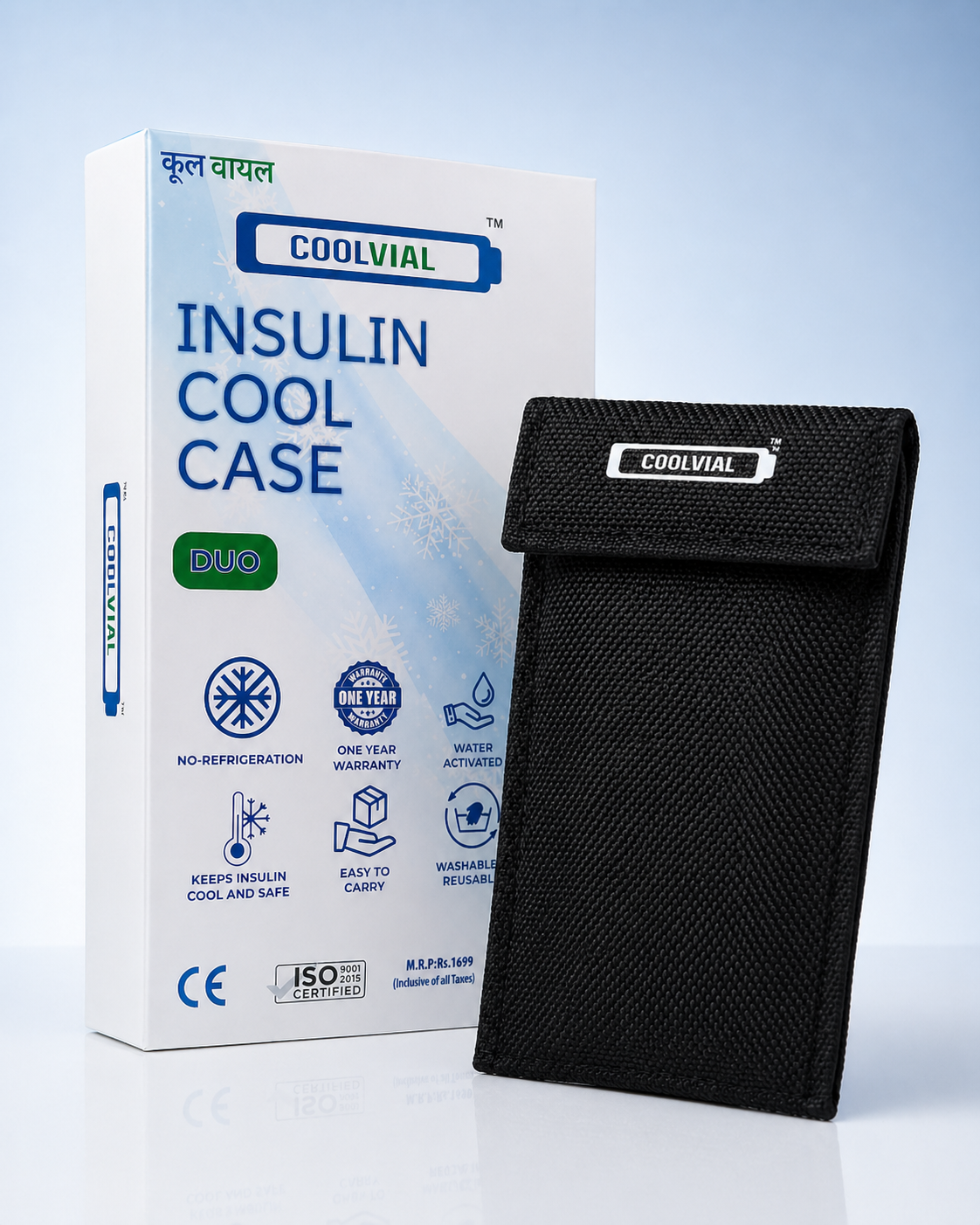
"Finally a cooler that works in Indian summers. Insulin stayed perfect during a 3-day power cut." — Ramesh, Chennai
7 Critical Tips for Insulin Storage During Pregnancy in India: A Trimester-Wise Guide
CE Certified · Free Delivery · 1-Year Warranty
📲 Buy on WhatsApp — ₹1,099| Insulin State | Recommended Temperature Range | Maximum Duration | Appearance Check |
|---|---|---|---|
| Unopened | 2°C to 8°C (36°F to 46°F) | Until expiration date on package | Clear (most types), no particles |
| Opened / In-Use | Below 30°C (86°F) | 28 days (some pens up to 42 days) | Clear (most types), no particles, no discoloration |
| Damaged by Heat | Above 30°C | Becomes less effective immediately | Cloudy, discolored, clumpy, or no visible change |
| Damaged by Cold | Below 0°C | Becomes ineffective immediately | Frozen, then potentially clumpy after thawing |
Understanding these temperature guidelines and the potential consequences of deviation is paramount for any pregnant woman relying on insulin. It empowers you to take proactive steps to protect your medication and, by extension, your health and your baby’s well-being.
7 Critical Tips for Insulin Storage During Pregnancy in India: A Trimester-Wise Approach
Effective insulin storage during pregnancy in India requires a proactive and informed strategy, adapting to your changing needs and the varying climate. These 7 critical tips offer a trimester-wise guide to ensure your insulin remains potent and safe throughout your journey.
Tip 1: Prioritize Refrigeration for Unopened Insulin (All Trimesters)
Always store unopened insulin vials, pens, or cartridges in the main body of your refrigerator, away from the freezer compartment. Maintain a consistent temperature between 2°C and 8°C. This ensures maximum shelf life until the printed expiration date. During the first trimester, when many women experience nausea and may have fewer doctor visits, ensuring a stable supply is important. As your pregnancy progresses into the second and third trimesters, your insulin needs might change, so having a reliably stored stock is crucial for dose adjustments.
Tip 2: Master Room Temperature Storage for In-Use Insulin (All Trimesters)
Once opened, insulin should be stored at a controlled room temperature, ideally below 25°C, but acceptable up to 30°C as per many manufacturers’ guidelines for warmer climates. Keep it away from direct sunlight, windows, and heat sources like stoves or geysers. This is especially important during the second and third trimesters when frequent injections are typically required. If your home regularly exceeds 30°C, consider using an insulin cool case or a specific cool spot in your home.
Tip 3: Invest in a Reliable Insulin Cool Case for Travel & Outings (All Trimesters, Especially Third)
Pregnancy often involves travel, whether for family visits, doctor appointments, or even short trips to the market. An insulin cool case, like the COOLVIAL insulin cool case, is an indispensable tool for safe insulin transport. These cases are designed to maintain insulin within the safe temperature range (2-8°C or below 25°C) for extended periods without electricity. This is vital during long train journeys to visit relatives in your hometown or bus travel within a city like Bengaluru or Hyderabad. In the third trimester, as appointments become more frequent and the baby grows, managing blood sugar precisely becomes even more critical, making reliable storage on the go non-negotiable.
Tip 4: Be Prepared for Power Cuts (All Trimesters, Crucial in Second & Third)
Frequent power outages are a reality in many parts of India, particularly during summer months and monsoons. Have a backup plan for your refrigerated insulin.
- Insulin Cool Case: An insulated cool case can protect your insulin for hours during a power cut.
- Ice Packs (with caution): If using ice packs, ensure they do not directly touch the insulin, as this could freeze it. Wrap insulin in a cloth before placing it near ice packs.
- Community Support: If a power cut is prolonged, consider temporarily storing your insulin with a trusted neighbour or family member who has a generator or stable power supply. This is particularly important in the second trimester when your body is undergoing significant metabolic changes and insulin sensitivity can fluctuate.
Tip 5: Monitor Insulin Appearance Regularly (All Trimesters)
Before each injection, visually inspect your insulin. Look for any changes in color, clarity (unless it’s NPH, which is cloudy), or the presence of particles. If you notice anything unusual, or if your blood sugar levels are consistently high despite taking your insulin correctly, discard the insulin and start a new vial or pen. During pregnancy, your body’s insulin needs can fluctuate significantly, so any doubt about your insulin’s efficacy should be addressed immediately with your doctor.
Tip 6: Adhere Strictly to Expiration and Open-Vial Lifespans (All Trimesters)
Never use insulin past its expiration date or beyond its recommended “in-use” period (typically 28 days for opened vials/pens, but check manufacturer guidelines). Mark the date you open a new vial or pen on its label or with a permanent marker. This practice is crucial throughout pregnancy, as the health of both mother and baby depends on consistently potent insulin.
Tip 7: Consult Your Doctor or Pharmacist for Specific Guidance (All Trimesters)
Every pregnancy and every woman’s diabetes management plan is unique. Always discuss your specific insulin storage concerns with your endocrinologist or gynecologist. They can provide tailored advice based on your insulin type, dosage, and local environmental conditions. Don’t hesitate to ask your pharmacist for guidance on the best storage practices for the specific insulin brands you are using. This continuous dialogue ensures that your insulin storage during pregnancy in India is optimized for your health and your baby’s development at every stage.
Navigating India’s Unique Climate and Lifestyle Challenges for Insulin Storage
India presents a unique tapestry of climatic zones and lifestyle patterns, all of which impact the practicalities of insulin storage. For pregnant women managing diabetes, understanding and adapting to these specific challenges is key to ensuring consistent insulin efficacy.
Extreme Temperatures: The Ever-Present Threat
- Scorching Summers: Regions like Rajasthan (e.g., Jaipur, Jodhpur), Madhya Pradesh (e.g., Bhopal, Indore), and the northern plains (e.g., Delhi, Lucknow, Patna) regularly experience summer temperatures exceeding 40°C, often reaching 45-48°C. Even coastal cities like Mumbai and Chennai, while not reaching such extreme highs, suffer from high humidity which can make ambient temperatures feel even hotter, adding to the stress on insulin. Direct exposure to such heat, even for a short period, can significantly degrade insulin.
- Winter Concerns: While heat is the primary concern, certain areas like Ladakh, Kashmir, and parts of the Himalayan states experience sub-zero temperatures. Storing insulin too close to freezing elements in refrigerators or leaving it in unheated vehicles overnight can lead to freezing and denaturation.
7 Critical Tips for Insulin Storage During Pregnancy in India: A Trimester-Wise Guide
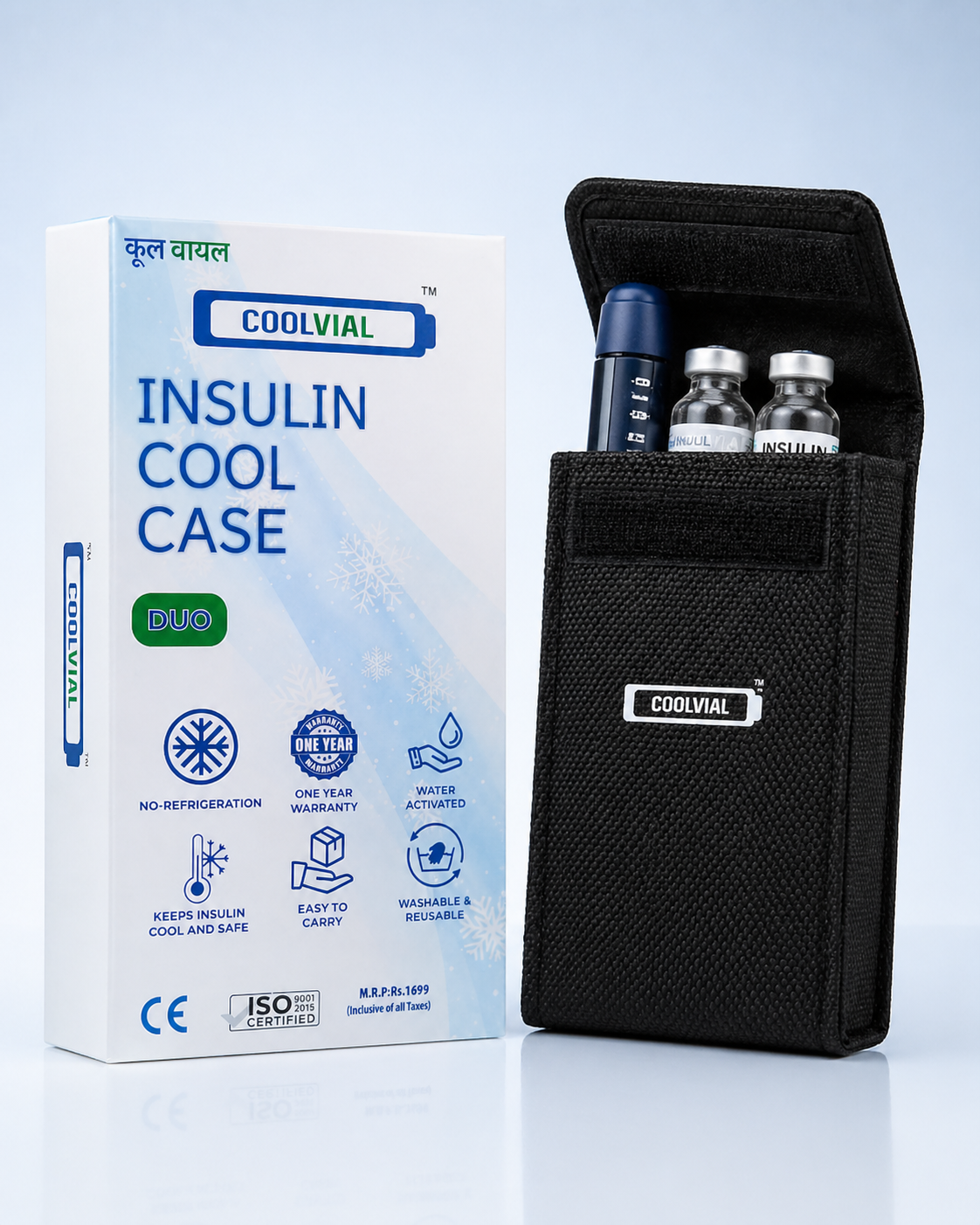
Don't let Indian heat spoil your insulin. COOLVIAL protects it for 48+ hours.
Unreliable Power Supply: A Daily Reality
7 Critical Tips for Insulin Storage During Pregnancy in India: A Trimester-Wise Guide
COOLVIAL keeps insulin safe in India's heat. 48+ hours, no electricity needed.
Power cuts (load shedding) are a common occurrence across India, varying in duration and frequency by state and even by locality. In many rural areas and smaller towns, scheduled and unscheduled power outages can last for several hours daily. Even in metropolitan cities, summer months often bring power fluctuations. This directly impacts the ability to reliably refrigerate unopened insulin and maintain cool room temperatures for in-use insulin. Studies have shown that a significant percentage of Indian households, sometimes as high as 78% in certain regions, face daily power cuts in summer. This makes passive cooling solutions vital.
Travel and Mobility: Keeping Insulin Safe on the Go
Indian families often travel extensively, whether for festivals like Diwali or Eid, family functions, or pilgrimages. Pregnant women may also travel for antenatal check-ups, often involving long commutes.
- Train and Bus Travel: Public transport, while affordable, can expose insulin to high temperatures, especially if air conditioning is unreliable or non-existent. Luggage stored in overhead racks or under seats can reach extreme temperatures.
- Car Journeys: Even in private vehicles, leaving insulin in a glove compartment or directly in sunlight can rapidly overheat it.
- Rural Connectivity: Reaching healthcare facilities in remote villages might involve long walks or rides on two-wheelers, where maintaining a cool temperature for insulin becomes even more challenging.
Housing Conditions and Accessibility
Many homes in India, particularly in older buildings or rural settings, may not have central air conditioning. Relying on fans or coolers might not be sufficient to keep ambient temperatures below 30°C during peak summer. Additionally, access to reliable refrigerators, especially in areas with frequent power cuts, can be a hurdle. Awareness about proper insulin storage during pregnancy in India needs to be coupled with practical, accessible solutions for all segments of the population.
These challenges highlight the critical need for robust, portable, and reliable insulin storage solutions that are designed to perform under Indian conditions. It’s not just about knowing the ideal temperature; it’s about having the tools and strategies to achieve it consistently, ensuring the health and safety of both mother and child.
Ensuring Reliable Insulin Storage During Pregnancy in India with COOLVIAL
Navigating the unique challenges of insulin storage during pregnancy in India demands a solution that is both effective and practical. This is where COOLVIAL steps in, offering a reliable and user-friendly answer to maintaining insulin integrity, especially when you need it most.
COOLVIAL insulin cool cases are specifically designed with the Indian environment in mind. They provide a vital protective barrier against the high temperatures, humidity, and power fluctuations that are common realities across the country. For an expectant mother, peace of mind regarding her insulin’s safety is invaluable, allowing her to focus on her health and the growth of her baby.
How COOLVIAL Addresses Indian Storage Needs
-
Temperature Stability: COOLVIAL cases utilize advanced cooling technology (often gel-based or evaporative cooling) that can keep insulin within the safe temperature range (typically 2-8°C or below 25°C) for extended periods, usually 24-36 hours, without requiring electricity. This is crucial during:
- Long-distance travel: Whether you’re taking a 12-hour train ride from Mumbai to Goa or a bus journey from Chennai to Madurai, COOLVIAL ensures your insulin stays cool.
- Frequent power cuts: During a summer afternoon in Hyderabad or a monsoon day in Kolkata, when power outages are common, your insulin remains protected in the refrigerator’s absence.
- Outdoor activities: For daily errands, market visits, or even a short outing to a temple, the case provides continuous protection.
-
Durability and Portability: Made with robust materials, COOLVIAL cases are built to withstand daily use and travel. Their compact and lightweight design makes them easy to carry in a handbag, backpack, or hospital bag, fitting seamlessly into the busy life of a pregnant woman.
-
Ease of Use: Most COOLVIAL products are designed for simplicity. For many models, preparation involves simply activating the cooling element (e.g., soaking in water for evaporative cases or freezing gel packs) and then placing your insulin inside. This straightforward process means you can prepare your case quickly, even amidst the fatigue or busy schedule of pregnancy.
-
Cost-Effective Solution: At just ₹1,099, a COOLVIAL insulin cool case offers an affordable yet highly effective solution for critical medication storage. This small investment provides significant benefits in terms of health security and peace of mind for expectant mothers.
Integrating COOLVIAL into Your Pregnancy Routine
- Daily Use: If you live in a hot climate or experience frequent power cuts, consider making your COOLVIAL case your primary storage for in-use insulin, even at home. This provides a consistent, controlled environment.
- Appointments and Errands: Always carry your insulin in your COOLVIAL case when leaving the house for doctor’s appointments, blood tests, or any other outing.
- Emergency Preparedness: Keep your COOLVIAL case ready with its cooling elements activated (if applicable) as part of your emergency kit, ensuring your insulin is protected during unforeseen events or prolonged power failures.
By choosing a trusted solution like COOLVIAL, expectant mothers in India can confidently manage their insulin, knowing they are providing the best possible care for themselves and their developing baby. For more general insulin storage tips that complement the use of a cool case, explore our resources.
Quick Reference: Insulin Storage FAQs for Expectant Mothers
Managing diabetes during pregnancy brings many questions, especially concerning medication safety. Here are answers to some common queries about insulin storage during pregnancy in India.
Q: What happens if my insulin gets too hot during a summer power cut? A: If your insulin gets too hot (above 30°C), its protein structure can degrade, reducing its effectiveness. This can lead to higher blood sugar levels, which is dangerous during pregnancy. Visually inspect it for discoloration or particles. If in doubt about its potency, especially after prolonged exposure to heat, it’s safer to discard it and use a fresh vial or pen. Using an insulated cool case like COOLVIAL can prevent this issue during power outages.
Q: Can I store my insulin in the door of the refrigerator? A: It is generally not recommended to store insulin in the refrigerator door. The temperature in the door fluctuates significantly each time the refrigerator is opened, which can expose the insulin to temperatures outside the ideal 2-8°C range. It’s best to store unopened insulin in the main body of the refrigerator, on a middle shelf, away from the freezer compartment to ensure stable temperatures.
Q: How long can opened insulin be kept at room temperature in India’s climate? A: Most opened insulin vials and pens can be kept at room temperature (below 25°C, or below 30°C as specified by some manufacturers for warmer climates) for up to 28 days. In India’s hot climate, it is crucial to ensure “room temperature” truly means below 30°C. If your home regularly exceeds this, or if you’re in a city like Delhi during summer, using an insulin cool case even at home can help maintain the correct temperature and preserve potency.
Q: Is it safe to travel with insulin during pregnancy in India? A: Yes, it is safe to travel with insulin during pregnancy, provided you take proper precautions for storage. Always carry your insulin in your hand luggage (never checked baggage) in a dedicated insulin cool case to protect it from temperature extremes, whether traveling by air, train, or bus. Ensure you have enough supplies for your trip, plus a little extra for unforeseen delays.
Q: What if I accidentally freeze my insulin? Can I still use it after it thaws? A: No, if insulin accidentally freezes, it should never be used, even after it thaws. Freezing damages the protein structure of insulin, rendering it ineffective. Always discard frozen insulin. To prevent this, store insulin away from the freezer compartment in your refrigerator and insulate it carefully if using ice packs in a cool case.
Q: How does pregnancy affect my insulin storage needs? A: Pregnancy doesn’t change the fundamental temperature requirements for insulin storage, but it elevates the importance of strict adherence. Maintaining optimal blood sugar control is paramount for both maternal and fetal health, and compromised insulin potency directly jeopardizes this. Your insulin needs may also change significantly across trimesters, so having consistently effective insulin is critical for dose adjustments and preventing complications.
Conclusion: Empowering Your Pregnancy Journey with Safe Insulin Management
Pregnancy is a precious time, and for women managing diabetes, ensuring the efficacy of insulin is a cornerstone of a healthy journey. By meticulously adhering to the 7 critical tips for insulin storage during pregnancy in India outlined in this guide, you empower yourself with the knowledge and tools to protect your vital medication. From understanding ideal temperature ranges to preparing for India’s unique climatic challenges and power fluctuations, every step you take contributes to better blood sugar control and, ultimately, a healthier outcome for you and your baby.
Remember, insulin is a delicate protein that demands careful handling. Investing in reliable solutions, like an effective insulin cool case, provides a robust defense against temperature fluctuations, offering peace of mind whether you’re at home, traveling, or navigating daily life. Don’t compromise on the safety of your insulin. Take control of your storage practices and ensure your insulin is always potent and ready to support your pregnancy.
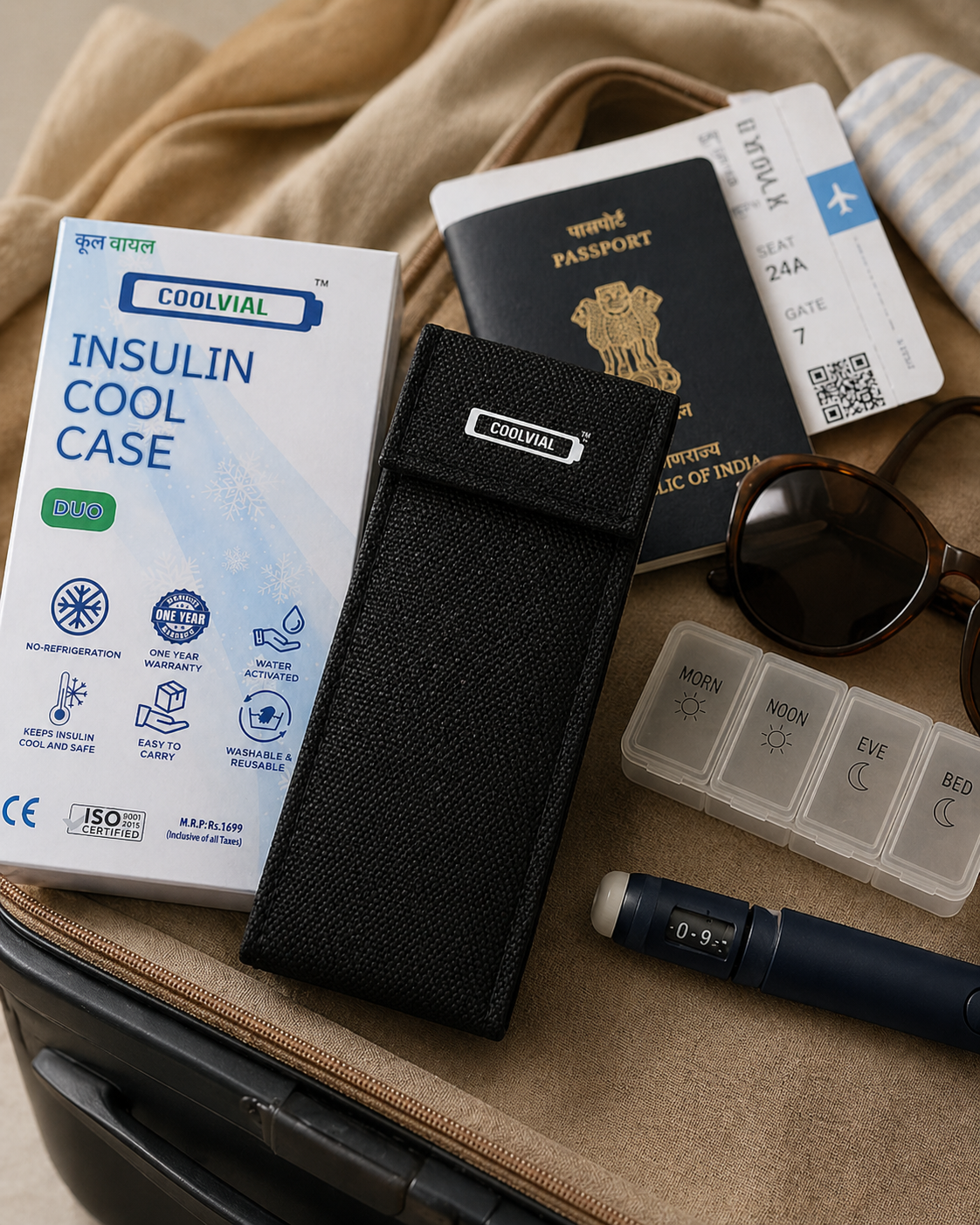
For a reliable solution tailored to Indian conditions, consider the COOLVIAL insulin cool case. You can easily buy COOLVIAL at ₹1,099 by ordering via WhatsApp at wa.me/918766952300. Prioritize safe insulin storage for a healthy and joyful pregnancy.
7 Critical Tips for Insulin Storage During Pregnancy in India: A Trimester-Wise Guide
COOLVIAL keeps insulin at 2-8°C for 48+ hours. No electricity needed. Trusted by 10,000+ diabetics.
7 Critical Tips for Insulin Storage During Pregnancy in India: A Trimester-Wise Guide
Insulin at 2-8°C for 48+ hours. Trusted by 10,000+ Indian diabetics.