
Reviewed by the COOLVIAL Editorial Team — specialists in insulin storage for Indian climate conditions.
The vibrant energy of India’s major festivals like Diwali, Holi, and Eid brings with it the joy of family reunions, spiritual journeys, and often, extensive travel. For individuals managing diabetes, ensuring insulin remains effective during these celebratory periods is paramount. Unopened insulin requires refrigeration between 2-8°C, while opened insulin can be stored at room temperature, typically not exceeding 30°C for most formulations, for up to 28 days. Temperatures above 30°C can rapidly degrade insulin, rendering it ineffective. Therefore, when embarking on Diwali, Holi & Eid festival travel across India, practical insulin storage tips are not just helpful but absolutely essential for maintaining blood sugar control. This comprehensive guide will equip you with the knowledge and strategies to keep your insulin safe and potent, no matter where your festive journeys take you in India.
This article will explore the critical challenges of insulin storage in India’s diverse climates, delve into core storage concepts, provide 8 practical tips for managing insulin during festival travel, highlight India-specific considerations, and introduce COOLVIAL as a reliable solution. By the end, you’ll be well-prepared to enjoy your festivals with peace of mind.
Table of Contents
- Why Safe Insulin Storage Matters During Indian Festival Travel
- Understanding Insulin Storage: Core Concepts and Best Practices
- 8 Practical Diwali, Holi & Eid Festival Travel Insulin Storage Tips for India
- Navigating India’s Diverse Climates and Travel Conditions
- COOLVIAL: Your Trusted Partner for Diwali, Holi & Eid Festival Travel Insulin Storage
- Frequently Asked Questions (FAQ) about Insulin Storage During Indian Festivals
- Conclusion
Why Safe Insulin Storage Matters During Indian Festival Travel
Insulin is a life-saving medication for millions of people with diabetes, and its efficacy is highly dependent on proper storage. It is a protein, and like many proteins, it is sensitive to extreme temperatures, both hot and cold. When insulin is exposed to temperatures outside its recommended range, its molecular structure can change, leading to a loss of potency. This means the insulin may become less effective at lowering blood glucose, potentially leading to dangerously high blood sugar levels, or hyperglycemia, even with regular dosing.
India’s geographical diversity presents unique challenges for insulin storage, especially during peak festival travel seasons like Diwali, Holi, and Eid. These festivals often coincide with varying weather patterns across the country – from the scorching summers in the North (when Holi often falls) to the humid monsoons and cooler winters (common during Diwali and Eid). For instance, summer temperatures in cities like Delhi and Jaipur can regularly exceed 45°C, while coastal regions like Mumbai and Chennai experience high humidity year-round, which can exacerbate heat stress on medications.
The sheer scale of domestic travel during these festivals further complicates matters. Millions of people traverse the country by train, bus, and car, often for extended periods. Public transport in India can be crowded, lack consistent air conditioning, and expose passengers to fluctuating temperatures. Furthermore, many parts of India, particularly rural areas and smaller towns, still experience frequent and sometimes prolonged power cuts, making refrigeration unreliable. According to the IDF Diabetes Atlas 2023, India had 101 million people living with diabetes, underscoring the vast number of individuals who need to manage this critical aspect of their health. (Source: WHO)
Degraded insulin can lead to several severe health implications. Unpredictable blood sugar levels can result in diabetic ketoacidosis (DKA), a life-threatening condition, or frequent hypoglycemic episodes due to inconsistent insulin action. For a diabetic, peace of mind during festival celebrations hinges on the certainty that their medication is working as it should. Without proper storage, the joy of travel and festivities can quickly turn into a medical emergency. Therefore, understanding and implementing robust insulin storage practices is not just about convenience; it’s about safeguarding health and well-being.
Here are common travel scenarios and their associated temperature risks for insulin:
8 Essential Diwali, Holi & Eid Festival Travel Insulin Storage Tips for India
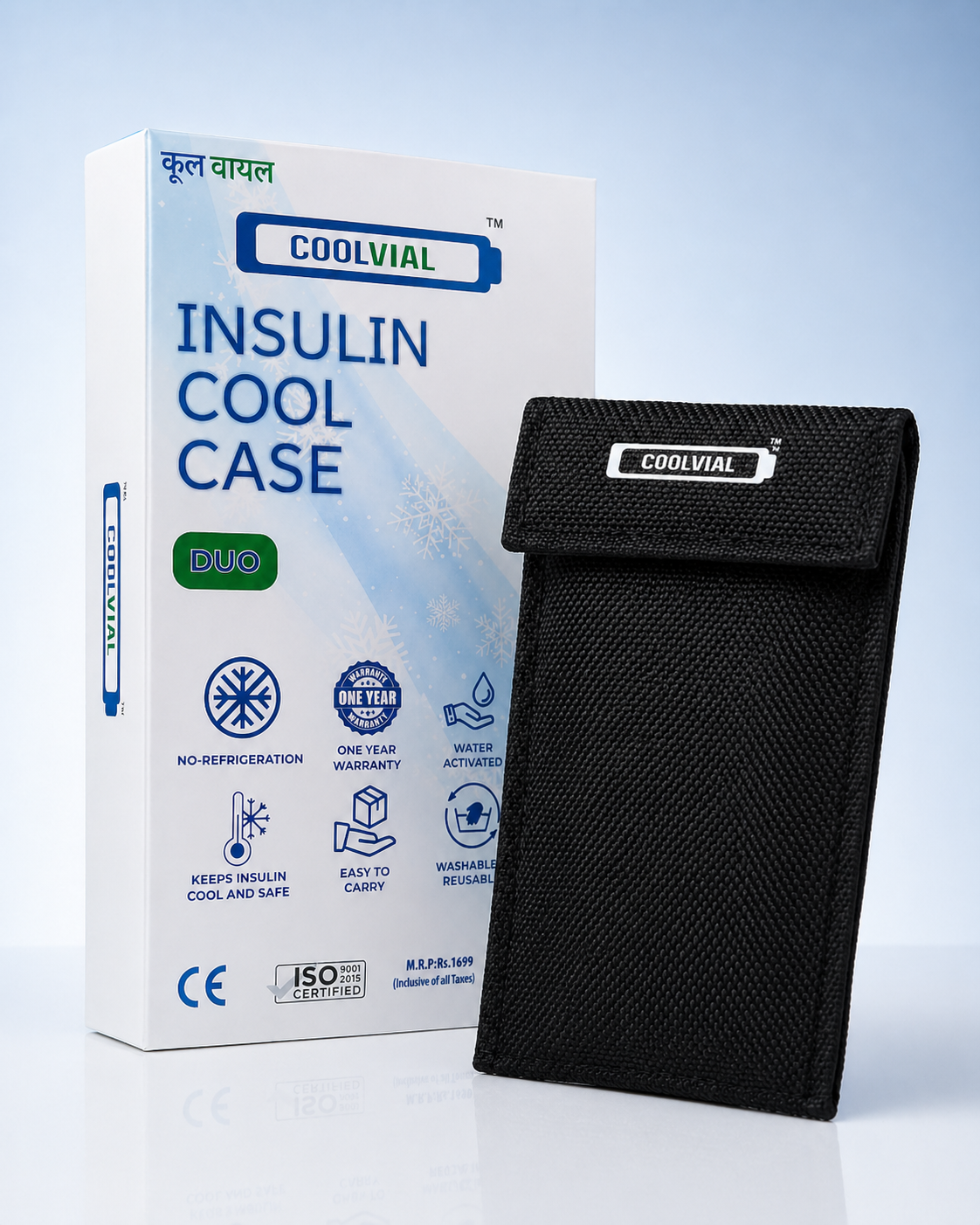
48+ hours at 2-8°C. No electricity. CE certified. Free delivery across India.
Order on WhatsApp — ₹1,099🛒 Buy Now — ₹1,0998 Essential Diwali, Holi & Eid Festival Travel Insulin Storage Tips for India
Don't let Indian heat spoil your insulin. COOLVIAL protects it for 48+ hours.
- Long-distance Train Journeys: Compartment temperatures can vary significantly, especially without AC. Direct sunlight through windows can rapidly heat insulin.
- Bus Travel: Similar to trains, buses may lack adequate climate control, and luggage compartments can reach extreme temperatures.
- Car Travel: Insulin left in a parked car, even for a short duration, can quickly overheat. A car’s interior can become an oven in the Indian sun.
- Outdoor Festivities: Participating in Holi celebrations or Diwali pujas outdoors means prolonged exposure to ambient temperatures, which might be too high.
- Rural Stays: Visiting ancestral villages often means limited access to reliable refrigeration or frequent power outages, posing a direct threat to insulin.
Each of these situations demands proactive planning and a reliable storage solution to ensure insulin remains within its safe temperature range.
Understanding Insulin Storage: Core Concepts and Best Practices
Maintaining the integrity of insulin is fundamental to effective diabetes management. Its delicate protein structure is highly susceptible to temperature extremes, which can compromise its ability to regulate blood glucose. Understanding the precise storage guidelines for both unopened and opened insulin, along with knowing how to spot signs of degradation, is crucial for anyone traveling with this medication, especially during Indian festivals.
Unopened Insulin Storage Guidelines
Unopened insulin, whether in vials or pens, requires strict refrigeration to maintain its full potency until its expiration date.
- Temperature Range: The globally recommended storage temperature for unopened insulin is between 2°C and 8°C (36°F and 46°F). This is the standard temperature found in most refrigerators.
- Never Freeze: It is critical that insulin never freezes. Freezing can damage the insulin molecule, rendering it ineffective. If insulin accidentally freezes, it must be discarded, even if it thaws and appears normal.
- Avoid Direct Light: Store unopened insulin in its original carton or a dark place within the refrigerator to protect it from light exposure, which can also contribute to degradation.
- Expiration Date: Always check the expiration date on the packaging. Unopened, properly refrigerated insulin is generally good until this date.
Opened Insulin Storage Guidelines
Once an insulin vial or pen is opened or taken out of refrigeration for regular use, the storage guidelines change significantly.
8 Essential Diwali, Holi & Eid Festival Travel Insulin Storage Tips for India
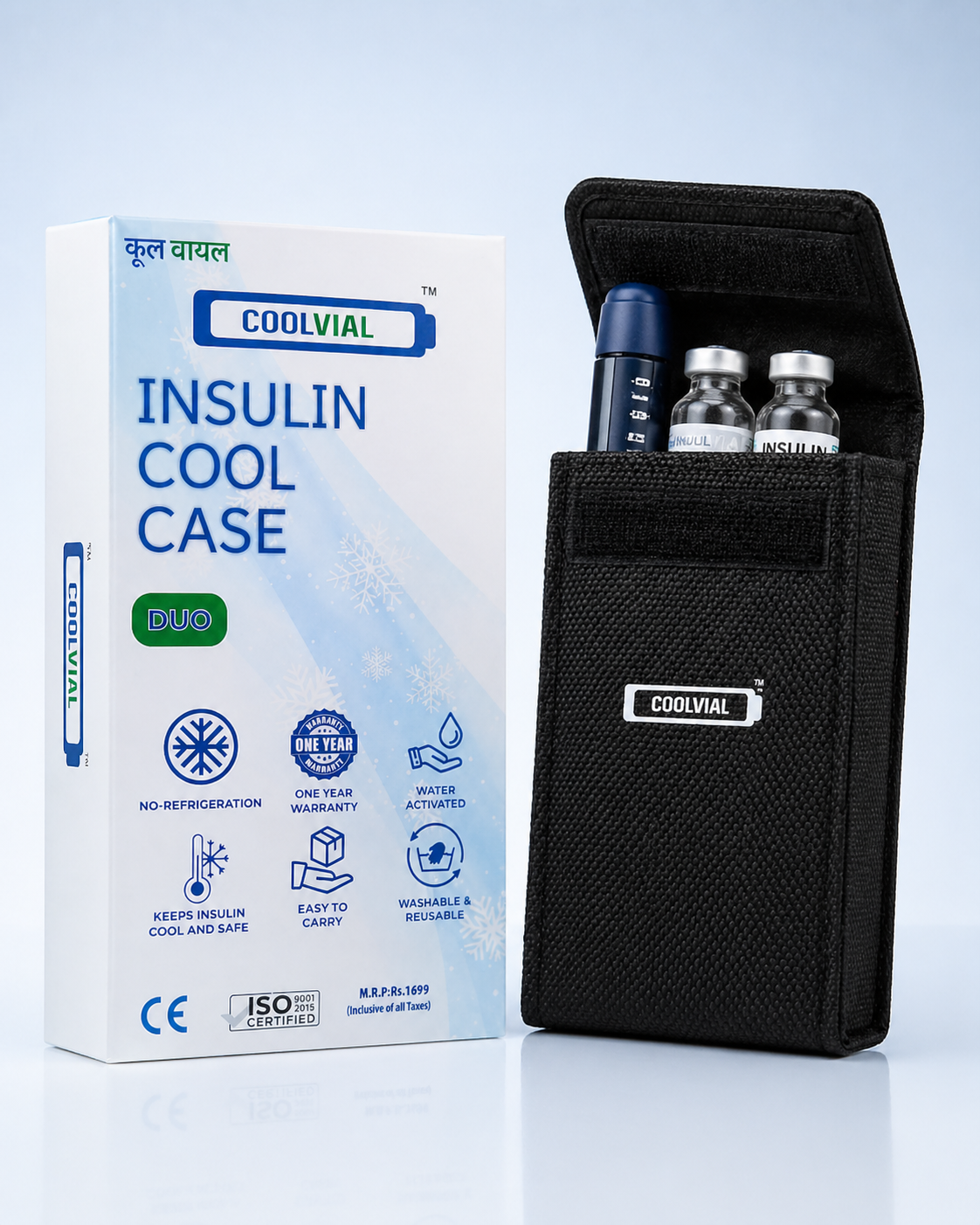
Don't let Indian heat spoil your insulin. COOLVIAL protects it for 48+ hours.
- Room Temperature Storage: Most opened insulin can be stored at room temperature, typically between 15°C and 30°C (59°F and 86°F). However, it is vital to always check the specific manufacturer’s instructions, as some brands may recommend a maximum of 25°C.
- Duration: Opened insulin has a limited lifespan at room temperature, usually 28 days (4 weeks) for most vials and pens. Some specific insulin formulations or pens might allow for up to 42 days (6 weeks), but this is less common. After this period, any remaining insulin should be discarded, even if it still appears fine.
- Protection from Heat and Light: Opened insulin should be kept away from direct sunlight, car dashboards, windowsills, and any other sources of heat. The cumulative effect of fluctuating temperatures, even within the acceptable range, can slightly diminish potency over time.
- No Refrigeration Needed (Once Opened): For the duration of its 28-day (or specified) use, opened insulin does not need to be re-refrigerated. In fact, repeatedly moving it between cold and room temperatures can sometimes be detrimental.
Recognizing Degraded Insulin
Knowing how to identify insulin that may have lost its potency is crucial for patient safety. Always inspect your insulin before each use.
- Changes in Appearance:
- Clear Insulin (e.g., Novorapid, Humalog, Lantus): Should remain perfectly clear and colorless. If it looks cloudy, has particles floating in it, or has changed color (e.g., yellowish), it is likely degraded and should not be used.
- Cloudy Insulin (e.g., NPH, some pre-mixed insulins): Should appear uniformly cloudy or milky. If it has clumps, particles, or a “frosted” appearance, or if it doesn’t become uniformly cloudy after gentle rolling, it may be compromised.
- Decreased Effectiveness: The most telling sign of degraded insulin is consistently higher-than-expected blood sugar readings despite taking your usual dose. If your blood sugar levels are unexplainedly elevated, consider if your insulin might have been exposed to improper storage conditions.
- Texture Changes: In rare cases, severe degradation might cause the insulin to become thicker or gritty.
| Insulin Type | Storage Condition | Temperature Range | Duration (Typical) | Notes |
|---|---|---|---|---|
| Unopened Vial/Pen | Refrigerated | 2°C – 8°C (36°F – 46°F) | Until Expiration Date | Never freeze; protect from light. |
| Opened Vial/Pen | Room Temperature | 15°C – 30°C (59°F – 86°F) | 28 Days (check manufacturer) | Keep away from direct heat/sunlight. Do not re-refrigerate. |
| All Insulin | Avoid | Below 0°C (Freezing) | Immediate degradation | Discard if frozen. |
| All Insulin | Avoid | Above 30°C (86°F) | Rapid degradation | Discard if exposed to high heat. |
8 Practical Diwali, Holi & Eid Festival Travel Insulin Storage Tips for India
Navigating the bustling Indian festival season with diabetes requires careful planning, especially regarding insulin storage. Here are 8 practical Diwali, Holi & Eid festival travel insulin storage tips for India to ensure your medication remains effective and your health is protected.
- Plan Your Journey Meticulously: Before you even pack, research the climate of your destination and the conditions of your travel route. Are you traveling to the hot plains of Rajasthan for Diwali, or the humid coasts of Kerala for Eid? Understanding the likely temperatures will help you choose the right storage solution. Factor in travel time, potential delays, and layovers.
- Invest in a Reliable Insulin Cool Case: This is perhaps the most crucial tip. Traditional ice packs can freeze insulin, and simple insulated bags may not maintain temperature for long in Indian heat. A specialized insulin cool case, like the COOLVIAL insulin cool case, is designed to maintain the optimal temperature range (typically 2-8°C or 15-30°C depending on the case type) for extended periods without freezing. Look for cases that use gel packs or evaporative cooling technology suitable for India’s diverse climates.
- Carry Extra Supplies: Always pack more insulin, syringes/pens, test strips, and lancets than you anticipate needing. Delays are common during festival travel in India, and pharmacies might be closed or out of stock in smaller towns. Keep these extra supplies in a separate, properly stored cool case.
- Keep Insulin in Your Carry-On Luggage: Never put insulin in checked luggage when flying. The cargo hold of an airplane can experience extreme temperature fluctuations, including freezing temperatures, which will destroy insulin. For train or bus travel, keep your cool case with you, not in overhead racks or luggage compartments that can get extremely hot or cold. This allows you to monitor its condition and protect it from theft or damage.
- Avoid Direct Sun Exposure and Extreme Heat: Even inside a cool case, prolonged exposure to direct sunlight or an intensely hot environment can challenge its cooling capabilities. When traveling by car, avoid leaving insulin on the dashboard or in the glove compartment. If you must leave it in a parked car, take it with you or place it in the coolest part of the car, preferably in a well-insulated cool case.
- Stay Hydrated and Monitor Blood Sugar Frequently: While not directly about storage, staying well-hydrated is vital for overall diabetes management, especially in hot climates. Dehydration can affect blood sugar levels. During travel and festivities, your routine might be disrupted, so check your blood sugar more often to catch any issues early, which could also indicate if your insulin’s efficacy is compromised.
- Inform Travel Companions: Make sure at least one trusted travel companion knows you have diabetes, where your insulin is stored, and what to do in case of an emergency. This can be particularly helpful if you become unwell or need assistance with your medication.
- Regularly Inspect Your Insulin: Before each injection, visually inspect your insulin for any changes in clarity, color, or the presence of particles. If you notice anything unusual, or if your blood sugar levels are inexplicably high, it’s safer to assume the insulin may be degraded and replace it with a fresh, properly stored vial or pen.
By diligently following these practical tips, you can enjoy the spirit of Diwali, Holi, and Eid with greater confidence, knowing your insulin is protected and your diabetes management remains on track.
Navigating India’s Diverse Climates and Travel Conditions
India’s vast geography
8 Essential Diwali, Holi & Eid Festival Travel Insulin Storage Tips for India
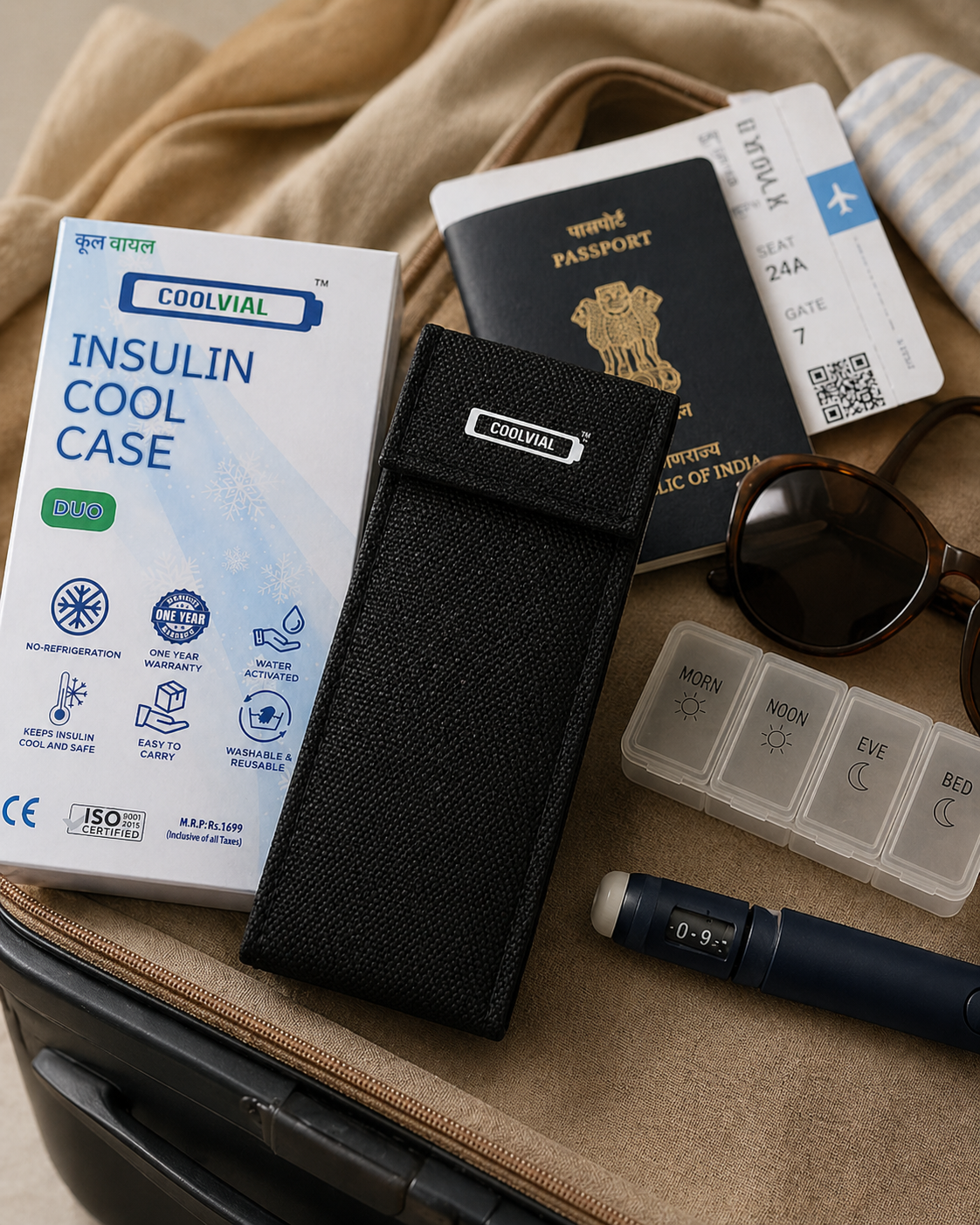
COOLVIAL keeps insulin safe in India's heat. 48+ hours, no electricity needed.