
Reviewed by the COOLVIAL Editorial Team — specialists in insulin storage for Indian climate conditions.
For optimal efficacy, Huminsulin, a vital medication for managing diabetes, requires precise storage conditions. Unopened Huminsulin vials and pens must be kept refrigerated at 2-8°C. Once opened or removed from refrigeration, it can generally be stored at room temperature, typically below 25-30°C, for up to 28 days, although specific product instructions may vary. This comprehensive huminsulin storage guide for India refrigeration room temp scenarios is critical for maintaining insulin potency, especially given India’s diverse and often challenging climate conditions. Proper storage prevents spoilage and ensures safe, effective diabetes management. According to the International Diabetes Federation (IDF), India had an estimated 101 million diabetics in 2023, underscoring the widespread need for accurate insulin management.
Living with diabetes in India means navigating unique challenges, especially when it comes to safeguarding life-saving medications like Huminsulin. The potency of insulin is highly sensitive to temperature fluctuations, and improper storage can render it ineffective, leading to serious health complications. This article serves as your ultimate huminsulin storage guide for India refrigeration room temp conditions, providing practical, actionable advice tailored to the Indian environment. We will delve into the science of insulin degradation, offer detailed guidelines for both refrigerated and room temperature storage, and present India-specific strategies to keep your Huminsulin safe. By the end of this guide, you will have a clear understanding of how to protect your insulin, ensuring its efficacy no matter where you are in India.
Table of Contents
- Why Huminsulin Storage Matters Critically in India
- Core Concepts of Insulin Storage: Refrigeration, Room Temperature, and Degradation
- Proven Huminsulin Storage Guide for India: Practical Tips for Daily Management
- Navigating India’s Diverse Climate: Regional Huminsulin Storage Strategies
- Ensuring Safe Huminsulin Storage: The COOLVIAL Advantage
- Quick Reference: Your Essential Huminsulin Storage Checklist & FAQs
- Conclusion: Empowering You with Safe Huminsulin Storage in India
Why Huminsulin Storage Matters Critically in India
India’s geographical diversity presents a unique set of challenges for storing temperature-sensitive medications like Huminsulin. From the scorching summers of Rajasthan and Uttar Pradesh, where temperatures can soar above 45°C, to the high humidity of coastal cities like Mumbai and Chennai, maintaining the ideal storage conditions for insulin is a constant battle. The vast majority of insulin, including Huminsulin, requires refrigeration (2-8°C) before opening and careful room temperature storage (typically below 25-30°C) once in use. Deviations from these ranges can severely compromise the medication’s potency, making it ineffective in controlling blood sugar levels.
The consequences of using degraded insulin are profound. Patients might experience unexplained high blood sugar, increasing the risk of acute complications like diabetic ketoacidosis (DKA) or long-term issues such as neuropathy, retinopathy, and kidney disease. In a country like India, where access to immediate medical care can be challenging in rural areas, preventing insulin degradation is not just about medication efficacy; it’s about life preservation. The ICMR guidelines on diabetes management emphasize the critical role of proper medication handling for effective treatment.
Furthermore, India faces intermittent power cuts, especially during peak summer months, which can disrupt refrigeration for hours. This makes relying solely on a household refrigerator a risky proposition for insulin storage. Many Indian households, particularly in Tier 2 and Tier 3 cities and rural areas, experience daily power outages that can last for several hours, with some estimates suggesting that up to 78% of Indian households face daily power cuts in summer, though specific data varies by region and year. This fluctuating power supply necessitates alternative solutions for consistent temperature control.
Travel within India also adds another layer of complexity. Millions travel by train, bus, or car for work, family visits, or pilgrimages to places like Vaishno Devi or Tirupati. These journeys can be long, often without access to reliable cooling, exposing insulin to extreme temperatures. Imagine a diabetic patient travelling from Delhi to Bengaluru by train during summer; their insulin could easily be exposed to temperatures well above 30°C, rendering it useless. This is why a robust huminsulin storage guide for India refrigeration room temp is not merely a suggestion but a vital necessity for the health and safety of millions of Indians living with diabetes.
Core Concepts of Insulin Storage: Refrigeration, Room Temperature, and Degradation
Understanding the fundamental principles of insulin storage is paramount to ensuring its effectiveness. Insulin is a protein, and like all proteins, its structure is sensitive to environmental factors, primarily temperature. When exposed to conditions outside its optimal range, insulin can denature or degrade, losing its ability to lower blood glucose.
 Cool Case" style="width:120px;height:120px;object-fit:contain;border-radius:8px;flex-shrink:0;">
The 5 Critical Steps: Proven Huminsulin Storage Guide for India – Refrigeration & Room Temp
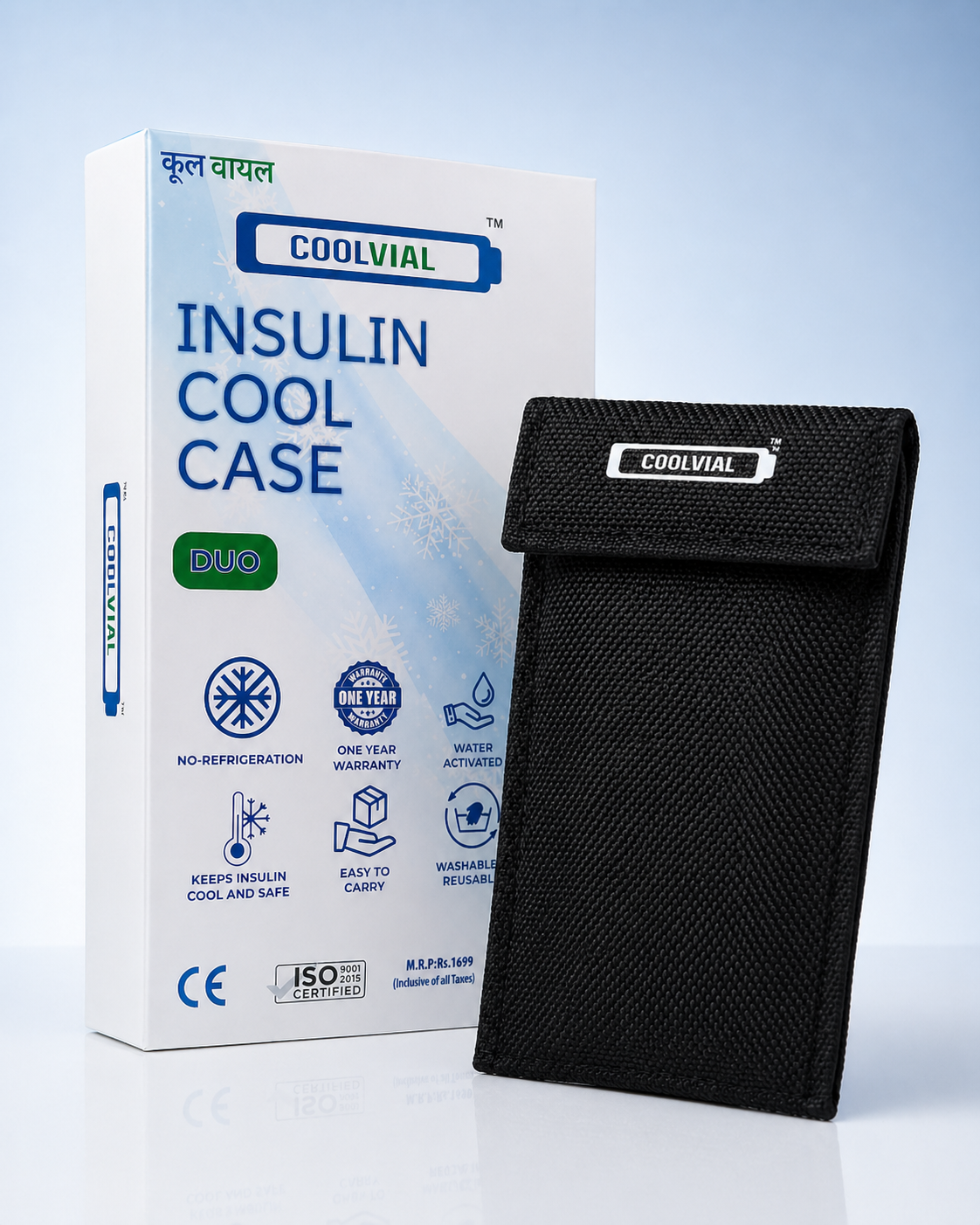
Keep your insulin safe in India's extreme heat. COOLVIAL works for 48+ hours without electricity.
The Science Behind Insulin Degradation
The 5 Critical Steps: Proven Huminsulin Storage Guide for India – Refrigeration & Room Temp
48+ hours at 2-8°C. No electricity. CE certified. Free delivery across India.
Order on WhatsApp — ₹1,099🛒 Buy Now — ₹1,099Insulin molecules are complex and delicate. High temperatures can cause the protein chains to unfold and aggregate, leading to a loss of biological activity. Freezing, on the other hand, can damage the insulin molecule and, more commonly, the suspension or solution it’s in, causing it to separate or clump, which also makes it ineffective. Both scenarios result in insulin that either doesn’t work at all or works unpredictably, posing significant risks to a diabetic’s health.
Refrigerated Storage: The Gold Standard (2-8°C)
Unopened Huminsulin vials, cartridges, and pens should always be stored in a refrigerator at a temperature between 2°C and 8°C. This range is crucial because it slows down the degradation process significantly, extending the shelf life of the insulin until its expiry date, as indicated by the manufacturer.
- Do not freeze: Temperatures below 2°C can damage insulin. If insulin freezes, even partially, it must be discarded.
- Avoid fridge door: The refrigerator door is often subject to the most temperature fluctuations due to frequent opening and closing. Store insulin on a middle shelf, away from the freezer compartment.
- Original packaging: Keep insulin in its original carton to protect it from light, which can also contribute to degradation.
Room Temperature Storage: What You Need to Know (Below 25-30°C, 28 Days)
Once a Huminsulin vial or pen is opened (punctured with a needle for the first time) or removed from refrigeration for daily use, it can typically be stored at room temperature. The critical caveat here is “room temperature,” which generally means below 25°C to 30°C. Most manufacturers, including those for Huminsulin, state that opened insulin is stable for 28 days (four weeks) when stored at these temperatures. Some specific insulin types might allow for longer (up to 42 days or 6 weeks), so always check your specific Huminsulin product leaflet.
- Avoid direct heat and sunlight: Never leave insulin in direct sunlight, in a hot car, or near heat sources like stoves or radiators.
- Monitor ambient temperature: In Indian conditions, “room temperature” can often exceed 30°C, especially during summers in cities like Ahmedabad, Nagpur, or Hyderabad. In such cases, alternative cooling methods become essential.
- Discard after 28 days: Regardless of how much insulin is left, an opened vial or pen should be discarded 28 days after its first use to ensure potency and sterility.
Identifying Spoiled Insulin
It’s vital to be able to recognize if your Huminsulin has gone bad:
- Appearance: Clear insulin (like Huminsulin R) should remain clear. If it appears cloudy, discolored, or has particles, discard it. Cloudy insulin (like Huminsulin N) should be uniformly milky after gentle rolling; if it has clumps, crystals, or separates into layers that don’t mix, it’s spoiled.
- Smell: Any unusual odor indicates spoilage.
- Effectiveness: If your blood sugar levels remain consistently high despite taking your usual dose, your insulin might have lost its potency.
To summarize, here’s a quick reference for Huminsulin storage:
| Storage Condition | Temperature Range | Duration | Notes |
|---|---|---|---|
| Unopened | 2-8°C (Refrigerated) | Until Expiry Date | Do not freeze. Keep in original carton. |
| Opened (in use) | Below 25-30°C (Room Temp) | 28 Days | Avoid direct heat, sunlight. Check specific product leaflet. |
| Danger Zone | Above 30°C | Immediate Degradation | Insulin starts degrading rapidly. Discard if exposed for long. |
| Danger Zone | Below 0°C (Freezing) | Immediate Degradation | Insulin loses effectiveness. Discard immediately. |
The 5 Critical Steps: Proven Huminsulin Storage Guide for India – Refrigeration & Room Temp
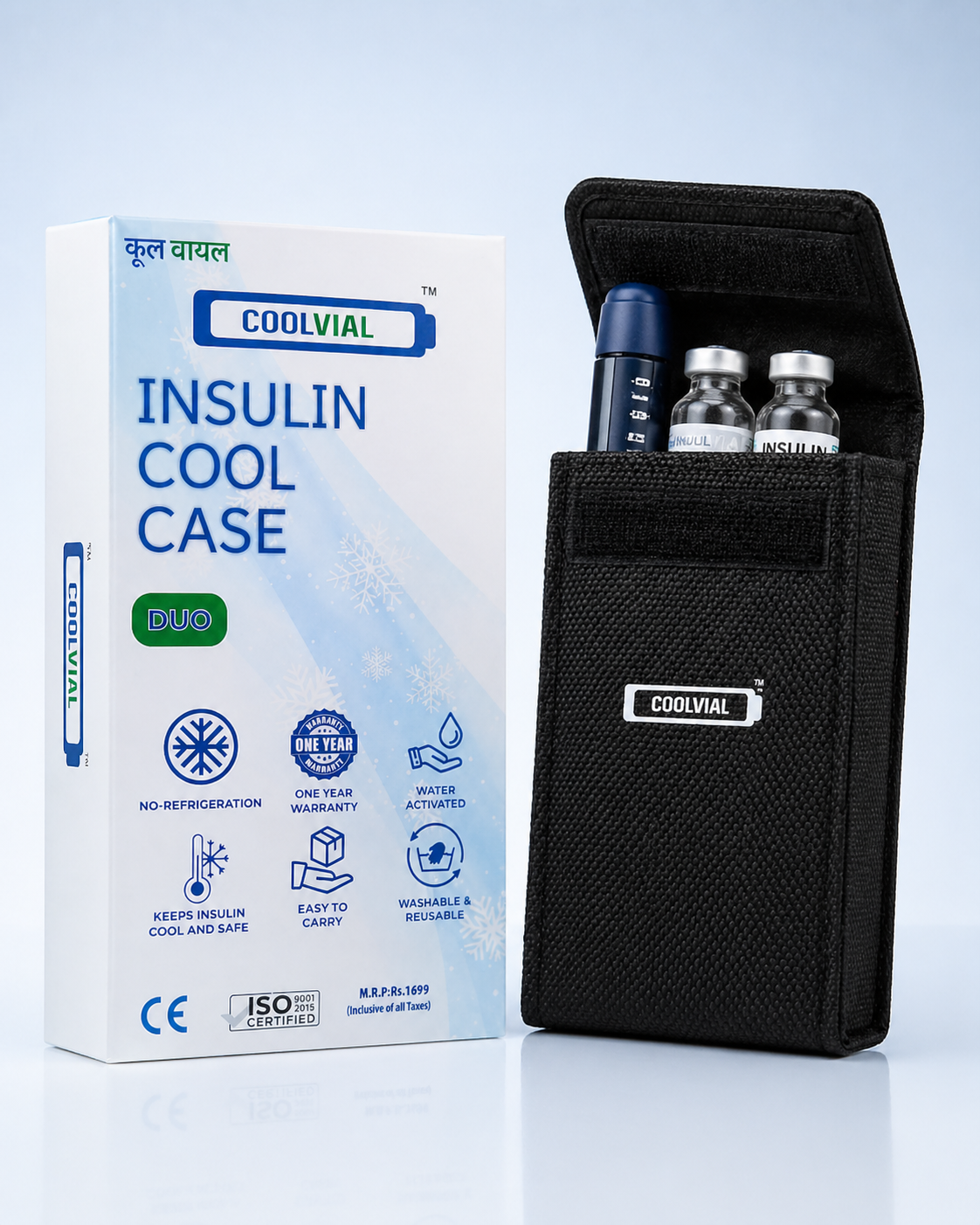
Don't let Indian heat spoil your insulin. COOLVIAL protects it for 48+ hours.
Proven Huminsulin Storage Guide for India: Practical Tips for Daily Management
Effective management of Huminsulin in India requires more than just knowing the ideal temperatures; it demands practical strategies to counteract environmental challenges. This huminsulin storage guide for India refrigeration room temp section offers actionable advice for daily routines and unexpected situations.
- Always Read the Package Insert: While general guidelines apply, always refer to the specific instructions provided with your Huminsulin product. Slight variations can exist between different insulin formulations or brands. This is your primary source of information.
- Keep a Backup Supply: Especially if you live in an area prone to frequent power cuts, having a backup vial or pen stored correctly can be a lifesaver. Ensure your backup is also within its expiry date.
- Protect from Freezing: Even in Indian winters, temperatures in some northern regions (e.g., Kashmir, Himachal Pradesh, parts of Rajasthan) can drop below freezing. Never leave insulin in an unheated car overnight or near a window during extreme cold.
- Avoid Direct Sunlight and Heat: This cannot be stressed enough. A car dashboard, a windowsill, or even a countertop near a sunny window can quickly heat up and destroy insulin. Always store insulin in a cool, dark place.
- Use an Insulated Carrier for Short Trips: For daily commutes or short outings, a simple insulated pouch can offer temporary protection. However, for longer durations or extreme heat, more robust solutions are needed. Consider a COOLVIAL insulin cool case for reliable temperature control without electricity.
- Manage Power Outages Effectively:
- If a power cut occurs, keep your refrigerator door closed as much as possible to maintain the internal temperature.
- For extended outages, transfer your insulin to a cooler with ice packs, ensuring the insulin does not directly touch the ice to prevent freezing. Wrap it in a cloth.
- Dedicated insulin cool cases are designed specifically for such situations.
- Proper Disposal of Used Supplies: Never reuse needles or pens. Dispose of used needles and lancets in a puncture-proof container (like a sharps box or a sturdy plastic bottle with a lid). This is crucial for hygiene and preventing accidental needle sticks.
- Emergency Preparedness Kit: Assemble a small kit with your insulin, syringes/pens, alcohol swabs, blood glucose meter, test strips, and a copy of your prescription. This is invaluable for travel or emergencies.
- Educate Family Members: Ensure that family members or caregivers understand the importance of proper insulin storage and how to handle it, especially in your absence or during an emergency.
Navigating India’s Diverse Climate: Regional Huminsulin Storage Strategies
India’s vast geography means that “room temperature” is a highly variable concept. What works in Bengaluru’s moderate climate might fail spectacularly in Delhi’s summer or Kolkata’s monsoon. This section provides region-specific advice to help you maintain the integrity of your Huminsulin.
North India: Extreme Summers and Cold Winters (Delhi, Rajasthan, Punjab, Uttar Pradesh)
- Summers (April-July): Temperatures often exceed 40°C, with Delhi frequently touching 45°C. Storing opened insulin at “room temperature” is simply not feasible. You absolutely need an external cooling solution.
- Strategy: Utilize a non-electric insulin cool case. During power cuts, transfer insulin to a cooler with gel packs, making sure it’s protected from direct contact with ice.
- Winters (Dec-Feb): While days can be pleasant, nights can drop to single digits or even below freezing in hilly areas.
- Strategy: Protect insulin from freezing. Do not leave it in an unheated car or near drafty windows. Keep it in an inner cupboard or a drawer.
South India: Humid and Consistent Heat (Chennai, Bengaluru, Hyderabad, Kerala)
- Year-round Heat & Humidity: Cities like Chennai and Kochi experience high temperatures (often 30-35°C) and extreme humidity (Mumbai’s humidity often exceeds 80%) for most of the year. This constant warmth speeds up insulin degradation.
- Strategy: Even if temperatures don’t hit extreme highs, consistent warmth requires vigilance. A cool case is highly recommended for daily storage of opened insulin, not just for travel. Ensure good ventilation in rooms.
- Monsoon (June-September): High humidity can sometimes affect packaging or the integrity of other medical supplies, though insulin itself is sealed. The main concern remains the ambient temperature.
- Strategy: Continue using cooling solutions. Ensure any storage device is moisture-resistant.
West India: Coastal Humidity and Inland Dry Heat (Mumbai, Ahmedabad, Pune)
- Mumbai & Coastal Areas: High humidity and moderate to high temperatures are typical. The “sticky” heat can feel more intense.
- Strategy: Similar to South India, consistent cooling solutions are key. Guard against direct exposure to sea breeze, which can carry moisture.
- Inland Regions (e.g., Gujarat, parts of Maharashtra): Experience dry heat, often very high, similar to parts of North India.
- Strategy: Focus on keeping insulin away from direct heat and using reliable cooling methods.
East India: Monsoon and Moderate Winters (Kolkata, Odisha, Northeast)
- Monsoon (June-October): Prolonged periods of high humidity and rain, with temperatures often in the high 20s to low 30s.
- Strategy: While temperatures might not always be extreme, the extended duration of warmth makes a cool case beneficial. Protect insulin from any potential water ingress if using DIY cooling methods.
- Winters: Generally milder than North India.
- Strategy: Standard room temperature guidelines usually suffice, but always ensure it’s below 25°C.
No matter where you are in India, the principle remains: if the ambient temperature is consistently above 25°C, or if you anticipate exposure to higher temperatures, do not rely on “room temperature” storage alone for your opened Huminsulin. A reliable, portable cooling solution is essential.
Ensuring Safe Huminsulin Storage: The COOLVIAL Advantage
For Indian diabetics, the challenge of maintaining the precise temperature range for insulin is a daily reality. This is where specialized solutions like the COOLVIAL insulin cool case play a pivotal role. Designed specifically with India’s diverse climate and lifestyle in mind, COOLVIAL offers a practical, affordable, and highly effective way to adhere to your huminsulin storage guide for India refrigeration room temp requirements.
The COOLVIAL insulin cool case addresses the core problems faced by Indian patients:
- No Electricity Needed: Unlike mini-fridges or other electric coolers, COOLVIAL operates without electricity. This makes it ideal for areas with frequent power cuts, for travel on long train or bus journeys, or even just for daily use at home when ambient temperatures are high.
- Consistent Temperature Control: Using advanced cooling technology (typically gel packs or phase-change materials), COOLVIAL maintains insulin within the safe temperature range (usually 2-8°C or below 25°C, depending on the model and specific cooling elements) for extended periods, often for 12-36 hours or more. This prevents both overheating and freezing.
- Portability and Durability: Its compact design makes it easy to carry in a bag, backpack, or even by hand. Built to withstand the rigors of Indian travel, it offers a sturdy protective environment for delicate insulin vials and pens.
- Affordability: At just ₹1,099,
The 5 Critical Steps: Proven Huminsulin Storage Guide for India – Refrigeration & Room Temp
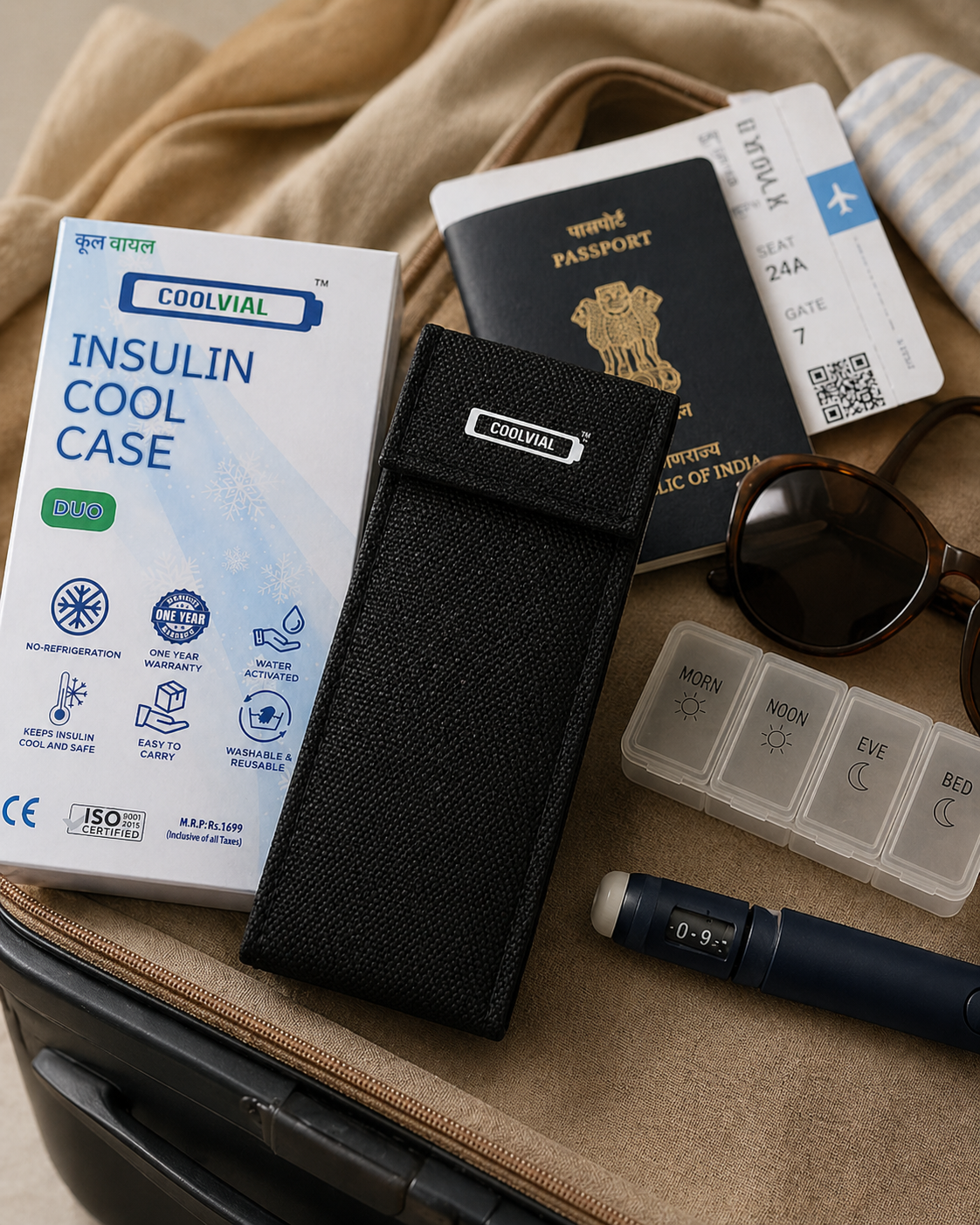
COOLVIAL keeps insulin at 2-8°C for 48+ hours. No electricity needed. Trusted by 10,000+ diabetics.
The 5 Critical Steps: Proven Huminsulin Storage Guide for India – Refrigeration & Room Temp
COOLVIAL keeps insulin safe in India's heat. 48+ hours, no electricity needed.