
Reviewed by the COOLVIAL Editorial Team — specialists in insulin storage for Indian climate conditions.
To effectively manage insulin care in Rajasthan’s desert heat, it’s crucial to maintain insulin within its optimal temperature range of 2-8°C for unopened vials and 15-25°C for opened vials/pens. Insulin begins to degrade rapidly above 30°C, losing its potency significantly, which can lead to dangerously high blood sugar levels. This practical India guide offers 7 essential strategies and detailed insights into ensuring the stability and efficacy of your insulin, especially in challenging environments like Rajasthan. You’ll learn about critical storage principles, India-specific challenges, and smart solutions to safeguard your medication, ensuring optimal health and peace of mind.
Table of Contents
- Why Insulin Care in India’s Heat is Critical: The Rajasthan Challenge
- Understanding Insulin Storage: Core Concepts for Efficacy
- Practical Tips for Insulin Care in Rajasthan’s Desert Heat
- Navigating India’s Diverse Climate: Beyond Rajasthan’s Heat
- COOLVIAL: Your Reliable Solution for Insulin Care in India
- Quick Reference: Insulin Storage Checklist & Frequently Asked Questions
- Conclusion: Staying Safe with Smart Insulin Care
Why Insulin Care in India’s Heat is Critical: The Rajasthan Challenge
India is home to a significant and growing number of individuals living with diabetes. According to the International Diabetes Federation (IDF), India had approximately 101 million people with diabetes in 2023, making it one of the countries with the highest diabetes prevalence globally (Source: IDF Diabetes Atlas 10th Edition). For many of these individuals, insulin is a life-saving medication, but its efficacy is highly dependent on proper storage, especially in a country known for its extreme climate variations.
Rajasthan, in particular, presents a unique and formidable challenge for insulin users. Known as the “Land of Kings,” its vast Thar Desert experiences scorching summers where temperatures can soar regularly above 45°C, often touching 50°C in cities like Jaisalmer, Barmer, and Bikaner. These extreme conditions pose a direct threat to insulin’s stability. Insulin is a protein, and like many proteins, it is susceptible to degradation when exposed to high temperatures.
When insulin overheats, its molecular structure changes, rendering it less effective or even completely ineffective. This means that even if you inject the prescribed dose, the degraded insulin may not lower your blood sugar levels as expected, leading to hyperglycaemia. Prolonged exposure to heat can also shorten the shelf life of insulin, making it expire sooner than indicated. This is a critical concern for anyone managing diabetes, as ineffective insulin can lead to serious health complications, including diabetic ketoacidosis (DKA) in severe cases.
The challenge extends beyond just the peak summer months. Even during other seasons, daytime temperatures in Rajasthan can remain high, and ambient heat inside vehicles or homes without consistent cooling can still exceed safe limits for insulin storage. Therefore, understanding and implementing robust strategies for insulin care in Rajasthan’s desert heat is not just a recommendation; it’s a necessity for maintaining health and well-being. This comprehensive guide will delve into practical solutions to help you navigate these environmental hurdles effectively.
Understanding Insulin Storage: Core Concepts for Efficacy
Insulin is a delicate medication, and its effectiveness hinges entirely on maintaining specific storage conditions. Understanding these core concepts is the first step towards ensuring proper insulin care in Rajasthan’s desert heat and throughout India.
The Ideal Temperature Range for Insulin
The World Health Organization (WHO) and insulin manufacturers recommend precise temperature ranges for insulin storage:
- Unopened Insulin: Should be stored in a refrigerator at temperatures between 2°C and 8°C (36°F and 46°F). This is the ideal condition to preserve its potency until the expiry date printed on the packaging.
- Opened Insulin (in use): Vials, pens, and cartridges that are currently in use can typically be stored at room temperature, ideally between 15°C and 25°C (59°F and 77°F), for up to 28 days (or sometimes up to 42 days, depending on the specific brand and type of insulin – always check the manufacturer’s leaflet). However, it is crucial that this “room temperature” does not exceed 30°C.
What Happens When Insulin Gets Too Hot?
Exposure to temperatures above 30°C causes insulin to lose its potency. This degradation can happen rapidly. Once insulin has been exposed to extreme heat, it cannot be salvaged by cooling it down again. The chemical changes are irreversible. Using degraded insulin can lead to:
7 Essential Tips for Insulin Care in Rajasthan's Desert Heat: A Practical India Guide
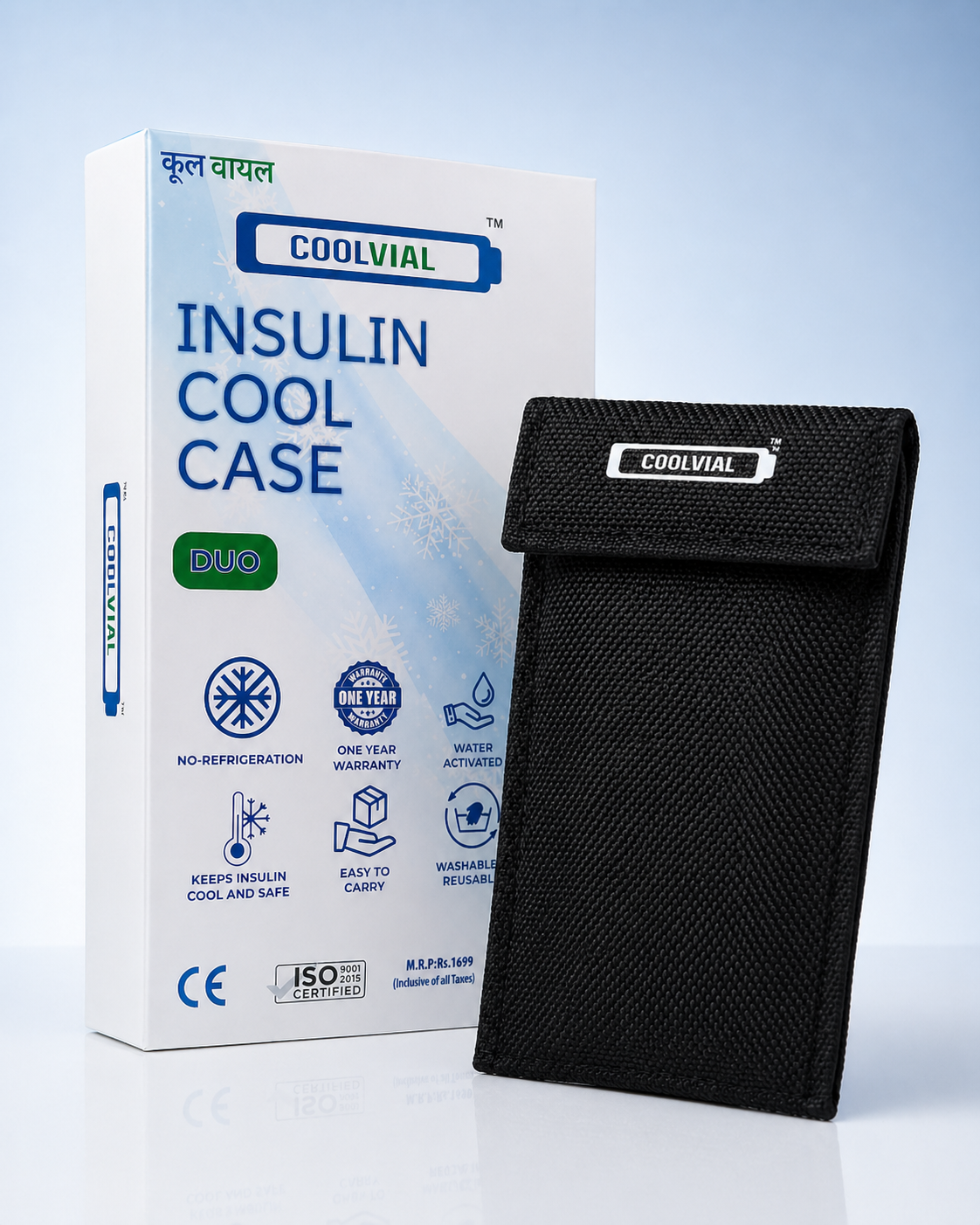
COOLVIAL keeps insulin at 2-8°C for 48+ hours. No electricity needed. Trusted by 10,000+ diabetics.
- Unexplained High Blood Sugar: Your usual insulin dose won’t work effectively.
- Increased Risk of Complications: Persistent high blood sugar can lead to short-term issues like fatigue and thirst, and long-term complications affecting organs.
- Waste of Medication: You’ll have to discard the affected insulin, leading to financial strain and potential shortages.
Factors Beyond Temperature: Light and Agitation
While temperature is paramount, other factors also impact insulin’s stability:
- Direct Sunlight: UV rays can also degrade insulin. Always keep insulin away from direct sunlight, even if the ambient temperature is within limits.
- Freezing: Freezing temperatures can damage insulin just as much as high heat. If insulin freezes, it should not be used, even if it thaws. The freezing process can alter its structure.
- Vigorous Shaking: While some insulin types (like NPH) require gentle rolling, vigorous shaking can damage the insulin molecule, causing it to clump or become less effective.
Understanding these principles forms the bedrock of effective insulin care. In India’s varied climates, particularly in the arid regions of Rajasthan, adherence to these guidelines requires proactive planning and reliable solutions.
Practical Tips for Insulin Care in Rajasthan’s Desert Heat
Managing diabetes effectively in the extreme conditions of Rajasthan requires vigilance and smart strategies. Here are 7 essential practical tips for insulin care in Rajasthan’s desert heat, designed to help you protect your vital medication:
- Never Leave Insulin in a Car: This is perhaps the most critical rule. A car parked in the sun in Rajasthan can quickly become an oven, reaching temperatures well over 60°C in minutes. Always take your insulin with you when you leave the vehicle, even for a short stop.
- Utilise Insulated Cool Cases: For daily use and travel, a high-quality insulated cool case is indispensable. These cases are specifically designed to maintain insulin within its safe temperature range for extended periods, without requiring refrigeration or electricity. They are a cornerstone of effective insulin care in India. Look for cases that use evaporation technology or gel packs designed for medical use.
- Prioritise Refrigeration at Home: Store unopened insulin vials and pens in the coldest part of your refrigerator (typically the middle shelf), away from the freezer compartment and the refrigerator door. Ensure your refrigerator is functioning correctly and set to between 2-8°C. Consider investing in a refrigerator thermometer to monitor the temperature accurately.
- Be Prepared for Power Cuts: Frequent power cuts are a reality in many parts of India, especially during summer. Have a backup plan. This could involve pre-frozen gel packs stored in your freezer, ready to transfer to an insulated cool case. For longer outages, consider a small, portable power bank for medical devices or a battery-operated cool box if available.
- Carry a Backup Supply and Prescriptions: When traveling, especially across long distances by train or bus, always carry extra insulin and syringes/pens. Also, keep a copy of your prescription and a doctor’s letter. This helps with security checks and ensures you have a supply if any of your insulin is compromised.
- Check Insulin Visually Before Use: Before every injection, inspect your insulin. It should be clear (unless it’s NPH, which is cloudy). Look for any changes in colour, cloudiness (in clear insulin), particles, or crystals. These are signs of degradation. If you notice any of these changes, or if you suspect it has been exposed to extreme temperatures, discard it and use fresh insulin.
- Educate Your Family and Caregivers: Ensure your family members, friends, or anyone you travel with understands the importance of proper insulin storage. They can be a vital support system, reminding you to take precautions or helping in an emergency.
Table: Insulin Storage Temperature Guide
| Insulin State | Storage Location | Recommended Temperature Range | Maximum Duration | Key Considerations |
|---|---|---|---|---|
| Unopened | Refrigerator | 2°C - 8°C (36°F - 46°F) | Until Expiry Date | Away from freezer; monitor fridge temperature. |
| Opened (in use) | Room Temperature/Cool Case | 15°C - 25°C (59°F - 77°F) | 28-42 Days (check leaflet) | Never exceed 30°C; protect from direct sunlight. |
| Exposure to >30°C | Discard | N/A | Immediately | Irreversible damage; potency lost. |
| Freezing | Discard | N/A | Immediately | Irreversible damage; potency lost. |
These practical strategies are vital for ensuring effective insulin care in Rajasthan’s desert heat, providing a robust framework for managing your diabetes safely and confidently.
Navigating India’s Diverse Climate: Beyond Rajasthan’s Heat
While Rajasthan’s desert heat presents extreme challenges, India’s vast geography means diverse climatic conditions that all impact insulin storage. Understanding these regional nuances is key to comprehensive insulin care across the nation.
The North Indian Plains: Intense Summers and Cold Winters
Cities like Delhi, Lucknow, and Jaipur experience brutally hot summers, often exceeding 40-45°C. Here, concerns about insulin degradation mirror those in Rajasthan. However, these regions also face cold winters, where temperatures can drop to near freezing. While less common, freezing can also damage insulin. The advice remains: avoid extreme temperatures, both hot and cold.
Coastal Regions: Humidity and Heat
7 Essential Tips for Insulin Care in Rajasthan's Desert Heat: A Practical India Guide
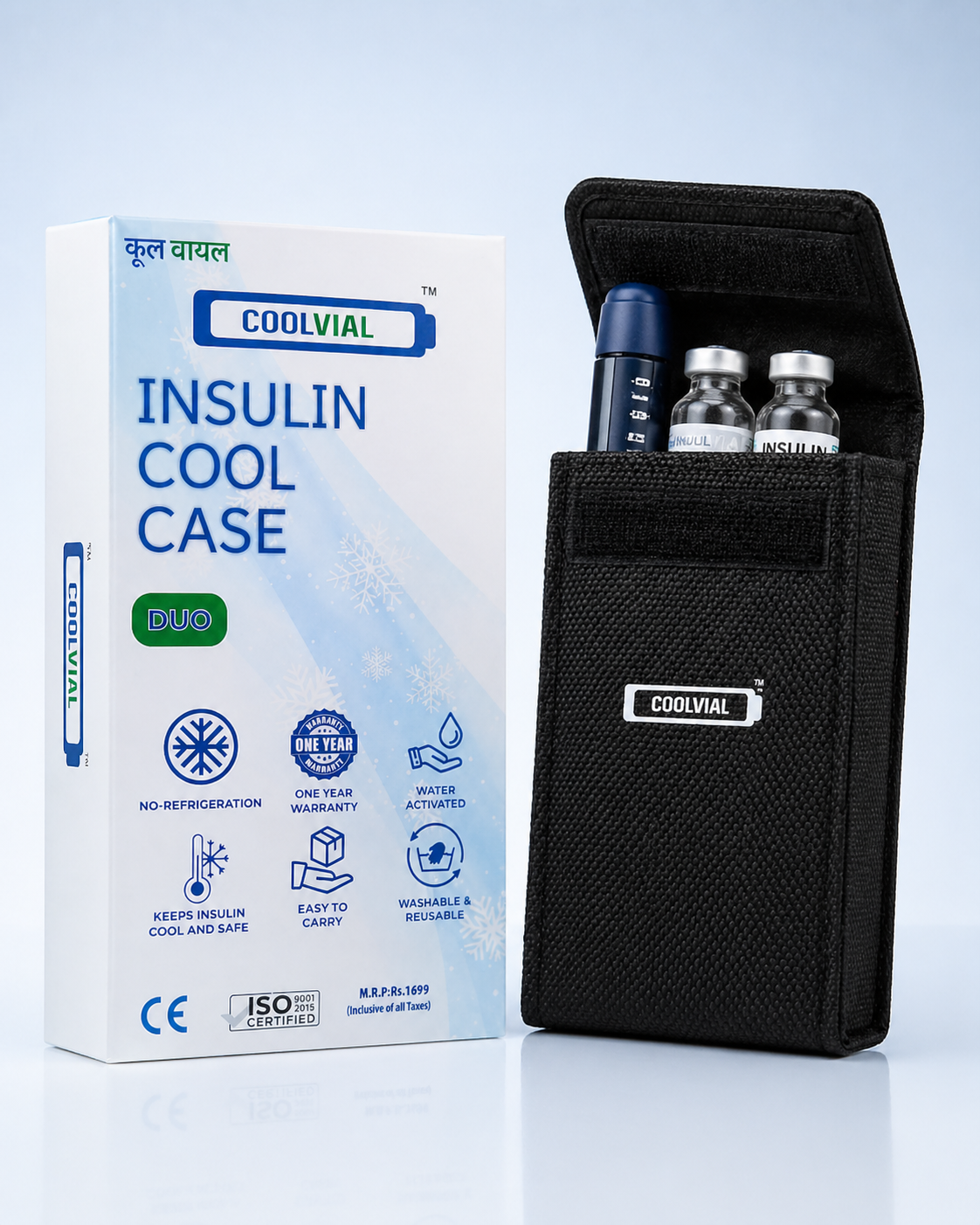
Don't let Indian heat spoil your insulin. COOLVIAL protects it for 48+ hours.
Mumbai, Chennai, Kolkata, and other coastal cities face a different challenge: high humidity combined with heat. While temperatures might not reach Rajasthan’s extremes, the persistent humidity can make heat feel more oppressive and potentially affect the integrity of insulin packaging or delivery devices over time, though the direct impact on insulin potency is primarily temperature-related. Proper ventilation and storage in sealed containers can help.
7 Essential Tips for Insulin Care in Rajasthan's Desert Heat: A Practical India Guide
COOLVIAL keeps insulin safe in India's heat. 48+ hours, no electricity needed.
Hill Stations and Cooler Climates: A Brief Respite, But Still Vigilance
Even in cooler regions like Shimla or Ooty, or during the monsoon season, temperatures can fluctuate. A seemingly mild day can still see indoor temperatures rise above 25°C, especially if direct sunlight enters a room. The key is consistent monitoring and never assuming that cooler climates negate the need for careful insulin storage.
Travel Challenges Across India
Traveling within India, whether by train, bus, or car, introduces additional complexities for insulin care.
- Long-Distance Train Travel: Indian railways can be an adventure, but often lack climate control in general coaches. Sleeper and AC coaches offer some relief, but even then, direct sunlight through windows or inconsistent cooling can be an issue. Always use a reliable COOLVIAL insulin cool case for your journey.
- Bus Journeys: Buses, especially local ones, are rarely air-conditioned and can be hot and bumpy. Secure your insulin cool case to prevent it from being jostled or exposed to direct heat from windows.
- Power Fluctuations and Rural Areas: Many rural areas and even smaller towns in India experience erratic power supply. This can compromise refrigerator temperatures. Having a non-electric cooling solution is crucial. Many Indian households face daily power cuts, particularly in summer, making reliance solely on refrigeration risky.
Considering these varied conditions, a universal approach to insulin care in India must be adaptable. A reliable, portable cooling solution becomes not just convenient, but essential for maintaining the integrity of insulin, regardless of where you are in the country or what the local climate throws at you. This flexibility ensures that individuals living with diabetes can manage their condition effectively and safely, no matter their location or travel plans.
COOLVIAL: Your Reliable Solution for Insulin Care in India
In the challenging climate of India, especially when considering insulin care in Rajasthan’s desert heat, having a dependable solution is paramount. This is where COOLVIAL steps in, offering a practical, affordable, and highly effective answer to insulin storage dilemmas.
COOLVIAL insulin cool cases are specifically designed with the Indian environment in mind. Priced at just ₹1,099, they provide an accessible and essential tool for anyone needing to keep their insulin safe from extreme temperatures. These cases utilise advanced cooling technology, often relying on evaporation or medical-grade gel packs, to maintain the optimal temperature range of 2-8°C or 15-25°C for extended periods, without the need for electricity.
How COOLVIAL Addresses Indian Challenges:
- Extreme Heat Protection: Our cool cases are engineered to withstand the intense heat prevalent in Rajasthan and other hot regions. They create a protective barrier against external temperatures, ensuring your insulin remains within its therapeutic window, even when ambient temperatures soar. This is vital for preventing insulin degradation and maintaining its potency.
- Power Cut Resilience: Given the common occurrence of power cuts across India, COOLVIAL offers peace of mind. Since our cases are non-electric, they function independently of the power grid, providing continuous cooling for your insulin during outages, whether at home or while traveling. This directly tackles one of the biggest challenges for insulin users in India.
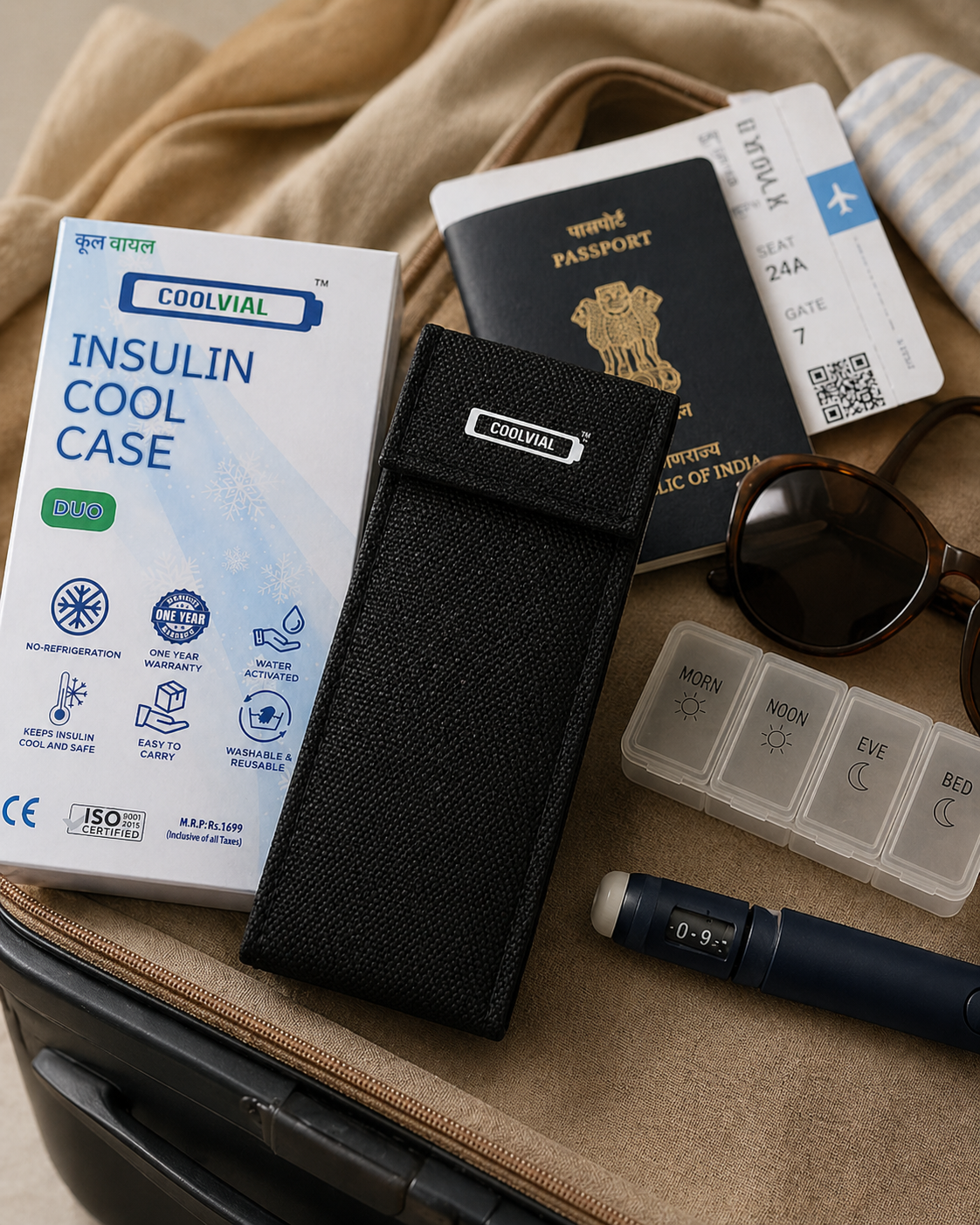
- Portability for Travel: Whether you’re commuting to work, visiting family during festivals, or embarking on a long journey by train or bus, COOLVIAL cases are compact and easy to carry. They fit conveniently into bags, ensuring your insulin is always protected, no matter where your Indian adventures take you. This makes managing insulin on the go simple and stress-free.
- Affordability and Accessibility: We understand the financial considerations for managing diabetes in India. By offering the COOLVIAL insulin cool case at ₹1,099, we aim to make essential insulin storage accessible to a wider population, ensuring that effective insulin care is not a luxury but a standard for everyone.
Choosing COOLVIAL means choosing reliability and peace of mind. It’s an investment in your health, providing a robust defence against the elements and ensuring your insulin remains effective, helping you manage your diabetes with confidence. For more insulin storage tips and to learn about our commitment to diabetic care in India, explore our website.
Quick Reference: Insulin Storage Checklist & Frequently Asked Questions
Maintaining effective insulin care in Rajasthan’s desert heat and across India requires a clear understanding of best practices. Here’s a quick checklist and answers to common questions.
Your Insulin Storage Checklist
- Refrigerator Check: Is your unopened insulin stored between 2-8°C, away from the freezer?
- Opened Insulin: Is your in-use insulin kept between 15-25°C, or in a cool case if ambient temperature exceeds 25°C?
- Direct Sunlight: Is all insulin protected from direct sunlight?
- Cool Case Ready: Is your COOLVIAL insulin cool case prepared and ready for daily use or travel?
- Power Cut Plan: Do you have a backup plan for insulin cooling during power outages?
- Visual Inspection: Do you visually inspect insulin for changes before each use?
- Expiry Dates: Are you regularly checking expiry dates on all insulin vials/pens?
- Travel Prep: Do you carry extra supplies and prescriptions when traveling?
Frequently Asked Questions
Q: How long can insulin be kept out of the refrigerator in India’s climate? A: Once opened or removed from refrigeration, most insulin can be kept at room temperature (below 25-30°C) for up to 28 days. However, in India’s hot climate, it is safer to use a dedicated insulin cool case like COOLVIAL to maintain temperatures below 25°C, especially if ambient temperatures are higher.
Q: What happens if insulin gets too hot, especially in Rajasthan’s summer? A: If insulin gets too hot (above 30°C), its protein structure degrades irreversibly, making it less effective or completely ineffective. This can lead to dangerously high blood sugar levels. Always discard insulin suspected of overheating; it cannot be restored by cooling.
**Q: Can I
7 Essential Tips for Insulin Care in Rajasthan's Desert Heat: A Practical India Guide
Keep your insulin safe in India's extreme heat. COOLVIAL works for 48+ hours without electricity.
7 Essential Tips for Insulin Care in Rajasthan's Desert Heat: A Practical India Guide
Insulin at 2-8°C for 48+ hours. Trusted by 10,000+ Indian diabetics.