
Reviewed by the COOLVIAL Editorial Team — specialists in insulin storage for Indian climate conditions.
Managing insulin effectively in Chennai’s scorching summer is crucial for individuals with diabetes. Insulin, a life-saving medication, is highly sensitive to temperature fluctuations, and exposure to heat above 30°C can significantly reduce its potency, rendering it ineffective. Unopened insulin must be stored in a refrigerator at 2–8°C, while opened vials or pens can typically be kept at room temperature (15–25°C) for up to 28 days, provided ambient temperatures remain within this range. This comprehensive guide offers 7 essential tips for insulin in Chennai summer, providing a practical survival guide to ensure your medication remains safe and effective, even amidst the coastal Indian heat. You will learn about the science of insulin stability, practical storage solutions, and India-specific challenges to empower you with the knowledge needed for optimal diabetes management.
Table of Contents
- Why This Matters in India: The Critical Challenge of Coastal Heat
- Understanding Insulin Stability: Core Concepts for Safe Storage
- Practical Survival Tips for Insulin in Chennai Summer
- Navigating Indian Climates: Beyond Chennai’s Coastal Heat
- COOLVIAL: Your Essential Partner for Insulin in Chennai Summer
- Frequently Asked Questions About Insulin Storage in Heat
- Conclusion
Why This Matters in India: The Critical Challenge of Coastal Heat
Chennai, the vibrant capital of Tamil Nadu, is renowned for its rich culture, bustling beaches, and, notably, its intense summer heat. With temperatures frequently soaring above 38°C and coupled with high humidity, the city presents a formidable challenge for individuals who rely on insulin. This extreme environment directly impacts the stability and efficacy of insulin, a protein-based hormone vital for glucose regulation. When insulin is exposed to temperatures exceeding its recommended range, particularly above 30°C, its protein structure begins to degrade. This degradation leads to a loss of potency, meaning the insulin will not lower blood sugar as effectively, potentially leading to dangerously high glucose levels for the user.
The problem is compounded by India’s significant diabetes burden. According to the International Diabetes Federation (IDF) Diabetes Atlas 2023, India had over 101 million people living with diabetes, making it one of the countries with the highest number of diabetics globally. A substantial portion of these individuals, including many across Tamil Nadu, depend on daily insulin injections. Ensuring that this life-saving medication remains potent is not just a matter of convenience but a critical public health concern.
The challenges extend beyond just the ambient temperature. Many Indian households, especially in semi-urban and rural areas, face intermittent power cuts, particularly during peak summer months. Such disruptions can compromise the effectiveness of refrigeration, making standard fridge storage unreliable for unopened insulin. Moreover, travel, a common aspect of life in India, whether for work, family visits, or festivals, exposes insulin to uncontrolled temperatures in buses, trains, and even cars without adequate air conditioning. A study published in the Journal of Diabetes Science and Technology highlights the importance of maintaining insulin within optimal temperature ranges to preserve its integrity (Source: Journal of Diabetes Science and Technology).
- Key Challenges for Insulin Storage in India’s Coastal Heat:
- High Ambient Temperatures: Chennai’s summers consistently exceed safe storage limits for insulin.
- High Humidity: While not directly degrading insulin, high humidity can affect packaging and exacerbate discomfort.
- Unreliable Power Supply: Frequent power cuts undermine refrigerator effectiveness for insulin storage.
- Travel Conditions: Public and private transport often lack climate control, exposing insulin to extreme heat.
- Lack of Awareness: Many individuals are unaware of the precise temperature requirements and signs of insulin degradation.
- Cost of Spoilage: Discarding compromised insulin due to heat exposure represents a significant financial burden for patients.
Understanding these multifaceted challenges is the first step towards developing robust strategies for safe insulin management, especially when navigating the unique environmental conditions of a coastal Indian city like Chennai.
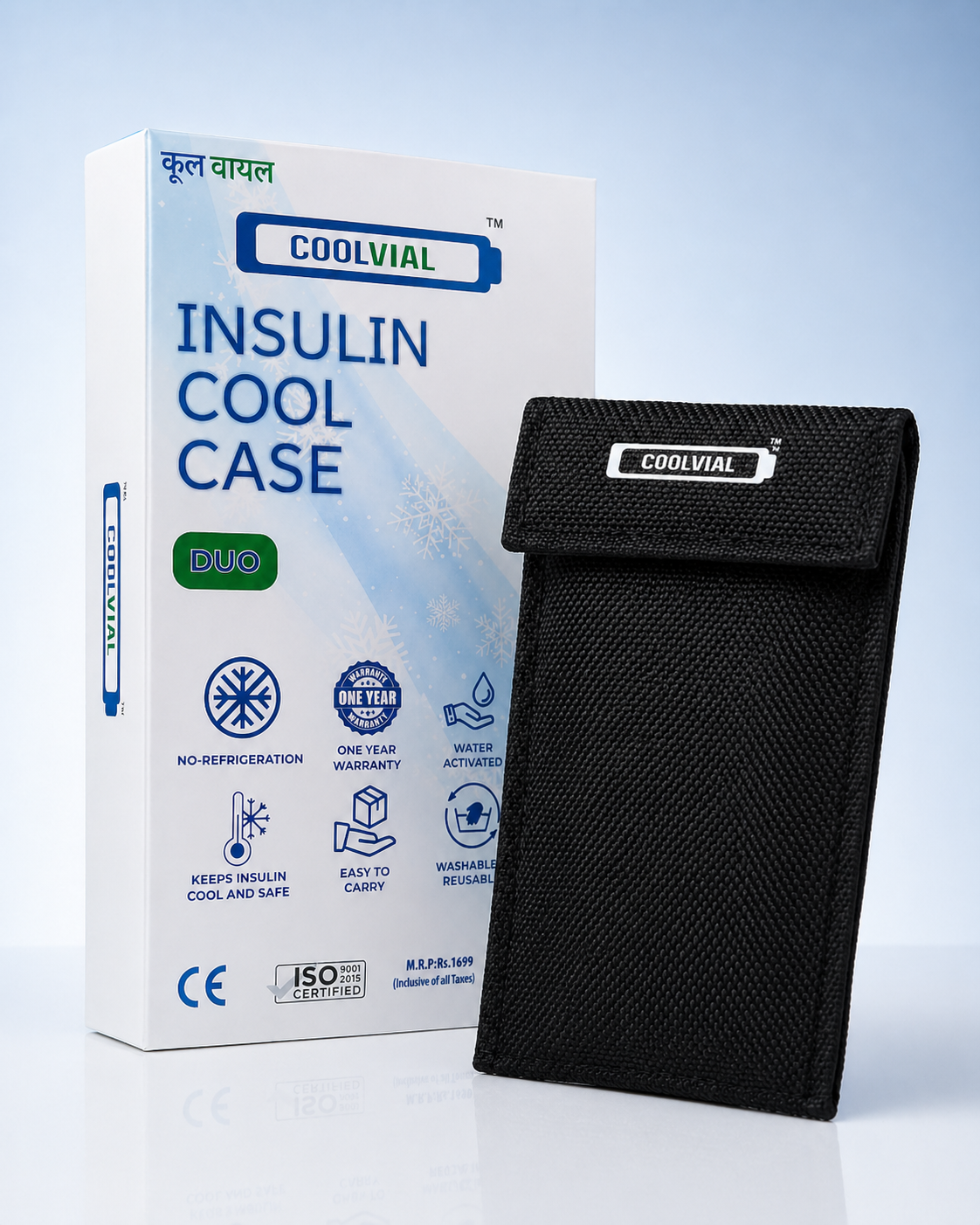
"Finally a cooler that works in Indian summers. Insulin stayed perfect during a 3-day power cut." — Ramesh, Chennai
7 Essential Tips for Insulin in Chennai Summer: A Practical Survival Guide
CE Certified · Free Delivery · 1-Year Warranty
📲 Buy on WhatsApp — ₹1,0997 Essential Tips for Insulin in Chennai Summer: A Practical Survival Guide
Insulin at 2-8°C for 48+ hours. Trusted by 10,000+ Indian diabetics.
Understanding Insulin Stability: Core Concepts for Safe Storage
Insulin is a delicate protein hormone, and its effectiveness hinges on maintaining its structural integrity. When exposed to temperatures outside its optimal range, especially high heat, the protein can denature, changing its shape and rendering it unable to bind effectively to receptors in the body. This loss of biological activity means that even if insulin appears visually normal, it may not work as intended, leading to elevated blood glucose levels.
The Science Behind Insulin Degradation
Insulin molecules are complex structures held together by specific bonds. Heat provides energy that can break these bonds, causing the protein to unfold or aggregate. This process, known as denaturation, is irreversible. Once insulin is denatured, it loses its ability to regulate blood sugar. Studies have shown that insulin begins to lose its potency significantly when consistently stored above 30°C, and even short exposures to extreme heat (e.g., above 40°C) can cause rapid degradation. Conversely, freezing insulin can also damage its structure, as ice crystals can disrupt the delicate protein chains, making it ineffective. Therefore, maintaining a stable, moderate temperature is paramount.
The visible signs of insulin degradation can include:
- Cloudiness or particles: Clear insulin (like rapid-acting and long-acting analogues) should remain perfectly clear. Any cloudiness, discoloration, or solid particles indicate spoilage.
- Clumping or frosting: Insulin suspensions (like NPH or pre-mixed insulins) may appear clumpy or grainy, or have a “frosted” appearance inside the vial.
- Changes in consistency: The insulin might feel thicker or thinner than usual.
- Loss of effect: The most dangerous sign is when insulin simply stops working, leading to unexplained high blood sugar readings.
Unopened vs. Opened Insulin Vials and Pens
The storage recommendations differ based on whether the insulin vial or pen is unopened or has been started. This distinction is critical for maintaining potency.
-
Unopened Insulin:
- Storage Temperature: Must be stored in a refrigerator at a temperature between 2°C and 8°C (36°F and 46°F).
- Shelf Life: Unopened insulin stored correctly in the refrigerator is good until the expiration date printed on the label.
- Never Freeze: Freezing destroys insulin. If insulin freezes, even partially, it must be discarded.
- Protect from Light: Direct light can also degrade insulin over time, so keep it in its original carton or a dark place in the fridge.
-
Opened Insulin (Vials and Pens):
- Storage Temperature: Once opened or taken out of refrigeration for use, most insulins can be stored at room temperature, typically between 15°C and 25°C (59°F and 77°F).
- Duration: Most opened insulin vials and pens are stable for 28 days (4 weeks) at room temperature. However, some specific insulin pens (e.g., certain long-acting insulins) may have a slightly longer shelf life, up to 42 days (6 weeks). Always check the manufacturer’s specific instructions.
- Avoid Extreme Temperatures: Even when stored at “room temperature,” it’s vital to ensure this room temperature doesn’t exceed 25°C to 30°C. In Chennai’s summer, ambient room temperatures easily surpass 30°C, making conventional room temperature storage inadequate.
- Discard After Period: Regardless of how much insulin is left, discard opened insulin after its recommended period (usually 28 days) to ensure optimal potency.
7 Essential Tips for Insulin in Chennai Summer: A Practical Survival Guide
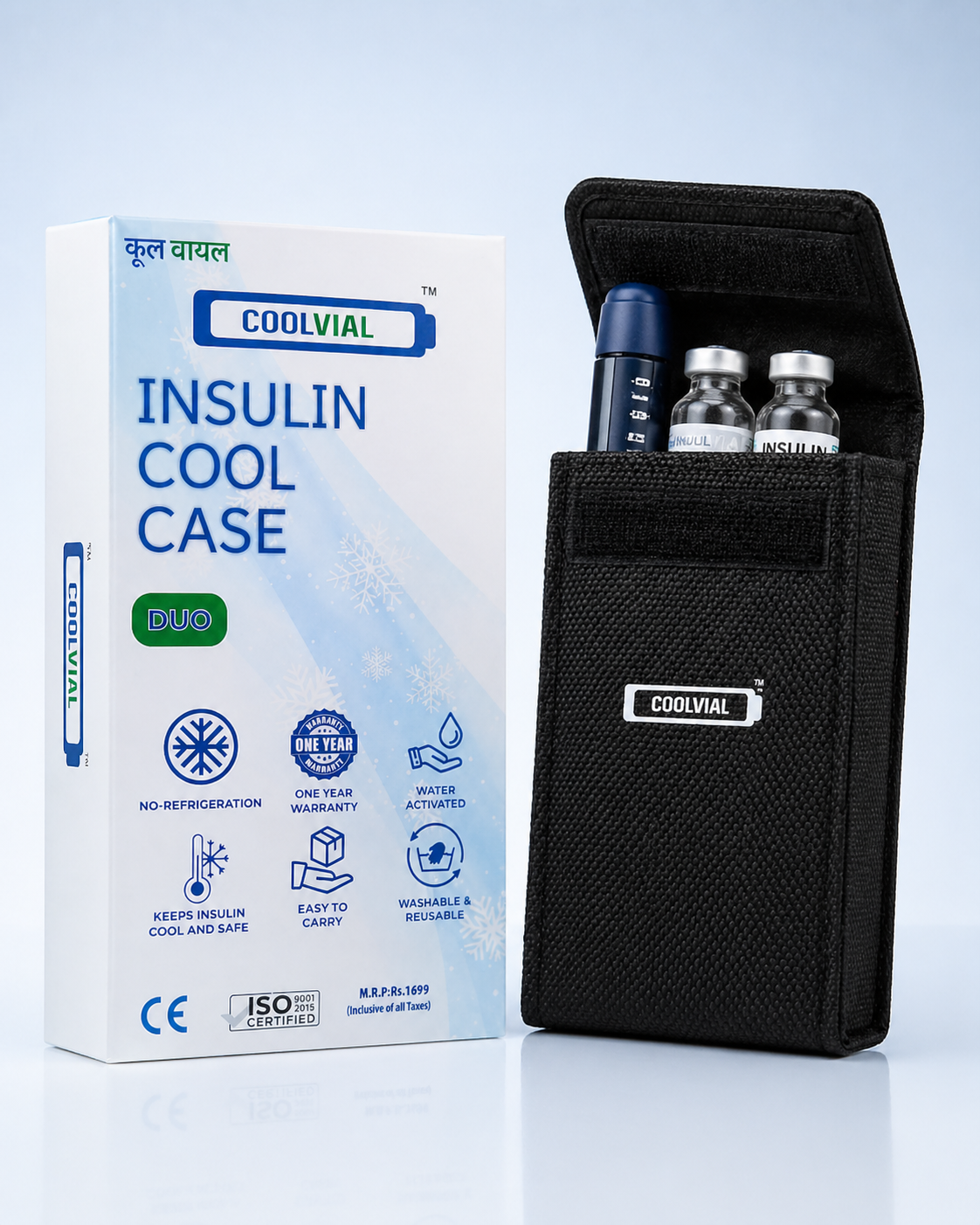
Don't let Indian heat spoil your insulin. COOLVIAL protects it for 48+ hours.
7 Essential Tips for Insulin in Chennai Summer: A Practical Survival Guide
Table: Insulin Storage Guidelines
| Condition | Temperature Range | Duration | Key Considerations |
|---|---|---|---|
| Unopened | 2°C – 8°C (Refrigerator) | Until Expiration Date | Never freeze. Keep in original carton. |
| Opened (Vial) | 15°C – 25°C (Room Temp) | Up to 28 days (Check manufacturer) | Protect from light and extreme heat. Do not refrigerate after opening unless specified. |
| Opened (Pen) | 15°C – 25°C (Room Temp) | Up to 28-42 days (Check manufacturer) | Do not refrigerate after opening unless specified. Remove needle after each use. |
| Spoilage Risk | Above 30°C | Immediate degradation, loss of potency | Discard immediately if exposed to high heat or signs of spoilage appear. |
| Freezing Risk | Below 0°C | Immediate degradation, loss of potency | Discard immediately if frozen. |
Understanding these precise temperature requirements and timeframes is fundamental for anyone managing diabetes, especially in challenging climates like that of Chennai.
Practical Survival Tips for Insulin in Chennai Summer
Navigating the high temperatures and humidity of Chennai summers requires a proactive approach to insulin management. By adopting these practical tips, you can significantly reduce the risk of insulin degradation and ensure your medication remains effective. These strategies are particularly vital for maintaining insulin in Chennai summer, where heat can be relentless.
-
Invest in a Reliable Insulin Cool Case: This is perhaps the most crucial tip. Traditional ice packs can freeze insulin, and simple cloth pouches offer minimal protection. A dedicated insulin cool case, like the COOLVIAL insulin cool case, is designed to maintain insulin within the safe temperature range (typically 2-8°C or 15-25°C) without freezing it, even in ambient temperatures exceeding 35-40°C. These cases use advanced cooling technology, often relying on evaporative cooling or gel packs that don’t freeze solid, making them perfect for daily use and travel.
-
Avoid Direct Sunlight and Hot Enclosures: Never leave your insulin in direct sunlight, in a car parked under the sun, or near hot appliances. Even a few minutes in a car that has been sitting in the Chennai sun can expose insulin to temperatures well above 40-50°C, leading to rapid degradation. Always keep your insulin in the coolest part of any room or vehicle, preferably in its cool case.
-
Plan Travel Carefully:
- Air Travel: Always carry insulin in your hand luggage. The cargo hold of an airplane can experience extreme temperature fluctuations, including freezing temperatures, which can destroy insulin. Inform airport security about your medical supplies.
- Train and Bus Travel: On long journeys within India, especially on non-AC coaches, the heat can be intense. Use your insulin cool case diligently. If possible, opt for AC coaches or flights during summer travel. Keep your insulin accessible and away from windows.
- Short Trips: Even for short excursions, ensure your insulin is protected. A cool case is indispensable for trips to the market, temple, or beach.
-
Have a Backup Plan for Power Cuts: Chennai, like many Indian cities, can experience power outages, particularly during peak summer. For unopened insulin stored in the refrigerator, a prolonged power cut can be disastrous.
- Keep a spare set of ice packs ready in your freezer.
- Consider a small, insulated thermocol box with ice packs for emergency storage if the power is out for more than a few hours. Ensure ice packs are wrapped in cloth to prevent direct contact with insulin, which could cause freezing.
- For insulin currently in use, rely on your cool case, as it doesn’t require electricity.
-
Visually Inspect Insulin Regularly: Make it a habit to check your insulin for any signs of spoilage before each use. Clear insulin should remain clear, and cloudy insulin should be uniformly cloudy after gentle rolling. Any changes in color, clarity, or the presence of particles mean the insulin may be compromised and should be discarded, even if it hasn’t expired. Trust your observations over the date if spoilage is suspected.
-
Carry a Spare Supply: Always keep a backup vial or pen, especially when traveling or during peak summer months. If your current insulin supply is compromised by heat or lost, having a spare can prevent a medical emergency. Store this spare supply under optimal conditions as well, ideally in a separate cool case or a well-maintained refrigerator.
-
**Stay Hydrated
7 Essential Tips for Insulin in Chennai Summer: A Practical Survival Guide
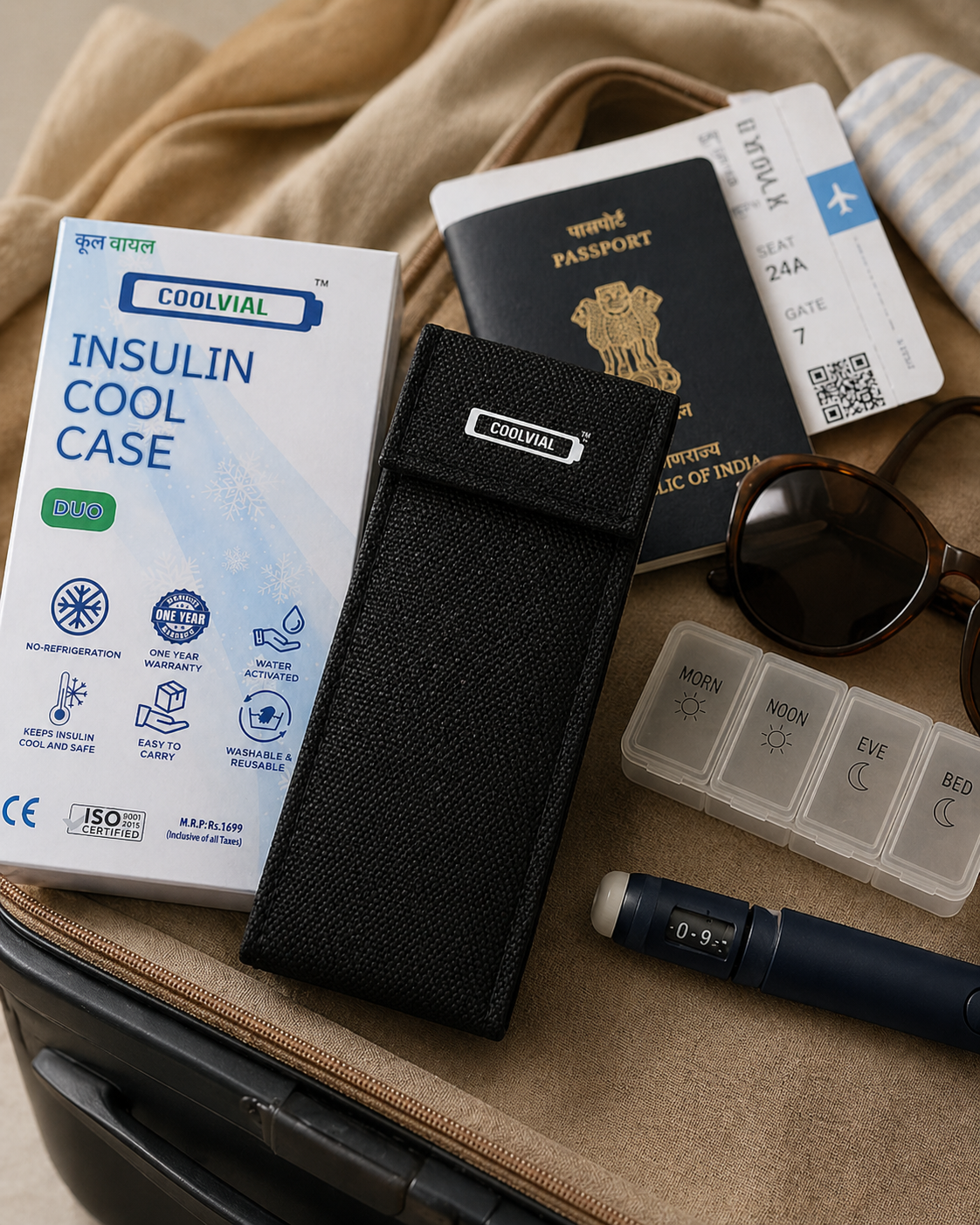
COOLVIAL keeps insulin at 2-8°C for 48+ hours. No electricity needed. Trusted by 10,000+ diabetics.
7 Essential Tips for Insulin in Chennai Summer: A Practical Survival Guide
48+ hours at 2-8°C. No electricity. CE certified. Free delivery across India.
Order on WhatsApp — ₹1,099🛒 Buy Now — ₹1,099