
Reviewed by the COOLVIAL Editorial Team — specialists in insulin storage for Indian climate conditions.
Once an insulin vial, pen, or cartridge is opened, its insulin shelf life after opening what every Indian diabetic should know is typically 28 days. This crucial 28-day period applies when stored at room temperature, ideally between 15°C and 25°C, and never exceeding 30°C. Exposing insulin to temperatures above this threshold, common in many parts of India, can quickly degrade its efficacy, making it less effective in managing blood sugar levels.
Living with diabetes in India presents unique challenges, especially concerning the proper storage of insulin. From the scorching summers of Rajasthan to the humid monsoons of Kerala, maintaining the precise temperature range for insulin is a constant concern. Understanding the insulin shelf life after opening what every Indian diabetic should know is not just about following guidelines; it’s about safeguarding your health and ensuring your insulin remains potent and effective. This comprehensive guide will delve into the science of insulin stability, practical storage tips tailored for India, and how smart solutions can empower you to manage your diabetes with confidence.
Table of Contents
- 1. Why Understanding Insulin Shelf Life is Critical in India
- 2. Core Concepts of Insulin Stability and How It Works
- 3. Practical Tips for Managing Insulin Shelf Life After Opening in Indian Conditions
- 4. Navigating India’s Diverse Climates and Lifestyle for Insulin Storage
- 5. Ensuring Optimal Insulin Shelf Life with a COOLVIAL Cool Case
- 6. Frequently Asked Questions About Insulin Storage and Shelf Life
- Conclusion
1. Why Understanding Insulin Shelf Life is Critical in India
For the millions of Indians living with diabetes, insulin is a life-saving medication. However, its effectiveness hinges entirely on proper storage. India’s diverse climate, marked by extreme heat, high humidity, and frequent power fluctuations, poses significant challenges to maintaining insulin’s integrity. The insulin shelf life after opening what every Indian diabetic should know becomes a matter of daily vigilance, not just a guideline to skim over.
According to the International Diabetes Federation (IDF), India had an estimated 101 million people living with diabetes in 2023, a number projected to rise. This staggering figure underscores the widespread need for accurate information on insulin management. Many individuals, particularly in rural or semi-urban areas like those in Uttar Pradesh or Bihar, may not have consistent access to refrigeration or stable electricity, making conventional storage advice difficult to implement.
Consider the harsh realities: summer temperatures in cities like Delhi, Nagpur, or Ahmedabad can soar above 45°C, far exceeding the safe storage limit of 30°C for opened insulin. Even during the cooler months, indoor temperatures can fluctuate significantly, especially during unexpected power cuts, which are common across 78% of Indian households, particularly in summer (Source: Council on Energy, Environment and Water report). These conditions directly impact the insulin shelf life after opening what every Indian diabetic should know.
Using degraded insulin can lead to serious health complications. When insulin loses its potency, it fails to effectively lower blood sugar, leading to hyperglycemia, increased risk of diabetic ketoacidosis, and long-term complications like nerve damage, kidney disease, and vision loss. The economic burden of replacing spoiled insulin or managing complications from ineffective treatment can also be substantial for Indian families. Therefore, understanding and actively managing the insulin shelf life after opening what every Indian diabetic should know is not merely a recommendation but a vital component of diabetes care. Adherence to proper storage, as highlighted by national health bodies, is paramount (Source: ICMR Guidelines on Diabetes).
Here are some common challenges impacting insulin shelf life in India:
- Extreme Ambient Temperatures: Many regions experience prolonged periods above 30°C.
- High Humidity: Can affect packaging integrity and accelerate degradation.
- Frequent Power Cuts: Disrupts refrigeration, leading to temperature excursions.
- Travel: Long journeys by train or bus expose insulin to uncontrolled temperatures.
- Limited Awareness: Lack of clear information on proper storage, especially in local languages.
2. Core Concepts of Insulin Stability and How It Works
Insulin is a protein hormone, and like all proteins, it is sensitive to environmental factors, particularly temperature. Its unique molecular structure allows it to bind to receptors on cells, facilitating glucose uptake. When exposed to adverse conditions, this structure can change, leading to a loss of its biological activity. Understanding these core concepts is fundamental to appreciating why the insulin shelf life after opening what every Indian diabetic should know is so critical.
Before opening, insulin vials and pens should be stored in a refrigerator, typically between 2°C and 8°C. This cold storage ensures maximum potency until its expiry date, which can be several months or even years away. Once opened or removed from refrigeration for daily use, the rules change significantly. The clock starts ticking on its 28-day (or sometimes 42-day for specific brands) shelf life.
Critical 28-Day Insulin Shelf Life After Opening: What Every Indian Diabetic Should Know
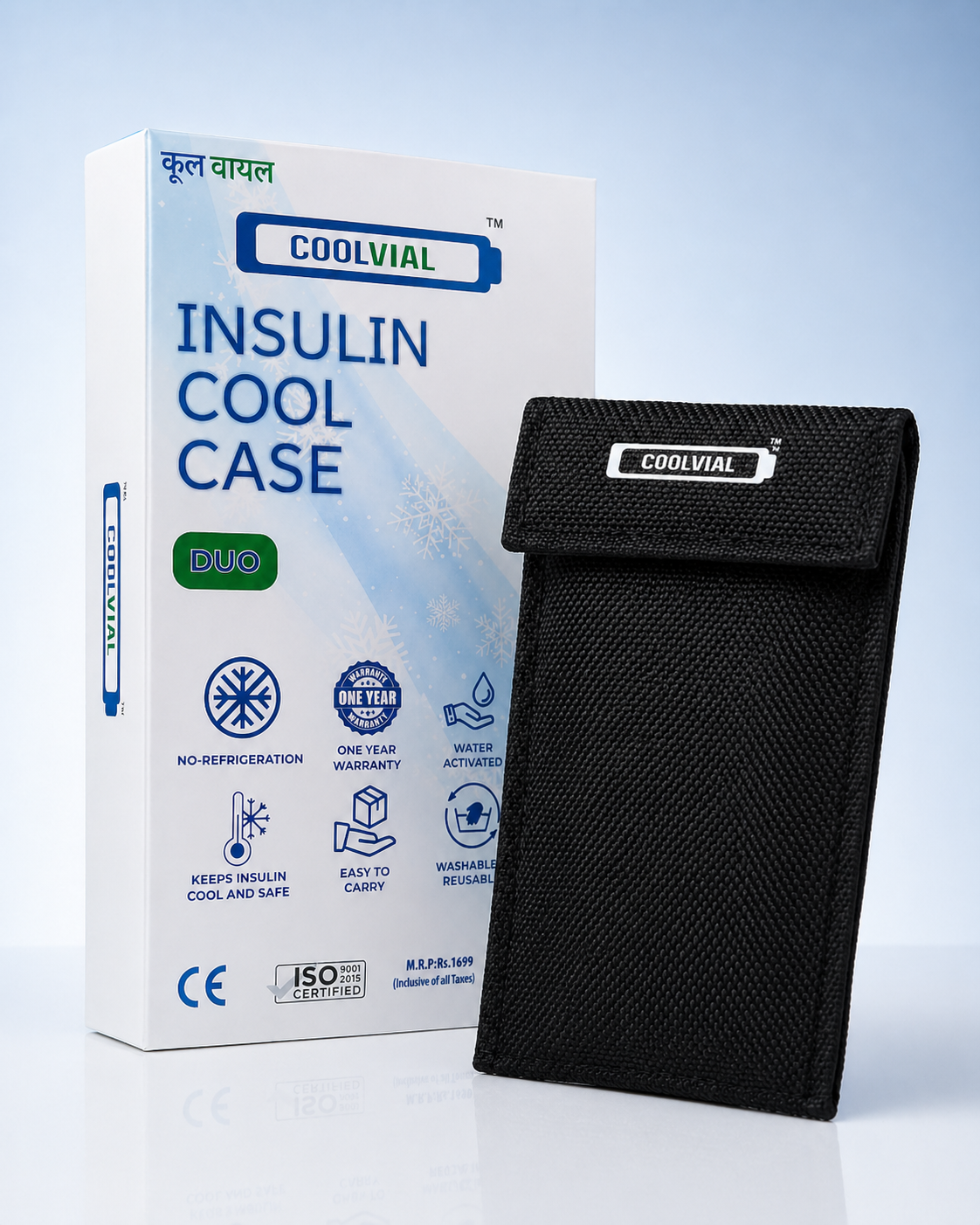
Don't let Indian heat spoil your insulin. COOLVIAL protects it for 48+ hours.
"Finally a cooler that actually works in Indian summers. My insulin stayed perfect during a 3-day power cut." — Ramesh, Chennai
Critical 28-Day Insulin Shelf Life After Opening: What Every Indian Diabetic Should Know
CE Certified · Free Delivery · 1-Year Warranty · Made for India
Critical 28-Day Insulin Shelf Life After Opening: What Every Indian Diabetic Should Know
COOLVIAL keeps insulin safe in India's heat. 48+ hours, no electricity needed.
Types of Insulin and Their Storage Specifics
While the 28-day rule is a general guideline, slight variations exist based on the type of insulin and its formulation. It’s crucial to always refer to the specific manufacturer’s instructions provided with your insulin.
| Insulin Type | Storage (Unopened) | Storage (Opened/In Use) | Maximum In-Use Duration |
|---|---|---|---|
| Rapid-acting | Refrigerator (2°C-8°C) | Room temp (<30°C), avoid direct sunlight | 28 days (vials/pens) |
| Short-acting | Refrigerator (2°C-8°C) | Room temp (<30°C), avoid direct sunlight | 28 days (vials/pens) |
| Intermediate-acting | Refrigerator (2°C-8°C) | Room temp (<30°C), avoid direct sunlight | 28 days (vials/pens) |
| Long-acting | Refrigerator (2°C-8°C) | Room temp (<30°C), avoid direct sunlight | 28-42 days (check label) |
| Pre-mixed | Refrigerator (2°C-8°C) | Room temp (<30°C), avoid direct sunlight | 28 days (vials/pens) |
It is important to note that some insulin pens might have a slightly longer in-use duration, up to 42 days (6 weeks), but this is less common and must be verified with the product leaflet. The consistency of the insulin shelf life after opening what every Indian diabetic should know ensures safety.
The Science Behind Insulin Degradation
Insulin degradation is primarily a chemical process. High temperatures accelerate this process, causing the protein structure to unravel or aggregate.
- Heat: Above 30°C, insulin molecules can begin to denature, losing their three-dimensional shape. This structural change means they can no longer bind effectively to insulin receptors, rendering the insulin less potent.
- Freezing: Freezing can also damage insulin. If insulin freezes, the water in the solution expands, potentially breaking the chemical bonds and rendering it ineffective. Never use insulin that has been frozen.
- Direct Sunlight: UV radiation from direct sunlight can also degrade insulin. Always keep insulin away from windows or dashboards of vehicles.
- Shaking: Vigorous shaking can cause insulin molecules to aggregate or clump together, reducing its effectiveness. Gently roll vials between your palms if mixing is required (e.g., for NPH insulin).
Recognizing Spoiled Insulin
It’s crucial to be able to identify signs of insulin degradation. Using spoiled insulin is akin to not taking insulin at all, leading to dangerously high blood sugar levels.
- Appearance Change: Clear insulin (like rapid-acting or long-acting) should remain clear. If it becomes cloudy, discolored, or contains particles, discard it. Cloudy insulin (like NPH or pre-mixed) should appear uniformly cloudy. If it has clumps, crystals, or a frosted appearance, it’s likely spoiled.
- Loss of Efficacy: The most concerning sign is when your blood sugar levels remain high despite taking your usual insulin dose. If you notice unexplained high readings, suspect your insulin might have lost its potency. This directly relates to the importance of understanding insulin shelf life after opening what every Indian diabetic should know.
- Unusual Odor: While rare, any unusual smell from the insulin should prompt immediate disposal.
3. Practical Tips for Managing Insulin Shelf Life After Opening in Indian Conditions
Effectively managing the insulin shelf life after opening what every Indian diabetic should know requires proactive strategies, especially given India’s environmental factors. Here are practical tips to ensure your insulin remains potent and safe for use.
- Mark the Opening Date: As soon as you open a new vial or pen, write the date on it with a permanent marker. This simple step is critical for tracking the 28-day (or specific manufacturer’s) limit.
- Store at Optimal Room Temperature: Keep opened insulin at room temperature, ideally between 15°C and 25°C. Crucially, ensure it never exceeds 30°C. In many Indian homes, finding such a consistent spot can be challenging, especially during peak summer. Avoid storing it in direct sunlight, near heat sources (like kitchen stoves or geysers), or in a car.
- Use a Reliable Cool Case: For travel or during power cuts, a quality insulin cool case is indispensable. These cases are designed to maintain a safe temperature range for extended periods, protecting your insulin from extreme heat. For more insulin storage tips tailored to Indian conditions, explore specialized resources.
- Avoid Refrigerating Opened Insulin Repeatedly: While unopened insulin belongs in the fridge, once opened, it’s generally recommended to keep it out to avoid repeated temperature fluctuations which can be detrimental. However, if your room temperature consistently exceeds 30°C, and you don’t have a cool case, temporary refrigeration might be considered, but avoid freezing.
- Never Freeze Insulin: Freezing destroys insulin. If your insulin accidentally freezes, even partially, discard it immediately. This is particularly relevant during extreme winters in some northern Indian states or if stored too close to the freezer compartment in a refrigerator.
- Travel Smart: When traveling by train from Mumbai to Delhi or by bus through rural Karnataka, keep your insulin with you in your carry-on luggage, not in checked baggage or in the cargo hold where temperatures are uncontrolled. Always use an insulated cool case.
- Emergency Preparedness: Have a backup plan for power outages. This might include pre-cooled gel packs, a small portable cooler, or knowing where the nearest pharmacy with a reliable refrigerator is located.
- Educate Family Members: Ensure your family or caregivers understand the importance of proper insulin storage and can identify signs of spoilage. This collective awareness strengthens the management of insulin shelf life after opening what every Indian diabetic should know.
4. Navigating India’s Diverse Climates and Lifestyle for Insulin Storage
"Finally a cooler that actually works in Indian summers. My insulin stayed perfect during a 3-day power cut." — Ramesh, Chennai
Critical 28-Day Insulin Shelf Life After Opening: What Every Indian Diabetic Should Know
CE Certified · Free Delivery · 1-Year Warranty · Made for India
Critical 28-Day Insulin Shelf Life After Opening: What Every Indian Diabetic Should Know
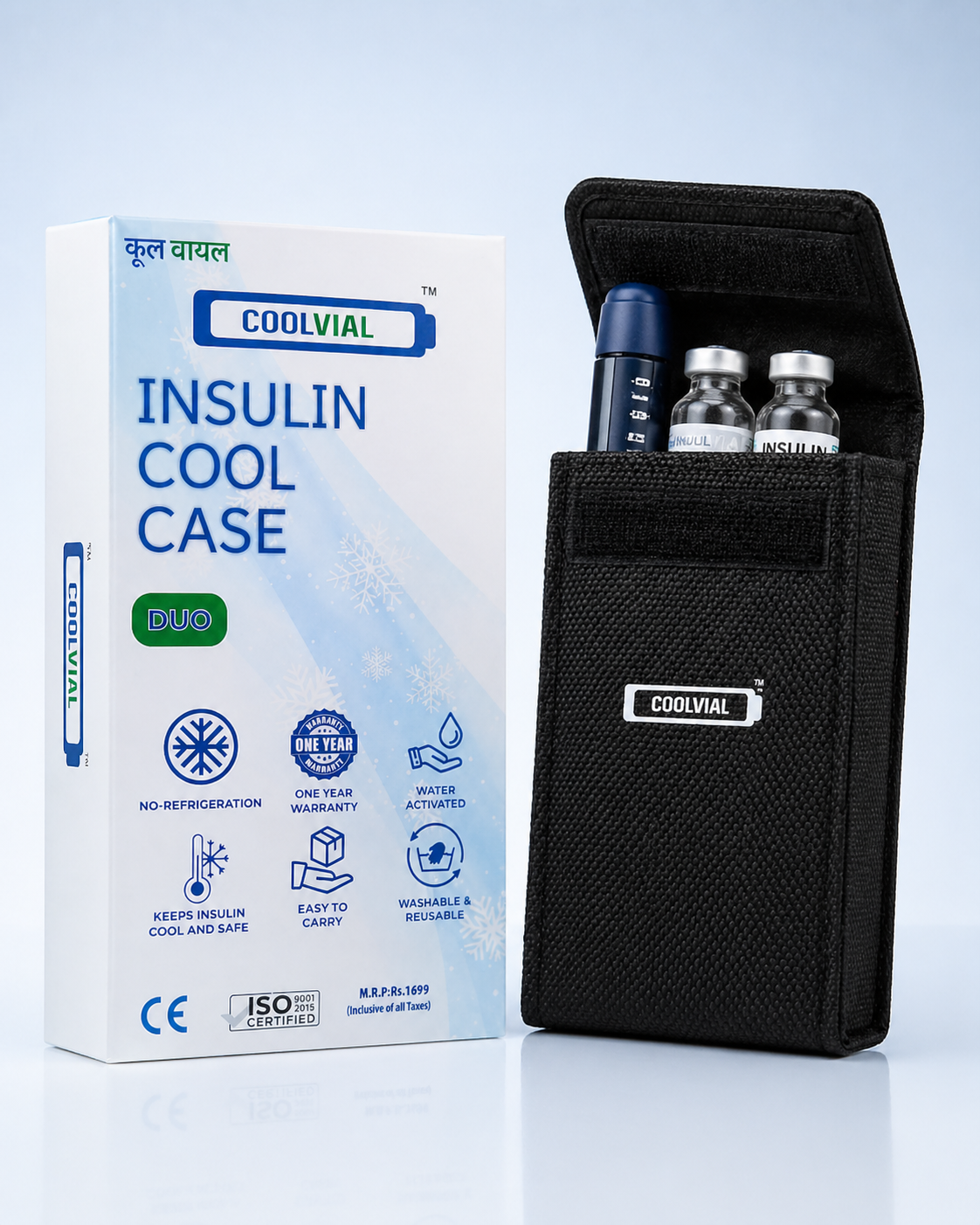
Insulin at 2-8°C for 48+ hours. Trusted by 10,000+ Indian diabetics.
India’s vast geographical and climatic diversity, coupled with varying lifestyle patterns, presents unique challenges for maintaining the integrity of insulin after opening. From the arid deserts of Rajasthan to the humid coastal regions of Goa and the high-altitude areas of Himachal Pradesh, each locale demands a thoughtful approach to insulin storage.
Regional Considerations for Insulin Storage:
- North Indian Plains (Delhi, Uttar Pradesh, Punjab): Summers are characterized by extreme heat (often >40°C) and hot, dry winds (Loo). Power cuts are common.
- Strategy: Reliance on active cooling solutions like cool cases is paramount. Avoid storing insulin in rooms without air conditioning or during daytime travel without protection.
- Coastal Regions (Mumbai, Chennai, Kolkata, Kerala): High humidity and warm temperatures (often >30°C) prevail throughout much of the year, especially during monsoon.
- Strategy: While humidity doesn’t directly degrade insulin as quickly as heat, it can affect packaging. Focus on temperature control and ensuring insulin is kept dry. Cool cases are still essential for maintaining the target temperature range.
- Central India (Madhya Pradesh, Maharashtra interior): Experiences extreme heat in summer and moderate winters.
- Strategy: Similar to northern plains, active cooling is vital in summer. Year-round awareness of indoor temperatures is necessary, as even moderate temperatures can exceed safe limits for prolonged periods.
- Northeast India (Assam, Meghalaya): High rainfall and humidity, with moderate temperatures.
- Strategy: Focus on keeping insulin dry and protected from accidental water exposure, in addition to temperature management.
- Hilly Regions (Himachal Pradesh, Uttarakhand): Cooler temperatures generally, but still susceptible to temperature fluctuations and the risk of freezing in severe winters.
- Strategy: Protect from freezing in winter. Ensure cool cases are used for any travel to warmer plains.
Lifestyle Factors:
- Travel: Whether it’s a pilgrimage to Vaishno Devi, a business trip from Bengaluru to Pune, or visiting family during Diwali in a remote village, travel exposes insulin to unpredictable conditions. Carrying insulin in a dedicated cool case is non-negotiable. Public transport like un-airconditioned buses and trains can become ovens in summer, drastically shortening the insulin shelf life after opening what every Indian diabetic should know.
- Festivals and Gatherings: During festivals like Holi, Eid, or Christmas, routines often change, and access to ideal storage conditions might be compromised. Planning ahead and using portable storage solutions are key.
- Rural vs. Urban: Urban centers generally have more stable electricity and access to pharmacies with proper storage. Rural areas often face more frequent power cuts and limited resources, making personal cool storage solutions even more vital.
Understanding these nuances helps Indian diabetics make informed decisions about how and where to store their insulin. It ensures that the insulin shelf life after opening what every Indian diabetic should know is not just theoretical but practically managed in their daily lives.
5. Ensuring Optimal Insulin Shelf Life with a COOLVIAL Cool Case
Given the unique environmental challenges in India, relying solely on traditional storage methods can be risky. This is where specialized solutions like the COOLVIAL insulin cool case become indispensable for maintaining the insulin shelf life after opening what every Indian diabetic should know. Designed specifically for the Indian climate, COOLVIAL offers a reliable way to keep your insulin within its safe temperature range, even when power is out or you’re on the move.
The COOLVIAL insulin cool case (₹1,099) utilizes advanced cooling technology, often involving gel packs or evaporative cooling, to maintain the recommended temperature range of 2°C to 25°C for extended periods. This protection is crucial for opened insulin, which must not exceed 30°C. Imagine traveling through the scorching plains of Rajasthan in May or enduring a monsoon-induced power cut in Mumbai; a COOLVIAL case provides peace of mind that your insulin remains potent.
Key Benefits of a COOLVIAL Insulin Cool Case:
- Temperature Stability: Protects insulin from extreme heat and prevents freezing. This is vital for preserving the insulin shelf life after opening what every Indian diabetic should know.
- Portability: Compact and lightweight, making it easy to carry in a handbag, backpack, or even a briefcase, whether you’re commuting to work or embarking on a long journey. You can learn more about the COOLVIAL insulin cool case on our product page.
- Reliability During Power Cuts: Acts as an independent cooling unit, unaffected by electricity outages, which are a common concern across India.
- Durability: Built to withstand daily use and travel, offering a long-term solution for insulin storage.
- Cost-Effective: Prevents the waste of expensive insulin due to spoilage, ultimately saving money and ensuring consistent diabetes management.
By investing in a COOLVIAL cool case, Indian diabetics can significantly mitigate the risks associated with improper storage, thereby extending the practical insulin shelf life after opening what every Indian diabetic should know within safe limits. It’s an essential tool for anyone who needs to manage their insulin actively in India’s diverse and often challenging climate.
6. Frequently Asked Questions About Insulin Storage and Shelf Life
Understanding the nuances of insulin storage can be complex. Here are answers to some common questions Indian diabetics have about the insulin shelf life after opening what every Indian diabetic should know.
Q: What happens if I use insulin past its 28-day opened shelf life? A: Using insulin past its recommended 28-day opened shelf life, even if it looks normal, can mean you are injecting degraded insulin. Degraded insulin loses its potency and will not effectively lower your blood sugar levels, leading to hyperglycemia and potentially serious health complications over time. Always discard insulin after its specified in-use period.
Q: Can I put my opened insulin back in the refrigerator to extend its shelf life beyond 28 days? A: No, once an insulin vial or pen is opened and stored at room temperature, putting it back in the refrigerator will not extend its 28-day shelf life. The 28-day period (or manufacturer-specified duration) begins from the moment it is opened or removed from initial refrigeration for daily use, regardless of subsequent refrigeration. Consistent temperature fluctuations are also detrimental to insulin stability.
Q: Is it safe to use insulin that has been exposed to high temperatures, like in a hot car during summer? A: No, it is generally not safe to use insulin that has been exposed to high temperatures, especially above 30°C for an extended period. High heat rapidly degrades insulin, making it ineffective. Even if it looks normal, its potency may be severely compromised. In such cases, it’s best to discard the insulin and start with a new, properly stored vial or pen to ensure effective blood sugar management.
Q: How can I tell if my insulin has gone bad, especially if I’m unsure about its storage history? A: You can often identify spoiled insulin by changes in its appearance: clear insulin may become cloudy, discolored, or show particles, while uniformly cloudy insulin may develop clumps, crystals, or a frosted look. However, the most critical sign is a sudden, unexplained increase in your blood sugar levels despite taking your usual dose. If you suspect your insulin is compromised, discard it and use fresh insulin.
**Q: What is the ideal temperature range
"Finally a cooler that actually works in Indian summers. My insulin stayed perfect during a 3-day power cut." — Ramesh, Chennai
Critical 28-Day Insulin Shelf Life After Opening: What Every Indian Diabetic Should Know
CE Certified · Free Delivery · 1-Year Warranty · Made for India
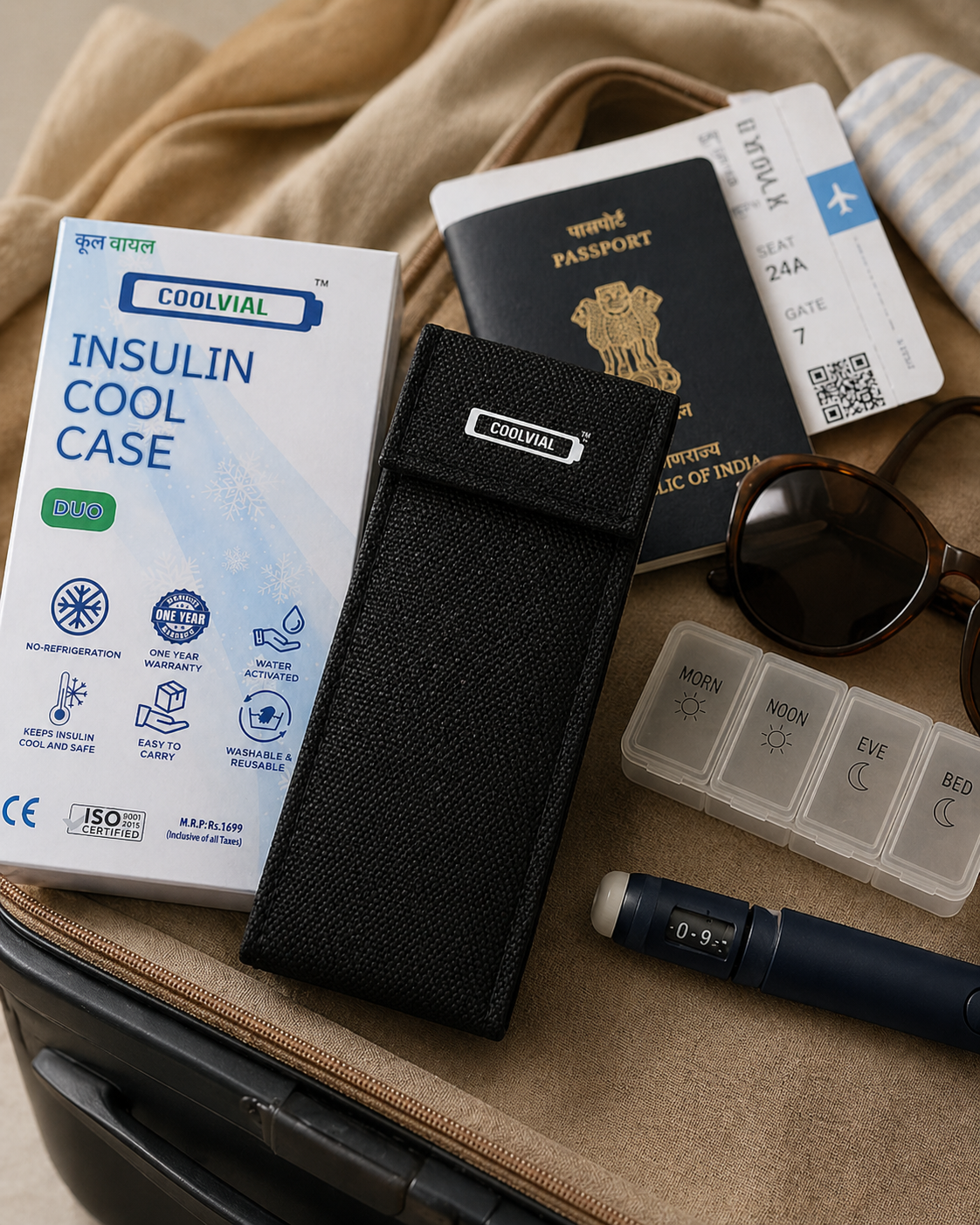
"Finally a cooler that works in Indian summers. Insulin stayed perfect during a 3-day power cut." — Ramesh, Chennai
Critical 28-Day Insulin Shelf Life After Opening: What Every Indian Diabetic Should Know
CE Certified · Free Delivery · 1-Year Warranty
📲 Buy on WhatsApp — ₹1,099