
Reviewed by the COOLVIAL Editorial Team — specialists in insulin storage for Indian climate conditions.
Traveling to India’s breathtaking hill stations like Shimla, Manali, Ooty, or Darjeeling offers a refreshing escape, but for individuals managing diabetes, ensuring proper insulin storage is a critical concern. Insulin is a life-saving medication that is highly sensitive to temperature fluctuations; it must be kept between 2-8°C when unopened and typically 15-25°C once opened, spoiling rapidly above 30°C. This guide provides 7 proven strategies for safe insulin storage in hill stations of India, Shimla, Manali, and beyond, addressing the unique challenges of diverse Indian climates and travel conditions. You’ll discover how to protect your insulin, maintain its efficacy, and enjoy your travels without worry, drawing on expert advice and practical Indian-specific solutions.
Table of Contents
- 1. Why Safe Insulin Storage is Critical for Indian Travelers
- 2. Understanding Insulin Stability: Core Concepts for Diabetics
- 3. Essential Practical Tips for Insulin Storage in Hill Stations of India
- 4. Navigating India’s Diverse Climates: Specific Regional Advice
- 5. COOLVIAL: Your Smart Solution for Insulin Storage in Hill Stations of India
- 6. Quick Reference: Frequently Asked Questions about Insulin Travel
1. Why Safe Insulin Storage is Critical for Indian Travelers
India’s vast geography presents a myriad of climates, from the scorching plains to the serene, often chilly, hill stations. While places like Shimla, Manali, Darjeeling, and Ooty offer respite from the heat, they come with their own set of challenges for insulin users. Fluctuating temperatures, unexpected power cuts, and the rigours of Indian travel (trains, buses, long car journeys) can compromise insulin’s effectiveness if not managed properly.
According to the International Diabetes Federation (IDF), India had 101 million people living with diabetes in 2023, making it a critical health concern for a significant portion of the population. Many of these individuals rely on insulin daily, and ensuring its potency is non-negotiable for their well-being. Improper insulin storage can lead to it losing its efficacy, meaning it won’t lower blood glucose levels as expected. This can result in dangerously high blood sugar, leading to complications, and impacting the quality of your trip.
The stakes are high when it comes to managing insulin, especially when away from the controlled environment of home. A spoiled batch of insulin in a remote hill station, far from a reliable pharmacy or medical facility, can turn a pleasant vacation into a medical emergency. Understanding the precise requirements for insulin storage and having a robust plan is therefore paramount for any diabetic traveler in India. The guidelines from reputable organizations like Diabetes UK emphasize the importance of maintaining proper temperature control during travel to ensure insulin stability (Source: Diabetes UK).
- Risks of Improper Insulin Storage:
- Loss of Potency: Insulin loses its ability to lower blood sugar effectively.
- Unpredictable Blood Sugar: Leads to hyperglycemia (high blood sugar) and potential DKA.
- Physical Changes: Insulin may appear cloudy, clumpy, or discolored.
- Increased Medical Costs: Wasted insulin and potential emergency medical care.
- Travel Disruption: Medical emergencies can halt or ruin travel plans.
These risks highlight why every diabetic traveler, especially those venturing to India’s diverse hill stations, must prioritize and prepare for safe insulin storage.
2. Understanding Insulin Stability: Core Concepts for Diabetics
Insulin is a protein hormone, and like many proteins, its structure is sensitive to extreme temperatures. Both freezing and overheating can irreversibly damage the insulin molecules, rendering them ineffective. Knowing the specific temperature ranges and shelf life is the cornerstone of effective insulin management while traveling.
Ideal Temperature Ranges
Unopened insulin vials and pens should ideally be stored in a refrigerator at temperatures between 2°C and 8°C. This range ensures maximum shelf life, usually until the expiration date printed on the packaging. Once a vial or pen is opened or taken out of refrigeration for regular use, the storage guidelines change. Most manufacturers recommend storing opened insulin at room temperature, typically between 15°C and 25°C, for a specific duration.
However, insulin should never be frozen, as this can damage its molecular structure. Similarly, exposure to temperatures above 30°C for extended periods can quickly degrade insulin, causing it to lose its potency. In the Indian context, where ambient temperatures can soar, especially in transit to hill stations or during unexpected heatwaves, this upper limit is crucial to remember.
Shelf Life of Opened vs. Unopened Insulin
The shelf life of insulin varies significantly depending on whether it’s opened or unopened and the specific type of insulin. Unopened insulin, stored correctly in a refrigerator, can last until its printed expiry date. Once opened or removed from refrigeration, its shelf life dramatically shortens.
- Insulin Vials: Most insulin vials, once opened, can be stored at room temperature (15-25°C) for up to 28 days. After this period, any unused insulin should be discarded, even if it appears normal.
- Insulin Pens (pre-filled or reusable): The duration for insulin pens often ranges from 28 days to 6 weeks (42 days) once opened, depending on the specific brand and type of insulin. Always check the manufacturer’s instructions for your particular insulin pen. For example, some Novolog or Humalog pens are good for 28 days, while certain Lantus or Levemir pens might last 42 days at room temperature.
- Insulin Pump Reservoirs: Insulin in pump reservoirs should be changed every 2-3 days, as recommended by the manufacturer, regardless of temperature.
It’s vital to note these timeframes are for insulin stored within the recommended room temperature range. Exposure to higher temperatures significantly reduces this duration.
7 Proven Strategies for Safe Insulin Storage in Hill Stations of India: Shimla, Manali & Beyond
Signs of Spoiled Insulin
Visually inspecting your insulin before each use is a simple yet crucial step. While not all degradation is visible, some signs can indicate that your insulin may have spoiled:
- Cloudiness or Clumps: Clear insulin (like rapid-acting) should remain clear. If it becomes cloudy, contains particles, or develops “snowflakes” or “frosting” on the vial, it’s likely spoiled.
- Discoloration: Any change in color, such as turning yellow or brownish, is a strong indicator of spoilage.
- Reduced Effectiveness: The most critical sign is if your blood glucose levels remain high despite taking your usual insulin dose. This suggests the insulin has lost its potency.
If you observe any of these signs, or if you suspect your insulin has been exposed to extreme temperatures, it’s safer to discard it and use a fresh supply, even if it means opening a new pen or vial earlier than planned.
| Insulin State | Storage Temperature (Recommended) | Storage Temperature (Critical Limit) | Shelf Life (Approx.) |
|---|---|---|---|
| Unopened | 2°C - 8°C (Refrigerator) | Below 0°C (Freezing) / Above 30°C | Until manufacturer’s expiry |
| Opened/In Use | 15°C - 25°C (Room Temperature) | Above 30°C | 28-42 days (check specific brand) |
| Exposure to Heat | N/A | Above 30°C | Potency rapidly degrades |
| Exposure to Cold | N/A | Below 0°C (Freezing) | Potency rapidly degrades |
This table serves as a quick reference for insulin storage, highlighting the critical temperatures to avoid.
3. Essential Practical Tips for Insulin Storage in Hill Stations of India
Traveling through India’s varied landscapes, especially to the charming but sometimes remote hill stations like Kasauli, Mussoorie, Nainital, or Munnar, requires diligent planning for insulin management. Here are 7 essential tips to ensure your insulin remains safe and effective throughout your journey:
-
Plan Ahead and Pack Smart:
- Consult Your Doctor: Before your trip, discuss your travel plans with your diabetologist. Ask for extra prescriptions and a doctor’s note confirming your diabetes and the need to carry insulin and syringes/pens. This is crucial for security checks at airports or railway stations.
- Check Weather Forecasts: Research the expected temperatures in Shimla, Manali, or your chosen destination. Even hill stations can experience warm days, especially during summer months (May-June), or extreme cold in winter (Dec-Feb).
- Divide Your Supply: Never keep all your insulin in one bag. Distribute your supply between your carry-on luggage and a travel companion’s bag, if possible. This mitigates risk in case one bag is lost or damaged.
- Pack Sufficient Supplies: Always carry more insulin, syringes/pens, and test strips than you anticipate needing. Delays are common in Indian travel.
-
Choose the Right Storage Device:
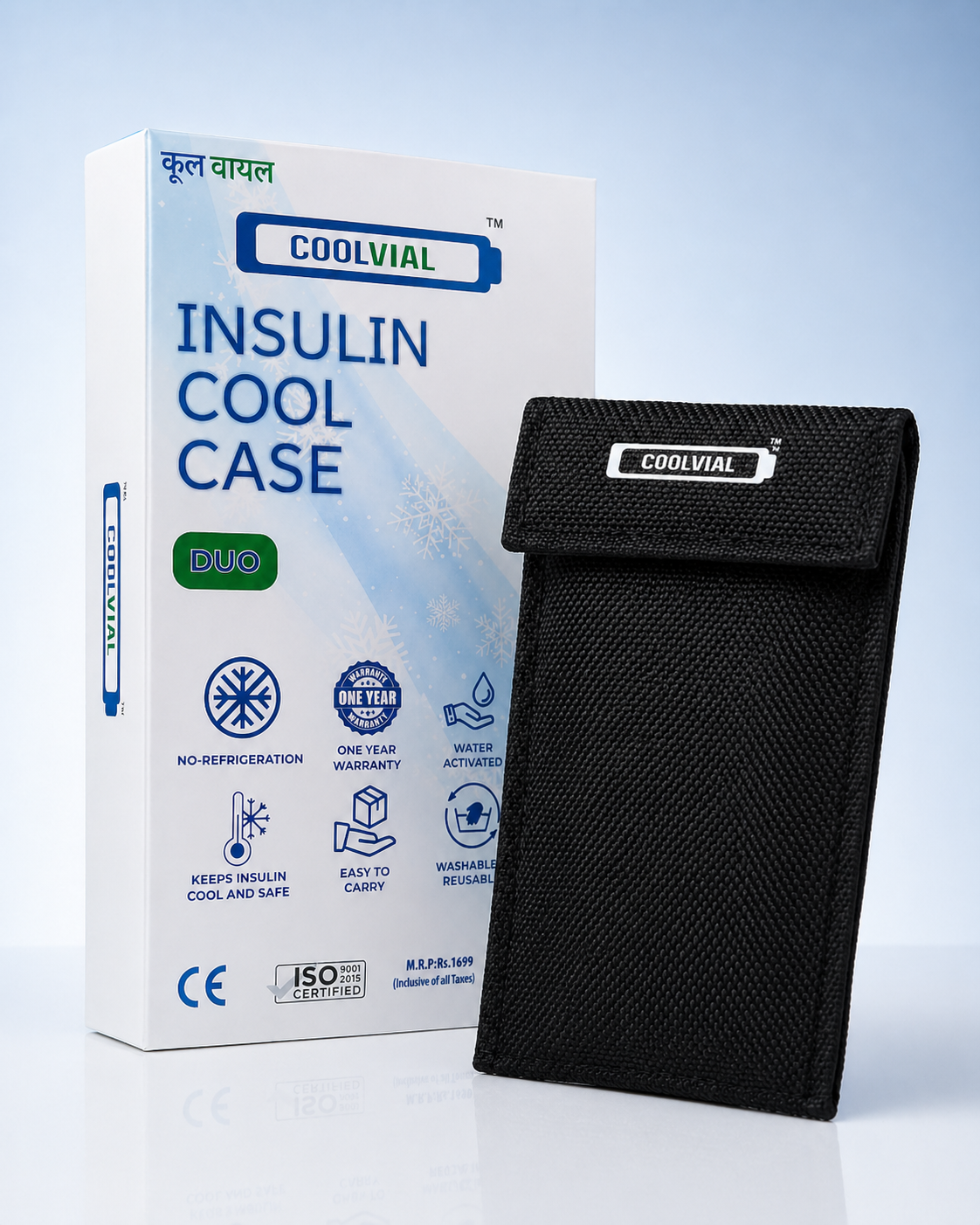
- Insulated Cool Cases: Invest in a high-quality, non-electric insulin cool case. These cases use evaporation or gel packs to maintain the ideal temperature without needing refrigeration or electricity, which is invaluable during long journeys or power cuts. Look for options designed for Indian conditions.
- Avoid Direct Ice: Do not place insulin directly on ice packs, as this can freeze it. Use a cloth barrier or opt for cool cases that regulate temperature effectively.
-
During Travel (Trains, Buses, Cars, Flights):
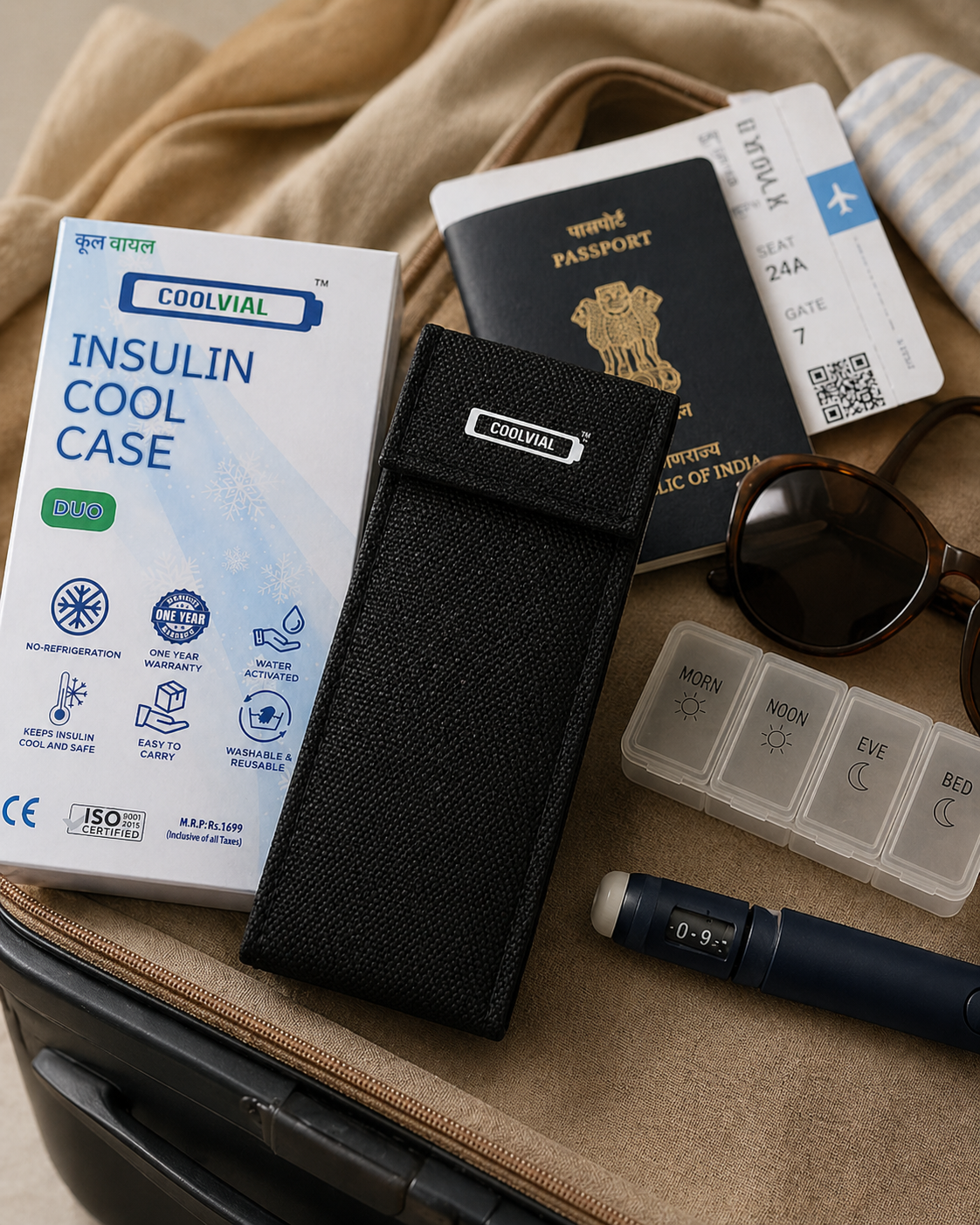
- Carry-On is Key: Always keep insulin in your carry-on bag when flying. Checked luggage compartments can experience extreme temperatures (freezing cold or very hot), which can damage insulin.
- Protect from Sun and Heat: If traveling by car or bus, never leave insulin in direct sunlight or in a hot vehicle. The glove compartment or boot can reach dangerously high temperatures. Keep it in your cool case within the cabin, preferably away from windows.
- Train Travel: Indian train journeys can be long. Ensure your insulin cool case is continuously effective. If you have access to a pantry car, you might inquire about temporary refrigeration, but rely primarily on your cool case.
- Hydration: Maintain good hydration to help manage blood sugar, especially when traveling to higher altitudes or warmer regions.
-
At Your Destination (Hotels, Homestays):
- Hotel Refrigerators: Upon arrival, immediately transfer unopened insulin to the hotel room’s mini-fridge (if available and working correctly, check temperature). Keep opened insulin in your cool case or at room temperature if it’s within the safe 15-25°C range.
- Power Cuts: Be prepared for frequent power cuts, especially in smaller hill stations or during peak tourist seasons. Your non-electric cool case will be your best friend here. Do not rely solely on hotel fridges.
- Avoid Freezing: If the hotel fridge is too cold and freezes items, place insulin closer to the door or use your cool case instead.
-
Altitude Considerations:
- While insulin itself isn’t directly affected by altitude, blood sugar levels can be. Monitor your glucose levels more frequently when ascending to higher altitudes (e.g., Leh, Spiti Valley beyond Manali). Adjustments to diet or insulin might be necessary, as advised by your doctor.
-
Medical Identification:
- Wear a medical ID bracelet or carry an ID card indicating you have diabetes. In case of an emergency, this provides crucial information to medical personnel.
-
Emergency Plan:
- Know the location of nearby pharmacies or medical facilities at your destination. Have emergency contact numbers readily available. Always ensure you have enough supplies to last you an extra 3-5 days beyond your planned trip duration. These comprehensive insulin storage tips are vital for peace of mind.
These practical steps, tailored for the Indian travel landscape, ensure that your insulin storage in hill stations of India, Shimla, Manali, and beyond is handled with the utmost care.
"Finally a cooler that works in Indian summers. Insulin stayed perfect during a 3-day power cut." — Ramesh, Chennai
7 Proven Strategies for Safe Insulin Storage in Hill Stations of India: Shimla, Manali & Beyond
CE Certified · Free Delivery · 1-Year Warranty
📲 Buy on WhatsApp — ₹1,0994. Navigating India’s Diverse Climates: Specific Regional Advice
7 Proven Strategies for Safe Insulin Storage in Hill Stations of India: Shimla, Manali & Beyond
48+ hours at 2-8°C. No electricity. CE certified. Free delivery across India.
Order on WhatsApp — ₹1,099🛒 Buy Now — ₹1,099India’s geographical diversity means that “hill station” can refer to a wide range of climates and conditions. From the towering Himalayas in the North to the lush Western Ghats in the South, each region presents unique challenges and opportunities for insulin users. Understanding these nuances is key to effective insulin storage in hill stations of India.
North Indian Hill Stations (Himalayas & Foothills)
Regions like Himachal Pradesh (Shimla, Manali, Kasauli, Dalhousie), Uttarakhand (Nainital, Mussoorie, Rishikesh, Haridwar), and parts of Jammu & Kashmir and Sikkim often experience distinct seasons.
- Summers (May-June): While generally cooler than the plains, daytime temperatures can still reach 25-30°C in popular tourist spots like Shimla or Manali, especially in valleys. Direct sunlight can push temperatures higher, making cool cases essential even here.
- Monsoons (July-September): High humidity is a major concern. While temperatures might be moderate, humidity can make it feel warmer and also affect certain medical supplies. Ensure your cool case is well-sealed and protected from moisture. Roads can also be prone to landslides, leading to travel delays.
- Winters (October-March): Temperatures can drop below freezing, especially in higher reaches (e.g., Manali in December-January, Lahaul & Spiti). Insulin must not freeze. If staying in unheated accommodations, keep your insulin cool case close to your body or in a warmer part of the room (e.g., away from windows, under blankets) to prevent freezing.
South Indian Hill Stations (Western & Eastern Ghats)
Hill stations like Ooty, Kodaikanal (Tamil Nadu), Munnar, Wayanad (Kerala), and Coorg (Karnataka) offer a more temperate climate year-round but still have their unique conditions.
- Moderate Temperatures: Generally, these regions maintain pleasant temperatures between 15-25°C for much of the year, which is ideal for opened insulin. However, days can still get warm (up to 28-30°C) during peak summer or in direct sun.
- High Humidity: Monsoon and post-monsoon periods (June-November) bring significant humidity, similar to North Indian monsoons. Protection from moisture is important.
- Power Infrastructure: While generally better than some remote northern areas, power cuts can still occur, particularly during heavy rains. Relying on your cool case for consistent temperature maintenance is always a safer bet than hotel fridges.
Practical Considerations Across Regions:
- Remote Locations: The more remote your hill station (e.g., Spiti Valley, Arunachal Pradesh, parts of Northeast India), the harder it might be to access pharmacies for replacement insulin. Always overpack.
- Road Travel: Many hill stations are accessed via winding, sometimes bumpy, roads. Ensure your insulin is securely packed in a robust cool case to prevent physical damage. Longer journeys mean sustained reliance on your cooling solution.
- Local Markets: While bustling, local markets in hill stations may not always stock specific insulin brands or have reliable refrigeration for storage. Plan to carry your full supply.
- Indian Statistics on Infrastructure: Approximately 78% of Indian households face daily power cuts in summer, according to various reports on India’s energy sector, highlighting the unreliability of mains electricity for critical medical storage, especially in less developed regions. This fact underscores the need for self-sufficient cooling solutions for insulin.
By understanding these regional climatic differences and infrastructural realities, you can better prepare for your trip, ensuring optimal insulin storage in hill stations of India no matter where your adventure takes you.
5. COOLVIAL: Your Smart Solution for Insulin Storage in Hill Stations of India
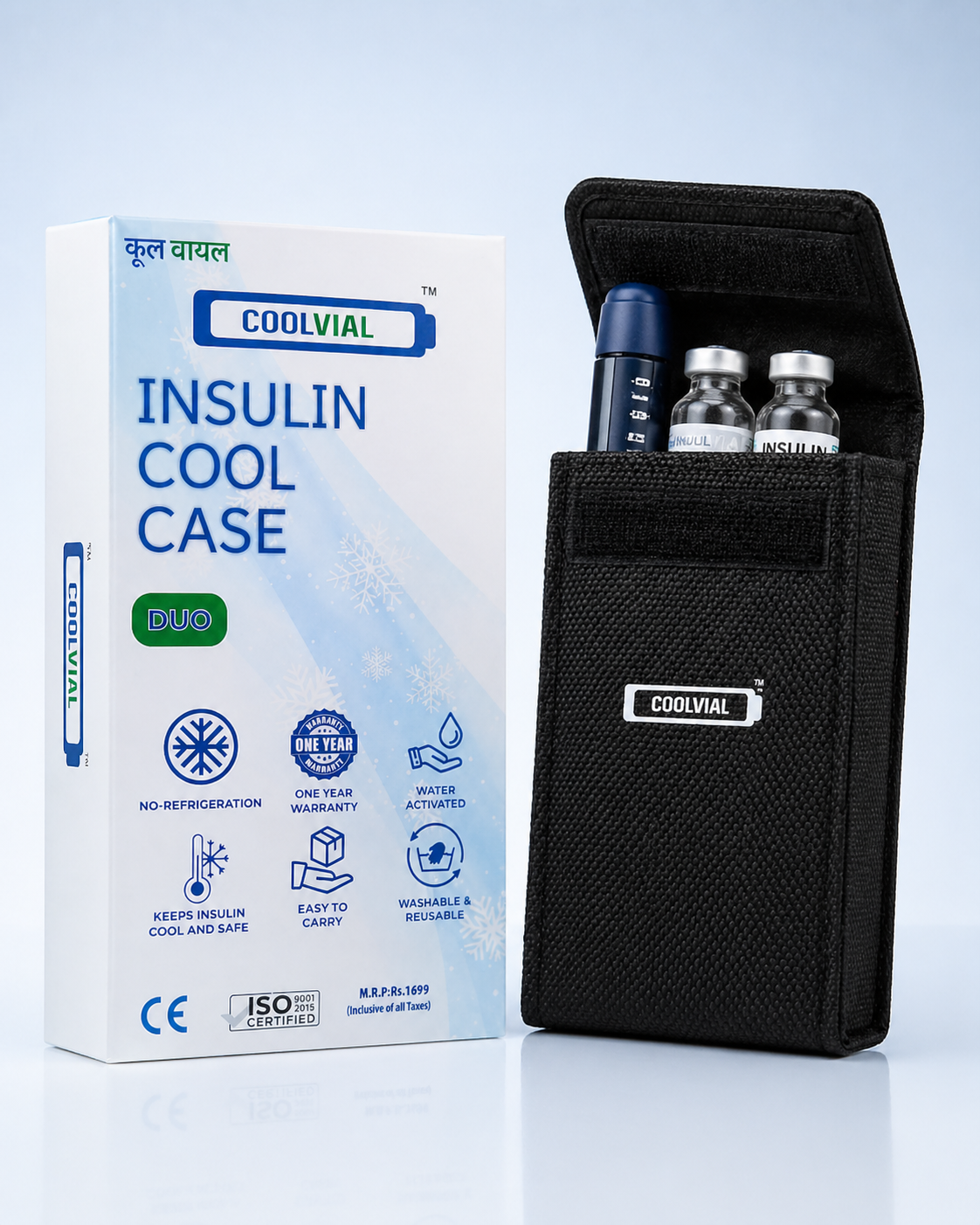
Navigating the diverse and sometimes unpredictable conditions of Indian travel, especially to picturesque hill stations, demands a reliable solution for insulin storage. This is where COOLVIAL steps in as an indispensable companion for diabetics. Designed with the unique challenges of the Indian climate and travel in mind, the COOLVIAL insulin cool case offers a practical, non-electric method to keep your insulin safe and effective.
The COOLVIAL cool case is engineered to maintain insulin at the optimal temperature range (typically 2-8°C or 15-25°C, depending on the model and external temperature) for extended periods without requiring electricity. This feature is particularly vital in India, where power cuts are common, and access to consistent refrigeration might be limited during long bus rides, train journeys, or stays in smaller homestays in places like Rishikesh, Kodaikanal, or even the bustling bylanes of Manali.
Unlike bulky electric coolers or fragile ice packs that can freeze insulin, COOLVIAL utilizes a simple, effective cooling mechanism – often involving evaporative cooling or specialized gel packs – that provides stable temperature control. This means you can confidently embark on treks in the Himalayas, explore the tea gardens of Darjeeling, or relax by the lakes of Nainital, knowing your insulin is protected from both extreme heat and accidental freezing.
The compact and durable design of the COOLVIAL cool case makes it ideal for travel. It fits easily into carry-on luggage, backpacks, or even a purse, ensuring your medication is always within reach. Moreover, its affordability at just ₹1,099 makes it an accessible and smart investment for any Indian diabetic planning to travel. It eliminates the constant worry about finding a fridge or the risk of insulin spoiling due to ambient temperatures or power fluctuations, offering true peace of mind. For reliable insulin storage in hill stations of India, Shimla, Manali, and beyond, COOLVIAL provides a trusted, user-friendly solution.
6. Quick Reference: Frequently Asked Questions about Insulin Travel
Traveling with insulin can bring up many questions, especially when heading to India’s diverse hill stations. Here are answers to some common concerns:
Q: Can I keep insulin in my checked luggage when flying to a hill station? A: No, it is strongly advised to always keep insulin in your carry-on bag when flying. The cargo hold of an airplane can experience extreme temperature fluctuations, often dropping below freezing, which will damage insulin irreversibly.
Q: What if I don’t have a fridge in my hotel room or homestay in a remote hill station like Spiti? A: For unopened insulin, if a fridge isn’t available, keep it in a cool, dark place, and prioritize using a reliable non-electric insulin cool case like COOLVIAL. For opened insulin, if the room temperature is consistently below 25°C, you can keep it out, but if it’s warmer, a cool case is essential to maintain potency within its 28-42 day lifespan.
Q: How long can insulin stay out of the fridge before it starts to spoil? A: Once removed from the refrigerator (and if it’s opened or intended for immediate use), most insulin types can be kept at room temperature (15-25°C) for 28 to 42 days, depending on the manufacturer’s specific instructions. However, exposure to temperatures above 30°C will significantly reduce this period, potentially causing spoilage within hours or days.
Q: Is it safe to travel with insulin during Indian festivals like Diwali or Holi? A: Yes, it is safe to travel with insulin during festivals, but extra precautions are needed. Festivals often mean increased crowds, travel delays, and potential disruptions to services like electricity. Plan for longer travel times, ensure your insulin cool case is prepared for extended use, and carry sufficient extra supplies to account for any unforeseen delays.
Q: Can the cold temperatures in winter hill stations damage my insulin by freezing it? A: Yes, insulin can freeze if exposed to temperatures below 0°C, which is common in many North Indian hill stations during winter (e.g., Manali, Gulmarg). Freezing irreversibly damages insulin. Always protect your insulin by keeping it in an insulated cool case, and if staying in unheated rooms, keep the cool case in a warmer spot, away from windows, or even under blankets.
Conclusion
Traveling to the enchanting hill stations of India, from the majestic peaks of Shimla and Manali to the serene landscapes of Ooty and Darjeeling, is an experience everyone deserves to enjoy. For individuals managing diabetes, responsible planning for insulin storage in hill stations of India, Shimla, Manali, and beyond is not just a recommendation, but a necessity for health and peace of mind. By understanding insulin’s temperature sensitivities, preparing for India’s diverse climates and travel conditions, and utilizing effective solutions, you can safeguard your medication and ensure a smooth, worry-free journey.
Remember, foresight and the right tools are your best allies. Equip yourself with the knowledge of proper storage guidelines and consider a reliable, non-electric cool case. For a smart and affordable solution to protect your insulin during all your Indian travels, look no further than the COOLVIAL insulin cool case. Priced at just ₹1,099, it’s designed to provide consistent temperature control without electricity, making it perfect for every adventure. Take control of your diabetes management on the go. Order your COOLVIAL cool case today via WhatsApp at wa.me/918766952300 and travel with confidence.
7 Proven Strategies for Safe Insulin Storage in Hill Stations of India: Shimla, Manali & Beyond
COOLVIAL keeps insulin at 2-8°C for 48+ hours. No electricity needed.