
Reviewed by the COOLVIAL Editorial Team — specialists in insulin storage for Indian climate conditions.
Embarking on a spiritual journey to Kedarnath and Badrinath is a cherished dream for many, offering breathtaking landscapes and profound experiences. For individuals managing diabetes with insulin, this pilgrimage, especially the demanding Kedarnath Badrinath trekking with insulin India travel tips, requires meticulous planning. The core challenge lies in maintaining insulin’s efficacy, as it is highly sensitive to temperature fluctuations. Unopened insulin typically requires refrigeration between 2-8°C, while in-use insulin can be stored at room temperature (15-25°C) for up to 28 days, but it spoils if exposed to temperatures above 30°C. With proper preparation, including reliable insulin cool cases and medical consultation, you can safely navigate these high-altitude treks. This comprehensive guide will equip you with the knowledge and strategies to ensure a safe and fulfilling journey, covering everything from pre-trip preparations to on-trek management and India-specific considerations.
Table of Contents
- Why Managing Insulin Temperature Matters on Indian Pilgrimages
- Understanding Insulin Storage: Core Concepts for Trekking
- 10 Practical Tips for Safe Kedarnath & Badrinath Trekking with Insulin
- Navigating India’s Diverse Climate and Travel Conditions with Insulin
- COOLVIAL: Your Essential Partner for Kedarnath Badrinath Trekking with Insulin in India
- Frequently Asked Questions for Diabetics Trekking in India
- Conclusion: Trekking Towards a Spiritual and Healthy Journey
Why Managing Insulin Temperature Matters on Indian Pilgrimages
India’s diverse geography presents unique challenges for insulin-dependent individuals. From the scorching plains of Delhi and Uttar Pradesh to the unpredictable cold and high altitudes of the Himalayas, temperature control is a constant battle. Insulin, a life-saving medication, is extremely sensitive to heat and freezing temperatures. Exposure to extremes can degrade its potency, rendering it ineffective and leading to dangerously high blood sugar levels. This is a critical concern, especially when undertaking demanding journeys like Kedarnath Badrinath trekking with insulin India travel tips, where medical facilities might be sparse.
According to the International Diabetes Federation (IDF), India had 101 million diabetics in 2023, making it a significant health concern. Many of these individuals lead active lives and wish to partake in religious pilgrimages. However, the environmental conditions during travel, particularly long bus or train journeys, or treks in remote areas, pose a direct threat to insulin’s stability. For instance, summer temperatures in cities like Delhi and Mumbai can easily exceed 45°C, while the Himalayan regions can see temperatures drop below freezing. These fluctuations directly impact insulin’s effectiveness, which ideally needs to be stored within a narrow temperature range.
Moreover, power outages are a common occurrence in many parts of India, especially during peak summer months or in remote areas. This makes relying solely on refrigeration for insulin storage impractical and risky. A 2018 study published in the NCBI highlighted the challenges of insulin storage in low-resource settings, emphasizing the need for robust, portable solutions (Source: NCBI). Improper storage can lead to a gradual loss of insulin’s potency, which might not be immediately apparent, but can result in poor glycemic control over time. Therefore, understanding and implementing effective insulin temperature management strategies is not just a recommendation, but a necessity for safe and successful Kedarnath Badrinath trekking with insulin India travel tips.
Understanding Insulin Storage: Core Concepts for Trekking
Effective management of insulin during travel, especially for challenging journeys like Kedarnath Badrinath trekking with insulin India travel tips, hinges on a clear understanding of its storage requirements. Insulin is a protein, and like many proteins, its structure can be damaged by extreme temperatures, rendering it inactive. This means that both excessive heat and freezing can compromise its effectiveness, leading to potential health risks for the user.
Ideal Temperature Ranges for Insulin
The general guidelines for insulin storage are crucial for maintaining its potency:
- Unopened Insulin: Should be stored in a refrigerator between 2°C and 8°C. This is the optimal range to ensure maximum shelf life until the expiration date printed on the vial or pen.
- Opened or In-Use Insulin: Once opened, insulin vials or pens can typically be stored at room temperature, generally between 15°C and 25°C, for up to 28 days (or sometimes up to 42 days for certain types, always check the manufacturer’s leaflet). It’s important to note that “room temperature” in India can often exceed 25°C, making ambient storage risky during warmer months or in many regions.
- Critical Thresholds: Insulin should never be frozen. Freezing denatures the protein, making it ineffective. Similarly, exposure to temperatures above 30°C can rapidly degrade insulin. Prolonged exposure to even moderately high temperatures (above 25°C) can also reduce its potency over time, even if it doesn’t immediately “spoil.”
"Finally a cooler that works in Indian summers. Insulin stayed perfect during a 3-day power cut." — Ramesh, Chennai
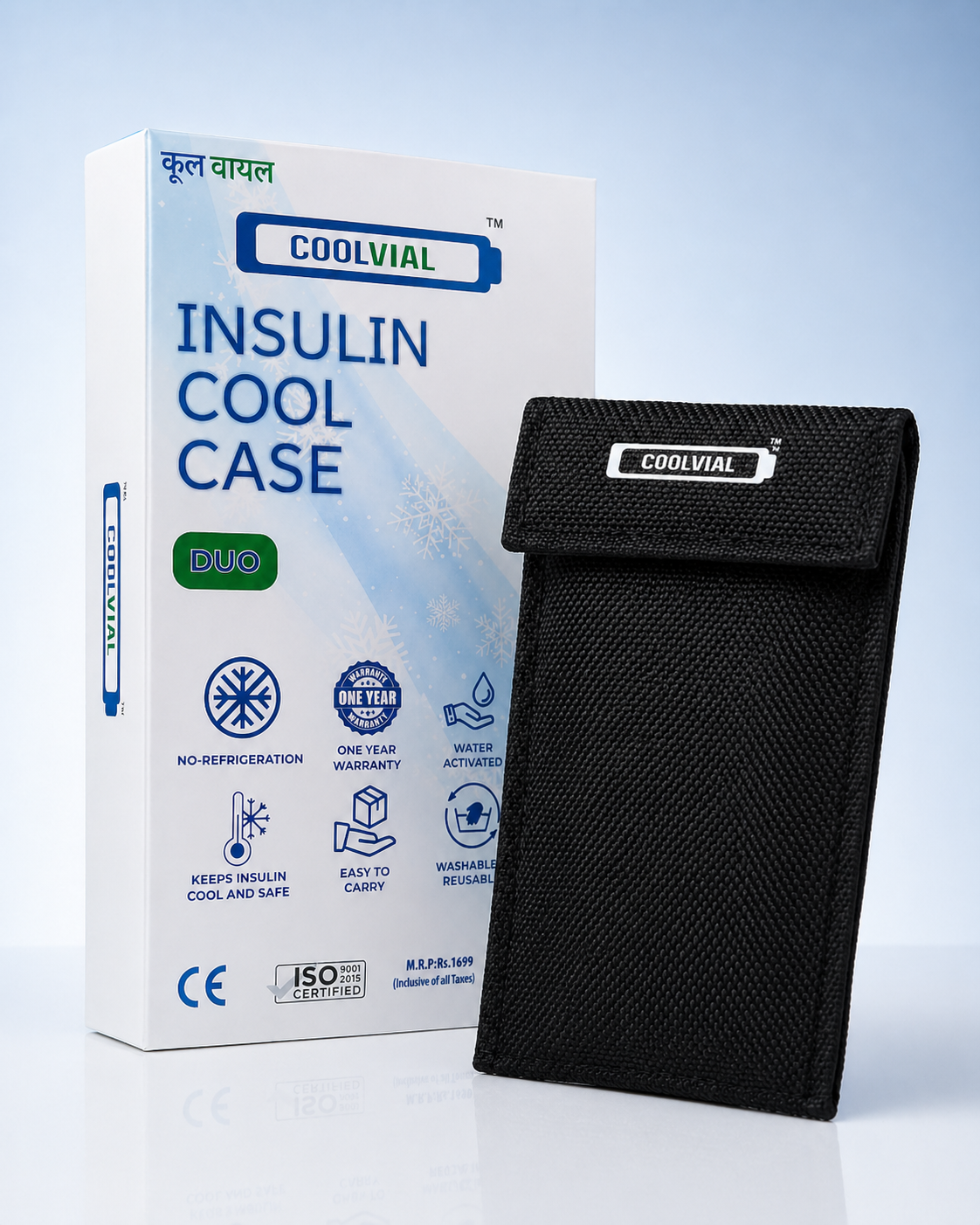
10 Essential Tips for Safe Kedarnath & Badrinath Trekking with Insulin: India Travel Guide
CE Certified · Free Delivery · 1-Year Warranty
📲 Buy on WhatsApp — ₹1,099Impact of Temperature Fluctuations
10 Essential Tips for Safe Kedarnath & Badrinath Trekking with Insulin: India Travel Guide
48+ hours at 2-8°C. No electricity. CE certified. Free delivery across India.
Order on WhatsApp — ₹1,099🛒 Buy Now — ₹1,099The Himalayan region, including Kedarnath and Badrinath, experiences significant temperature swings. Days can be warm and sunny, while nights can drop significantly, sometimes below freezing, especially at higher altitudes. This makes it challenging to maintain a stable environment for insulin.
Table: Insulin Storage Guidelines
| Condition | Recommended Temperature Range | Duration | Notes |
|---|---|---|---|
| Unopened (refrigerated) | 2°C - 8°C | Until expiration date | Store in original carton, away from light. Do not freeze. |
| Opened/In-use | 15°C - 25°C | Up to 28 days (check manufacturer’s leaflet) | Avoid direct sunlight. Do not refrigerate once opened unless specified. |
| Critical High | Above 30°C | Insulin degrades rapidly | Avoid at all costs. Leads to loss of potency. |
| Critical Low | Below 0°C (Freezing) | Insulin denatures immediately | Never allow insulin to freeze. |
Understanding these principles is the first step in preparing for any travel, particularly for an adventurous and spiritually enriching journey like Kedarnath Badrinath trekking with insulin India travel tips. The goal is to keep your insulin within its safe temperature window throughout your entire trip, from your home city to the highest peaks.
10 Practical Tips for Safe Kedarnath & Badrinath Trekking with Insulin
Successfully undertaking Kedarnath Badrinath trekking with insulin India travel tips requires a proactive approach to diabetes management. These practical tips are designed to help you prepare thoroughly and manage your condition effectively throughout your pilgrimage.
-
Consult Your Doctor Well in Advance:
- Before planning your trip, schedule a detailed discussion with your endocrinologist. Discuss your itinerary, including altitude, duration, and physical demands.
- Your doctor may adjust your insulin doses, particularly for high-altitude trekking, as physical activity and reduced appetite can affect blood sugar levels. They might also recommend specific vaccinations or provide a medical letter for carrying insulin and supplies.
-
Pack Ample Supplies (and More!):
- Always carry at least 1.5 to 2 times the amount of insulin, syringes/pens, needles, lancets, and test strips you anticipate needing for the entire trip, plus a few extra days’ buffer.
- Pharmacies in remote areas like those near Kedarnath and Badrinath might not stock your specific insulin type or other essential supplies.
- Divide your supplies into two separate bags in case one gets lost or damaged.
-
Invest in a Reliable Insulin Cool Case:
- This is non-negotiable for Kedarnath Badrinath trekking with insulin India travel tips. A high-quality insulin cool case is essential to protect your insulin from both heat and freezing temperatures.
- Look for cases that maintain temperatures between 2-8°C or 15-25°C for extended periods, even in varied external conditions. Products like the COOLVIAL insulin cool case are specifically designed for the challenging Indian climate.
- Ensure the case is durable, portable, and easy to use, especially when trekking.
-
Carry a Doctor’s Prescription and Medical Letter:
- Always carry a valid prescription for your insulin and other medications.
- A medical letter from your doctor, explaining your condition and the necessity of carrying insulin, syringes, and other supplies, can be invaluable. This helps avoid issues at airports, security checkpoints, or in case of a medical emergency.
-
Monitor Blood Glucose Frequently:
- High altitude, increased physical activity, and changes in diet can significantly impact blood sugar levels.
- Test your blood glucose more often than usual, especially before, during, and after trekking. Carry a compact, reliable glucometer and plenty of test strips.
- Be prepared to adjust insulin doses based on your readings and activity levels, as advised by your doctor.
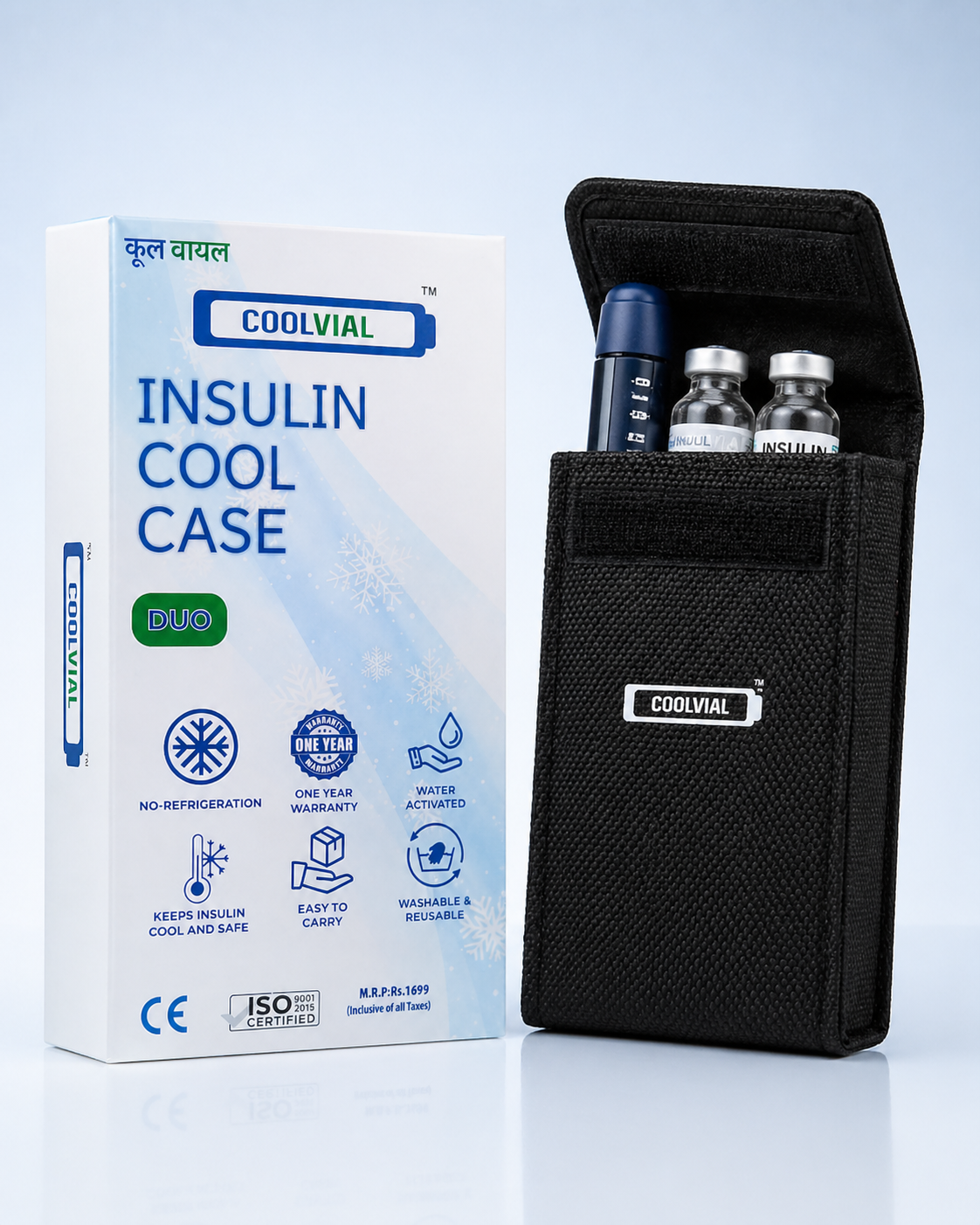
10 Essential Tips for Safe Kedarnath & Badrinath Trekking with Insulin: India Travel Guide
Don't let Indian heat spoil your insulin. COOLVIAL protects it for 48+ hours.
- Stay Hydrated and Mind Your Diet:
- Dehydration can affect blood sugar levels and is a risk at high altitudes. Drink plenty of water throughout the day.
- While enjoying local cuisine, be mindful of carbohydrate content. Carry healthy, easy-to-digest snacks like nuts, energy bars, and fruits.
- Always have fast-acting carbohydrates (glucose tablets, fruit juice, candies) readily available to treat hypoglycemia.
-
Protect Insulin from Direct Sunlight and Freezing:
- Even within a cool case, avoid leaving your insulin in direct sunlight for prolonged periods.
- At night, especially in cold high-altitude regions, ensure your cool case is placed inside your tent or sleeping bag to prevent freezing. Never leave it exposed to extreme cold.
-
Inform Your Travel Companions:
- Ensure at least one trusted travel companion knows about your diabetes, your medication regimen, and how to administer emergency glucagon (if prescribed) or manage hypoglycemia.
- Provide them with contact information for your doctor and family members.
-
Foot Care is Paramount:
- Diabetes can affect circulation and nerve function, making foot injuries more serious.
- Wear comfortable, broken-in trekking shoes and moisture-wicking socks. Inspect your feet daily for blisters, cuts, or sores. Treat any issues promptly to prevent infections.
-
Plan for Emergencies:
- Know the symptoms of hypoglycemia (low blood sugar) and hyperglycemia (high blood sugar) and how to respond.
- Carry a medical ID card or bracelet indicating you have diabetes.
- Research the availability of medical facilities or first-aid posts along your trekking route, though these can be very basic in remote areas.
By adhering to these essential tips, you can significantly enhance the safety and enjoyment of your Kedarnath Badrinath trekking with insulin India travel tips.
Navigating India’s Diverse Climate and Travel Conditions with Insulin
Travelling across India, especially for a demanding journey like Kedarnath Badrinath trekking with insulin India travel tips, means encountering a spectrum of environmental conditions. India’s vastness encompasses tropical coastal regions, arid deserts, bustling metropolitan cities, and the towering Himalayas, each presenting unique challenges for insulin storage and diabetes management. Understanding these specific contexts is crucial for meticulous planning.
1. Extreme Temperatures Across Regions:
- Northern Plains (e.g., Delhi, Uttar Pradesh): Summers can be brutally hot, with temperatures often soaring above 40-45°C. Transit through these regions, whether by road or rail, demands robust cooling solutions for insulin. Even air-conditioned buses or trains can have fluctuating temperatures or face power cuts.
- Himalayan Region (e.g., Uttarakhand for Kedarnath/Badrinath): While the trek itself offers cooler climes, the base camps and lower altitudes can still be warm during the day. Nights and higher altitudes bring freezing temperatures. Insulin must be protected from both heat during the day and potential freezing at night.
- Monsoon Season: High humidity, common during the monsoon (June-September), can affect glucometers and test strips, reducing their accuracy. Keeping supplies dry is paramount.
2. Unpredictable Power Supply:
- Many parts of India, especially rural areas and smaller towns en route to pilgrimage sites, experience intermittent power cuts. This makes relying on conventional refrigeration for insulin storage unreliable.
- Even in hotels with backup generators, continuous power for mini-fridges cannot always be guaranteed. This highlights the need for independent, non-electric cooling solutions. A study cited by the Indian Council of Medical Research (ICMR) noted that 78% of Indian households face daily power cuts in summer, underscoring the challenge.
3. Long Travel Durations and Modes of Transport:
- Train Travel: Indian Railways offers extensive connectivity, but journeys can be long (24+ hours). While AC coaches offer some climate control, internal temperatures can still vary, and power sockets for personal coolers might not always be available or reliable.
- Bus Travel: Buses, especially local ones, often lack consistent air conditioning, and temperatures inside can rise significantly during daytime travel. Even AC tourist buses can have issues.
- Road Journeys: Driving through varied terrains means exposure to different microclimates. Storing insulin in a car’s glove compartment, for instance, is highly risky due to rapid temperature changes.
4. Accessibility of Medical Facilities and Pharmacies:
- While major cities like Haridwar or Rishikesh (common starting points for the Char Dham Yatra) have decent medical facilities, healthcare access diminishes significantly as you approach Kedarnath and Badrinath.
- Remote pharmacies might have limited stock, and specific brands or types of insulin might not be available. This reinforces the critical need to carry all necessary supplies for the entire journey and beyond.
5. Cultural and Dietary Considerations:
- The food available during pilgrimages can be simple, often vegetarian, and sometimes high in carbohydrates. Monitoring blood sugar carefully and making informed food choices is essential.
- Carrying your own healthy snacks can help manage blood sugar fluctuations during long trekking days.
Navigating these India-specific conditions requires foresight and robust solutions. For Kedarnath Badrinath trekking with insulin India travel tips, planning for environmental extremes and logistical challenges is as important as the medical preparation itself.
COOLVIAL: Your Essential Partner for Kedarnath Badrinath Trekking with Insulin in India
For anyone embarking on the challenging yet rewarding Kedarnath Badrinath trekking with insulin India travel tips, ensuring the integrity of your insulin is paramount. This is where a reliable solution like COOLVIAL becomes not just convenient, but an absolute necessity. COOLVIAL insulin cool cases are specifically designed to address the unique climatic and travel challenges faced by diabetics in India, providing peace of mind throughout your spiritual journey.
COOLVIAL understands that Indian travel involves diverse conditions – from the intense heat of the plains during transit to the chilly, high-altitude winds of the Himalayas. Our cool cases are engineered to maintain the precise temperature required for insulin, typically between 2-8°C for refrigerated insulin or 15-25°C for
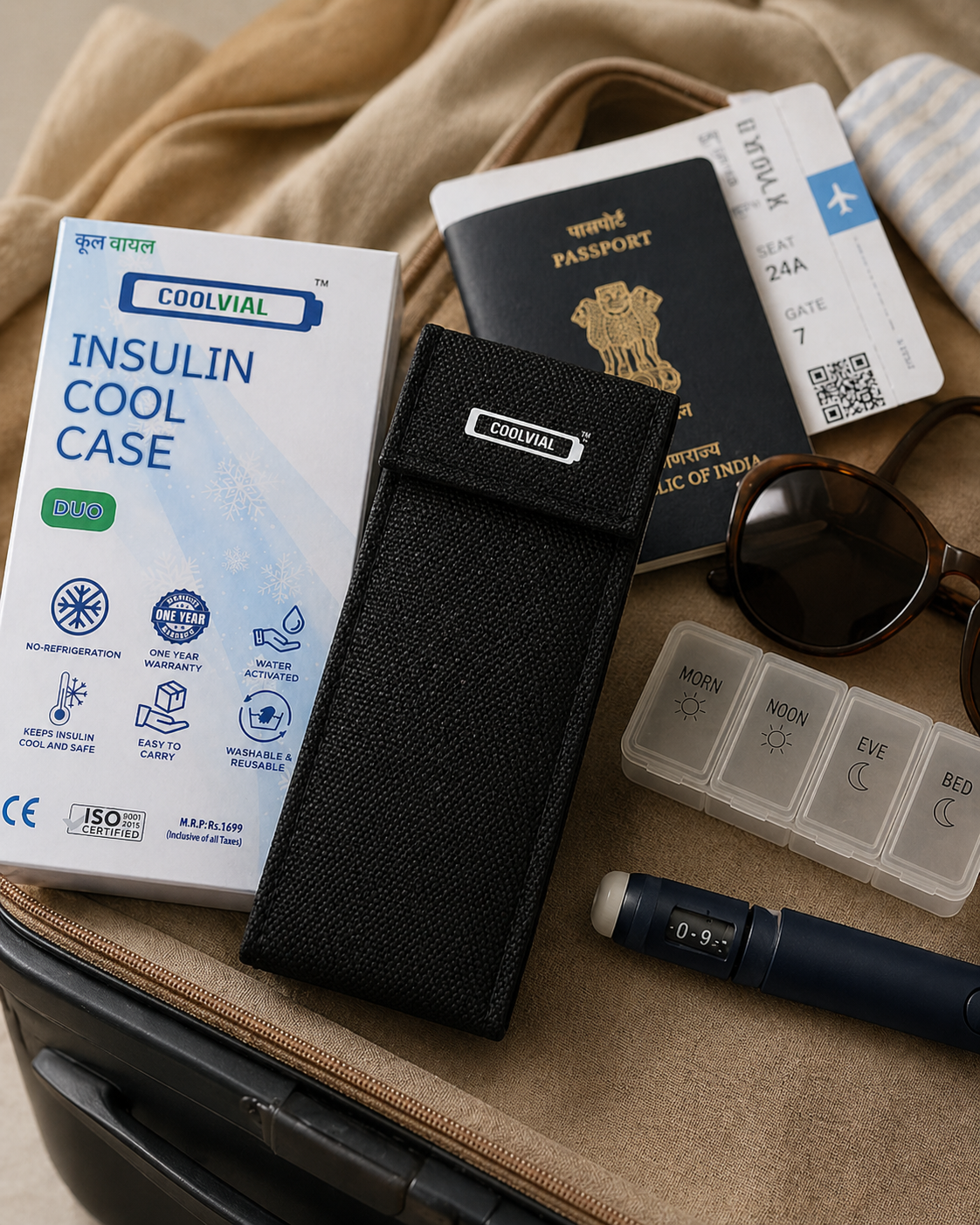
10 Essential Tips for Safe Kedarnath & Badrinath Trekking with Insulin: India Travel Guide
COOLVIAL keeps insulin at 2-8°C for 48+ hours. No electricity needed.
10 Essential Tips for Safe Kedarnath & Badrinath Trekking with Insulin: India Travel Guide
COOLVIAL keeps insulin safe in India's heat. 48+ hours, no electricity needed.