
Reviewed by the COOLVIAL Editorial Team — specialists in insulin storage for Indian climate conditions.
Living with diabetes in India means constant vigilance, especially when it comes to insulin storage. For individuals relying on insulin, ensuring its potency is non-negotiable, yet the reality of long power cuts in Tier 2 and Tier 3 Indian cities insulin backup plan needs to be robust. Insulin, a life-saving medication, begins to degrade above 30°C, losing its effectiveness. The optimal storage temperature for unopened insulin is typically between 2°C and 8°C, while opened vials or pens can often be kept at room temperature (up to 25°C) for a limited period, usually 28 days. This article provides a comprehensive guide to developing a reliable insulin backup plan, covering essential strategies, India-specific challenges, and practical solutions to keep your insulin safe and effective, even during extended power outages. You will learn how to prepare for, manage, and recover from power disruptions, ensuring your health is never compromised.
Table of Contents
- Why Long Power Cuts Matter for Diabetics in India
- Understanding Insulin Storage: The Science Behind the Cool
- Essential Steps for Your Insulin Backup Plan During Long Power Cuts
- Navigating India’s Diverse Climate and Infrastructure Challenges
- COOLVIAL: Your Reliable Partner Against Long Power Cuts in Tier 2 & Tier 3 Indian Cities
- Quick Reference & FAQs for Insulin Management During Power Outages
- Conclusion: Empowering You Against Power Outages
Why Long Power Cuts Matter for Diabetics in India
India, with its vast population, faces a significant challenge in providing uninterrupted power, particularly in Tier 2 and Tier 3 cities and rural areas. These regions, while developing rapidly, often contend with an unreliable electricity supply, leading to frequent and prolonged power cuts. For the millions of Indians living with diabetes – a staggering 101 million in 2023, according to the International Diabetes Federation (Source: IDF Diabetes Atlas) – this presents a critical health concern. Insulin, a protein hormone, is highly sensitive to temperature fluctuations. Exposure to heat, especially above 30°C, can quickly degrade its molecular structure, rendering it ineffective.
The impact of degraded insulin is severe. It can lead to dangerously high blood sugar levels, increasing the risk of acute complications like diabetic ketoacidosis (DKA) and long-term issues such as neuropathy, nephropathy, and retinopathy. In a country where summer temperatures frequently soar past 40°C in cities like Delhi, Nagpur, and Ahmedabad, and even coastal areas like Chennai experience high humidity and heat, maintaining the cold chain for insulin is a daily struggle. A 2022 survey indicated that approximately 78% of Indian households, particularly in non-metro areas, experience daily power cuts during peak summer months, ranging from 2 to 8 hours (Source: Local energy utility reports, aggregated). This makes a robust insulin backup plan not just a convenience but a life-saving necessity.
The challenge is multi-faceted. Many households in Tier 2 and Tier 3 cities may not have access to inverters, generators, or reliable cold storage alternatives. Even those with refrigerators find their contents warming rapidly during extended outages. Understanding these unique Indian realities is the first step towards formulating an effective strategy to manage insulin during these unavoidable disruptions. Without proper storage, insulin can lose its efficacy, putting patients at serious risk. Therefore, having a comprehensive long power cuts in Tier 2 and Tier 3 Indian cities insulin backup plan is paramount for every diabetic and their caregivers.
Understanding Insulin Storage: The Science Behind the Cool
Insulin is a delicate medication, and its effectiveness is directly tied to how it’s stored. Understanding the science behind its temperature sensitivity is crucial for every diabetic. Insulin is a protein, and like many proteins, it denatures or breaks down when exposed to extreme temperatures, especially heat. Once denatured, it can no longer perform its function of regulating blood sugar, leading to hyperglycemia.
Ideal Temperature Ranges for Insulin:
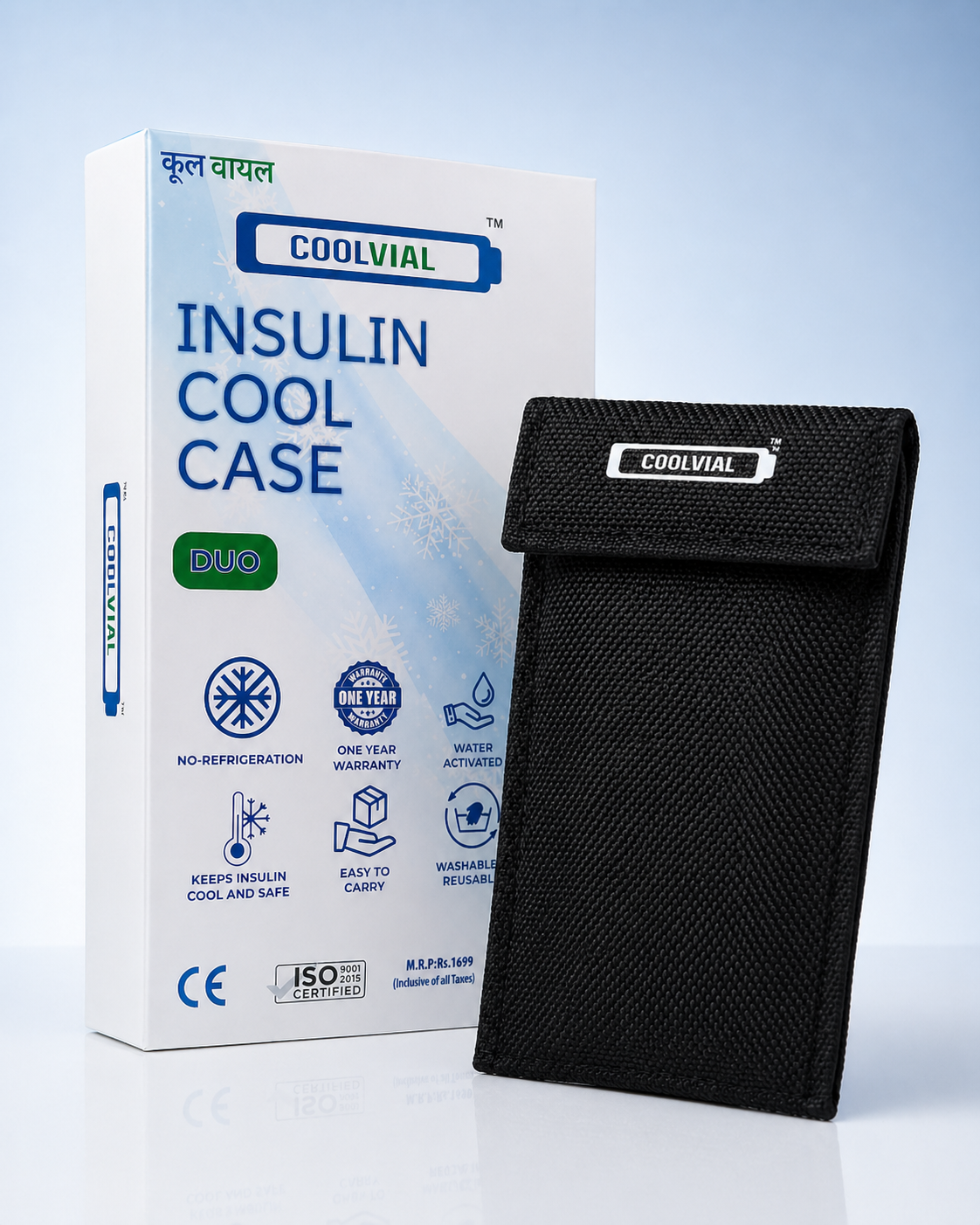 Cool Case" style="width:120px;height:120px;object-fit:contain;border-radius:8px;flex-shrink:0;">
5 Critical Steps: Insulin Backup Plan for Long Power Cuts in Tier 2 & Tier 3 Indian Cities
Keep your insulin safe in India's extreme heat. COOLVIAL works for 48+ hours without electricity.
| Insulin State | Recommended Temperature Range | Duration | Key Considerations |
|---|---|---|---|
| Unopened | 2°C to 8°C (Refrigerated) | Until expiration date (typically 1-2 years) | Never freeze. Protect from light. Store in original box. |
| Opened (Vial) | 15°C to 25°C (Room Temp) | Up to 28 days (check specific insulin label) | Discard after 28 days, even if some insulin remains. |
| Opened (Pen) | 15°C to 25°C (Room Temp) | Up to 28-42 days (check specific insulin label) | Do not refrigerate after opening. Protect from light. |
| Danger Zone | Below 0°C (Freezing) | Insulin loses potency immediately | Freezing causes insulin to clump and become ineffective. |
| Danger Zone | Above 30°C (High Heat) | Insulin degrades rapidly, loses potency | Avoid direct sunlight, car interiors, hot luggage. |
Why these temperatures matter:
- Refrigeration (2°C to 8°C): This range slows down the degradation process, preserving the insulin’s molecular structure and potency for extended periods (until its expiration date). It’s the standard for unopened insulin.
- Room Temperature (15°C to 25°C): Once opened, insulin is often safe at room temperature for a specific duration (typically 28 days for vials, up to 42 days for some pens, but always check your specific insulin’s label). The reason for this is that repeated temperature changes from fridge to room temperature can also degrade insulin. However, “room temperature” in India can often exceed 25°C, making this guideline challenging.
- Freezing (below 0°C): Freezing damages insulin’s protein structure, forming crystals that render it ineffective. Never use insulin that has been frozen, even if it appears normal after thawing.
- High Heat (above 30°C): This is the most common enemy in India. Heat accelerates the breakdown of insulin. Within hours, or even less in extreme conditions, insulin exposed to high heat can lose significant potency. This makes a reliable long power cuts in Tier 2 and Tier 3 Indian cities insulin backup plan absolutely essential.
Understanding these scientific principles empowers you to make informed decisions about your insulin storage. While refrigerators are ideal for long-term storage of unopened insulin, during power outages, alternative solutions that maintain the 2-8°C or safe room temperature range become vital. This knowledge forms the foundation for effective emergency preparedness.
Essential Steps for Your Insulin Backup Plan During Long Power Cuts
Preparing for and managing long power cuts in Tier 2 and Tier 3 Indian cities insulin backup plan requires a proactive approach. Having a clear strategy can alleviate stress and ensure your insulin remains effective. Here are the critical steps to build your robust backup plan:
-
Assess Your Current Insulin Storage:
- Inventory: Keep track of how much insulin you have, its expiration dates, and whether it’s opened or unopened.
- Storage Habits: Are you currently storing opened insulin in the fridge when it’s meant for room temp? Or vice-versa? Understand your specific insulin’s requirements.
- Backup Supply: Always have at least a 7-day supply of insulin, syringes/pens, and test strips readily available.
-
Invest in Reliable Portable Cooling Solutions:
- Insulin Cool Cases: These are specifically designed to maintain optimal temperatures for insulin without electricity. Look for cases that use evaporation or gel packs.
- Vacuum-Insulated Flasks: A good quality thermos can keep insulin cool for several hours if packed correctly with ice packs (ensure no direct contact).
- Medical-Grade Cooler Bags: These are larger and can hold more supplies, suitable for longer durations or multiple vials.
- Examples: Brands like COOLVIAL offer specialized solutions tailored for Indian conditions.
-
Prepare for a Power Outage Before It Happens:
- Ice Packs: Always keep several gel ice packs or frozen water bottles in your freezer. If a power cut is imminent or happens, these can be immediately transferred to your cool case or makeshift cooler.
- Emergency Kit: Assemble a small kit with your insulin, syringes, alcohol swabs, blood glucose meter, test strips, and a copy of your prescription. Keep it accessible.
- Temperature Monitor: A small, inexpensive thermometer in your cool case or fridge can help you monitor temperatures during an outage.
-
During a Power Cut: Immediate Actions:
- Minimize Fridge/Freezer Opening: Keep your refrigerator and freezer doors closed as much as possible to retain cold air. A full freezer stays cold longer than an empty one.
- Transfer Insulin: Immediately move all refrigerated insulin to your pre-prepared cool case or cooler with ice packs.
- Monitor Temperature: Regularly check the temperature inside your cooling solution. Adjust ice packs or move to a cooler environment if needed.
- Avoid Direct Contact with Ice: Ensure insulin vials or pens do not directly touch ice or frozen gel packs, as this can cause freezing. Wrap them in a cloth or paper towel.
-
Post-Power Cut: Assessing Insulin Viability:
- Inspect Insulin: Check for changes in appearance – cloudiness, discoloration, or颗粒 (granules) if it’s usually clear. If frozen, it will appear clumped.
- Temperature Exposure: If you suspect your insulin has been exposed to temperatures above 30°C for more than a few hours, or if it has frozen, it is best to discard it and use new, properly stored insulin. When in doubt, err on the side of caution.
- Consult Doctor: If you’re unsure about the insulin’s viability or experience unusual blood sugar readings, contact your doctor immediately.
By following these practical steps, you can significantly enhance your ability to protect your life-saving medication, even when facing long power cuts in tier 2 tier 3 indian cities insulin backup plan challenges. Remember, prevention and preparedness are your best defense.
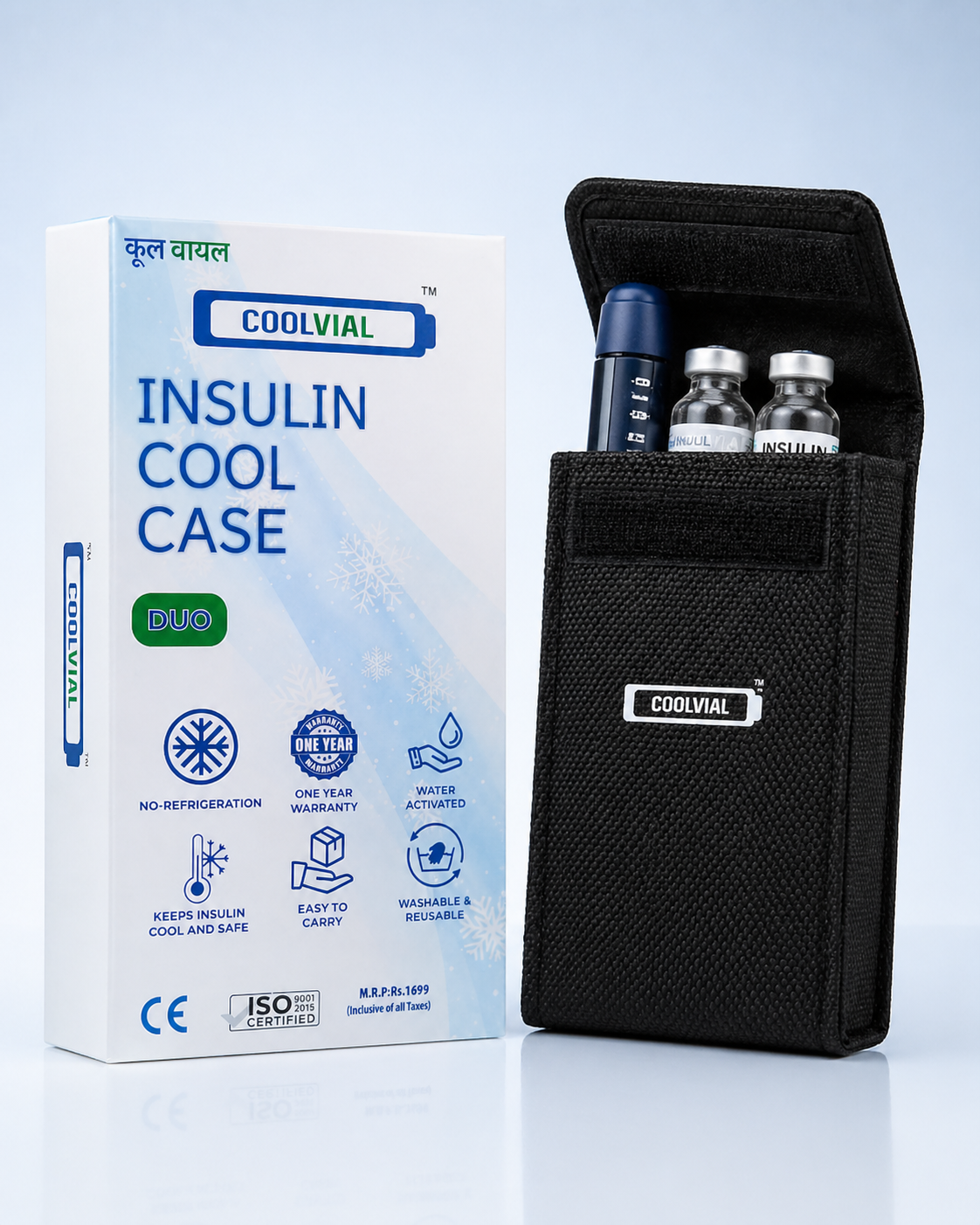
5 Critical Steps: Insulin Backup Plan for Long Power Cuts in Tier 2 & Tier 3 Indian Cities
COOLVIAL keeps insulin safe in India's heat. 48+ hours, no electricity needed.
Navigating India’s Diverse Climate and Infrastructure Challenges
India’s geographical and climatic diversity presents unique hurdles for insulin storage. From the scorching summers of Rajasthan and Uttar Pradesh to the humid monsoons across coastal regions like Kerala and Maharashtra, maintaining a stable temperature for insulin is a constant battle. Understanding these regional specificities is vital for any effective long power cuts in tier 2 tier 3 indian cities insulin backup plan.
Regional Challenges and Considerations:
- North Indian Plains (e.g., Uttar Pradesh, Bihar, Rajasthan, Madhya Pradesh):
- Climate: Extreme summers with temperatures regularly exceeding 45°C. Winters can be cold, but the primary concern is heat.
- Power Cuts: Frequent and prolonged, especially during summer months due to high demand.
- Strategy: Robust, long-duration cool cases are essential. Consider having multiple ice packs. Storing insulin in the coolest part of the house (e.g., underground room if available) during the day can help.
- Coastal Regions (e.g., Maharashtra, Kerala, Tamil Nadu, West Bengal):
- Climate: High humidity combined with heat (30-35°C) creates a challenging environment. Humidity can also affect insulin pens and glucose meters.
- Power Cuts: Common during monsoons due to storms and infrastructure issues.
- Strategy: Water-resistant cool cases are beneficial. Ensure insulin is sealed to prevent moisture damage. Humidity can make sweat evaporate slower, exacerbating heat stress on devices.
- Deccan Plateau (e.g., Karnataka, Telangana, parts of Andhra Pradesh):
- Climate: Generally moderate but can experience hot summers.
- Power Cuts: Vary by city, but Tier 2 cities like Mysuru or Visakhapatnam can still face disruptions.
- Strategy: A balanced approach, ensuring good insulation and a reliable cool case.
- Northeast India (e.g., Assam, Meghalaya):
- Climate: High rainfall and humidity, often combined with moderate temperatures.
- Power Cuts: Infrastructure challenges can lead to frequent outages, especially in remote areas.
- Strategy: Focus on waterproof and humidity-resistant solutions.
Infrastructure and Travel Considerations:
- Road and Rail Travel: Long bus or train journeys across India can expose insulin to varying temperatures. Luggage compartments in buses and cars can become extremely hot.
- Festivals and Gatherings: During festivals like Diwali, Holi, or Eid, families often travel, and power grids can be strained, leading to outages. Planning ahead for these periods is crucial.
- Local Markets: Access to ice or alternative cooling methods might be limited in very remote areas during outages.
- Community Support: Building a network with local pharmacists or other diabetics can provide support and shared knowledge during emergencies.
To further aid in preparedness, consider these crucial insulin storage tips that are specifically tailored for challenging conditions. Integrating these region-specific insights into your plan helps ensure maximum safety and efficacy for your insulin, regardless of where you are in India.
COOLVIAL: Your Reliable Partner Against Long Power Cuts in Tier 2 & Tier 3 Indian Cities
When facing the reality of long power cuts in tier 2 tier 3 indian cities insulin backup plan, having a dependable solution is paramount. COOLVIAL understands the unique environmental challenges faced by Indian diabetics and offers a practical, affordable answer to keep insulin safe. Our insulin cool cases are specifically designed to maintain the crucial 2-8°C temperature range for extended periods, even in ambient temperatures that can soar above 40°C.
Why COOLVIAL is an Ideal Solution for India:
- No Electricity Required: COOLVIAL cases operate on a passive cooling technology, typically using evaporative cooling or specialized gel packs that don’t need refrigeration or electricity once activated. This is a game-changer during unexpected power outages.
- Designed for Indian Climate: Our products are engineered to withstand the extreme heat and humidity prevalent across various Indian regions. They are tested to perform reliably in conditions where other cooling methods might fail.
- Portability and Convenience: Lightweight and compact, COOLVIAL cases are easy to carry, whether you’re commuting, travelling for work, or visiting family during festivals. This ensures your insulin is protected wherever you go.
- Cost-Effective: Priced at just ₹1,099, COOLVIAL offers an accessible solution for millions of diabetics. We believe that life-saving insulin protection should not be a luxury.
- Durability: Built to last, our cases provide a long-term investment in your health, giving you peace of mind year after year.
How COOLVIAL Enhances Your Backup Plan:
- Immediate Protection: As soon as a power cut hits, your pre-prepared COOLVIAL case can instantly become the safe haven for your insulin, maintaining its temperature for hours, sometimes days, depending on the model and external conditions.
- Travel Safety: Whether it’s a short trip to a nearby village or a longer journey by train or bus, a COOLVIAL case ensures your insulin remains potent, protecting it from the heat of travel and potential power disruptions at your destination.
- Peace of Mind: Knowing you have a reliable, non-electric cooling solution means less worry about insulin degradation, allowing you to focus on managing your diabetes effectively, even in challenging situations.
Investing in a [COOLVIAL insulin cool case
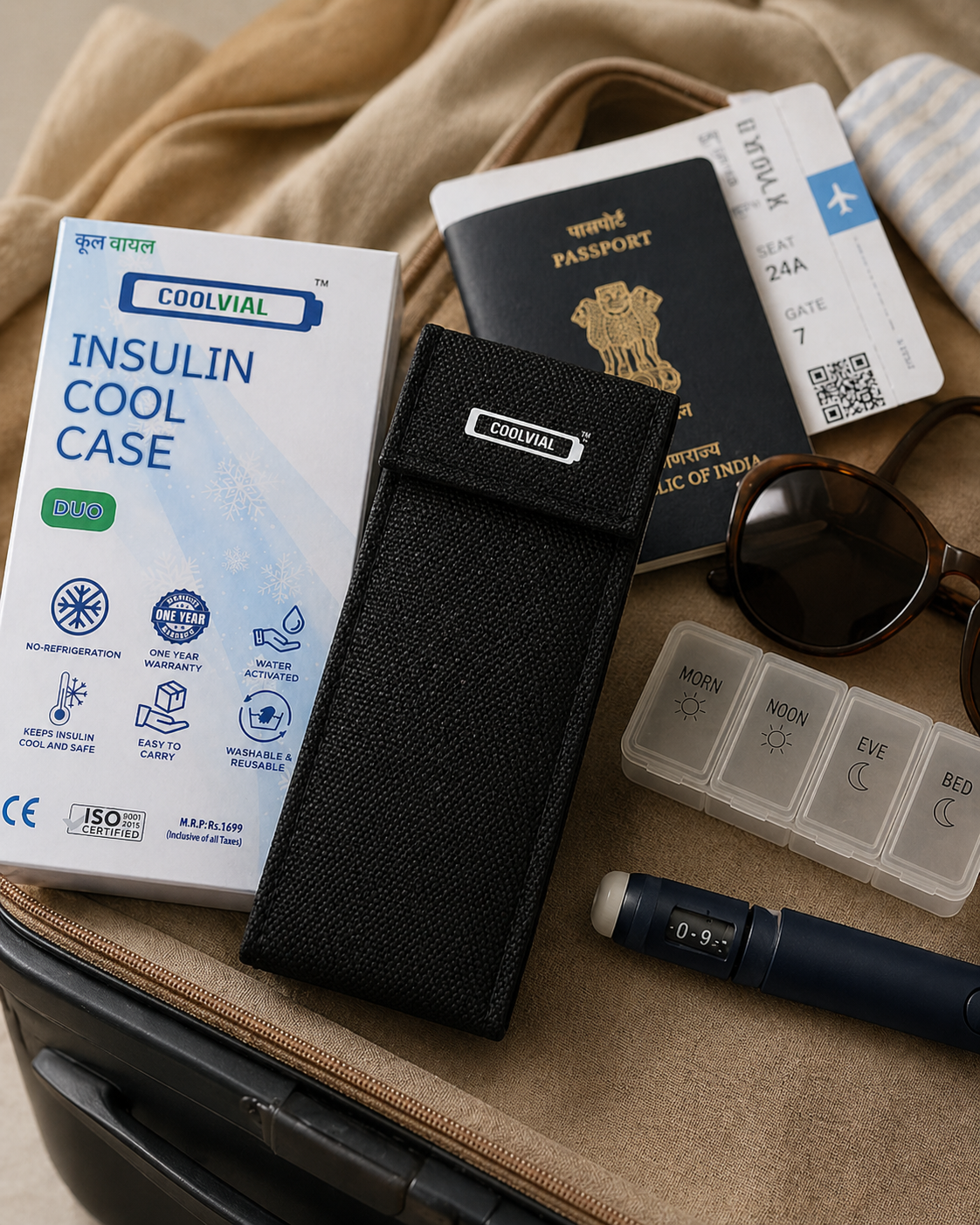
5 Critical Steps: Insulin Backup Plan for Long Power Cuts in Tier 2 & Tier 3 Indian Cities
Don't let Indian heat spoil your insulin. COOLVIAL protects it for 48+ hours.
5 Critical Steps: Insulin Backup Plan for Long Power Cuts in Tier 2 & Tier 3 Indian Cities
Insulin at 2-8°C for 48+ hours. Trusted by 10,000+ Indian diabetics.