
Reviewed by the COOLVIAL Editorial Team — specialists in insulin storage for Indian climate conditions.
The demanding journey of preparing for NEET, JEE, and UPSC examinations in India often involves students relocating to coaching hostels in cities like Kota, Delhi, Hyderabad, or Pune. For students managing Type 1 diabetes, ensuring the safe and effective storage of insulin in these new, often challenging environments is not just a convenience, but a critical health imperative. Insulin, a life-saving medication, is highly sensitive to temperature fluctuations and can rapidly lose its potency if not stored correctly, particularly in India’s diverse and often extreme climate conditions. This comprehensive guide offers 10 essential insulin storage tips for NEET, JEE & UPSC coaching hostels in India, designed to empower students and their families with practical strategies to maintain insulin efficacy and safeguard their health amidst their rigorous academic pursuits. By following these guidelines, students can focus on their studies with peace of mind, knowing their insulin is protected, even when facing common issues like power cuts or high summer temperatures exceeding 40°C.
Table of Contents
- Why Safe Insulin Storage is Critical for Indian Students in Coaching Hostels
- Understanding Insulin: Core Concepts for Effective Storage
- Practical Insulin Storage Tips for NEET, JEE & UPSC Coaching Hostels in India
- Navigating India’s Diverse Climate and Infrastructure for Insulin Safety
- COOLVIAL: Your Reliable Partner for Insulin Storage in India’s Coaching Hostels
- Essential Insulin Storage Checklist & Frequently Asked Questions
- Conclusion
Why Safe Insulin Storage is Critical for Indian Students in Coaching Hostels
The transition to a coaching hostel for competitive exam preparation marks a significant life change for many Indian students. Beyond the academic pressure, those with Type 1 diabetes face the added responsibility of managing their condition independently, often for the first time. The unique challenges of hostel life in India – shared living spaces, variable access to refrigeration, frequent power outages, and extreme weather – can pose substantial risks to insulin integrity.
Insulin, a protein hormone, is highly sensitive to temperature changes. Exposure to temperatures outside its recommended range (typically 2-8°C for unopened vials and 15-25°C for opened vials) can degrade its effectiveness, leading to unpredictable blood sugar levels. For a student already under immense stress from NEET, JEE, or UPSC preparation, fluctuating blood sugar can severely impact concentration, energy levels, and overall well-being. This, in turn, can jeopardize their academic performance and long-term health.
India’s climate, with its scorching summers where temperatures in cities like Delhi, Jaipur, and Hyderabad can consistently exceed 40°C, combined with humid monsoons, creates an environment where insulin can spoil quickly. Studies indicate that India had 101 million diabetics in 2023, according to the International Diabetes Federation (IDF), highlighting the widespread need for effective diabetes management strategies. Moreover, many coaching hostels, especially in Tier 2 and Tier 3 cities, may not have consistent access to uninterrupted power, leading to refrigerator breakdowns. A 2020 study by the Council on Energy, Environment and Water (CEEW) found that 78% of Indian households face daily power cuts in summer, a reality that directly impacts insulin storage.
The consequences of compromised insulin are severe:
- Hyperglycemia: High blood sugar due to ineffective insulin can cause fatigue, blurred vision, increased thirst, and frequent urination, directly affecting study stamina and focus.
- Diabetic Ketoacidosis (DKA): In severe cases, prolonged hyperglycemia can lead to DKA, a life-threatening condition requiring emergency medical attention.
- Wasted Medication: Spoiled insulin means wasted resources, a significant concern given the cost of diabetes management.
- Increased Stress: Constant worry about insulin storage adds to the already high mental burden of exam preparation.
"Finally a cooler that works in Indian summers. Insulin stayed perfect during a 3-day power cut." — Ramesh, Chennai
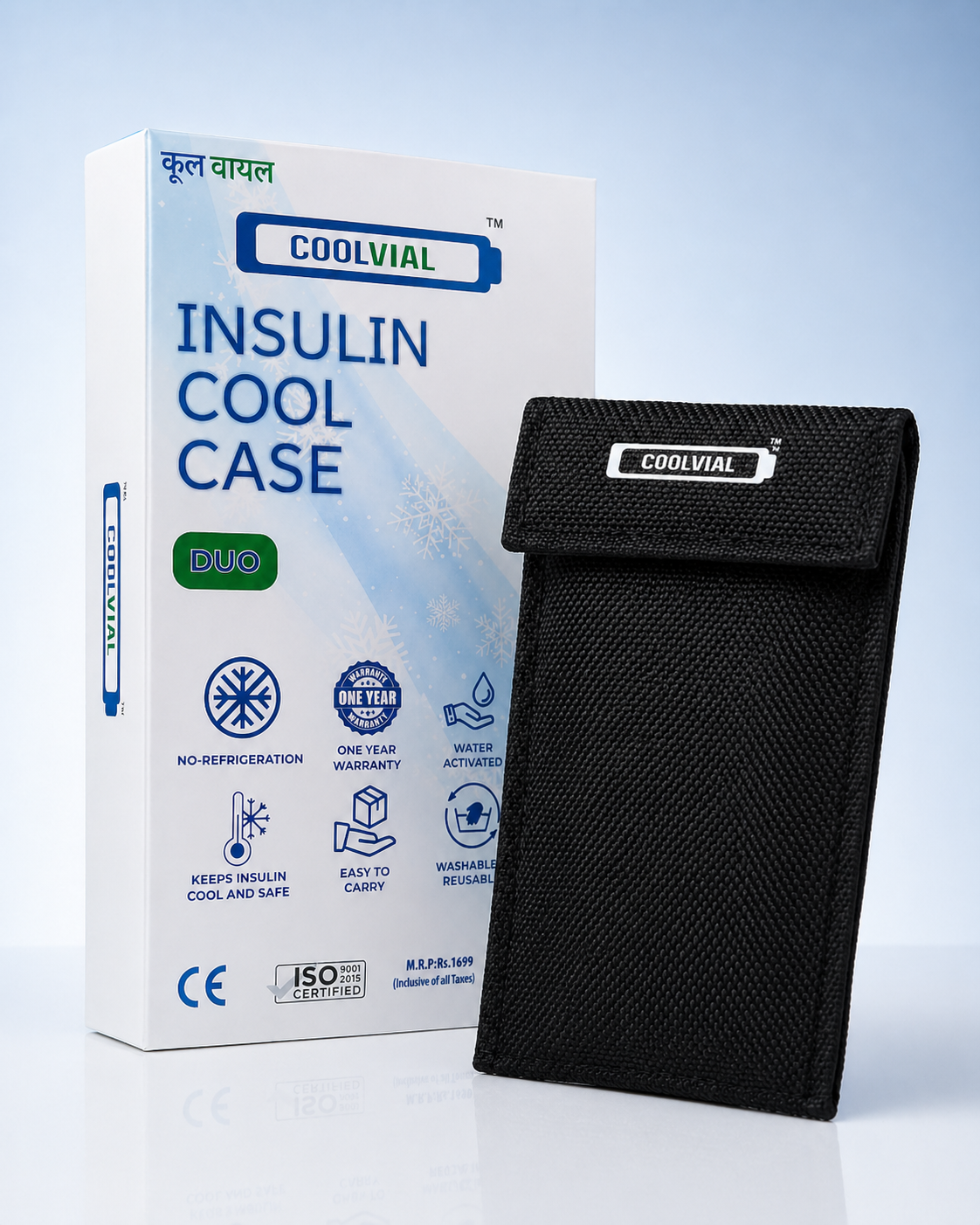
10 Essential Insulin Storage Tips for NEET, JEE & UPSC Coaching Hostels in India
CE Certified · Free Delivery · 1-Year Warranty
📲 Buy on WhatsApp — ₹1,099Students in these hostels need reliable solutions to ensure their insulin remains potent and safe. This includes understanding appropriate storage methods, having backup plans for power cuts, and utilizing specialized devices designed for challenging conditions. The Diabetes UK provides excellent general guidelines for managing diabetes during travel, which often applies to students living away from home (Source: Diabetes UK).
10 Essential Insulin Storage Tips for NEET, JEE & UPSC Coaching Hostels in India
Insulin at 2-8°C for 48+ hours. Trusted by 10,000+ Indian diabetics.
Understanding Insulin: Core Concepts for Effective Storage
To ensure insulin remains effective, it’s crucial to understand its basic storage requirements and how temperature affects its potency. Insulin is a delicate protein that can denature, or break down, when exposed to extreme temperatures, both hot and cold.
Unopened vs. Opened Insulin Vials and Pens
The storage guidelines differ significantly for insulin that is unopened compared to insulin that has been opened and is in use:
-
Unopened Insulin:
- Refrigeration is Key: Unopened insulin vials, pens, or cartridges should always be stored in a refrigerator at a temperature between 2°C and 8°C (36°F and 46°F). This is the optimal range to maintain its stability and ensure it lasts until its expiration date.
- Avoid Freezing: Freezing insulin can damage its protein structure, rendering it ineffective. If insulin freezes, it must be discarded, even if it thaws later.
- Keep in Original Packaging: Storing insulin in its original box helps protect it from light, which can also degrade its potency over time.
-
Opened (In-Use) Insulin:
- Room Temperature Storage: Once an insulin vial or pen is opened (punctured with a needle) or removed from refrigeration for daily use, it can typically be stored at room temperature, ideally between 15°C and 25°C (59°F and 77°F).
- Limited Shelf Life: Most insulin formulations are stable for 28 days (4 weeks) after opening when stored at room temperature. Some specific types might last up to 42 days (6 weeks), so always check the manufacturer’s instructions.
- Avoid Direct Heat and Sunlight: Even at room temperature, direct exposure to sunlight, heaters, or hot surfaces can quickly degrade insulin. Never leave it in a car on a hot day or near a window.
- Do Not Re-refrigerate: Once an insulin pen or vial has been removed from the refrigerator and is in use, it is generally not recommended to put it back into the refrigerator. Constant temperature fluctuations can be more damaging than stable room temperature storage within the acceptable range.
The Science Behind Temperature and Insulin Efficacy
Insulin’s effectiveness relies on its specific three-dimensional protein structure. High temperatures cause this structure to unfold or clump together, a process known as denaturation. Denatured insulin can no longer bind effectively to insulin receptors in the body, which means it cannot facilitate glucose uptake by cells, leading to high blood sugar.
Low temperatures, specifically freezing, can also destroy insulin. When water, the primary component of insulin solutions, freezes, it expands. This expansion can physically damage the insulin protein structure and the glass vial or pen cartridge, making the insulin inactive. Even if the insulin thaws, its efficacy is compromised. Insulin should ideally never be stored above 30°C, as its degradation significantly accelerates beyond this threshold.
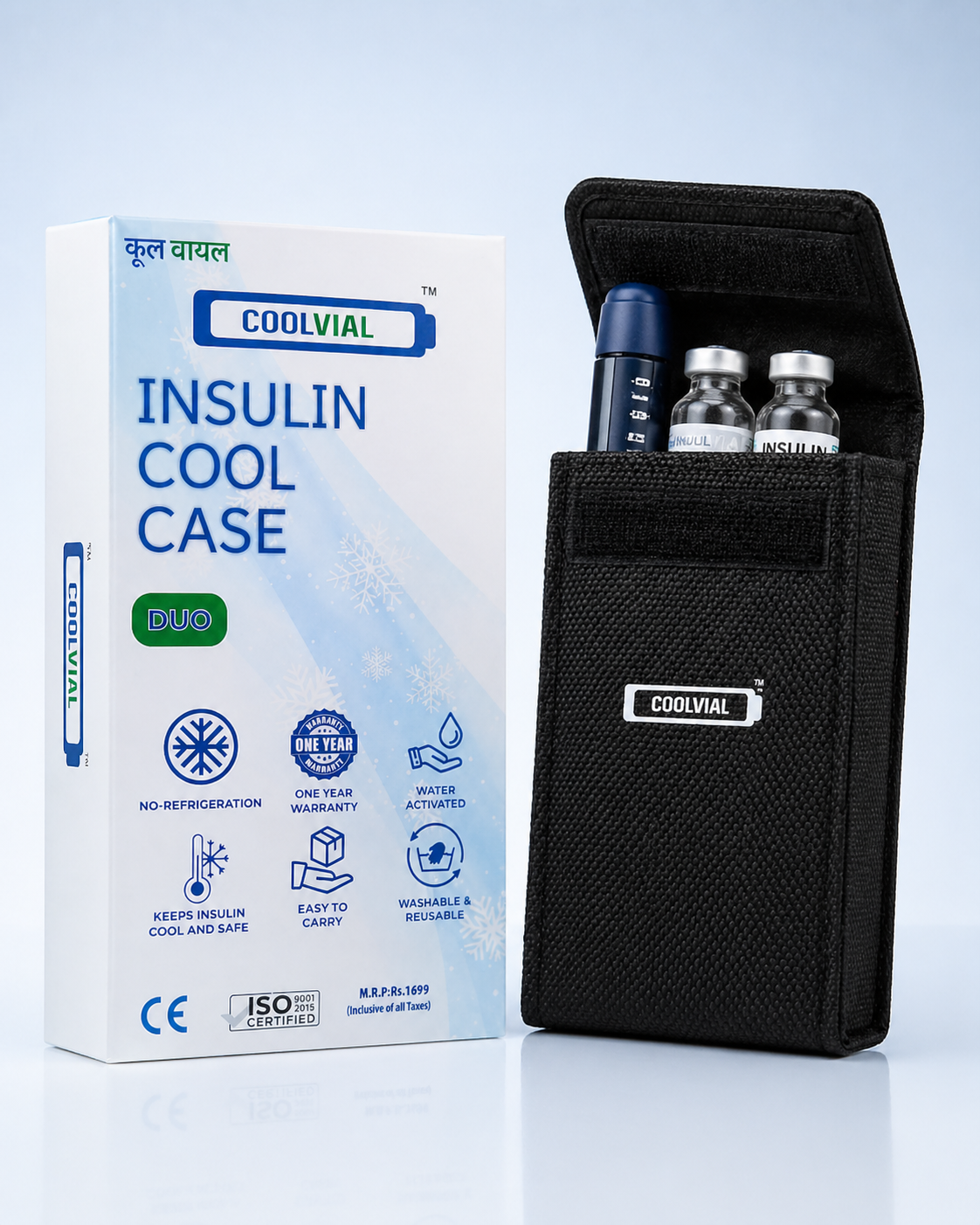
10 Essential Insulin Storage Tips for NEET, JEE & UPSC Coaching Hostels in India
Don't let Indian heat spoil your insulin. COOLVIAL protects it for 48+ hours.
Recognizing Spoiled Insulin
10 Essential Insulin Storage Tips for NEET, JEE & UPSC Coaching Hostels in India
It is crucial for students to know how to identify insulin that may have gone bad, as using compromised insulin can have serious health consequences. Always visually inspect your insulin before each use:
- Clarity Changes: Clear insulin (like regular, rapid-acting, or long-acting glargine) should remain clear. If it appears cloudy, has particles, or changes color, it is likely spoiled and should be discarded.
- Pre-mixed/Cloudy Insulin: Insulin that is naturally cloudy (like NPH or pre-mixed insulins) should always appear uniformly cloudy. If you see clumps, particles, or a “frosted” appearance after gentle rolling, it may be spoiled.
- Texture Changes: If the insulin feels gritty or sticky when injecting, or if it doesn’t flow smoothly, it could be compromised.
- Expiration Date: Always check the expiration date on the vial or pen. Opened insulin should also be discarded after its specified in-use period (e.g., 28 days), even if it still looks normal.
| Insulin Type | Storage Condition (Unopened) | Storage Condition (Opened/In-Use) | Maximum In-Use Period (Typical) |
|---|---|---|---|
| Vials (e.g., Novolin) | Refrigerator (2°C - 8°C) | Room Temperature (15°C - 25°C) | 28 days |
| Pens (e.g., Novopen) | Refrigerator (2°C - 8°C) | Room Temperature (15°C - 25°C) | 28 days (some up to 42 days) |
| Cartridges | Refrigerator (2°C - 8°C) | Room Temperature (15°C - 25°C) | 28 days |
| All Insulin | Never Freeze! Spoils above 30°C quickly. | Avoid Direct Heat/Sunlight! Spoils above 30°C. |
Practical Insulin Storage Tips for NEET, JEE & UPSC Coaching Hostels in India
Navigating the unique environment of an Indian coaching hostel requires smart and proactive strategies for insulin storage. Here are 10 practical insulin storage tips for NEET, JEE & UPSC coaching hostels in India:
- Communicate with Hostel Management: Before moving in, discuss your insulin storage needs with hostel authorities. Inquire about refrigerator access, power backup solutions, and any specific policies regarding medications. Some hostels may offer dedicated medical refrigeration.
- Invest in a Reliable Insulin Cool Case: This is perhaps the most crucial tip. Given India’s climate and unreliable power, a high-quality, portable insulin cool case that doesn’t require electricity is essential. Products like the COOLVIAL insulin cool case are specifically designed to maintain the optimal temperature range (2-8°C or 15-25°C, depending on the model) for extended periods without power, making them ideal for students.
- Always Have a Backup Plan for Refrigeration: Even if your hostel has a refrigerator, power cuts are common. Keep ice packs or gel packs ready. If the refrigerator fails, immediately transfer unopened insulin to your cool case with fresh ice packs.
- Store In-Use Insulin Smartly in Your Room: For opened insulin that can be kept at room temperature (15-25°C), choose the coolest spot in your room. Avoid windows, direct sunlight, and areas near electronic devices that generate heat. A cupboard or drawer away from external walls is often a good choice.
- Monitor Room Temperature: Consider purchasing a small, inexpensive room thermometer to keep track of your room’s temperature, especially during summer months in cities like Kota, where daily highs can reach 45°C. If temperatures consistently exceed 25°C, even for in-use insulin, consider using your cool case.
- Plan for Travel Between Home and Hostel: Many students travel home for breaks. For bus or train journeys, always pack your insulin in a secure, insulated cool case with sufficient ice packs. Avoid checking insulin into luggage where temperatures can vary wildly. Carry a doctor’s note for air travel, if applicable, although most coaching students travel by road or rail.
- Keep Insulin Away from Food: If sharing a common refrigerator, store your insulin in a clearly marked, separate container to prevent accidental disposal or contamination. Ensure it’s not placed against the back wall where it might freeze.
- Carry Only What You Need for Short Trips: When going for classes, study sessions, or day trips, carry only the insulin you might need for that period in a small, insulated pouch. Leave bulk supplies securely stored in your room or hostel refrigerator.
- Educate Your Roommates and Friends: Inform your trusted roommates or close friends about your diabetes and the importance of insulin storage. They can be a valuable support system, especially in emergencies or when you’re away from your room.
- Regularly Check Expiration Dates and Appearance: Make it a habit to check the expiration date on all insulin vials and pens. For in-use insulin, note the date you opened it and discard it after 28 days, even if it looks fine. Regularly inspect insulin for any signs of spoilage (cloudiness, particles, discoloration).
Navigating India’s Diverse Climate and Infrastructure for Insulin Safety
India’s vast geographical expanse presents a wide array of climatic conditions, each posing unique challenges to insulin storage. From the arid heat of Rajasthan to the tropical humidity of the south, students must adapt their strategies.
- North India (Delhi, Kota, Lucknow): Summers are characterized by extreme dry heat, often exceeding 40-45°C. Power cuts are frequent during peak summer demand. Here, robust cool cases that can maintain temperature for extended hours without electricity are indispensable. Dehydration is also a concern, which can exacerbate diabetes management.
- West India (Mumbai, Ahmedabad, Pune): Coastal areas like Mumbai experience high humidity, which, while not directly impacting insulin temperature, can affect other diabetes supplies. Inland cities like Pune have milder climates but still face significant summer heat. Power reliability can be better in metropolitan areas but is not guaranteed.
- South India (Chennai, Bengaluru, Hyderabad): These regions have tropical climates, with high temperatures and significant humidity throughout much of the year. Bengaluru’s elevation offers some respite, but cities like Chennai and Hyderabad can be intensely hot. Air conditioning in hostels might be available but can be inconsistent. Insulated storage is paramount to combat both heat and humidity.
- East India (Kolkata, Bhubaneswar): Monsoons bring high humidity and moderate to high temperatures. Power infrastructure can be less reliable in some areas, making backup storage solutions vital.
Challenges Posed by Indian Infrastructure:
- Power Cuts (Load Shedding): As mentioned, frequent and unpredictable power cuts are a reality across many parts of India, especially outside major metros. This makes reliance solely on hostel refrigerators risky.
- Travel Conditions: Long train or bus journeys, common for students commuting between home and coaching centers, expose insulin to varying temperatures, vibrations, and potential mishandling. Without a proper cool case, insulin can easily spoil.
- Hostel Environment: Shared refrigerators, often over-packed, may not maintain consistent temperatures. Room temperatures can soar without effective cooling systems, especially in non-AC hostels.
Regional Climate vs. Insulin Storage Tips
| Region of India | Typical Climate Challenges | Specific Storage Considerations |
|---|---|---|
| North | Extreme Dry Heat (40 |
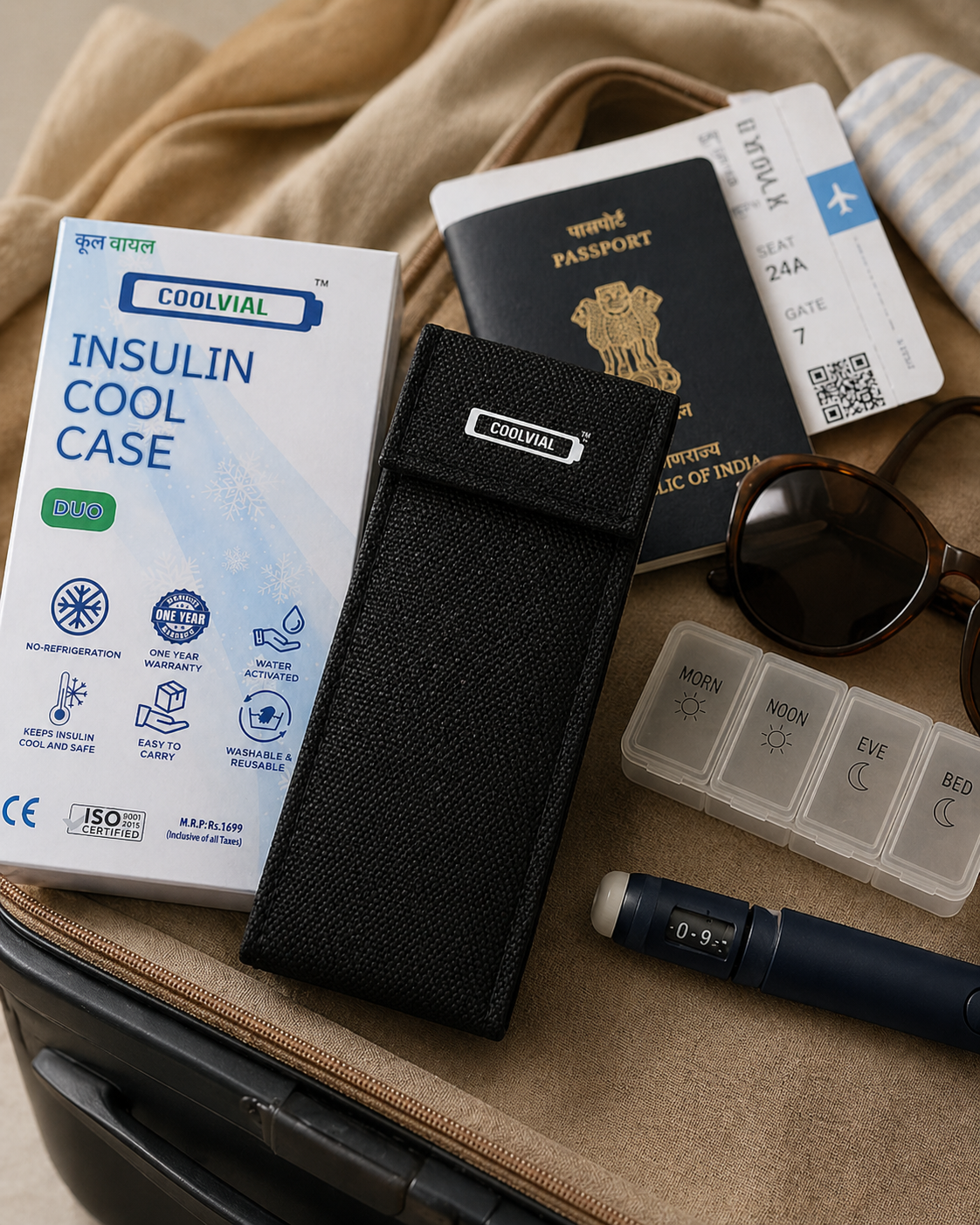
10 Essential Insulin Storage Tips for NEET, JEE & UPSC Coaching Hostels in India
COOLVIAL keeps insulin at 2-8°C for 48+ hours. No electricity needed.
10 Essential Insulin Storage Tips for NEET, JEE & UPSC Coaching Hostels in India
48+ hours at 2-8°C. No electricity. CE certified. Free delivery across India.
Order on WhatsApp — ₹1,099🛒 Buy Now — ₹1,099