
Reviewed by the COOLVIAL Editorial Team — specialists in insulin storage for Indian climate conditions.
India’s vast geographical landscape presents unique and significant challenges for insulin storage, with distinct differences between North and South India. Effectively managing insulin’s temperature is critical, as its potency degrades rapidly when exposed to temperatures above 30°C, and freezing also renders it ineffective. The recommended storage temperature for unopened insulin is a stable 2-8°C, while opened vials and pens can typically be kept at room temperature (up to 25°C) for up to 28 days, though this varies by insulin type. With India having 101 million diabetics in 2023 (Source: IDF Diabetes Atlas), understanding these regional nuances is paramount for maintaining treatment efficacy and patient health. This article will delve into the specific climatic hurdles faced in different parts of India and provide practical solutions for safe insulin management, ensuring that patients can lead healthy lives regardless of their location or travel plans.
Table of Contents
- Why this matters in India: The Critical Need for Proper Insulin Storage
- Understanding Insulin Stability: Core Concepts for Indian Diabetics
- Navigating North India vs South India Insulin Storage Challenges Compared: Practical Tips
- India’s Diverse Climate Zones: Tailoring Your Insulin Storage Strategy
- The Ultimate Solution for North India vs South India Insulin Storage Challenges Compared: COOLVIAL
- Frequently Asked Questions About Insulin Storage in India
- Conclusion
Why this matters in India: The Critical Need for Proper Insulin Storage
India’s diverse climate, ranging from the scorching deserts of Rajasthan to the humid coasts of Kerala, creates a complex environment for managing temperature-sensitive medications like insulin. For the millions of Indians living with diabetes, ensuring their insulin remains potent is not just a recommendation—it’s a matter of life and death. Insulin, a protein hormone, is highly susceptible to temperature fluctuations. When exposed to heat, its molecular structure can break down, reducing its effectiveness and potentially leading to dangerously high blood sugar levels. Conversely, freezing temperatures can also damage insulin, causing it to lose its potency.
The sheer scale of diabetes in India, with 101 million people affected in 2023 (Source: IDF Diabetes Atlas), underscores the urgency of addressing these storage challenges. Many diabetics in India live in rural or semi-urban areas where access to consistent refrigeration is not always guaranteed. Daily power cuts, especially during the peak summer months, are a common reality for 78% of Indian households, according to a 2022 survey by the Council on Energy, Environment and Water (CEEW), making reliable cold storage a significant hurdle. This necessitates robust, passive cooling solutions that do not rely on electricity.
Beyond static storage, the dynamic nature of Indian life, including extensive travel for work, family, or festivals like Diwali and Eid, adds another layer of complexity. Carrying insulin safely on long train journeys, crowded buses, or even in personal vehicles under the blazing sun requires specific strategies. Without proper storage, a patient might unknowingly inject compromised insulin, leading to poor glycemic control, increased risk of complications, and wasted medication. Understanding the distinct climatic conditions across the country is the first step towards formulating effective, localized insulin storage solutions. This article directly addresses the critical need to compare north india vs south india insulin storage challenges compared to provide tailored advice and reliable product solutions.
Let’s examine the specific temperature ranges that are safe for insulin, and those that can cause damage:
| Insulin Storage State | Recommended Temperature Range | Potential Issues Outside Range |
|---|---|---|
| Unopened (Refrigerated) | 2°C to 8°C (36°F to 46°F) | Freezing below 2°C, potency loss above 8°C |
| Opened (Room Temperature) | 15°C to 25°C (59°F to 77°F) | Rapid degradation above 25°C, freezing below 15°C |
| Danger Zone (Heat) | Above 30°C (86°F) | Significant and irreversible potency loss |
| Danger Zone (Cold) | Below 0°C (32°F) | Protein denaturation, clumping, loss of efficacy |
These guidelines highlight the narrow window within which insulin remains stable, emphasizing the importance of precise temperature control, a significant challenge in India’s diverse climate.
Understanding Insulin Stability: Core Concepts for Indian Diabetics
Insulin is a delicate biological medication, and its effectiveness hinges on maintaining its structural integrity. For Indian diabetics, especially those living in areas with extreme weather, grasping the science behind insulin degradation is crucial. Its stability is influenced by several factors, primarily temperature, light, and agitation. When any of these parameters are not optimally managed, the insulin molecules can break down, leading to a reduction in potency. This means that an injected dose may not deliver the expected glucose-lowering effect, potentially leading to hyperglycemia and its associated risks.
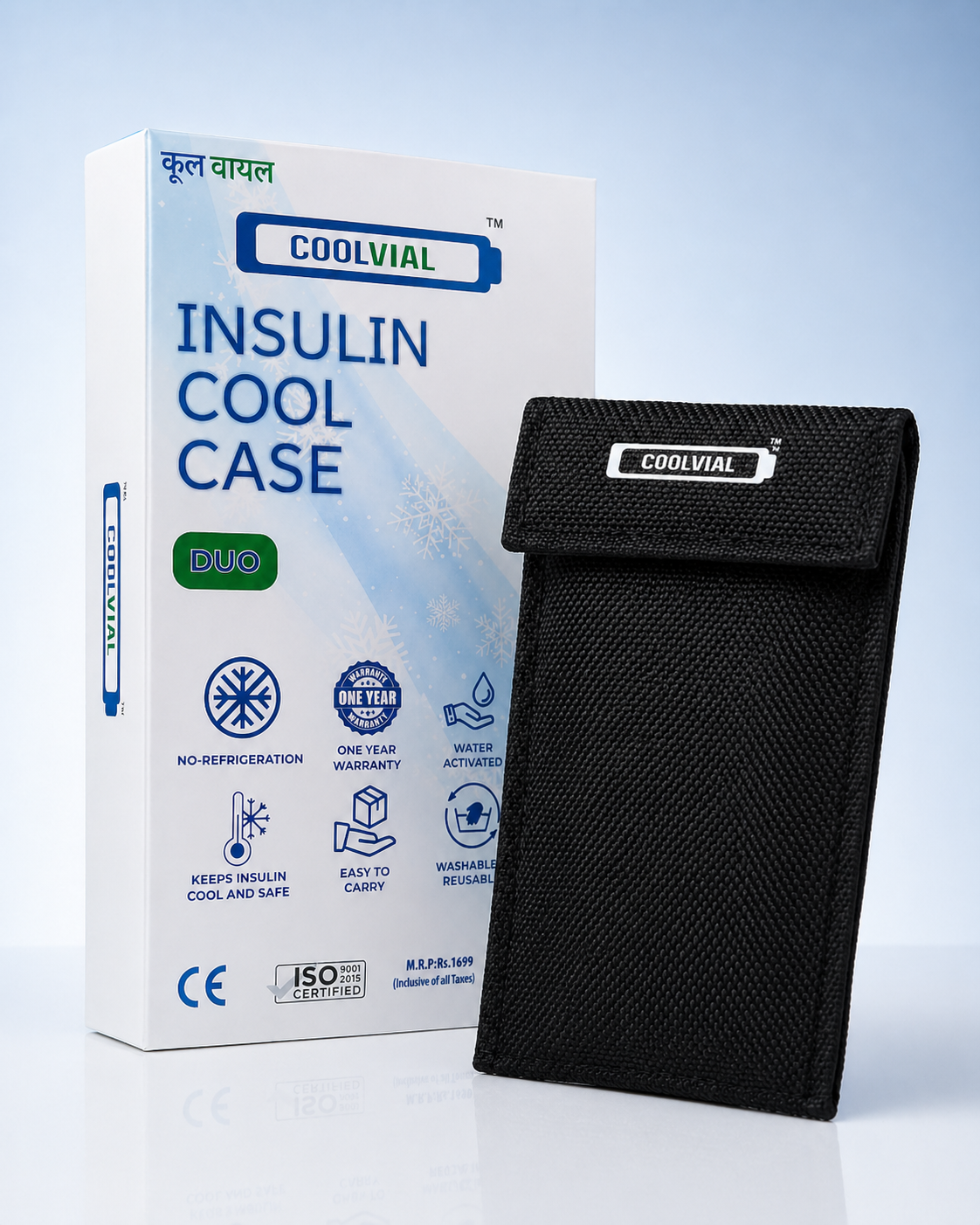
5 Critical Challenges: North India vs South India Insulin Storage Compared
Keep your insulin safe in India's extreme heat. COOLVIAL works for 48+ hours without electricity.
5 Critical Challenges: North India vs South India Insulin Storage Compared
Insulin at 2-8°C for 48+ hours. Trusted by 10,000+ Indian diabetics.
The Science of Insulin Degradation
At its core, insulin is a protein. Like many proteins, it has a specific three-dimensional structure that is essential for its biological function.
- Heat Exposure: High temperatures cause the insulin molecules to denature, meaning their intricate structure unfolds and changes. Once denatured, insulin cannot effectively bind to its receptors or facilitate glucose uptake into cells. This degradation is irreversible. Even a brief exposure to extreme heat, such as leaving insulin in a parked car in Delhi’s summer, can significantly compromise its efficacy. Temperatures consistently above 30°C are particularly damaging, with degradation accelerating dramatically as temperatures rise further.
- Freezing: Conversely, freezing also damages insulin. Ice crystals can physically disrupt the insulin protein structure, causing aggregation or clumping. Once frozen, insulin should not be used, even if it thaws and appears normal, as its potency will be compromised. This is especially relevant for parts of North India that experience sub-zero temperatures during winter.
- Light Exposure: Direct sunlight, especially ultraviolet (UV) light, can also degrade insulin. Insulin vials and pens are often made of amber glass or opaque plastic to offer some protection, but prolonged exposure to intense light should be avoided.
- Agitation: Excessive shaking or vigorous mixing can also cause insulin molecules to aggregate, forming clumps that reduce absorption and effectiveness. While some insulin types (like NPH) require gentle rolling to mix, vigorous shaking is generally discouraged.
Shelf Life and Potency
Understanding the shelf life of insulin is key to proper management. This varies significantly based on whether the insulin is opened or unopened, and whether it’s in a vial or a pen.
| Insulin State | Storage Condition | Typical Duration (Approx.) | Important Notes |
|---|---|---|---|
| Unopened Vial/Pen | Refrigerated (2°C to 8°C) | Until Expiry Date | Check manufacturer’s specific instructions. |
| Opened Vial | Room Temperature (15°C to 25°C) | 28 Days | Discard after 28 days, even if some remains. |
| Opened Pen | Room Temperature (15°C to 25°C) | 28 Days (or 42 days for some) | Varies by brand (e.g., Novolog/Humalog 28 days, Levemir/Lantus 42 days). Check label. |
| Opened Pen (Refrigerated) | Not Recommended | N/A | Once opened, pens are typically kept at room temp. |
It’s vital to remember that these durations are predicated on the insulin being stored within the specified temperature ranges. If insulin is exposed to temperatures outside this range, its shelf life is immediately compromised, irrespective of whether it’s opened or unopened. For instance, insulin left in a hot car for a few hours will lose potency much faster than the 28-day window, even if it has just been opened.
Visual Cues of Spoiled Insulin
While not always reliable, there are some visual indicators that your insulin might have gone bad:
- Clarity Change: Clear insulin (like Humalog, Novolog, Lantus) should remain clear. If it becomes cloudy, contains particles, or changes color, it is likely compromised.
- Color Change: Cloudy insulin (like NPH) should remain uniformly cloudy. If it becomes clear, develops clumps, or shows a “frosted” appearance, it’s a sign of degradation.
- Clumping or Granules: Any solid particles, stringy material, or “snowflakes” in the insulin indicate spoilage.
- Texture Change: Insulin that feels gritty or has changed consistency should be discarded.
However, it’s important to note that insulin can lose potency without any visible changes. Therefore, relying solely on visual cues is not sufficient. Adhering strictly to storage guidelines and using reliable cooling solutions is the most effective way to ensure insulin efficacy.
Navigating North India vs South India Insulin Storage Challenges Compared: Practical Tips
India’s geographical diversity means that insulin storage strategies must be localized. The challenges presented by the scorching, dry heat of the North are vastly different from the humid, tropical warmth of the South. Understanding these distinctions is crucial for safe insulin management across the country, especially when considering north india vs south india insulin storage challenges compared.
North India: Battling Extremes
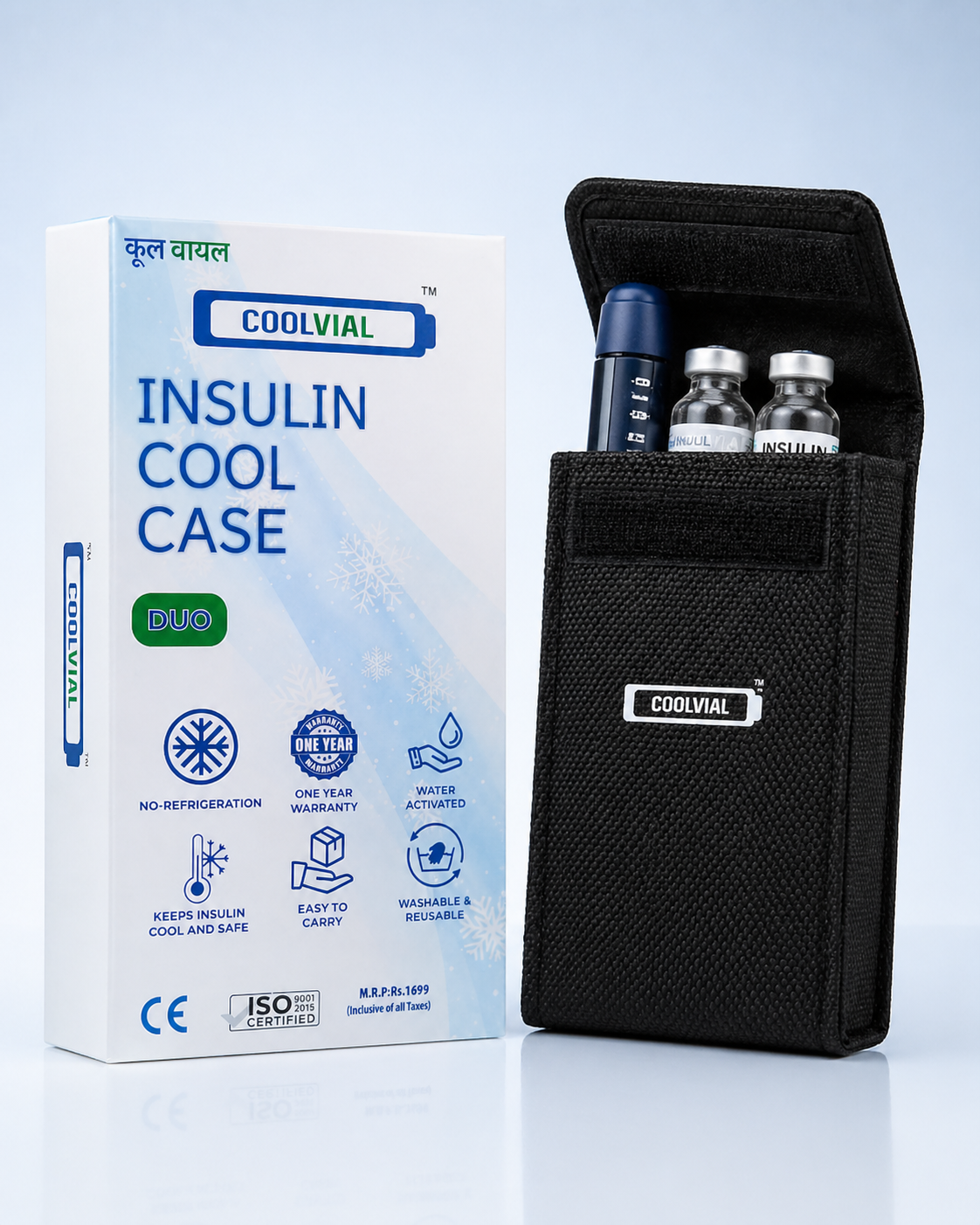
5 Critical Challenges: North India vs South India Insulin Storage Compared
COOLVIAL keeps insulin at 2-8°C for 48+ hours. No electricity needed.
5 Critical Challenges: North India vs South India Insulin Storage Compared
North India experiences a wide range of temperatures, from intensely hot summers to chilly winters, and a distinct monsoon season.
- Summer Heat (April-June): Cities like Delhi, Jaipur, Lucknow, and Chandigarh frequently see temperatures soaring above 40°C, often reaching 45°C or even 48°C in parts of Rajasthan (e.g., Churu, Phalodi). This dry heat is particularly dangerous for insulin.
- Tip 1: Insulated Carriers are Non-Negotiable. Always transport insulin in a high-quality insulated cool case that can maintain the 2-8°C range for several hours, even in ambient temperatures exceeding 40°C. Never leave insulin in a parked car, as interior temperatures can rapidly climb to 60°C or more.
- Tip 2: Hydration for Cooling. If using evaporative cooling cases, ensure you have access to clean water to activate the cooling mechanism. However, in extremely dry heat, evaporative cooling can be very effective.
- Tip 3: Power Cut Preparedness. Invest in a reliable, non-electric cooling solution like a phase-change material (PCM) cool case to safeguard insulin during frequent and prolonged power outages. Keeping a backup supply of ice packs (not directly touching insulin) in the freezer can also be a temporary measure.
- Winter Cold (December-February): Regions like Punjab, Haryana, Uttar Pradesh, and the Himalayan states (e.g., Himachal Pradesh, Uttarakhand) can experience temperatures near or below freezing, especially at night.
- Tip 1: Protect from Freezing. Do not store insulin near refrigerator freezer compartments or directly against ice packs. If traveling to very cold regions, keep insulin close to your body heat (e.g., in an inside pocket) to prevent it from freezing.
- Tip 2: Room Temperature Caution. While opened insulin can be at room temperature, ensure “room temperature” doesn’t mean freezing in unheated homes during severe winters.
- Monsoon Humidity (July-September): States like Uttar Pradesh, Bihar, and parts of Madhya Pradesh experience high humidity alongside warmth during the monsoon.
- Tip 1: Keep Dry. Ensure insulin is protected from moisture. High humidity can affect some cooling methods or labels. Use waterproof carriers if traveling during monsoons.
South India: Managing Consistent Warmth and High Humidity
South India, including states like Kerala, Tamil Nadu, Karnataka, Andhra Pradesh, and Telangana, generally experiences warm to hot temperatures year-round, often coupled with high humidity, especially in coastal areas.
- Year-Round Warmth & Humidity: Cities like Chennai, Kochi, Mumbai (though technically West, shares coastal climate), Hyderabad, and Bengaluru typically have ambient temperatures between 25°C and 35°C, with humidity often above 70-80%.
- Tip 1: Constant Cooling. Assume insulin needs active cooling almost constantly, even indoors, unless you have air conditioning set to a stable 25°C or below. Refrigeration or a reliable cool case is a daily necessity.
- Tip 2: Dehumidification. While humidity doesn’t directly degrade insulin, it can make some cooling solutions less effective (e.g., evaporative coolers work best in dry climates). Opt for cool cases that use gel packs or PCM technology which are unaffected by humidity.
- Tip 3: Travel Smart. When traveling by train or bus, especially non-AC coaches, the internal temperatures can easily exceed 35°C. Always use a dependable insulin cool case for even short journeys.
- Interior vs. Coastal: While coastal cities face higher humidity, interior cities like Bengaluru and Hyderabad can still get very warm, though often with slightly less humidity. The need for consistent cooling remains.
These region-specific challenges highlight why a “one-size-fits-all” approach to insulin storage is inadequate in India. Thoughtful planning and the right tools are essential for safe and effective diabetes management across the country.
India’s Diverse Climate Zones: Tailoring Your Insulin Storage Strategy
India is often described as a subcontinent due to its vast geographical and climatic diversity. From the snow-capped Himalayas in the north to the sun-drenched coasts in the south, and the arid deserts in the west to the lush, wet plains in the east, each region presents its own set of environmental conditions that impact insulin storage. A successful strategy requires an understanding of these zones and specific adaptations.
The Arid and Semi-Arid North and West
This zone includes states like Rajasthan, Gujarat, Punjab, Haryana, Uttar Pradesh, and parts of Madhya Pradesh.
- Climate: Characterized by extreme temperatures. Summers are intensely hot and dry, with daytime temperatures routinely exceeding 45°C. Winters can be quite cold, especially in Punjab and Haryana, with nighttime temperatures dipping close to freezing.
- Storage Challenges: The primary challenge is the extreme heat during summer, which can rapidly denature insulin. In winter, the risk is accidental freezing if insulin is left unprotected in unheated rooms or during travel. Power cuts are also frequent during summer, making reliance on refrigerators problematic.
- Tailored Strategy: Priority should be given to cool cases that offer robust protection against high ambient temperatures for extended periods without electricity. Phase-change material (PCM) cool cases are ideal here as they don’t rely on evaporation and maintain a stable temperature band for hours. During winter, ensuring insulin is not exposed to direct cold or near windows in unheated rooms is crucial.
The Humid Coastal South and East
This zone encompasses states like Kerala, Tamil Nadu, Karnataka, Andhra Pradesh, Telangana, Odisha, West Bengal, and the North-Eastern states, as well as the western coastal strip (Maharashtra, Goa).
- Climate: Generally warm to hot throughout the year, with high humidity, especially near the coasts. Monsoon season brings heavy rainfall and even higher humidity. Temperatures typically range from 25°C to 35°C.
- Storage Challenges: The persistent warmth combined with high humidity means that insulin is almost always at risk of being above its ideal storage temperature. Evaporative cooling methods might be less effective in very humid conditions. Mold and mildew can also be a concern for storage materials if not properly maintained.
- Tailored Strategy: Consistent active cooling is required. Gel pack or PCM-based cool cases are well-suited as their performance is not significantly affected by humidity. Regular refrigeration is essential for unopened insulin. For opened insulin, ensure the “room temperature” is indeed below 25°C, which often means an air-conditioned environment or a cool case even indoors.
The Central Plateau and Riverine Plains
This includes parts of Madhya Pradesh, Chhattisgarh, Jharkhand, and the Gangetic plains.
- Climate: Experiences a mix of extremes, with hot summers and relatively cooler winters, and significant monsoon rainfall. Temperatures can fluctuate widely.
- Storage Challenges: Similar to the North, extreme summer heat is a major concern. Humidity levels can also be high during monsoons.
- Tailored Strategy: A versatile cooling solution that can handle both dry heat and humid conditions is beneficial. Awareness of seasonal changes is key to adapting storage methods.
Managing Travel Across India
Traveling across these diverse zones presents cumulative challenges.
- Train Journeys: Long-distance train travel, especially in non-AC coaches, can expose insulin to extreme temperatures. Internal temperatures in a non-AC sleeper coach during summer can easily exceed 40°C. Even in AC coaches, luggage stored in overhead racks or near windows can be subject to temperature fluctuations.
- Bus Travel: Similar to trains, buses, particularly state transport buses, often lack adequate temperature control.
- Personal Vehicles: A car parked in the sun can become an oven. Even while driving, air conditioning might not cool the glove compartment or boot sufficiently.
- Festivals and Outings: During festivals like Holi, Diwali, or religious pilgrimages, people spend extended periods outdoors,
"Finally a cooler that works in Indian summers. Insulin stayed perfect during a 3-day power cut." — Ramesh, Chennai
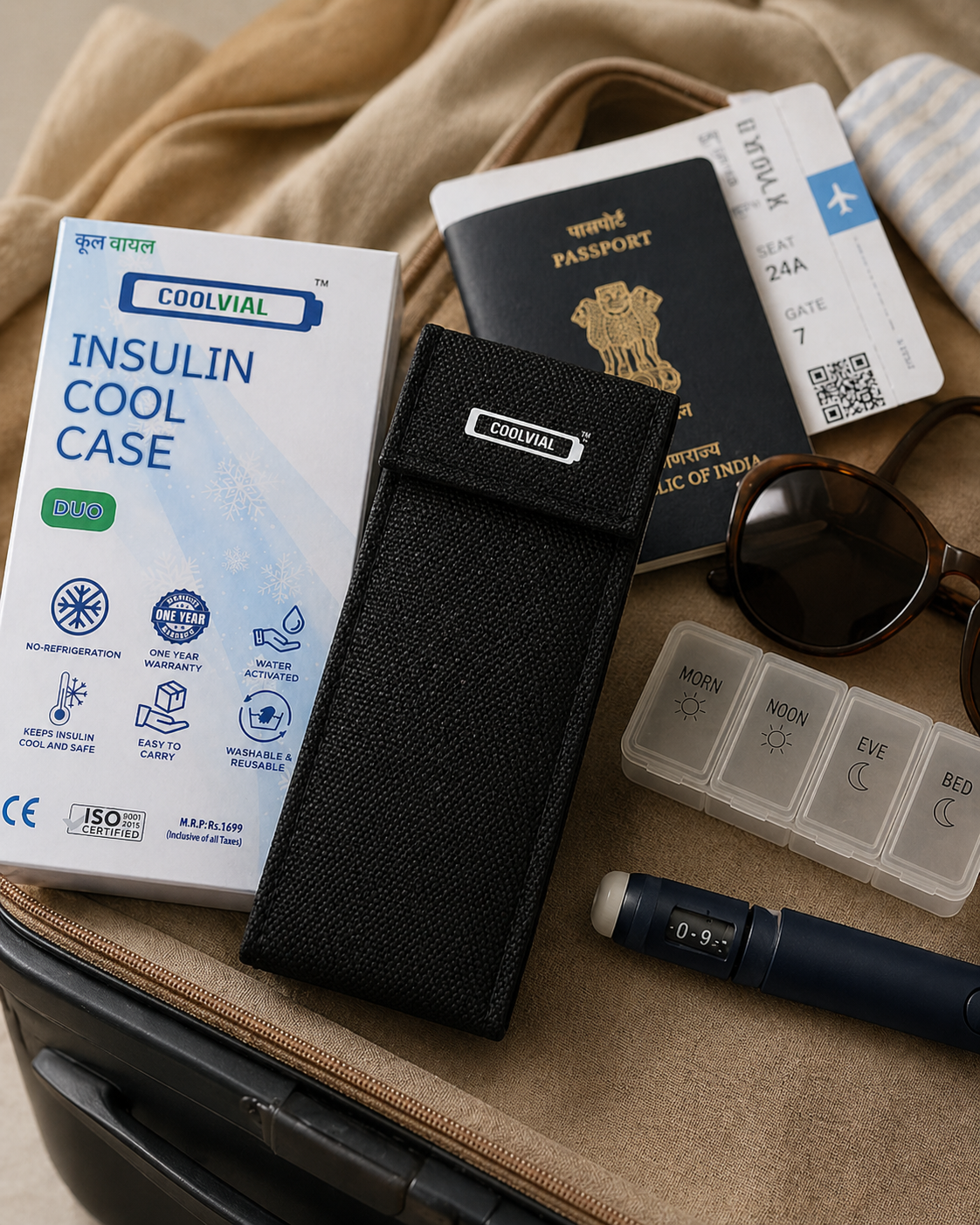
5 Critical Challenges: North India vs South India Insulin Storage Compared
CE Certified · Free Delivery · 1-Year Warranty
📲 Buy on WhatsApp — ₹1,0995 Critical Challenges: North India vs South India Insulin Storage Compared
48+ hours at 2-8°C. No electricity. CE certified. Free delivery across India.
Order on WhatsApp — ₹1,099🛒 Buy Now — ₹1,099